Actors vote overwhelmingly to refuse digital scanning as AI protections battle intensifies


2 Sources
2 Sources
[1]
Actors vote to refuse to be digitally scanned in pushback against AI
Performing arts union Equity says it may hold formal ballot after 99% of actors polled in indicative ballot voted in favour of refusing body scans Actors have voted in favour of refusing to be digitally scanned in order to prevent their likeness being used by artificial intelligence in a pushback against the use of AI in the arts. Members of the performing arts union Equity were asked if they would refuse to be scanned while on set, a common practice where actors have their likeness captured for future use, with 99% voting in favour of the move. Equity's general secretary, Paul Fleming, said: "Artificial intelligence is a generation-defining challenge. And for the first time in a generation, Equity's film and TV members have shown that they are willing to take industrial action. "Ninety percent of TV and film is made on these agreements. Over three-quarters of artists working on them are union members. This shows that the workforce is willing to significantly disrupt production unless they are respected, and [if] decades of erosion in terms and conditions begins to be reversed." The vote is an indicative ballot used by the union to show the strength of feeling on the issue, with more than 7,000 members polled on a 75% turnout. However, actors would not be legally protected if they refused to be scanned. The union said it would write to Pact - the trade body representing the majority of producers and production companies in the UK - to negotiate new minimum standards for pay, as well as terms and conditions for actors working in film and TV. Equity said it may hold a formal ballot depending on the outcome of the negotiations, which - if backed - would protect actors legally if they were being pressed to accept digital scanning on set. The decision comes after months of debate and concerns over rights as AI becomes established in the creative industries, with big-name actors urging Equity members to back the calls to stop digital scanning. Adrian Lester, Hugh Bonneville and Harriet Walter all supported the union's campaign to ensure AI protections for performers are written into union agreements. Bonneville said actors' likenesses and voices should not be "exploited for the benefit of others without licence or consent", while Lester said actors who were just starting out found it hard to push back against body scanning. In October, Olivia Williams told the Guardian that performers are regularly pressed to have their bodies scanned on set without having a say over how their data is later used. The Dune star argued that actors should have as much control over the data harvested from scans of their body as they do over nudity scenes. Williams said there were clauses in contracts that appeared to give studios carte blanche over a performer's likeness "on all platforms now existing or yet to be devised throughout the universe in perpetuity". The arrival of the first AI actor, Tilly Norwood, further heightened concerns and demands for formal agreements on what is and is not permissible. In 2023, concerns over AI were at the heart of the Hollywood writers' strike. Both writers and actors argued that unchecked AI could dramatically reshape Hollywood and undermine their roles.
[2]
Actors vote to refuse digital scanning on set as concerns grow over AI
Actors have voted overwhelmingly to refuse digital scanning on set in a bid to secure adequate AI protections. Equity - the UK's largest acting union - announced the results of an indicative industrial action ballot on Thursday. It's the first time such a large section of Equity's membership - over 7,000 performers working across TV and film - has been balloted, and is a big moment for the UK's film and TV industry. As an indicative ballot, it's not binding, nor would it legally cover members who refuse to be digitally scanned on set. But the vote could act as a warning shot to the industry, showing the level of support the union has for action, short of a strike. The vote follows unrest in the US in 2023, when members of Equity's sister union, SAG-AFTRA, went on strike for four months over issues including artificial intelligence protections.
Share
Share
Copy Link
UK performing arts union Equity announced that 99% of over 7,000 actors voted to refuse digital scanning on set, marking the first major industrial action ballot in a generation. The move targets unauthorized use of likeness by AI and follows similar concerns that drove the Hollywood writers' strike in 2023.
Actors Vote Signals Major Shift in AI Protections Battle
The performing arts union Equity has revealed striking results from an indicative ballot where 99% of actors voted to refuse digital scanning on set, a practice that captures performers' likeness for potential future use by AI systems
1
. More than 7,000 members participated in the poll with a 75% turnout, representing the first time such a large section of Equity's membership has been balloted on industrial action in a generation2
. The overwhelming support demonstrates how deeply concerns about actors' likeness exploitation have penetrated the UK film and TV industry.Equity's general secretary Paul Fleming emphasized the historic nature of the decision, noting that "90% of TV and film is made on these agreements" and "over three-quarters of artists working on them are union members"
1
. This workforce solidarity suggests productions could face significant disruption unless performers' rights receive proper respect and decades of eroding terms and conditions begin to reverse.Body Scanning Technology Raises Consent Issues
Digital scanning has become common practice on film and television sets, but performers increasingly question how their data gets used after capture. Dune star Olivia Williams told The Guardian in October that actors regularly face pressure to submit to body scanning technology without any say over subsequent data usage
1
. She argued that performers should exercise as much control over harvested scan data as they do over nudity scenes, highlighting the intimate nature of this technology.Williams pointed to contract clauses that appear to grant studios unlimited rights over performers' likeness "on all platforms now existing or yet to be devised throughout the universe in perpetuity"
1
. Such sweeping language raises alarm about consent and data protection, particularly for actors just starting their careers who lack leverage to push back against scanning demands.Negotiations and Potential Industrial Action Ahead
While the indicative ballot shows overwhelming support to refuse digital scanning, it carries no legal binding power and would not protect actors who decline scanning on set
2
. However, Equity plans to leverage these results in negotiations with Pact, the trade body representing most producers and production companies in the UK, seeking new minimum standards for pay and working conditions1
.Depending on how negotiations unfold, Equity may proceed with a formal ballot that would provide legal protections for actors pressed to accept scanning. Prominent actors including Adrian Lester, Hugh Bonneville, and Harriet Walter have backed the campaign to ensure AI protections get written into union agreements. Bonneville stated that actors' likenesses and voices should not be "exploited for the benefit of others without licence or consent"
1
.Related Stories


Echoes of Hollywood Strike 2023 and Growing Industry Concerns
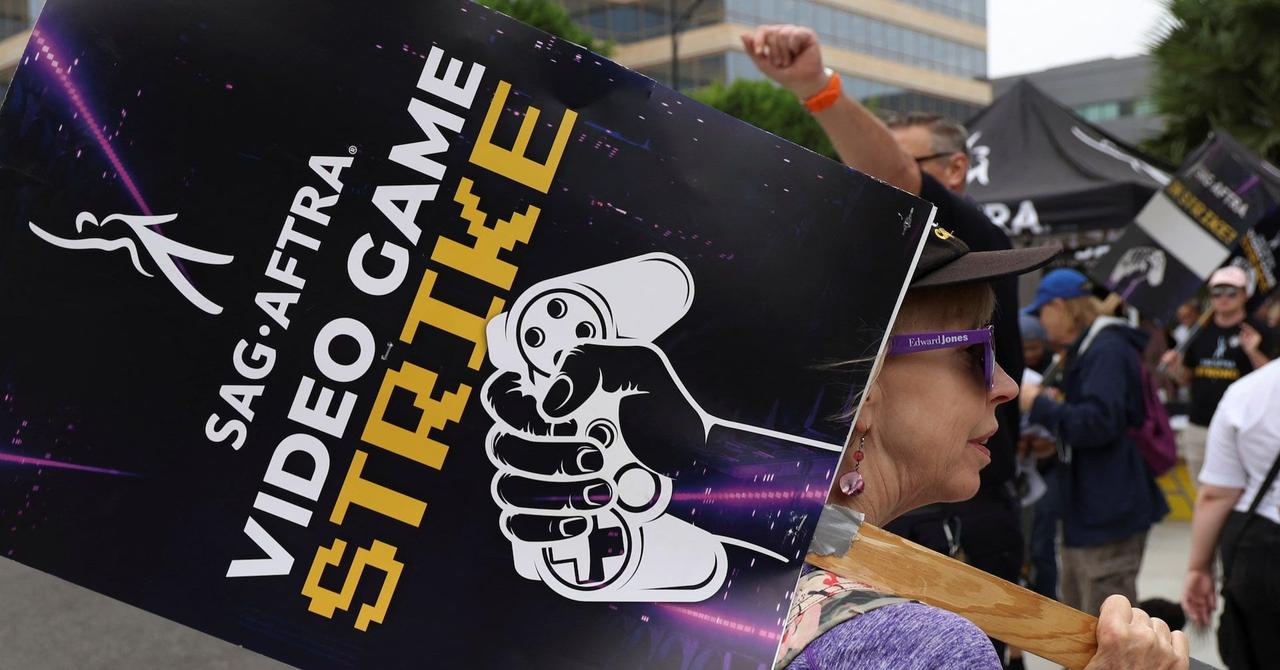
This action follows unrest that gripped Hollywood in 2023, when SAG-AFTRA members staged a four-month strike with AI protections among the central issues
2
. The Hollywood writers' strike that same year similarly centered on concerns that unchecked generative AI could dramatically reshape the industry and undermine creative roles1
.The arrival of the first AI actor, Tilly Norwood, has further intensified demands for formal agreements defining what is and is not permissible
1
. As AI capabilities advance, the question of likeness rights and unauthorized use of likeness by AI extends beyond immediate contract terms to fundamental questions about performers' rights and creative labor's future. The industry now watches closely to see whether producers will meet union demands or whether this warning shot escalates into more disruptive industrial action.References
Summarized by

Navi
Related Stories
Recent Highlights
1
OpenAI Releases GPT-5.4, New AI Model Built for Agents and Professional Work
Technology
2
Pentagon's Anthropic showdown exposes who controls AI guardrails in military contracts
Policy and Regulation

3
Anthropic challenges Pentagon supply chain risk label in court over AI usage restrictions
Policy and Regulation

Recent Highlights
Today's Top Stories







Your Daily Dose of Curated AI News
Don’t drown in AI news. We cut through the noise - filtering, ranking and summarizing the most important AI news, breakthroughs and research daily. Spend less time searching for the latest in AI and get straight to action.

