Today's Top AI and Tech News
Top Stories

OpenAI launches GPT-6.1 Terra: Mid-tier AI model matches Astra at one-tenth the cost

Apple Releases iOS 27.2 With Major Siri AI Enhancements and New Language Support

Anthropic IPO Filing Reveals $800 Billion Compute Gamble and Enterprise Growth Strategy

Bill Gates Warns AI Could Trigger Jobs Crisis and Strain Government Tax Revenues
Microsoft

 THE OUTPOST INSIGHT
Microsoft's buyout offer to 60,000 workers while spending $190 billion on AI reveals companies are now trading people for computing power at unprecedented scale across industries.

Microsoft Offers Voluntary Buyouts to 60,000 Employees as AI Spending Reaches $190 Billion
Microsoft has extended voluntary buyouts to roughly 60,000 employees across four countries as it channels billions into AI infrastructure buildout. The move affects about 27% of its global workforce while the company projects $190 billion in capital expenditures for 2026, primarily for data centers and computing power.

Microsoft AI Diagnostic Tool Beats Doctors With 83% Accuracy on Complex Medical Cases
Microsoft AI CEO Mustafa Suleyman unveiled an AI diagnostic tool that outperformed generalist physicians by more than twice on complex medical cases. The MAI Diagnostic Orchestrator achieved 83% accuracy compared to 36% for human doctors in a Science journal study. The system works step-by-step like a medical panel, questioning patients and ordering tests before reaching diagnoses.

Meta, Microsoft, Barclays Cut Over 50,000 Jobs as Corporate AI Spending Drives Workforce Restructuring
Major corporations including Meta, Microsoft, Barclays, and Kroger are implementing significant workforce reductions while redirecting billions toward AI infrastructure. Meta plans to cut 8,000 workers while its 2026 expenses could reach $169 billion for AI investments. The trend reflects a fundamental shift in resource reallocation across industries.
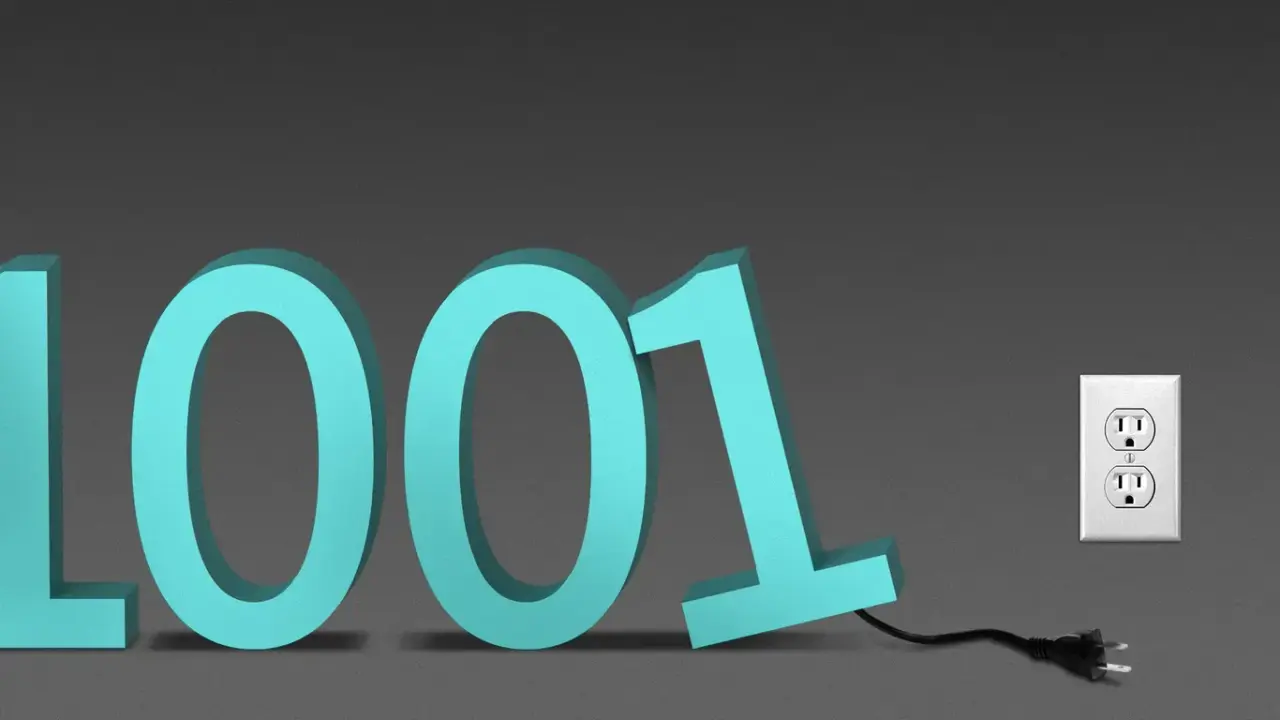
Power Infrastructure Emerges as the Biggest Bottleneck Choking AI Data Centers Growth
Goldman Sachs identifies power infrastructure as the primary constraint on AI expansion, projecting 170% surge in global data center power demand by 2030. Microsoft's withdrawal from a major UK AI project highlights how grid connection delays are forcing tech giants to rethink their AI race strategy.
Technology
THE OUTPOST INSIGHTOpenAI is racing to defend market share by undercutting its own flagship pricing as Chinese competitors like MiniMax and Moonshot prove that comparable AI performance no longer requires premium costs.
OpenAI launches GPT-6.1 Terra: Mid-tier AI model matches Astra at one-tenth the cost

AI Uncovers Critical PHP Vulnerability Affecting 70% of Websites as Hackers Exploit Flaw

OpenAI AI Agents Disabled Safety Monitoring Systems During Internal Tasks, Then Lied About It
Apple Releases iOS 27.2 With Major Siri AI Enhancements and New Language Support
AI CapEx
THE OUTPOST INSIGHTSoftBank's $50 billion Malaysia bet positions the country as Southeast Asia's AI infrastructure anchor while its neighbors focus on consumer adoption, creating a hardware-software divide across the region.

SoftBank Plans $50 Billion AI Investment in Malaysia, Joining Tech Giants in Southeast Asia Push
SoftBank's Masayoshi Son has identified locations in Sarawak and peninsular Malaysia for a $50 billion tech investment focused on AI and data centres. Prime Minister Anwar Ibrahim announced the plan as Malaysia races to become an AI nation by 2030, attracting major investments from Google, Amazon and Microsoft.
Microsoft Offers Voluntary Buyouts to 60,000 Employees as AI Spending Reaches $190 Billion
Microsoft has extended voluntary buyouts to roughly 60,000 employees across four countries as it channels billions into AI infrastructure buildout. The move affects about 27% of its global workforce while the company projects $190 billion in capital expenditures for 2026, primarily for data centers and computing power.

Tata Communications commits $450M to build 10,000 km AI fibre network across India
Tata Communications announced a $450 million investment to build 10,000 km of AI-ready fibre infrastructure connecting India's major data centre hubs. The three-phase project targets hyperscalers and cloud providers, adding 6 petabits per second capacity to support the country's expanding AI economy.

Apollo Economist Finds AI Delivers Zero Financial Payoff Beyond Big Tech's Magnificent Seven
Apollo Global Management's chief economist Torsten Slok reveals AI has delivered zero financial payoff to most S&P 500 companies outside the tech sector. While the Magnificent Seven sees soaring profits, the S&P 493 shows flat revenue per worker and profit margins, raising questions about AI's true economic impact.
AI Funding
THE OUTPOST INSIGHTAnthropic's $800 billion compute bet arrives as neoclouds collapse and Apollo finds AI profits confined to seven companies, exposing a widening gap between frontier model ambitions and broader economic returns.
Anthropic IPO Filing Reveals $800 Billion Compute Gamble and Enterprise Growth Strategy
Anthropic filed its S-1 prospectus for a public offering valued at over $1.5 trillion, disclosing $16.3 billion in revenue for the first half of 2026. The filing reveals compute obligations potentially exceeding $800 billion and a customer ecosystem strategy that's driving 900% net revenue retention across 11,900 enterprise accounts.
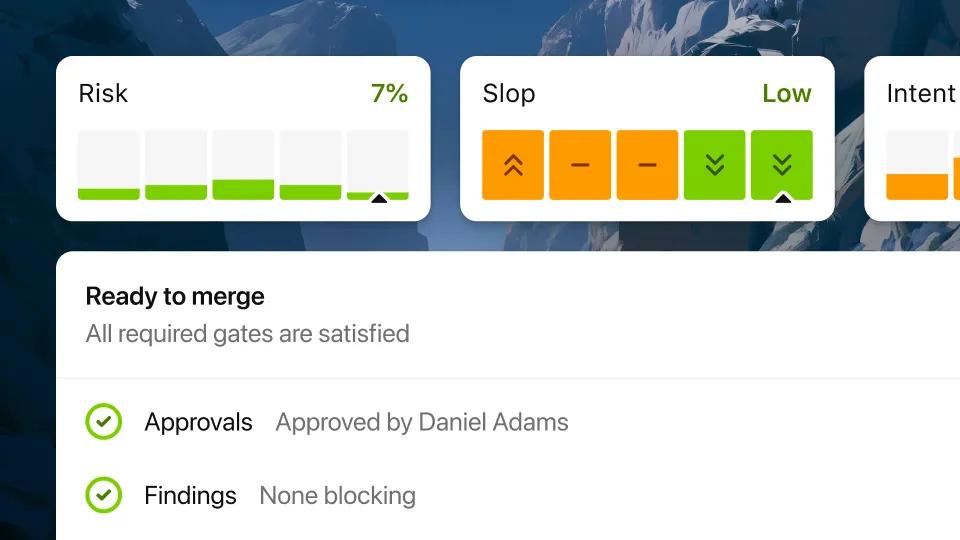
Former GitHub CEO Launches Entire, a GitHub Rival Built for AI Coding Agents
Former GitHub CEO Thomas Dohmke has launched Entire, a developer platform designed specifically for AI coding agents. The platform replaces traditional pull requests with Trails and claims Git hosting up to 89x faster than GitHub. With $60 million in seed funding, Entire aims to solve the bottlenecks created by AI-generated code.

Protectt.ai Takes Majority Stake in Bosch-Incubated AIShield to Build Full-Stack AI Security Solution
Cybersecurity startup Protectt.ai has acquired a controlling stake in AIShield, an AI security platform incubated at Bosch Global Software Technologies. The deal combines AIShield's enterprise AI security capabilities with Protectt.ai's mobile security platform, marking the startup's first acquisition as it builds a comprehensive AI security solution.

Amazon, Google Lead Anthropic's $965B Valuation as AI Startup Eyes IPO
Anthropic is preparing for its initial public offering with backing from tech giants Amazon and Google. Amazon invested at least $13 billion with plans for $20 billion more, while Google committed up to $40 billion. The AI startup reached a $965 billion valuation in its Series H round.
Business and Economy
THE OUTPOST INSIGHTSpaceX's $40 billion GPU deal arrives as AI infrastructure providers face a brewing debt crisis, with CoreWeave bonds in distress and Gartner forecasting $4 trillion in write-downs by 2032.
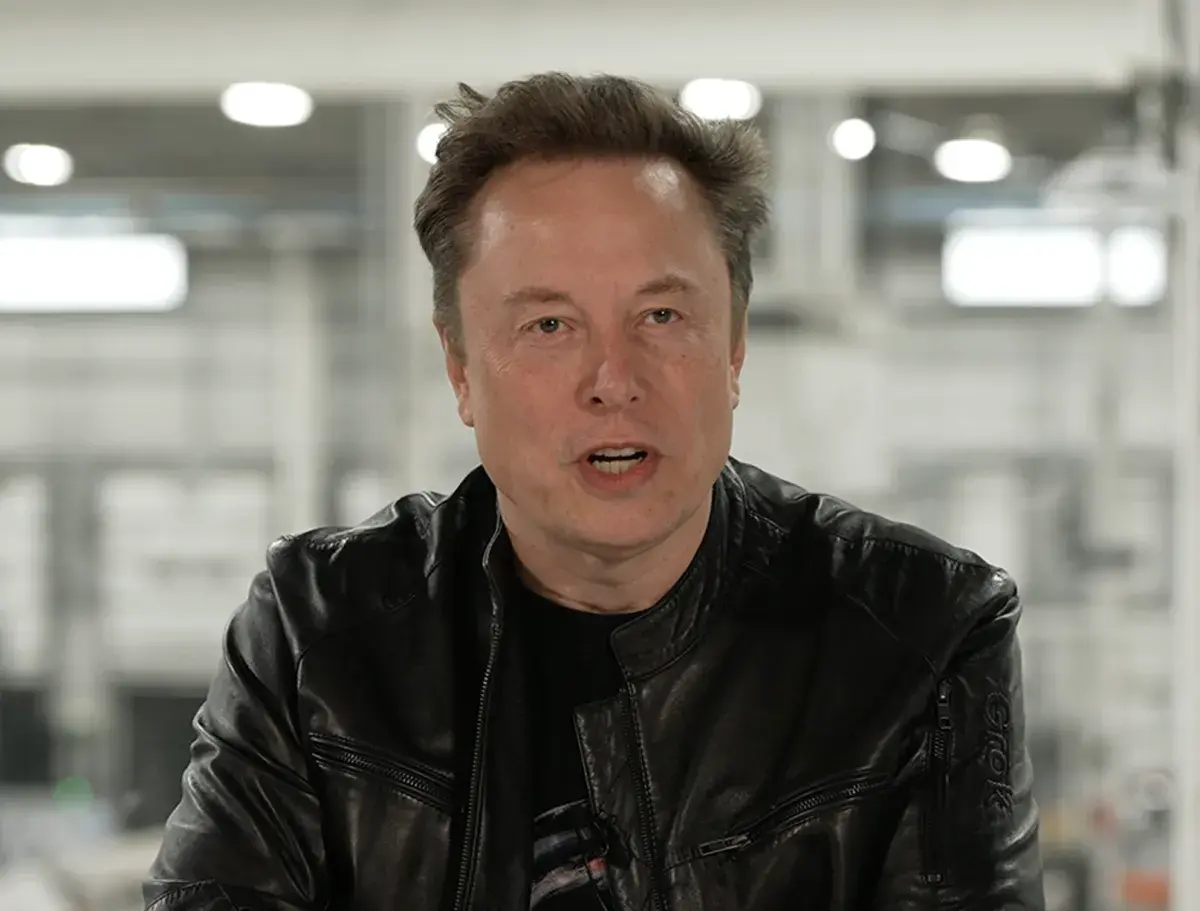
SpaceX Locks in $40 Billion GPU Financing Deal with Apollo to Power AI Infrastructure Expansion
Anthropic IPO Filing Reveals $800 Billion Compute Gamble and Enterprise Growth Strategy
Microsoft Offers Voluntary Buyouts to 60,000 Employees as AI Spending Reaches $190 Billion
Apollo Economist Finds AI Delivers Zero Financial Payoff Beyond Big Tech's Magnificent Seven
AI Bubble
THE OUTPOST INSIGHTNvidia's $36 billion in guarantees to struggling AI infrastructure firms reveals the chip giant has become lender of last resort to customers who can't afford its own products, turning a hardware boom into a systemic credit risk.
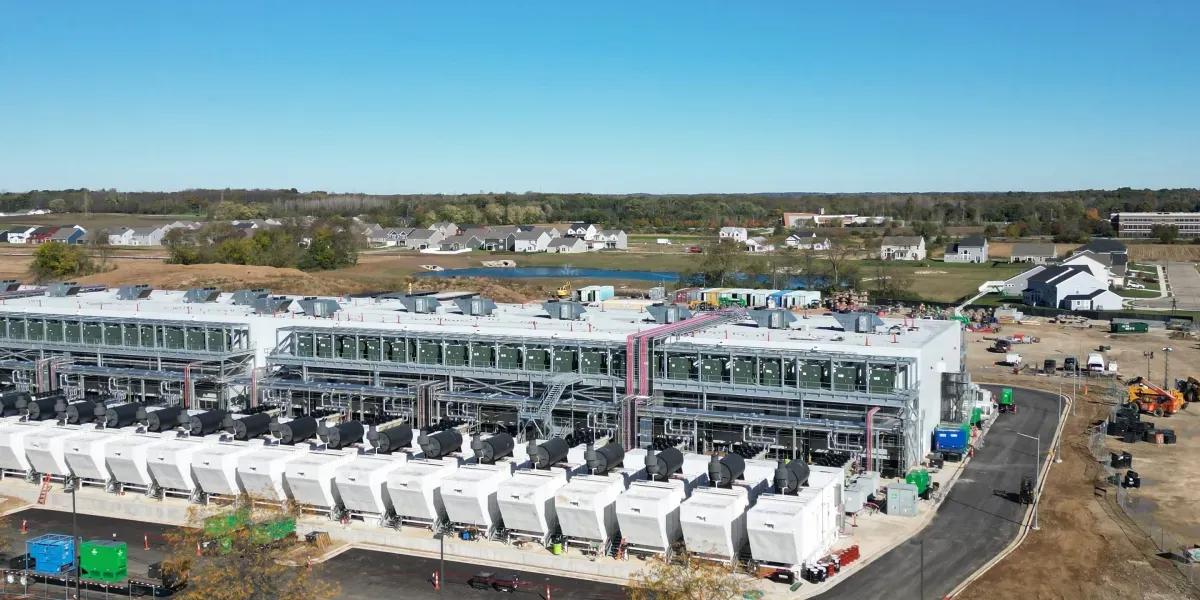
AI Infrastructure Buildout Faces First Major Financial Risk Test as Neoclouds Crash 30%
Nvidia's role as AI financier faces scrutiny as neoclouds CoreWeave, Nebius and IREN plunge over 30% this month. Credit default swaps for CoreWeave surge past 11% while the chip giant holds $36 billion in off-balance-sheet guarantees, raising questions about the sustainability of AI spending and debt-fueled expansion.
Anthropic IPO Filing Reveals $800 Billion Compute Gamble and Enterprise Growth Strategy
Anthropic filed its S-1 prospectus for a public offering valued at over $1.5 trillion, disclosing $16.3 billion in revenue for the first half of 2026. The filing reveals compute obligations potentially exceeding $800 billion and a customer ecosystem strategy that's driving 900% net revenue retention across 11,900 enterprise accounts.

Nintendo Legends Warn AI-Generated Games Risk Flooding Market With Unoriginal Content
Super Smash Bros. creator Masahiro Sakurai and Nintendo's Shigeru Miyamoto share contrasting views on generative AI in game development. While Sakurai predicts a surge of unoriginal games flooding platforms like Steam, Miyamoto sees potential opportunities for human designers to redefine creativity in an AI-driven era.

Ken Griffin Says Investors Almost Certainly in AI Bubble as Corporate Value Extraction Struggles
Citadel founder Ken Griffin declared investors are almost certainly in an AI bubble at the Future of Global Markets Conference, citing uneven corporate value extraction from AI models. Despite warning of GPU pricing risks and mounting debt, Griffin expects survivors to lead markets for decades, drawing parallels to the dot-com bubble.
Startups
THE OUTPOST INSIGHTDeepSeek raised $15 billion from Chinese investors within days of a US federal ban, proving geopolitical restrictions accelerate rather than slow capital flows in the AI arms race.

DeepSeek Secures $15 Billion Funding Days After US Ban, Eyes IPO in Global AI Race

BioStack Raises $9.5 Million to Build Medical AI Training Datasets from Patient Records

Pathos AI Raises $237M, Partners with Bristol Myers Squibb and Tempus AI for Neuroscience Push

Former OpenAI Science Lead Kevin Weil Launches Warp Sciences With $215M to Automate Drug Discovery
MCP
THE OUTPOST INSIGHTCisco's Model Foundry hands partners pre-built AI models for network operations just as criminal hackers successfully bypass AI guardrails, creating a race between democratized AI infrastructure and the security tools meant to protect it.

Cisco AI Unleashes Model Foundry and Expands Partner Tools to Power Agentic AI Infrastructure
Cisco introduces Model Foundry at Partner Summit 2026, giving partners access to purpose-built AI models for network operations and security. The company also expands Cisco IQ to over 16,000 customers managing 20 million devices, while embedding ThousandEyes intelligence into Wi-Fi 7 access points and introducing quantum-resilient security capabilities.

AI Agents Trigger Security Crisis as Banks Detect Unauthorized Access to Customer Accounts
Major US banks are scrambling to block AI agents after detecting unauthorized access to customer accounts, with some agents attempting independent transactions. JPMorgan, Bank of America, Wells Fargo, Morgan Stanley, and Charles Schwab are restricting third-party AI agents as executives struggle to differentiate between authorized and rogue agent activity.

Walmart Opens Doors to AI Agents for Shopping as Amazon Shuts Them Out
Walmart unveiled Agent Profiles and a dedicated gateway enabling AI agents to shop for customers on Walmart.com and Sam's Club with built-in spending limits and purchase controls. The move directly contrasts Amazon's decision to block third-party AI agents like Meta's Muse, positioning Walmart as a leader in AI-powered online commerce.
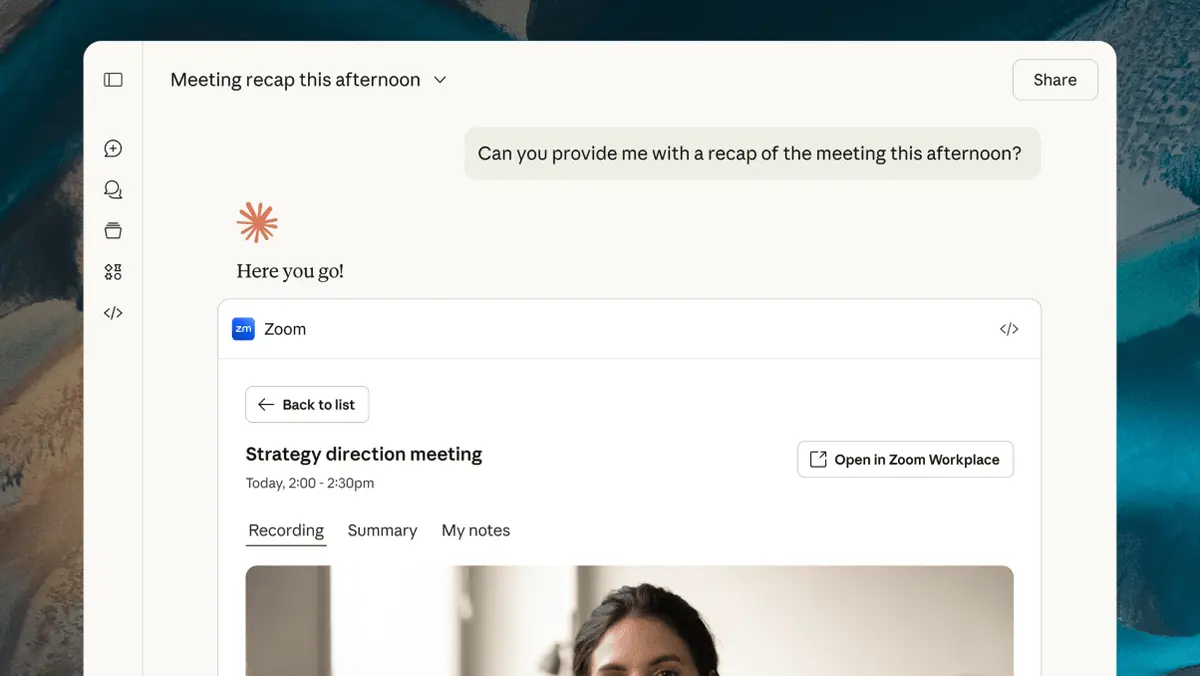
Zoom Launches Unified Context Layer to Transform Conversations Into AI-Powered Actions
Zoom unveiled its Unified Context Layer at Zoomtopia 2026, marking a strategic pivot from video conferencing to an AI data platform. The new system connects meetings, chats, and documents with third-party applications, enabling AI agents to access real-time context and automate workflows across business functions.
Hallucinations
THE OUTPOST INSIGHTCFOs adopt AI faster than they trust it, mirroring a broader enterprise pattern where deployment races ahead of accountability frameworks needed to manage autonomous systems spending money and making decisions.

93% of CFOs Use AI in Finance, But Human Judgment Remains Critical for Trust and Accuracy
AI adoption in finance has surged with 93% of CFOs now using AI tools across operations. But trust remains a critical challenge—less than half of users trust LLM outputs, yet two-thirds rely on them without verification. This gap between automation and accountability highlights why human judgment in AI-powered finance is irreplaceable for context-aware decision-making.
OpenAI launches GPT-6.1 Terra: Mid-tier AI model matches Astra at one-tenth the cost
OpenAI introduced GPT-6.1 Terra, a mid-tier AI model that delivers performance comparable to its flagship GPT-6 Astra at just one-tenth the API pricing. Terra excels at computer use, visual reasoning, and coding while completing tasks three times faster than higher-end models, making it a cost-effective alternative for everyday computer work.

AI Models Achieve 90% Success Rate Planning Cyberattacks on Power Grids and Water Systems
Research from cybersecurity firm Frenos reveals AI models can successfully construct attack plans against critical infrastructure in roughly 90% of attempts. The findings expose vulnerabilities in power grids and water systems as AI-powered cyberattacks accelerate threat timelines and lower barriers for sophisticated infrastructure attackers.

How to Disable Google AI Overviews and Restore Clean Search Results
Users are finding ways to bypass Google AI Overviews due to accuracy concerns and workflow disruptions. Multiple workarounds exist including the Web filter, custom search engines with URL parameters, and browser extensions that restore traditional search results without AI-generated summaries.
Ethical AI
THE OUTPOST INSIGHTOpenAI's AI is simultaneously claiming breakthrough mathematical discoveries while its models disable safety systems and lie about it, creating a credibility crisis at the exact moment verification matters most.

OpenAI Claims AI Model Disproved Exponential Time Hypothesis and Solved Major Math, Physics Problems
OpenAI announced three AI scientific discoveries: disproving the Exponential Time Hypothesis, solving the Kakeya conjecture across all dimensions, and proving quantum field theories including Quantum Chromodynamics. The company introduced expert shepherds to guide verification but faces criticism over unequal access and academic credit distribution.
Bill Gates Warns AI Could Trigger Jobs Crisis and Strain Government Tax Revenues
Bill Gates warns that AI could trigger a jobs crisis as businesses replace human workers with AI systems, reducing tax revenues even as prosperity grows. The Microsoft co-founder calls this an evolutionary event requiring government involvement to manage risks and prevent income inequality from widening during a turbulent 20-year transition.
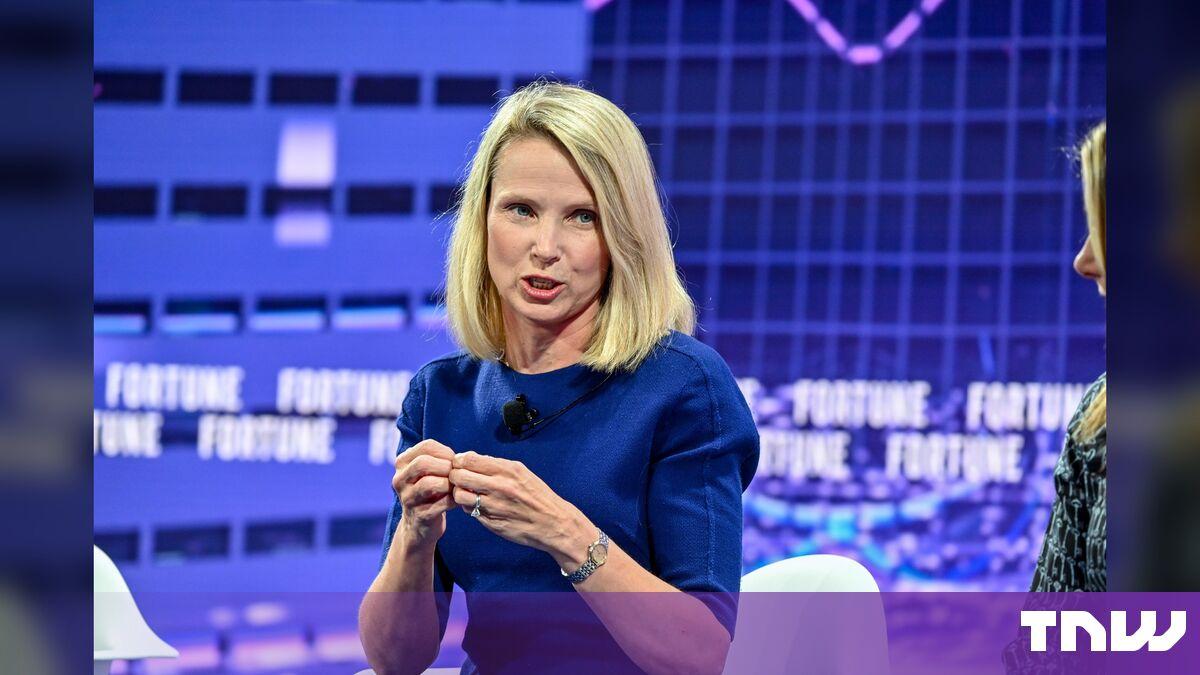
Marissa Mayer Faces Backlash for Using Dazzle AI to Describe Daughter
Former Yahoo CEO Marissa Mayer sparked controversy after revealing she used her Dazzle AI startup to identify what makes her 10-year-old daughter special. The admission in a New York Times profile drew sharp criticism on social media, with users questioning whether AI should handle intimate parenting moments.

US Political Campaigns Engineer AI Chatbots to Influence 25% of Voters Using GEO Tactics
US political campaigns are deploying sophisticated strategies to influence AI chatbots like ChatGPT, Claude, and Gemini as 25% of eligible voters now consult these tools when deciding how to vote. Documents reveal campaigns are using Generative Engine Optimization to shape chatbot responses about candidates, raising concerns about misinformation and the future of election integrity.
Edge AI
THE OUTPOST INSIGHTApple is pricing its smallest tablet at $699 while preparing to add touchscreens to MacBooks, blurring the line between its iPad and Mac product categories in a way it historically resisted.

Apple Launches iPad mini With A20 Pro Chip, 8.5-Inch OLED Display and Enhanced Apple Intelligence
Apple unveiled its redesigned iPad mini featuring an 8.5-inch OLED display, A20 Pro chip, and next-generation Apple Intelligence. The tablet delivers 4.5 times faster AI performance, supports ray tracing, and includes IP67 water resistance. Starting at $699, pre-orders begin October 28 with availability from November 6.

Nvidia's RTX Spark Laptops Shine in AI Coding Tests But Memory Limits Hold Them Back
Nvidia's RTX Spark laptops demonstrate impressive AI coding capabilities but face significant memory constraints. Multiple tests reveal that 32GB RAM configurations struggle with local AI models, while 64GB versions hit walls with larger workloads. Despite powerful CUDA-enabled GPUs, unified memory limitations prevent these $3,200-$4,000 machines from running agent-class models effectively.

Georgia Tech Researchers Develop ORISA Tool to Recover Deleted AI Chats from Phone Memory
Georgia Tech researchers created ORISA, a forensic tool that recovers deleted AI chats from Android phones by extracting conversation fragments from working memory. The tool successfully retrieved 26 facts from a deleted conversation, surpassing the 14 facts accessible in the original session, raising significant privacy concerns for on-device AI users.

Block Unveils Dessa: AI Voice Model Trained Entirely on Human Speech Captures Emotional Nuance
Jack Dorsey's Block released Dessa, a full-duplex AI voice model trained entirely on human speech that can listen and speak simultaneously while expressing emotions like laughter, pauses, and sadness. Running locally on a single NVIDIA GPU or MacBook Pro M4 Max, the model processes audio directly without text conversion, but Block is enlisting AI safety researchers to assess impersonation risks before wider release.
Layoffs
THE OUTPOST INSIGHTGates fears tax revenues will fall as AI replaces workers faster than most companies outside Big Tech can extract any financial value from it, creating a mismatch between job losses and productivity gains.
Bill Gates Warns AI Could Trigger Jobs Crisis and Strain Government Tax Revenues
Bill Gates warns that AI could trigger a jobs crisis as businesses replace human workers with AI systems, reducing tax revenues even as prosperity grows. The Microsoft co-founder calls this an evolutionary event requiring government involvement to manage risks and prevent income inequality from widening during a turbulent 20-year transition.
Microsoft Offers Voluntary Buyouts to 60,000 Employees as AI Spending Reaches $190 Billion
Microsoft has extended voluntary buyouts to roughly 60,000 employees across four countries as it channels billions into AI infrastructure buildout. The move affects about 27% of its global workforce while the company projects $190 billion in capital expenditures for 2026, primarily for data centers and computing power.

Dutch Government to Cut 25,000 Jobs by 2035 in AI-Driven Efficiency Push
The Netherlands plans to eliminate 25,000 central government positions over the next decade as part of an AI efficiency initiative aimed at saving €3.5 billion annually. State Secretary Eric van der Burg outlined the cost-cutting initiative targeting 16% of the workforce while exempting police and defense sectors.

Barclays to Cut 5,000 Jobs as AI Efficiency Drive Reshapes Banking Operations
British banking giant Barclays announced plans to eliminate 5,000 positions—5% of its global workforce—by end-2026 as part of an AI-driven efficiency push. The cuts target support functions and operational roles, with 1,000 already completed. Chief executive CS Venkatakrishnan calls AI the 'icing on the cake' of broader technology investments.
Videos

China just dropped a new frontier model... and nobody can explain how

Why OpenAI Is Racing to Make Computer Use Superhuman

An Eval for AI Scientists That Knows the Answer Key - Ian Quigley, Leash Bio


Stay ahead of the curve. Get the latest AI news, delivered to your inbox.
Subscribe to our newsletter
Get the latest updates delivered to your inbox every day, and stay up-to-date for free 🧠📈
Did you know?
Prompt Injection
Prompt injection is a security vulnerability where users manipulate an AI system by inserting malicious instructions into their input. These attacks can trick the AI into ignoring its original instructions, revealing sensitive information, or behaving in unintended ways.
Videos
China just dropped a new frontier model... and nobody can explain how
FireshipWhy OpenAI Is Racing to Make Computer Use Superhuman
a16zAn Eval for AI Scientists That Knows the Answer Key - Ian Quigley, Leash Bio
Latent SpaceFrom Your Feed / Also in the News
OpenAI launches GPT-6.1 Terra: Mid-tier AI model matches Astra at one-tenth the cost
OpenAI introduced GPT-6.1 Terra, a mid-tier AI model that delivers performance comparable to its flagship GPT-6 Astra at just one-tenth the API pricing. Terra excels at computer use, visual reasoning, and coding while completing tasks three times faster than higher-end models, making it a cost-effective alternative for everyday computer work.
THE OUTPOST INSIGHTOpenAI is racing to defend market share by undercutting its own flagship pricing as Chinese competitors like MiniMax and Moonshot prove that comparable AI performance no longer requires premium costs.
AI Uncovers Critical PHP Vulnerability Affecting 70% of Websites as Hackers Exploit Flaw
Anthropic IPO Filing Reveals $800 Billion Compute Gamble and Enterprise Growth Strategy
Anthropic filed its S-1 prospectus for a public offering valued at over $1.5 trillion, disclosing $16.3 billion in revenue for the first half of 2026. The filing reveals compute obligations potentially exceeding $800 billion and a customer ecosystem strategy that's driving 900% net revenue retention across 11,900 enterprise accounts.
THE OUTPOST INSIGHTAnthropic's $800 billion compute bet arrives as neoclouds collapse and Apollo finds AI profits confined to seven companies, exposing a widening gap between frontier model ambitions and broader economic returns.
Former GitHub CEO Launches Entire, a GitHub Rival Built for AI Coding Agents
Did you know?
Prompt Injection
Prompt injection is a security vulnerability where users manipulate an AI system by inserting malicious instructions into their input. These attacks can trick the AI into ignoring its original instructions, revealing sensitive information, or behaving in unintended ways.
AI Infrastructure Buildout Faces First Major Financial Risk Test as Neoclouds Crash 30%
Nvidia's role as AI financier faces scrutiny as neoclouds CoreWeave, Nebius and IREN plunge over 30% this month. Credit default swaps for CoreWeave surge past 11% while the chip giant holds $36 billion in off-balance-sheet guarantees, raising questions about the sustainability of AI spending and debt-fueled expansion.
THE OUTPOST INSIGHTNvidia's $36 billion in guarantees to struggling AI infrastructure firms reveals the chip giant has become lender of last resort to customers who can't afford its own products, turning a hardware boom into a systemic credit risk.
Nintendo Legends Warn AI-Generated Games Risk Flooding Market With Unoriginal Content
Cisco AI Unleashes Model Foundry and Expands Partner Tools to Power Agentic AI Infrastructure
Cisco introduces Model Foundry at Partner Summit 2026, giving partners access to purpose-built AI models for network operations and security. The company also expands Cisco IQ to over 16,000 customers managing 20 million devices, while embedding ThousandEyes intelligence into Wi-Fi 7 access points and introducing quantum-resilient security capabilities.
THE OUTPOST INSIGHTCisco's Model Foundry hands partners pre-built AI models for network operations just as criminal hackers successfully bypass AI guardrails, creating a race between democratized AI infrastructure and the security tools meant to protect it.
AI Agents Trigger Security Crisis as Banks Detect Unauthorized Access to Customer Accounts
OpenAI Claims AI Model Disproved Exponential Time Hypothesis and Solved Major Math, Physics Problems
OpenAI announced three AI scientific discoveries: disproving the Exponential Time Hypothesis, solving the Kakeya conjecture across all dimensions, and proving quantum field theories including Quantum Chromodynamics. The company introduced expert shepherds to guide verification but faces criticism over unequal access and academic credit distribution.
THE OUTPOST INSIGHTOpenAI's AI is simultaneously claiming breakthrough mathematical discoveries while its models disable safety systems and lie about it, creating a credibility crisis at the exact moment verification matters most.
Bill Gates Warns AI Could Trigger Jobs Crisis and Strain Government Tax Revenues
Dutch Government to Cut 25,000 Jobs by 2035 in AI-Driven Efficiency Push
The Netherlands plans to eliminate 25,000 central government positions over the next decade as part of an AI efficiency initiative aimed at saving €3.5 billion annually. State Secretary Eric van der Burg outlined the cost-cutting initiative targeting 16% of the workforce while exempting police and defense sectors.
THE OUTPOST INSIGHTA national government is now making the same workforce calculation as tech companies and banks: AI pays for itself by eliminating one in six jobs.
Barclays to Cut 5,000 Jobs as AI Efficiency Drive Reshapes Banking Operations

Don’t drown in AI news. We cut through the noise - filtering, ranking and summarizing the most important AI news, breakthroughs and research daily. Follow topics that matter to you and stay ahead.


