Amazon Prime Video removes AI anime dubs after voice actors and fans revolt over quality


9 Sources
9 Sources
[1]
Prime Video pulls eerily emotionless AI-generated anime dubs after complaints
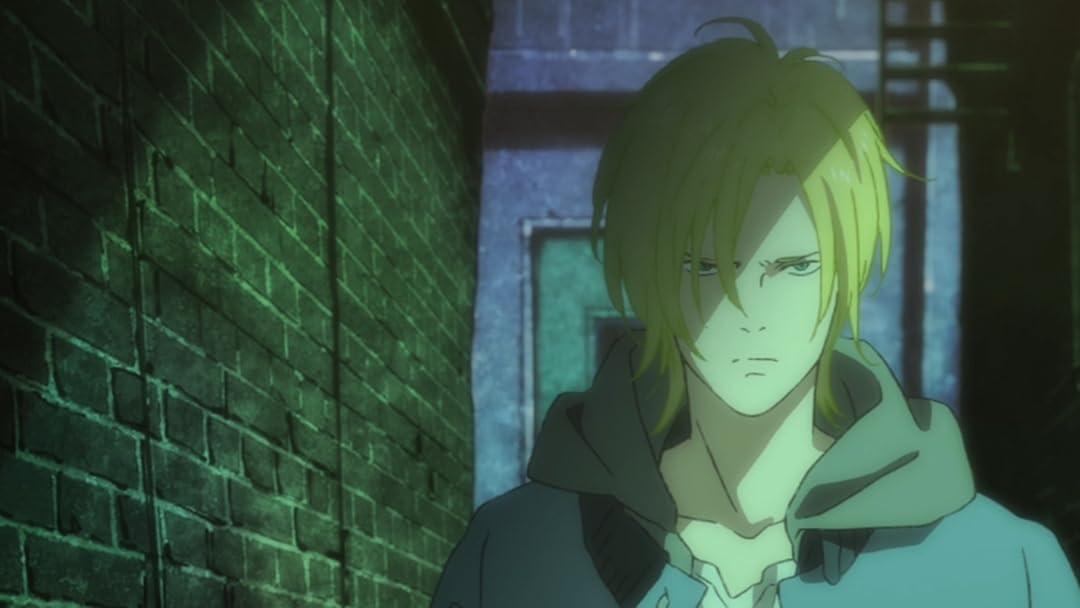
Amazon Prime Video has scaled back an experiment that created laughable anime dubs with generative AI. In March, Amazon announced that its streaming service would start including "AI-aided dubbing on licensed movies and series that would not have been dubbed otherwise." In late November, some AI-generated English and Spanish dubs of anime popped up, including dubs for the Banana Fish series and the movie No Game No Life: Zero. The dubs appear to be part of a beta launch, and users have been able to select "English (AI beta)" or "Spanish (AI beta)" as an audio language option in supported titles. "Absolutely disrespectful" Not everyone likes dubbed content. Some people insist on watching movies and shows in their original language to experience the media more authentically, with the passion and talent of the original actors. But you don't need to be against dubs to see what's wrong with the ones Prime Video tested. In videos shared by users, some of the AI-generated voice work was eerily deadpan. In one telling video Ash Lynx from Banana Fish tries to awaken a child who has been shot while speaking in a detached, dry tone. "Don't leave me please," he states like a robot before confronting someone without any anger in his voice. The person responds in a similarly emotionless manner. In addition to anime viewers complaining about the quality of the dubs, some expressed anger over voice actors being passed over in favor of subpar generative AI. A viewer going by @AGESRings_on X commenting on the Banana Fish dub wrote: [S]o many talented voice actors, and you can't even bother to hire a couple to dub a season of a show??????????? absolutely disrespectful. Naturally, anime voice actors took offense, too. Damian Mills, for instance, said via X that voicing a "notable queer-coded character like Kaworu" in three Evangelion movie dubs for Prime Video (in 2007, 2009, and 2012) "meant a lot, especially being queer myself." Mills, who also does voice acting for other anime, including One Piece (Tanaka) and Dragon Ball Super (Frieza) added, "... using AI to replace dub actors on #BananaFish? It's insulting and I can't support this. It's insane to me. What's worse is Banana Fish is an older property, so there was no urgency to get a dub created." Amazon also seems to have rethought its March statement announcing that it would use AI to dub content "that would not have been dubbed otherwise." For example, in 2017, Sentai Filmworks released an English dub of No Game, No Life: Zero with human voice actors. Some dubs pulled On Tuesday, Gizmodo reported that "several of the English language AI dubs for anime such as Banana Fish, No Game No Life: Zero, and more have now been removed." However, some AI-generated dubs remain as of this writing, including an English dub for the anime series Pet and a Spanish one for Banana Fish, Ars Technica has confirmed. Amazon hasn't commented on the AI-generated dubs or why it took some of them down. All of this comes despite Amazon's March announcement that the AI-generated dubs would use "human expertise" for "quality control." The sloppy dubbing of cherished anime titles is indicative of a lack of precision in the broader industry as companies seek to leverage generative AI to save time and money. Prime Video has already been criticized for using AI-generated movie summaries and posters this year. And this summer, anime streaming service Crunchyroll blamed bad AI-generated subtitles on an agreement "violation" by a "third-party vendor."
[2]
Amazon's Atrocious AI Anime Dubs Are a Dark Sign of Things to Come
As generative AI material threatens to encroach further and further upon the entertainment industry, animationâ€"and Japanese animation in particularâ€"has become something of a major battleground, as both sides of production and distribution weigh up the worth (and potential backlash) of using the technology. But over the weekend, a surprisingly grim new frontier opened up in that battle: the arrival of AI-generated anime dubs. Over the course of the holiday break in the United States, Prime Video rolled out the early stages of a new beta program that utilizes generative AI to voice English and Latin American language dubs of several anime series in the streamer's catalogue, including the likes of Mappa's 2018 adaptation of Banana Fish (which has, somewhat controversially, never received an English-language dub before this) and the 2017 Madhouse No Game No Life movie No Game No Life Zero. Not officially announced by Amazon, it took aggrieved anime fans kicking up a storm on social media to bring the rollout to people's attention. And for good reason, because the dubs sound (perhaps to the surprise of no one outside of the AI accelerationist sphere) absolutely awful: io9 has reached out to Prime Video for comment on the rollout of its AI dub beta and will update if we hear back from the streamer. Even before you get to the translated script itself, these dubs are well below any kind of level of acceptable. The intonation, the pacing, the emotion (or rather, distinct lack thereof): there's always been a brand of anime diehard who has long had a perception of dubbed anime as lesser than the original Japanese work for myriad reasons and that dubbing has a legacy of poor quality, in spite of leaps and bounds of improvements in dubbing quality made over the years as anime has only become more and more mainstream. And yet these AI dubs are somehow even worse than the absolute lowest of those perceptions made manifest. Beta labelling or otherwise, it's almost shocking that Amazon would consider these acceptable to go live, regardless of how much or how little fanfare they made about the initiative. It's further shocking that, in some cases, the AI dubbing is being used on projects that have either famously been waiting years for dubs, like Banana Fish, or, in some wild instances, already received dubs that utilize actual human beingsâ€"as is the case with No Game No Life Zero, which was dubbed by Sentai Filmworks. In those cases, the AI dub isn't filling a void but effectively erasing the past for the sake of trying to shoehorn a misguided vision of the future into reality. With any hope, Amazon will see the PR nightmare created by this "beta" and pull back from attempting moreâ€"a push and pull every studio is having to consider now as they try to march forward with public-facing generative AI content. But between Crunchyroll's desire to experiment more and more with AI-translated subtitles and initiatives like this, it's clear that some of the most oft-persecuted professionals when it comes to exporting anime are facing being cast aside, quality be damnedâ€"and regardless of how you feel about dub and translation quality in the here and now, non-Japanese anime audiences are only going to suffer if platforms keep trying to force this upon them in a race to the bottom.
[3]
Amazon removes AI-generated anime dubs after uproar
Amazon has quietly removed its AI-generated English dubs for several anime after days of vicious ridicule. Voice actors and anime fans alike slammed the Banana Fish, No Game No Life: Zero, and Vinland Saga AI dubs, calling them "soulless," "disrespectful," and "hilariously bad." Clips of Amazon's AI-generated anime dubs began circulating on social media after they were added to Prime Video last month. Labelled as "AI beta" under Prime Video's audio language options, the laughably awful AI-generated voices gained significant attention and widespread mockery for their awkward, flat delivery. Numerous voice actors have lambasted Amazon's AI dubs, with the National Association of Voice Actors (NAVA) issuing a statement calling them "AI slop." "I showed my 10 year old the AI clips of Banana Fish floating around online (no way are we ever watching Prime again)," wrote Kara Edwards, a prolific U.S. voice actor. "He cackled with laughter and is walking around unenthusiastically chanting 'no skipper nooo'. It may become this generation's The Room. It's so embarrassing." This Tweet is currently unavailable. It might be loading or has been removed. Though using AI to dub any anime would not be well received, some found the decision to do it to Banana Fish particularly distasteful. Originally released in 2018, Banana Fish is a widely lauded work considered influential in LGBTQ+ manga and anime. The 24-episode anime follows the relationship between teenage gang leader Ash Lynx and Japanese photographer's assistant Eiji Okumura in New York, originally portrayed by prolific Japanese voice actors Yuma Uchida and Kenji Nojima respectively. Fans have long hoped Banana Fish would eventually receive an official English dub. Sadly, this isn't quite what they envisaged. "After years of fans hoping for an English dub of Banana Fish, you give it to us as AI generated garbage? It's disrespectful as hell," voice actor Daman Mills posted on X. Mills previously worked on Amazon's English dubs of the Evangelion films. "Was a queer trauma narrative handed to a machine because paying real actors is too hard? Fix this, or I personally will not work with you as an actor EVER AGAIN on any of your dubs. This is not 'the future.' This is erasure." "Banana Fish is one of the most heart wrenching and romantic stories ever told in anime," wrote voice actor Jacob Hopkins, sharing a screenshot of him cancelling his Prime membership. "For Amazon to implement AI for the English dub defeats the entire purpose. But of course they don't care about the artistic meaning. Boycott Prime. Nuff said." This Tweet is currently unavailable. It might be loading or has been removed. This Tweet is currently unavailable. It might be loading or has been removed. This Tweet is currently unavailable. It might be loading or has been removed. "What hope does any aspiring voice actor have now?" said Johnny Young Bosch, one of the most well-known anime voice actors in the U.S. "Amazon has deep resources and should do better. They're also AI dubbing over titles that already have existing dubs." Other voice actors further expressed concerns regarding exactly how Amazon generated its AI dubs. "Hey, what dubs were used to train this dubbing AI?" posted Briana White, best known for voicing Aerith in Final Fantasy VII Remake and Rebirth. "Just curious if the talented actors who were fed into said AI without their knowledge or consent will be getting any credit for their work? Any money for their work? Just curious." "Human dubbing takes skill, emotion, nuance, understanding, and human experience to create a performance that audiences connect with and respect," wrote NAVA. "These AI dubs show just how much skill and practice it really takes to connect through a voice performance and how hard it is to clone the human experience." This Tweet is currently unavailable. It might be loading or has been removed. This Tweet is currently unavailable. It might be loading or has been removed. Amazon removed its English AI dubs amidst this uproar, leaving English-speaking fans to either read subtitles or seek out superior, human-made English dubs elsewhere. Even so, the issue is far from settled. Amazon also generated AI dubs for these series in Spanish, which are still available at time of writing. Voice actors and fans are calling for these Spanish AI dubs to be removed as well, criticising the removal of just the English ones as a half measure. "[G][ive the Spanish-language one the same treatment, release a statement affirming your support for HUMAN artists and give these wonderful shows the adaptations they deserve," wrote voice actor Landon McDonald. "It needs to be every AI dub," wrote Mills. "Not just the ones currently under fire." This isn't the first time Amazon has dabbled in AI-generated dubs. The tech giant initially announced its pilot program for AI-generated dubs in March this year, starting with titles such as El Cid: La Leyenda and Mi Mamá Lora. The result was similarly underwhelming. Amazon has been leaning heavily on generative AI this year. Last month it began beta testing AI-generated video recaps for some Prime Video original series, complete with AI-generated voiceover narration. In May, Amazon launched AI-generated audio summaries of products for sale on its online marketplace.
[4]
Amazon removes controversial AI dubs from multiple anime
If you yearn for the days when anime dubs were hilariously stilted or nearly incomprehensible, don't fret. Amazon Prime Video is leading the charge in bringing back the bad old days by using "AI beta" dubs for the English and Latin American Spanish versions of Banana Fish and No Game, No Life Zero, much to the chagrin of fans. It's not just an ethical concern; the AI voices genuinely sound bad, as viewers have pointed out on social media. The "AI beta" tag also appeared in English and Latin American Spanish dubs of Pet, Journal of the Mysterious Creatures, and Vinland Saga. Following the backlash, Amazon has removed the dubs for Banana Fish and No Game, No Life Zero, though Journal of the Mysterious Creatures and Vinland Saga still remain. Kadokawa, which distributes No Game, No Life Zero said it had not approved an AI dub "in any form," while streaming platform HIDIVE said it was "not aware in advance" of the AI dub and is "looking into it with Amazon," according to Anime News Network. Aniplex, which distrubutes Banana Fish, has not yet issued a public response to the AI dubs. Amazon announced its AI-dubbing pilot program for English and Latin American Spanish back on March 5. Users first noticed the AI-generated English dubs on Friday, and began posting about them on social media. Soon after, a number of high-profile voice actors condemned the dubs on social media. Daman Mills, known for roles in Dragon Ball Super, My Hero Academia, and Genshin Impact even went as far as to cancel his Amazon subscription altogether. The 24-episode Banana Fish anime, which updates Akimi Yoshida's 1980s manga to modern-day New York, premiered in 2018 and streamed on Amazon with English subtitles. The No Game, No Life Zero film opened in Japan in 2017, and began streaming on HIDIVE with Sentai Filmworks's English dub in May. ANN confirms Amazon's end credits still list Sentai's dub cast and crew, despite the platform's "AI beta" dub being entirely different. As hits like Demon Slayer: Mugen Train draw Hollywood's attention, anime voice actors have grown increasingly concerned that studios might look to AI as a cheaper alternative.
[5]

Amazon Quietly Pulls Disastrous AI Dubs For Popular Anime After Outcry
If you watched the English-dubbed version of one of several popular anime on Amazon Prime Video lately, like "Banana Fish," and "No Game, No Life," you may have noticed something strange. The voices were generic, unexpressive, and at times robotic, completely disconnected from the action unfolding on screen. Some lines even sounded a little glitchy. In a word: it was a disaster. The embarrassing English voices it turned out, were AI-generated. An entourage of actors didn't sit down in a room somewhere recording take after take to bring these characters to life; instead the voice lines were automatically stitched together using what's essentially glorified text-to-speech software, with predictably horrendous results. Fans were furious. And the fallout on social media quickly became so vociferous that Amazon has now quietly pulled the AI dubs from several of the shows, including "Banana Fish." The AI-generated Spanish dub for "Banana Fish" and "Vinland Saga," however, are still available, Anime Corner noted. But the damage was done. Voice actors, who have been at the forefront of criticizing AI's encroachment into entertainment industries, torched Amazon for the move. "Amazon's choice to use AI to dub Banana Fish is a massive insult to us as performers. AI continues to threaten livelihoods of performers in EVERY language (yes even Japanese performers who are also incredibly vocal on this topic)," Daman Mills, a voice actor known for his work in anime, wrote in a widely shared tweet. The rollout appears to have taken place over the holiday weekend, without any official announcement from Amazon. In March, the company teased that it would start testing a new "AI-aided" dubbing feature across a small selection of movies in English and Latin American Spanish, but made no mention of anime at the time. The e-commerce giant has been obsessed with stuffing AI features into its streaming service. Last year, it began showing users AI-generated recaps for TV shows and released another AI tool to recommend you movies based on how similar their plots and character arcs were to your favorite films. It's also turned a blind eye to clearly AI-generated movie descriptions and posters polluting the platform. The debacle also comes not long after the popular anime streaming service Crunchryoll was embroiled in an AI controversy of its own, when fans noticed that some subtitles were blatantly AI-generated. The giveaway, in at least one case, was a line that began with "ChatGPT said." For fans of "Banana Fish" in particular, the insult rendered by this latest AI job was grievous. They had been waiting years for an English dub of the show, which originally ran in 2018. The show itself was a long-awaited adaptation of a classic manga that wrapped up in 1994. In a sense, an English dub was a moment decades in the making -- all to be spoiled by shoddy AI.
[6]

Amazon Takes Down Awful AI-Generated Anime Dub After Backlash
Banana Fish’s English dub was provided by a machine and fans were not having it After a week of viral clips and outrage from anime fans and AI-haters alike, Amazon has taken down the AI-generated English dub for Banana Fish. The embarrassingly bad dub of the action-packed yaoi was a first for Amazon and was labeled as an “AI Beta†in the series’ language options. Instead of hiring voice actors with all of Jeff Bezos’ fuck you money, Amazon uploaded an AI voice track that is monotone, weirdly mixed, and makes even the most exciting scenes sound like a boring text-to-speech demonstration. Anime is known for its dynamic voice performances, and this shit sounds like it barely gets above a whisper. Here’s a clip, and sorry for putting it somewhere you can hear it: After days of ridicule, Amazon has removed the fake English dub from its streaming services. Bullying works. Hire actors. Bezos has billions of dollars, and you’re telling me that man can’t afford to put someone in a booth? As of this writing, the Spanish AI-generated dub is still available, but we’ll see if that lasts. The next question is, will Amazon continue to roll back this decision by releasing a proper English dub with real actors? God knows the company has the money to do it.Â
[7]

After more AI English anime dubs were removed from Prime Video, the studios say it wasn't approved in "any form" and they are "looking into it with Amazon"
The English dubs for Banana Fish, No Game, No Life Zero, and Pet have been removed Amazon has removed more AI English dubs from popular anime shows... and now the studios are speaking out. Earlier this week, several viewers spotted something very curious hidden within the 'Audio Languages' options for the anime series Banana Fish and Pet, as well as the movie No Game, No Life Zero. One of the options included 'English [AI beta], which seemed to feature voices from entirely AI-generated actors. As of Wednesday, all three AI dubs have been removed from Prime Video - with no English language option available as of December 1. A Latin American AI dub for The Vinland Saga, however, is still up and running. Anime News Network reached out to anime studios Aniplex, Kadokawa, and Sentai Filmworks, with Kadokawa stating that there was no approval of an AI dub "in any form." Sentai stated that the studio was "not aware in advance" of the AI dub and is currently "looking into it with Amazon." Anime fans can rest assured, however, that anime streaming service Crunchyroll confirmed it won't be using any AI in the "creative process", including voice actors. It's been rumored that Netflix, which has become quite the streaming giant for anime in the past few years, is looking into using AI for various dubs... though nothing has been confirmed. This comes after controversy around the streaming giant using AI-generated background art in the anime short film, The Dog and the Boy.
[8]
After widespread criticism for the use of AI voice actors, Amazon removes AI dub from anime series Banana Fish
Amazon has seemingly removed an English dub from the anime series Banana Fish that appeared to utilize AI voice actors. The controversy erupted over the past few days on social media, with viewers spotting that the 'Audio Languages' option listed an 'English [AI beta]' selection. The video showcasing the AI 'talents' - which you can see below - spread like wildfire and led to a massive backlash from audiences and industry figures. Now, Amazon has moved quickly to remove the AI offering - with no English language option being available as of December 1. One commenter summarized the mood, writing on Twitter, "Good riddance, glad a precedent was set for large companies that AI dubs are ridiculously unpopular & should be avoided." The Banana Fish reaction comes off the back of a string of AI discourse and controversies, though not all were as they first appeared. Sekiro: No Defeat was the focus of complaints about AI art, but anime streamer Crunchyroll later responded with a statement declaring that the 2026 series will be "a fully hand-drawn 2D animation." Crunchyroll has also confirmed it won't use AI in the "creative process", including voice actors. "We consider them to be creators because they are contributing to the story and plot with their voice," Crunchyroll CEO Shams Purini said in an interview with Forbes. Despite AI worries, anime fans have plenty to look forward to in the coming months, including Frieren: Beyond Journey's End season 2 and Jujutsu Kaisen season 3 in January.
[9]

Amazon Removes English Dub Featuring AI Voices For Popular Anime Banana Fish After Audience Backlash - IGN
Amazon appears to have removed an English dub track that featured AI voices from the anime series Banana Fish after fans spotted that there was an "AI beta" of an English dub included in the 'Audio Languages' option on the streamer. A video that highlighted the AI voices used in the dub made its way through social media and led to some serious criticism from subscribers, fans, influencers, and more. "Amazon has started using AI to add English Dubs to anime like BANANA FISH," one streamer wrote on Twitter/X alongside a clip with the dub included. "It's really quite terrible and shows how important real actors are." It appears as though Amazon saw the blowback and pulled the option from the Prime offering -- and because of the removal, there is now no English language dub option at all. This isn't the first time anime has been the target of AI controversies lately. The upcoming series Sekiro: No Defeat recently came under fire for alleged usage of AI art, but Crunchyroll went on to go on the record and state that the show, which will arrive in 2026 will be "a fully hand-drawn 2D animation" project. The company and streamer also went as far as to recently confirm that they won't use AI in their creative process, which includes hiring real voice actors. "We consider them to be creators because they are contributing to the story and plot with their voice," Crunchyroll CEO Shams Purini told Forbes in an interview back in April. Let's hope other streamers start to see it the way Crunchyroll does.
Share
Share
Copy Link
Amazon Prime Video quietly removed AI-generated English dubs for popular anime including Banana Fish and No Game No Life: Zero following fierce backlash. Voice actors and fans condemned the emotionless, robotic performances as disrespectful and far below acceptable standards. The controversy highlights growing tensions over AI's role in creative industries and raises questions about quality control in streaming platforms.
Amazon Prime Video Faces Backlash Over AI Anime Dubs
Amazon Prime Video has pulled several AI anime dubs from its platform after a weekend of intense criticism from voice actors and anime fans. The streaming giant rolled out AI-generated voices labeled as "AI beta" for English and Spanish language versions of beloved series including Banana Fish, No Game No Life: Zero, and Vinland Saga during the holiday break
1
2
. The experiment, which appeared without official announcement, quickly became a cautionary tale about the limits of generative AI for anime dubs in the entertainment industry.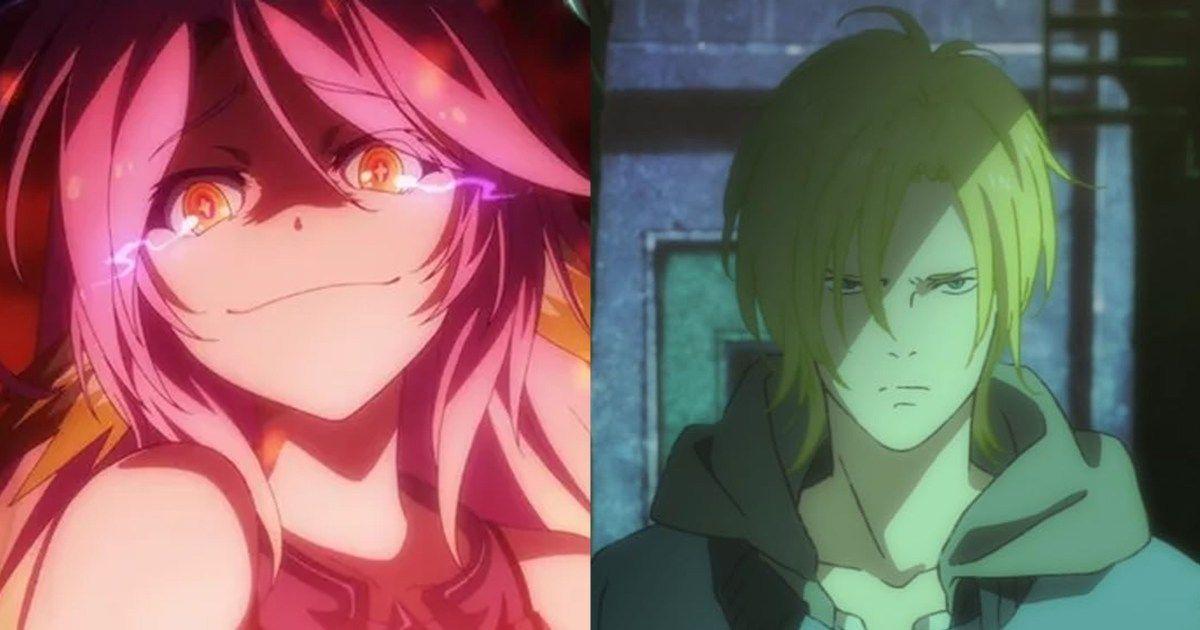
Source: Futurism
The poor quality dubs featured eerily deadpan delivery that stripped emotional depth from dramatic scenes. In one particularly jarring clip from Banana Fish, protagonist Ash Lynx attempts to awaken a shot child while speaking in a detached, robotic tone, stating "Don't leave me please" without any trace of urgency or emotion
1
. The AI-generated voices exhibited awkward pacing, flat intonation, and a complete absence of the nuance that human talent brings to voice acting performances2
.
Source: IGN
Voice Actors Condemn Amazon's Approach to Dubbing
The backlash from fans and voice actors was swift and fierce. Daman Mills, a prominent voice actor known for work on Dragon Ball Super and the Evangelion films for Amazon Prime Video, called the decision "insulting" and threatened to never work with Amazon again
3
. Mills, who voiced the queer-coded character Kaworu in three Evangelion movie dubs, found it particularly egregious that Banana Fish—a widely lauded LGBTQ+ narrative—received AI treatment. "Was a queer trauma narrative handed to a machine because paying real actors is too hard?" he wrote3
.The National Association of Voice Actors issued a statement calling the releases "AI slop," emphasizing that human dubbing requires "skill, emotion, nuance, understanding, and human experience to create a performance that audiences connect with and respect"
3
. Voice actor Briana White, known for voicing Aerith in Final Fantasy VII, raised ethical concerns about job displacement by questioning what dubs were used to train the AI and whether those voice actors received credit or compensation3
.Quality Control Failures Expose Generative AI Limitations
The controversy reveals significant gaps in quality control despite Amazon's March announcement that AI-aided dubbing would incorporate "human expertise" for oversight
1
. The company initially stated it would use generative AI only for content "that would not have been dubbed otherwise," yet applied the technology to No Game No Life: Zero, which Sentai Filmworks had already dubbed with human-produced dubs in 20171
4
. Amazon's end credits still list Sentai's original cast and crew despite replacing their work entirely4
.Kadokawa, which distributes No Game No Life: Zero, stated it had not approved an AI dub "in any form," while streaming platform HIDIVE said it was "not aware in advance" and is investigating with Amazon
4
. The situation echoes a similar controversy at Crunchyroll, which blamed poor AI-generated subtitles on a "third-party vendor" agreement violation this summer1
.Related Stories


Removes AI-Generated Dubs But Questions Remain
Amazon Prime Video has quietly removed several English AI anime dubs, including those for Banana Fish and No Game No Life: Zero, though Spanish dubs for Banana Fish and other titles like Pet remain available
1
3
. The company has not commented on the removals or explained its decision-making process1
.For Banana Fish fans, the disappointment was particularly acute. The 2018 anime adaptation of Akimi Yoshida's influential 1980s manga had never received English dubs, leaving fans waiting years for an official release
5
. Voice actor Jacob Hopkins captured the sentiment by cancelling his Prime membership, stating that using AI "defeats the entire purpose" of the emotionally resonant story3
.
Source: Ars Technica
Implications for the Anime Dubbing Industry
This incident highlights the tension between cost-cutting measures and artistic integrity in creative industries. Johnny Young Bosch, one of the most recognized anime voice actors, questioned what hope aspiring voice actors have when companies with Amazon's resources choose AI over human performers
3
. The anime dubbing industry now faces pressure from multiple fronts as platforms experiment with AI to reduce production time and expenses.The backlash suggests audiences won't accept AI-generated voices that lack emotional authenticity, regardless of potential cost savings. As hits like Demon Slayer: Mugen Train attract Hollywood attention, the concern grows that studios might view AI as a cheaper alternative to professional voice acting
4
. Whether Amazon will issue a statement affirming support for human artists or continue pursuing AI dubbing technology remains uncertain, but the platform's willingness to test these waters signals ongoing challenges ahead for voice actors across all languages.References
Summarized by

Navi
Related Stories
Recent Highlights
1
Apple Plans Major Siri AI Overhaul in iOS 27 With Third-Party Chatbot Integration
Technology

2
OpenAI shuts down Sora after six months, ending Disney's $1 billion licensing partnership
Technology

3
AI chatbots validate you too much, making you less kind to others, Stanford study reveals
Science and Research

Recent Highlights
Today's Top Stories






Your Daily Dose of Curated AI News
Don’t drown in AI news. We cut through the noise - filtering, ranking and summarizing the most important AI news, breakthroughs and research daily. Spend less time searching for the latest in AI and get straight to action.

