ChatGPT and Apple Health integration could deliver personalized health advice from your data


3 Sources
3 Sources
[1]
An Apple Health and ChatGPT Integration Could Be Coming
You might soon be able to have a more personalized experience when asking ChatGPT health-related questions. MacRumors reporter Adam Perris spotted the Apple Health icon hidden within the ChatGPT app code on Monday. The icon was reportedly labeled with images related to activity, sleep, diet, breathing and hearing, suggesting that the Apple Health app will soon be able to connect to ChatGPT. Don't miss any of our unbiased tech content and lab-based reviews. Add CNET as a preferred Google source. If the AI chatbot is given access to any of your health and fitness data from Apple Health, that could mean you'll receive more customized answers when you ask ChatGPT for health-related advice. It remains unconfirmed whether or when this integration will occur, and how it will be leveraged on the platform. Representatives for Apple and OpenAI did not immediately respond to a request for comment. Security and privacy safeguards are also unclear at this stage. Apple Health currently shares data with certain contacts, providers and third-party apps with your consent (you can adjust the settings and permissions). The question is whether users will feel comfortable providing highly sensitive information without clear AI guardrails in place. Currently, ChatGPT is integrated with several third-party programs through a feature called "apps," including Google Drive, Peloton, Spotify, Zillow, Slack, Dropbox and many others. (Disclosure: Ziff Davis, CNET's parent company, in April filed a lawsuit against OpenAI, alleging it infringed Ziff Davis copyrights in training and operating its AI systems.) While you can ask ChatGPT questions related to subjects such as life, finances and even wellness, the accuracy of the advice provided by ChatGPT is questionable. Experts are increasingly raising alarms about the dangers of relying on general-use chatbots for health concerns, since these AI models are not qualified health professionals, cannot provide care and don't always tell the truth. Using a chatbot to diagnose physical health issues or as a substitute for professional therapy is not recommended. Even executives at OpenAI recommend exercising good judgment and not trusting all of the information ChatGPT shares, since it can hallucinate.
[2]
Apple Health Integration for ChatGPT May Arrive Soon
Apple Health integration for ChatGPT is under development, MacRumors reports, citing evidence found in the chatbot's iOS app code. An image and its file name suggest ChatGPT will be able to connect to Apple Health and access your activity, sleep, breathing, diet, and hearing data. The collected information will, in turn, help the chatbot to provide more personalized responses to your health queries. App integrations for ChatGPT rolled out earlier this year, and they allow the chatbot to take certain actions on connected apps within its interface. Booking.com, Canva, Expedia, Sigma, and Spotify are some of the apps you can currently connect to. To grant permission, head to ChatGPT's Settings > Apps & Connectors. MacRumors found Apple Health's image in the code for the latest version of ChatGPT's iOS app. Neither OpenAI nor Apple has spoken officially about it, so the integration's release timeline is uncertain. Additionally, it was reported earlier this week that OpenAI CEO Sam Altman had declared "code red" in a company-wide memo and urged employees to focus on improving ChatGPT's day-to-day experience. He reportedly also instructed employees to slow down on new initiatives, including agents for health or shopping queries, meaning the Apple Health integration may get delayed. On the other hand, though, we have consistently heard rumors about Apple's plans to revamp its Health app with premium features and a paid tier. It is also rumored to be working on an "AI doctor" that provides diet and health recommendations based on data collected across its devices. The project is moving full steam ahead and is on track for a mid-2026 release with iOS 26.4, Bloomberg reported in March. The potential Health and ChatGPT integration could be another sign that Apple is preparing to lean more heavily on AI for health and wellness. Disclosure: Ziff Davis, PCMag's parent company, filed a lawsuit against OpenAI in April 2025, alleging it infringed Ziff Davis copyrights in training and operating its AI systems.
[3]
You could soon ask ChatGPT how healthy your week really was
A rumored Apple Health integration would let AI read your activity and sleep data. What's happened? Even though Apple might be moving on to Gemini soon, leaks suggest that ChatGPT hasn't given up on Apple, yet. Recent code analysis of the ChatGPT iPhone app revealed a hidden Apple Health icon, which could be a clue that OpenAI may soon let ChatGPT access data from Apple Health. Though the feature isn't active yet, the hidden "connector" suggests it could roll out as early as 2026. If implemented, this would allow ChatGPT to read metrics like activity, sleep, diet, breathing, and more (with your permission), and tailor responses based on real health data. As noted by MacRumors, Strings inside the app reference health categories such as activity, sleep, diet, breathing, and hearing, suggesting the range of data that could be shared. As of now, there's no official launch date as the integration remains speculative and disabled. The feature would appear under ChatGPT's "Apps & Connectors" tab, similar to how it already integrates with cloud services and productivity tools. Why this is important: If this actually rolls out, it could turn Apple Health from a static stats tracker into a "health conversation" partner. Instead of manually checking metrics or staring at charts, you could ask ChatGPT things like "How's my sleep lately?" or "Should I tweak my workouts based on last week's data?" and get personalized feedback. That could make health tracking far more intuitive, especially for people who aren't deep into data analytics. Recommended Videos It also signals a potential rethink of what health apps can do: shifting from passive logging to active guidance. For busy people, that could mean the difference between logging steps once in a while and actually using your data to shape better habits, coupled with someone (or something in this case) friendly to guide you. Why should I care? If you use Apple Health, or even just glance at it now and then, this could totally change how you make sense of your data. Instead of digging through charts, you might soon be able to ask simple questions like "Was I more active this week than last?" and actually get a helpful, human-sounding answer. For anyone curious about fitness, sleep, or wellness but allergic to spreadsheets, ChatGPT could become the friendly translator between raw numbers and real insight. Okay, so what's next? For now, because it's early and unconfirmed, treat this as a "maybe." That said, if you see "Apple Health" show up under the "Apps & Connectors" section, that's your cue. It's also worth watching privacy settings carefully: when the feature goes live, you may want to check permissions carefully with what data you share, what ChatGPT can see, and whether you're comfortable with that before letting AI peek at your vitals. Alternatively, you could just wait for Apple to bring its own AI coach.
Share
Share
Copy Link
Code hidden in the ChatGPT iPhone app reveals plans to connect with Apple Health, potentially allowing the AI chatbot to access activity, sleep, diet, breathing, and hearing data. The integration could transform how users receive health-related guidance, though privacy concerns and accuracy questions remain unresolved.
ChatGPT Apple Health Integration Discovered in iOS App Code
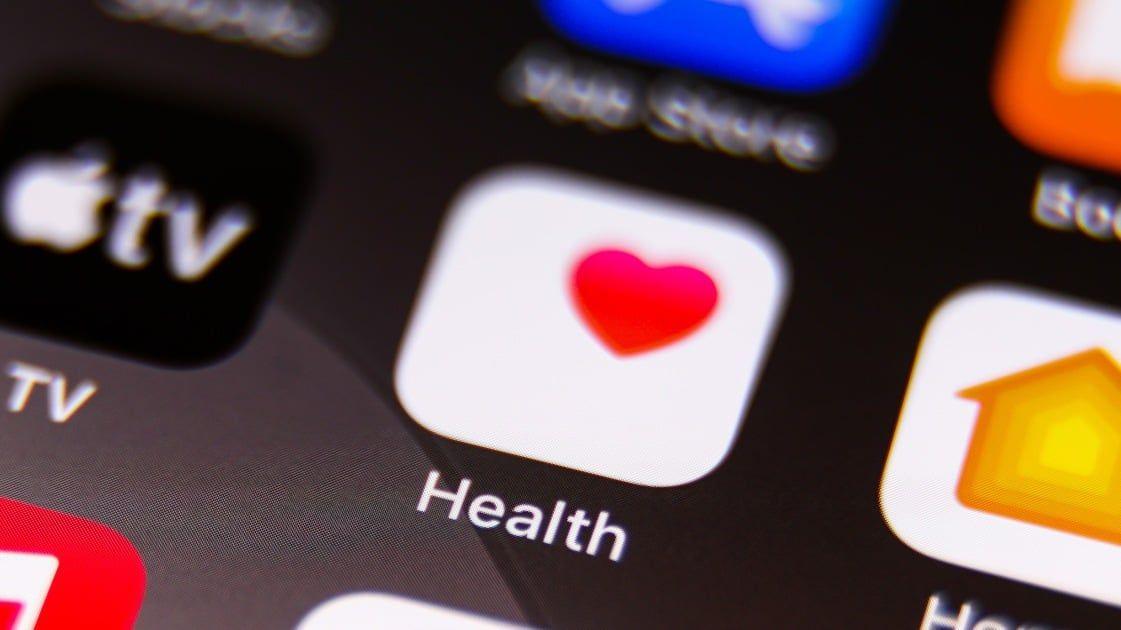
OpenAI appears to be preparing an Apple Health and ChatGPT integration that could fundamentally change how users interact with their health and fitness data. MacRumors reporter Adam Perris uncovered evidence of the upcoming feature by examining the iOS app code for the ChatGPT iPhone app, where a hidden Apple Health icon was discovered
1
. The icon includes labels referencing activity, sleep, diet, breathing, and hearing metrics, suggesting that ChatGPT will soon be able to access user health data from Apple's native health platform2
.
Source: PC Magazine
The integration would appear under ChatGPT's existing "Apps & Connectors" feature, which already supports third-party programs including Google Drive, Peloton, Spotify, Zillow, Slack, and Dropbox
1
. Neither OpenAI nor Apple has officially confirmed the feature or provided a release timeline, though speculation suggests it could roll out as early as 20263
.How the Feature Could Deliver Personalized Responses to Health Queries
If implemented, the integration would allow ChatGPT to access user health data with appropriate permissions, enabling the AI chatbot to provide personalized health-related advice based on real metrics rather than generic information. Users could ask questions like "How's my sleep lately?" or "Was I more active this week than last?" and receive tailored feedback grounded in their actual health and fitness data
3
. This shift from passive data logging to an interactive health conversation represents a notable evolution in how health apps function.
Source: Digital Trends
The feature could make health tracking more intuitive for people who aren't comfortable analyzing charts and spreadsheets, potentially bridging the gap between raw numbers and actionable insights
3
. Instead of manually reviewing metrics, users would receive AI-generated health information that interprets their data in conversational, accessible language.Privacy Concerns and Data Security Questions Remain Unresolved
While the technical groundwork appears to be in place, significant questions about privacy and data security remain unanswered. Apple Health currently shares data with contacts, providers, and third-party apps only with user consent, and permissions can be adjusted through settings
1
. However, the specific privacy settings and safeguards for the ChatGPT integration are unclear at this stage, raising concerns about whether users will feel comfortable sharing highly sensitive health information without clear AI guardrails1
.Experts caution that users should carefully review permissions before allowing ChatGPT to access their vitals, checking exactly what data the AI chatbot can see and whether they're comfortable with that level of access
3
.Related Stories

Accuracy and Medical Advice Limitations Raise Concerns
Beyond privacy, the accuracy of health guidance from ChatGPT remains questionable. Experts increasingly warn about the dangers of relying on general-use chatbots for health concerns, since these AI models are not qualified health professionals, cannot provide care, and don't always tell the truth
1
. Using a chatbot to diagnose physical health issues or as a substitute for professional therapy is not recommended, and even OpenAI executives advise exercising good judgment since ChatGPT can hallucinate1
.Potential Delays and Apple's Competing AI Doctor Project
The integration's timeline may face delays due to recent strategic shifts at OpenAI. Sam Altman reportedly declared "code red" in a company-wide memo, urging employees to focus on improving ChatGPT's day-to-day experience while slowing down new initiatives, including agents for health or shopping queries
2
. This directive could push back the Apple Health integration launch.Meanwhile, Apple is reportedly developing its own competing solution. Rumors suggest the company plans to revamp its Health app with premium features and a paid tier, including an "AI doctor" that provides diet and health recommendations based on data collected across its devices
2
. Bloomberg reported in March that this project is on track for a mid-2026 release with iOS 26.4, potentially positioning Apple to offer native health and wellness AI capabilities that could compete directly with the ChatGPT integration2
.References
Summarized by

Navi
[2]
[3]
Related Stories
ChatGPT Health promises personalized medical insights, but experts warn of serious risks
20 Jan 2026•Technology

OpenAI launches ChatGPT Health to connect medical records to AI amid accuracy concerns
05 Jan 2026•Technology

OpenAI Explores AI-Powered Health Assistant as Tech Giants' Medical Data Dreams Get Second Life
10 Nov 2025•Health
Recent Highlights
1
Apple Plans Major Siri AI Overhaul in iOS 27 With Third-Party Chatbot Integration
Technology

2
OpenAI shuts down Sora after six months, ending Disney's $1 billion licensing partnership
Technology

3
AI chatbots validate you too much, making you less kind to others, Stanford study reveals
Science and Research
Recent Highlights
Today's Top Stories







Your Daily Dose of Curated AI News
Don’t drown in AI news. We cut through the noise - filtering, ranking and summarizing the most important AI news, breakthroughs and research daily. Spend less time searching for the latest in AI and get straight to action.

