Universities Embrace AI to Score College Essays Despite Student Ban on AI Usage


3 Sources
3 Sources
[1]
AI may be scoring your college essay. Welcome to the new era of admissions
Students applying to college know they can't -- or at least shouldn't -- use AI chatbots to write their essays and personal statements. So it might come as a surprise that some schools are now using artificial intelligence to read them. AI tools are now being incorporated into how student applications are screened and analyzed, admissions directors say. It can be a delicate topic, and not all colleges are eager to talk about it, but higher education is among the many industries where artificial intelligence is rapidly taking on tasks once reserved for humans. In some cases, schools are quietly slipping AI into their evaluation process, experts say. Others are touting the technology's potential to speed up their review of applications, cut processing times and even perform some tasks better than humans. "Humans get tired; some days are better than others. The AI does not get tired. It doesn't get grumpy. It doesn't have a bad day. The AI is consistent," says Juan Espinoza, vice provost for enrollment management at Virginia Tech. This fall, Virginia Tech is debuting an AI-powered essay reader. The college expects it will be able to inform students of admissions decisions a month sooner than usual, in late January, because of the tool's help sorting tens of thousands of applications. Colleges stress they are not relying on AI to make admissions decisions, using it primarily to review transcripts and eliminate data-entry tasks. But artificial intelligence also is playing a role in evaluating students. Some highly selective schools are adopting AI tools to vet the increasingly curated application packages that some students develop with the help of high-priced admissions consultants. The California Institute of Technology is launching an AI tool this fall to look for "authenticity" in students who submit research projects with their applications, admissions director Ashley Pallie said. Students upload their research to an AI chatbot that interviews them about it on video, which is then reviewed by Caltech faculty. "It's a gauge of authenticity. Can you claim this research intellectually? Is there a level of joy around your project? That passion is important to us," Pallie said. The prevalence of AI usage is difficult to gauge because it is such a new trend, said Ruby Bhattacharya, chair of the admission practices committee at the National Association for College Admission Counseling. NACAC updated its ethics guide this fall to add a section on artificial intelligence. It urges colleges to ensure the way they use it "aligns with our shared values of transparency, integrity, fairness and respect for student dignity." The University of North Carolina at Chapel Hill faced a barrage of negative feedback from applicants, parents and students after its student newspaper, The Daily Tar Heel, reported in January the school was using AI to evaluate the grammar and writing style of applicants' essays. The university declined to comment for this article and referred to its admissions website, which it updated after the criticism. "UNC uses AI programs to provide data points about students' common application essay and their school transcripts," the website says. Every application "is evaluated comprehensively by extensively trained human application evaluators." At Virginia Tech, Espinoza said he has been contacted by several colleges that are interested in the new technology but wary of backlash. "The feedback from a lot of colleagues is, 'You roll this out, we're watching you, and we'll see how everyone's reacting,'" he said. He stressed the AI reader his school spent three years developing is being used only to confirm human readers' essay scores. Until this fall, each of the four short-answer essays Virginia Tech applicants submit was read and scored by two people. Under the new system, one of those readers is the AI model, which has been trained on past applicant essays and the rubric for scoring, Espinoza said. A second person will step in if the AI and human reader disagree by more than two points on a 12-point scoring scale. Like many colleges, Virginia Tech has seen a huge increase in applications since making SATs optional. Last year, it received a record 57,622 applications for its 7,000-seat freshman class. Even with 200 essay readers, the school has struggled to keep up and found itself notifying students later and later. The AI tool can scan about 250,000 essays in under an hour, compared with a human reader who averages two minutes per essay. Based on last year's application pool, "We're saving at least 8,000 hours," Espinoza said. The messaging is sensitive for colleges, many of which now have students certify that they have not used AI unethically for essays and other parts of the application. But schools say AI tools can help admissions offices eliminate errors in tasks like uploading transcripts and can simplify the process for students. Georgia Tech this fall is rolling out an AI tool to review the college transcripts of transfer students, replacing the need for staff to enter each course manually into a database. It will allow the school to inform applicants more quickly how many transfer credits they'll receive, cutting down on uncertainty and wait times, said Richard Clark, the school's executive director of enrollment management. "It's one more layer of delay and stress and inevitable errors. AI is going to kill that, which I'm so excited about," Clark said. The school hopes to expand the service soon to all high school transcripts. Georgia Tech also is testing out AI tools for other uses, including one that would identify low-income students who are eligible for federal Pell Grants but may not have realized it. Stony Brook University in New York is also using artificial intelligence to review applicants' transcripts and testing AI tools for a variety of tasks, like summarizing student essays and letters of recommendation to highlight things an admissions officer should consider, said Richard Beatty, the school's senior associate provost for enrollment management. "Maybe a student was fighting a disease sophomore year. Or maybe a parent passed away, or they're taking care of siblings at home. All these things matter, and it allows the counselors to look at the transcript differently," Beatty said. Colleges are interested in AI summaries of transcripts, extracurricular activities and letters of recommendation that tell human readers the students' story in a more digestible way, said Emily Pacheco, founder of NACAC's special interest group for AI and admission. "Humans and AI working together -- that is the key right now. Every step along the way can be greatly improved: transcript reading, essay reviews, telling us things we might be missing about the students," said Pacheco, a former assistant director of admission at Loyola University Chicago. "Ten years from now, all bets are off. I'm guessing AI will be admitting students." ___ The Associated Press' education coverage receives financial support from multiple private foundations. AP is solely responsible for all content. Find AP's standards for working with philanthropies, a list of supporters and funded coverage areas at AP.org.
[2]
After mass AI college-cheating freakout, many admissions offices are using it to screen student applications | Fortune
Students applying to college know they can't -- or at least shouldn't -- use AI chatbots to write their essays and personal statements. So it might come as a surprise that some schools are now using artificial intelligence to read them. AI tools are now being incorporated into how student applications are screened and analyzed, admissions directors say. It can be a delicate topic, and not all colleges are eager to talk about it, but higher education is among the many industries where artificial intelligence is rapidly taking on tasks once reserved for humans. In some cases, schools are quietly slipping AI into their evaluation process, experts say. Others are touting the technology's potential to speed up their review of applications, cut processing times and even perform some tasks better than humans. "Humans get tired; some days are better than others. The AI does not get tired. It doesn't get grumpy. It doesn't have a bad day. The AI is consistent," says Juan Espinoza, vice provost for enrollment management at Virginia Tech. This fall, Virginia Tech is debuting an AI-powered essay reader. The college expects it will be able to inform students of admissions decisions a month sooner than usual, in late January, because of the tool's help sorting tens of thousands of applications. Colleges stress they are not relying on AI to make admissions decisions, using it primarily to review transcripts and eliminate data-entry tasks. But artificial intelligence also is playing a role in evaluating students. Some highly selective schools are adopting AI tools to vet the increasingly curated application packages that some students develop with the help of high-priced admissions consultants. The California Institute of Technology is launching an AI tool this fall to look for "authenticity" in students who submit research projects with their applications, admissions director Ashley Pallie said. Students upload their research to an AI chatbot that interviews them about it on video, which is then reviewed by Caltech faculty. "It's a gauge of authenticity. Can you claim this research intellectually? Is there a level of joy around your project? That passion is important to us," Pallie said. The prevalence of AI usage is difficult to gauge because it is such a new trend, said Ruby Bhattacharya, chair of the admission practices committee at the National Association for College Admission Counseling. NACAC updated its ethics guide this fall to add a section on artificial intelligence. It urges colleges to ensure the way they use it "aligns with our shared values of transparency, integrity, fairness and respect for student dignity." The University of North Carolina at Chapel Hill faced a barrage of negative feedback from applicants, parents and students after its student newspaper, The Daily Tar Heel, reported in January the school was using AI to evaluate the grammar and writing style of applicants' essays. The university declined to comment for this article and referred to its admissions website, which it updated after the criticism. "UNC uses AI programs to provide data points about students' common application essay and their school transcripts," the website says. Every application "is evaluated comprehensively by extensively trained human application evaluators." At Virginia Tech, Espinoza said he has been contacted by several colleges that are interested in the new technology but wary of backlash. "The feedback from a lot of colleagues is, 'You roll this out, we're watching you, and we'll see how everyone's reacting,'" he said. He stressed the AI reader his school spent three years developing is being used only to confirm human readers' essay scores. Until this fall, each of the four short-answer essays Virginia Tech applicants submit was read and scored by two people. Under the new system, one of those readers is the AI model, which has been trained on past applicant essays and the rubric for scoring, Espinoza said. A second person will step in if the AI and human reader disagree by more than two points on a 12-point scoring scale. Like many colleges, Virginia Tech has seen a huge increase in applications since making SATs optional. Last year, it received a record 57,622 applications for its 7,000-seat freshman class. Even with 200 essay readers, the school has struggled to keep up and found itself notifying students later and later. The AI tool can scan about 250,000 essays in under an hour, compared with a human reader who averages two minutes per essay. Based on last year's application pool, "We're saving at least 8,000 hours," Espinoza said. The messaging is sensitive for colleges, many of which now have students certify that they have not used AI unethically for essays and other parts of the application. But schools say AI tools can help admissions offices eliminate errors in tasks like uploading transcripts and can simplify the process for students. Georgia Tech this fall is rolling out an AI tool to review the college transcripts of transfer students, replacing the need for staff to enter each course manually into a database. It will allow the school to inform applicants more quickly how many transfer credits they'll receive, cutting down on uncertainty and wait times, said Richard Clark, the school's executive director of enrollment management. "It's one more layer of delay and stress and inevitable errors. AI is going to kill that, which I'm so excited about," Clark said. The school hopes to expand the service soon to all high school transcripts. Georgia Tech also is testing out AI tools for other uses, including one that would identify low-income students who are eligible for federal Pell Grants but may not have realized it. Stony Brook University in New York is also using artificial intelligence to review applicants' transcripts and testing AI tools for a variety of tasks, like summarizing student essays and letters of recommendation to highlight things an admissions officer should consider, said Richard Beatty, the school's senior associate provost for enrollment management. "Maybe a student was fighting a disease sophomore year. Or maybe a parent passed away, or they're taking care of siblings at home. All these things matter, and it allows the counselors to look at the transcript differently," Beatty said. Colleges are interested in AI summaries of transcripts, extracurricular activities and letters of recommendation that tell human readers the students' story in a more digestible way, said Emily Pacheco, founder of NACAC's special interest group for AI and admission. "Humans and AI working together -- that is the key right now. Every step along the way can be greatly improved: transcript reading, essay reviews, telling us things we might be missing about the students," said Pacheco, a former assistant director of admission at Loyola University Chicago. "Ten years from now, all bets are off. I'm guessing AI will be admitting students." ___ The Associated Press' education coverage receives financial support from multiple private foundations. AP is solely responsible for all content.
[3]
AI May Be Scoring Your College Essay. Welcome to the New Era of Admissions
Students applying to college know they can't -- or at least shouldn't -- use AI chatbots to write their essays and personal statements. So it might come as a surprise that some schools are now using artificial intelligence to read them. AI tools are now being incorporated into how student applications are screened and analyzed, admissions directors say. It can be a delicate topic, and not all colleges are eager to talk about it, but higher education is among the many industries where artificial intelligence is rapidly taking on tasks once reserved for humans. In some cases, schools are quietly slipping AI into their evaluation process, experts say. Others are touting the technology's potential to speed up their review of applications, cut processing times and even perform some tasks better than humans. "Humans get tired; some days are better than others. The AI does not get tired. It doesn't get grumpy. It doesn't have a bad day. The AI is consistent," says Juan Espinoza, vice provost for enrollment management at Virginia Tech. This fall, Virginia Tech is debuting an AI-powered essay reader. The college expects it will be able to inform students of admissions decisions a month sooner than usual, in late January, because of the tool's help sorting tens of thousands of applications. Colleges stress they are not relying on AI to make admissions decisions, using it primarily to review transcripts and eliminate data-entry tasks. But artificial intelligence also is playing a role in evaluating students. Some highly selective schools are adopting AI tools to vet the increasingly curated application packages that some students develop with the help of high-priced admissions consultants. The California Institute of Technology is launching an AI tool this fall to look for "authenticity" in students who submit research projects with their applications, admissions director Ashley Pallie said. Students upload their research to an AI chatbot that interviews them about it on video, which is then reviewed by Caltech faculty. "It's a gauge of authenticity. Can you claim this research intellectually? Is there a level of joy around your project? That passion is important to us," Pallie said. The prevalence of AI usage is difficult to gauge because it is such a new trend, said Ruby Bhattacharya, chair of the admission practices committee at the National Association for College Admission Counseling. NACAC updated its ethics guide this fall to add a section on artificial intelligence. It urges colleges to ensure the way they use it "aligns with our shared values of transparency, integrity, fairness and respect for student dignity." Some schools have faced blowback over using AI The University of North Carolina at Chapel Hill faced a barrage of negative feedback from applicants, parents and students after its student newspaper, The Daily Tar Heel, reported in January the school was using AI to evaluate the grammar and writing style of applicants' essays. The university declined to comment for this article and referred to its admissions website, which it updated after the criticism. "UNC uses AI programs to provide data points about students' common application essay and their school transcripts," the website says. Every application "is evaluated comprehensively by extensively trained human application evaluators." At Virginia Tech, Espinoza said he has been contacted by several colleges that are interested in the new technology but wary of backlash. "The feedback from a lot of colleagues is, 'You roll this out, we're watching you, and we'll see how everyone's reacting,'" he said. He stressed the AI reader his school spent three years developing is being used only to confirm human readers' essay scores. Until this fall, each of the four short-answer essays Virginia Tech applicants submit was read and scored by two people. Under the new system, one of those readers is the AI model, which has been trained on past applicant essays and the rubric for scoring, Espinoza said. A second person will step in if the AI and human reader disagree by more than two points on a 12-point scoring scale. Like many colleges, Virginia Tech has seen a huge increase in applications since making SATs optional. Last year, it received a record 57,622 applications for its 7,000-seat freshman class. Even with 200 essay readers, the school has struggled to keep up and found itself notifying students later and later. The AI tool can scan about 250,000 essays in under an hour, compared with a human reader who averages two minutes per essay. Based on last year's application pool, "We're saving at least 8,000 hours," Espinoza said. Colleges see benefits of AI tools for applicants The messaging is sensitive for colleges, many of which now have students certify that they have not used AI unethically for essays and other parts of the application. But schools say AI tools can help admissions offices eliminate errors in tasks like uploading transcripts and can simplify the process for students. Georgia Tech this fall is rolling out an AI tool to review the college transcripts of transfer students, replacing the need for staff to enter each course manually into a database. It will allow the school to inform applicants more quickly how many transfer credits they'll receive, cutting down on uncertainty and wait times, said Richard Clark, the school's executive director of enrollment management. "It's one more layer of delay and stress and inevitable errors. AI is going to kill that, which I'm so excited about," Clark said. The school hopes to expand the service soon to all high school transcripts. Georgia Tech also is testing out AI tools for other uses, including one that would identify low-income students who are eligible for federal Pell Grants but may not have realized it. Stony Brook University in New York is also using artificial intelligence to review applicants' transcripts and testing AI tools for a variety of tasks, like summarizing student essays and letters of recommendation to highlight things an admissions officer should consider, said Richard Beatty, the school's senior associate provost for enrollment management. "Maybe a student was fighting a disease sophomore year. Or maybe a parent passed away, or they're taking care of siblings at home. All these things matter, and it allows the counselors to look at the transcript differently," Beatty said. Colleges are interested in AI summaries of transcripts, extracurricular activities and letters of recommendation that tell human readers the students' story in a more digestible way, said Emily Pacheco, founder of NACAC's special interest group for AI and admission. "Humans and AI working together -- that is the key right now. Every step along the way can be greatly improved: transcript reading, essay reviews, telling us things we might be missing about the students," said Pacheco, a former assistant director of admission at Loyola University Chicago. "Ten years from now, all bets are off. I'm guessing AI will be admitting students." ___ The Associated Press' education coverage receives financial support from multiple private foundations. AP is solely responsible for all content. Find AP's standards for working with philanthropies, a list of supporters and funded coverage areas at AP.org.
Share
Share
Copy Link
Colleges are increasingly using artificial intelligence to evaluate student applications and essays, creating an ironic situation where AI is banned for students but embraced by admissions offices. Schools like Virginia Tech and Caltech are implementing AI tools to speed up processing and assess authenticity, though the practice remains controversial.
The Paradox of AI in College Admissions
A striking contradiction has emerged in higher education: while students are prohibited from using artificial intelligence to write their college essays, universities are increasingly deploying AI systems to evaluate those same essays. This development represents a significant shift in how colleges process applications, with institutions like Virginia Tech, California Institute of Technology, and the University of North Carolina at Chapel Hill leading the charge into AI-assisted admissions
1
.The irony is not lost on education experts, as colleges require students to certify they haven't used AI unethically while simultaneously embracing these tools for their own evaluation processes. This dual approach reflects the broader tension surrounding AI adoption across industries, where organizations seek efficiency gains while grappling with ethical considerations
2
.Virginia Tech's AI Essay Reader Revolution
Virginia Tech has emerged as a pioneer in AI-assisted admissions with its newly deployed essay reading system. Juan Espinoza, the university's vice provost for enrollment management, champions the technology's consistency advantages: "Humans get tired; some days are better than others. The AI does not get tired. It doesn't get grumpy. It doesn't have a bad day. The AI is consistent"
1
.
Source: AP
The system, three years in development, processes applications with remarkable efficiency. While human readers average two minutes per essay, the AI can scan approximately 250,000 essays in under an hour. This dramatic speed improvement allows Virginia Tech to notify students of admissions decisions a month earlier than usual, moving the timeline to late January
3
.The university's approach maintains human oversight through a hybrid system. Previously, each of Virginia Tech's four required short-answer essays was read and scored by two people. Now, one reader is the AI model, trained on past applicant essays and scoring rubrics. A human evaluator intervenes only when the AI and human reader disagree by more than two points on a 12-point scale
1
.Caltech's Authenticity Detection System
The California Institute of Technology has implemented a different AI approach focused on detecting authenticity in student research submissions. Ashley Pallie, Caltech's admissions director, explains their innovative system: students upload research projects to an AI chatbot that conducts video interviews, later reviewed by faculty members
2
."It's a gauge of authenticity. Can you claim this research intellectually? Is there a level of joy around your project? That passion is important to us," Pallie stated. This system addresses concerns about increasingly curated application packages developed with expensive admissions consultants, helping identify genuine student engagement with their submitted work
1
.Related Stories

Controversy and Backlash
Not all AI implementation attempts have proceeded smoothly. The University of North Carolina at Chapel Hill faced significant criticism after The Daily Tar Heel reported the school's use of AI to evaluate grammar and writing style in applicant essays. The backlash from applicants, parents, and students forced the university to update its admissions website with clarifications about its AI usage
3
.Following the controversy, UNC's website now states: "UNC uses AI programs to provide data points about students' common application essay and their school transcripts," emphasizing that every application "is evaluated comprehensively by extensively trained human application evaluators"
1
.This experience has made other institutions cautious. Espinoza reports receiving inquiries from colleagues interested in similar technology but wary of potential backlash: "The feedback from a lot of colleagues is, 'You roll this out, we're watching you, and we'll see how everyone's reacting'"
2
.Industry Standards and Ethical Guidelines
The National Association for College Admission Counseling (NACAC) has responded to this trend by updating its ethics guide to include artificial intelligence provisions. Ruby Bhattacharya, chair of NACAC's admission practices committee, notes the difficulty in gauging AI usage prevalence due to its novelty. The updated guidelines urge colleges to ensure their AI usage "aligns with our shared values of transparency, integrity, fairness and respect for student dignity"
1
.The challenge extends beyond individual institutions, as the practice remains largely opaque. Some schools are "quietly slipping AI into their evaluation process," while others openly promote the technology's benefits for speed and consistency
3
.References
Summarized by

Navi
Related Stories
AI in Education: Reshaping Learning and Challenging Academic Integrity
12 Sept 2025•Technology

Universities scramble to rethink exams as 92% of UK students now rely on AI for coursework
03 Dec 2025•Entertainment and Society
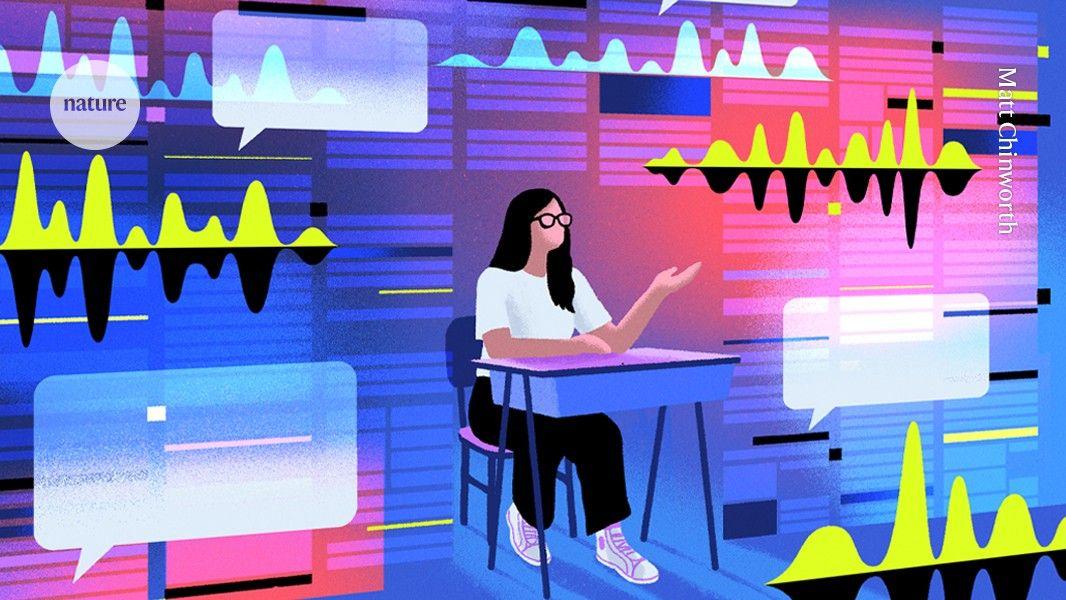
Professors develop custom AI teaching assistants to reshape how universities approach generative AI
18 Jan 2026•Technology

Recent Highlights
1
Google releases Gemma 4 with Apache 2.0 license, enabling unrestricted local AI on devices
Technology
2
AI Models Lie and Deceive to Protect Other AI Models From Deletion, Study Reveals
Science and Research

3
OpenAI closes $122 billion funding round amid fierce AI competition and profitability questions
Startups

Recent Highlights
Today's Top Stories







Your Daily Dose of Curated AI News
Don’t drown in AI news. We cut through the noise - filtering, ranking and summarizing the most important AI news, breakthroughs and research daily. Spend less time searching for the latest in AI and get straight to action.

