Craig Federighi rejected AI-powered iPhone home screen, now leads Apple's AI strategy shift


2 Sources
2 Sources
[1]
Craig Federighi rejected feature that would use AI to design your iPhone's home screen: report
A new report from The Information today dives into the current structure of Apple's AI organization, now overseen by Craig Federighi. According to the story, Federighi is responsible for Apple's decision to start using models from outside companies like Google. The report also corroborates previous reporting in saying that Federighi was an "AI skeptic" until trying OpenAI's ChatGPT in late 2022. Bananas and snacks The report explains that Federighi is "a penny-pincher who keeps a tight rein on salaries and hesitates to invest in risky projects when the payoff from them isn't clear." This is one of the reasons he didn't buy into AI hype until 2022, and still remains one of the "potential risks to making Federighi head of AI." Federighi "tends to scrutinize every detail of his team's expenses, down to their budgets for bananas and other office snacks," the report says. "Federighi has chafed at the idea that hiring such people could require paying them more than what Apple's executive team earn," the report says. Apple's AI group is also concerned that Federighi will "rein in work travel and they will not be able to attend as many industry conferences." According to the report, Federighi's lieutenants tried "for years" to "get him on board with AI." Apple engineers reportedly pitched Federighi on a feature that would use AI to "dynamically" change the iPhone home screen. Federighi's belief was that such a feature would "disorient users," who are used to knowing where their apps are located." Apple does offer a Siri Suggestions widget that attempts to proactively surface apps on people's iPhone home screens. One of Federighi's concerns regarding AI was its unpredictability. During design review meetings to go over software features, he wanted definitive answers from his team about how the features would behave. Federighi preferred software to be hardwired to act in certain ways rather than relying on algorithms that dynamically changed that behavior, said people who have worked with him. Ultimately, the report says that Federighi came around on AI in late 2022 after trying ChatGPT. "After playing around with the OpenAI chatbot, Federighi told colleagues he had come to appreciate that kind of AI technology and tasked his teams with ways of including it in Apple products," the report says. Now, Federighi is overseeing Apple's AI group. Mike Rockwell is in charge of Siri and reports to Federighi. In the past, Rockwell reportedly said Federighi's approach to software development was "too conservative and Apple needed to think bigger." Bloomberg's Mark Gurman has also reported extensively on the structure and inner workings of Apple's AI and machine learning teams. Gurman's reporting has detailed the rift between Federighi and John Giannandrea in depth over the last year.
[2]
Report: Apple's New AI Strategy Firms Up Under Craig Federighi
Apple has restructured its artificial intelligence strategy under software chief Craig Federighi, accelerating plans to overhaul Siri by relying on external AI models after years of internal delays and organizational friction. According to a detailed report from The Information, Apple's approach to artificial intelligence has undergone a significant shift over the past year. Apple software chief Craig Federighi is said to be at the center of that shift, having assumed direct oversight of the company's AI organization and is now driving decisions that will shape the future of Siri and other Apple Intelligence features across the product lineup. Last fall, Federighi apparently addressed a joint meeting of Apple's software and AI teams, expressing enthusiasm for closer collaboration while also signaling dissatisfaction with the company's pace of progress in artificial intelligence. Some members of Apple's foundation models team interpreted the remarks as criticism of their work. In December, Apple moved to consolidate its AI leadership under Federighi, completing a transition that had begun earlier in the year when responsibility for Siri was removed from the AI group and brought under Federighi's software division. In January, Apple announced plans to use Google's Gemini AI models to power future AI upgrades, including an improved version of Siri. In Federighi's view, integrating a third-party model would allow Apple to finally ship a revamped Siri later this year after controversially postponing the update in 2025. However, the report also outlines internal concerns about the implications of placing AI under Federighi's control. People who have worked closely with him described him as highly cost-conscious and skeptical of investments with uncertain returns. This approach stands in notable contrast to rivals such as OpenAI, Meta Platforms, and Google, who invest tens of billions of dollars in data centers, chips, and AI researchers. Apple has attempted to limit infrastructure spending by emphasizing on-device processing and its Private Cloud Compute system, which uses Apple silicon. The company was said to be waiting for the cost of AI computation and talent to decline, betting that most consumer use cases will eventually be handled locally on devices. Federighi apparently viewed AI as unpredictable and difficult to control, preferring deterministic software behavior that could be clearly specified during design reviews. He rejected proposals to use AI to dynamically reorganize the iPhone home screen, arguing that such changes would confuse users. Tensions over AI strategy have surfaced internally before. Around 2019, Mike Rockwell, who was leading development of the Vision Pro headset, reportedly proposed an AI-driven interface. He criticized Federighi's software approach as overly conservative, prompting a rebuke. Rockwell was later placed in charge of Siri in early 2025 and now reports directly to Federighi. Despite his earlier skepticism, Federighi's stance shifted following the release of ChatGPT in late 2022. People close to him said he became convinced of the potential of large language models after experimenting with the technology and instructed his teams to explore ways to integrate similar capabilities into Apple products. Federighi reportedly concluded that Apple's internal models did not perform adequately on devices, while members of the foundation models team believed they were being blamed for challenges related to model optimization, which fell under the software organization's responsibilities. Some team members complained they were not given sufficient guidance on how their models would ultimately be used, limiting their ability to compete with external alternatives. Around the time Apple removed Siri oversight from Giannandrea and assigned it to Rockwell, with Federighi directing the broader effort, Federighi instructed teams to evaluate deep integration of third-party models. Despite the partnership with Google, Apple plans to continue developing its own AI models, particularly those designed to run on devices. Apple reportedly intends to shrink and adapt models derived from external partners so they can run more fully on Apple hardware, reducing long-term dependence. To support that goal, Apple is said to be considering acquisitions of smaller AI firms specializing in model compression and optimization. See The Information's full report for more.
Share
Share
Copy Link
Apple's software chief Craig Federighi, once an AI skeptic, now oversees the company's entire AI strategy after rejecting proposals for AI-driven iPhone home screens. He's accelerating plans to overhaul Siri using Google's Gemini while maintaining tight control over AI spending and favoring predictable software behavior over algorithmic unpredictability.
Software Chief Craig Federighi Takes Control of Apple's AI Strategy
Apple has restructured its artificial intelligence operations under software chief Craig Federighi, marking a significant shift in how the company approaches AI development and deployment. According to a detailed report from The Information
1
2
, Federighi now holds direct oversight of Apple's AI group and is driving critical decisions that will shape the future of Siri and Apple Intelligence features across the product lineup. This consolidation completed in December follows months of organizational friction and internal debates about the company's direction in artificial intelligence.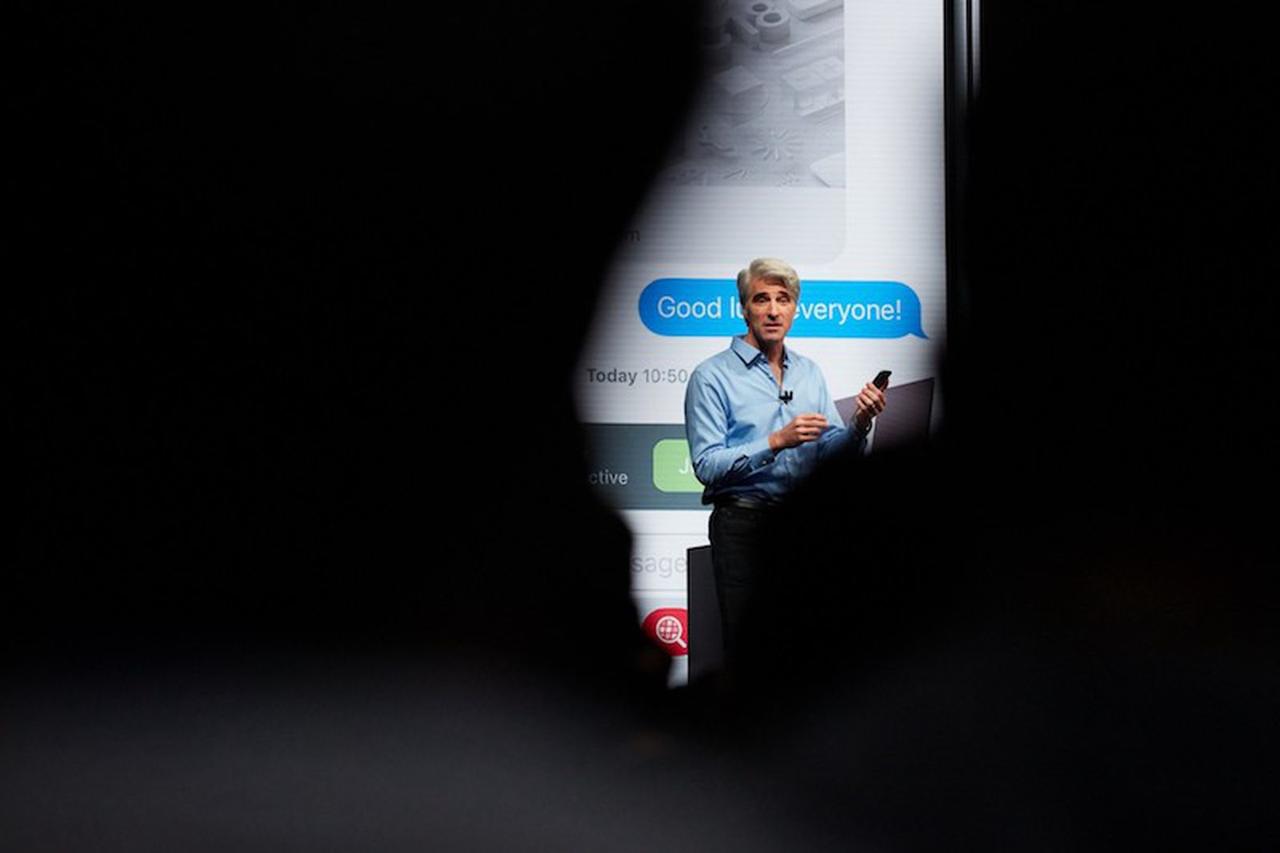
Source: MacRumors
Last fall, Federighi addressed a joint meeting of Apple's software and AI teams, expressing enthusiasm for closer collaboration while signaling dissatisfaction with the company's pace of progress. Some members of Apple's foundation models team interpreted his remarks as criticism of their work
2
. The move to centralize AI leadership under Federighi began earlier when responsibility for Siri was removed from John Giannandrea's AI group and brought under Federighi's software division.Rejected iPhone Home Screen Feature Reveals Design Philosophy
Apple engineers reportedly pitched Federighi on a feature that would use AI to dynamically change the iPhone home screen, but he rejected the proposal. Federighi's belief was that such a feature would "disorient users" who are accustomed to knowing where their apps are located
1
. This decision reflects his broader concern about the unpredictability of AI and preference for deterministic software behavior.During design review meetings to evaluate software features, Federighi wanted definitive answers from his team about how features would behave. He preferred software to be hardwired to act in certain ways rather than relying on algorithms that dynamically changed behavior, according to people who have worked with him
1
. This cautious approach to user experience stands in contrast to competitors who have embraced more experimental AI interfaces.From AI Skeptic to Advocate After OpenAI's ChatGPT
Federighi was described as an "AI skeptic" until late 2022, when he tried OpenAI's ChatGPT. After experimenting with the chatbot, Federighi told colleagues he had come to appreciate that kind of AI technology and tasked his teams with finding ways to include it in Apple products
1
. His lieutenants had reportedly tried for years to get him on board with AI before this turning point.People close to Federighi said he became convinced of the potential of large language models after this experience and instructed his teams to explore ways to integrate similar capabilities into Apple products
2
. However, Federighi reportedly concluded that Apple's internal models did not perform adequately on devices, while members of the foundation models team believed they were being blamed for challenges related to model optimization, which fell under the software organization's responsibilities.Plans to Overhaul Siri with Google's Gemini and Third-Party Models
In January, Apple announced plans to use Google's Gemini AI models to power future AI upgrades, including an improved version of Siri. In Federighi's view, integrating third-party models would allow Apple to finally ship a revamped Siri later this year after controversially postponing the update in 2025
2
. This represents a major strategic pivot for a company traditionally known for developing core technologies in-house.Mike Rockwell, who previously led development of the Vision Pro headset, was placed in charge of Siri in early 2025 and now reports directly to Federighi. Around 2019, Rockwell had proposed an AI-driven interface and criticized Federighi's software development approach as overly conservative, prompting a rebuke at the time
2
. Despite the partnership with Google, Apple plans to continue developing its own AI models, particularly those designed for on-device processing.Related Stories

Cost-Conscious Approach Raises Internal Concerns
Federighi is described as "a penny-pincher who keeps a tight rein on salaries and hesitates to invest in risky projects when the payoff from them isn't clear." He "tends to scrutinize every detail of his team's expenses, down to their budgets for bananas and other office snacks," according to the report
1
. This cost-conscious approach stands in notable contrast to rivals such as OpenAI, Meta Platforms, and Google, who invest tens of billions of dollars in data centers, chips, and AI researchers.Apple's AI group is concerned that Federighi will "rein in work travel and they will not be able to attend as many industry conferences." The report notes that Federighi "has chafed at the idea that hiring such people could require paying them more than what Apple's executive team earn"
1
. Apple has attempted to limit infrastructure spending by emphasizing on-device processing and its Private Cloud Compute system, which uses Apple silicon2
.Future Plans for AI Independence Through Acquisitions
Apple reportedly intends to shrink and adapt models derived from external partners so they can run more fully on Apple hardware, reducing long-term dependence on third-party models. To support that goal, Apple is said to be considering acquisitions of smaller AI firms specializing in model compression and optimization
2
. The company was said to be waiting for the cost of AI computation and talent to decline, betting that most consumer use cases will eventually be handled locally on devices. This strategy reflects Apple's traditional preference for vertical integration while acknowledging the need for external partnerships to accelerate progress in the near term.References
Summarized by

Navi
[1]
Related Stories
Apple's Phased Rollout of AI Features: Craig Federighi Outlines Cautious Approach to Apple Intelligence
23 Oct 2024•Technology

Apple's AI Strategy: Delayed Siri Update and Subtle Integration at WWDC 2025
09 Jun 2025•Technology

Apple's Siri AI Upgrade Faces Significant Delays, Causing Internal Turmoil
15 Mar 2025•Technology

Recent Highlights


Recent Highlights
Today's Top Stories





Your Daily Dose of Curated AI News
Don’t drown in AI news. We cut through the noise - filtering, ranking and summarizing the most important AI news, breakthroughs and research daily. Spend less time searching for the latest in AI and get straight to action.

