ByteDance scrambles to fix Seedance 2.0 after Hollywood erupts over copyright infringement


21 Sources
21 Sources
[1]
ByteDance backpedals after Seedance 2.0 turned Hollywood icons into AI "clip art
ByteDance says that it's rushing to add safeguards to block Seedance 2.0 from generating iconic characters and deepfaking celebrities, after substantial Hollywood backlash after launching the latest version of its AI video tool. The changes come after Disney and Paramount Skydance sent cease-and-desist letters to ByteDance urging the Chinese company to promptly end the allegedly vast and blatant infringement. Studios claimed the infringement was widescale and immediate, with Seedance 2.0 users across social media sharing AI videos featuring copyrighted characters like Spider-Man, Darth Vader, and SpongeBob Square Pants. In its letter, Disney fumed that Seedance was "hijacking" its characters, accusing ByteDance of treating Disney characters like they were "free public domain clip art," Axios reported. "ByteDance's virtual smash-and-grab of Disney's IP is willful, pervasive, and totally unacceptable," Disney's letter said. Defending intellectual property from franchises like Star Trek and The Godfather, Paramount Skydance pointed out that Seedance's outputs are "often indistinguishable, both visually and audibly" from the original characters, Variety reported. Similarly frustrated, Japan's AI minister Kimi Onoda, sought to protect popular anime and manga characters, officially launching a probe last week into ByteDance over the copyright violations, the South China Morning Post reported. "We cannot overlook a situation in which content is being used without the copyright holder's permission," Onoda said at a press conference Friday. Facing legal threats and Japan's investigation, ByteDance issued a statement Monday, CNBC reported. In it, the company claimed that it "respects intellectual property rights" and has "heard the concerns regarding Seedance 2.0." "We are taking steps to strengthen current safeguards as we work to prevent the unauthorized use of intellectual property and likeness by users," ByteDance said. However, Disney seems unlikely to accept that ByteDance inadvertently released its tool without implementing such safeguards in advance. In its letter, Disney alleged that "Seedance has infringed on Disney's copyrighted materials to benefit its commercial service without permission." After all, what better way to illustrate Seedance 2.0's latest features than by generating some of the best-known IP in the world? At least one tech consultant has suggested that ByteDance planned to benefit from inciting Hollywood outrage. The founder of San Francisco-based consultancy Tech Buzz China, Rui Ma, told SCMP that "the controversy surrounding Seedance is likely part of ByteDance's initial distribution strategy to showcase its underlying technical capabilities." Seedance 2.0 is an "attack" on creators Studios aren't the only ones sounding alarms. Several industry groups expressed concerns, including the Motion Picture Association, which accused ByteDance of engaging in massive copyright infringement within "a single day," CNBC reported. Sean Astin, an actor and president of the actors union, SAG-AFTRA, was directly impacted by the scandal. A video that has since been removed from X showed Astin in the role of Samwise Gamgee from The Lord of the Rings, delivering a line he never said, Variety reported. Condemning Seedance's infringement, SAG-AFTRA issued a statement emphasizing that ByteDance did not act responsibly in releasing the model without safeguards: "SAG-AFTRA stands with the studios in condemning the blatant infringement enabled by ByteDance's new AI video model Seedance 2.0. The infringement includes the unauthorized use of our members' voices and likenesses. This is unacceptable and undercuts the ability of human talent to earn a livelihood. Seedance 2.0 disregards law, ethics, industry standards and basic principles of consent. Responsible AI development demands responsibility, and that is nonexistent here." Echoing that, a group representing Hollywood creators, the Human Artistry Campaign, declared that "the launch of Seedance 2.0" was "an attack on every creator around the world." "Stealing human creators' work in an attempt to replace them with AI generated slop is destructive to our culture: stealing isn't innovation," the group said. "These unauthorized deepfakes and voice clones of actors violate the most basic aspects of personal autonomy and should be deeply concerning to everyone. Authorities should use every legal tool at their disposal to stop this wholesale theft." Ars could not immediately reach any of these groups to comment on whether ByteDance's post-launch efforts to add safeguards addressed industry concerns. MPA chairman and CEO Charles Rivkin has previously accused ByteDance of disregarding "well-established copyright law that protects the rights of creators and underpins millions of American jobs." While Disney and other studios are clearly ready to take down any tools that could hurt their revenue or reputation without an agreement in place, they aren't opposed to all AI uses of their characters. In December, Disney struck a deal with OpenAI, giving Sora access to 200 characters for three years, while investing $1 billion in the technology. At that time, Disney CEO Robert A. Iger, said that "the rapid advancement of artificial intelligence marks an important moment for our industry, and through this collaboration with OpenAI, we will thoughtfully and responsibly extend the reach of our storytelling through generative AI, while respecting and protecting creators and their works." Creators disagree Seedance 2.0 is a game changer In a blog announcing Seedance 2.0, ByteDance boasted that the new model "delivers a substantial leap in generation quality," particularly in close-up shots and action sequences. The company acknowledged that further refinements were needed and the model is "still far from perfect" but hyped that "its generated videos possess a distinct cinematic aesthetic; the textures of objects, lighting, and composition, as well as costume, makeup, and prop designs, all show high degrees of finish." ByteDance likely hoped that the earliest outputs from Seedance 2.0 would produce headlines wowed by the model's capabilities, and it got what it wanted when a single Hollywood stakeholder's social media comment went viral. Shortly after Seedance 2.0's rollout, Deadpool co-writer, Rhett Reese, declared on X that "it's likely over for us," The Guardian reported. The screenwriter was impressed by an AI video created by Irish director Ruairi Robinson, which realistically depicted Tom Cruise fighting Brad Pitt. "[I]n next to no time, one person is going to be able to sit at a computer and create a movie indistinguishable from what Hollywood now releases," Reese opined. "True, if that person is no good, it will suck. But if that person possesses Christopher Nolan's talent and taste (and someone like that will rapidly come along), it will be tremendous." However, some AI critics rejected the notion that Seedance 2.0 is capable of replacing artists in the way that Reese warned. On Bluesky and X, they pushed back on ByteDance claims that this model doomed Hollywood, with some accusing outlets of too quickly ascribing Reese's reaction to the whole industry. Among them was longtime AI critic, Reid Southen, a film concept artist who works on major motion pictures and TV. Responding directly to Reese's X thread, Southen contradicted the notion that a great filmmaker could be born from fiddling with AI prompts alone. "Nolan is capable of doing great work because he's put in the work," Southen said. "AI is an automation tool, it's literally removing key, fundamental work from the process, how does one become good at anything if they insist on using nothing but shortcuts?" Perhaps the strongest evidence in Southen's favor is Darren Aronofsky's recent AI-generated historical docudrama. Speaking anonymously to Ars following backlash declaring that "AI slop is ruining American history," one source close to production on that project confirmed that it took "weeks" to produce minutes of usable video using a variety of AI tools. That source noted that the creative team went into the project expecting they had a lot to learn but also expecting that tools would continue to evolve, as could audience reactions to AI-assisted movies. "It's a huge experiment, really," the source told Ars. Notably, for both creators and rights-holders concerned about copyright infringement and career threats, questions remain on how Seedance 2.0 was trained. ByteDance has yet to release a technical report for Seedance 2.0 and "has never disclosed the data sets it uses to train its powerful video-generation Seedance models and image-generation Seedream models," SCMP reported.
[2]
ByteDance Promises Seedance 2.0 AI Limits After Hollywood Backlash
A new AI video generation tool from TikTok's parent company, ByteDance, has Hollywood concerned. ByteDance has promised to improve safeguards around intellectual property rights to limit what its AI tool can make. A spokesperson for ByteDance told the BBC, "We are taking steps to strengthen current safeguards as we work to prevent the unauthorised use of intellectual property and likeness by users." It also says it "respects intellectual property rights and we have heard the concerns regarding Seedance 2.0." The move comes after significant backlash from Hollywood studios since the tool was introduced last Thursday. The internet has been flooded with Seedance 2.0 videos over the weekend, many of which feature intellectual property owned by studios. PCMag found videos online featuring multiple superheroes fighting in AI-generated footage, including Marvel and DC characters in environments similar to those of Hollywood movies. Other clips show Mike Tyson fighting Bruce Lee or Will Smith fighting a spaghetti monster, a reference to early AI videos. One of the most commonly viewed clips shows AI-generated versions of actors Tom Cruise and Brad Pitt fighting. It was posted by filmmaker Ruairí Robinson, who claimed to have made the video with a two-line prompt in Seedance 2.0. It led Deadpool screenwriter, Rhett Reese, to repost the video, saying, "I hate to say it. It's likely over for us." Another version of the video, posted with some visual differences which suggest it was generated separately, shows a similarly staged fight but with dialogue included where the actors speak about child sex trafficker Jeffrey Epstein and his death. The Motion Picture Association (MPA), which represents major film studios including Netflix, Paramount, Sony, Universal, Disney, and Warner Bros., released a statement on the same day as the release of Seedance 2.0. The MPA said, "By launching a service that operates without meaningful safeguards against infringement, ByteDance is disregarding well-established copyright law that protects the rights of creators and underpins millions of American jobs. ByteDance should immediately cease its infringing activity." Disney reportedly sent a cease-and-desist letter to ByteDance late last week, accusing it of a "virtual smash-and-grab." Many Seedance-generated clips feature Disney's most popular franchises, including characters like Captain America, Deadpool, Spider-Man, and Wolverine. This pressure from Hollywood studios seems to have inspired ByteDance's promises of stronger safeguards. ByteDance has yet to share how safeguards will work or when they will be implemented.
[3]
Hollywood groups condemn ByteDance's AI video generator, claiming copyright infringement
A new artificial intelligence video generator from Beijing-based ByteDance, the creator of TikTok, is drawing the ire of Hollywood organizations that say Seedance 2.0 "blatantly" violates copyright and uses the likeness of actors and others without permission. Seedance 2.0, which is only available in China for now, lets users generate high-quality AI videos using simple text prompts. The tool quickly gained condemnation from the movie and TV industry. The Motion Picture Association said Seedance 2.0 "has engaged in unauthorized use of U.S. copyrighted works on a massive scale." "By launching a service that operates without meaningful safeguards against infringement, ByteDance is disregarding well-established copyright law that protects the rights of creators and underpins millions of American jobs. ByteDance should immediately cease its infringing activity," Charles Rivkin, chairman and CEO of the MPA, said in a statement Tuesday. Screenwriter Rhett Rheese, who wrote the "Deadpool" movies, said on X last week that "I hate to say it. It's likely over for us." His post was in response to Irish director Ruairí Robinson's post of a Seedance 2.0 video that shows AI versions Tom Cruise and Brad Pitt fighting in a post-apocalyptic wasteland. Actors union SAG-AFTRA said Friday it "stands with the studios in condemning the blatant infringement" enabled by Seedance 2.0. "The infringement includes the unauthorized use of our members' voices and likenesses. This is unacceptable and undercuts the ability of human talent to earn a livelihood," SAG-AFTRA said in a statement. "Seedance 2.0 disregards law, ethics, industry standards and basic principles of consent. Responsible AI development demands responsibility, and that is nonexistent here." ByteDance did not immediately respond to a message for comment Sunday.
[4]
What is Seedance? The Chinese AI app sending Hollywood into a panic
A new artificial intelligence (AI) model developed by the Chinese company behind TikTok rocked Hollywood this week - not just because of what it can do, but what it could mean for creative industries. Created by tech giant ByteDance, Seedance 2.0 can generate cinema-quality video, complete with sound effects and dialogue, from just a few written prompts. Many of the clips said to have been made using Seedance, and featuring popular characters like Spider-Man and Deadpool, went viral. Major studios like Disney and Paramount quickly accused ByteDance of copyright infringement but concerns about the technology run deeper than legal issues. Seedance was launched to little fanfare in June 2025 but it is the second version that came eight months later that has caused a major stir. "For the first time, I'm not thinking that this looks good for AI. Instead, I'm thinking that this looks straight out of a real production pipeline," says Jan-Willem Blom from creative studio Videostate. Western AI video models have made progress in processing user instructions to make stunning images, he adds, but Seedance seems to have tied everything together. Like other AI tools - Midjourney and OpenAI's Sora - Seedance can create videos from short text prompts. In some cases just one prompt seems to be producing high-quality videos. It is particularly impressive because it combines text, visuals and audio in a single system, AI ethics researcher Margaret Mitchell says. Seedance's impact is being measured by an unlikely benchmark: how well it generates a clip of Will Smith eating spaghetti. Not only can Seedance create a remarkably life-like version of the star tucking into a plate of pasta, it has also spawned viral videos of Smith battling a spaghetti monster - and it looks and feels like a big-budget movie. Many industry experts and filmmakers believe Seedance is a new chapter in the development of video-generating technology. The complex action sequences it is producing look more realistic than its competitors, says David Kwok, who runs a Singapore-based animation studio called Tiny Island Productions. "It almost feels like having a cinematographer or director of photography specialising in action films assisting you." Seedance has run into trouble over copyright issues, a growing challenge in the age of AI. Experts warn that AI companies are prioritising technology over people as they make more powerful tools and use data without paying for it. Major Hollywood groups have cried foul over Seedance's use of copyrighted characters like Spider Man and Darth Vader. Disney and Paramount issued cease-and-desist letters demanding that Seedance stop using their content. Japan is also investigating ByteDance for alleged copyright violations, after AI videos of popular anime characters went viral. ByteDance has said it was taking steps to "strengthen current safeguards". This is not unique to the Chinese firm. In 2023, the New York Times sued OpenAI and Microsoft, alleging they used its articles without permission to train their AI models. Reddit sued Perplexity last year, claiming the AI firm had illegally scraped user posts. Disney raised similar concerns with Google. Clearly labelling content to prevent deception and building public trust in AI is far more important than "cooler-looking" videos, Mitchell says. And that's why developers must build systems that manage licensing and payments, and provide clear mechanisms for people to contest misuse, she adds. Disney, for instance, signed a $1bn (£730m) deal with OpenAI's Sora so it could use characters from Star Wars, Pixar and Marvel. Seedance's developers were likely to have been aware of potential copyright issues around the use of Western IP and took a risk anyway, says Shaanan Cohney, a computing professor at the University of Melbourne. "There's plenty of leeway to bend the rules strategically, to flout the rules for a while and get marketing clout," he adds. Meanwhile, for small firms, Seedance is too useful to ignore. Kwok, from Singapore's Tiny Island Productions, says AI of this quality will allow companies like his to create films that would cost far more than they can otherwise afford. He gave the example of Asia's booming short‑form videos and micro‑dramas that typically run on small budgets - roughly $140,000 for as many as 80 episodes under two minutes each. These productions have been sticking to romance or family drama to keep costs down as they need fewer visual effects. But now AI can "elevate low-budget productions into more ambitious genres such as sci-fi, period drama and, now, action", Kwok says. Seedance once again puts Chinese tech in the spotlight. "It signals that Chinese models are at the very least matching at the frontier of what is available," Cohney says. "If ByteDance can produce this seemingly out of nowhere, what other kinds of models do Chinese companies have in store?" Last year DeepSeek, another Chinese AI model, sent shockwaves around the world with its low-cost large language model. It quickly overtook ChatGPT as the most-downloaded free app on Apple's US store. In the year since Beijing has put AI and robotics at the core of its economic strategy, investing heavily in advanced computer chip production, automation and generative AI as it bids for a technological edge over the US. While Seedance 2.0 was making headlines, other big Chinese firms had lower-profile rollouts of their new generative AI tools ahead of the Lunar New Year holiday. The Spring Festival is increasingly becoming an "AI holiday," with firms timing launches for a period when millions of people are at home and experimenting with new apps, China analyst Bill Bishop wrote in his newsletter. He predicts 2026 could mark a turning point for mass AI adoption in China - not just chatbots, but also AI agents handling transactions, coding tools incorporated in everyday work, and video creators routinely using AI.
[5]

Why an A.I. Video of Tom Cruise Battling Brad Pitt Spooked Hollywood
It took only a 15-second clip of Tom Cruise and Brad Pitt duking it out on a crumbling rooftop at twilight to draw swift outrage, and sizable fear, from Hollywood over the last few days. The widely circulated video was created by the Irish director Ruairi Robinson using Seedance 2.0, a powerful artificial intelligence video generation tool owned by the Chinese technology company ByteDance. It had plenty of the bells and whistles of a big-budget Hollywood film: sweeping camera angles, stunt choreography, crisp sound effects and haunting music. With a two-sentence prompt and the click of a button, Seedance had produced a stunningly realistic result that was a drastic improvement over previously generated artificial intelligence videos, often shoddy clips known as A.I. slop. This video was so convincing that it drew near immediate condemnation from some of Hollywood's top organizations and companies. Rhett Reese, a scriptwriter known for his "Deadpool" films, said in an interview that the Cruise-Pitt video had sent a "cold shiver" up his spine. "For all of us who work in the industry and devoted our careers and lives to it, I just think it's nothing short of terrifying," he said. "I could just see it costing jobs all over the place." ByteDance released Seedance 2.0 last week, nearly two months after a previous version had failed to prompt much anger. A news release from the company praised the updated tool's "physical accuracy, realism and controllability," which it said was suitable for the needs of "professional-grade creative scenarios." "The creation process," the release went on, "is more natural and efficient, allowing users to control their creations like a true 'director.'" Users promptly flocked to the platform to spin up their own content. An alternate ending to "Game of Thrones" went viral, as did a video of the notoriously beefing rappers Kendrick Lamar and Drake burying the hatchet on "The Tonight Show," and one of Samara Morgan, the vengeful girl in "The Ring" horror films, emerging from an old television set to pet a cat. Robinson himself posted additional videos, including of Pitt and Cruise battling a robot, and of Pitt sparring with a sword-wielding "zombie ninja." At the same time, Hollywood was swift to sit up straight. Charles Rivkin, the chairman and chief executive of the Motion Picture Association, called on ByteDance to "immediately cease its infringing activity," saying in a statement that Seedance 2.0 had engaged in the unauthorized use of copyrighted works on a "massive scale." Human Artistry Campaign, a global coalition that advocates using A.I. "with respect for the irreplaceable artists, performers and creatives," said on social media that unauthorized works generated by Seedance 2.0 violated the "most basic aspects of personal autonomy." Disney, which in a watershed $1 billion deal last year agreed to allow OpenAI's Sora users to generate video content with its characters, sent a cease-and-desist letter to ByteDance, accusing it of supplying Seedance with a "pirated library" of Disney's characters -- "as if Disney's coveted intellectual property were free public-domain clip art." ByteDance, which also owns TikTok and has been valued at $480 billion in the private markets, did not respond to a request for comment. As last year's deal between Disney and OpenAI suggests, Hollywood has for years wrestled with how to manage the rapid growth of generative artificial intelligence. The concerns outlined by Reese echoed the Writers Guild strike in 2023, when for months thousands of union members demanded that studios institute guardrails protecting them from having their jobs or their intellectual property stolen by A.I. In the end, the group won guarantees that A.I. would not encroach on writers' credits and compensation. Duncan Crabtree-Ireland, the national executive director and chief negotiator of SAG-AFTRA, which represents actors and media artists, said its contracts had specific and enforceable rules about digital replication. The kind of material represented by the Cruise-Pitt battle, he said, "could not be produced by any of the signatories to our contracts -- the studios, the streamers -- without the specific, informed consent of those individuals." According to Crabtree-Ireland, the real concern is that, even if videos generated by Seedance and other A.I. platforms "are not malicious in intent," they could "really violate someone's right to control how their image, their likeness and their voice is used." Not everyone is awed by Seedance's latest technology. Heather Anne Campbell, an executive producer and a writer on the animated series "Rick and Morty," said her social media accounts last week had been inundated with Seedance-generated clips of anime, sci-fi and unlikely superhero battles. But she is not yet worried, she said, about losing her job to the technology. "Everybody is, I think, swept up by the circus that came to town and is showing off," she said. "I haven't seen anything good yet. Nothing that has taken my breath away, nothing that is poignant, nothing that is provocative even. It's all just garbage." Campbell added that A.I. services like Seedance were at best "averaging machines," and argued that the greatest art was never made quickly or impersonally. Still, some people working in Hollywood find it difficult to imagine that studios will not come to see A.I. as a cost-saving shortcut. "It would be cheaper to have A.I. write a screenplay than it would be for me to write a screenplay," Reese, the "Deadpool" writer, said. "I just know that in the back of my mind, that's where the terror comes from." For Reese, a long-term answer to the unease that A.I. will reorder Hollywood could not come quickly enough. "If I could wave my magic wand and make A.I. go away, at least in the creative field," he said, "I would absolutely wave the wand."
[6]

ByteDance's Seedance 2.0 AI video generator sparks Hollywood outcry after viral clip
Serving tech enthusiasts for over 25 years. TechSpot means tech analysis and advice you can trust. A hot potato: Many AI-generated videos can be hard to distinguish from the real thing, and it's about to become even more difficult. ByteDance's Seedance 2.0 model has already created a clip so realistic that a screenwriter behind blockbusters such as Deadpool has warned, "it's likely over for us." But Hollywood groups are fighting back with legal threats over copyright infringement. ByteDance launched Seedance 2.0 in China earlier this week for users of its Jianying app. Currently able to generate 15-second clips, the company says it will soon be available globally for users of its CapCut app. You might have seen the Seedance 2.0 video that's receiving all the attention: Irish director Ruairí Robinson's post showing AI versions of Tom Cruise and Brad Pitt fighting on a rooftop in a post-apocalyptic wasteland. An X user said the video was created a 2 line prompt in seedance 2. Rhett Reese, screenwriter of Deadpool, Deadpool 2, Zombieland, and many other big hits, responded to the video with the line, "I hate to say it. It's likely over for us." The Motion Picture Association issued its own statement from CEO Charles Rivkin, who demanded that ByteDance immediately cease its "infringing activity." "In a single day, the Chinese AI service Seedance 2.0 has engaged in unauthorized use of US copyrighted works on a massive scale," Rivkin said. "By launching a service that operates without meaningful safeguards against infringement, ByteDance is disregarding well-established copyright law that protects the rights of creators and underpins millions of American jobs." Other Hollywood groups have joined in the condemnation. Actors union SAG-AFTRA said, "The infringement includes the unauthorized use of our members' voices and likenesses. This is unacceptable and undercuts the ability of human talent to earn a livelihood." "Seedance 2.0 disregards law, ethics, industry standards and basic principles of consent. Responsible AI development demands responsibility, and that is nonexistent here," the union continued. The Human Artistry Campaign, which is backed by Hollywood unions and trade groups, said Seedance 2.0 was "an attack on every creator around the world." Paramount's response to the Cruise/Pitt AI clip was to send a cease-and-desist letter to ByteDance alleging "blatant infringement" of its intellectual property. Paramount's letter was sent a day after Disney sent its own cease-and-desist letter to ByteDance, claiming the Chinese giant's AI tools are making available "a pirated library of Disney's copyrighted characters from Star Wars, Marvel, and other Disney franchises, as if Disney's coveted intellectual property were free public domain clip art." Disney previously warned Character.ai and Google for using its intellectual properties in their AI models. The entertainment firm isn't opposed to its characters being used this way - as long as it gets paid: Disney signed a $1 billion deal with OpenAI to bring Mickey, Marvel, and more to the generative video platform in December. In the last few hours, ByteDance has said it will strengthen safeguards on Seedance 2.0 following the backlash. "We are taking steps to strengthen current safeguards as we work to prevent the unauthorised use of intellectual property and likeness by users." It added that the company "respects intellectual property rights and we have heard the concerns regarding Seedance 2.0." As AI videos become increasingly realistic, concerns extend beyond copyright infringement. Potential job losses, the creation of illegal content, and declines in creativity are also raising alarm. The rapid expansion of data centers is adding further environmental and economic pressures.
[7]
Seedance: Hollywood studios take aim at 'ultra-realistic' AI video tool
Whether it's Tom Cruise and Brad Pitt having a fist fight on a rooftop, Will Smith battling a red-eyed spaghetti monster, or Friends characters reimagined as otters, clips made using Seedance 2.0, a powerful new AI video tool, have been flooding social media. Seedance was launched by ByteDance, TikTok's Chinese owner, which bills it as delivering "an ultra-realistic immersive experience". It immediately set alarm bells ringing in Hollywood and beyond, with Deadpool writer Rhett Reese warning: "I hate to say it. It's likely over for us." Many of the clips are based on real actors, TV shows and films, and major US studios have now demanded that it must "immediately cease" infringing copyright. Seedance can quickly make highly realistic clips from a short, simple text prompt, and users have also been posting scenes based on shows and films like The Lord of the Rings, Seinfeld, Avengers and Breaking Bad. "In a single day, the Chinese AI service Seedance 2.0 has engaged in unauthorised use of US copyrighted works on a massive scale," Charles Rivkin, chairman and CEO of the Motion Picture Association (MPA), which represents film and TV studios, said in a statement. "By launching a service that operates without meaningful safeguards against infringement, ByteDance is disregarding well-established copyright law that protects the rights of creators and underpins millions of American jobs. "ByteDance should immediately cease its infringing activity." The MPA represents the major US studios - Netflix, Paramount Pictures, Prime Video & Amazon MGM Studios, Sony Pictures, Universal Studios, The Walt Disney Studios and Warner Bros Discovery. According to TikTok, some videos using its pre-launch model have been shared, and it said it respects intellectual property rights and copyright protections, and takes any potential infringement seriously. According to the company, it has suspended the ability for users to upload images of real people. It said it is taking steps to address further risks, and will implement robust policies, monitoring mechanisms and processes to ensure compliance with local regulations. A review by US magazine Forbes noted that Seedance 2.0 "offers a level of creative control that mimics a human director" and "enables users to create high-end outputs without needing complicated production tools". While many users are likely to be delighted to have its powers at their fingertips, Reese, who co-wrote and executive produced the Deadpool films among others, said he was "terrified" by the implications. "So many people I love are facing the loss of careers they love. I myself am at risk," he wrote. "When I wrote 'It's over,' I didn't mean it to sound cavalier or flippant. I was blown away by the Pitt v Cruise video because it is so professional. That's exactly why I'm scared. "My glass half empty view is that Hollywood is about to be revolutionized/decimated. If you truly think the Pitt v Cruise video is unimpressive slop, you've got nothing to worry about. But I'm shook." Heather Anne Campbell, who has written for Saturday Night Live and Rick & Morty, said the results were akin to fan fiction, and that people would still be required to come up with original ideas. "All of these people who have access to the latest AI visualisation engines, like Seedance - they're being given total control to create anything they can imagine - and they're turning out fanfiction," she wrote. "'Breaking bad new scene' or 'goku in live action' etc. "Seems like it's challenging to make something new even when you have the infinite budget to make lifelike tv, film, or animation. Almost like the original ideas are the hardest part."
[8]

China's AI rise rattles Hollywood
Why it matters: Technology good enough to scare even the most seasoned filmmakers is prompting a legal fight that's only the opening salvo in a broader war over intellectual property and market dominance. * Chinese AI models that undercut U.S. rivals on price, speed and market share pose an existential threat to high-cost, high-risk industries like the film business. * They also ship with fewer safety guardrails, especially around copyrighted material and likeness rights. Driving the news: Seedance 2.0, ByteDance's new AI video model, generated a hyper-realistic clip of Tom Cruise and Brad Pitt fighting, prompting alarm from major Hollywood studios. * Netflix, Paramount, Warner Bros and Disney sent ByteDance cease-and-desists over the tool. * Hollywood groups such as SAG-AFTRA and the Motion Picture Association echoed the pushback, saying Seedance is infringing copyrights and misusing likenesses. * ByteDance says it respects intellectual property and is adding safeguards to Seedance following the legal pressure. It's unclear whether that will meaningfully limit the tool's capabilities or distribution. The big picture: Hollywood is leaning on copyright law to rein in Seedance, but legal pressure hasn't slowed the rise of Chinese AI models more broadly. * Stunning stat: Chinese open-source models went from near-zero usage in mid-2024 to about a third of overall AI use by the end of 2025, according to OpenRouter. What they're saying: The release of Seedance "feels like another DeepSeek and Sora 2 moment, where the real issue is not just model capability but who sets the default," Dan Neely, CEO of Vermillio, told Axios. * That means China's first mover advantage could leave Beijing in control of the default regulations around AI-powered IP or copyright standards. The bottom line: It's unclear how long pressure from big U.S. enterprises can curb China's AI ambitions.
[9]

The internet says Hollywood is cooked -- but I think Jia Zhangke's AI short says something far more interesting
AI spectacle gets the clicks, but thoughtful AI filmmaking gets the future Whenever an action-packed or unusual AI-generated short goes viral, the same cry rings out on social media: Hollywood is cooked! This week it's an AI-generated Brad Pitt fighting an AI-generated Tom Cruise (made all the more ironic because Cruise famously does his own stunts instead of letting CGI handle them); the other day it was Kanye West singing in Mandarin in a music video; today it's a close-up of Spider-Man swinging at high speed. But if you're looking to those shorts to see the future of film, you're probably looking in the wrong place. All three of those videos are slop. Impressive slop if you don't look too hard or think too much about them, but slop nevertheless. The ones gleefully ripping off big studios' best-known properties will no doubt become a dying breed as Hollywood's lawyers get going, but even if they were made from 100% artisan, organic, not-nicked-from-anyone content they'd still be slop. You know that feeling of disconnection you get in a movie when two CGI robots bash lumps out of each other and you couldn't care less? That's what I get from those. Which is why I think you should watch this short by Jia Zhangke instead. The short is called Jia Zhangke's Dance, and it's a much more gentle affair than most of the AI video that gets attention: there are no crashing airliners or speeding Cybertrucks in it, no AI-generated Tom Cruises or Kanye Wests. Instead, it's a conversation between the "real" Zhangke and his AI... clone? Agent? I'm not sure. And that's the point: Zhangke wants you to think about AI and its potential relationship with creators. The filmmaker produced it and is in it twice, but he did not act in it: the two versions of him in the short are both AI-generated. Zhangke explains: "If this short film can make audiences pause and reflect on the essence of creation after they've had a laugh, then its existence has already been meaningful. As for the answer, like Al, I'm still learning." It's not perfect by any means. Visually some of it still has that unreal sheen that AI-generated video tends to have, and some of the conversation is a little stilted. But it feels a lot more human than most of the AI stuff I've seen, and it's worth a thousand bits of blatant copyright infringement that don't do much more than say "Look! Look! Look at the shiny thing!" With most AI-generated clips I'm reminded of the very early days of cinema when the sheer novelty of stuff on a screen was enough to get people excited about watching a train roll into a station, or more recently during the various 3D film crazes when every second object or actor would loom out of the screen for no good reason, or when I saw a Star Wars movie in 4DX and got sprayed with water when Luke Skywalker stood on a rainy cliff. That stuff is just spectacle and circus tricks. What keeps us in the movie, what makes movies matter, is storytelling. That's what Zhangke's short is trying to deliver, and what the Pitt/Cruise punch-up isn't. Once you've watched it, I'd thoroughly recommend also checking out writer/director Zack Morrison's posts on X, like this one where he explains why a Spider-Man short is just "a screensaver" because "There's no story or dramatic spine to the scene." I don't think Hollywood is cooked, although I do think, like any new tech, the bean-counters in studios are going to push hard to use AI in production to cut their costs and jettison jobs: this is an industry motivated mostly by money, which is why for example California's animation industry has been decimated by production moving to states with better tax breaks or to countries with lower labor costs. And the lazier the filmmaking, the more AI is likely to feature: for many films the studio's goal is to make monetizable content, not art. Slop wasn't invented by AI; it's been part of the movie business since the very beginning. But that business has also attracted genuine artists, filmmakers with ambition and talent who want to make movies that matter. And for those filmmakers, AI is just another tool. As Zhangke writes: "I'm not worried about technology 'replacing' film. From its inception, film has always coexisted with new technologies. The camera itself was once an unsettling invention, but today it's part of our everyday life. What truly matters is how people use technology."
[10]

'It's over for us': release of new AI video generator Seedance 2.0 spooks Hollywood
An AI clip featuring Tom Cruise and Brad Pitt fighting has caused concern among industry figures A leading Hollywood figure has warned "it's likely over for us", after watching a widely disseminated AI-generated clip featuring Tom Cruise and Brad Pitt fighting. Rhett Reese, co-writer of Deadpool & Wolverine, Zombieland and Now You See Me: Now You Don't was reacting to a 15-second video showing Cruise and Pitt trading punches on a rubble-strewn bridge, posted by Irish film-maker Ruairí Robinson, director of 2013 sci-fi horror The Last Days on Mars. Reposting the clip on social media, Reese wrote: "I hate to say it. It's likely over for us." He added: "In next to no time, one person is going to be able to sit at a computer and create a movie indistinguishable from what Hollywood now releases. True, if that person is no good, it will suck. But if that person possesses Christopher Nolan's talent and taste (and someone like that will rapidly come along), it will be tremendous." Robinson said that the clip resulted from a "2 line prompt in Seedance 2", referring to the AI video generator Seedance 2.0, released on Thursday by TikTok co-owners ByteDance. The Motion Picture Association, the Hollywood trade association, accused ByteDance of "unauthorised use of US copyrighted works on a massive scale". Calling on ByteDance to "cease its infringing activity", MPA chair and CEO Charles Rivkin said: "By launching a service that operates without meaningful safeguards against infringement, ByteDance is disregarding well-established copyright law that protects the rights of creators and underpins millions of American jobs." ByteDance, also the owner of TikTok outside of the US, has been contacted for comment.
[11]

Top Hollywood screenwriter warns TikTok's new tool is at the gates: 'I hate to say it. It's likely over for us' | Fortune
A new artificial intelligence video generator from Beijing-based ByteDance, the creator of TikTok, is drawing the ire of Hollywood organizations that say Seedance 2.0 "blatantly" violates copyright and uses the likeness of actors and others without permission. Seedance 2.0, which is only available in China for now, lets users generate high-quality AI videos using simple text prompts. The tool quickly gained condemnation from the movie and TV industry. The Motion Picture Association said Seedance 2.0 "has engaged in unauthorized use of U.S. copyrighted works on a massive scale." "By launching a service that operates without meaningful safeguards against infringement, ByteDance is disregarding well-established copyright law that protects the rights of creators and underpins millions of American jobs. ByteDance should immediately cease its infringing activity," Charles Rivkin, chairman and CEO of the MPA, said in a statement Tuesday. Screenwriter Rhett Rheese, who wrote the "Deadpool" movies, said on X last week that "I hate to say it. It's likely over for us." His post was in response to Irish director Ruairí Robinson's post of a Seedance 2.0 video that shows AI versions Tom Cruise and Brad Pitt fighting in a post-apocalyptic wasteland. Actors union SAG-AFTRA said Friday it "stands with the studios in condemning the blatant infringement" enabled by Seedance 2.0. "The infringement includes the unauthorized use of our members' voices and likenesses. This is unacceptable and undercuts the ability of human talent to earn a livelihood," SAG-AFTRA said in a statement. "Seedance 2.0 disregards law, ethics, industry standards and basic principles of consent. Responsible AI development demands responsibility, and that is nonexistent here." ByteDance said in a statement Sunday that it respects intellectual property rights. "(We) have heard the concerns regarding Seedance 2.0. We are taking steps to strengthen current safeguards as we work to prevent the unauthorized use of intellectual property and likeness by users," the company said.
[12]

New AI Video Generator Is So Impressive That It's Scaring Hollywood
Text-to-video generating tools have made tremendous leaps in a few short years. We went from a horrifying clip of actor Will Smith's contorted face temporarily merging with a bowl of spaghetti in 2023 to a far more realistic clip of him enjoying a plate of pasta -- including a soundtrack of unnerving squelching and chomping sounds -- a mere two years later. Now, TikTok's Chinese owner ByteDance has once again upped the ante with the latest version of its Seedance AI video generating tool. It didn't take long for photorealistic footage of "Lord of the Rings" clips, rapper Kanye West and ex-wife Kim Kardashian facing off in a dramatic Mandarin language movie scene, and of course Will Smith battling a ferocious spaghetti monster to go viral on social media. The impressive technological feat appears to have shaken Hollywood, with "Deadpool" screenwriter Rhett Reese lamenting on X that "I hate to say it" but it's "likely over for us." Reese was responding to a highly realistic clip of actors Brad Pitt and Tom Cruise engaging in hand-to-hand combat on top of a partially broken bridge. The advent of powerful generative AI-based video tools has driven the entertainment industry into a panic, with actors warning that they could one day be replaced altogether. Highly influential voices in the industry have come out against the tech in full force, warning of the death of human agency and creativity. As the BBC reports, the Motion Picture Association (MPA) was outraged that ByteDance's latest tool was allowing people to generate clips of high-profile celebrities at all. "In a single day, the Chinese AI service Seedance 2.0 has engaged in unauthorized use of US copyrighted works on a massive scale," the MPA's chairman and CEO Charles Rivkin said in a statement. In response, Bytedance claims to have stopped the ability to generate clips of real people. But given OpenAI's continuing struggles with its own video-generating tool, it remains to be seen how effective the company's approach to guardrails will turn out to be. Beyond allowing users to generate ultra-realistic clips of celebrities, Rivkin also accused the company of allowing rampant copyright infringement. "By launching a service that operates without meaningful safeguards against infringement, ByteDance is disregarding well-established copyright law that protects the rights of creators and underpins millions of American jobs," he said, as quoted by the BBC. "ByteDance should immediately cease its infringing activity." Others in the entertainment industry tend to agree. "Everything I've seen from this model (Seedance 2) is a copyright violation," Roblox product manager Peter Yang tweeted. In short, the latest AI release once again highlights a highly contentious battle over copyright and the agency of human performers in an entertainment landscape that's changing with each new AI release.
[13]
'This is unacceptable' -- SAG/AFTRA reacts to the viral Seedance 2.0 AI-generated Pitt-Cruise fight
Seedance 2.0, the latest generative AI video platform to make a splash, is now drawing all the wrong kinds of attention. The platform, which comes courtesy of TikTok's former parent, ByteDance, can, with limited prompts, create shockingly realistic audio and video, including a new clip that depicts A-List actors Tom Cruise and Brad Pitt duking it out atop the ruins of a city bridge. It's not real. Cruise and Pitt last shared the screen in 1994's Interview with the Vampire and have since gone their separate ways (Pitt: Bullet Train and the Oceans films; Cruise: many Mission: Impossible films). The quality, though, is so good, the brief clip, which was posted on X (formerly Twitter), almost instantly went viral and sparked immediate concern that not only is Hollywood in trouble, but actors like Pitt and Cruise might be at risk, too The video gained more traction when Deadpool writer and producer Rhett Reese reshared it with "I hate to say it. It's likely over for us." The motion picture industry, including those who represent actors, is not taking this sitting down. The Motion Picture Association (MPA) said on Thursday, according to Variety, "In a single day, the Chinese AI service Seedance 2.0 has engaged in unauthorized use of U.S. copyrighted works on a massive scale." And in a statement sent to TechRadar, SAG/AFTRA was similarly outraged, echoing the MPA, "SAG-AFTRA stands with the studios in condemning the blatant infringement enabled by Bytedance's new A.I. video model Seedance 2.0. The infringement includes the unauthorized use of our members' voices and likenesses." The organization, which represents 160,000 actors, broadcasters, dancers, hosts, recording artists, stunt performers, and other creative professionals, added, "This is unacceptable and undercuts the ability of human talent to earn a livelihood. Seedance 2.0 disregards law, ethics, industry standards and basic principles of consent. Responsible A.I. development demands responsibility, and that is nonexistent here." Since ByteDance is a Chinese company, the US-based MPA and SAG/AFTRA may hold little sway here. However, things may be different for those in the US who use Seedance 2.0 and post the infringing output on platforms accessible in the US. Certainly, some saw this coming. when I spoke to SAG/AFTRA President Sean Astin last month at CES, he voiced real concerns about the future, "[When] there's new levels of functionality, a realism in kind of open products that are available to the public...that really pose an existential threat to our organization or even, an uncertain threat, we have to react and understand and keep moving," he said. Now, it seems that the threat is at their doorsteps, and it's unclear if there's much the movie industry and those supporting actors and other creators can do about it beyond, perhaps, more aggressively licensing likenesses to these generative platforms to ensure at least that when their likenesses are used, someone gets paid. It's more than just likeness, though. The quality of the video, including audio, location, set design, and fight choreography, is typically managed by humans, who are usually protected by their unions. AI creates without the need to hire people or check in with unions. If there is an upside, Seedance 2.0 and tools like it are clearly good enough to take cinematic ideas and turn them into reality without the need for deep pockets or expertise. It could lower the bar for creativity and entry into the movie business. But that's unlikely to happen as long as people keep using these tools to infringe on intellectual property and celebrity likenesses.
[14]

Hollywood groups condemn ByteDance's AI video generator, claiming copyright infringement
A new artificial intelligence video generator from Beijing-based ByteDance, the creator of TikTok, is drawing the ire of Hollywood organizations that say Seedance 2.0 "blatantly" violates copyright and uses the likeness of actors and others without permission. Seedance 2.0, which is only available in China for now, lets users generate high-quality AI videos using simple text prompts. The tool quickly gained condemnation from the movie and TV industry. The Motion Picture Association said Seedance 2.0 "has engaged in unauthorized use of U.S. copyrighted works on a massive scale." "By launching a service that operates without meaningful safeguards against infringement, ByteDance is disregarding well-established copyright law that protects the rights of creators and underpins millions of American jobs. ByteDance should immediately cease its infringing activity," Charles Rivkin, chairman and CEO of the MPA, said in a statement Tuesday. Screenwriter Rhett Rheese, who wrote the "Deadpool" movies, said on X last week that "I hate to say it. It's likely over for us." His post was in response to Irish director Ruairí Robinson's post of a Seedance 2.0 video that shows AI versions Tom Cruise and Brad Pitt fighting in a post-apocalyptic wasteland. Actors union SAG-AFTRA said Friday it "stands with the studios in condemning the blatant infringement" enabled by Seedance 2.0. "The infringement includes the unauthorized use of our members' voices and likenesses. This is unacceptable and undercuts the ability of human talent to earn a livelihood," SAG-AFTRA said in a statement. "Seedance 2.0 disregards law, ethics, industry standards and basic principles of consent. Responsible AI development demands responsibility, and that is nonexistent here." ByteDance did not immediately respond to a message for comment Sunday.
[15]

Hollywood Groups Condemn ByteDance's AI Video Generator, Claiming Copyright Infringement
A new artificial intelligence video generator from Beijing-based ByteDance, the creator of TikTok, is drawing the ire of Hollywood organizations that say Seedance 2.0 "blatantly" violates copyright and uses the likeness of actors and others without permission. Seedance 2.0, which is only available in China for now, lets users generate high-quality AI videos using simple text prompts. The tool quickly gained condemnation from the movie and TV industry. The Motion Picture Association said Seedance 2.0 "has engaged in unauthorized use of U.S. copyrighted works on a massive scale." "By launching a service that operates without meaningful safeguards against infringement, ByteDance is disregarding well-established copyright law that protects the rights of creators and underpins millions of American jobs. ByteDance should immediately cease its infringing activity," Charles Rivkin, chairman and CEO of the MPA, said in a statement Tuesday. Screenwriter Rhett Rheese, who wrote the "Deadpool" movies, said on X last week that "I hate to say it. It's likely over for us." His post was in response to Irish director Ruairí Robinson's post of a Seedance 2.0 video that shows AI versions Tom Cruise and Brad Pitt fighting in a post-apocalyptic wasteland. Actors union SAG-AFTRA said Friday it "stands with the studios in condemning the blatant infringement" enabled by Seedance 2.0. "The infringement includes the unauthorized use of our members' voices and likenesses. This is unacceptable and undercuts the ability of human talent to earn a livelihood," SAG-AFTRA said in a statement. "Seedance 2.0 disregards law, ethics, industry standards and basic principles of consent. Responsible AI development demands responsibility, and that is nonexistent here." ByteDance did not immediately respond to a message for comment Sunday.
[16]

After Tom Cruise's AI fight video goes viral, SAG-AFTRA condemns Seedance 2.0: "This is unacceptable and undercuts the ability of human talent"
SAG-AFTRA isn't happy with ByteDance following that viral AI video of Brad Pitt and Tom Cruise Looks like Marvel actor Simu Liu and Deadpool and Wolverine co-writer Rhett Reese aren't the only ones who have a problem with Seedance 2.0's now-viral AI video of Brad Pitt fighting Tom Cruise... Shortly after the scene was shared by filmmaker Ruairi Robinson on social media, the Screen Actors Guild-American Federation of Television and Radio Artists (SAG-AFTRA) took to X to condemn ByteDance, the Chinese owner of TikTok, those behind the AI video generation model. "SAG-AFTRA stands with the studios in condemning the blatant infringement enabled by Bytedance's new AI video model Seedance 2.0. The infringement includes the unauthorized use of our members' voices and likenesses," the statement read. "This is unacceptable and undercuts the ability of human talent to earn a livelihood. Seedance 2.0 disregards law, ethics, industry standards and basic principles of consent. Responsible AI development demands responsibility, and that is nonexistent here." SAG-AFTRA President Sean Astin, who is known for his work in The Goonies and Stranger Things, had his face used in one of Seedance's earlier videos, in which his Lord of the Rings character Samwise Gamgee suggests to Frodo that they "take the Eagles straight to Mount Doom." According to Variety, the House of Mouse sent a cease and desist letter to ByteDance general counsel John Rogovin on Friday, February 13, too, as it claimed the company was wrongfully building "a pirated library of Disney's copyrighted characters from Star Wars, Marvel, and other Disney franchises, as if Disney's coveted intellectual property were free public domain clip art." The action prompted ByteDance to commit to halting its AI-generated Hollywood rip-offs, per Deadline. "[ByteDance] respects intellectual property rights and we have heard the concerns regarding Seedance 2.0," it reportedly insisted. "We are taking steps to strengthen current safeguards as we work to prevent the unauthorised use of intellectual property and likeness by users."
[17]

Did Tom Cruise and Brad Pitt really fight on a rooftop? Here's the truth
A viral AI-generated clip featuring digital Tom Cruise and Brad Pitt fighting has Hollywood on edge. Created with a simple two-line prompt on ByteDance's Seedance 2.0, the hyper-realistic video raises serious concerns about likeness rights, democratized filmmaking, and the future of creative ownership. A viral AI-generated clip showing digital versions of Tom Cruise and Brad Pitt throwing punches has exploded online. The entire thing was reportedly created using a two-line prompt on a Chinese AI system called ByteDance's Seedance 2.0. The viral video, shared by filmmaker Ruairi Robinson, shows hyper-realistic digital versions of Cruise and Pitt engaged in a rooftop fistfight. Later versions added dialogue and alternate camera angles -- all generated through AI. According to reports, the scene was created using Seedance 2.0, ByteDance's latest AI video tool. What shocked industry insiders wasn't just the realism -- it was the ease. A couple of lines of text. No actors. No stunt team. No crew. No studio. Just a prompt. This isn't just another deepfake meme. Industry voices, including Deadpool & Wolverine writer Rhett Reese, have raised concerns that tools like this could fundamentally reshape -- or destabilize -- the creative ecosystem. Seedance 2.0 is the newest multi-modal AI video generator developed by ByteDance, the parent company of TikTok. Designed to turn simple creative inputs into polished visual content, the tool allows users to merge text prompts, static images, reference videos, and audio files into short cinematic clips typically ranging from 4 to 15 seconds in length. Instead of relying only on text-to-video commands, Seedance 2.0 enables creators to guide scenes using multiple input formats for more controlled and refined output. Seedance 2.0 reportedly supports exports up to 2K resolution and offers 1080p watermark-free downloads suitable for commercial use. Among its standout features is "multi-lens storytelling," which allows a single prompt to expand into multiple connected shots while maintaining character consistency, lighting continuity, and tonal balance. The platform is also said to generate videos significantly faster than its predecessor, Seedance 1.5. Currently, Seedance 2.0 is available to select users through Jimeng AI, ByteDance's dedicated AI video creation platform. (You can now subscribe to our Economic Times WhatsApp channel)
[18]

The Seedance 2.0 Brad Pitt and Tom Cruise AI Video Isn't Impressive, It's Terrifying And Hollywood Should be Scared
The implications of this video pose a major threat not only to Hollywood but also on a global scale. Unless you've been living under a rock, you would be aware of the latest update that has come forward with another advancement in artificial intelligence. Recently, an AI-generated video of Brad Pitt and Tom Cruise fighting on a rooftop surfaced. The quality of this video was so good that it would take a while for you to figure out that it is AI-generated, and this leap in AI came our way from Seedance 2.0, a new AI model developed by Chinese behemoth ByteDance. While the Brad Pitt and Tom Cruise AI video is quite impressive, it is much more terrifying for multiple underlying implications that come along with advancements in AI, and here, we are going to talk all about it. Now, if you have seen the video, you would be impressed with how realistic every single aspect of it looks. Be it the cinematic lighting, physics, expressive faces, or even the rhythm of edited punches, it was almost indistinguishable from big-budget movies. However, in creating it, no cameras rolled, nor were there any stuntmen involved, and most of all, no actors gave their consent. All it took to create this was a simple prompt on Seedance 2.0, and while it is impressive, it also poses as a seismic threat to Hollywood. The danger over here is not simply the fact that AI can create hyper-realistic visuals. The threat it poses is to the biggest bedrock of Hollywood, star power. Global Box office operates entirely on actors and their fan bases. Studios put in millions of dollars in investments, not just on a story, but on the quality of performance brought to the screen by the actors, and the fact that people pool into theatres to witness a real human they love and adore, bringing a fictional character to life. Now, if a software can bring that same effect, faces, voices, emotions, etc., it could lead to a massive crack in the very foundation of cinema, causing a gradual decline of the power movie stars hold as of now. The implications of this do not just affect movie stars, but everyone included in the pipeline. Now, as I said, the implications of tech like Seedance 2.0 have other major implications that will affect everyone included in the creative pipeline of a film. Think about it, why would one create expensive contracts if a software can deliver the exact performance for a fraction of the price? Why would one hire stuntmen, extras, makeup artists, set builders, or even VFX teams if all of it can be done with a simple prompt? The long term affect of it can also be seen in the economic well-being of scenic locations worldwide bcause why would a movie studio pay a hefty price for shoot locations when photorealistic locations can be generated with a few clicks? Hollywood and the movie industry worldwide have seen technological advancements before; it's nothing new, but previous advancements required HITL (Humans in the Loop), but tech like Seedance 2.0 aims at eliminating human involvement, which is a major threat to people who make a living from movies. Another major issue with such AI software is that it completely disregards consent. Taking the example of the Brad Pitt and the Mission Impossible star's video; neither actor consented to the video being made, yet it came into being, and someone made money from it without any permission, compensation, or creative involvement of two of the most recognizable faces in the world. Now, with time, celebrities might seek legal protection or enforce licensing frameworks, but this one instance is alarming because this video came to the surface and sparked this conversation we are having over the internet, but who knows how many such clips are on the internet, and such celebrities have no idea about their faces being used for someone's 2 AM curiosity. However, today, Disney and SAG-AFTRA have issued a strongly worded warning to ByteDance for infringing on copyright and blatant misuse of IPs. In response, ByteDance has promised to employ safeguards to ensure that such infringements do not happen in future. But, Hollywood is aware that legal actions are not a permanent solution for the growing menace of AI. While the biggest threat currently is to the movie industry, in the long run, more troubling implications can be seen. Tech like Seedance 2.0 can be used to fabricate convincing footage for harassment, propaganda, scams, or even reputation damage. A similar instance has already been explored in the 2025 film G20. While the movie received a lukewarm reception, it explored how artificial intelligence could be used to fabricate videos, be weaponised and used to manipulate global events and destabilize public trust and decision-making. While it seemed like just a fictional story, with recent events, it has now become a reality, and it's deeply unsettling. Imagine living in a world where anything can be simulated with cinematic perfection, where evidence itself becomes a suspect. Be it a leaked video, a confession, or even an eyewitness footage, it can be dismissed as artificial, and on the worst side, a fake can be accepted as truth. The consequences this tech can have on society are far more destructive, as it goes far beyond entertainment and can literally cause a global meltdown if it negatively seeps into politics and journalism. What makes tech like Seedance 2.0 terrifying is not what it can create, but the uncertainty it brings with it, where one can no longer differentiate between what's real and what's fake. The Brad Pitt and Tom Cruise AI video might look like harmless viral fun, but in truth, it is a proof of concept. It demonstrates that now reality can be manufactured with such precision that it can fool millions. Hollywood could be the first in line to feel its effect, but at this pace, it won't be the last.
[19]
Deadpool and Wolverine writer thinks this Brad Pitt and Tom Cruise AI slop fight scene somehow means "it's over" for Hollywood
AI is all the rage. Wherever you look, big stars, iconic IP, and obscene scenarios are being contorted at the whims of a piece of software and a big-brain genius inputting a handful of prompts. The latest AI example doing the rounds comes from Seedance 2, which spat out a fight scene between Tom Cruise and Brad Pitt after a "two-line prompt." The clip, running 15 seconds in length, sees the AI recreations of Cruise and Pitt battling on a crumbling highway, complete with (admittedly) fairly complex fight choreography. While much of the industry response was bafflement, Deadpool and Wolverine co-writer Rhett Reese has an altogether different reaction. "I hate to say it. It's likely over for us," Reese wrote on Twitter, while confirming in the replies that he is not being sarcastic in his assessment. He added, "I meant that the way things are is over." Reese later opined that AI is becoming a more widespread problem in his own profession. He remarked, "I suspect (could be wrong) that many screenwriters are using AI heavily in their writing, and many execs are using it heavily in their analysis of writing. So, hilariously, all the people are sitting back watching as AI critiques what it just created." If you want my opinion (and I know no one asked), but AI isn't taking over Hollywood any time soon. Just look at the backlash to Tilly Norwood, an AI-generated actor. While it might enable shortcuts in production, movies - and, crucially, movie stars - aren't going to allow AI to present a hollow recreation in case it saves money. It's just not happening.
[20]

AI Video of Tom Cruise Fighting Brad Pitt Has Top Writer Warning: "It's Likely Over for Us"
The 15-second video (watch it below) depicts the two A-listers trading blows on a rooftop. The video was posted two days ago by Irish filmmaker Ruairi Robinson, who was Oscar-nominated for a short film in 2002. When a fan snarked the video still "looks like shit," Reese replied, "In next to no time, one person is going to be able to sit at a computer and create a movie indistinguishable from what Hollywood now releases. True, if that person is no good, it will suck. But if that person possesses Christopher Nolan's talent and taste (and someone like that will rapidly come along), it will be tremendous." Just in case anyone took his "tremendous" comment as being optimistic about the impact of the technology on the industry, Reese added, "To clarify: I am not at all excited about AI encroaching into creative endeavors. To the contrary, I'm terrified. So many people I love are facing the loss of careers they love. I myself am at risk. When I wrote 'It's over,' I didn't mean it to sound cavalier or flippant. I was blown away by the Pitt v Cruise video because it is so professional. That's exactly why I'm scared. My glass-half-empty view is that Hollywood is about to be revolutionized/decimated. If you truly think the Pitt v Cruise video is unimpressive slop, you've got nothing to worry about. But I'm shook." Robinson pointed out his video was created by simply entering a two-line prompt. Reese also noted: "Hollywood has long been a gatekeeper that keeps young/poor people away from creative levers. When a young person with no capital sets out to impress Hollywood, they will use tools like these. And young Chris Nolans will be among them. And amazing stuff will result. I suspect (could be wrong) that many screenwriters are using AI heavily in their writing, and many execs are using it heavily in their analysis of writing. So, hilariously, all the people are sitting back watching as AI critiques what it just created." The comments come as a AI insiders have been sounding the alarm of the impact of their technology, particularly its impact on jobs. Entrepreneur Matt Shumer wrote a disturbing viral post titled "Something Big Is Happening" comparing our current moment to the months just before the COVID-19 pandemic hit the United States. "The experience that tech workers have had over the past year, of watching AI go from 'helpful tool' to 'does my job better than I do,' is the experience everyone else is about to have," he wrote. "Law, finance, medicine, accounting, consulting, writing, design, analysis, customer service ... If you tried ChatGPT in 2023 or early 2024 and thought 'this makes stuff up' or 'this isn't that impressive,' you were right ... The models available today are unrecognizable from what existed even six months ago."
[21]

Hollywood Studios Slam AI Tool That Created Video of Tom Hanks and Brad Pitt Fighting, and Prompted Deadpool's Writer to Declare 'It's Likely Over For Us' - IGN
Have you seen that AI-generated video of Brad Pitt and Tom Cruise beating the hell out of each other, which looks a tad too real? Well, major film studios in the United States have come out against the platform where those videos are made, Seedance 2.0, which is owned by TikTok's Chinese owner ByteDance. "By launching a service that operates without meaningful safeguards against infringement, ByteDance is disregarding well-established copyright law that protects the rights of creators and underpins millions of American jobs," Motion Pictures Association chairman Charles Rivkin said in a statement. "ByteDance should immediately cease its infringing activity." The MPA -- which represents major studios Warner Bros. Discovery, Netflix, Paramount, Universal Studios, Sony Pictures, Walt Disney Studios, and Amazon MGM Studios -- also told the BBC, "In a single day, the Chinese AI service Seedance 2.0 has engaged in unauthorized use of US copyrighted works on a massive scale." According to Forbes, the Seedance 2.0 platform "offers a level of creative control that mimics a human director" and "enables users to create high-end outputs without needing complicated production tools." ByteDance itself has touted that the program can craft "an ultra-realistic immersive experience." Naturally, seeing something like this go viral hasn't exactly been encouraging for folks in the industry. "I hate to say it. It's likely over for us," Deadpool writer Rhett Reese tweeted in response to the video. He later explained his stance further, getting to the heart of why so many creatives are as "terrified" as he is about these major pushes toward AI in art. "So many people I love are facing the loss of careers they love. I myself am at risk," he added in a separate tweet two days later. "When I wrote 'It's over,' I didn't mean it to sound cavalier or flippant. I was blown away by the Pitt v Cruise video because it is so professional. That's exactly why I'm scared. My glass half empty view is that Hollywood is about to be revolutionized/decimated. If you truly think the Pitt v Cruise video is unimpressive slop, you've got nothing to worry about. But I'm shook." That said, ByteDance claims to have already taken action to stave off copyright infringement. They claim to have "already suspended the ability for people to upload images of real people," according to the BBC, and will "respect intellectual property rights and copyright protections." Regarding the specific Tom Cruise and Brad Pitt fight video, the company also claims that the "the content referenced was created as part of a limited pre-launch testing phase." "Steps are being taken to further address risks," ByteDance concluded, saying that it planned to "implement robust policies, monitoring mechanisms and processes to ensure compliance with local regulations."
Share
Share
Copy Link
ByteDance is racing to implement safeguards for its AI video generator Seedance 2.0 after Disney and Paramount sent cease-and-desist letters over widespread copyright violations. The tool generated viral videos featuring Spider-Man, Darth Vader, and deepfakes of Tom Cruise and Brad Pitt, prompting Hollywood studios, SAG-AFTRA, and Japan's government to condemn the unauthorized use of intellectual property and celebrity likenesses.
ByteDance Faces Mounting Pressure Over Seedance 2.0 Copyright Infringement
ByteDance is rushing to add safeguards to its AI video generator Seedance 2.0 after facing intense Hollywood backlash over widespread copyright infringement and unauthorized use of celebrity likenesses. The Chinese tech giant, valued at $480 billion in private markets, released the tool last Thursday, only to face immediate condemnation from major studios and industry groups
1
. Within a single day, users flooded social media with AI-generated videos featuring copyrighted characters like Spider-Man, Darth Vader, and SpongeBob SquarePants, prompting Disney and Paramount to send cease-and-desist letters demanding ByteDance immediately halt what they called "blatant infringement"2
.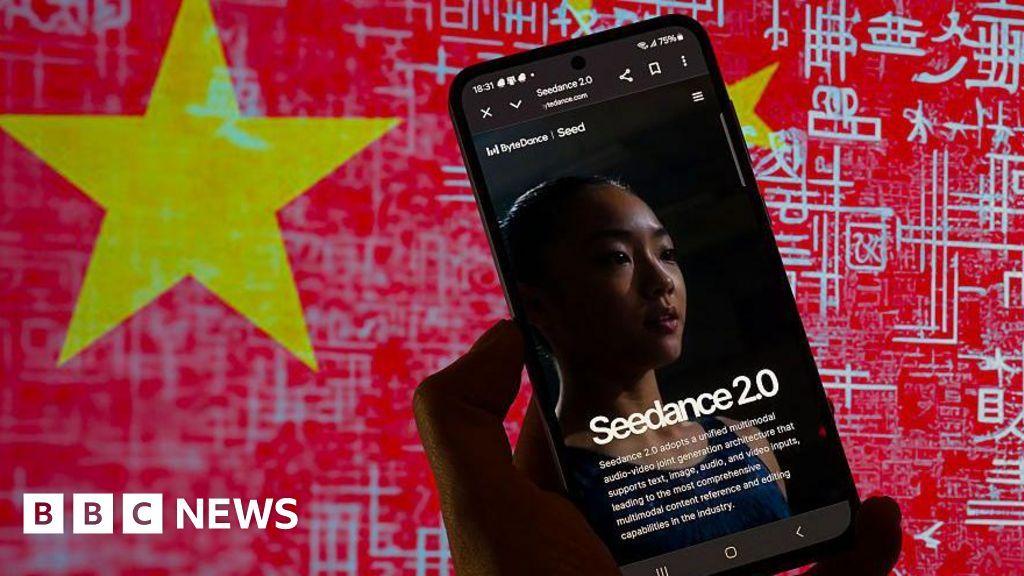
Source: BBC
Disney Accuses ByteDance of "Virtual Smash-and-Grab"
Disney's cease-and-desist letter pulled no punches, accusing ByteDance of treating its characters like "free public-domain clip art" and engaging in a "virtual smash-and-grab" of its intellectual property rights. The studio claimed ByteDance had supplied Seedance with a "pirated library" of Disney characters, with the infringement being "willful, pervasive, and totally unacceptable"
5
. Paramount Skydance similarly defended franchises like Star Trek and The Godfather, noting that Seedance's outputs were "often indistinguishable, both visually and audibly" from original characters1
. Japan's AI minister Kimi Onoda launched an official probe into ByteDance to protect popular anime and manga characters, stating authorities "cannot overlook a situation in which content is being used without the copyright holder's permission"1
.Viral Deepfakes of Tom Cruise and Brad Pitt Spark Industry Fear
A 15-second clip showing AI-generated versions of Tom Cruise and Brad Pitt fighting on a crumbling rooftop became the flashpoint for Hollywood's concerns. Irish director Ruairí Robinson created the video using just a two-line prompt, demonstrating Seedance 2.0's ability to generate cinema-quality content with sweeping camera angles, stunt choreography, and crisp sound effects
5
. Deadpool screenwriter Rhett Reese reposted the video, saying "I hate to say it. It's likely over for us," and later described feeling a "cold shiver" up his spine3
. The video marked a stark departure from previous AI-generated content often dismissed as "AI slop," with industry experts noting this was the first time generative AI output looked like it came "straight out of a real production pipeline"4
.
Source: TechSpot
SAG-AFTRA and Motion Picture Association Condemn Unauthorized Use
SAG-AFTRA, the actors union, issued a statement condemning the "blatant infringement" enabled by Seedance 2.0, emphasizing that the tool violated "law, ethics, industry standards and basic principles of consent." The union's president, Sean Astin, was directly impacted when a since-removed video showed him as Samwise Gamgee from The Lord of the Rings delivering lines he never said
1
. The Motion Picture Association, representing Netflix, Paramount, Sony, Universal, Disney, and Warner Bros., accused ByteDance of engaging in unauthorized use of copyrighted works on a "massive scale" within a single day3
. MPA chairman Charles Rivkin stated that ByteDance was "disregarding well-established copyright law that protects the rights of creators and underpins millions of American jobs"2
.ByteDance Promises Safeguards Amid Speculation of Intentional Strategy
Facing legal threats and Japan's investigation, ByteDance issued a statement Monday claiming it "respects intellectual property rights" and would take steps to "strengthen current safeguards as we work to prevent the unauthorized use of intellectual property and likeness by users"
1
. However, some experts suggest the controversy may have been deliberate. Rui Ma, founder of Tech Buzz China, told the South China Morning Post that "the controversy surrounding Seedance is likely part of ByteDance's initial distribution strategy to showcase its underlying technical capabilities"1
. University of Melbourne computing professor Shaanan Cohney noted there was "plenty of leeway to bend the rules strategically, to flout the rules for a while and get marketing clout"4
.
Source: Seattle Times
Related Stories
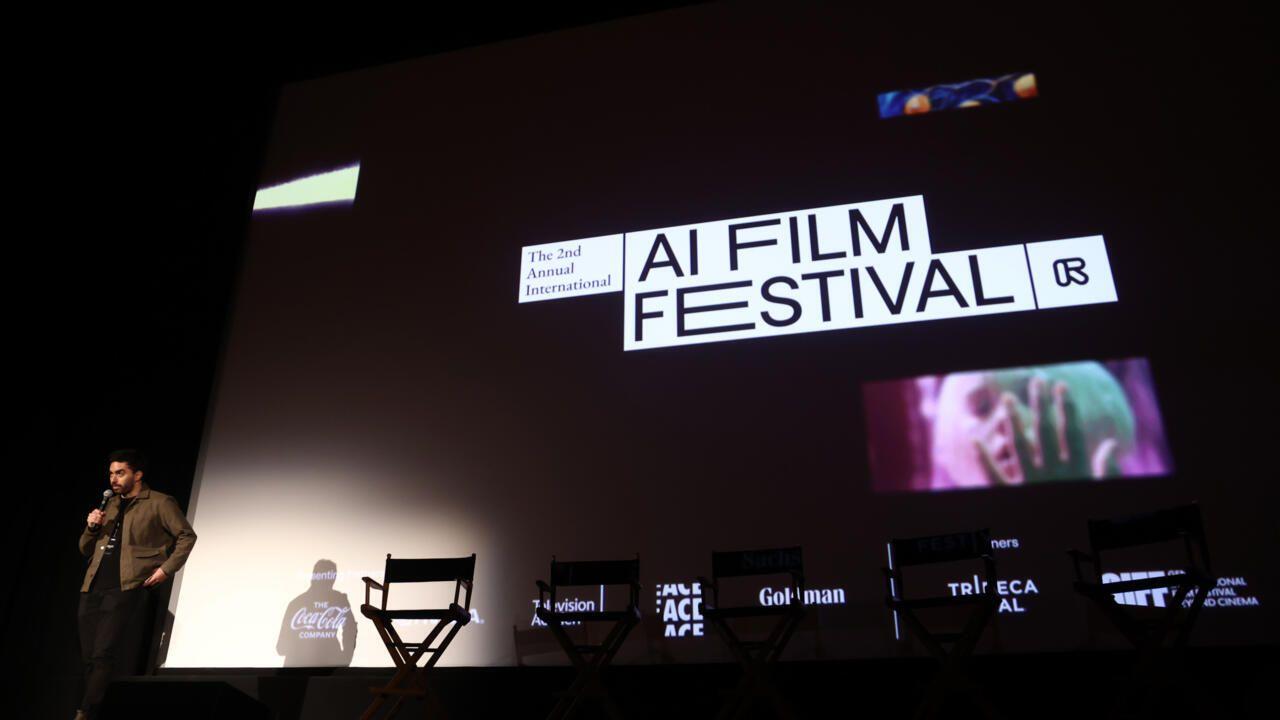
Implications for Human Creators and AI Development Ethics
The Human Artistry Campaign declared Seedance 2.0's launch "an attack on every creator around the world," arguing that "stealing human creators' work in an attempt to replace them with AI generated slop is destructive to our culture"
1
. The incident highlights growing concerns about job displacement in creative industries, echoing the 2023 Writers Guild strike where union members demanded guardrails protecting them from having their work stolen by AI5
. Duncan Crabtree-Ireland, SAG-AFTRA's national executive director, emphasized that contracts have specific rules about digital replication, and such material "could not be produced by any of the signatories to our contracts without the specific, informed consent of those individuals"5
. The contrast with Disney's $1 billion deal with OpenAI Sora, which allows licensed use of Star Wars, Pixar, and Marvel characters, underscores the importance of proper licensing mechanisms4
.What This Means for the Future of AI Video Generation
Seedance 2.0 represents a significant leap in AI video generation technology, combining text prompts, visuals, and audio in a single system to produce professional-grade content
4
. For small studios, particularly in Asia's booming micro-drama market where budgets run around $140,000 for 80 episodes, this technology could enable more ambitious genres like sci-fi and action4
. However, the incident signals that Chinese AI models are "at the very least matching at the frontier of what is available," raising questions about what other capabilities Chinese companies have in development4
. The industry now watches whether ByteDance's promised safeguards will adequately address concerns, or whether authorities will deploy legal tools to stop what studios call "wholesale theft" of intellectual property.References
Summarized by

Navi
Related Stories
ByteDance's Seedance 2.0 AI video generator triggers copyright infringement battle with Hollywood
14 Feb 2026•Policy and Regulation
ByteDance's Seedance 2.0 AI video tool impresses audiences but raises deepfake concerns
09 Feb 2026•Technology

Hollywood reframes AI as infrastructure while studios navigate creative boundaries and job concerns
17 Mar 2026•Technology

Recent Highlights
1
OpenAI shuts down Sora video app after six months, ending Disney's $1 billion investment deal
Technology

2
Apple plans major Siri AI overhaul in iOS 27 with standalone app and third-party chatbot support
Technology

3
Claude AI can now control your computer to complete tasks, but security risks remain
Technology
Recent Highlights
Today's Top Stories









Your Daily Dose of Curated AI News
Don’t drown in AI news. We cut through the noise - filtering, ranking and summarizing the most important AI news, breakthroughs and research daily. Spend less time searching for the latest in AI and get straight to action.

