Deezer opens AI detection tool to rival platforms to combat fraudulent music streams


6 Sources
6 Sources
[1]
Deezer makes it easier for rival platforms to take a stance against AI-generated music
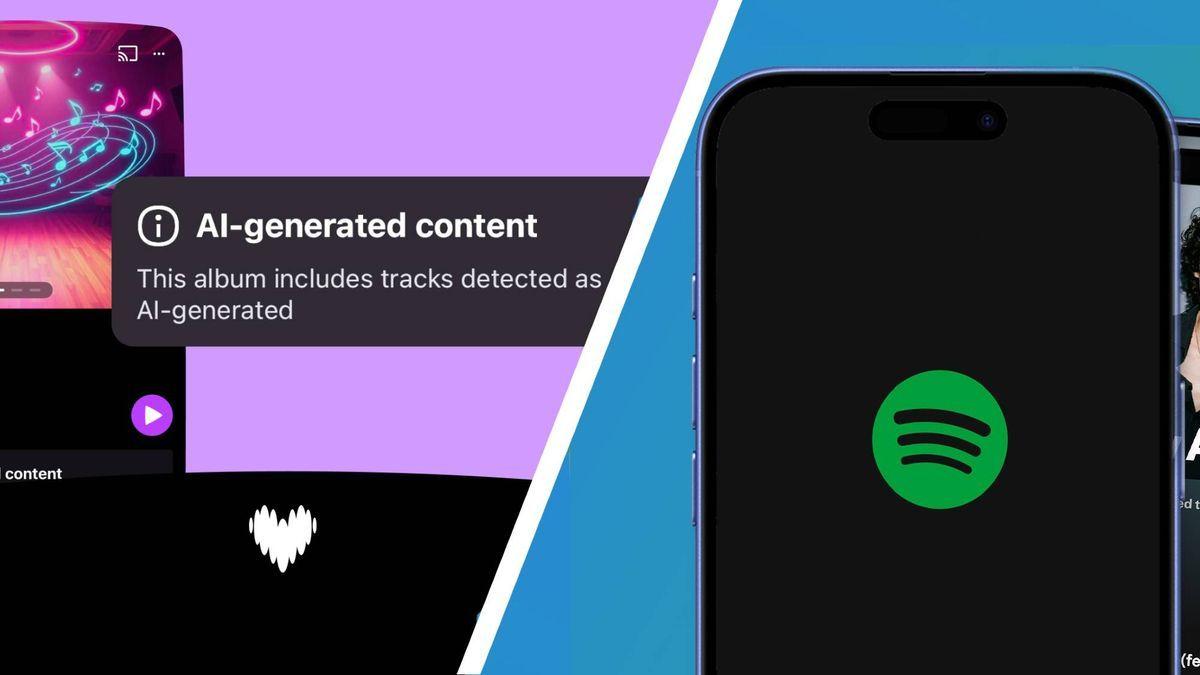
Last year, Deezer introduced an AI detection tool that automatically tags fully AI-generated music for listeners and removes it from algorithmic and editorial recommendations. The company announced on Thursday that it's now making the tool available to other streaming platforms in an effort to help address the rise of AI and fraudulent streams, as well as promote transparency within the music industry and make sure human artists still get the recognition they deserve. Alongside the move, Deezer reported that 85% of streams from fully AI-generated tracks are deemed fraudulent. Notably, the service now receives 60,000 AI tracks per day, totaling 13.4 million AI-detected songs. By contrast, in June of last year, fully AI-generated music made up 18% of daily uploads, surpassing 20,000 tracks. Deezer claims its AI music detection tool can identify every AI-generated track from major generative models like Suno and Udio. In addition to excluding AI-generated tracks from recommendations, Deezer's tool demonetizes them and excludes them from the royalty pool, as the company aims to fairly compensate musicians and songwriters. The tool's accuracy is 99.8%, a company spokesperson told TechCrunch. Deezer CEO Alexis Lanternier says there has been "great interest" in the tool, and several companies have "already performed successful tests." One such company is Sacem, the French management company that represents over 300,000 music creators and publishers, including David Guetta and DJ Snake. The company didn't provide pricing information or disclose which additional companies are interested in adopting the tool. A spokesperson told us that the cost varies based on the type of deal. There is increasing concern about AI companies using copyrighted material to train their models, as well as about methods being used to manipulate streaming systems and commit fraud. One instance of music streaming fraud occurred in 2024, when a North Carolina musician was charged by the Department of Justice (DOJ) with creating AI-generated songs and using bots to stream them billions of times, resulting in more than $10 million in stolen streaming royalties. Additionally, AI bands like The Velvet Sundown have gained millions of streams. Bandcamp recently got fed up and banned AI-generated music altogether, while Spotify has updated its policy to address the rise of AI tracks, clarifying when AI is used in music production, reducing spam, and explicitly stating that unauthorized voice clones are prohibited on the platform. By contrast, major record labels have resolved lawsuits with Suno and Udio, appearing to embrace AI-generated music. Last fall, Universal Music Group and Warner Music Group struck deals with these AI startups to license their music catalogs, ensuring artists and songwriters are compensated when their work is used to train AI models. In recent years, Deezer has taken significant steps to address concerns about AI-generated music. In 2024, it became the first music streaming platform to sign the global statement on AI training, joining actors Kate McKinnon, Kevin Bacon, Kit Harington, Rosie O'Donnell, and other notable creatives. Hopefully, Deezer's latest decision to sell its detection tool will set a precedent for other music streaming platforms to take similar actions to defend human artists and fight fraud.
[2]
Deezer opens its AI music detection tool to other platforms
"We know that the majority of AI-music is uploaded to Deezer with the purpose of committing fraud, and we continue to take action," Deezer CEO Alexis Lanternier says in the press release. "Every fraudulent stream that we detect is demonetized so that the royalties of human artists, songwriters and other rights owners are not affected." As songs generated with platforms like Suno and Udio become harder to identify, music streaming services are taking steps to ensure listeners know when the music they're listening to wasn't created by a human. Spotify began rolling out new policies to address AI music and impersonation last year, and it's also working on a new metadata standard for disclosing the use of AI. Meanwhile, Bandcamp is taking a tougher stance and is banning AI-generated content completely.
[3]
Deezer licenses AI music detection tool to French royalty agency Sacem, plans wider rollout
Jan 29 (Reuters) - Music streaming platform Deezer (DEEZR.PA), opens new tab has licensed its artificial intelligence-detection technology to France's royalty agency Sacem in a landmark commercial deal to combat music fraud, as the company pursues wider industry adoption for the tool. The deal, announced on Thursday, comes as expanding AI capabilities blur the line between human- and machine-made songs, enabling a new type of streaming fraud where bad actors upload thousands of AI-generated numbers designed to trigger algorithmic recommendations and siphon royalties away from artists and songwriters. France-based Deezer said it successfully identified and removed up to 85% of fraudulent AI-generated music streams from its royalty pool in 2025, flagging over 13.4 million AI tracks. The platform now receives around 60,000 fully AI-created tracks every day, roughly 39% of total daily uploads, up from 10% in January last year. Deezer's royalty pool comprises 70% of subscriber revenue, according to CEO Alexis Lanternier. The detection tool analyzes audio signals for patterns created by AI music generators such as Suno and Udio, identifying subtle anomalies inaudible to human ears. The company has trained the system on 94 million songs and filed two patents for the technology in 2024, it said. However, Swedish royalty society Stim told Reuters that detection tools alone cannot be an answer to issues surrounding musical composition and copyright. "We believe that copyright and technology can go hand in hand," Stim said. Stim, which in 2025 launched its license that allows AI companies to legally use copyrighted songs for training models, believes mandatory licensing and full transparency for training data would prevent fraud at its source. Deezer is in discussions with other European collective societies regarding licensing and plans to engage with organizations in Los Angeles during Grammy Week, Lanternier said. Sacem did not reply to a Reuters request for comment. (This story has been refiled to remove an incorrect picture) Reporting by Jaspreet Singh in Bengaluru and Leo Marchandon in Gdansk; Editing by Jonathan Ananda and Sahal Muhammed Our Standards: The Thomson Reuters Trust Principles., opens new tab * Suggested Topics: * Media & Telecom * Intellectual Property Leo Marchandon Thomson Reuters Leo is a news reporter based in Gdansk, focusing on the media, telecoms, and technology sectors in France and the Benelux countries. Prior to this, he worked in France, covering regional and business news, including politics, policies, economy and business with strong focus on tech startups.
[4]
Deezer just gave Spotify a great opportunity to combat the AI music wave -- here's why the platform is making its AI-detection tool available to rivals
While it's great for flagging unwanted AI slop, it's run into one setback that Spotify has addressed previously Deezer is one of the few among the best music streaming services that's actively combatting AI-generated music by clearly tagging songs in the app for user visibility - and now it's making its AI-detection tool commercially available to rival platforms. Last year, Deezer rolled out its flagship tool that detects and flags AI-generated tracks after reporting that over 30% of new music on the platform was AI-generated. Now Deezer is offering this functionality to other platforms in the industry, including Spotify, after seeing "a great interest in both our approach and our tool" said Deezer CEO Alexis Lanternier. With AI 'singers' such as Sienna Rose on the rise, Deezer said in its announcement that it wants to "encourage industry wide transparency". While it hasn't yet shared details of how it will make its technology available to other services, or what it will cost, Deezer is certainly confident that it can do the job. Director of Research at Deezer, Manuel Moussallam, says that according to the company's own tests the tool "has an accuracy of 99.8%", and can detect fully AI-generated music created using models such as Suno and Udio. Additionally, Deezer is doubling down on its efforts to demonetize AI music so that legitimate artists can be paid royalties fairly. One of the main motives behind uploading AI-generated music is to generate revenue streams, and according to the music platform, "Up to 85% of all streams on AI-generated music" are now being "detected as fraudulent". Deezer isn't the only service cracking down on AI music. Bandcamp recently banned AI from its service, ad it's led to Spotify users complaining that the streaming giant is failing to tackle the rise of 'AI slop'. However, Deezer could run into an issue that Spotify has wrestled with for some time. While Spotify does have its own measures in place to prevent AI music from flooding the UI, there's a reason why it doesn't clearly label AI-generated music in the way that Deezer does. This is down to creative choices on the artist's behalf, which is something that Deezer's AI-detection tool doesn't pick up on. Though AI in music creation is generally frowned on by artists, it doesn't necessarily mean there aren't musicians out there who use it as a creative tool to enhance only certain aspects of a song. Canadian artist Grimes, known for her art pop, electronic, and experimental music, is just one example of a musician who has openly embraced the use of AI as a way to be creative. Her 2025 song Artificial Angels is an example because, though it's not entirely AI-generated, it still has elements of AI-generated vocals which book-end the song - but it's not flagged as 'AI-generated content' in Deezer. So while Deezer's detection tool is revolutionary for cleaning out unwanted music that's entirely AI-generated, it may not work in the case of artists such as Grimes, even if listeners want to avoid songs that have even just a smidge of AI-generated elements. Whether platforms like Spotify and Apple Music will take Deezer up on its offer remains to be see, but this is a potentially significant development for the music-streaming industry.
[5]

Music streaming giant Deezer opens AI detection tool to external platforms
Deezer announced on Thursday that it will offer its AI detection tool, launched last year, to other streaming platforms to combat AI-generated music, fraudulent streams, and promote industry transparency. The tool automatically identifies and tags fully AI-generated music tracks, preventing their appearance in algorithmic and editorial recommendations on Deezer's platform. This measure ensures listeners encounter content created by human artists rather than machine-generated equivalents. Deezer processes uploads continuously, applying the detection process to incoming tracks before they enter the catalog available to users worldwide. Deezer provided data underscoring the scale of the issue. Among streams from fully AI-generated tracks, 85 percent qualify as fraudulent. Currently, the platform receives 60,000 such tracks each day, accumulating a total of 13.4 million AI-detected songs in its database. This volume reflects the rapid proliferation of AI-generated content across music services. For context, in June of the previous year, fully AI-generated music constituted 18 percent of Deezer's daily uploads. That figure exceeded 20,000 tracks per day, marking a substantial portion of new content at the time and highlighting early growth in AI music production. The detection tool identifies every AI-generated track produced by major generative models, including Suno and Udio. Beyond tagging and excluding tracks from recommendations, Deezer demonetizes them entirely. This action removes AI tracks from the royalty pool, directing payments solely to human musicians and songwriters based on verified streams. A company spokesperson stated to TechCrunch that the tool achieves 99.8 percent accuracy in distinguishing AI-generated music from human-created works. Deezer CEO Alexis Lanternier noted there has been "great interest" in the tool, adding that several companies have already performed successful tests. One tester is Sacem, the French management company representing over 300,000 music creators and publishers. Sacem manages rights for prominent artists such as David Guetta and DJ Snake, processing licensing and royalties on their behalf across various uses. Deezer confirmed Sacem's successful evaluation but did not disclose other interested parties. Pricing for access to the tool varies depending on the type of deal negotiated with prospective clients. Deezer provided no specific figures, indicating customized agreements based on platform scale, volume, or integration requirements. Industry concerns encompass AI companies training models on copyrighted material without permission. Additional worries involve manipulation of streaming systems through artificial inflation of play counts. These practices divert revenue from legitimate artists. In 2024, the U.S. Department of Justice charged a musician from North Carolina with fraud. Authorities accused the individual of producing AI-generated songs and deploying bots to stream them billions of times. This scheme resulted in more than $10 million in stolen streaming royalties. AI-created groups like The Velvet Sundown have accumulated millions of streams on platforms, blending into regular catalogs without disclosure. Such instances contribute to distorted charts and payout distributions. Bandcamp implemented a total ban on AI-generated music uploads. Spotify revised its policies to specify permitted AI involvement in production, measures to curb spam, and an explicit prohibition on unauthorized voice clones mimicking artists without consent. Major record labels reached settlements in lawsuits against Suno and Udio. Last fall, Universal Music Group and Warner Music Group signed licensing agreements with these AI startups. The deals permit use of their music catalogs for model training, with compensation flowing to artists and songwriters whose works contribute to the datasets. In 2024, Deezer became the first music streaming platform to sign the global statement on AI training. Signatories include actors Kate McKinnon, Kevin Bacon, Kit Harington, Rosie O'Donnell, and other creatives advocating for protections in AI development.
[6]

Deezer Signs Groundbreaking Agreement with Sacem to Detect AI-Generated Music
Deezer has announced the signing of a commercial agreement with Sacem for the licensing of its technology designed to detect music generated by artificial intelligence. This first-of-its-kind collaboration aims to combat copyright fraud, which is on the rise with the increasing power of music generation tools. The French company now seeks to promote this tool across the global music industry. In 2025, Deezer claims to have detected and removed up to 85% of fraudulent streams originating from AI-generated music, amounting to more than 13.4 million tracks. The platform receives nearly 60,000 fully AI-produced tracks every day, representing 39% of new uploads, compared to 10% at the beginning of the year. Its patented analysis tool, trained on a database of 94 million tracks, relies on audio signals to identify distinctive signatures from generators such as Suno or Udio. While this technology marks a major step forward, some industry stakeholders believe it is not sufficient to regulate the use of AI in music creation. The Swedish organization Stim advocates for mandatory licensing mechanisms and greater transparency regarding training data. Deezer, which allocates 70% of subscription revenue to rights holders, plans to continue discussions with other European collective management organizations and to present its solution to American industry players during Grammy Week in Los Angeles.
Share
Share
Copy Link
Deezer is making its AI detection tool commercially available to rival streaming platforms including Spotify, aiming to combat the flood of AI-generated music. The company reports receiving 60,000 fully AI-generated tracks daily, with 85% of streams from such content deemed fraudulent. The tool achieves 99.8% accuracy and has already been licensed to French royalty agency Sacem.
Deezer Makes AI Detection Tool Available to Industry
Deezer announced it will make its AI detection tool commercially available to rival streaming platforms, marking a significant shift in how the music industry addresses AI-generated music
1
. The French music streaming service introduced the tool last year to automatically tag fully AI-generated tracks and remove them from algorithmic recommendations. Now, Deezer aims to extend this capability across the industry to combat fraudulent streams and promote music industry transparency5
.
Source: TechRadar
Deezer CEO Alexis Lanternier revealed there has been "great interest" in the tool, with several companies having already performed successful tests
1
. One notable adopter is Sacem, the French royalty agency representing over 300,000 music creators and publishers, including David Guetta and DJ Snake3
. While Deezer hasn't disclosed pricing details, a spokesperson confirmed costs vary based on deal type1
.Alarming Scale of AI Music and Fraudulent Streams
The platform now receives 60,000 fully AI-generated tracks per day, totaling 13.4 million AI-detected songs in its database
1
. This represents roughly 39% of total daily uploads, a dramatic increase from 10% in January last year and 18% in June3
. More concerning, Deezer reports that 85% of streams from fully AI-generated tracks are deemed fraudulent1
.
Source: TechCrunch
The AI detection tool analyzes audio signals for patterns created by AI music generators such as Suno and Udio, identifying subtle anomalies inaudible to human ears
3
. Deezer claims the tool achieves 99.8% accuracy and can identify every AI-generated track from major generative models1
. The company trained the system on 94 million songs and filed two patents for the technology in 20243
.Protecting Human Artists' Royalties Through Demonetization
Beyond detection, Deezer takes active steps to protect human artists by excluding AI-generated tracks from recommendations and removing them from the royalty pool
1
. The platform demonetizes AI music entirely, ensuring payments flow solely to human musicians and songwriters based on verified streams5
. "We know that the majority of AI-music is uploaded to Deezer with the purpose of committing fraud, and we continue to take action," Lanternier stated. "Every fraudulent stream that we detect is demonetized so that the royalties of human artists, songwriters and other rights owners are not affected"2
.Deezer successfully identified and removed up to 85% of fraudulent AI-generated music streams from its royalty pool in 2025
3
. The royalty pool comprises 70% of subscriber revenue, making this protection critical for artist compensation3
.Related Stories



Growing Concerns About Music Streaming Fraud
The music industry faces mounting concerns about copyright infringement and manipulation of streaming systems. In 2024, the U.S. Department of Justice charged a North Carolina musician with creating AI-generated songs and using bots to stream them billions of times, resulting in more than $10 million in stolen streaming royalties
1
. AI bands like The Velvet Sundown have gained millions of streams, blending into regular catalogs without disclosure5
.Rival streaming platforms are responding differently to this challenge. Bandcamp implemented a total ban on AI-generated music uploads
1
. Spotify began rolling out new policies to address AI music and impersonation, working on a new metadata standard for disclosing AI use while explicitly prohibiting unauthorized voice clones2
.Industry Debates Over Licensing and Training Data
Not everyone agrees that detection tools alone solve the problem. Swedish royalty society Stim told Reuters that "copyright and technology can go hand in hand," believing mandatory licensing and full transparency for training data would prevent fraud at its source
3
. Stim launched its own license in 2025 allowing AI companies to legally use copyrighted songs for training models.Meanwhile, major record labels have taken a different approach. Universal Music Group and Warner Music Group resolved lawsuits with Suno and Udio last fall, striking licensing agreements that permit use of their music catalogs for model training with compensation flowing to artists and songwriters
1
.Deezer continues expanding its reach, holding discussions with other European collective societies and planning engagement with organizations in Los Angeles during Grammy Week
3
. In 2024, Deezer became the first music streaming platform to sign the global statement on AI training, joining actors Kate McKinnon, Kevin Bacon, Kit Harington, and Rosie O'Donnell1
.
Source: Market Screener
References
Summarized by

Navi
[1]
[3]
Related Stories
Recent Highlights
1
Google Maps unveils Ask Maps with Gemini AI and 3D Immersive Navigation in biggest update
Technology
2
Three Tennessee teens sue xAI over Grok AI creating child sexual abuse material from real photos
Policy and Regulation

3
Meta plans to cut 20% of workforce as AI spending reaches $600 billion, mirroring broader tech trend
Business and Economy
Recent Highlights
Today's Top Stories




Your Daily Dose of Curated AI News
Don’t drown in AI news. We cut through the noise - filtering, ranking and summarizing the most important AI news, breakthroughs and research daily. Spend less time searching for the latest in AI and get straight to action.

