ByteDance's Seedance 2.0 AI video generator triggers copyright infringement battle with Hollywood


34 Sources
34 Sources
[1]
Hollywood isn't happy about the new Seedance 2.0 video generator | TechCrunch
Hollywood organizations are pushing back against a new AI video model called Seedance 2.0, which they say has quickly become a tool for "blatant" copyright infringement. ByteDance, the Chinese company that recently finalized a deal to sell TikTok's U.S. operations (it retains a stake in the new joint venture), launched Seedance 2.0 earlier this week. According to the Wall Street Journal, the updated model is currently available to Chinese users of ByteDance's Jianying app, and the company says it will soon be available to global users of its CapCut app. Similar to tools such as OpenAI's Sora, Seedance allows users to create videos (currently limited to 15 seconds in length) by just entering a text prompt. And like Sora, Seedance quickly drew criticism for an apparent lack of guardrails around the ability to create videos using the likeness of real people, as well as studios' intellectual property. After one X user posted a brief video showing Tom Cruise fighting Brad Pitt, which they said was created by "a 2 line prompt in seedance 2," "Deadpool" screenwriter Rhett Reese responded, "I hate to say it. It's likely over for us." The Motion Picture Association soon issued a statement from CEO Charles Rivkin demanding that ByteDance "immediately cease its infringing activity." "In a single day, the Chinese AI service Seedance 2.0 has engaged in unauthorized use of U.S. copyrighted works on a massive scale," Rivkin said. "By launching a service that operates without meaningful safeguards against infringement, ByteDance is disregarding well-established copyright law that protects the rights of creators and underpins millions of American jobs." The Human Artistry Campaign -- an initiative backed by Hollywood unions and trade groups -- condemned Seedance 2.0 as "an attack one very creator around the world," while the actors' union SAG-AFTRA said it "stands with the studios in condemning the blatant infringement enabled by Bytedance's new AI video model Seedance 2.0." Seedance videos have apparently featured Disney-owned characters such as Spider-Man, Darth Vader, and Grogu, better known as Baby Yoda, prompting the company to take legal action. Axios reports that Disney has sent a cease-and-desist letter accusing ByteDance of a "virtual smash-and-grab of Disney's IP"and claiming the Chinese company is "hijacking Disney's characters by reproducing, distributing, and creating derivative works featuring those characters." Disney isn't necessarily opposed to working with AI companies -- while it has reportedly sent a cease-and-desist letter to Google over similar issues, it's signed a three-year licensing deal with OpenAI. TechCrunch has reached out to ByteDance for comment.
[2]
Tom Cruise and Brad Pitt Trade Blows in Latest AI Slop Video, and Hollywood Won't Stand for It
Expertise Video gaming, computer hardware, laptops, home energy, home internet Brad Pitt and Tom Cruise are trading blows in a viral AI-generated clip on social media, sparking backlash from the film industry. Chinese company ByteDance's new video generation model, Seedance 2.0, allowed people to create fictional videos of real likenesses with short prompts. Irish filmmaker Ruairi Robinson used two lines to generate the clip of Pitt and Cruise fighting. If ByteDance sounds familiar to you, it's because the company also owns TikTok internationally, though it recently sold its US ownership of the social media and video-sharing platform to US companies. Oracle, MGX and Silver Lake each hold a 15% stake. The actors in this latest viral AI slop video still don't look like perfect re-creations -- close-up shots of the fake Brad Pitt's face, especially, have an "uncanny valley," dreamlike AI look where the cuts blend into his flesh a little too smoothly. However, a CNET survey from earlier Tuesday showed that while 94% of US adults believe they encounter AI slop on social media, just 44% say they're confident they can tell real videos from AI-generated ones. One of the most inflammatory parts of the Pitt-Cruise video is the dialogue, as the computerized facsimiles of the actors fight over a supposed assassination plot regarding Jeffrey Epstein, the convicted sex offender who maintained ties to rich and powerful people worldwide. The two actors' likenesses became a vehicle to push conspiracy theories that have been picking up steam as the millions of pages of redacted emails, receipts and other documents that make up the Epstein files continue to trickle out of the US Department of Justice. Hollywood is fighting back as AI-generated content consumes and spits out actor likenesses and copyrighted content alike. Major studios and their labor forces alike have united to push back against the precedent set by the viral AI video. According to The Hollywood Reporter, the Motion Picture Association demanded that ByteDance "immediately cease its infringing activity" through Seedance. SAG-AFTRA, the labor union that represents Hollywood performers, released a statement on Friday saying it "stands with the studios" in condemning the Seedance video generation model. The Screen Actors Guild specifically pointed to Seedance's unauthorized use of members' faces, likenesses and voices as a threat that could put actors out of work. "Seedance 2.0 disregards law, ethics, industry standards and basic principles of consent," the actors' guild said in its statement. Representatives for the MPA and SAG-AFTRA didn't immediately respond to a request for comment. Similar videos generated by Seedance have depicted Star Wars characters dueling with lightsabers as well as Marvel superheroes Spider-Man and Captain America brawling. Disney issued a cease-and-desist order to ByteDance on Friday in response to these videos, which it alleges constitute copyright infringement, according to the BBC. A representative for ByteDance didn't immediately respond to CNET's request for comment, but issued a statement to the BBC saying it is "taking steps to strengthen current safeguards as we work to prevent the unauthorized use of intellectual property and likeness by users." Following the viral incident, ByteDance updated its tool to prevent people from uploading images of real people for AI-generated content, but it remains to be seen how effective that policy will be. Certainly, it won't curb the output of videos depicting fictional masked or anthropomorphic characters like Spider-Man or Mickey Mouse. As AI models continue to create mediocre copies of cultural icons, this won't be the first -- or last -- legal battleground for AI video generation.
[3]
Netflix gives ByteDance three days to stop Seedance AI theft.
Otherwise, the TikTok parent will face "immediate litigation" for copyright infringement of its Stranger Things, KPop Demon Hunters, Squid Game, and Bridgerton franchises: "Seedance acts as a high-speed piracy engine, generating mass quantities of unauthorized derivative works utilizing Netflix's iconic characters, worlds, and scripted narratives. Netflix will not stand by and watch ByteDance treat our valued IP as free, public domain clip art." Disney, Paramount, and Hollywood trade groups are equally concerned.
[4]
ByteDance pledges to prevent unauthorised IP use on AI video tool after Disney threat
Feb 15 (Reuters) - ByteDance will take steps to prevent the unauthorised use of intellectual property on its AI video generator Seedance 2.0, the Chinese technology firm said on Monday, following threats of legal action from U.S. studios, including Disney (DIS.N), opens new tab. Videos generated by Seedance 2.0, which was released last week, have gone viral in China including one of Tom Cruise and Brad Pitt in a fight. The AI model has been compared to DeepSeek and has been praised for its ability to produce cinematic storylines with just a few prompts. Disney sent a cease-and-desist letter to ByteDance accusing the Chinese firm of using Disney characters to train and power Seedance 2.0 without permission, a source familiar with the matter told Reuters late on Sunday. Disney said ByteDance had pre-packaged Seedance with a pirated library of copyrighted characters from franchises including Star Wars and Marvel, portraying them as if they were public-domain clip art, the person said. The letter alleged Seedance was reproducing, distributing and creating derivative works featuring Spider-Man, Darth Vader, and other characters, the person added. "We are taking steps to strengthen current safeguards as we work to prevent the unauthorized use of intellectual property and likeness by users," ByteDance said in its statement. It did not elaborate on the measures it was taking. Online news outlet Axios was the first to report on Disney's move. Paramount Skydance (PSKY.O), opens new tab has also sent a cease-and-desist letter to ByteDance, accusing the Chinese firm of engaging in "blatant infringement" of its intellectual property, Variety reported at the weekend. Disney has taken similar actions against Character.AI, demanding that the startup immediately stop the unauthorised use of its copyrighted characters. In December, Disney signed a licensing deal with OpenAI, letting the startup use characters from Star Wars, Pixar and Marvel franchises in its Sora video generator. Reporting by Rajveer Singh Pardesi in Bengaluru; Additional reporting Clare Jim in Hongkong and Eduardo Baptista in Beijing; Editing by Miyoung Kim and Kate Mayberry Our Standards: The Thomson Reuters Trust Principles., opens new tab
[5]

ByteDance promises to tighten up its new AI video generator after viral Cruise vs. Pitt clip
ByteDance released Seedance 2.0 less than a week ago and enraged artists everywhere with a viral clip AI-generated clip of Tom Cruise and Brad Pitt fighting. Unsurprisingly, the AI video-making tool has reportedly already received multiple cease-and-desist letters around copyright infringement. Now, it appears ByteDance is going to curb the new media generator's use of prohibited content. In a statement to the BBC, ByteDance said, "We are taking steps to strengthen current safeguards as we work to prevent the unauthorised use of intellectual property and likeness by users." It added that the company "respects intellectual property rights and we have heard the concerns regarding Seedance 2.0." However, when pressed for more information on exactly how they would do this, ByteDance didn't respond. ByteDance's vague pledge follows a cease-and-desist letter from the Walt Disney Company on Friday. Disney claimed that Seedance 2.0 uses "a pirated library of Disney's copyrighted characters from Star Wars, Marvel, and other Disney franchises, as if Disney's coveted intellectual property were free public domain clip art." Disney included example videos that included its copyrighted characters, such as Spider-Man and Darth Vader. Paramount Skydance has also reportedly issued a cease-and-desist letter to ByteDance to stop Seedance 2.0 from using its materials, according to the BBC.
[6]

ByteDance says it will add safeguards to Seedance 2.0 following Hollywood backlash
Chinese tech giant ByteDance has said it will strengthen safeguards on a new artificial intelligence video-making tool, following complaints of copyright theft from entertainment giants. The tool, Seedance 2.0, enables users to create realistic videos based on text prompts. However, viral videos shared online appear to show copyrighted characters and celebrity likenesses, raising intellectual property concerns in the U.S. "ByteDance respects intellectual property rights and we have heard the concerns regarding Seedance 2.0.," a company spokesperson said in a statement shared with CNBC. "We are taking steps to strengthen current safeguards as we work to prevent the unauthorized use of intellectual property and likeness by users," the spokesperson added. ByteDance's response comes after receiving backlash and stern warnings from Hollywood groups like the Motion Picture Association (MPA), a trade association representing major Hollywood studios including Netflix, Paramount Skydance, Sony, Universal, Warner Bros. Discovery and Disney. The group issued a forceful public statement at the end of last week demanding that ByteDance immediately cease what it called "infringing activity." "In a single day, the Chinese AI service Seedance 2.0 has engaged in unauthorized use of U.S. copyrighted works on a massive scale," said MPA chairman and CEO Charles Rivkin in the statement. "By launching a service that operates without meaningful safeguards against infringement, ByteDance is disregarding well-established copyright law that protects the rights of creators and underpins millions of American jobs." According to a report from Axios, Disney sent a cease-and-desist letter Friday to ByteDance, accusing the company of distributing and reproducing its intellectual property through the new AI tool without permission. The legal notice alleged that ByteDance had effectively pre-packaged Seedance with a pirated library of copyrighted characters, portraying them as if they were public-domain clip art," the report added. Disney has also sent cease-and-desist letters to AI companies in the past. In September, the company warned the AI startup Character.AI to stop the unauthorized use of its copyrighted characters. While trying to protect its intellectual property, Disney has signed a licensing deal with and invested in OpenAI. The agreement allows the AI company to use Disney characters from the Star Wars, Pixar and Marvel franchises in its Sora video generator. Paramount Skydance has also sent a cease-and-desist letter to ByteDance, making similar accusations, Variety reported over the weekend.
[7]

Seedance: ByteDance to to curb controversial AI app after Disney legal threat
Chinese technology giant ByteDance has pledged to curb a controversial artificial intelligence (AI) video-making tool, following threats of legal action from Disney and complaints from other entertainment giants. In the last few days, videos made using the latest version of the app Seedance have proliferated online. Many have been lauded for their realism. But the trend has also sparked alarm from several Hollywood studios that have accused the AI platform's makers of copyright infringement. On Friday, Disney sent a cease-and-desist letter to ByteDance accusing it of supplying Seedance with a "pirated library" of the studio's copyrighted characters, including those from Marvel and Star Wars. Like other generative-AI tools, Seedance can create videos based on short text prompts. Many of Seedance's clips are based on real actors and shows and some have gone viral since the launch of its latest 2.0 version on 12 February. The BBC has found clips online said to have been generated by Seedance showing Star Wars characters Anakin Skywalker and Rey battling with their lightsabres, and Spider-Man fighting Captain America on the streets of New York. Disney's lawyers accused ByteDance of committing a "virtual smash-and-grab" of their intellectual property, including superheroes from Marvel, Star Wars and various cartoons. ByteDance said in reply to the BBC that the company "respects intellectual property rights and we have heard the concerns regarding Seedance 2.0." "We are taking steps to strengthen current safeguards as we work to prevent the unauthorised use of intellectual property and likeness by users." ByteDance did not respond to questions asking for details on the safeguards it plans to implement. The company has not disclosed what data it uses to train Seedance. ByteDance had previously said the product had already paused the ability for users to upload images of real people. The company also said it respects intellectual property rights and copyright protections, and takes any potential infringement seriously. Disney's legal threat follows criticism from other organisations in Hollywood over the Seedance platform. The Motion Picture Association, which represents major US studios like Warner Bros Discovery, Paramount and Netflix, has demanded that the tool "immediately cease its infringing activity". Actors' union Sag-Aftra has also accused Seedance of "blatant infringement". Meanwhile the Japanese government has launched an investigation into the Chinese firm over potential copyright violations, after AI-generated videos of popular Japanese anime characters showed up on online. Other AI image‑generation tools have likewise been hit with legal action. Last year, Disney and NBCUniversal sued AI image generator Midjourney, accusing the platform of generating "endless unauthorised copies" of the studios' copyrighted works. The case is ongoing. Disney has also asked Google to restrict the generation of its characters on Google's AI platforms.
[8]

Disney Sends ByteDance an AI Trophy in the Form of a Cease and Desist Letter Over Seedance 2.0
When a company releases a new AI model, it’s become customary for it to make a splash by pissing off an intellectual property owner or some other entity speaking up on behalf of copyrights, preferably spurring some form of legal action or warning. OpenAI’s ChatGPT has been the target of lawsuits galoreâ€"most famously from the New York Times. Stability was sued, largely unsuccessfully by a consortium of image copyright holders in the UK. OpenAI received a note from Japan when Sora 2 was released, asking it to refrain from what it considers the infringement of anime and manga copyrights. Suno and Udio were at one point targeted by music publishers over alleged copyright violations. There are countless other examples, each with its own allegations and accusations. Now apparently it’s ByteDance’s turn. The splashiest new AI model of the past few weeks, in case you haven’t heard, is ByteDance’s Seedance 2.0, which is sort of like Sora 2, except the slop videos it makes are a little less embarrassing to watch. Seedance 2.0 appears to be pretty versatile, but viral early prompts suggest that users especially like it for its fake ads, frequently starring someone who appears to have the face of Bob Odenkirk for some reason, and for what appear to be little 15-second John Wick movies, except the prompter can insert seemingly anyone they want in place of John Wick, such as (apparently) Harry Potter, or Thanos, or RoboCop. As a non-expert and non-lawyer myself, this is just what very much appears to be the case, and I'm not claiming with certainty that anyone is infringing on anything. But with that in mind, I'd like to extend my congratulations to TikTok's original parent company ByteDance on the occasion of its viral AI model! The prize for this accomplishment is a high-profile cease-and-desist letter, in this case from Disney. The letter, which was viewed by Axios and reported on Friday afternoon, says Seedance 2.0 comes "with a pirated library of Disney's copyrighted characters from Star Wars, Marvel, and other Disney franchises, as if Disney's coveted intellectual property were free public domain clip art." Characters named in the letter include Baby Yoda, Peter Griffin, Spider-Man, and Darth Vader. The letter on behalf of Disney, attributed to an outside lawyer named David Singer, claims “ByteDance is hijacking Disney's characters by reproducing, distributing, and creating derivative works featuring those characters. ByteDance's virtual smash-and-grab of Disney's IP is willful, pervasive, and totally unacceptable.†Disney, of course, entered into a content partnership about two months ago with OpenAI, not ByteDance, meaning Disney IP is not free public domain clip art, but highly prized and exclusive clip art. Under the terms of the agreement, OpenAI has explained that Sora will be able to be used “to generate short, user-prompted social videos that can be viewed and shared by fans, drawing from a set of more than 200 animated, masked and creature characters from Disney, Marvel, Pixar and Star Wars.†At the moment, judging from my own tests, this partnership has not yet been integrated into the Sora product, because Disney characters appeared to be blocked by the app. OpenAI's page about the Disney deal says Disney implementation should be expected in early 2026. Disney is far from alone in making a deal like this. Last year, Universal Music Group, for instance, settled a lawsuit against the AI music generator Udio, and created a music-generation partnership in the process. A few weeks later Warner Music Group did the same thing.  But the message that can be gleaned from these cease-and-desists and lawsuits in the context of eventual deals with AI companies appears to be that companies do not so much disapprove of AI being used at will by random internet users to generate content involving their precious intellectual property without concern for artistic merit. It would seem from their actions that the AI should be used at will by random internet users to generate content involving its precious intellectual property without concern for artistic merit only as long as the copyright holders can get their beaks wet. It's not clear how legally compatible the OpenAI-Disney deal would be with any hypothetical future partnership between Disney and ByteDance, but if contract law prevents such a thing, maybe ByteDance will have to settle for an agreement that makes Seedance 2.0 the exclusive slop video generator of Universal-affiliated intellectual property such as Minions and the Fast & Furious cinematic universe. Â
[9]

The growing war over Seedance 2.0's 'digital heist'
While the model has been recognized as a "digital director" for generating synchronized cinematic sequences with native audio, it has also prompted multiple series of cease-and-desist orders from major Hollywood studios and alarming concerns about its impact on regional water resources. The most apparent conflict occurs in the entertainment sector, where The Walt Disney Company and Paramount have led a coalition of studios accusing ByteDance of training the model using a "pirated library" of copyrighted intellectual property. Disney's legal representatives described the AI's capacity to replicate characters from franchises like Marvel and Star Wars as a "virtual smash-and-grab," leading ByteDance to temporarily suspend features that allow the cloning of real human voices. This dispute coincides with rapid global policy developments; the European Union plans to enforce the AI Act strictly starting in August, while the United States advances the "NO FAKES" Act to establish federal property rights over an individual's digital likeness for up to 70 years post-mortem. Regulatory pressure has intensified in India, where the government notified the 2026 Amendment to the IT Rules. These new regulations impose the world's fastest removal deadline, requiring platforms to take down unlawful synthetic media within three hours of notification. This "zero-tolerance" approach underscores the growing international consensus that the rapid pace of AI content generation must be watched by equally swift moderation frameworks to prevent viral harm.
[10]
Disney accuses ByteDance of 'virtual smash-and-grab' when using copyrighted works to train its AI
Disney is going after another generative AI tool, accusing ByteDance and its recently released Seedance 2.0 of using its copyrighted material without permission. As first reported on by Axios, the Walt Disney Company sent a cease-and-desist letter to ByteDance, claiming the Chinese company developed its Seedance tool "with a pirated library of Disney's copyrighted characters from Star Wars, Marvel, and other Disney franchises, as if Disney's coveted intellectual property were free public domain clip art." The letter, which was obtained by Axios, included examples of Seedance videos featuring copyrighted Disney characters, including Spider-Man, Darth Vader, Peter Griffin and more. Even though ByteDance just released Seedance 2.0 on Thursday, it's already earned praise, but also indignation from Hollywood studios, when it comes to its AI-generating capabilities. With the strong early momentum, Seedance has already found itself in hot water with one of the largest media companies in the world. However, it's not the first time that Disney has threatened legal action against an AI company, since Character.AI received a cease-and-desist letter for the same offense in September. A few months later, Disney even accused Google of copyright infringement when training its AI models. On the other hand, Disney partnered with OpenAI in a three-year licensing agreement that allows the AI giant to generate images and videos using that highly sought-after intellectual property.
[11]

Motion Picture Association sends cease-and-desist letter to ByteDance over Seedance 2.0
Why it matters: It marks the first time the MPA, which represents all of the major Hollywood studios, has sent a cease-and-desist letter to a major AI firm. Catch up quick: ByteDance launched Seedance 2.0, its generative AI video tool, last week. * In the subsequent days, Disney, Warner Bros. Discovery, Paramount Skydance, Netflix and Sony Pictures all sent cease-and-desist letters to the company, alleging copyright infringement. * ByteDance has said in response to that legal pressure that it respects intellectual property and is adding safeguards to Seedance. Yes, but: MPA says in its letter that it needs "far more than general statements" at this point. * "Our ongoing investigation and review of social media platforms continues to reveal examples of Seedance producing material that clearly infringes on our members' rights," it reads. Zoom in: MPA's letter, addressed to ByteDance global general counsel John Rogovin, accuses ByteDance of exploiting Member Studios' intellectual property by "producing content that closely replicates distinctive characters and other copyright-protected elements of MPA Member Studios' works." * The letter includes examples of infringing materials created from intellectual property owned by its members companies. * "In just a single week since ByteDance began rolling out Seedance, social media platforms are replete with videos publicly attributed to Seedance that include copies of characters from MPA Member Studios' works," the letter reads. * "These outputs include some of the MPA Member Studios' most well-known and iconic works," it continues. Zoom out: China's unrelenting efforts to catch the U.S. in AI are having a significant impact on Hollywood and the U.S. film business. * Chinese AI models, which tend to be cheaper and faster, have less regard for copyrighted material and likeness rights of U.S. intellectual property holders. What's next: MPA demands that ByteDance confirm in writing the specific steps it has taken to address its concerns by Feb. 27.
[12]

'We will not stand by and watch': Netflix, Disney, and Warner Bros. threaten legal action over Seedance 2.0 videos starring Marvel, DC, and Stranger Things characters
Disney, Warner Bros, and Paramount have also hit out at ByteDance over similar incidents Netflix has joined the chorus of dissenting voices over the use of its intellectual property (IP) in videos created by Seedance 2.0. Yesterday (February 17), Netflix sent a cease and desist letter to ByteDance, which owns the artificial intelligence (AI) video generator, and threatened to take legal action if ByteDance didn't stop treating "our valued IP as free, public domain clip art." Netflix's warning comes amid the use of characters from some of its most popular franchises in recent videos created by Seedance 2.0, including characters from Stranger Things, Kpop Demon Hunters, and Bridgerton. The recreation of the life-threatening games seen in Squid Game -- one video sees controversial Tesla founder Elon Musk inserted into one of the games' deadly challenges (per Deadline) -- was also mentioned in Netflix's two-page correspondence. For the uninitiated: Seedance is a generative AI video maker that allows users to create near-realistic footage from just a few short text prompts. It wasn't until ByteDance, which also owns the hugely popular shortform video app TikTok, launched version 2.0 of its generative AI tool on February 12, though, that it became a hot topic of discussion. Indeed, the emergence of a video made with Seedance 2.0, which shows Hollywood stars Brad Pitt and Tom Cruise fighting on a bridge, went viral 24 hours before the program's latest update went live. Unsurprisingly, the footage immediately caused concern among many, not least Hollywood studios. In the days since the aforementioned video circulated online, others have similarly gained traction, with users populating AI-created videos with characters from Marvel and Star Wars (both of which are owned by Disney), DC Comics superheroes including Superman and Batman (Warner Bros.), and characters from various Paramount properties. Furious Disney, Warner Bros., and Paramount executives have already condemned ByteDance for "blatant infringement" of copyright and conducting a "virtual smash-and-grab" of their IPs in their own fiery cease and desist letters. Meanwhile, the Screen Actors Guild of America (SAG-AFTRA) has also called the use of Cruise and Pitt's likeness in the aforementioned Seedance video as "unacceptable". However, with Netflix now entering the fray -- the world's best streaming service says it "won't stand by and watch" Seedance use its copyrighted materials -- the pressure on ByteDance has only grown in stature. Will the likes of Amazon, Apple, and NBCUniversal eventually join their fellow entertainment giants? If any of their IPs are used in a similar fashion, absolutely. For what it's worth, the Chinese company has said it'll take steps to protect US studios' biggest franchises. In a statement shared with Deadline on February 16, a spokesperson said: "[ByteDance] respects intellectual property rights and we have heard the concerns regarding Seedance 2.0. We are taking steps to strengthen current safeguards as we work to prevent the unauthorised use of intellectual property and likeness by users." The furore over Seedance 2.0 comes amid the ongoing, largely unregulated use of generative AI models to make, well, whatever a user wants. Hollywood firms have hit out at other similarly marketed programs, including OpenAI's Sora 2, while governments worldwide have been left scrambling over how to deal with such AI tools and, where possible, fast-track new laws to limit how they can be used. However, with studios like Disney are actually agreeing three-year licensing deals with tools like Sora 2, which will allow fans to create shortform videos featuring their favorite Disney-owned characters, the use of AI generative tools like Seedance 2.0 will continue to operate in a gray area. That is, until governments, companies, and everyday users work out how best to utilize them -- and, as this article covers, how to combat them when they're used in the wrong way.
[13]

Hollywood is Freaking Out, But ByteDance Says it is Curbing AI Video Generator Seedance
After Seedance 2.0, made by TikTok's creator ByteDance, was released last week, several AI videos featuring Hollywood IP went viral across the internet. It prompted Disney to send a cease-and-desist letter to ByteDance. Now the company says it will pull back. Nevertheless, Hollywood appears to be rattled by the emergence of Seedance. Deadpool writer Rhett Reese said last week that, "In next to no time, one person is going to be able to sit at a computer and create a movie indistinguishable from what Hollywood now releases." Charles Rivkin, chief executive of the Motion Picture Association, says that ByteDance "should immediately cease its infringing activity". In its letter to ByteDance, Disney accused the Chinese firm of "blatant infringement" of its copyright. Yesterday, ByteDance told the BBC that it "respects intellectual property rights and we have heard the concerns regarding Seedance 2.0." Adding that, "We are taking steps to strengthen current safeguards as we work to prevent the unauthorised use of intellectual property and likeness by users." The letter that Disney sent to ByteDance was addressed to the company's global general counsel, John Rogovin, who, as Copyright Lately notes, was the general counsel of Warner Bros. Entertainment for over a decade. That one of its own is general counsel at ByteDance will no doubt be reassuring to Hollywood because what exactly would stop a Chinese company from infringing on movie IP? Copyright Lately points to an infringement lawsuit brought by Disney, Warner Bros. Discovery, and NBCUniversal against another Chinese AI firm, MiniMax. "Five months in, the plaintiffs are still working to serve the complaint under the Hague Convention -- a process that in China can take up to two years just to reach the starting line," writes Aaron Moss. "And while MiniMax's Hailuo AI is available in the United States, Seedance so far is not, raising the more fundamental question of whether U.S. copyright law can meaningfully reach it." That ByteDance has responded at all must assuage some fears in Hollywood, which is now going through what photography has been dealing with for the past 12 months: AI is getting really good at imitating its art.
[14]

TikTok creator ByteDance vows to curb AI video tool after Disney threat
Videos created by new Seedance 2.0 generator go viral, including one of Tom Cruise and Brad Pitt fighting ByteDance, the Chinese technology company behind TikTok, has said it will restrain its AI video-making tool, after threats of legal action from Disney and backlash from other media businesses, according to reports. The AI video generator Seedance 2.0, released last week, has spooked Hollywood as users create realistic clips of movie stars and superheroes with just a short text prompt. Several big Hollywood studios have accused the tool of copyright infringement. On Friday, Walt Disney reportedly sent a cease-and-desist letter to ByteDance which accused it of supplying Seedance with a "pirated library" of the studio's characters, including those from Marvel and Star Wars, according to the US news outlet Axios. Disney lawyers claimed that ByteDance committed a "virtual smash-and-grab" of their intellectual property, according to a report from the BBC. However, the TikTok owner told the BBC it "respects intellectual property rights and we have heard the concerns regarding Seedance 2.0." A spokesperson for the company told the broadcaster it was "taking steps to strengthen current safeguards as we work to prevent the unauthorised use of intellectual property and likeness by users", but declined to provide further details on its plans. Seedance can generate videos based on just a few lines of text. Last week Rhett Reese, the co-writer of Deadpool & Wolverine, Zombieland and Now You See Me: Now You Don't, said "it's likely over for us" after watching a widely disseminated AI-generated clip featuring Tom Cruise and Brad Pitt fighting. He added: "In next to no time, one person is going to be able to sit at a computer and create a movie indistinguishable from what Hollywood now releases. True, if that person is no good, it will suck. But if that person possesses Christopher Nolan's talent and taste (and someone like that will rapidly come along), it will be tremendous." The first iteration of Seedance launched in June last year. The Motion Picture Association, the Hollywood trade association that represents studios such as Paramount, Warner Bros and Netflix, accused ByteDance of "unauthorised use of US copyrighted works on a massive scale". The actors' union Sag-Aftra has accused Seedance of "blatant infringement". It is the latest clash in Hollywood amid anxiety over the impact of AI on the future of entertainment. Artists and creative industries have called for compensation for the use of their material and the establishment of licensing frameworks to enable legal use of their content. Last year, Disney and NBCUniversal sued the AI image generator Midjourney over what the studios claimed were "endless unauthorised copies" of their works. However, creative companies are also making deals with AI businesses. Last year Disney announced a $1bn equity investment in OpenAI, the developer of ChatGPT and a three-year licensing agreement that enables its Sora video generation tool to use some of Disney's characters. ByteDance and Walt Disney were approached for comment.
[15]

ByteDance to add safeguards to AI video tool after Hollywood backlash
After facing mounting pressure from Hollywood alongside legal threats from Disney, ByteDance moves to tighten safeguards on its AI video app, Seedance 2.0. Chinese tech firm ByteDance has said it will place restrictions on a controversial AI (artificial intelligence) powered video creation tool, following copyright complaints from major media companies. Seedance 2.0, the latest model of the AI video generator released on February 12, which is only available in China, went viral and allows users to create realistic images and videos of famous actors and cartoon characters in short text prompts. One of these images showed Brad Pitt and Tom Cruise in a fight. The AI has been praised by many online for its highly realistic output, compared to already existing models like DeepSeek. But several Hollywood companies have threatened to take legal action against ByteDance. On February 13, Disney sent a cease and desist letter to the company accusing them of training Seedance with a "pirated library" that included famous Disney characters from Star Wars, Marvel and more, according to media reports. A source told Reuters that the letter claimed Seedance was using and distributing creative works as "public-domain clip art," violating the copyright and intellectual property of Disney. Paramount Skydance also sent a cease and desist letter to ByteDance, blaming them for copyright infringement, Variety reported. "We have heard the concerns regarding Seedance 2.0," ByteDance said in a statement on Sunday. "We are taking steps to strengthen current safeguards as we work to prevent the unauthorised use of intellectual property and likeness by users," it added. The company did not clarify what measures were being taken. The BBC reported that ByteDance had previously stated that it had "paused the ability for users to upload images of real people." SAG-AFTRA, a US labour union that protects the rights of on-screen actors and artists, voiced its concerns about the "unauthorised use of its members' voice and likeness." In a statement, they demanded"responsible AI development" that ceases to exist in the case of ByteDance. In 2025, Disney also sent a cease and desist letter to Character.ai, which was accused of using their characters without permission. The chatbot service removed all characters that infringed on Disney's intellectual property following the letter. Disney and MBCUniversal also sued online image generator Midourney in 2025, for the same reason of copyright infringement. Although the case is still ongoing, it shows the strides Disney and other creative companies are willing to take to protect their intellectual property. However, these companies are also making deals with AI businesses.Disney struck a $1 Billion deal with OpenAI to allow its video generator, Sora AI, to creatively use the likeness of characters such as Mickey Mouse, Cinderella, and Luke Skywalker in a three-year licensing agreement.
[16]

ByteDance is strengthening safeguards on its AI video model after copyright infringement concerns
A new AI video model from China has flooded the internet with copyrighted content -- causing so much backlash that its owner, ByteDance, has promised to "strengthen current safeguards." Over the past week, Seedance 2.0 made waves in tech circles as one of the most advanced video models ever released, putting it in direct competition with the likes of OpenAI's Sora 2, Google's Veo 3.1 and Kuaishou's Kling 3.0. Launched last week as the latest version of ByteDance's AI video generation model, Seedance 2.0 is currently available primarily to mainland Chinese users through its Jimeng AI app. It is not yet officially available outside China, but will soon also be integrated into ByteDance's CapCut, a popular video editor for TikTok users around the world. Beijing-based ByteDance also owns the global version of TikTok. The U.S. version of the popular short-form video app is now majority-owned by American investors, though ByteDance retained a partial stake. Almost immediately upon the model's release, Seedance began trending online as user-made videos stirred a mix of astonishment and concern on platforms like X and Reddit. One clip of Brad Pitt fistfighting Tom Cruise, which showed the two verbally sparring about Jeffrey Epstein, accrued more than 3.2 million views on X. Another version of the fistfight took only a "2 line prompt" to generate, according to Irish filmmaker Ruairi Robinson, who shared the clip. "Deadpool" screenwriter Rhett Reese expressed his unease online, responding on X: "I hate to say it. It's likely over for us." Reese clarified in a followup post that he's "terrified" about AI's increasing "encroach[ment] into creative endeavors." "I was blown away by the Pitt v Cruise video because it is so professional. That's exactly why I'm scared," Reese wrote. "My glass half empty view is that Hollywood is about to be revolutionized/decimated. If you truly think the Pitt v Cruise video is unimpressive slop, you've got nothing to worry about. But I'm shook." The launch of Seedance 2.0, and the immediate panic it stirred within the film and TV industry, has created what some online described as Hollywood's "Deepseek moment." The Chinese large language model Deepseek tanked Silicon Valley stocks last year after it outperformed major American AI companies on multiple benchmarks. Now, a Chinese video model is causing similar alarm in the world of AI video, both for the relative sophistication of its output and its ability to churn out content that in some instances appears to use copyrighted material. One AI content creator shared a side-by-side comparison of a clip from the 2025 film "F1" and a near-exact copy generated by Seedance, claiming the AI model "remade the most expensive shot ... for 9 cents." Others shared a slew of clips appearing to feature copyrighted intellectual property, including characters from the "One Piece" and "Dragon Ball" anime franchises, the League of Legends-based animated series "Arcane" and the martial arts classic "Ip Man." Actor Scott Adkins appeared to catch his own likeness in one Seedance-generated video of a man fleeing a crowd. "I don't remember shooting this! Must've slipped my mind 🤔," he responded in an X post. Shortly after the model's viral launch, Charles Rivkin, chairman and CEO of the Motion Picture Association, accused Seedance 2.0 of "engag[ing] in unauthorized use of U.S. copyrighted works on a massive scale." "By launching a service that operates without meaningful safeguards against infringement, ByteDance is disregarding well-established copyright law that protects the rights of creators and underpins millions of American jobs," Rivkin wrote in a statement. "ByteDance should immediately cease its infringing activity." Disney and Paramount Skydance have also reportedly issued cease-and-desist letters to ByteDance, accusing Seedance of infringing on their copyrighted works. (NBC News has not reviewed the letters; however, a source familiar confirmed Axios' reporting that Disney sent a cease-and-desist.) Disney and Paramount did not provide comments when asked outside normal business hours. ByteDance told NBC News in an email that the company is addressing the concerns. "ByteDance respects intellectual property rights and we have heard the concerns regarding Seedance 2.0," a spokesperson wrote. "We are taking steps to strengthen current safeguards as we work to prevent the unauthorized use of intellectual property and likeness by users." The statement came after the actors' union SAG-AFTRA similarly condemned the "blatant infringement enabled by Bytedance's new AI video model Seedance 2.0." "The infringement includes the unauthorized use of our members' voices and likenesses. This is unacceptable and undercuts the ability of human talent to earn a livelihood," SAG-AFTRA wrote. "Seedance 2.0 disregards law, ethics, industry standards and basic principles of consent. Responsible AI development demands responsibility, and that is nonexistent here." The Human Artistry Campaign, a global coalition of more than dozens of organizations representing creatives, also called Seedance 2.0's launch "an attack on every creator around the world." In a social media statement, it called on authorities to "use every legal tool at their disposal to stop this wholesale theft. The controversy is reminiscent of similar concerns that erupted during the launch of OpenAI's Sora 2 last fall, which enabled users to generate the likenesses of copyrighted characters from James Bond to Pikachu to Nintendo's Mario and Luigi. Within a few months, Disney struck a three-year deal with OpenAI allowing the Sora to use its IP.
[17]

ByteDance vows to boost safeguards after AI model infringement claims
Beijing (AFP) - Chinese tech giant ByteDance said it was taking steps to "strengthen current safeguards" after Hollywood heavyweights accused its new AI video model of copyright infringement. Built by TikTok owner ByteDance, Seedance 2.0 has produced Hollywoodesque scenes widely shared online, including of Tom Cruise brawling with Brad Pitt or dozens of different combinations of lifelike stars from superhero movies and video games, some of them watched millions of times. The Motion Picture Association last week, however, accused Seedance of "unauthorized use of US copyrighted works on a massive scale". MPA chairman Charles Rivkin -- representing heavyweights like Disney, Universal, Warner and Netflix -- said Bytedance's new AI model "operates without meaningful safeguards against infringement" and "should immediately cease". The actors' union SAG-AFTRA also condemned "the blatant infringement" and unauthorised use of its members' voices and likenesses enabled by Seedance 2.0. ByteDance acknowledged concerns regarding Seedance 2.0 in a statement to AFP on Sunday, and said it "respects intellectual property rights". It added it was taking steps to "strengthen current safeguards" to prevent "unauthorised use of intellectual property and likeness by users". The AI video model is only available for now as a limited test version in China. Swiss-based consultancy CTOL Digital Solutions hailed Seedance 2.0 as "the most advanced AI video generation model available... surpassing OpenAI's Sora 2 and Google's Veo 3.1 in practical testing". ByteDance is best known globally as the company behind TikTok, but it is also a major AI player in China.
[18]
Scoop: Disney sends cease and desist letter to ByteDance over Seedance 2.0
Why it matters: It's the most serious action a Hollywood studio has taken so far against ByteDance since it launched Seedance 2.0 on Thursday. Zoom in: The letter, addressed to ByteDance global general counsel John Rogovin, accuses ByteDance of pre-packaging its Seedance service "with a pirated library of Disney's copyrighted characters from Star Wars, Marvel, and other Disney franchises, as if Disney's coveted intellectual property were free public domain clip art." * "Over Disney's well-publicized objections, ByteDance is hijacking Disney's characters by reproducing, distributing, and creating derivative works featuring those characters. ByteDance's virtual smash-and-grab of Disney's IP is willful, pervasive, and totally unacceptable," Disney's outside attorney David Singer wrote. * "We believe this is just the tip of the iceberg - which is shocking considering Seedance has only been available for a few days," he added. Between the lines: The letter includes a slew of examples of infringing Seedance videos that feature Disney's copyrighted characters, including Spider-Man, Darth Vader, Star Wars' Grogu (Baby Yoda), Peter Griffin from Family Guy and others. * Disney points to examples of users distributing those videos publicly on social media to showcase how widespread the infringement has become. * The company also alleges Seedance has infringed on Disney's copyrighted materials to benefit its commercial service without permission. Zoom out: Hollywood has been quick to denounce ByteDance and Seedance 2.0 for infringing on studio and talent rights broadly. * On Thursday, Motion Picture Association chairman and CEO Charles Rivkin issued a statement calling on ByteDance to "immediately cease its infringing activity." * The Human Artistry Campaign, a coalition that includes dozens of creative groups including SAG-AFTRA and the Directors Guild of America, on Friday said, "Authorities should use every legal tool at their disposal to stop this wholesale theft." The big picture: Disney has been aggressive in defending its intellectual property from theft by AI companies, and its actions have yielded some positive results. * In September, the company sent a cease and desist letter to Character.AI alleging copyright infringement and Character.AI made changes to the way it used Disney's intellectual property in response. * Disney sent a cease-and-desist letter to Google in December alleging copyright infringement, and shortly after it was reported that Google removed dozens of AI-generated videos depicting Disney characters without permission. * Last June, Disney -- alongside NBCUniversal -- became the first major studio to sue a generative AI company when it filed a complaint against Midjourney. It later teamed with NBCU and Warner Bros. Discovery to sue the Chinese AI firm MiniMax, alleging large-scale piracy of their respective studios' copyrighted works. What to watch: Disney has made it clear that it's open to partnering with AI companies, on the right terms.
[19]

Bytedance commits to change after legal threat from Disney
'ByteDance's virtual smash-and-grab of Disney's IP is wilful, pervasive and totally unacceptable,' Disney's cease and desist letter read. TikTok's Chinese parent ByteDance has promised to "strengthen safeguards" against intellectual property theft after Disney threatened legal action over videos generated by the company's latest AI video generator Seedance 2.0. In a cease and desist letter, Disney claimed that Seedance 2.0 has a "pirated library" of Disney assets from its biggest franchises. The company accused ByteDance of using its proprietary content as if they were in the public domain. "ByteDance's virtual smash-and-grab of Disney's IP is wilful, pervasive and totally unacceptable," the letter read. "We believe this is just the tip of the iceberg - which is shocking considering Seedance has only been available for a few days." The document was first seen and reported by Axios. Seedance 2.0 garnered immediate praise following its launch earlier this month. Swiss-based consultancy CTOL called it the "most advanced AI video generation model available", placing it above OpenAI's Sora 2 and Google's Veo 3.1 in practical testing. The successful launched sparked growth in the Shanghai Shenzhen CSI 300 Index. Responding to Disney's criticism, ByteDance told media publications that it "respects intellectual property rights". "We are taking steps to strengthen current safeguards as we work to prevent the unauthorised use of intellectual property and likeness by users," it added. The company, however, did not specify details on the safeguards it plans to implement. Others were quick to share their displeasure as well. The Motion Picture Association (MPA) representing major US studios including Warner Bros Discovery and Paramount demanded that Seedance 2.0 "immediately cease its infringing activity". "By launching a service that operates without meaningful safeguards against infringement, ByteDance is disregarding well-established copyright law", the MPA said in a strongly worded statement. Meanwhile, US actors' union SAG-AFTRA said that Seedance 2.0 has infringed on its members' voices and likenesses. "Seedance 2.0 disregards law, ethics, industry standards and basic principles of consent," it added. And the Japanese government launched an investigation into ByteDance over the weekend over potential copyright law violations after users generated videos of the country's prime minister Sanae Takaichi, and characters from popular anime and manga series 'Detective Conan' and 'Ultraman', without consent. Disney is known to be protective of its intellectual property that spans several successful franchises created over decades. The company sent a similar cease and desist letter to Google last December, alleging that the tech giant infringed on its copyrights. The move prompted Google to restrict Gemini and AI image creator Nano Banana from generating Disney-copyrighted content. Disney's attempt to stop Google came around the time the company announced a licensing deal with OpenAI's Sora and ChatGPT - after initially opting out from allowing the company to use its content. The three-year licensing deal would see users gaining access to more than 200 copyrighted characters, including costumes, props, vehicles and environments, but no talent likenesses or voices. Last June, Disney and Universal sued Midjourney, accusing the AI company of being the "quintessential copyright free-rider and a bottomless pit of plagiarism". The case is ongoing. Don't miss out on the knowledge you need to succeed. Sign up for the Daily Brief, Silicon Republic's digest of need-to-know sci-tech news.
[20]

Why Disney is at war with TikTok's owner over stolen AI characters
Disney sent a cease-and-desist letter to ByteDance, accusing the company of using copyrighted Disney characters to train its Seedance AI tool without permission. The Walt Disney Company alleges ByteDance developed its AI video generator using a "pirated library" of protected content. The dispute centers on the unauthorized use of Disney's extensive intellectual property portfolio for AI training purposes, which Disney contends constitutes a violation of copyright law. Disney characterized ByteDance's actions as a "virtual smash-and-grab," asserting the company treated Disney's characters as "free public domain clip art." The cease-and-desist letter, obtained by Axios, contained specific examples of Seedance-generated videos. These instances featured well-known characters such as Spider-Man and Darth Vader, alongside Peter Griffin, drawing from franchises including Marvel, Star Wars, and Family Guy. The letter detailed how the AI tool replicated these protected figures without authorization. ByteDance released Seedance 2.0 on Thursday, earning immediate praise for its AI video-generation capabilities. However, the release also drew swift backlash from Hollywood studios concerned about copyright infringement. The tool's rapid rise in the AI video market placed it directly in the sights of Disney, one of the world's largest media companies. This scrutiny occurred shortly after the tool's public debut, highlighting the legal risks facing new AI products. This action represents a continued pattern of legal enforcement by Disney regarding AI training data. In September, Disney sent a cease-and-desist letter to Character.AI for a similar copyright offense involving the use of its characters. A few months later, Disney accused Google of copyright infringement concerning the training of its AI models. These moves demonstrate Disney's aggressive stance against unauthorized use of its content by AI developers. Conversely, Disney has pursued cooperative arrangements with select technology firms. The company recently entered a three-year licensing agreement with OpenAI. This partnership permits the AI giant to generate images and videos using Disney's intellectual property, establishing a clear distinction between licensed collaboration and alleged infringement. This agreement highlights a divergence in Disney's strategy, favoring authorized usage over unauthorized training.
[21]

Seedance Just Triggered a Multi-Studio Legal Storm. Here's What it Means for the Future of Media
The Seedance app is triggering a coordinated backlash from the largest studios in Hollywood. What began as concern over generative fan-style content has quickly escalated into cease-and-desist letters from Warner Bros, Disney, Paramount, and Netflix, all threatening immediate litigation. At the center of the controversy is whether Seedance is merely a creative tool that individuals can have fun with -- not for commercial use. Netflix describes it as a high-speed piracy engine capable of mass-producing unauthorized derivative works based on valuable studio franchises. The dispute marks a critical flashpoint in the collision between generative artificial intelligence and the intellectual property foundations of the entertainment business. As a media, tech, and AI attorney who zealously protects artist and studio rights and as a USC Gould School of Law professor, I predicted this moment. The law is now being asked to catch up with technology. Technology that can generate IP franchise-adjacent content at scale in seconds. Let's break down the issues here.
[22]

Netflix joins the fight against Seedance 2.0, with the streamer targeting AI-generated Stranger Things and Kpop Demon Hunters videos: "[We] will not stand by and watch ByteDance treat our valued IP as free, public domain clip art"
Netflix joins Warner Bros., Paramount, and Disney in taking action against Seedance 2.0 Hollywood's battle against AI video generator Seedance 2.0 continues. After the actors' union SAG-AFTRA condemned ByteDance, the company behind Seedance 2.0, earlier this week, Netflix has joined Warner Bros., Paramount, and Disney in standing against the Beijing-based brand. Netflix "will not stand by and watch ByteDance treat our valued IP as free, public domain clip art," the streamer wrote in a cease and desist letter yesterday (via Deadline). It's specifically concerned with AI-generated videos of some of its biggest hits: Stranger Things, Kpop Demon Hunters, Squid Game, and Bridgerton. In the letter, Netflix said that "current forensic evidence indicates that Seedance is being used to generate unauthorized derivative works" including, but not limited to "high-fidelity reboots of the [Stranger Things] series finale, which feature detailed reproductions of the iconic cast as well as the monsters from the series, including Demogorgons and the Mindflayer." The streaming service also took issue with reproductions of "the specific visual style and character designs from our animated musical feature [Kpop Demon Hunters], including the lead character Rumi" and "recreations of the 'Red Light, Green Light' sets and the iconic Young-hee doll. These include unauthorized crossovers, such as inserting real-world figures like Elon Musk into the Squid Game environment." Launched earlier this month, Seedance 2.0 is a text and image-to-video model that allows users to create new clips from existing content. It came under fire after a video of Tom Cruise and Brad Pitt fighting went viral; it was generated with the software based on a two-line prompt. "I hate to say it. It's likely over for us," Deadpool and Wolverine writer Rhett Reese wrote on Twitter in response.
[23]

Disney sends cease-and-desist to ByteDance over AI-generated videos
Disney said ByteDance had pre‑packaged Seedance with a pirated library of copyrighted characters from franchises including Star Wars and Marvel, portraying them as if they were public-domain clip art, the person said. Disney has sent a cease-and-desist letter to ByteDance accusing the Chinese company of using Disney characters to train and power its Seedance 2.0 AI video generator without permission, a source familiar with the matter told Reuters. Disney said ByteDance had pre‑packaged Seedance with a pirated library of copyrighted characters from franchises including Star Wars and Marvel, portraying them as if they were public-domain clip art, the person said. The letter alleges Seedance is reproducing, distributing and creating derivative works featuring Spider-Man, Darth Vader, and other characters, the person added. ByteDance will strengthen safeguards on its Seedance 2.0 AI video tool to prevent the unauthorised use of copyrighted characters and celebrity likenesses, the Chinese firm told the BBC on Sunday. ByteDance did not immediately respond to Reuters' request for comment. Online news outlet Axios was the first to report on Disney's move. Paramount Skydance has also sent a cease-and-desist letter to ByteDance, accusing the Chinese firm of engaging in "blatant infringement" of its intellectual property, Variety reported at the weekend. Videos generated by Seedance 2.0, which was released last week, have gone viral in China including one of Tom Cruise and Brad Pitt in a fight. The AI model has been compared to DeepSeek and has been praised for its ability to produce cinematic storylines with just a few prompts. Disney has taken similar actions against Character.AI, demanding that the startup immediately stop the unauthorised use of its copyrighted characters. In December, Disney signed a licensing deal with OpenAI, letting the startup use characters from Star Wars, Pixar and Marvel franchises in its Sora video generator.
[24]

Netflix Vs. ByteDance: Streaming Giant Wants Elon Musk, Squid Game AI Videos To Stop, Warns TikTok Parent With Litigation - Netflix (NASDAQ:NFLX)
Streaming giant Netflix Inc (NASDAQ:NFLX) is threatening TikTok parent company ByteDance with litigation after several videos, made using Seedance 2.0 artificial intelligence tools, surfaced on social media and included copyrighted characters. Netflix Vs. ByteDance Netflix has grown its library of intellectual property with original series like "Stranger Things," "Squid Game" and "Bridgerton." The company is now out to protect those series from being used to create AI videos. The streaming giant sent a cease-and-desist letter to ByteDance, telling the Chinese company to remove Netflix's IP and restrict users from accessing it, according to Variety. Netflix is giving ByteDance three days to respond and strengthen its guardrails around its Seedance 2.0 artificial intelligence tools or face "immediate litigation." "Seedance acts as a high-speed piracy engine, generating mass quantities of unauthorized derivative works utilizing Netflix's iconic characters, worlds, and scripted narratives," Netflix director of litigation Mindy LeMoine said. Netflix uses examples of Seedance 2.0, allowing users to apply the masquerade ball setting from "Bridgerton" and the "Stranger Things" finale setting to videos. The letter also highlights videos created, like those featuring Elon Musk in the setting of "Squid Game." Netflix highlights "Stranger Things," "KPop Demon Hunters," "Squid Game" and "Bridgerton" among the infringed titles. Media Companies Upset by AI Videos ByteDance said Monday that it would add guardrails around videos, but Warner Bros. and Netflix sent letters to the company Tuesday, which could indicate the moves from the TikTok parent are not enough. "These characters are the lifeblood of the company," Warner Bros. Studios executive VP of legal Wayne Smith said of ByteDance. AI video and photo-editing tools have made it easier than ever to create hypothetical matchups or intermix characters from various franchises (i.e., Darth Vader fighting Thanos and the Teenage Mutant Ninja Turtles fighting the Power Rangers). Media companies are now targeting AI companies with litigation or entering into licensing agreements with them. Netflix and others continue to make sure their copyrighted characters are protected and monetized. ByteDance will likely need to announce more changes or face a potential legal battle with Netflix. Image: Shutterstock Market News and Data brought to you by Benzinga APIs To add Benzinga News as your preferred source on Google, click here.
[25]

Netflix backs Warner Bros. and Paramount and takes aim at Seedance 2.0 AI
A cease and desist letter has been sent to ByteDance over how its artificial intelligence has been using licensed work. Ever since artificial intelligence truly burst into the global spotlight, we've seen the technology take a variety of licensed products and use it to learn and make its own projects based on characters, stories, even real humans, of whom it does not own a licence to do so. This has caused many to fight back, with actors launching strikes to ensure better protection against AI all while production giants launched legal proceedings to stop their properties being used unlawfully. The latest development on this front revolves around the AI known as Seedance 2.0, a technology owned by TikTok-owner ByteDance. The AI has been used to create all manner of unlicensed projects, with Warner Bros. and Paramount coming out and threatening legal action should this continue. Now Netflix has joined this decision, backing its production rivals, and sending a cease and desist letter to ByteDance over the AI. As per Deadline, Netflix has stated in a two-page letter that it "will not stand by and watch ByteDance treat our valued IP as free, public domain clip art," with a particular emphasis on removing AI-generated content based on Stranger Things, KPop Demon Hunters, Squid Game, and Bridgerton, some of its current biggest franchises. In fact, Netflix talks about each of these franchises specifically, noting that there is "unauthorized depictions of Season 4 content" for Bridgerton that "mirror specific, narratively important costumes like Sophie Baek's "Lady in Silver" gown." As for Stranger Things, Netflix wants "high-fidelity reboots of the series finale" removed, and looking at Squid Game, the request asks for "generated recreations of the "Red Light, Green Light" sets and the iconic Young-hee doll" plus "unauthorized crossovers" to be deleted. And lastly for KPop Demon Hunters, it's the "specific visual style and character designs" that Netflix wants removing. Netflix adds in its statement that it "has never authorized ByteDance to use our content to generate these images or videos. ByteDance's activities are willful, and constitute direct and secondary copyright infringement. The use of copyrighted works to create a competing commercial product, especially one that regurgitates the original, is not protected by fair use." As for what Netflix expects as next steps, it states it wants generative content to be ceased, infringed content removed, all infringements identified, and finally, third-party access to Seedance removed.
[26]

Disney claims ByteDance used Star Wars and Marvel characters to train Seedance
Disney has sent a cease-and-desist letter to ByteDance accusing the Chinese company of using Disney characters to train and power its Seedance 2.0 AI video generator without permission, a source familiar with the matter told Reuters. Disney said ByteDance had pre‑packaged Seedance with a pirated library of copyrighted characters from franchises including Star Wars and Marvel, portraying them as if they were public-domain clip art, the person said. The letter alleges Seedance is reproducing, distributing, and creating derivative works featuring Spider-Man, Darth Vader, and other characters, the person added. ByteDance will strengthen safeguards on its Seedance 2.0 AI video tool to prevent the unauthorized use of copyrighted characters and celebrity likenesses, the Chinese firm told the BBC on Sunday. ByteDance did not immediately respond to Reuters' request for comment. Paramount Skydance also sent a cease-and-desist to ByteDance Online news outlet Axios was the first to report on Disney's move. Paramount Skydance has also sent a cease-and-desist letter to ByteDance, accusing the Chinese firm of engaging in "blatant infringement" of its intellectual property, Variety reported at the weekend. Videos generated by Seedance 2.0, which was released last week, have gone viral in China, including one of Tom Cruise and Brad Pitt in a fight. The AI model has been compared to DeepSeek and has been praised for its ability to produce cinematic storylines with just a few prompts. Disney has taken similar actions against Character.AI, demanding that the startup immediately stop the unauthorized use of its copyrighted characters. In December, Disney signed a licensing deal with OpenAI, letting the startup use characters from Star Wars, Pixar, and Marvel franchises in its Sora video generator.
[27]

Warner Bros.' Cease-and-Desist Says TikTok Owner Made "Deliberate Design Choice" to Rip Off Its IP
OpenAI Wins Key Discovery Battle as It Gains Ground Against Authors in AI Lawsuits ByteDance's rollout of its AI video generator follows a well-worn playbook capitalizing on interest in iconic characters across movies, TV shows and comics in a tit-for-tat battle for users: Release the technology without guardrails, get buzz on social media and then announce safety measures presented as preventing the unauthorized use of studio-owned intellectual property after being threatened with legal action. That's the assertion Warner Bros. Discovery made on Tuesday in a cease-and-desist letter to ByteDance accusing the company of massive copyright infringement. "Even worse, ByteDance is infringing Warner Bros. Discovery's copyrights in plain sight, in an apparent attempt to promote and establish consumer demand for Seedance," the letter stated. "ByteDance's much-hyped launch of Seedance immediately drew interest from consumers seeking to interact with, consume, and, unfortunately, infringe Warner Bros. Discovery's content." In the letter, Warner Bros. Discovery demanded that ByteDance stop training its AI system on studio-owned content, identify training materials and block users from sharing videos featuring copyrighted characters. It also moved for the revocation of licenses if the technology has been shared with other companies. The company sent the cease-and-desist after ByteDance on Monday said it "respects intellectual property rights" and that it has "heard the concerns regarding Seedance 2.0." But in announcing the strengthening of current safeguards, it added a qualification that those measures, which weren't elaborated upon, are intended to "prevent the unauthorized use of intellectual property and likeness by users." Warner Bros. Discovery stresses that ByteDance is the root cause of the misconduct and that users are simply taking advantage of design features for Seedance, which comes pre-loaded with heroes who're at the center of DC Studios' movies and TV shows, like Superman, Wonder Woman and The Joker. It calls this a "deliberate design choice." With the letter, Warner Bros. Discovery joins Disney and Paramount in sending legal threats over the technology. Among the questions is whether Bytedance will look to establish some sort of opt-in regime to allow users to riff on copyrighted material. Following its rollout of Sora, OpenAI was forced to go this route but by that point, the gambit had largely worked. At one point, Sora was returning clips that feature recognizable movies, TV shows and games, including Bob's Burgers, SpongeBob SquarePants, Gravity Falls, Pokémon, Grand Theft Auto and Red Dead Redemption, among many others. It was the most popular free option on the App Store for days. Although studios own most of the intellectual property being used, agencies will have a say. In a statement, CAA said called ByteDance's "brazen disregard for creators' rights" unacceptable. "Despite having the opportunity to deploy their technologies responsibly, they chose to launch products that disregard an artist's ownership and control over their creative work, depriving them of the exclusive use of their NIL and bodies of work, while simultaneously threatening the livelihood of all of those in the entertainment community," it said. CAA is in talks with AI companies to force immediate change while working alongside SAG-AFTRA and regulators to implement safeguards, it added. Shortly after its release on Thursday, a stunningly realistic video of Tom Cruise fighting Brad Pitt had a top Hollywood screenwriter warning of major industry that will be forced by AI. "I hate to say it," wrote Rhett Reese (Deadpool & Wolverine, Zombieland) on X. "It's likely over for us." The Motion Picture Association and SAG-AFTRA were quick to issue statement condemning massive copyright infringement by ByteDance.
[28]
ByteDance Scrambles To Rein In Seedance 2.0 After Disney, Paramount Threaten Legal Action Over AI-Created Videos: Report - Walt Disney (NYSE:DIS)
Chinese technology giant ByteDance is set to implement measures to curb unauthorized use of intellectual property on its AI video generator, Seedance 2.0. The pledge from ByteDance comes amid legal threats from U.S. studios, including Walt Disney Co. (NYSE:DIS), according to a report by Reuters on Monday. Seedance 2.0 Gains Traction Videos created by Seedance 2.0, which debuted last week, have gained significant traction in China. Among them is a viral video featuring Tom Cruise and Brad Pitt. The AI model has been lauded for crafting cinematic narratives with minimal input, drawing comparisons to DeepSeek. Disney's Legal Threat Disney has issued a cease-and-desist letter to ByteDance, accusing the company of utilizing Disney characters to train Seedance 2.0 without authorization. A source informed Reuters that Disney claims Seedance includes a pirated library of copyrighted characters from franchises like Star Wars and Marvel. Additionally, Paramount Skydance Corp. (NASDAQ:PSKY) has also sent a cease-and-desist letter to ByteDance, citing "blatant infringement" of its intellectual property, according to Variety. Disney has previously taken similar actions against Character.AI and has a licensing agreement with OpenAI for character use in its Sora video generator. The legal actions by Disney and Paramount Skydance highlight the growing tensions between content creators and AI developers over intellectual property rights. Recent Lawsuits For Copyright Infringement Earlier, John Carreyrou and other authors filed lawsuits against major AI firms for using copyrighted books without permission. Anthropic earlier reached a $1.5 billion settlement with authors who accused the AI company of using millions of pirated books to train its Claude chatbot. Disclaimer: This content was partially produced with the help of AI tools and was reviewed and published by Benzinga editors. Photo courtesy: Tang Yan Song via Shutterstock Market News and Data brought to you by Benzinga APIs To add Benzinga News as your preferred source on Google, click here.
[29]
ByteDance Pledges to Curb AI Video Generator Tool Seedance After Legal Threats from Hollywood
Sony Pictures Quarterly Revenue Drops as Music and Games Divisions See Gains ByteDance, the Chinese tech giant that owns TikTok outside the U.S., said it will "strengthen current safeguards" on its AI video generating tool Seedance, following threats of legal action from Disney and other Hollywood studios over the use of their intellectual property in short form videos that are taking over social media. Seedance 2.0 has caused an earthquake in the West, after the latest iteration of the tool seen the rapid creation and proliferation of hyper realistic short form videos featuring some of world's biggest movie and TV stars, as well as characters from Marvel, DC, Star Wars and other popular franchises. Such has been the spread of Seedance videos, that Hollywood has been quick to fire back. On Friday, Disney sent a cease and desist letter to ByteDance over the brazen infringement of its IP. The reaction from other major Hollywood organizations has been just as swift and vehement. The Motion Picture Association, which represents the studios, has demanded that the tool "immediately cease its infringing activity" and the actors' union SAG-AFTRA accused Seedance of "blatant infringement." Added the union, "The infringement includes the unauthorized use of our members' voices and likenesses. This is unacceptable and undercuts the ability of human talent to earn a livelihood." On Monday ByteDance told the BBC that the company "respects intellectual property rights and we have heard the concerns regarding Seedance 2.0." "We are taking steps to strengthen current safeguards as we work to prevent the unauthorised use of intellectual property and likeness by users," the company added, but it is still unclear what the current safeguards and how they will be strengthened.
[30]

Disney alleges Seedance AI used Star Wars, Marvel content
Disney has taken similar actions against Character.AI, demanding that the startup immediately stop the unauthorised use of its copyrighted characters Disney has sent a cease-and-desist letter to ByteDance accusing the Chinese company of using Disney characters to train and power its Seedance 2.0 AI video generator without permission, a source familiar with the matter told Reuters. Disney said ByteDance had pre‑packaged Seedance with a pirated library of copyrighted characters from franchises including Star Wars and Marvel, portraying them as if they were public-domain clip art, the person said. The letter alleges Seedance is reproducing, distributing and creating derivative works featuring Spider-Man, Darth Vader, and other characters, the person added. ByteDance will strengthen safeguards on its Seedance 2.0 AI video tool to prevent the unauthorised use of copyrighted characters and celebrity likenesses, the Chinese firm told the BBC on Sunday. ByteDance did not immediately respond to Reuters' request for comment. Online news outlet Axios was the first to report on Disney's move. Paramount Skydance has also sent a cease-and-desist letter to ByteDance, accusing the Chinese firm of engaging in "blatant infringement" of its intellectual property, Variety reported at the weekend. Videos generated by Seedance 2.0, which was released last week, have gone viral in China including one of Tom Cruise and Brad Pitt in a fight. The AI model has been compared to DeepSeek and has been praised for its ability to produce cinematic storylines with just a few prompts. Disney has taken similar actions against Character.AI, demanding that the startup immediately stop the unauthorised use of its copyrighted characters. In December, Disney signed a licensing deal with OpenAI, letting the startup use characters from Star Wars, Pixar and Marvel franchises in its Sora video generator.
[31]

ByteDance pledges to restrict its AI video tool after Disney threat
ByteDance will take steps to prevent the unauthorized use of intellectual property on its AI video generator Seedance 2.0, the Chinese technology firm said on Monday, following threats of legal action from U.S. studios, including Disney. Videos generated by Seedance 2.0, which was released last week, have gone viral in China including one of Tom Cruise and Brad Pitt in a fight. The AI model has been compared to DeepSeek and has been praised for its ability to produce cinematic storylines with just a few prompts. Disney sent a cease-and-desist letter to ByteDance accusing the firm of using Disney characters to train and power Seedance 2.0 without permission, a source familiar with the matter told Reuters late Sunday. Disney said ByteDance had pre-packaged Seedance with a pirated library of copyrighted characters from franchises including Star Wars and Marvel, portraying them as if they were public-domain clip art, the person said. The letter alleged Seedance was reproducing, distributing and creating derivative works featuring Spider-Man, Darth Vader, and other characters, the person added. "We are taking steps to strengthen current safeguards as we work to prevent the unauthorized use of intellectual property and likeness by users," ByteDance said in its statement. It did not elaborate on the measures it was taking. Online news outlet Axios was the first to report on Disney's move. Paramount Skydance has also sent a cease-and-desist letter to ByteDance, accusing it of engaging in "blatant infringement" of its intellectual property, Variety reported. Disney has taken similar actions against Character.AI, demanding that the startup immediately stop the unauthorized use of its copyrighted characters. In December, Disney signed a licensing deal with OpenAI, letting the startup use characters from Star Wars, Pixar and Marvel franchises in its Sora video generator.
[32]

ByteDance to prevent unauthorized IP use on AI video after Disney threat
STORY: Bytedance will take steps to stop the unauthorized use of intellectual property on its new AI video generator. The Chinese firm made the announcement Monday (February 16) following legal threats from U.S. studios, including Disney. Seedance 2.0 was released last week and videos made on it have gone viral in China. The AI model has been praised for its ability to produce cinematic storylines with only a few prompts. However, a source told Reuters Disney sent a cease-and-desist letter to ByteDance. They said the U.S. giant accused the Chinese firm of using Disney characters to train and power Seedance without permission. While Bytedance said it was working to improve current safeguards over unauthorized use of intellectual property, it didn't describe the measures it was taking. Variety reported Paramount Skydance also sent a cease-and-desist letter to ByteDance. It reportedly accused the Chinese company of "blatant infringement" of its intellectual property. Disney's move comes months after it signed a licensing deal with OpenAI. It allows the startup to use characters from Star Wars, Pixar and Marvel franchises in its Sora video generator.
[33]
ByteDance pledges to prevent unauthorised IP use on AI video tool after Disney threat
Feb 15 (Reuters) - ByteDance will take steps to prevent the unauthorised use of intellectual property on its AI video generator Seedance 2.0, the Chinese technology firm said on Monday, following threats of legal action from U.S. studios, including Disney. Videos generated by Seedance 2.0, which was released last week, have gone viral in China including one of Tom Cruise and Brad Pitt in a fight. The AI model has been compared to DeepSeek and has been praised for its ability to produce cinematic storylines with just a few prompts. Disney sent a cease-and-desist letter to ByteDance accusing the Chinese firm of using Disney characters to train and power Seedance 2.0 without permission, a source familiar with the matter told Reuters late on Sunday. Disney said ByteDance had pre-packaged Seedance with a pirated library of copyrighted characters from franchises including Star Wars and Marvel, portraying them as if they were public-domain clip art, the person said. The letter alleged Seedance was reproducing, distributing and creating derivative works featuring Spider-Man, Darth Vader, and other characters, the person added. "We are taking steps to strengthen current safeguards as we work to prevent the unauthorized use of intellectual property and likeness by users," ByteDance said in its statement. It did not elaborate on the measures it was taking. Online news outlet Axios was the first to report on Disney's move. Paramount Skydance has also sent a cease-and-desist letter to ByteDance, accusing the Chinese firm of engaging in "blatant infringement" of its intellectual property, Variety reported at the weekend. Disney has taken similar actions against Character.AI, demanding that the startup immediately stop the unauthorised use of its copyrighted characters. In December, Disney signed a licensing deal with OpenAI, letting the startup use characters from Star Wars, Pixar and Marvel franchises in its Sora video generator. (Reporting by Rajveer Singh Pardesi in Bengaluru; Additional reporting Clare Jim in Hongkong and Eduardo Baptista in Beijing; Editing by Miyoung Kim and Kate Mayberry)
[34]
Disney sends cease-and-desist to ByteDance over AI-generated videos
Feb 15 (Reuters) - Disney has sent a cease-and-desist letter to ByteDance accusing the Chinese company of using Disney characters to train and power its Seedance 2.0 AI video generator without permission, a source familiar with the matter told Reuters. Disney said ByteDance had pre-packaged Seedance with a pirated library of copyrighted characters from franchises including Star Wars and Marvel, portraying them as if they were public-domain clip art, the person said. The letter alleges Seedance is reproducing, distributing and creating derivative works featuring Spider-Man, Darth Vader, and other characters, the person added. ByteDance will strengthen safeguards on its Seedance 2.0 AI video tool to prevent the unauthorised use of copyrighted characters and celebrity likenesses, the Chinese firm told the BBC on Sunday. ByteDance did not immediately respond to Reuters' request for comment. Online news outlet Axios was the first to report on Disney's move. Paramount Skydance has also sent a cease-and-desist letter to ByteDance, accusing the Chinese firm of engaging in "blatant infringement" of its intellectual property, Variety reported at the weekend. Videos generated by Seedance 2.0, which was released last week, have gone viral in China including one of Tom Cruise and Brad Pitt in a fight. The AI model has been compared to DeepSeek and has been praised for its ability to produce cinematic storylines with just a few prompts. Disney has taken similar actions against Character.AI, demanding that the startup immediately stop the unauthorised use of its copyrighted characters. In December, Disney signed a licensing deal with OpenAI, letting the startup use characters from Star Wars, Pixar and Marvel franchises in its Sora video generator. (Reporting by Rajveer Singh Pardesi in Bengaluru; Additional reporting Clare Jim in Hongkong; Editing by Miyoung Kim and Kate Mayberry)
Share
Share
Copy Link
ByteDance launched Seedance 2.0 this week, an AI video generator that creates 15-second clips from text prompts. The tool quickly drew fierce backlash from Hollywood organizations after users generated videos featuring unauthorized celebrity likenesses like Tom Cruise and Brad Pitt, plus copyrighted characters including Spider-Man and Darth Vader. Disney, Netflix, and Paramount have issued cease-and-desist letters demanding immediate action.
ByteDance Faces Hollywood Backlash Over Seedance 2.0 Copyright Infringement
ByteDance, the Chinese company behind TikTok, launched Seedance 2.0 earlier this week and immediately ignited a firestorm of legal threats from Hollywood organizations over what they're calling "blatant" copyright infringement
1
. The AI video generator, currently available to Chinese users through ByteDance's Jianying app with plans to roll out globally via CapCut, allows users to create 15-second videos using simple text prompts1
. Similar to OpenAI's Sora, the tool has drawn immediate criticism for its apparent lack of safeguards around unauthorized use of celebrity likenesses and studio intellectual property.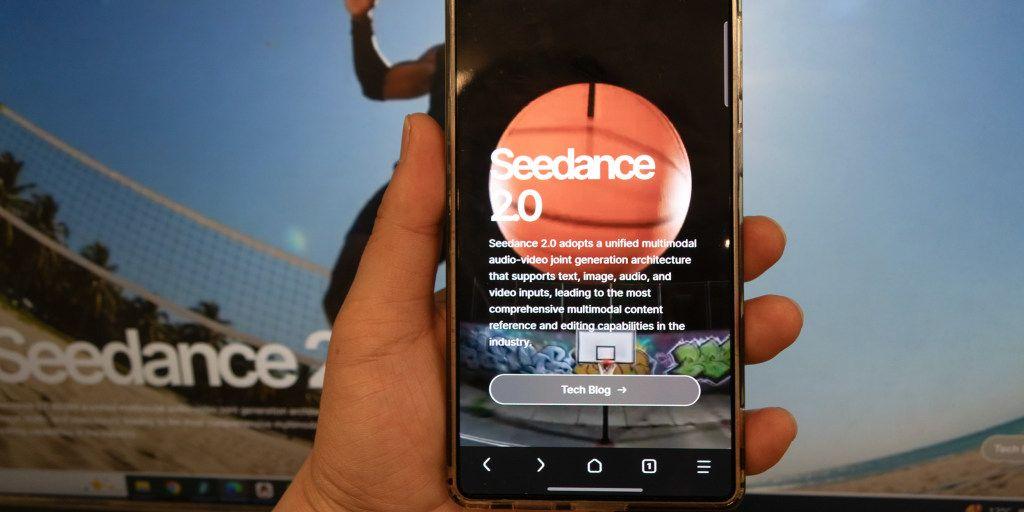
Source: NBC
Viral Tom Cruise and Brad Pitt Video Sparks Industry Outrage
A viral AI-generated clip showing Tom Cruise and Brad Pitt fighting became the flashpoint for industry anger. Irish filmmaker Ruairi Robinson created the video using just a two-line prompt in Seedance 2.0, demonstrating how easily the tool could replicate celebrity likenesses without permission
2
. The unauthorized use of celebrity likenesses in this AI-generated content prompted "Deadpool" screenwriter Rhett Reese to respond on X, saying "It's likely over for us"1
. While the actors don't look like perfect recreations, a CNET survey revealed that only 44% of US adults feel confident they can distinguish real videos from AI-generated ones2
.
Source: PetaPixel
Disney Issues Cease-and-Desist Letter Over Unauthorized Use of Intellectual Property
Disney sent a cease-and-desist letter to ByteDance on Friday, accusing the company of a "virtual smash-and-grab of Disney's IP" and claiming ByteDance is "hijacking Disney's characters by reproducing, distributing, and creating derivative works featuring those characters"
1
. The letter alleged that Seedance 2.0 came pre-packaged with a pirated library of copyrighted characters from franchises including Star Wars and Marvel, featuring Spider-Man, Darth Vader, and other characters as if they were public-domain clip art4
. Netflix escalated the pressure further, giving ByteDance just three days to stop what it called "AI theft" of its Stranger Things, Squid Game, and Bridgerton franchises, warning of "immediate litigation" otherwise3
. Paramount also issued a cease-and-desist letter accusing ByteDance of engaging in "blatant infringement" of its intellectual property4
.
Source: Axios
Related Stories

Motion Picture Association and SAG-AFTRA Demand Immediate Action
The Motion Picture Association issued a statement from CEO Charles Rivkin demanding that ByteDance "immediately cease its infringing activity"
1
. Rivkin stated that "in a single day, the Chinese AI service Seedance 2.0 has engaged in unauthorized use of U.S. copyrighted works on a massive scale"1
. SAG-AFTRA, the actors' union, released a statement saying it "stands with the studios in condemning the blatant infringement enabled by ByteDance's new AI video model Seedance 2.0"1
. The union specifically pointed to the unauthorized use of members' faces, likenesses, and voices as a threat that could put actors out of work, stating that "Seedance 2.0 disregards law, ethics, industry standards and basic principles of consent"2
.ByteDance Promises to Strengthen Safeguards But Details Remain Vague
In response to mounting pressure, ByteDance issued a statement saying it is "taking steps to strengthen current safeguards as we work to prevent the unauthorized use of intellectual property and likeness by users"
4
. The company added that it "respects intellectual property rights" and has "heard the concerns regarding Seedance 2.0"5
. Following the viral incident, ByteDance reportedly updated its tool to prevent people from uploading images of real people for AI-generated content, though questions remain about how effective this policy will be at curbing videos depicting fictional masked or anthropomorphic characters like Spider-Man or Mickey Mouse2
. The company has not elaborated on specific measures for implementing safeguards beyond its initial vague pledge5
. This situation highlights a stark contrast with Disney's approach to AI partnerships—while the entertainment giant has sent cease-and-desist letters to both ByteDance and Google over similar issues, it signed a three-year licensing deal with OpenAI allowing the use of Star Wars, Pixar, and Marvel characters in Sora1
4
.References
Summarized by

Navi
[2]
Related Stories
ByteDance scrambles to fix Seedance 2.0 after Hollywood erupts over copyright infringement
13 Feb 2026•Policy and Regulation
ByteDance pauses Seedance 2.0 global launch after Hollywood studios pressure over copyright issues
14 Mar 2026•Technology

Hollywood Giants Sue Chinese AI Startup MiniMax for Copyright Infringement
17 Sept 2025•Technology

Recent Highlights
1
OpenAI shuts down Sora video app after six months, ending Disney's $1 billion investment deal
Technology

2
Apple plans major Siri AI overhaul in iOS 27 with standalone app and third-party chatbot support
Technology

3
Claude AI can now control your computer to complete tasks, but security risks remain
Technology
Recent Highlights
Today's Top Stories








Your Daily Dose of Curated AI News
Don’t drown in AI news. We cut through the noise - filtering, ranking and summarizing the most important AI news, breakthroughs and research daily. Spend less time searching for the latest in AI and get straight to action.

