Florida Bill Requires Human Oversight for AI in Insurance Claims After Denial Concerns


2 Sources
2 Sources
[1]
Florida House panel approves proposal requiring humans to make final decisions on claims after concerns of industry's use of AI
In an issue stemming from the use of artificial intelligence in the insurance industry, a House panel Tuesday approved a proposal that would require humans to make ultimate decisions about denying claims or reducing claim payments. The House Insurance & Banking Subcommittee unanimously approved the bill (HB 527) amid opposition from insurance-industry groups -- but support from groups that represent hospitals and doctors. "No Floridian should ever have a claim denied based solely on an automated output," bill sponsor Hillary Cassel, R-Dania Beach, said. "HB 527 establishes a clear and reasonable safeguard." The bill makes clear that insurers could use artificial intelligence and algorithms in processing claims and making recommendations about approvals and denials. But it says a "carrier's decision to deny a claim or any portion of a claim or a payment claim reduction must be made by a qualified human professional." Also, it would take steps such as requiring that insurers using artificial intelligence or algorithms in claims handling provide details in what are known as "manuals" that can be reviewed by insurance regulators. Tuesday's vote came amid what House Speaker Daniel Perez, R- Miami, has declared "Artificial Intelligence Week," with House panels looking at a variety of issues involving the fast-developing technology. President Donald Trump on Monday said he plans to issue an executive order that would prevent states from regulating artificial intelligence. But Cassel, an attorney, said such an executive order would not block her proposal because a decades-old federal law has given states authority over insurance regulation. State Insurance Commissioner Michael Yaworsky last month told a Senate committee that he wants changes to make sure regulators can properly oversee AI use -- though he did not go as far as Cassel's proposal. Yaworsky said he wants to address issues such as disclosure when artificial intelligence is being used, auditing and understanding that companies have a "human in the loop that knows what that system is doing, has expertise on that." "This is a policy decision for the Legislature," Yaworsky told the Senate Banking and Insurance Committee. "We don't view it as a necessary benefit to eliminate the use of AI. That's a legislative decision to make. But we do want to provide a path where, if it is being used, it is being used responsibly, known to the regulator." Cassel's bill drew opposition Tuesday from representatives of the Florida Insurance Council, the American Property Casualty Insurance Association and the Personal Insurance Federation of Florida, which represents large national auto and property insurers. They expressed concerns, for example, that the bill could make it harder to quickly resolve claims and said the state's insurance laws already address issues about fairly handling claims. But the bill got support from groups such as the Florida Hospital Association and the Florida Medical Association, whose members submit insurance claims.
[2]
Florida Bill Mandates Human Oversight for AI in Insurance Claim Denials
Investigations have found that major insurers are using algorithms to generate denial letters in bulk. A Florida House panel has unanimously approved a bill that would require a human to make the final decision on whether an insurance claim is denied or reduced. The proposal aims to create a safeguard against the increasing use of artificial intelligence in the insurance industry, ensuring that automated systems alone cannot reject claims. "No Floridian should ever have a claim denied based solely on an automated output," said the bill's sponsor, Representative Hillary Cassel. The Republican says the proposed legislation "establishes a clear and reasonable safeguard." The House Insurance & Banking Subcommittee passed the measure on Tuesday, gathering support from hospital and doctor associations while facing opposition from insurance industry groups. The move comes during what House Speaker Daniel Perez has declared "Artificial Intelligence Week," a period dedicated to examining the impact of the rapidly advancing technology. The bill clarifies that while insurers can use AI and algorithms to process claims and recommend approvals or denials, the ultimate authority must rest with a person. It states that "a carrier's decision to deny a claim or any portion of a claim or a payment claim reduction must be made by a qualified human professional." The push for human oversight comes amid growing concerns over high claim denial rates. In 2023, data from KFF showed that 20 percent of all claims under Affordable Care Act marketplace plans were denied. Similarly, audits have revealed that insurers frequently deny or delay millions of care requests within Medicare Advantage, which covers more than 30 million Americans. Despite this, fewer than 1 percent of ACA plan denials are appealed. Florida residents have also complained about high denial rates on claims for damage caused by hurricanes and other major storms. In recent years, AI has amplified this issue. Investigations have found major insurers using algorithms to generate denial letters in bulk, sometimes almost instantaneously and against the recommendations of treating physicians. A 2022 ProPublica report showed that Cigna used an AI-driven system to deny more than 30,000 claims in just two months, often without a human review. The following year, a class-action lawsuit accused UnitedHealth of using its AI tool, nH Predict, to prematurely cut off care for elderly patients. That lawsuit was filed in 2023, just a year before UnitedHealth CEO Brian Thompson was murdered on a New York City street prompting wide discussion about how insurance giants use denials to control their costs. "The genesis of this bill came to me with the murder of the United Healthcare CEO. One of the alleged motives was the denial basis by that company, and there's currently a class action that shows allegedly that 90 percent of their claims were denied with errors when they utilized AI," Ms. Cassel said. Representatives from the Florida Insurance Council, the American Property Casualty Insurance Association, and the Personal Insurance Federation of Florida argued against the bill. They said it could slow down the claims process and increase consumer costs, maintaining that existing laws already ensure fair claims handling. "This is a policy decision for the legislature," the state's insurance commissioner, Michael Yaworsky, told a Senate committee last month, according to WUFS. He expressed a desire for a regulatory path where, "if it is being used, it is being used responsibly, known to the regulator." An amendment has expanded the bill to include workers' compensation and HMOs. The bill now heads to another committee before it can reach the House floor.
Share
Share
Copy Link
A Florida House panel unanimously approved legislation requiring humans to make final decisions on denying or reducing insurance claims, addressing concerns about artificial intelligence automating rejections. The bill allows AI use in claim processing but mandates human professionals approve all denials, amid data showing 20 percent of ACA marketplace claims were denied in 2023.
Florida Bill Mandates Human Oversight for Insurance Claims
The House Insurance & Banking Subcommittee unanimously approved HB 527, a Florida bill that mandates human oversight for decisions involving denying or reducing insurance claims
1
. Sponsored by Representative Hillary Cassel, the legislation addresses mounting concerns about artificial intelligence systems making automated claim rejections without adequate human review2
. "No Floridian should ever have a claim denied based solely on an automated output," Cassel stated during the hearing1
.
Source: NY Sun
The proposal emerged during Artificial Intelligence Week, declared by House Speaker Daniel Perez to examine the fast-developing technology's impact across multiple sectors
1
. Cassel acknowledged that the genesis of this bill came after the murder of UnitedHealth CEO Brian Thompson, which sparked widespread discussion about how insurers use AI-driven denials to control costs2
.How the Legislation Balances AI Use and Human Professionals
HB 527 clarifies that insurers can continue using artificial intelligence and algorithms in claim processing and making recommendations about approvals and denials. However, the legislation requires that "a carrier's decision to deny a claim or any portion of a claim or a payment claim reduction must be made by a qualified human professional"
1
. This approach aims to preserve efficiency benefits while ensuring accountability.The bill also requires insurers to disclose AI usage methods by providing details in regulatory manuals that state insurance regulators can review
1
. State Insurance Commissioner Michael Yaworsky told a Senate committee he wants oversight measures including disclosure, auditing, and ensuring companies have "a human in the loop that knows what that system is doing"1
.Rising Denial Rates Drive Regulatory Response
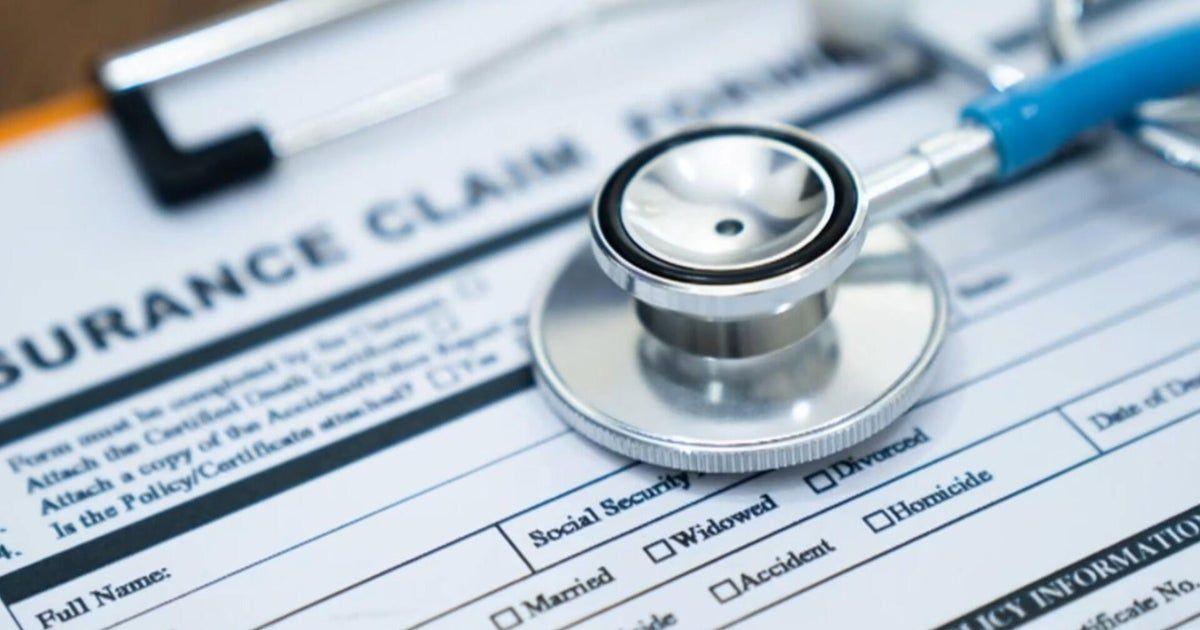
Data from KFF showed that 20 percent of all claims under Affordable Care Act marketplace plans were denied in 2023, yet fewer than 1 percent of these denials are appealed
2
. Audits have revealed that insurers frequently deny or delay millions of care requests within Medicare Advantage, which covers more than 30 million Americans2
. Florida residents have also complained about high denial rates on claims for hurricane and storm damage2
.
Source: CBS
Investigations have exposed how major insurers use algorithms to generate denial letters in bulk. A 2022 ProPublica report revealed that Cigna used an AI-driven system to deny more than 30,000 claims in just two months, often without human review
2
. A 2023 class-action lawsuit accused UnitedHealth of using its AI tool, nH Predict, to prematurely cut off care for elderly patients2
. Cassel referenced this lawsuit, noting allegations that 90 percent of claims were denied with errors when AI was utilized2
.Related Stories


Industry Opposition and Healthcare Provider Support
The Florida Insurance Council, American Property Casualty Insurance Association, and Personal Insurance Federation of Florida opposed the legislation
1
. These groups argued the bill could slow claim processing, increase consumer costs, and that existing regulation already ensures fair claims handling2
.Conversely, the Florida Hospital Association and Florida Medical Association—whose members submit insurance claims—supported the measure
1
. Healthcare providers have increasingly found themselves battling AI in insurance claim denials that override treating physicians' recommendations2
.An amendment has expanded the bill to include workers' compensation and HMOs
2
. The legislation now advances to another committee before reaching the House floor. While President Trump announced plans for an executive order preventing states from regulating artificial intelligence, Cassel noted that decades-old federal law gives states authority over insurance regulation, meaning such an order would not block her proposal1
.References
Summarized by

Navi
Related Stories
Recent Highlights
1
Tennessee Teens Sue Elon Musk's xAI Over Grok AI-Generated Child Abuse Images
Policy and Regulation

2
Pentagon designates Palantir Maven AI as core US military system in major defense shift
Technology
3
Supermicro Co-Founder Indicted in $2.5 Billion Nvidia AI Chip Smuggling Scheme to China
Policy and Regulation

Recent Highlights
Today's Top Stories













Your Daily Dose of Curated AI News
Don’t drown in AI news. We cut through the noise - filtering, ranking and summarizing the most important AI news, breakthroughs and research daily. Spend less time searching for the latest in AI and get straight to action.

