Samsung reveals Galaxy S26 launch date as Galaxy AI takes center stage at February 25 event


12 Sources
12 Sources
[1]
Samsung to hold its Galaxy S26 event on February 25 | TechCrunch
Samsung sent out invites Tuesday to its next Galaxy Unpacked event, scheduled for February 25 in San Francisco, where the company is expected to launch its Galaxy 26 series of smartphones. AI features will be at the forefront again, as the company said the upcoming phones are "built to simplify everyday interactions, inspire confidence and make Galaxy AI feel seamlessly integrated from the moment it's in hand." A standout feature the company has teased is a privacy display expected to debut on the Galaxy S26 Ultra.This feature will allow users to hide certain areas of the phone's screen from onlookers to protect sensitive information. For instance, users will be able to hide the notification area from prying eyes. Reports suggest that the top phone in the lineup will run Qualcomm's latest Snapdragon Elite Gen 5 processor in the U.S. and China. Samsung will likely opt for its own Exynos 2600 processor in other regions. The distinction matters, but increasingly less so. Snapdragon processors have historically outperformed Samsung's Exynos chips in benchmarks and thermal efficiency, but the performance gap has been narrowing. According to a report from the tech site SamMobile, the S26 will also have a 5,100 mAh (milliamp-hour, a standard unit of battery capacity) battery and will support 60W wired charging along and 25W wireless charging. In addition to phones, Samsung is likely to release updated Galaxy Buds 4 wireless earbuds. The company plans to update the design from the previous generation, which drew widespread comparisons to Apple's AirPods. The event will begin at 10 AM PT/ 1 PM ET/ 7 PM CET, and will be streamed live on Samsung's website and its YouTube channel. Samsung is offering a $30 promotional credit to anyone who pre-registers interest it its upcoming devices. Pre-registering is merely an expression of interest; consumers will still get the credit as a discount toward other Samsung products even if they don't end up buying the new devices. If you pre-register and then pre-order one of the devices, the company will increase that to a $150 credit -- no trade-in required.
[2]
Samsung to Unveil AI-Charged Galaxy S26 Smartphones on Feb. 25
Samsung Electronics Co. will unveil its latest mainstream Galaxy smartphones on Feb. 25 at an event in San Francisco, hoping to spur upgrades and fresh momentum in its rivalry with Apple Inc.'s iPhone and Android-based competitors. The debut of the Galaxy S26 series will mark "a new phase in the era of AI as intelligence becomes truly personal and adaptive," the company said Tuesday in a statement. The new handsets are expected to closely resemble the last several generations of the Galaxy S. By contrast, Apple recently touted record demand for its iPhone 17 series, which brought a substantial redesign to the high-end models and marked the introduction of an ultra-thin iPhone Air. Samsung beat Apple to market with the slim Galaxy S25 Edge last year, but it's unclear whether an Edge sequel is on the agenda for the Unpacked event given limited sales. For 2026, Samsung's focus is more concentrated on new artificial intelligence features and some novel hardware upgrades. The company recently teased a privacy display that would prevent people nearby from snooping on an unsuspecting S26 owner's screen, making it harder to see from certain angles. Some third-party screen protectors offer similar protections, but Samsung has apparently built it into the actual phone. Samsung has also been working to expand the capabilities of its Galaxy AI software and offer customers more choice. The company currently leans on Google Gemini for many of its AI-powered features, but it has been working on integrating services from OpenAI and Perplexity AI Inc. "As long as these AI agents are competitive and can provide the best user experiences, we are open to any AI agent out there," Choi Won-Joon, president and chief operating officer of Samsung's mobile division, told Bloomberg in July. Samsung's foldable devices, which won't be updated until later in the year, are more flashy and versatile than its traditional handsets. Last year's Galaxy Z Fold 7 broke new ground in thinness -- finally feeling like a normal phone in hand when folded shut -- and products like the $2,899 Galaxy Z TriFold represent an impressive feat of engineering despite being impractical for the vast majority of users. But sales of folding phones lag far behind those of regular bar-style models, which is why each Galaxy S-series launch is crucial for the company. Samsung could also use the February Unpacked presentation to debut new wireless earbuds and other accessories.
[3]
The Samsung Galaxy S26 Will Be Excitingâ€| if You Care About Galaxy AI
Do you want to see the next Samsung Galaxy phone? You won’t have to sit on your hands for too long. The Korean tech giant is set to lift the lid off the Galaxy S26 on Feb. 25 at 10 a.m. PT, 1 p.m. ET. But hell, you don’t have to wait at all to know what’s in store. There have been quite a few leaks that offer a pretty good idea of what’s coming. Plus, if it wasn’t clear from the teaser, this phone is going to be packed withâ€"you guessed itâ€"a metric ton of new AI features. Samsung's latest Unpacked teaser, released on Wednesday, depicts a box opening directly over the Galaxy AI branding, along with a description inviting attendees to "discover how easy and effortless your day can be with Galaxy AI." If you're guessing that this means software features will be the centerpiece of the upcoming event, I'd wager that you're right. It seems like a solid bet that we'll hear more about its Privacy Shield technology, which purports to protect your information from third-party access, as well as its conversational AI of questionable value. This will all, one must assume, be tied to a phone. Samsung’s next flagship line will include the Galaxy S26, Galaxy S26+, and Galaxy S26 Ultra, as per usual. We’ve already seen purported renders of the S26 that make it appear very close in profile to last year’s Galaxy S25 Ultra, but with a ring around the three main camera bumps. Samsung will likely focus most of its attention on new AI features exclusive to its flagship phones, whether they’re using its Galaxy AI models or Google’s Gemini. As for any other devices, Samsung may mention its Galaxy TriFold, which we went hands-on with earlier this year. That phone went on sale at the end of January and costs $2,900. Don't expect Samsung to mention any new Z Folds or Z Flips until later in 2026. Samsung has already teased the new zoom capabilities of these cameras. The full camera and phone specs may already be available via WinFuture (machine-translated). The site has a strong track record with these sorts of specs leaks. Samsung’s next device will feature the Samsung Exynos 2600, the company’s first SoC (system-on-a-chip) built on a 2nm process. The Ultra phones use the Qualcomm Snapdragon 8 Elite Gen 5, which was first announced in September of last year. I’ve seen that chip in action, and it’s plenty powerful, especially for graphics-based tasks. WinFuture claims that the 10-core Exynos 2600 delivers nearly the same performance as the flagship Qualcomm chip. We wouldn’t mind if Samsung’s cheaper devices didn’t cheap out on performance. The S26 and S26+ sport 12GB of RAM, while the Ultra gets the full 16GB, just like last year’s. There’s no option for 128GB of storage anymore, according to the leaks. That means we have no idea how much these phones may cost. The ongoing memory shortage has impacted every business, big and small. Samsung’s mobile division has reportedly had a hard time procuring RAM from the company’s own semiconductor arm. These are the specs for Europe, but you can assume the U.S. will receive something very similar. The camera setup is reportedly unchanged from last year, with a 50-megapixel main sensor, a 10-megapixel telephoto lens, and a 12-megapixel ultrawide. The S26 Ultra may feature a 200-megapixel wide, a 50-megapixel periscope telephoto, a 50-megapixel ultrawide, and a 10-megapixel telephoto. If the top-end phone truly isn’t much faster than the cheaper versions, it’s still sporting a much more extensive camera array. The new phones may also support Qi2 wireless charging up to 15W. Just how accurate these specs are is up for debate. Leaker Ice Universe suggested on X that parts of WinFuture's leaked spec sheet had a few “minor errors.†Either way, don’t expect the company to spend too much time on the hardware. If you don’t care to watch a full briefing on yet more and more AI, then check out Gizmodo, where we’ll have the full coverage coming your way.
[4]
There's at least one reason to choose the Exynos Galaxy S26 over the Snapdragon version, for now
The feature is expected to be called EdgeFusion and could generate 512-pixel images in "a few seconds." AI has now mutated into an integral part of our devices. But brands still use a hybrid AI arrangement, where only part of the processing occurs locally, with most of the lifting done by AI models in cloud infrastructure. On-device AI on phones, for instance, has largely been limited to processing text, while richer media, such as images, are processed online. As expected, the latter approach raises privacy concerns, but Samsung could take a step toward addressing them by bringing on-device image generation to the upcoming Galaxy S26.
[5]

Mark your calendars, Samsung just confirmed Feb. 25 as the Unpacked date
Karandeep Singh Oberoi is a Durham College Journalism and Mass Media graduate who joined the Android Police team in April 2024, after serving as a full-time News Writer at Canadian publication MobileSyrup. Prior to joining Android Police, Oberoi worked on feature stories, reviews, evergreen articles, and focused on 'how-to' resources. Additionally, he informed readers about the latest deals and discounts with quick hit pieces and buyer's guides for all occasions. Oberoi lives in Toronto, Canada. When not working on a new story, he likes to hit the gym, play soccer (although he keeps calling it football for some reason🤔) and try out new restaurants in the Greater Toronto Area. It's finally official. After a range of early leaks and rumors, and the tech giant inadvertently leaking the info itself early in the week, Samsung has finally pulled the curtain on the official Galaxy Unpacked 2026 invite. We first heard about Samsung moving its 2026 Unpacked to late February last year. The same date came up in subsequent rumors this year, followed by the South Korean tech giant's own X account leaking the same date via a giveaway's terms and conditions. Related Samsung all but confirms Feb 25 as the Unpacked date Not much longer to wait Posts By Karandeep Singh Oberoi The date in all of those rumors was Wednesday, February 25 -- a date that Samsung has now officially confirmed for its grand Galaxy S26 unveiling. Here's everything you need to know: When: February 25, 2026 Time: 10am PT / 1pm EST Where: San Francisco, California Where to watch: Samsung Newsroom, Samsung.com, and Samsung's YouTube channel We're expecting to see the Galaxy S26 series at the event, complete with new Galaxy Buds. Samsung will tie the event together with One UI 8.5-related enhancements, and, of course, AI updates. According to the tech giant, the release of its new devices will mark "a new phase in the era of AI as intelligence becomes truly personal and adaptive." Related Samsung Galaxy S26 Ultra to feature Snapdragon chip everywhere, 60W charging, and very familiar cameras Oh yeah, there are S26 and Plus models too Posts By Mark Jansen With the announcement, the South Korean tech giant also shared a few pre-order and pre-reserve perks. Reserving now will cost you nothing, but it does give you a $30 credit toward your pre-order. Additionally, it also guarantees you a spot into a sweepstakes for a $5,000 Samsung gift card. Elsewhere, as we've seen previously, Samsung is offering up to $900 in credits if you trade in an old device, complete with a new 'No Trade-In' perk that gives you $150 credit to spend on accessories if you pre-reserve a new Galaxy S26 series device and then go through with the pre-order. AP Recommends: Subscribe and never miss what matters Tech insights about everything mobile directly from the Android Police team. Subscribe By subscribing, you agree to receive newsletter and marketing emails, and accept our Terms of Use and Privacy Policy. You can unsubscribe anytime. Are you looking to pick up a new Galaxy S26 series device? Or will you opt for a discounted Galaxy S25? Let us know in the comments below! Related I'm telling my friends to buy a Galaxy S25 Ultra over the Galaxy S26 Ultra, and so should you Faster charging and design changes on the S26 Ultra aren't enough to justify the higher price Posts 5 By Dhruv Bhutani
[6]

Samsung Galaxy S26 might give you a freakishly fast AI image trick that works offline
Samsung is said to be adding EdgeFusion, a text-to-image tool that runs on-device. Samsung's next Galaxy S phone could get a new AI feature that's built for speed. A post from leaker Ice Universe claims the Galaxy S26 will add EdgeFusion, an on-device text-to-image tool that can spit out results in under a second, even offline. If it ships that way, Galaxy S26 offline AI image generation becomes a lot more practical. You type a prompt, the phone creates an image locally, and you're not waiting on a server or a strong signal. It's the difference between a novelty and something you might actually use. Recommended Videos The same post links EdgeFusion to a partnership with South Korea-based AI company Nota. Samsung hasn't confirmed any of this, and there's still no word on regions, model tiers, or whether it would be limited at launch. Speed is the headline feature The under-one-second claim is the hook, and it's also the part Samsung will have to prove. Real-world performance usually varies by prompt complexity, image size, and what else the phone is doing. That said, even getting close to "instant" would change how often people reach for the tool. Running it on the device also hints at a bigger shift, more AI work handled by the handset instead of offloading tasks to cloud processing. Offline changes the way you use it A local generator has obvious uses, quick sticker ideas, rough concept art for a slide, or a visual to drop into a message. But the bigger win is reliability. If you're traveling, commuting, or dealing with weak coverage, it still works. The unknowns are the usual ones. On-device image tools can heat up a phone, drain battery, and deliver lower quality than larger cloud models. The post doesn't mention output resolution, usage limits, or whether only the top model gets full performance. What to watch before you upgrade The next clues are how Samsung positions the tradeoffs. Look for talk of NPU gains, thermal controls, and battery safeguards, plus clear limits around quality and speed. Integration will matter too. If EdgeFusion is buried in a separate app, it won't stick. If it shows up inside messaging, Notes, or photo editing, it could become a daily tool. Until Samsung confirms support and rollout timing, it's smart to treat this as a promising rumor, not an upgrade reason on its own.
[7]

The Galaxy S26 could create AI images in under one second - Phandroid
Samsung's working on something that could change how fast phones generate AI images. The Galaxy S26 is rumored to feature EdgeFusion, an on-device AI tool that creates 512×512 pixel images in less than a second, even without an internet connection. If the rumors hold up, it'd blow past the current wait times on most phones. Most smartphones rely on cloud servers for AI image generation. You type a prompt, wait 10 or 15 seconds while a remote computer does the work, then finally get your result. EdgeFusion runs everything locally on the phone, killing that delay completely. You could be in airplane mode with zero signal and still generate images almost instantly. Samsung partnered with South Korean AI company Nota AI to make this happen. They've heavily optimized Stable Diffusion, shrinking the model by up to 90% so it can run directly on the Exynos 2600 chip. That's the processor expected to power the standard Galaxy S26 and S26+ in most regions. Here's where it gets interesting. The Galaxy S26 Ultra will likely use Qualcomm's Snapdragon 8 Elite Gen 5 worldwide, and that chip doesn't have EdgeFusion optimization yet. So the cheaper models might actually beat the Ultra in this specific area. Qualcomm's done similar work before. At MWC 2023, they ran Stable Diffusion on a Snapdragon 8 Gen 2 phone and generated a 512×512 image in 15 seconds. By late 2023, they'd optimized it down to 0.6 seconds on the Snapdragon 8 Gen 3. EdgeFusion supposedly goes even faster. The real question is whether the hardware can handle it without overheating or destroying battery life. On-device AI processing is incredibly power-hungry. Samsung's betting the Exynos 2600's new GPU and NPU can handle the workload efficiently, but we won't know until people actually use the phones. Integration matters too. If EdgeFusion lives in some buried settings menu or standalone app, nobody will use it. But if Samsung builds it into messaging, Notes, or photo editing, it could become genuinely useful instead of just a spec sheet bullet point. Samsung's been teasing AI improvements for the Galaxy S26 lineup for months. The company already confirmed next-gen AI and a second-generation custom processor during an earnings call last year. The Galaxy S26 launch is expected February 25, with phones hitting stores in early March. Samsung hasn't officially confirmed EdgeFusion yet, so treat this as a promising rumor rather than a done deal. But if it ships as described, near-instant offline AI image generation could be the most compelling upgrade this year.
[8]

Samsung Galaxy S26 Series Tipped to Launch With This New AI Feature
* Samsung Galaxy S26 Ultra might feature a Snapdragon chipset * Samsung Galaxy S26 could launch with an Exynos 2600 SoC * Nota AI is a South Korea-based tech firm Samsung Galaxy S26 series will be launched in the fourth week of February, a leaked invite to the Galaxy Unpacked event recently revealed. However, the lineup, which is expected to include the standard Galaxy S26, Galaxy S26+, and the flagship Galaxy S26 Ultra, will reportedly go on sale in March. While various specifications and features of the handsets have surfaced online recently, the company has yet to confirm the launch. Recently, Samsung unveiled a new privacy screen feature to curb shoulder surfing, which is expected to be featured on upcoming phones. Now, a tipster claims that the company has partnered with an AI firm to bring an AI image generation feature to the Galaxy S26 series. Samsung Galaxy S26 Series Might Feature AI-Powered EdgeFusion On-Device Image Generator Tipster Ice Universe (@UniverseIce) claims that the smartphone maker has partnered with Nota AI, a South Korean AI firm, to develop an AI-powered image generator called EdgeFusion. The feature is reportedly being built for the upcoming Samsung Galaxy S26 Ultra, the Galaxy S26+, and the standard Galaxy S26. The leaker claims that the EdgeFusion feature will be capable of generating images "directly on the device in under a second". Samsung Galaxy S26 series users must enter a text prompt in EdgeFusion, and the real-time on-device AI image generation feature is said to reduce dependence on cloud-based processing for users, making the process faster, while also reportedly improving the "photography and creative experiences". This move is reportedly part of Samsung's strategy to "strengthen on-device AI image processing". This comes soon after Samsung unveiled a new privacy player for upcoming Galaxy devices. The tech giant claims that its new privacy screen feature will help in curbing shoulder surfing, where the screen will only be visible to the user. On the other hand, people standing next to the user will not be able to see what's on the screen. Samsung teased that the feature would only be effective when people are not viewing the display straight-on. Samsung's privacy screen functionality is expected to be launched with the upcoming Galaxy S26 series, which will reportedly be unveiled on February 25 during a dedicated Galaxy Unpacked event. The security feature will also allow users to customise when the feature will activate, the company says. They can choose specific apps where the feature would activate to offer a greater level of privacy.
[9]

Samsung Galaxy Unpacked Confirmed for February 25: Galaxy S26 Ultra launch expected
Samsung's next Galaxy Unpacked event is set for February 25 in San Francisco. The company will unveil its new Galaxy S series, focusing on deeply integrated AI. The Galaxy S26 Ultra is anticipated to lead the launch. Samsung has officially announced that its next Galaxy Unpacked event will take place on February 25 in San Francisco, marking the company's first major flagship launch of 2026. The event will be streamed live at 11:30 PM IST on Samsung.com and YouTube, with registrations already open for updates and early access benefits. This year's Unpacked carries a clear message. Samsung says its next Galaxy S series will be designed to make AI feel more personal, adaptive and seamlessly integrated into daily life. The focus is no longer just on adding AI features, but on building a smartphone experience that reduces friction in everything from productivity to photography and privacy. The Galaxy S26 Ultra is widely expected to headline the event. Last year, we reviewed the Galaxy S25 Ultra and found it to be one of Samsung's most polished Ultra devices yet. It delivered excellent performance, dependable cameras and a strong AI layer, but it was largely an iterative upgrade. With the S26 Ultra, Samsung appears ready to introduce more noticeable refinements. Leaks suggest the company may introduce a new privacy-focused display layer built directly into the OLED panel, possibly allowing users to enable screen privacy on demand or even per app. A native 10-bit OLED panel is also rumored, alongside Samsung's newer, more power-efficient display tech. Camera upgrades are expected to focus on low-light improvements, with a wider aperture on the main sensor and refinements to the 5x telephoto lens. Faster 60W wired charging could finally replace the long-standing 45W limit, and a slightly larger battery may also be in the works. Under the hood, the Galaxy S26 Ultra is tipped to run Qualcomm's latest Snapdragon 8 Elite Gen 5 chipset, paired with faster memory to enhance AI-powered features and overall responsiveness. With the official date now confirmed, all eyes are on February 25 to see how far Samsung pushes its AI-first Ultra vision this year.
[10]

Samsung Galaxy S26 Ultra Leaks: Inside the New 'Privacy Display' and 16GB RAM Upgrades Coming Feb. 25
The Samsung Galaxy S26 Ultra represents a significant step forward in the evolution of flagship smartphones, combining advanced technology, refined aesthetics, and practical enhancements. By building on the strengths of its predecessor, the S26 Ultra introduces subtle yet impactful updates that improve usability, performance, and design. The video below from TechTalkTV provides more insights into the standout features that make the S26 Ultra a compelling choice for both tech enthusiasts and everyday users. The Galaxy S26 Ultra showcases Samsung's dedication to sophisticated design, blending elegance with practicality. Its nearly bezel-less display creates an immersive viewing experience, offering a seamless edge-to-edge screen that enhances both media consumption and productivity. While the punch-hole camera is slightly larger than that of the S25 Ultra, the difference is minimal and does not detract from the overall aesthetic. The white variant of the S26 Ultra introduces a striking two-tone finish, featuring a silver frame that complements the matching S Pen. This cohesive design adds a touch of luxury while maintaining a professional appearance. Additionally, the transparent camera island -- a signature feature of previous models -- has been subtly redesigned for a more understated and streamlined look. These refinements strike a balance between visual appeal and practicality, making sure the device remains functional without sacrificing style. The S26 Ultra redefines wireless charging with the adoption of the G2.2.1 standard, allowing charging speeds of up to 25W. This improvement significantly reduces charging time, allowing you to power up your device quickly and stay connected without extended interruptions. The faster charging capability is particularly beneficial for users who rely on their smartphones throughout the day. Although the S26 Ultra does not feature built-in magnets, it retains compatibility with magnetic accessories through the use of external cases. This approach preserves the phone's sleek and minimalist design while offering flexibility for users who prefer magnetic functionality. By integrating faster charging speeds and maintaining design integrity, the S26 Ultra delivers a more versatile and user-friendly experience. Samsung has introduced a range of software upgrades that enhance both convenience and security, making the S26 Ultra a smarter and safer device. One of the standout features is Google's scam detection, now seamlessly integrated into the native phone app. This functionality provides real-time fraud alerts, helping you identify and avoid potential threats. Notably, this feature operates entirely on-device, making sure that your data remains private and secure without relying on cloud-based processing. In addition to security enhancements, Samsung has partnered with Nota AI to bring faster on-device image generation. Using advanced algorithms, this feature delivers results in seconds, catering to users who require efficient and accurate image processing. These software improvements reflect Samsung's commitment to addressing user needs with precision and foresight. The Galaxy S26 Ultra sets a new benchmark for AI-driven performance with its innovative Edge Fusion AI system. This innovative technology enables near-instantaneous image generation, completing tasks in approximately one second. Powered by the Exynos 2600 chipset, the S26 Ultra outperforms Snapdragon-based alternatives in AI-intensive tasks, making it a leader in creative workflows and computational efficiency. The integration of Edge Fusion AI not only enhances performance but also expands the device's capabilities in areas such as photography, video editing, and real-time processing. These advancements highlight Samsung's dedication to pushing the boundaries of AI innovation, making sure that the S26 Ultra remains at the forefront of technological progress. The Samsung Galaxy S26 Ultra exemplifies the brand's dedication to innovation, combining elegant design, advanced technology, and user-centric features. From its nearly bezel-less display and refined two-tone finish to its faster wireless charging and AI-driven performance, the S26 Ultra offers a well-rounded package that caters to both style and functionality. By addressing user needs with precision and foresight, Samsung continues to solidify its position as a leader in the smartphone industry. Whether you're a tech enthusiast seeking innovative features or a casual user looking for a reliable and stylish device, the S26 Ultra delivers a comprehensive flagship experience that sets it apart from the competition. Uncover more insights about the Samsung Galaxy S26 Ultra in the previous articles we have written. Disclosure: Some of our articles include affiliate links. If you buy something through one of these links, Geeky Gadgets may earn an affiliate commission. Learn about our Disclosure Policy.
[11]
Forget the Foldable: Why the Galaxy S26 Ultra Is Samsung's True Masterpiece of 2026
The Samsung Galaxy S26 Ultra, set to launch on February 25, 2026, is poised to redefine expectations in the flagship smartphone market. Combining innovative technology with refined design, it introduces significant advancements in camera performance, artificial intelligence, and ecosystem compatibility. However, the absence of certain anticipated features, such as native magnetic wireless charging, leaves room for debate about its completeness. Below is an in-depth exploration of what this highly anticipated device brings to the table. The video below from XEETECHCARE gives us more details about the new Galaxy S26 Ultra. The Galaxy S26 Ultra introduces a host of improvements to its camera system, catering to both casual users and professional photographers. Samsung has focused on enhancing low-light performance and overall image quality, making sure the device meets the demands of modern photography. These upgrades position the Galaxy S26 Ultra as a leader in mobile photography, offering professional-grade results without the need for additional equipment. Whether capturing stunning landscapes or recording high-quality videos, this device is designed to deliver exceptional performance. A standout feature of the Galaxy S26 Ultra is its integration of "Edge Fusion," a generative AI technology that enhances on-device processing capabilities. This innovation is particularly beneficial for users engaged in creative workflows, such as image rendering and video editing, as it delivers results with remarkable speed and precision. The device is powered by either the Exynos 2600 or Snapdragon 8 Elite Gen 5 processor, depending on the region. Early benchmarks suggest that the Exynos 2600 may offer superior AI performance, giving it an edge in certain markets. Regardless of the chipset, the Galaxy S26 Ultra ensures a seamless and powerful user experience, making it a reliable choice for demanding tasks. The Galaxy S26 Ultra maintains the sleek and minimalist design language of its predecessor while incorporating subtle refinements to enhance durability and usability. Its slim profile, comparable to the thickness of the SPen, ensures a comfortable grip and a premium feel. Samsung's decision to retain the familiar aesthetic reflects confidence in its established design while addressing minor areas for improvement. The use of durable materials and precise engineering underscores the brand's commitment to quality, making sure the device can withstand the rigors of daily use. Samsung has made significant strides in improving cross-platform compatibility with the Galaxy S26 Ultra. The upgraded Quick Share feature now supports file sharing with Apple's AirDrop, allowing seamless transfers between Galaxy and iPhone devices. This enhancement is particularly valuable for users who operate within multiple ecosystems, offering greater flexibility and convenience. Additionally, the device supports the latest 5G standards and Wi-Fi 7, making sure fast and reliable connectivity in a variety of settings. These advancements make the Galaxy S26 Ultra a versatile tool for both personal and professional use. Despite its many strengths, the Galaxy S26 Ultra lacks native magnetic wireless charging, a feature that some users had anticipated. While this functionality can still be achieved through the use of compatible cases, its omission as a built-in feature may disappoint those seeking a fully integrated experience. This decision highlights an area where Samsung could focus on future improvements to meet evolving consumer expectations. The pricing of the Galaxy S26 Ultra is expected to vary by region, with some markets potentially experiencing higher costs compared to the previous model. This variation underscores the importance of evaluating the device's value proposition based on local pricing and available features. For consumers, understanding these regional differences will be key to making an informed purchasing decision. The Samsung Galaxy S26 Ultra represents a significant advancement in smartphone technology, offering notable improvements in camera performance, AI-driven processing, and cross-platform connectivity. While the absence of native magnetic wireless charging may be a drawback for some, the device's overall feature set positions it as a strong contender in the flagship market. Whether you are a tech enthusiast or an everyday user, the Galaxy S26 Ultra delivers a compelling combination of innovation and refinement, making it a device worth exploring as its launch date approaches. Expand your understanding of the Samsung Galaxy S26 Ultra with additional resources from our extensive library of articles.
[12]
Samsung Galaxy S26 Ultra: Game-Changing AI, But at What Cost?
The Galaxy S26 Ultra represents a significant leap forward in smartphone technology, showcasing remarkable advancements in artificial intelligence (AI) and camera performance. However, it also introduces a contentious limitation in wireless charging that could divide user opinions. Alongside this flagship device, Samsung is unveiling the Galaxy Buds 4 and Buds 4 Pro, which bring notable improvements in audio technology. Here's an in-depth look at what these new releases have to offer. The video below from Appx gives us more details. One of the standout features of the Galaxy S26 Ultra is its integration of Edge Fusion AI technology, developed in collaboration with Not AI. This innovative system enables real-time, on-device AI image generation in under one second. Unlike traditional methods that rely on cloud-based processing, Edge Fusion processes data directly on the device. This approach not only enhances performance but also strengthens privacy by making sure your data remains local. For photography enthusiasts, the benefits of this technology are fantastic. The Galaxy S26 Ultra uses on-device AI to optimize images as they are captured. Whether you're shooting in challenging low-light conditions or experimenting with creative effects, the AI adapts in real time to deliver professional-grade results. This innovation ensures that your photos are processed faster and tailored to your preferences, making the device a powerful tool for both casual users and photography professionals. Samsung has made significant advancements in camera technology with the Galaxy S26 Ultra, particularly in its ability to perform in low-light environments. The main camera now features an upgraded aperture of f/1.4, a substantial improvement from the previous f/1.7. This wider aperture allows more light to reach the sensor, resulting in brighter and more detailed images in dark settings. The enhancements extend to the 5x periscope camera, which now features an aperture of f/2.9, up from f/3.4. This adjustment increases light intake by 37.5%, allowing sharper and more vibrant zoomed-in shots. Combined with improved dynamic range and brightness, these upgrades make the Galaxy S26 Ultra a formidable tool for capturing stunning images, even in the most challenging lighting conditions. Whether you're photographing a dimly lit cityscape or a candlelit dinner, the device ensures exceptional results. While the Galaxy S26 Ultra excels in AI and camera technology, its wireless charging capabilities present a potential drawback. The device does not include built-in magnets to fully support the Qi 2 wireless charging standard. Instead, users must rely on specific magnetic cases to enable this functionality. Samsung offers both magnetic and non-magnetic versions of its official cases, providing some flexibility. However, the need for additional accessories could be seen as an inconvenience for users who expect seamless integration of the latest charging standards. For those who prioritize effortless wireless charging, this limitation might feel like a step backward, especially when compared to competitors that offer more integrated solutions. Despite this, the Galaxy S26 Ultra's other features may still outweigh this particular shortcoming for many users. Launching alongside the Galaxy S26 series, the Galaxy Buds 4 and Buds 4 Pro cater to diverse user preferences with distinct designs and features. These earbuds aim to deliver tailored audio experiences for different listening needs. Both models feature a sleek, transparent lid design for their rectangular charging cases, adding a modern and stylish aesthetic. Whether you prefer the open design of the Buds 4 or the noise-isolating capabilities of the Buds 4 Pro, Samsung's latest earbuds offer options to suit a variety of listening preferences. The Galaxy S26 series, accompanied by the Galaxy Buds 4 and Buds 4 Pro, is set to launch on February 25, 2026. The Galaxy S26 Ultra stands out with its new advancements in AI technology and camera performance, offering users a glimpse into the future of mobile innovation. However, its wireless charging limitations may pose a challenge for those who prioritize convenience in this area. Despite this, the device's innovative features, such as Edge Fusion AI and enhanced low-light photography capabilities, make it a compelling choice for tech enthusiasts and photography lovers alike. Paired with the versatile Galaxy Buds lineup, Samsung's latest offerings cater to a wide range of user needs, making sure they remain competitive in the ever-evolving smartphone and audio markets. Whether you're drawn to innovative AI, advanced camera tools, or personalized audio experiences, the Galaxy S26 Ultra and its accompanying accessories promise to deliver a well-rounded and forward-thinking user experience. Stay informed about the latest in AI image generation by exploring our other resources and articles.
Share
Share
Copy Link
Samsung will unveil its Galaxy S26 series on February 25 in San Francisco, marking what the company calls a new phase in the era of AI. The flagship lineup promises advanced AI features including a privacy display for the S26 Ultra, on-device image generation, and integration with multiple AI platforms beyond Google Gemini.
Samsung Sets Galaxy Unpacked Event for February 25
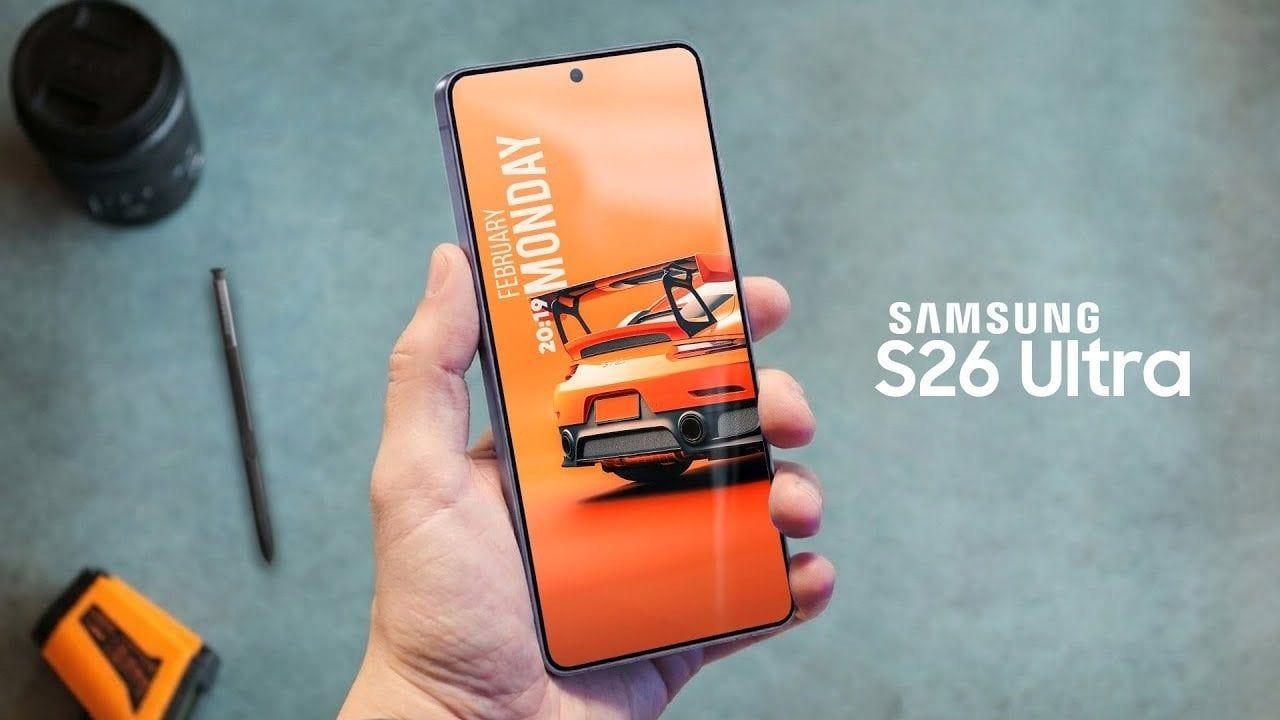
Samsung has officially confirmed its Galaxy Unpacked event for February 25 at 10 AM PT in San Francisco, where the company will unveil its Galaxy S26 series smartphones
1
5
. The event will be streamed live on Samsung's website and YouTube channel, with the company positioning the launch as marking "a new phase in the era of AI as intelligence becomes truly personal and adaptive"2
. The timing comes as Samsung faces intensified competition from Apple, which recently reported record demand for its redesigned iPhone 17 series and ultra-thin iPhone Air2
.
Source: Geeky Gadgets
Galaxy AI Features Dominate the Galaxy S26 Series
Advanced AI features will serve as the centerpiece of Samsung's latest flagship lineup, with the company emphasizing that the phones are "built to simplify everyday interactions, inspire confidence and make Galaxy AI feel seamlessly integrated from the moment it's in hand"
1
. Samsung is expanding beyond its current reliance on Google Gemini by integrating services from OpenAI and Perplexity AI Inc., with the company's mobile division president stating they remain "open to any AI agent out there" as long as they provide competitive user experiences2
. The devices will also feature One UI 8.5-related enhancements and Privacy Shield technology designed to protect user information from third-party access3
5
.Privacy Display and On-Device AI Image Generation Break New Ground
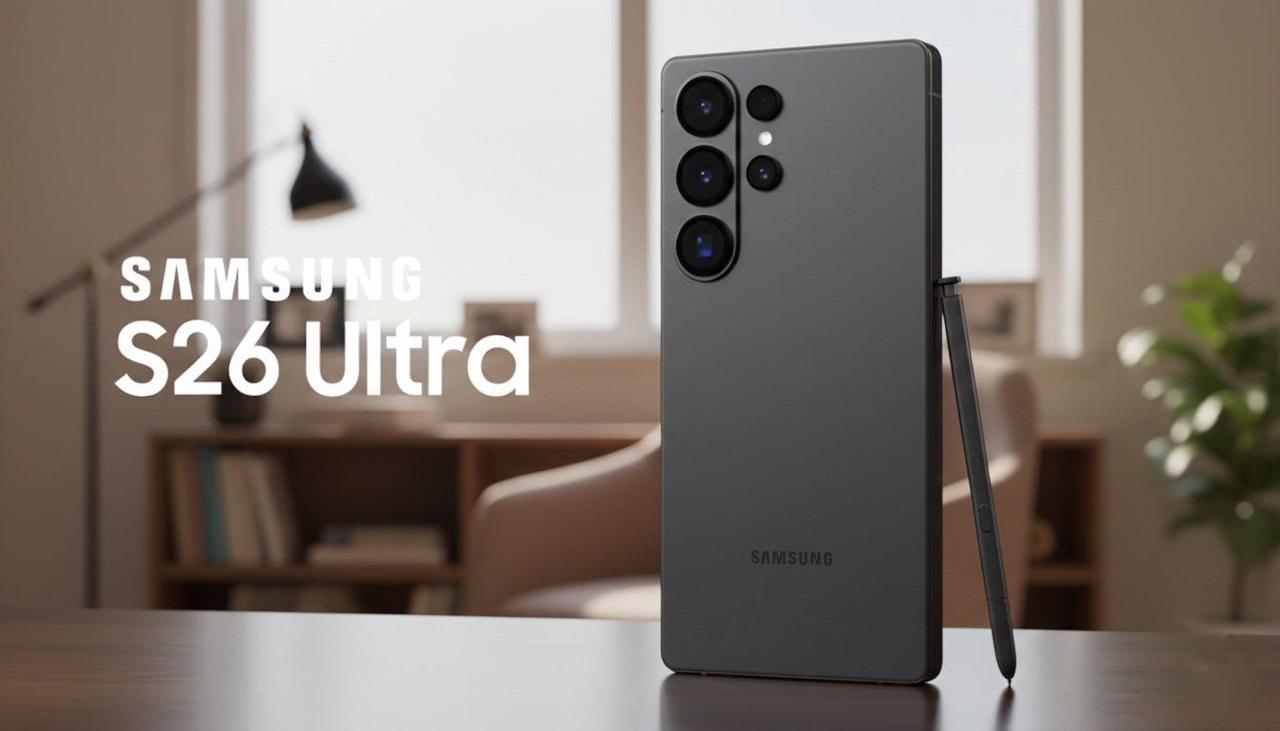
A standout hardware innovation is the privacy display expected to debut on the Galaxy S26 Ultra, allowing users to hide specific areas of the screen from onlookers to protect sensitive information like notifications
1
. Unlike third-party screen protectors offering similar protections, Samsung has built this capability directly into the phone, making it harder to view from certain angles2
. Perhaps more significantly, the Samsung Exynos 2600-powered models could introduce on-device AI image generation through a feature called EdgeFusion, capable of generating 512-pixel images in just a few seconds4
. This addresses growing privacy concerns by processing richer media locally rather than relying on cloud infrastructure, a shift from the current hybrid AI arrangement where most image processing occurs online4
.
Source: Geeky Gadgets
Processor Split Continues with Narrowing Performance Gap
The Galaxy S26 lineup will feature different processors depending on region, with the top models running Qualcomm Snapdragon Elite Gen 5 in the U.S. and China, while Samsung will deploy its own Exynos 2600 processor in other markets
1
. The Exynos 2600 represents Samsung's first system-on-a-chip built on a 2nm process, with leaked specs suggesting the 10-core chip delivers nearly identical performance to the flagship Qualcomm processor3
. While Snapdragon processors have historically outperformed Samsung's Exynos chips in benchmarks and thermal efficiency, the performance gap has been narrowing1
. The S26 and S26+ reportedly sport 12GB of RAM, while the Ultra gets 16GB, matching last year's configuration3
.
Source: Gadgets 360
Related Stories
Battery Capacity and Charging Speeds Get Modest Upgrades
According to reports from SamMobile, the S26 will feature a 5,100 mAh battery capacity and support 60W wired charging along with 25W wireless charging
1
. The new phones may also support Qi2 wireless charging up to 15W3
. Leaked specifications indicate there's no option for 128GB of storage anymore, though pricing remains unknown as Samsung's mobile division has reportedly struggled to procure RAM from the company's own semiconductor arm amid ongoing memory shortages3
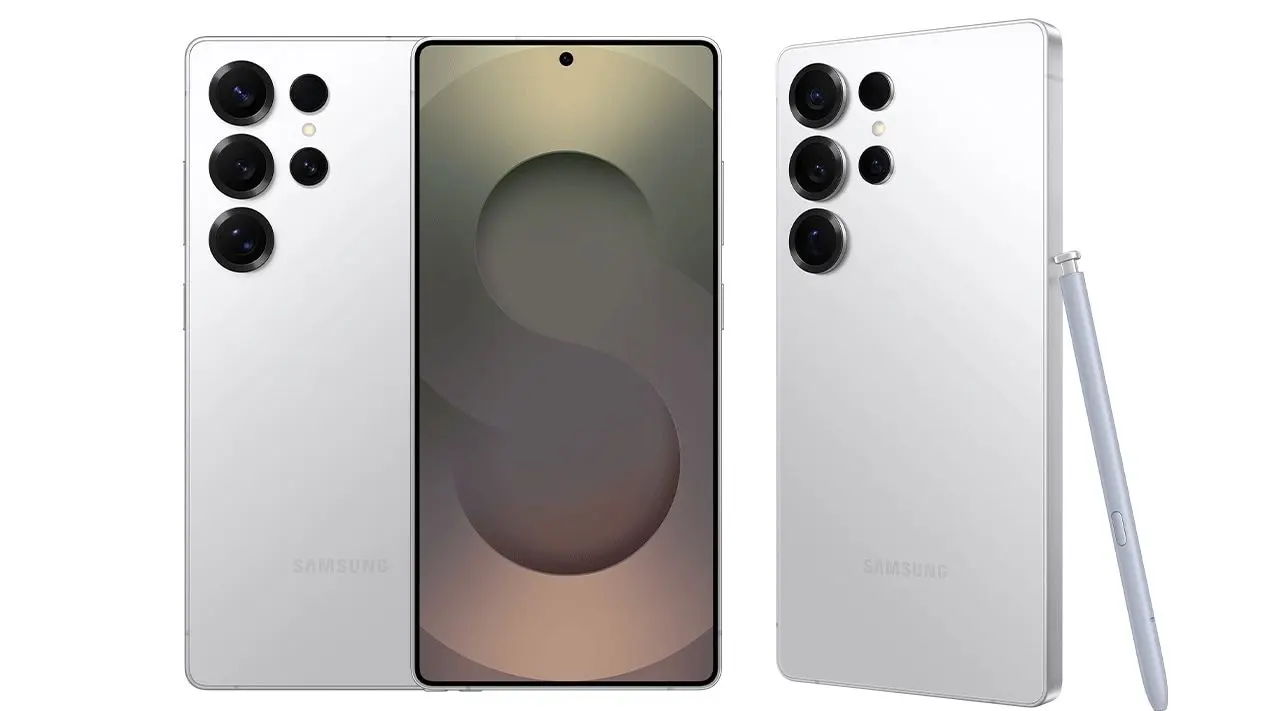
. The camera setup appears largely unchanged from last year, with the S26 Ultra featuring a 200-megapixel wide sensor, a 50-megapixel periscope telephoto, a 50-megapixel ultrawide, and a 10-megapixel telephoto3
.Pre-Order Incentives and Galaxy Buds 4 Expected
Samsung is offering substantial pre-order incentives, including a $30 promotional credit for anyone who pre-registers interest in the upcoming devices, with no obligation to purchase
1
. Customers who pre-register and then pre-order will receive a $150 credit with no trade-in required1
. Additionally, Samsung is offering up to $900 in credits for trade-in devices, plus entry into a sweepstakes for a $5,000 Samsung gift card5
. Beyond smartphones, Samsung is likely to release updated Galaxy Buds 4 wireless earbuds with a redesigned form factor, moving away from the previous generation that drew widespread comparisons to Apple's AirPods1
2
.References
Summarized by

Navi
[4]
[5]
Related Stories
Samsung Officially Teases Galaxy S26 Series with Next-Gen AI, Custom Chipset, and New Camera Sensors
30 Oct 2025•Technology

Samsung unveils Galaxy S26 lineup with Privacy Display tech and expanded AI capabilities
25 Feb 2026•Technology
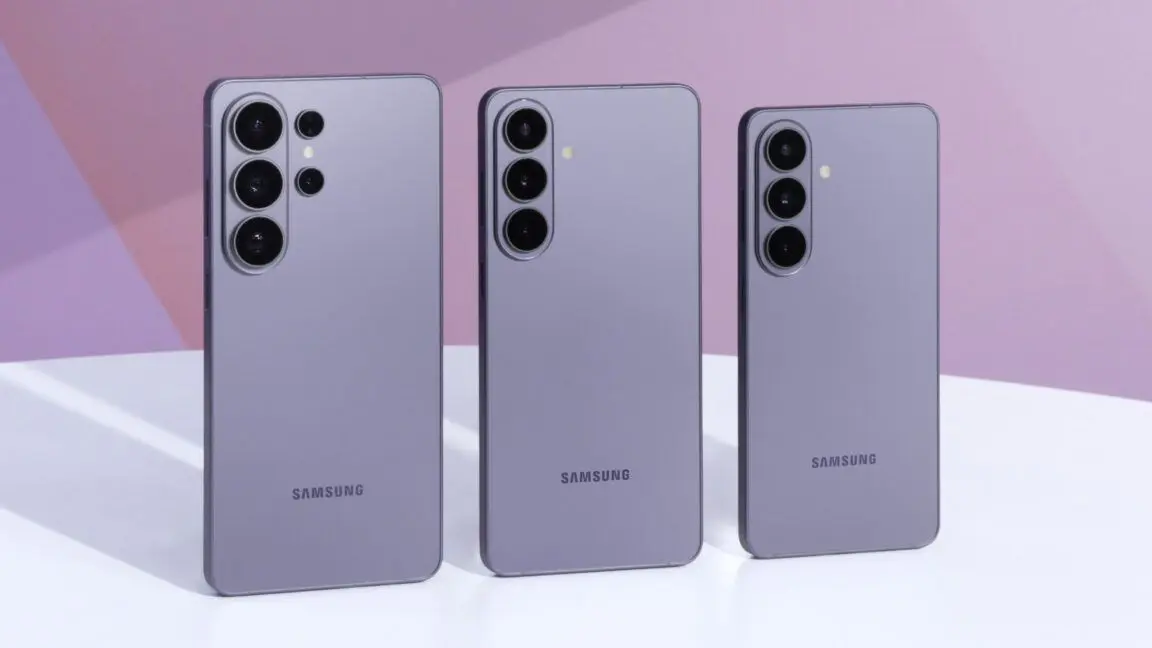
Samsung Galaxy S25 Ultra: AI-Powered Features and Design Innovations Unveiled
07 Jan 2025•Technology

Recent Highlights
1
Tennessee Teens Sue Elon Musk's xAI Over Grok AI-Generated Child Abuse Images
Policy and Regulation

2
Supermicro Co-Founder Indicted in $2.5 Billion Nvidia AI Chip Smuggling Scheme to China
Policy and Regulation
3
Val Kilmer to appear posthumously in As Deep as the Grave through AI-generated performance
Entertainment and Society

Recent Highlights
Today's Top Stories



Your Daily Dose of Curated AI News
Don’t drown in AI news. We cut through the noise - filtering, ranking and summarizing the most important AI news, breakthroughs and research daily. Spend less time searching for the latest in AI and get straight to action.

