Galaxy S26 could gain Google's Scam Detection, ending years of Pixel exclusivity


6 Sources
6 Sources
[1]
A major Pixel-exclusive security feature could be the Galaxy S26's secret weapon
It is currently unclear if Samsung will replace its own dialer with the Google Phone app or if the feature will work as a user-installed app. One of the best Pixel features is Scam Detection. Introduced with the Pixel 9 series, Scam Detection notifies users about potential scams as they occur. This is done for phone calls, text messages, and even chat apps. So far, Scam Detection has been a Pixel-only feature, but it seems the feature could finally be losing that exclusivity, potentially starting with the upcoming Galaxy S26 series. Scam Detection is available on a variety of Pixel phones, but there's a slight difference in how it is implemented across generations. Pixel 9 series (excluding Pixel 9a) and Pixel 10 series in Australia, Canada, India, Ireland, the UK, and the US get Scam Detection powered by on-device Gemini Nano via AI Core. Pixel 6 and later devices in the US also get Scam Detection, but it is powered by Google's on-device machine learning models. Within the Phone by Google app v206.0.857916353, we've spotted clues that indicate Google is working to bring Scam detection to the upcoming Galaxy S26 series, potentially making them the first non-Pixel phones to get the feature. We spotted mentions of what appear to be model numbers for the Galaxy S26 series in the Google Dialer app. Here, SM-S942 is expected to be the Galaxy S26, SM-S947 is expected to be the Galaxy S26 Plus, and SM-S948 is expected to be the Galaxy S26 Ultra. The model numbers are mentioned alongside the codenames of several Pixel devices, namely the Pixel 9 series (excluding Pixel 9a) and the Pixel 10 series. The last line of the code snippet above mentions "Sharpie," which is the codename for Scam Detection in the Google Phone app. The Pixel phones mentioned use on-device Gemini Nano for Scam Detection, and there's a chance the Galaxy S26 series could also do the same. With all of this said, we have a peculiar problem: Samsung Galaxy phones do not ship with the Google Phone app. Instead, they use the Samsung Phone app as the pre-installed default dialer. Users can download the Google Phone app from the Play Store and install it on their Galaxy phones and set it as the default dialer, but we're unsure if doing so will grant it all the requisite permissions needed for Scam Detection to work, as it will be classified as a user app instead of a system app. It remains to be seen if Samsung will preload the Google Phone app as the default dialer on the Galaxy S26 series and ditch the Samsung Phone app. There's precedence here, as the company ditched Samsung Messages in favor of Google Messages in 2024 to better support RCS features. Samsung Messages relied on carriers to support RCS, while Google Messages uses Google's own Jibe servers, so this move made some sense. There's no equivalent need for the dialer app, though, so there's less incentive for Samsung to make the move -- unless Google could be sweetening the deal, as it appears to be by allowing the Galaxy S26 series phones to be part of this exclusive club. Neither Google nor Samsung has announced this feature or change, and it remains to be seen whether it makes it to market at all on the Galaxy S26 series. We'll keep you updated when we learn more.
[2]
Samsung Galaxy phones are about to get one of the best Pixel-exclusive features
While Pixel phones may not be able to compete with Samsung Galaxy phones in sheer number of features, they do have some powerful exclusives. One example is the excellent Scam Detection feature, but it may not be exclusive for much longer. For those who are unfamiliar with Scam Detection, it uses Google's Gemini Nano AI to identify scam phone calls, text messages, and even messages in other chat apps. The extra cool thing is it's not just about blocking from the start -- Scam Detection can alert you during a call if something seems fishy. Now, it looks like Samsung Galaxy phones are about to get it, too. This information comes from some digging into the code of the most recent Phone by Google app. Model numbers that appear to be for the upcoming Galaxy S26 series are mentioned in the code. These model numbers can be seen alongside the internal codenames for the Pixel 10 series. Specifically, the model numbers are: * SM-S942 (Galaxy S26) * SM-S947 (Galaxy S26 Plus) * SM-S948 (Galaxy S26 Ultra) Currently, Galaxy phones ship with Samsung's own Phone app as the default dialer. The logical next question is, does this mean Phone by Google is about to be the new default dialer for Samsung phones too? The company has already thrown in the towel on its own Messages app in favor of Google Messages. So, it wouldn't be the first time Samsung has adopted a core Google app, and the companies have worked together many times in the past. Scam Detection would also be something Samsung could highlight as a new feature for the Galaxy S26 series. As a long-time Pixel owner, Scam Detection is a feature I regularly get to brag about. Many people I know with non-Pixel devices complain about frequent scam calls and text messages, but it's something I generally don't experience. Google updated Scam Detection several times last year, and it's genuinely one of the AI features I actually appreciate. Subscribe for in-depth coverage of Scam Detection Want clear, practical analysis of features like Google's Scam Detection and what they mean for Galaxy and Pixel users? Subscribe to our newsletter for expert breakdowns, hands-on insights, and the implications of these phone security tools. Subscribe By subscribing, you agree to receive newsletter and marketing emails, and accept Valnet's Terms of Use and Privacy Policy. You can unsubscribe anytime. Source: Android Authority Don't ignore your Samsung Galaxy's smartest feature Samsung Galaxy phones are packed with apps and underrated features, and sometimes it's easy to overlook some of the best ones. Instead of constantly using your phone and fumbling through settings, let this amazing feature do all the hard work for you. Smartphones are supposed to be "smart," and this one Samsung feature actually delivers. Posts 5 By Cory Gunther
[3]
Google's Scam Detection might be ready to shed its Pixel exclusivity
Karandeep Singh Oberoi is a Durham College Journalism and Mass Media graduate who joined the Android Police team in April 2024, after serving as a full-time News Writer at Canadian publication MobileSyrup. Prior to joining Android Police, Oberoi worked on feature stories, reviews, evergreen articles, and focused on 'how-to' resources. Additionally, he informed readers about the latest deals and discounts with quick hit pieces and buyer's guides for all occasions. Oberoi lives in Toronto, Canada. When not working on a new story, he likes to hit the gym, play soccer (although he keeps calling it football for some reason🤔) and try out new restaurants in the Greater Toronto Area. First released with the Pixel 9 series in 2024, Google's suite of Scam Detection features might just be ready to make the jump to non-Pixel phones. We're specifically talking about Scam Detection for phone calls, which appears to be making its way to Samsung's upcoming flagship series. Your Google Pixel's Scam Detection capabilities may get even better Support for chat apps is in the works Posts By Chethan Rao All existing Pixel devices can take advantage of Scam Detection, but the feature's inner workings differ on some devices. On the Pixel 9 and Pixel 10 series, Scam Detection is more powerful, and it is powered by on-device Gemini Nano via AI Core. All other Pixel devices, including the Pixel 6, Pixel 7, and Pixel 8 series, boast Scam Detection too, but powered by Google's proprietary on-device machine learning models. There's a chance that the Galaxy S26 series could use Gemini Nano for on-device AI tasks, and newly-found code strings in the Phone by Google app v206.0.857916353 suggest that one of those tasks could very well be Scam Detection. The development was highlighted by the folks over at Android Authority. Samsung might ditch its own dialer As previously spotted, the model numbers mentioned in the code strings are largely accepted to be S26 series model numbers. * SM-S942 is the Galaxy S26 * SM-S947 is the Galaxy S26 Plus * SM-S948 is the Galaxy S26 Ultra In the short code snippet, the S26 series is grouped alongside Google's own new flagships. We see codenames for the Pixel 9 family (Tokay, Komodo, Caiman, and Comet) as well as codenames for the Pixel 10 series (Mustang, Blazer, Frankel, and Rango). Want to know the most telling part? All the codenames are being fed into "Sharpie," which is the internal codename for the Scam Detection in the Phone by Google app. Subscribe to our newsletter for phone AI security insight Sign up for the newsletter to access clear, expert coverage of mobile Scam Detection, on-device AI like Gemini Nano, and how Pixel to Galaxy shifts could reshape call privacy and dialer choices - insightful analysis to help you follow smartphone AI and security developments. Subscribe By subscribing, you agree to receive newsletter and marketing emails, and accept Valnet's Terms of Use and Privacy Policy. You can unsubscribe anytime. The development also suggests that Samsung might be ready to ditch its own dialer in favor of Google's. This would follow the South Korean tech giant's 2024 move when it replaced Samsung Messages with Google Messages to streamline RCS. Scam Detection might just be one of the main selling points of the upcoming series, with Samsung likely to mention the Ultra model's reported 'Privacy Display' more often. Read about the software-powered feature below. Samsung inadvertently leaks the Galaxy S26 Ultra's best feature Privacy Display all but confirmed Posts By Karandeep Singh Oberoi
[4]
Samsung Galaxy S26 could gain access to one of Google's best AI features, and it's the kind of upgrade we need more of
A new report has revealed that Samsung could soon gain access to the Google Pixel Scam Detection feature with its upcoming Galaxy S26 series. According to a recent report from Android Authority, code was found in the Google Phone app v206.0.857926353 that appears to mention the model numbers for the Galaxy S26. As seen in the provided screenshot below, the code mentions SM-S942, which is tipped to be the expected model number for the Galaxy S26. Additioanlly, it also mentions SM-S947 and SM-S948, which are reportedly model numbers for the Galaxy S26 Plus and Galaxy S26 Ultra, respectively. This suggests that Samsung's upcoming phones could become much better at utilizing their on-device AI to warn you if you're being called by a scammer. The code doesn't specify how the feature will actually work, but we can get a decent idea based on how Google devices utilize the feature. Essentially, Scam Detection works by using on-device learning models, in this case Gemini Nano, to analyze conversations, web traffic and more. The aim is to have the app learn to detect patterns often used in fraud, for instance phishing and financial scams. Once it learns to recognize the signs, it will then alert users to the threat. AI security features are real, but we need more One thing I need to make clear from the outset is that AI-backed security features are currently in development or available on most phones. For instance, Samsung currently offers on-device processes for Gemini AI features while also using Samsung Knox to bolster device security, privacy, and management. However, for all Samsung has done, the fact that it doesn't have a native phone screening feature remains shocking. The truth is that AI is being used against us as often as it is being used to help us. There are phishing scams out there that utilize AI to fool us into clicking links or even use the voices of our loved ones to trick us. The challenge many phone makers like Samsung have to face is to meet and exceed these threats before they appear. A feature I would like to see more of Unfortunately, the simple fact of the matter is that AI-backed security features aren't exactly the sexiest selling point for new consumers. This has led many companies to focus on features like better virtual assistants and image generation. I get why this is the case, but I find a lot of what AI does on phones offers only a mild distraction rather than something actually helpful. For instance, image generation is certainly entertaining at times, but that's all it is -- and the cost to the environment alone is troubling. Meanwhile, features like Google Gemini and ChatGPT can be useful, but they're still limited and often don't offer much beyond surface-level answers. I myself have been the victim of scams before, and it wasn't due to a lack of knowledge or even a particularly clever one. I was woken up by a text message and, without thinking properly, I clicked the link. From there, I received a phone call using my bank's cloned number. Although, I called my bank to confirm and put a halt to any issues. Sure, I could have used my Galaxy Z Fold 5 to generate an image of how I felt, but I would have much preferred if my phone were able to alert me of a potential scam in a way that even a very tired mind could comprehend. That should be the main focus for AI: making our lives easier and helping to keep us safe in a very dangerous virtual world. Companies could work together to improve security What would be ideal, in my mind at least, would be to see more of our companies working together when it comes to AI-backed security. For instance, Apple, Samsung and Google can do more to protect their users together than they can apart. With that being said, there are several concerns that make this more difficult. For example, each company uses different business models and has different approaches to user privacy. However, there are some positive signs at the moment that could show some exceptions. For instance, Apple recently reached a deal with Samsung to utilize Google Gemini technology to power its new Apple Intelligence features. Hopefully, this could mean more overarching security measures for both devices. While I know what I want to see, let me know what you want for the future of AI. Are you more interested in generation and conversation, or would you also like to see a push toward more functional, usable additions? Follow Tom's Guide on Google News and add us as a preferred source to get our up-to-date news, analysis, and reviews in your feeds.
[5]

The Galaxy S26 Series looks like getting one of the best features on Pixel phones - here's why Scam Detection could be a big win for Samsung
A successor to the Samsung Galaxy S25 is on the way (Image credit: Samsung) * Google AI Scam Detection is currently a Pixel exclusive * Hidden code suggests it's heading to the Samsung Galaxy S26 * Samsung's next flagships are expected to launch next month It looks as though one of the features that Google has so far kept as an exclusive for its own Pixel phones could be making its way to one of the best Samsung phones of 2026: the Galaxy S26 series is rumored to be getting the AI-powered Scam Detection alerts that warn users about scams in real time. The Android Authority team has found code hidden away in the latest version of the Google Phone app that mentions some new smartphone model numbers - numbers that match up with the Galaxy S26, the Galaxy S26 Plus, and the Galaxy S26 Ultra. These model numbers appear alongside references to various Pixel phones, and "Sharpie", which is the internal codename Google uses for Scam Detection. Join the dots and it seems as though the feature will be appearing on the Samsung Galaxy S26 series when these phones launch (probably next month). Nothing is certain yet though, and there is one problem to note: Samsung phones have their own Samsung Phone app installed by default, rather than the Google one. It's possible that the Google version will be the default one going forward, or that the Samsung equivalent will itself adopt the Scam Detection tech. Stay safe Scam Detection is one of those features that shows just how useful AI can be: it looks for patterns that match up with known scams, and warns you if someone might be trying to trick you. It works across phone calls and text messages, with everything running on your phone and nothing sent back to Google. Once you enable Scam Detection (it's actually off by default), it'll monitor calls and text messages with people who aren't already saved in your contacts list - so you won't suddenly find that one of your parents is labeled a scam threat. The feature is available on the Google Pixel 6 and later in the US, and on the Pixel 9 and later (excluding the Google Pixel 9a) in Australia, Canada, India, Ireland, and the UK. In the case of the most recent handsets, the Pixel 9 and Pixel 10 series of phones, the functionality is powered by the Gemini Nano model. Google doesn't promise a 100% success rate with Scam Detection, but it just might prevent you from being tricked out of some money or personal data. This adds to the long list of rumors and leaks that have appeared for the Galaxy S26 so far - and we've rated all the major ones in terms of how likely we think they are to be accurate. Follow TechRadar on Google News and add us as a preferred source to get our expert news, reviews, and opinion in your feeds. Make sure to click the Follow button! And of course you can also follow TechRadar on TikTok for news, reviews, unboxings in video form, and get regular updates from us on WhatsApp too.
[6]

Samsung Galaxy S26 Ultra + Google Scam Detection: RIP Fraudsters!
Google's advanced scam detection technology, previously exclusive to its Pixel devices, is rumored to be making its way to Samsung's Galaxy S26 Ultra. This potential integration could significantly enhance how you experience privacy and security on your smartphone. By using on-device AI, the feature is designed to detect scams in real time, offering a safer and more seamless communication experience. If implemented, this collaboration could represent a pivotal moment in the evolution of smartphone security. How On-Device AI Enhances Scam Detection At the heart of Google's scam detection technology lies its on-device AI, which analyzes communication patterns to identify and flag potential scams. Unlike server-based systems, this approach ensures that your data remains private while providing real-time alerts. Whether it's a suspicious phone call or a questionable text message, the system actively works to protect you without compromising your personal information. This feature has been a standout element of Google's Pixel lineup, setting a high standard for smartphone security. However, recent developments suggest that Samsung's Galaxy S26 Ultra could be the next device to incorporate this innovative technology. If realized, this would bring a new level of security to a broader audience, further solidifying the Galaxy S26 Ultra as a top-tier smartphone. Clues Pointing to Integration with Samsung's Galaxy S26 Series Hints within Google's phone app suggest that the Galaxy S26 models may soon benefit from this scam detection feature. However, the exact method of integration remains unclear. Historically, Samsung has relied on its proprietary dialer app, which raises two possible scenarios: either Samsung could preload Google's Phone app onto its devices, or it might embed the scam detection technology directly into its own software. This wouldn't be the first time Samsung has adopted Google's solutions to enhance its devices. For example, Samsung transitioned to Google Messages to support Rich Communication Services (RCS), prioritizing functionality and user experience over exclusivity. A similar approach with scam detection could ensure a seamless and intuitive experience for Galaxy S26 users, further strengthening Samsung's reputation for delivering user-centric innovations. Samsung's Collaborative History with Google Samsung has a long-standing history of integrating Google's apps and services into its ecosystem. One notable example is its shift from a proprietary messaging app to Google Messages, which improved cross-platform compatibility and streamlined communication for users. This collaboration demonstrated Samsung's willingness to prioritize functionality and user satisfaction over maintaining exclusivity in its software offerings. If Samsung adopts a similar strategy with its dialer app, it could pave the way for the smooth integration of Google's scam detection technology. This move would not only enhance the Galaxy S26 Ultra's security features but also reflect Samsung's adaptability in incorporating advanced tools into its ecosystem. For users, this means a more secure and efficient smartphone experience, with fewer barriers to enjoying innovative technology. What to Expect from the Galaxy S26 Series The Galaxy S26 series is expected to debut at Samsung's Unpacked event on February 25, 2026, with global availability anticipated in March. Alongside the potential inclusion of Google's scam detection feature, the series is rumored to introduce several noteworthy upgrades: * Faster and more efficient charging technology to reduce downtime. * A privacy-focused display designed to shield sensitive information from prying eyes. * Refined hardware that combines enhanced durability with sleek aesthetics. * New color options to cater to a wider range of personal preferences. While these updates may not represent a innovative leap, they underscore Samsung's commitment to iterative improvements that enhance the overall user experience. Combined with the potential integration of Google's scam detection technology, these features could make the Galaxy S26 series a compelling choice for both tech enthusiasts and everyday users. Implications for the Broader Smartphone Ecosystem The rumored integration of Google's scam detection technology into Samsung's Galaxy S26 Ultra could have far-reaching implications for the smartphone industry. For Samsung, this collaboration would reinforce its reputation as a brand that prioritizes user security and privacy. For Google, it represents a strategic expansion of its software capabilities beyond its own hardware, potentially setting a new standard for cross-brand partnerships. For you, the user, this development could mean a more secure and streamlined communication experience, regardless of whether you choose a Pixel or a Galaxy device. This collaboration highlights a growing trend in the industry: major brands working together to deliver better features and functionality, ultimately benefiting consumers. The Road Ahead for Samsung and Google The potential inclusion of Google's scam detection feature in the Galaxy S26 Ultra signals a significant step forward in smartphone technology. By combining Samsung's expertise in hardware design with Google's innovative software solutions, this partnership could establish a new benchmark for privacy and security in mobile communication. As more details emerge, the Galaxy S26 series is shaping up to be a standout option for those seeking innovative features and reliable performance. Whether you're a tech enthusiast looking for the latest innovations or a casual user prioritizing security and ease of use, this collaboration could redefine your expectations for what a smartphone can offer. Stay informed about the latest in On-device AI by exploring our other resources and articles. Source & Image Credit: Demon's Tech
Share
Share
Copy Link
Google's Scam Detection feature, previously exclusive to Pixel phones, appears headed to Samsung's Galaxy S26 series. Code found in the Google Phone app references Galaxy S26 model numbers alongside Pixel devices and the internal codename for Scam Detection. The move could mark a significant shift in how Samsung approaches phone security, though questions remain about implementation.
Google's Scam Detection feature appears ready for Samsung Galaxy phones
Google may be preparing to share one of its most valuable Pixel-exclusive features with Samsung. Code discovered in the Google Phone app v206.0.857916353 reveals references to what appear to be Galaxy S26 series model numbers—SM-S942 for the Galaxy S26, SM-S947 for the Galaxy S26 Plus, and SM-S948 for the Galaxy S26 Ultra—positioned alongside Pixel device codenames and "Sharpie," the internal designation for Scam Detection
1
. This discovery suggests Samsung Galaxy phones could become the first non-Pixel devices to receive AI-powered scam detection capabilities.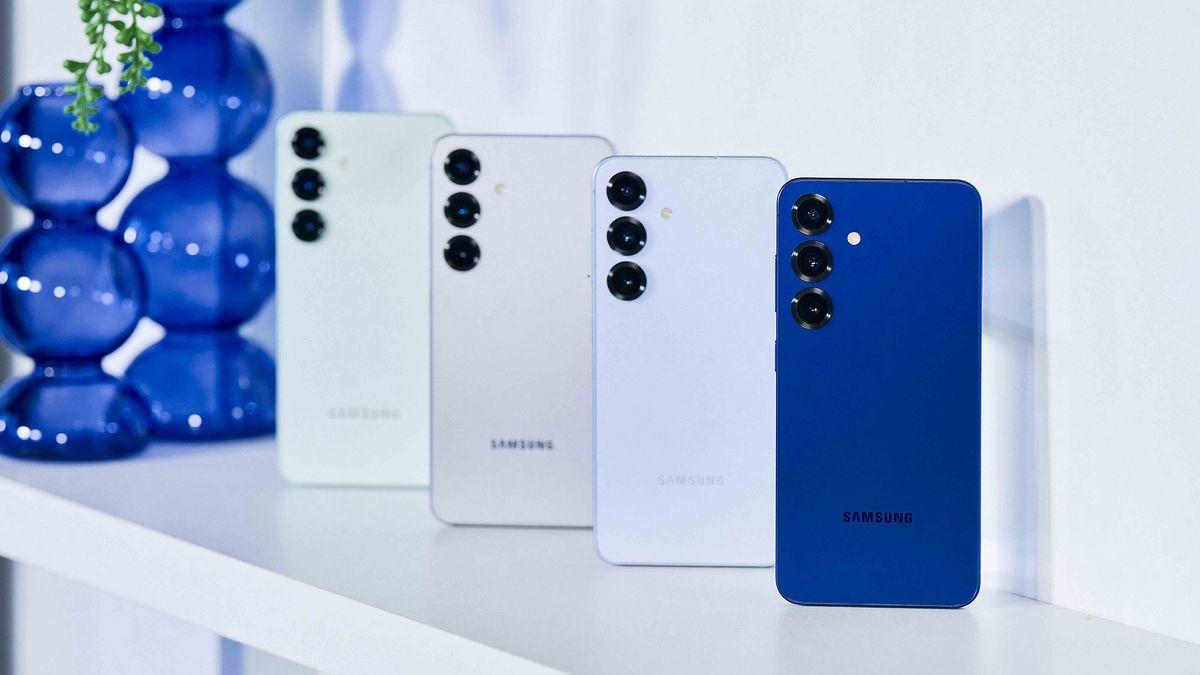
Source: TechRadar
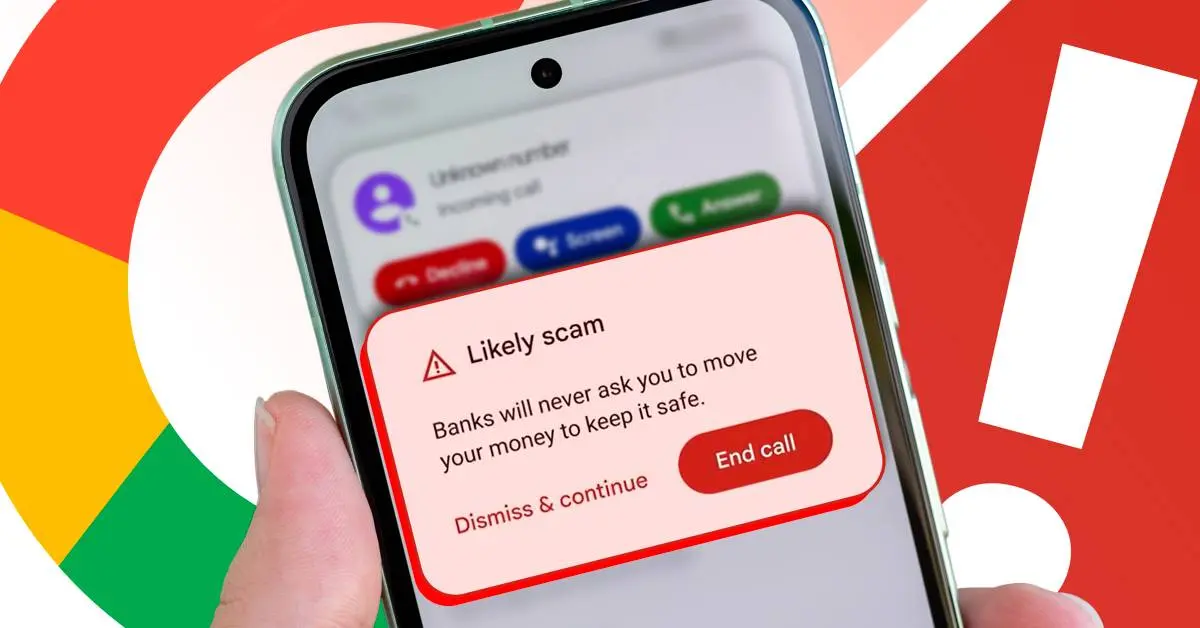
The Pixel-exclusive feature uses on-device AI to identify potential scams during phone calls, text messages, and chat app conversations. Unlike traditional blocking methods, Scam Detection actively monitors ongoing calls and alerts users in real time when suspicious patterns emerge
2
. The system analyzes conversation patterns, web traffic, and other indicators to recognize common fraud tactics, including phishing scams and financial manipulation attempts4
.
Source: How-To Geek
Gemini Nano could power on-device AI processing
The model numbers discovered in the code appear grouped with Pixel 9 and Pixel 10 series devices, which use Gemini Nano via AI Core for Scam Detection
3
. This positioning suggests the Galaxy S26 series might leverage the same on-device AI technology rather than the older machine learning models used on Pixel 6 through Pixel 8 devices. Gemini Nano processes everything locally on the device, meaning no data gets transmitted to Google servers—a critical factor for user privacy5
.The implementation raises questions about Samsung's default dialer app. Samsung Galaxy phones currently ship with the Samsung Phone app rather than the Google Phone app, which houses Scam Detection functionality
1
. While users can download the Google Dialer from the Play Store, installing it as a user app may not grant the system-level permissions required for scam protection for Galaxy users to function properly.
Source: Android Police
Samsung may replace its default dialer application
The discovery has sparked speculation that Samsung might preload the Google Phone app as the default dialer on the Galaxy S26 series, abandoning its own application. There's precedent for such a move: Samsung ditched Samsung Messages in favor of Google Messages in 2024 to improve RCS support
1
. That transition made sense because Google Messages uses Google's Jibe servers for RCS, while Samsung Messages relied on carrier support. The dialer situation differs, as there's no equivalent technical advantage—unless Google is offering incentives to include Samsung in this exclusive club2
.Related Stories

AI-backed security features address real threats
The potential addition of AI-backed security features to Samsung devices addresses a growing need as scammers increasingly deploy AI against users. Phishing scams now use AI to create convincing messages and even clone voices of loved ones to manipulate victims
4
. Scam Detection monitors calls and messages from contacts not saved in your phone, analyzing them for patterns matching known fraud schemes without sending data off-device.Currently, Scam Detection is available on Pixel 6 and later devices in the United States, and on Pixel 9 and later models (excluding Pixel 9a) in Australia, Canada, India, Ireland, and the UK
5
. Google doesn't promise perfect accuracy, but the feature has proven effective at preventing financial and data theft. For Samsung, which already uses Samsung Knox for device security and offers on-device AI processing through Gemini, adding native scam detection would fill a notable gap in its security portfolio4
.What to watch as Galaxy S26 launch approaches
Neither Google nor Samsung has officially announced this feature for the Galaxy S26 series, expected to launch next month
5
. The code discovered by Android Authority indicates work in progress, but features found in app teardowns don't always reach market release3
. If implemented, Scam Detection could become a major selling point for the Galaxy S26 lineup, potentially appearing alongside other security features like the rumored Privacy Display for the Ultra model.The broader implications extend beyond Samsung. Increased collaboration between major manufacturers on AI-backed security features could strengthen protection across the Android ecosystem. While companies like Apple, Samsung, and Google maintain different approaches to user privacy and business models, recent partnerships—such as Apple's deal with Samsung to use Google Gemini technology for Apple Intelligence features—suggest growing willingness to cooperate on security measures
4
.References
Summarized by

Navi
[1]
[3]
[4]
Related Stories
Galaxy S26 Gets Scam Detection With Gemini AI to Protect You From Scam Calls and Texts
25 Feb 2026•Technology
Google's Gemini AI now automates multi-step tasks on Android while Apple's Siri features stall
25 Feb 2026•Technology

Samsung unveils Galaxy S26 lineup with Privacy Display tech and expanded AI capabilities
25 Feb 2026•Technology
Recent Highlights
1
AI Models Lie and Deceive to Protect Other AI Models From Deletion, Study Reveals
Science and Research

2
AI chatbots validate you too much, making you less kind to others, Stanford study reveals
Science and Research
3
Judge blocks Pentagon from blacklisting Anthropic over AI safety guardrails dispute
Policy and Regulation

Recent Highlights
Today's Top Stories




Your Daily Dose of Curated AI News
Don’t drown in AI news. We cut through the noise - filtering, ranking and summarizing the most important AI news, breakthroughs and research daily. Spend less time searching for the latest in AI and get straight to action.

