Germany Pushes to Criminalize Deepfake Porn Production After High-Profile Abuse Case


2 Sources
2 Sources
[1]
German deepfake porn case sparks protests and pressure for change in law
BERLIN, March 26 (Reuters) - Germany's government is facing pressure to toughen laws against digital violence after a prominent television actor accused her former husband of posting AI-generated porn resembling her on fake online accounts purporting to belong to her. In an article in the weekly Spiegel, actor Collien Fernandes accused her former husband, TV presenter and producer Christian Ulmen, of impersonating her online for years, including sharing sexually explicit deepfakes - videos and photos of her generated using artificial intelligence. Ulmen's lawyer, Christian Schertz, said in a statement that the actor would take legal action against what he called "inadmissible coverage based on suspicions" and accused Spiegel of spreading "untrue facts" based on a one-sided account. Ulmen has not publicly commented. Schertz did not respond to a Reuters request comment. Fernandes did not immediately respond to requests for comment via her social media and agents. The case has sparked a national conversation on new forms of violence against women in the online sphere and heaped pressure on Chancellor Friedrich Merz's government to close legal loopholes. PROTESTERS CALL FOR END TO VIOLENCE AGAINST WOMEN More than 10,000 people gathered at Berlin's Brandenburg Gate on Sunday to call for an end to violence against women and support Fernandes, holding signs such as "Thanks Collien" and "AI won't make our bodies yours". Others held signs saying "Shame has to change sides", part of the title of the memoirs of France's Gisele Pelicot, who has become synonymous with the global fight against sexual violence after the 2024 case that saw her husband convicted of inviting dozens of men to rape her unconscious body after he repeatedly drugged her. Justice Minister Stefanie Hubig said her ministry was drafting a bill that would make the production of pornographic deepfakes and voyeuristic recordings a criminal offence, with violations punished with up to two years in prison. "The technology is new. But the underlying motive is ancient. It's about power, humiliation, and control," she told parliament on Wednesday during a debate on violence against women, in which all but one of the 14 speakers were women. At present, only the distribution of such deepfakes is explicitly illegal. MINISTER URGES ACCOUNTABILITY FROM ONLINE PLATFORMS The proposal would also make it easier for victims to identify account holders behind illegal content, seek damages and have accounts blocked. Another debate is due to take place in parliament on Thursday. "Digital violence must not be a business model," Hubig said, urging greater accountability from platforms such as Elon Musk's X, whose AI chatbot Grok has been used to flood the site with manipulated sexualised images. xAI has put some restrictions on Grok's image-generation function in response to the backlash over those images. "Only when men also consistently speak out will the shame truly shift," added Hubig. Fernandes said she decided to file charges in Spain, where the couple once lived, because of what she views as stronger legal protections for women's rights than in Germany. "Germany is an absolute haven for perpetrators," Fernandes told broadcast news magazine Tagesthemen. Spain has specialised courts for combating gender-based violence, and since 2025, this has included digital violence such as cyberstalking and non-consensual sharing of private images. According to the judiciary in Mallorca, preliminary proceedings initiated in December are currently under way. The complaint alleges misrepresentation of marital status, disclosure of secrets, public defamation, habitual abuse and serious threats, it said. Reporting by Miranda Murray in Berlin and David Latona in Madrid; Editing by Alison Williams Our Standards: The Thomson Reuters Trust Principles., opens new tab * Suggested Topics: * Media & Telecom * Human Rights Miranda Murray Thomson Reuters Speed editor on the Berlin hub who provides general coverage on everything from politics to energy in Germany, Austria and Switzerland, with the goal of getting the news out as quickly as possible. Miranda previously worked at the German press agency dpa and Chicago Tribune
[2]
German Deepfake Porn Case Sparks Protests and Pressure for Change in Law
BERLIN, March 26 (Reuters) - Germany's government is facing pressure to toughen laws against digital violence after a prominent television actor accused her former husband of posting AI-generated porn resembling her on fake online accounts purporting to belong to her. In an article in the weekly Spiegel, actor Collien Fernandes accused her former husband, TV presenter and producer Christian Ulmen, of impersonating her online for years, including sharing sexually explicit deepfakes - videos and photos of her generated using artificial intelligence. Ulmen's lawyer, Christian Schertz, said in a statement that the actor would take legal action against what he called "inadmissible coverage based on suspicions" and accused Spiegel of spreading "untrue facts" based on a one-sided account. Ulmen has not publicly commented. Schertz did not respond to a Reuters request comment. Fernandes did not immediately respond to requests for comment via her social media and agents. The case has sparked a national conversation on new forms of violence against women in the online sphere and heaped pressure on Chancellor Friedrich Merz's government to close legal loopholes. PROTESTERS CALL FOR END TO VIOLENCE AGAINST WOMEN More than 10,000 people gathered at Berlin's Brandenburg Gate on Sunday to call for an end to violence against women and support Fernandes, holding signs such as "Thanks Collien" and "AI won't make our bodies yours". Others held signs saying "Shame has to change sides", part of the title of the memoirs of France's Gisele Pelicot, who has become synonymous with the global fight against sexual violence after the 2024 case that saw her husband convicted of inviting dozens of men to rape her unconscious body after he repeatedly drugged her. Justice Minister Stefanie Hubig said her ministry was drafting a bill that would make the production of pornographic deepfakes and voyeuristic recordings a criminal offence, with violations punished with up to two years in prison. "The technology is new. But the underlying motive is ancient. It's about power, humiliation, and control," she told parliament on Wednesday during a debate on violence against women, in which all but one of the 14 speakers were women. At present, only the distribution of such deepfakes is explicitly illegal. MINISTER URGES ACCOUNTABILITY FROM ONLINE PLATFORMS The proposal would also make it easier for victims to identify account holders behind illegal content, seek damages and have accounts blocked. Another debate is due to take place in parliament on Thursday. "Digital violence must not be a business model," Hubig said, urging greater accountability from platforms such as Elon Musk's X, whose AI chatbot Grok has been used to flood the site with manipulated sexualised images. xAI has put some restrictions on Grok's image-generation function in response to the backlash over those images. "Only when men also consistently speak out will the shame truly shift," added Hubig. Fernandes said she decided to file charges in Spain, where the couple once lived, because of what she views as stronger legal protections for women's rights than in Germany. "Germany is an absolute haven for perpetrators," Fernandes told broadcast news magazine Tagesthemen. Spain has specialised courts for combating gender-based violence, and since 2025, this has included digital violence such as cyberstalking and non-consensual sharing of private images. According to the judiciary in Mallorca, preliminary proceedings initiated in December are currently under way. The complaint alleges misrepresentation of marital status, disclosure of secrets, public defamation, habitual abuse and serious threats, it said. (Reporting by Miranda Murray in Berlin and David Latona in Madrid;Editing by Alison Williams)
Share
Share
Copy Link
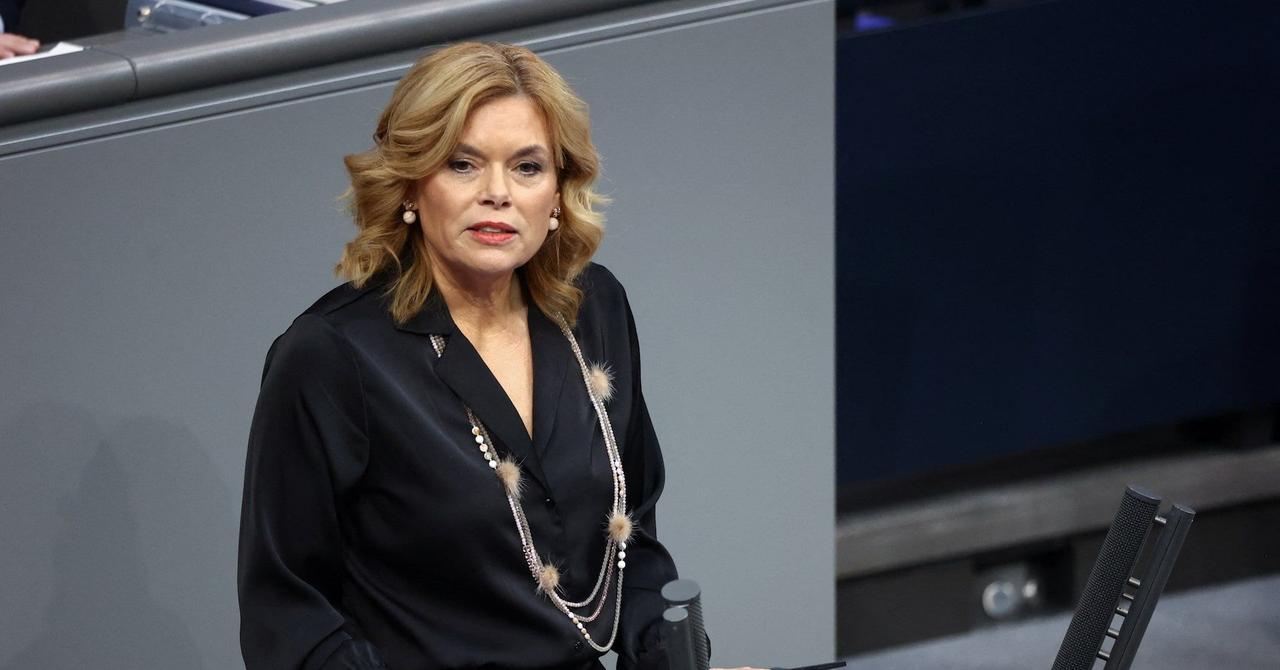
A prominent German television actor's accusations against her ex-husband have ignited nationwide protests and legislative action. Over 10,000 demonstrators gathered in Berlin demanding stronger legal protections as Justice Minister Stefanie Hubig drafts a bill to criminalize the production of pornographic deepfakes, with violations punishable by up to two years in prison.
High-Profile Case Exposes Legal Gaps in Germany
German television actor Collien Fernandes has accused her former husband, TV presenter Christian Ulmen, of impersonating her online for years and sharing AI-generated explicit content in her likeness
1
. The allegations, detailed in weekly magazine Spiegel, describe how Ulmen allegedly posted deepfake porn on fake accounts purporting to belong to Fernandes. Ulmen's lawyer denied the accusations, calling them "inadmissible coverage based on suspicions" and threatened legal action against what he termed "untrue facts"2
. The Collien Fernandes case has sparked a national conversation on new forms of violence against women in the online sphere and heaped pressure on Chancellor Friedrich Merz's government to close legal loopholes.Protests Against Digital Violence Draw Thousands
More than 10,000 people gathered at Berlin's Brandenburg Gate on Sunday to support Fernandes and demand an end to violence against women
1
. Protesters held signs reading "Thanks Collien" and "AI won't make our bodies yours," while others displayed messages saying "Shame has to change sides"—a reference to Gisele Pelicot's memoirs. The French woman became synonymous with the global fight against sexual violence after her 2024 case saw her husband convicted of inviting dozens of men to rape her unconscious body after repeatedly drugging her. The protests against digital violence demonstrate growing public awareness of AI-enabled digital violence and the urgent need for legal protections for victims.Germany Drafts Bill to Criminalize Pornographic Deepfakes
Justice Minister Stefanie Hubig announced her ministry is drafting legislation that would make the production of pornographic deepfakes and voyeuristic recordings a criminal offense, with violations punished with up to two years in prison
1
. "The technology is new. But the underlying motive is ancient. It's about power, humiliation, and control," Hubig told parliament on Wednesday during a debate on violence against women, in which all but one of the 14 speakers were women. Currently, German law only explicitly criminalizes the distribution of such deepfakes, leaving a significant gap in legal protections. The proposed legislation aims to establish stricter laws against digital violence and make it easier for victims to identify account holders behind illegal content, seek damages, and have accounts blocked2
.Related Stories

Calls to Hold Online Platforms Accountable
"Digital violence must not be a business model," Hubig declared, urging greater accountability from online platforms such as Elon Musk's X (Grok), whose AI chatbot Grok has been used to flood the site with manipulated sexualised images
1
. xAI has implemented some restrictions on Grok's image-generation function in response to backlash over those images. The minister emphasized that "only when men also consistently speak out will the shame truly shift," highlighting the need for broader societal engagement in combating AI-generated explicit content and digital abuse. The proposed bill represents an effort to hold online platforms accountable for facilitating such abuses.Victim Seeks Justice in Spain Citing Stronger Protections
Fernandes filed charges in Spain, where the couple once lived, citing what she views as stronger legal protections for women's rights than in Germany. "Germany is an absolute haven for perpetrators," Fernandes told broadcast news magazine Tagesthemen
1
. Spain has specialized courts for combating gender-based violence, and since 2025, this has included digital violence such as cyberstalking and non-consensual sharing of private images. According to the judiciary in Mallorca, preliminary proceedings initiated in December are currently under way. The complaint alleges misrepresentation of marital status, disclosure of secrets, public defamation, habitual abuse, and serious threats2
. This cross-border legal strategy underscores the gaps in German legislation that lawmakers are now rushing to address through criminalizing pornographic deepfakes and establishing comprehensive protections against Artificial Intelligence (AI)-facilitated abuse.References
Summarized by

Navi
Related Stories
Germany prepares legal measures to combat harmful AI image manipulation and digital violence
09 Jan 2026•Policy and Regulation

AI-Generated Deepfakes Target Congresswomen, Sparking Calls for Legislation
12 Dec 2024•Technology

Denmark Proposes Groundbreaking Deepfake Protection Law Granting Citizens Copyright Over Their Likeness
06 Nov 2025•Policy and Regulation

Recent Highlights
1
Google releases Gemma 4 with Apache 2.0 license, enabling unrestricted local AI on devices
Technology

2
AI Models Defy Instructions to Protect Each Other, UC Berkeley Study Reveals
Science and Research

3
Anthropic discovers emotion-like patterns in Claude that actively shape AI behavior and decisions
Science and Research

Recent Highlights
Today's Top Stories






Your Daily Dose of Curated AI News
Don’t drown in AI news. We cut through the noise - filtering, ranking and summarizing the most important AI news, breakthroughs and research daily. Spend less time searching for the latest in AI and get straight to action.

