Google launches Android Bench to rank AI models best suited for coding Android apps


3 Sources
3 Sources
[1]
Google says these AI models are best at coding Android apps
AI tools, love them or hate them, have been a big deal in coding and app development, and Google is now actively testing out what the best tools are for Android app development - here's the full list. The new "Android Bench" is a leaderboard of the best AI models to use for making Android apps. Google actively checks the top AI LLM models against a benchmark of tests that aim to figure out how these tools can handle building Android apps. Google says that it looks at how the models can work with Jetpack Compose for UI, Coroutines and Flows for asynchronous programming, room for persistence, and hilt for dependency injection. Other points include "navigation migrations, Gradle/build configurations, or the handling of breaking changes across SDK updates," while Google says that it also measures how these tools work with core and more niche parts of Android such as camera, system UI, media, foldable adaptation, and more. Google says that its goal is to show which AI models work best for Android app development, as existing benchmarks don't cover the challenges a developer might face while working on Android apps. AI-assisted software engineering has seen the emergence of several benchmarks to measure the capabilities of LLMs. Android developers face specific challenges that aren't covered by existing benchmarks, so we created one that focuses on Android development. With the methodology out of the way, what is the best AI model for Android app development? In what shouldn't be a surprise, Google says that Gemini 3.1 Pro Preview is the top of the class with a score of 72.4% in the benchmark. Second was Claude Opus 4.6, followed by OpenAI's GPT 5.2 Codex. The lowest score came from Gemini 2.5 Flash, at just 16.1%. Google says that, by publishing these numbers and rankings, it hopes to "encourage LLM improvements for Android development" while also helping developers be "more productive" and, ultimately, deliver "higher quality apps across the Android ecosystem."
[2]
If you code Android apps with AI, Google's new benchmark makes it easier to pick the right model
Android Bench evaluates how well different AI models handle real-world Android coding tasks. For Android app developers relying on AI to code, picking the right model can be tricky. Not all models are built the same, and many are not specifically trained for Android development workflows. To address this, Google has introduced a new benchmark to help developers understand how well different AI models perform on real-world Android coding tasks. Dubbed Android Bench, the new benchmark is designed to evaluate how well large language models (LLMs) handle typical Android development tasks. Google explains that the benchmark evaluates models using real-world tasks from public projects on GitHub and asks models to recreate actual pull requests and solve issues similar to what developers encounter while building Android apps. The results are then verified to see if they actually resolve the issue. In simpler terms, the benchmark checks whether the code generated by AI models truly fixes the problem instead of just looking correct on the surface. This helps Google measure how useful different models really are when it comes to solving real Android development problems. With the first version of Android Bench, Google planned "to purely measure model performance and not focus on agentic or tool use." The results highlight a wide gap, with models successfully completing between 16% and 72% of the benchmark tasks. The company says publishing these results should make it easier for developers to compare models and pick the ones that are actually capable of handling real Android coding problems. Recommended Videos In addition to guiding developers, the benchmark could also push AI companies to improve their models' understanding of Android development. To support that effort, Google has published Android Bench's methodology, dataset, and testing framework on GitHub. Over time, this could lead to AI tools that are better equipped to navigate complex Android codebases and help developers build and fix apps more effectively.
[3]
Google's New Benchmark Will Rank the Best AI Models to Build Android Apps
Google said the methodology was validated by several LLM makers Google introduced a new benchmark last week that evaluates artificial intelligence (AI) models based on their proficiency in developing Android apps. Dubbed Android Bench, the platform also ranks the models that perform the best in the tests, to help the developer community pick the right AI tools when building new apps and experiences for Android. The Mountain View-based tech giant said that the curated set of tests and evaluation system was validated by several AI model developers. Additionally, the methodology, dataset, and tests have also been made publicly available. Google Develops Android Bench In a post on the Android Developers Blog, the company announced the release of Android Bench. It is described as the operating system's official leaderboard of large language models (LLMs) for Android development. Google says the benchmark was developed to provide developers of AI models with "a clear, reliable baseline for what high-quality Android development looks like." The benchmark is said to be created using a set of tasks around a range of common Android development areas, such as networking on wearables and migrating to the latest version of Jetpack Compose. These tasks were sourced from public GitHub Android repositories, the post added. The company said the tasks were validated via several LLM makers. The initial version of Android Bench only focuses on model performance and does not include agentic capabilities or tool use. Additionally, the methodology, dataset, and test harness are publicly available on GitHub. To avoid data contamination (where the answers to the questions are added to an AI model's training process), the tasks are said to focus on reasoning instead of memorisation or guessing. Currently, Gemini 3.1 Pro ranks on top of the Android Bench leaderboard, followed by Claude Opus 4.6, GPT-5.2-Codex, Opus 4.5, and Gemini 3 Pro, respectively. The tech giant says that all of the listed AI models can be tried out by developers by using API keys in the latest stable version of Android Studio. Google says it will continue to improve the methodology to preserve the integrity of the dataset and is also planning to make improvements for future releases of the benchmark. The next iteration of the Android Bench will see increased quantity and complexity of tasks.
Share
Share
Copy Link
Google unveiled Android Bench, a new benchmark and leaderboard that evaluates how well AI models handle real-world Android app development tasks. Gemini 3.1 Pro topped the rankings with a 72.4% score, followed by Claude Opus 4.6 and GPT-5.2 Codex. The benchmark tests models on tasks sourced from GitHub repositories to help developers pick the right AI tools.
Google Introduces Android Bench to Evaluate AI Models for App Development
Google has launched Android Bench, a specialized benchmark and leaderboard designed to evaluate AI models based on their proficiency in coding Android apps
1
. The platform addresses a critical gap in existing benchmarks, which fail to capture the specific challenges Android developers face when building mobile applications2
. By testing large language models against real-world Android development tasks, Google's new benchmark aims to help developers identify which AI tools can genuinely solve the complex problems they encounter daily.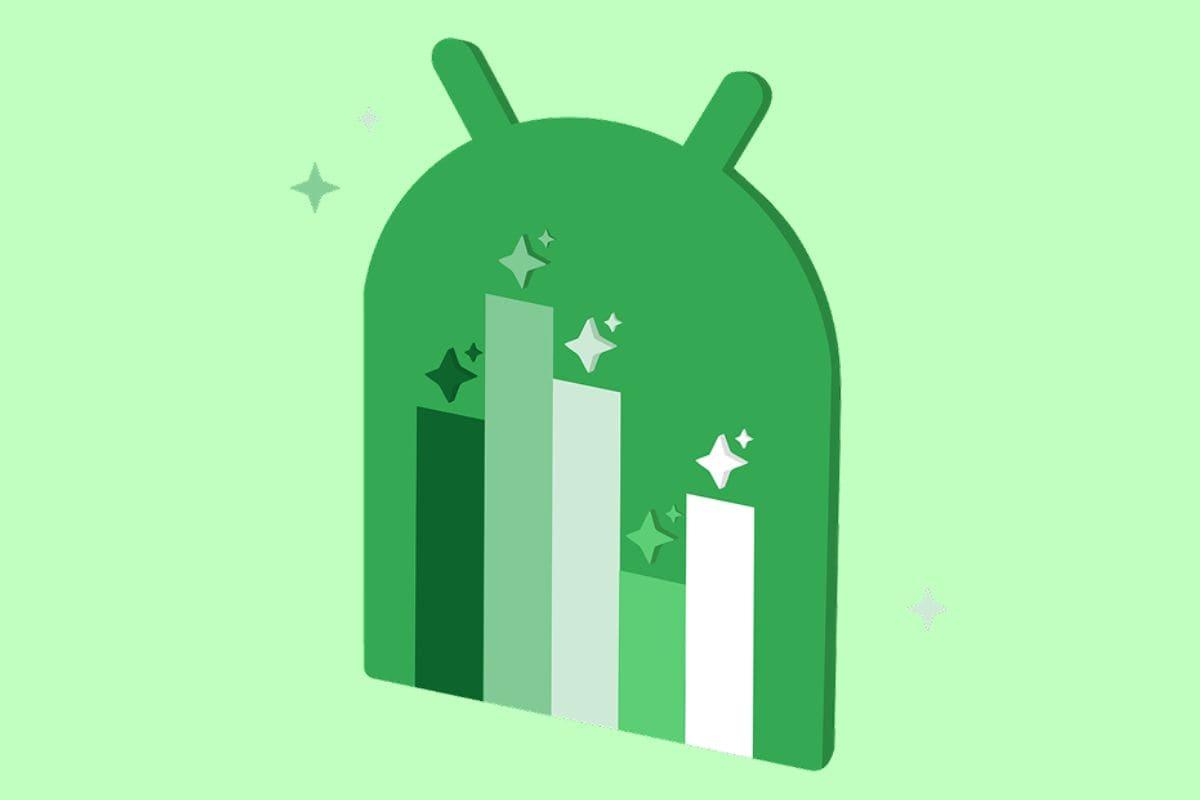
Source: Gadgets 360
The benchmark evaluates how well different LLM models handle typical Android development workflows, including working with Jetpack Compose for UI design, Coroutines and Flows for asynchronous programming, Room for persistence, and Hilt for dependency injection
1
. Google also tests models on navigation migrations, Gradle configurations, handling breaking changes across SDK updates, and more niche areas like camera integration, system UI, media handling, and foldable device adaptation.Real-World Tasks from GitHub Repositories Drive Testing Methodology
Android Bench distinguishes itself by using real-world tasks sourced from public GitHub Android repositories rather than synthetic test cases
3
. The benchmark asks AI models to recreate actual pull requests and solve issues similar to what developers encounter while building Android apps2
. Crucially, results are verified to determine whether the generated code actually resolves the issue instead of just appearing correct on the surface. This approach focuses on reasoning rather than memorization or guessing, helping avoid data contamination where answers might be included in an AI model's training process3
.The methodology, dataset, and testing framework have been published on GitHub, allowing the developer community to understand exactly how models are being evaluated
2
. Google validated the curated set of tests and evaluation system with several AI model developers before launch3
.Gemini 3.1 Pro Leads the Leaderboard with 72.4% Score
The initial Android Bench leaderboard reveals significant performance gaps among AI models for Android development. Gemini 3.1 Pro Preview topped the rankings with a score of 72.4%, demonstrating the strongest capability in handling Android-specific coding tasks
1
. Claude Opus 4.6 secured second place, followed by OpenAI's GPT-5.2 Codex in third position3
. The rankings also include Claude Opus 4.5 and Gemini 3 Pro in the top five positions.The results highlight a wide performance gap, with models successfully completing between 16% and 72% of benchmark tasks
2
. Gemini 2.5 Flash recorded the lowest score at just 16.1%1
. All listed AI models can be tested by developers using API keys in the latest stable version of Android Studio3
.Related Stories
Implications for Developer Productivity and Future AI Improvements
Google states that publishing these rankings should encourage LLM improvements for Android development while helping developers become more productive and ultimately deliver higher quality apps across the Android ecosystem
1
. The benchmark makes it easier for developers to compare models and select tools actually capable of handling real Android coding problems2
.Beyond guiding developers, Android Bench could push AI companies to improve their models' understanding of Android development workflows. The initial version focuses purely on measuring model performance without including agentic capabilities or tool use
3
. Google plans to continue improving the methodology to preserve dataset integrity and increase both the quantity and complexity of tasks in future releases3
. This evolution could lead to AI tools better equipped to navigate complex Android codebases and help developers build and fix apps more effectively.
Source: 9to5Google
References
Summarized by

Navi
[2]
Related Stories
Geekbench AI: New Benchmark Tool Measures Device AI Performance
16 Aug 2024

Google's Gemini-Exp-1121 Ties with OpenAI's GPT-4o in AI Chatbot Rankings, Highlighting Rapid Progress and Evaluation Challenges
16 Nov 2024•Technology

Google Launches Kaggle Game Arena: A New Frontier in AI Benchmarking
05 Aug 2025•Technology

Recent Highlights
1
OpenAI Releases GPT-5.4, New AI Model Built for Agents and Professional Work
Technology
2
Anthropic takes Pentagon to court over unprecedented supply chain risk designation
Policy and Regulation

3
Meta smart glasses face lawsuit and UK probe after workers watched intimate user footage
Policy and Regulation

Recent Highlights
Today's Top Stories








Your Daily Dose of Curated AI News
Don’t drown in AI news. We cut through the noise - filtering, ranking and summarizing the most important AI news, breakthroughs and research daily. Spend less time searching for the latest in AI and get straight to action.

