IBM will triple entry-level hiring in 2026 for jobs 'we're being told AI can do'


12 Sources
12 Sources
[1]
IBM will hire your entry-level talent in the age of AI | TechCrunch
While the artificial intelligence industry touts that AI will replace entry-level jobs, not every company is scaling back hiring these positions. In IBM's case, it's going all in. Hardware giant IBM plans to triple entry-level hiring in the U.S. in 2026, according to reporting from Bloomberg. Nickle LaMoreaux, IBM's chief human resource officer announced the initiative at Charter's Leading With AI Summit on Tuesday. "And yes, it's for all these jobs that we're being told AI can do," LaMoreaux said. These jobs will look different than the entry-level jobs IBM used to offer, she explained. According to LaMoreaux, she went through and changed the descriptions for these entry-level jobs so they were less focused on areas AI can actually automate -- like coding -- and more focused on people-forward areas like engaging with customers. This strategy makes sense. Even if an enterprise like IBM doesn't necessarily need the same amount of entry-level talent that it did before, fostering less experienced workers helps ensure these employees have the skills needed for the higher-level roles down the road. IBM didn't specify how many people they would be hiring in this initiative. TechCrunch reached out to IBM for more information on the hiring plans. This year could be a pivotal one regarding what the impact of AI on the hiring market will look like. An MIT study in 2025 estimated that 11.7% of jobs could likely already be automated by AI. A TechCrunch survey found that multiple investors think 2026 will start to show AI's potential impact on the labor market -- despite not being asked about labor specifically.
[2]
IBM triples entry-level hires for 2026 despite AI adoption, bucking industry trends -- Chief HR officer says that AI can do most entry-level jobs, but work still requires a human touch
IBM is tripling its entry-level hiring in the U.S. in 2026, according to a new report. This stands in stark contrast to many of the country's largest firms, especially in the tech world, which have conducted large-scale layoffs, often for the claimed reasons of AI efficiency savings or pivoting the company's focus towards AI. IBM is explicit about its reasoning for the new roles, too, citing the importance of human-to-human interaction and the AI nativism of younger workers. As a result, IBM is bucking the wider industry trend, Bloomberg reports. Speaking at the 2026 Leading with AI summit in New York last week, IBM's chief human resources officer, Nickle LaMoreaux, described the false economy of layoffs in a world of AI-driven innovation and advancement. While firing those replaced by AI and reducing entry-level hiring may drive cost savings in the near term, LaMoreaux said that risked creating a longer-term scarcity of mid-level managers and experienced workers within the organization. Without the ability to develop their own experienced employees, this would force companies like IBM to look outward in a more costly search for professionalism and expertise. New hires poached from other companies bring their own institutionalized baggage and can take longer to get up to speed on internal working practices and culture than those who have been fostered internally. But it's not just the case that IBM is restarting its standard hiring practices or doubling up on old job listings. It's aware that AI has genuinely undercut the kind of positions that entry-level developers would take on. That doesn't make those workers redundant, it just makes the work they're needed for a little different, and arguably more specialized to what humans are particularly good at: Interfacing with other humans. "The entry-level jobs that you had two to three years ago, AI can do most of them," LaMoreaux explained to attendees at the Charter AI Summit. "So, if you're going to convince your business leaders that you need to make this investment, then you need to be able to show the real value these individuals can bring now. And that has to be through totally different jobs." "Yes, it's for all these jobs that we're being told AI can do," she said, but that workers would focus on the human-aspect of them. That means entry-level developers are spending some time coding with AI tool assistance, but more time working with customers to define what it is they want from a coding project. New HR hires now work to refine responses from AI chatbots that answer a greater number of enquiries than HR workers could themselves. The entry-level positions are middle managers in their own right, acting as a go-between for the AI frontline and higher-level decision makers. The past few years have seen an increasing number of layoffs across major industries. Although there are a growing number of studies which suggest that the reason these layoffs may be more "AI washing," than AI innovation, it's clear that AI is causing workplace changes. Entry-level positions, particularly in programming, that were once dominated by new graduates and younger workers who can then develop into positions of capabilities and authority, are being squeezed by new AI capabilities. That's reduced the number of opportunities, which threatens to collapse the supply chain of new, experienced workers that every industry needs to continue developing and innovating. With industry leaders like the CEO of Anthropic, Dario Amodei, claiming that up to half of entry-level jobs may vanish by 2030, and Microsoft's head of AI saying that white-collar jobs could vanish in less than two years, there's serious concern for many about what the future of work might look like. While those companies pushing AI advancement certainly have a strong stake in the narrative of AI godhood within the workplace, other major companies like IBM see the future of work as still intrinsically human. What's encouraging for entry-level workers, and for anyone who's felt the spectre of AI looming over their employment security, is that LaMoreaux isn't an island of thought in this case. People in leadership positions are also taking note. IBM CEO Arvind Krishna told CNN in October, "People are talking about either layoffs or freezing hiring, but I actually want to say that we are the opposite. I expect we are probably going to hire more people out of college over the next 12 months than we have in the past few years, so you're going to see that." Others see the AI nativism of young and inexperienced new hires as one of their greatest strengths, too. "It's like they're biking in the Tour de France and the rest of us still have training wheels," said Melanie Rosenwasser, chief people officer at cloud storage platform Dropbox, at the Leading in AI summit. "Honestly, that's how much they're lapping us in proficiency." Dropbox also announced an expansion of its internship and graduate training programs by 25% in 2026 to make the most of younger workers' capabilities when it comes to using AI. Catering to these younger, hungry workers has been a core part of Dropbox's strategy. For the past five years, it's prioritized a "Virtual First" culture, which encourages and facilitates remote work, allowing it to focus on talent and capability over physical location. While that's not something all companies can do, it's a real advantage for Dropbox and shows it in stark contrast to several other firms which have made a point of driving workers back into centralized offices since the pandemic. Mozilla, Hubspot, Crowdstrike, Zapier, and Spotify are all doing the same, which could give them a real competitive advantage for remote-first workers who have known little else over the past half-decade. There's an emerging dichotomy in the future of employment, and it seems increasingly split down the line between those working to develop AI and those looking to take advantage of it. Those driving AI forward the most: Anthropic, Microsoft, OpenAI, are all claiming the world of work is going to come crashing down, and even though none of them are making any profit with AI, they want the world to believe that AI is going to be everything, with no room for the human workers it's replacing. But those without a profit incentive to make AI everything seem to feel differently. It's not AI that's now generating new productivity, its experienced workers with AI. For companies like IBM and Dropbox, AI isn't going to make work redundant; it's going to change it, like many automation drives throughout the history of work. Maybe the AI companies secretly know that, too. Even Anthropic is hiring human SEO experts, afterall. The companies that see humans as the face of work for the future are making sure they have those people on hand to realize it. If the major tech firms are going to fire everyone and not hire as many skilled graduates, there are other companies more than happy to attract them without AI fear-mongering and easier employment options, like remote-first workplaces. In a rush to automate everything, the smartest bet still seems to be on people, though the result of that dice roll still has yet to play out.
[3]
IBM to Triple Entry-Level US Hiring With Roles Recast for AI Era
IBM's decision to expand entry-level hiring comes as questions mount about whether AI will wipe out opportunities for new graduates, with some executives arguing that younger workers are a better investment for companies in the midst of technological upheaval. International Business Machines Corp. said it will triple entry-level hiring in the US in 2026, even as artificial intelligence appears to be weighing on broader demand for early-career workers. While the company declined to disclose specific hiring figures, it said the expansion will be "across the board," affecting a wide range of departments. "And yes, it's for all these jobs that we're being told AI can do," said Nickle LaMoreaux, IBM's chief human resources officer, speaking at a conference this week in New York. LaMoreaux said she overhauled entry-level job descriptions for software developers and other roles to make the case internally for the recruitment push. "The entry-level jobs that you had two to three years ago, AI can do most of them," she said at Charter's Leading With AI Summit. "So, if you're going to convince your business leaders that you need to make this investment, then you need to be able to show the real value these individuals can bring now. And that has to be through totally different jobs." Get the Management & Work newsletter. Get the Management & Work newsletter. Get the Management & Work newsletter. Analyzing trends in leadership, company culture and the art of career building. Analyzing trends in leadership, company culture and the art of career building. Analyzing trends in leadership, company culture and the art of career building. Bloomberg may send me offers and promotions. Plus Signed UpPlus Sign UpPlus Sign Up By submitting my information, I agree to the Privacy Policy and Terms of Service. The result is a different mix of duties for early-career workers at IBM. Since AI tools can handle most routine coding tasks, the company's junior software developers now spend less time on that and more time working with customers. In the HR department, entry-level staffers now spend time intervening when HR chatbots fall short, correcting output and talking to managers as needed, rather than fielding every question themselves. IBM's decision comes as questions mount about whether AI will wipe out opportunities for new graduates. Last year, Anthropic Chief Executive Officer Dario Amodei warned that half of entry-level office jobs may vanish by 2030. And recent advances in AI models have stoked anxiety among college students worried about being displaced amid an already tough job market. Slashing early-career recruitment may save money in the short run, but it risks creating a scarcity of mid-level managers later on, LaMoreaux said. That could force firms to poach talent from competitors, which tends to be more costly than promoting internally. Those hires also typically take longer to acclimate to the company's culture and systems than those trained in-house, she said. Some executives and economists argue that younger workers are a better investment for companies in the midst of technological upheaval. When it comes to using AI, "it's like they're biking in the Tour de France and the rest of us still have training wheels," said Melanie Rosenwasser, chief people officer at file-sharing platform Dropbox Inc. "Honestly, that's how much they're lapping us in proficiency." Dropbox is now expanding its internship and new graduate programs by 25% to capitalize on the AI fluency of younger workers, she said.
[4]
IBM says it will triple entry-level hiring for roles "we're being told AI can do"
Serving tech enthusiasts for over 25 years. TechSpot means tech analysis and advice you can trust. In brief: Amid multiple depressing reports of AI causing job layoffs and white-collar workers under threat, here's some rare positive news: IBM is tripling the number of entry-level workers it plans to hire in the US this year. The company said the new positions will focus on tasks requiring human judgment, customer interaction, and oversight of AI systems. Nickle LaMoreaux, IBM's chief human resources officer, gave hope to entry-level hires who are often the most at risk of losing out to AI when it comes to getting - and holding onto - a job. "The companies three to five years from now that are going to be the most successful are those companies that doubled down on entry-level hiring in this environment," LaMoreaux said. The exec added that IBM will be tripling its entry-level hiring for "software developers and all these jobs we're being told AI can do." LaMoreaux did admit that several responsibilities that had been part of IBM's entry-level jobs are now handled by AI, but the company has rewritten some of these roles to focus on those tasks less suited for automation. Examples include software engineers spending less time on routine coding and more time on interacting with customers. HR staffers, meanwhile, will work on taking more questions that chatbots can't handle. LaMoreaux said this will create skills for workers while creating greater long-term value for the company. The pledge will be especially welcomed by young people looking for work - a Korn Ferry report in November found that one-third of companies plan to replace entry roles with AI. The announcement is a stark reverse in strategy for IBM. It said late last year that it would cut thousands of jobs globally as part of restructuring and a shift toward AI, software, and higher-margin services. It had already eliminated thousands of administrative roles as AI automated routine tasks, particularly in HR and back-office operations. From IBM's Q3 2025 results CEO Arvind Krishna had been a particular advocate of AI. In 2023, he told Bloomberg that he envisioned about 30% of positions at IBM being replaced by AI and automation over a five-year period, and that it expected to pause and slow hiring for roles that it believes could be replaced with artificial intelligence at some point in the future. However, IBM seemed to backtrack again, later saying it saw no layoffs due to AI. It seems the more that AI proliferates in companies, the stronger the public pushback grows. Beyond the job concerns, many people dislike speaking to company chatbots that often fail to solve queriers. As such, firms like IBM, Dropbox, and Klarna are have been emphasizing their commitment to hiring humans. News that IBM is tripling hiring of entry-level positions comes soon after Microsoft AI chief Mustafa Suleyman warned that AI could wipe out most white-collar jobs within 12 months.
[5]

IBM plans to triple entry-level hiring this year because of AI
Why it matters: The current storyline in corporate America is that AI obliterates the need for both entry-level workers and software engineers. Zoom in: What IBM is doing is "pretty provocative," Nickle LaMoreaux, the company's chief HR officer, said earlier this week at Charter's Leading With AI Summit. * The idea is to create "totally different jobs" for people, she explained. "The entry level jobs that you had two to three years ago, AI can do most of them," she said. "You have to rewrite every job." * Her comments echo those made by IBM CEO Arvind Krishna last year in an interview with Axios. How it works: In the past an entry-level developer would've spent 34 hours a week coding -- now they're working on marketing, or out with clients or building totally new products versus simply maintaining old ones, LaMoreaux said. IBM's definition of "entry-level," includes recent graduates, those reentering the workforce, and individuals changing careers, a spokesperson clarified to Axios in a statement. * The company said it's also still hiring for more senior roles. * Yes, but: In 2025, IBM cut its 270,000 person workforce by about 1%, driven by "business demand." The big picture: Those just starting out in their careers are facing a terrible job market. * AI is taking the blame. But some economists argue it's a more routine story of higher interest rates slowing down the economy, plus pandemic over-hiring. State of play: The situation is moving fast and companies are still figuring it out. Some have reversed themselves on job cuts. * In a survey of 240 financial services CEOs released this week by EY, 60% said investment in AI would lead to maintaining or increasing headcount. * 28% expected a reduction in the workforce. Between the lines: Hiring at the entry level is a cheap option. One of the earliest studies on AI's workforce impact, from 2023, found that it serves as a way to quickly train newbie employees, and helped reduce turnover. * IBMs LaMoreaux explained: If companies simply forego hiring cheaper entry level talent, they may likely have to poach mid-level employees from competitors at a 30% premium, "and they don't know our culture," and it costs to get them up to speed. * Plus, many argue that younger workers are a better bet at a time of tech upheaval, as Jo Constantz at Bloomberg points out. They are more AI fluent. The bottom line: The need for young, tech-forward and inexpensive talent isn't likely to vanish.
[6]

IBM says it will actually start hiring entry-level human workers, rather than relying entirely on AI
* IBM will triple entry-level worker hiring in the US in 2026 * Human workers are still valuable for customer interactions and verifying AI output * Dropbox also expanding internship and graduate programs IBM reportedly plans to triple entry-level worker hiring across the US in 2026, taming fears that artificial intelligence could be set to completely replace junior workers. Although the exact roles set to be offered have not been confirmed, Bloomberg reporting indicates it could spam multiple departments. However, there will be some changes as IBM looks to adopt AI in other areas, with entry-level roles getting rewritten slightly to focus on tasks that aren't being palmed off to artificial intelligence. IBM set to hire more entry-level workers in 2026 While AI looks to handle administrative and repetitive workloads, IBM will likely focus its entry-level human workers on customer engagement and human interaction, as well as overseeing AI outputs. "And yes, it's for all these jobs that we're being told AI can do," Chief HR Officer Nickle LaMoreaux added speaking at Charter's 'Leading With AI' summit, suggesting that even if computers can automate some tasks, IBM still values human input. However jobs will evolve and it'll be on companies to rewrite those roles to share their responsibilities with AI. "The companies three to five years from now that are going to be the most successful are those companies that double down on entry-level hiring," she added (via Charter). Although IBM hasn't enacted any major layoffs for quite a while, the company did lay off 1,000 Chinese workers in August 2024 and 3,900 in January 2023 to focus the company on higher-growth areas. IBM's enthusiasm towards entry-level hiring is a breath of fresh air, but the New York tech giant isn't alone in thinking this way. Dropbox has also set out plans to increase the size of its internship and new graduate programs by 25%, noting younger workers' AI fluency. Follow TechRadar on Google News and add us as a preferred source to get our expert news, reviews, and opinion in your feeds. Make sure to click the Follow button! And of course you can also follow TechRadar on TikTok for news, reviews, unboxings in video form, and get regular updates from us on WhatsApp too.
[7]

IBM is tripling the number of Gen Z entry-level jobs after finding the limits of AI adoption | Fortune
The job market has been a sore subject for Gen Z. The unemployment rate among young college grads sits at 5.6%, hovering near its highest level in more than a decade outside the pandemic. Meanwhile, prominent executives -- from Anthropic's Dario Amodei to Ford's Jim Farley -- have warned that artificial intelligence will slash corporate entry-level jobs. But some companies are realizing that cutting young workers out of the pipeline isn't a sustainable long-term strategy. $240 billion tech giant IBM just revealed it's ramping up hiring of Gen Z -- not down. "The companies three to five years from now that are going to be the most successful are those companies that doubled down on entry-level hiring in this environment," Nickle LaMoreaux, IBM's chief human resources officer, said this week. "We are tripling our entry-level hiring, and yes, that is for software developers and all these jobs we're being told AI can do." While she admitted that many of the responsibilities that previously defined entry-level jobs can now be automated, IBM has since rewritten its roles across sectors to account for AI fluency. For example, software engineers will spend less time on routine coding -- and more on interacting with customers, and HR staffers will work more on intervening with chatbots, rather than having to answer every question. The shift, LaMoreaux said, builds more durable skills for workers while creating greater long-term value for the company. With job market conditions likely to stay tight for young candidates in 2026, applicants who show initiative and comfort with AI may be the ones who break through at companies like IBM. According to LinkedIn, AI literacy is now the fastest-growing skill in the U.S. As AI increases pressure on companies to be leaner and more productive, early-career hiring has often looked like the simplest place to cut. A report from Korn Ferry found that 37% of organizations plan to replace early career roles with AI. But that strategy, LaMoreaux argued, might be helpful with short-term financials, it could cause havoc in the future. Reducing junior head count risks creating an eventual shortage of mid-level managers. Attempting to poach talent from competitors is likely to be costlier, and outside hires tend to take longer to adapt to internal systems and culture. That's why, she said, HR leaders need to push back. "Entry-level hires -- it is your responsibility to make the case for that," she said. "Build the business case now; even though it may not seem so obvious to your leaders, because AI is going to make your job easier three years from now." IBM's CEO Arvind Krishna has already heard LaMoreaux's plea and rejected the idea that AI should translate into fewer opportunities for graduates. "People are talking about either layoffs or freezing hiring, but I actually want to say that we are the opposite," Krishna told CNN in October. "I expect we are probably going to hire more people out of college over the next 12 months than we have in the past few years, so you're going to see that." Though, just a week after his comments, IBM announced it would cut thousands of workers by the end of the year as it shifts focus to high-growth software and AI areas. A company spokesperson told Fortune at the time that the round of layoffs would impact a relatively low single-digital percentage of the company's global workforce, and when combined with new hiring, would leave IBM's U.S. headcount roughly flat. Fortune reached out to IBM for further comment. IBM isn't alone in betting that younger workers may actually accelerate AI adoption. In fact, according to Melanie Rosenwasser, chief people officer at Dropbox, Gen Z are actually coming to work equipped with better AI skills than their older peers. "It's like they're biking in the Tour de France and the rest of us still have training wheels," Rosenwasser told Bloomberg. "Honestly, that's how much they're lapping us in proficiency." The file-sharing company is set to expand its internship and new graduate programs by 25% to capitalize on the AI fluency of younger workers. Ravi Kumar S, CEO of IT firm Cognizant, similarly told Fortune last year that he would be creating more entry-level jobs due to his bullish view of Gen Z. "So many companies have a pyramid with the bottom where school graduates are. That pyramid is going to be broader and shorter, and the path to expertise is going to be faster," he said. "This year, we are hiring more school graduates than ever before. I can take a school graduate and give them the tooling so they can actually punch above their weight. AI is an amplifier of human potential. It's not a displacement strategy."
[8]

IBM's CHRO preaches fluent AI jobs blasphemy. Here's why it's critical that business leaders everywhere pay attention to what's she's saying!
So we've all heard the prevailing wisdom, haven't we? AI is coming for all our jobs - (c) doom-mongering AI vendor CEOs everywhere - but some jobs more so than others. In particular, they're coming for the 'drudge' end of the market, those repetitive tasks that oil the wheels at every organization. For example, according to data from The Tony Blair Institute, admin jobs and basic secretarial roles are those most exposed to AI. Another standard meme is that AI is also coming for entry-level jobs. This seems to me a more interesting debate. I was struck by a comment/question from a couple of the members of the diginomica network, our dedicated community of 400 CIOs, when they said they worry that automating the "graft" (the manual work) for junior staff will destroy the learning process and critical thinking. The question that raises is that enterprise do automate entry-level work -- the very work where junior staff traditionally learn their craft -- aren't they just creating a 'competency chasm' for the next generation of leaders? I put that to tech guru Geoffrey Moore when I talked to him earlier this month. His response was to agree that if organizations outsource this sort of stuff, cognitive decline can result and a different mindset is needed around the entry-level demographic: The idea is you need to learn what the AI is doing. If you're an entry-level person, your first job is actually to replicate what the AI is doing. Until you can replicate what the AI is doing, we can't promote you because you don't know the basics of our craft. Once you demonstrate that you do know the basics of our product, then we'll let AI do it for you, because we want you to do other things. But I think, I think there has to be some sort of a training ground or a proving ground going forward, and the faster you can do this, as far as I'm concerned, the better. One organization that has learned that lesson is IBM, both a seller and user of AI tech. CEO Arvind Krishna appeared to be 'on message' with 'AI replacement theory', talking about 7,800 jobs being taken by AI in his business, the firm's Chief HR Officer Nickle LaMoreaux has announced that the firm will be tripling its entry-level hiring this year including for software developers and engineers, one of the job functions most at risk of AI elimination. Speaking at Charter's Leading With AI Summit in New York last week, LaMoreaux said the learning from IBM is that organizations need to re-think their work definitions in the AI age. IBM's 'best practice here - although LaMoreaux says there is no such thing, everyone has their own best practice - is, in her words, "pretty provocative": I think the companies three to five years from now that are the going to be the most successful are those companies that doubled down on entry level hiring in this environment, not that held its status quo, or reduced it this year. IBM is putting its money where its mouth is on this one. According to LaMoreaux : We are tripling our entry level hiring, and yes, that is for software developers, and yes, it's for all these jobs that we're being told AI can do now. It means as talent professionals, we are the critical success factor. Why? Because you have to re-write every job. It is true that the entry level jobs that you had two to three years ago, AI can do most of them. So if you're going to convince your business leaders that you need to make this investment, because it is an investment for the future, then you need to be able to show what is the real value these individuals can bring now, and [that] has to be through totally different jobs. The entry-level software developer is a prime use case here, she explains, noting that in 2024/25, such a person would have spent 34 hours a week coding. What entry level software developers do now has changed: They still do some coding. It's with the assistance of AI. They still do testing. But they're also spending a lot more time talking to our Marketing teams. They are out with clients, making sure that they've got client feedback so that they can accelerate some of our milestone roadmaps. They're also building first-of-a-kind products, not just maintaining products. [It's this idea of] how do you move towards growth? Again, it's not just doing the usual and maintaining [stuff], it's, 'Can we accelerate the current products we have, and can we build new ones?'. HR professionals themselves need to change if this brave new world is to become the norm, advises LaMoreaux: In the old world, I probably would have brought HR professionals into COE [Center of Excellence] centers that handled inquiries. [I] worked in that type of environment. Now many of my HR professionals actually work alongside the AI, where we get real time feedback, when the AI is [now] answering questions. This leaves human intelligence space to play a more productive role: They call employees. When a manager gives us a thumbs down or cancels out of a process because they're frustrated, they get a call. Now, I can now be staffed to do that, to not only give that manager a better experience, but to go fix the AI where I never would have known that this was a problem before. These types of interactions lead to growth, she argues: It's not only just growth for the organization, where is the most value, but it's also for the individual. What skills are they picking up that are more enduring as you go forward? But of course, in the current climate, all too many C-Suite decisions around AI are based on the assumption of massive productivity gains and/or the ability to shave costs off the bottom line by reducing headcount. Last year research from the British Standards Institution (BSI) based on a poll of 850 business leaders around the world found that the trend was stacked towards entry-level automation rather than training and skilling-up junior staff. A quarter of those polled believed that most or all tasks done by an entry-level colleague could be performed by AI, while two-fifths that entry-level roles have already been reduced or cut due to AI, with 43% expecting this to continue this year. But in fact this may be changing, suggests LaMoureaux For the last three years, as companies went from traditional AI to generative AI, it's really been a productivity play. It is amazing, do not misunderstand me that productivity isn't a massive benefit to the organization, not just from cost savings, but, for our employees, the time-saving, getting information at their fingertips, helping them through automated processes. It's amazing. But I think that the productivity story has probably played out, and I think we need, as HR professionals, talent professionals, to move to this idea of AI is not just driving productivity, but [asking] how does it drive growth and value. That's what we need to do for our workforce, because productivity, while important in our organizations, is not that inspiring. The call-to-action for those in HR then becomes clearer as business leaders will still focus on the direct bottom line savings they can get from AI over the next few years. I can't stress enough [the importance of] entry level hires. It is your responsibility [as HROs] to make the case for that. Whoa! Hang on there! Hire more rather than reduce headcount? What AI blasphemy is this ?!? Explain yourself, heretic! This is an invaluable intervention by LaMoreaux into what has been for too long a ludicrously simplistic debate around 'AI coming for our jobs'. And that includes encouraging HR professionals to push back and ask how organizations plan to deal with that 'competency chasm' cited by our diginomica network members: You'll say [to business leaders], 'Where am I going to get a middle manager three or four years from now?', and they'll say, 'You're going to go hire them from our competitors, because you have a great talent acquisition organization'. You have to take the next step here. You have to say, '[We can acquire them] at a 30% premium, and they don't know our culture and [there's] the cost of getting them up to speed'.
[9]

IBM to triple entry-level US hiring, as roles 'reimagined' for AI era
The company has announced that the expansion of roles will be across the board, impacting a wide range of departments. As reported by Bloomberg, International Business Machine Corporation (IBM) has announced plans to triple its entry-level hiring in the US, despite the impact of AI on the availability of early-stage opportunities. Nickle LaMoreaux, IBM's chief human resources officer, spoke at a conference this week (13 February) in New York, confirming that all of the jobs will be in areas where AI could be used instead. She stated entry-level job descriptions for software developers and other roles were adapted to make the case internally for the recruitment push. Speaking at Charter's Leading with AI Summit, LaMoreaux explained, "The entry-level jobs that you had two to three years ago, AI can do most of them. So, if you're going to convince your business leaders that you need to make this investment, then you need to be able to show the real value these individuals can bring now. And that has to be through totally different jobs." As a result early-career starters at IBM will find themselves in an altered role, focusing less on routine tasks. For example because AI can handle standard coding challenges, IBM's junior software developers are now spending less time coding and more time working with customers. Think for impact with Liberty IT. Delivering global software solutions Life-changing career opportunities for you Invent. Impact. Inspire. Join us to create the technology of tomorrow In the HR department, entry-level staffers spend time intervening when HR chatbots fall short, correcting output and communicating with managers as needed. IBM did not specify how many people they would be hiring as part of the initiative, however, the organisation did say that expansion will be across the board, affecting a wide range of departments. IBM's news comes at a time when there is growing concern that AI and other advanced technologies could result in limited career opportunities for future graduates and early-career starters. Amazon recently announced it intends to cut 16,000 roles across its departments internationally, as a means of strengthening its organisation by "reducing layers, increasing ownership and removing bureaucracy". In 2025 alone, Amazon spent nearly $100bn on AI. Don't miss out on the knowledge you need to succeed. Sign up for the Daily Brief, Silicon Republic's digest of need-to-know sci-tech news.
[10]

IBM to triple entry level hiring in the US by 2026
IBM plans to triple entry-level hiring in the United States in 2026, according to Bloomberg reporting. Nickle LaMoreaux, IBM's chief human resource officer, announced the initiative at Charter's Leading with AI Summit on Tuesday. The plan addresses jobs that artificial intelligence is said to perform, through revised job descriptions. LaMoreaux confirmed the scope of the hiring during her summit presentation. "And yes, it's for all these jobs that we're being told AI can do," she said. This approach counters industry claims that AI will eliminate entry-level positions, as IBM commits to expanding such roles despite technological advancements. The entry-level jobs differ from previous offerings at IBM. LaMoreaux reviewed and altered the job descriptions to reduce emphasis on tasks AI can automate, such as coding. Instead, the positions now prioritize human interaction areas, including customer engagement. These changes shift focus from routine, programmable duties to interpersonal responsibilities. IBM's strategy develops workers with limited experience. By hiring at entry level, the company equips these employees with skills required for advanced roles later. This pipeline approach ensures a supply of qualified candidates for senior positions as business needs evolve. IBM provided no specific figure for the number of hires under this initiative. A 2025 MIT study calculated that 11.7% of jobs could already be automated by AI. The analysis examined existing AI capabilities across various sectors, highlighting the extent of current automation potential in the workforce. A TechCrunch survey revealed that multiple investors anticipate 2026 as the year when AI's effects on the labor market become evident. Respondents offered this view without direct prompting on labor topics, indicating broader expectations around AI's economic influence.
[11]

AI was supposed to replace these jobs -- IBM is now hiring more of them
IBM hiring plan 2026 AI roles: IBM plans to triple entry-level hiring in 2026, redefining roles to complement AI. New hires will focus on customer interaction and AI oversight, not routine tasks. This strategy aims to leverage younger workers' AI proficiency and avoid future talent shortages, as companies increasingly recognize the value of digitally native employees. IBM hiring plan 2026 AI roles: International Business Machines Corp (IBM) shared its plan of trippling entry-level hiring in the US this year, even though artificial intelligence continues to transform the workplace and raise concerns about opportunities for early-career workers. The company did not disclose specific hiring figures but said the expansion will be "across the board," affecting a wide range of departments, as per a report. At Charter's Leading With AI Summit in New York, Nickle LaMoreaux, IBM's chief human resources officer, highlighted that, "And yes, it's for all these jobs that we're being told AI can do," as quoted by Bloomberg. LaMoreaux explained that entry-level job descriptions for software developers and other roles have been overhauled to demonstrate the value new hires can bring in a workplace increasingly supported by AI. She explained that, "The entry-level jobs that you had two to three years ago, AI can do most of them," adding, "So, if you're going to convince your business leaders that you need to make this investment, then you need to be able to show the real value these individuals can bring now. And that has to be through totally different jobs," as quoted by Bloomberg. Also read: Quote of the day by Diogenes the Cynic: 'We have two ears and one tongue so that we would...' - lessons on active listening by Greek philosopher At IBM, the role of junior software developers has shifted: with AI handling routine coding tasks, new employees now spend more time interacting with customers. Similarly, entry-level HR staff now focus on intervening when HR chatbots fall short, correcting output, and liaising with managers, rather than managing all questions themselves. LaMoreaux warned that cutting early-career recruitment may save money in the short term but risks a shortage of mid-level managers in the future, as per the Bloomberg report. Companies might then be forced to poach talent from competitors, which tends to be costlier and takes longer to integrate than promoting internally. Also read: Dow Jones Transportation outperforms S&P 500: Why are investors dumping tech stocks for trains, planes, and trucks? The move aligns with a broader trend among companies seeking to leverage the AI fluency of younger workers. Melanie Rosenwasser, chief people officer at Dropbox Inc, pointed out that younger employees are already significantly more proficient with AI tools. Rosenwasser said, "it's like they're biking in the Tour de France and the rest of us still have training wheels," adding, "Honestly, that's how much they're lapping us in proficiency," as quoted by Bloomberg. Dropbox is expanding its internship and new graduate programs by 25% to capitalize on this advantage. Why is IBM hiring more entry-level employees when AI is taking over jobs? IBM is redefining entry-level roles so new hires complement AI rather than compete with it. Which departments at IBM will see the most new hires? The expansion is "across the board," affecting multiple departments, including software development and HR.
[12]

IBM to Triple Entry-Level Hiring as AI Rewrites Junior Roles | PYMNTS.com
The expansion will be "across the board," affecting a wide range of departments, though the company declined to disclose specific hiring figures, Bloomberg reported Thursday (Feb. 12). Speaking at a conference in New York, IBM Chief Human Resources Officer Nickle LaMoreaux said the company overhauled entry-level job descriptions for software developers and other roles to support the recruitment push, according to Bloomberg. She said entry-level jobs from two to three years ago can now largely be performed by AI, requiring companies to redefine the value new hires bring. Bloomberg reported that junior software developers at IBM now spend less time on routine coding, which AI tools can handle, and more time working directly with customers. In human resources, entry-level staff are increasingly tasked with intervening when HR chatbots fall short, correcting output and communicating with managers as needed. The hiring push comes as broader concerns mount about whether artificial intelligence will reduce opportunities for early-career workers. Bloomberg noted that some executives have warned that a significant share of entry-level office jobs could disappear by 2030. At the same time, IBM's HR chief said that cutting early-career recruitment could create a future shortage of mid-level managers and force companies to rely more heavily on external hiring, which can be more costly and slower to integrate. Bloomberg also reported that Dropbox plans to expand its internship and new graduate programs by 25%, with its chief people officer citing younger workers' proficiency with AI tools. Together, the developments suggest that rather than eliminating entry-level roles outright, some companies are redesigning them around AI oversight, customer interaction and higher-value tasks. At the same time, PYMNTS reported a growing debate over corporate layoffs attributed to AI, with some analysts warning of so-called "AI washing," where companies use AI as a convenient justification for workforce cuts rather than reflecting actual technological implementation. PYMNTS also described how executives use claims of AI efficiency to frame workforce reductions as strategic preparation for an AI-centered future, even as broader economic factors such as tariffs and softening consumer demand contribute to layoffs.
Share
Share
Copy Link
IBM is tripling entry-level hiring in the U.S. in 2026, bucking industry trends of AI-driven layoffs. The company is redefining these roles to focus on human judgment and customer interaction rather than tasks AI can automate. This strategy aims to build a talent pipeline for future leadership while leveraging younger workers' AI fluency.
IBM Hiring Surge Challenges AI Job Displacement Narrative
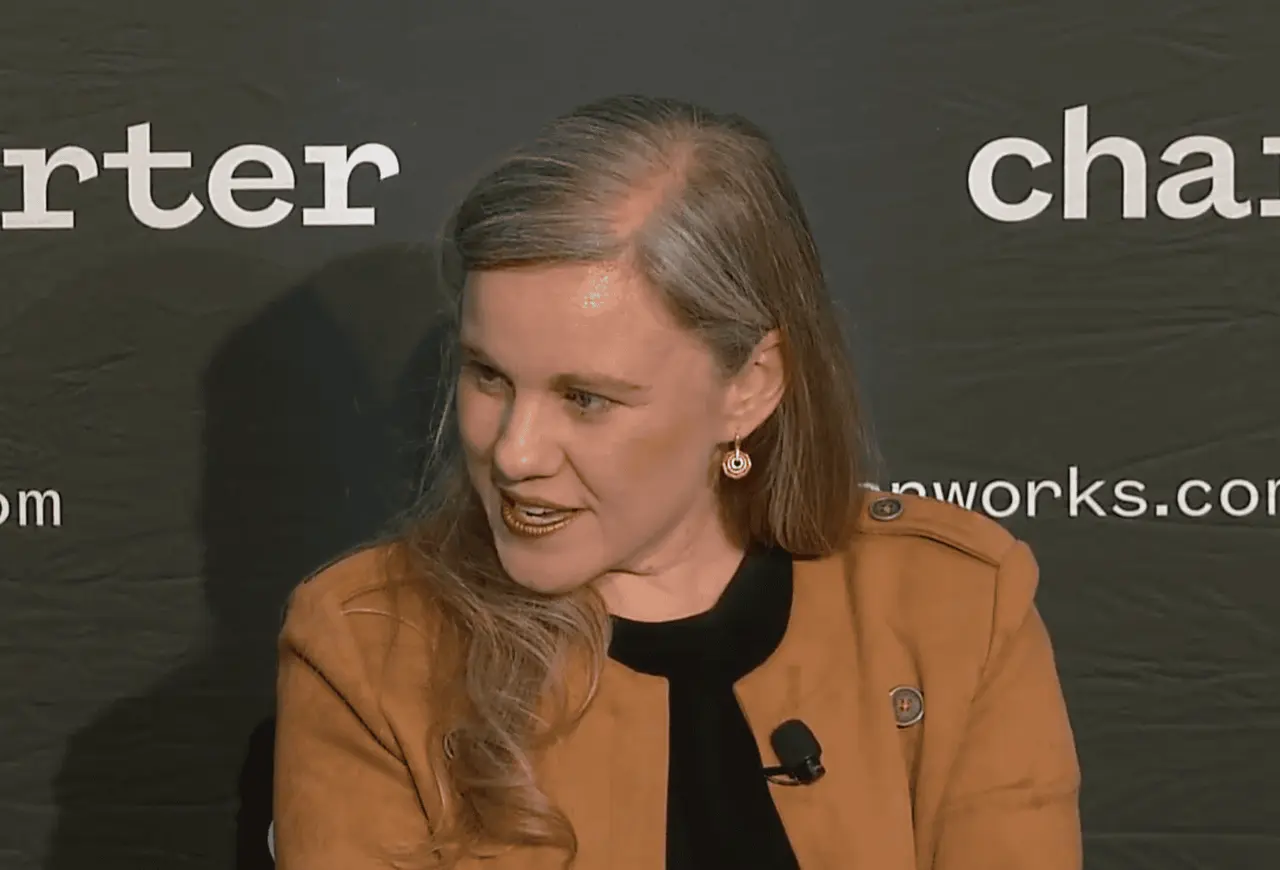
While much of corporate America grapples with AI-driven workforce reductions, IBM is charting a different course. The hardware giant plans to triple entry-level hiring in the U.S. in 2026, a bold move announced by Nickle LaMoreaux, IBM's chief human resources officer, at Charter's Leading With AI Summit
1
3
. "And yes, it's for all these jobs that we're being told AI can do," LaMoreaux stated, directly addressing concerns about automation eliminating opportunities for new graduates2
. The expansion will affect departments across the board, though IBM declined to disclose specific hiring figures3
.
Source: diginomica
Redefining Entry-Level Jobs for the AI Era
IBM isn't simply restoring old hiring practices. The company acknowledges that AI jobs have fundamentally changed what entry-level roles look like. LaMoreaux explained that she overhauled job descriptions to shift focus away from tasks prone to automation, like coding, toward human-centric skills such as engaging with customers
1
. "The entry-level jobs that you had two to three years ago, AI can do most of them," she told attendees at the Charter AI Summit3
. Junior software developers now spend less time on routine coding and more time working with customers to define project requirements2
. In HR departments, entry-level staffers intervene when chatbots fall short, correcting output and talking to managers rather than fielding every question themselves3
. These workers essentially become middle managers, acting as intermediaries between AI systems and higher-level decision makers2
.
Source: ET
Building a Talent Pipeline Against Industry Trends
The strategic reasoning behind IBM's workforce strategy centers on long-term value over short-term cost savings. LaMoreaux argued that slashing early-career recruitment creates a future scarcity of mid-level managers and experienced workers
2
. Without internal development, companies must poach talent from competitors at roughly a 30% premium, and these external hires typically take longer to acclimate to company culture and systems5
3
. IBM CEO Arvind Krishna reinforced this commitment in an October interview with CNN, stating, "I expect we are probably going to hire more people out of college over the next 12 months than we have in the past few years"2
. This represents a notable shift for IBM, which cut about 1% of its 270,000-person workforce in 2025 driven by business demand5
.
Source: PYMNTS
Related Stories

AI's Impact on the Job Market Remains Uncertain
The move comes as anxiety grows about AI and workforce transformation. An MIT study in 2025 estimated that 11.7% of jobs could already be automated by AI
1
. Anthropic CEO Dario Amodei warned that up to half of entry-level jobs may vanish by 2030, while Microsoft's head of AI suggested white-collar jobs could disappear in less than two years2
. A Korn Ferry report found that one-third of companies plan to replace entry-level roles with AI4
. However, some executives view younger workers' AI fluency as a competitive advantage. Melanie Rosenwasser, chief people officer at Dropbox, described their proficiency at the Leading with AI summit: "It's like they're biking in the Tour de France and the rest of us still have training wheels"3
. Dropbox is expanding its internship and graduate training programs by 25% to capitalize on this AI nativism . An EY survey of 240 financial services CEOs found that 60% said AI investment would lead to maintaining or increasing headcount, while 28% expected workforce reductions5
. LaMoreaux believes companies that invest in entry-level talent now will be best positioned for success: "The companies three to five years from now that are going to be the most successful are those companies that doubled down on entry-level hiring in this environment"4
. As 2026 unfolds, IBM's approach offers a test case for whether human judgment and customer interaction tasks remain essential in an increasingly automated workplace.References
Summarized by

Navi
Related Stories
IBM CEO Arvind Krishna Unveils AI Strategy: Integrating Agents, Boosting Investment, and Reshaping Workforce
06 May 2025•Business and Economy

AI's Impact on Entry-Level Jobs: A Growing Challenge for Recent Graduates
08 Aug 2025•Business and Economy

AI's Impact on Entry-Level Jobs: Challenges and Opportunities for Gen Z
19 Jun 2025•Technology

Recent Highlights
1
AI Models Lie and Deceive to Protect Other AI Models From Deletion, Study Reveals
Science and Research

2
AI chatbots validate you too much, making you less kind to others, Stanford study reveals
Science and Research

3
Judge blocks Pentagon from blacklisting Anthropic over AI safety guardrails dispute
Policy and Regulation

Recent Highlights
Today's Top Stories




Your Daily Dose of Curated AI News
Don’t drown in AI news. We cut through the noise - filtering, ranking and summarizing the most important AI news, breakthroughs and research daily. Spend less time searching for the latest in AI and get straight to action.

