Intel commits to annual GPU releases with Xe graphics architecture, but AI takes priority


2 Sources
2 Sources
[1]
Intel is still committed to evolving its Xe graphics architecture, though it's only talking about AI data centers right now
With Core Ultra 300-series processors (ie Panther Lake) showing that Intel's engineers are on top form right now, it's only natural that some PC enthusiasts are now looking ahead to what might come next, especially in the world of GPUs. At a recent conference, Team Blue provided some hints as to where its graphics chips will be heading, but with the focus being entirely on AI, it might look like the gaming market is being totally ignored. Intel shared on X a brief video of Anil Nanduri, vice president of its data centre AI accelerators division, explaining the roadmap for Xe GPUs (via Overclock3D), though it's not overly stuffed with content. For example, the forthcoming X3P-powered Crescent Island GPU was announced last October, and the same architecture is expected to make an appearance in desktop Nova Lake processors later this year. What's coming after that? "Xe Next" in "next-gen inference-optimized GPU & Shores product line." Given the vast amounts of money still being thrown at AI, it's obvious that Intel will still develop its GPU architecture, with a natural focus on that sector, and while it's also safe to assume that the developments will cascade into other fields, it doesn't automatically mean we're going to see a new round of Arc graphics cards (i.e. the much hoped-for Celestial series). Some variant of Xe Next will almost certainly appear in the form of an iGPU in a future desktop and mobile CPU, but sales of those products are almost guaranteed. It's a different matter when it comes to graphics cards, though, because Intel only has a minuscule share of the discrete GPU market. The Arc B580 (and its cut-down cousin, the B570) is a really solid card, though it's no longer competitive on price. You're looking at spending $300 at Amazon for an Acer model, which is the same as a GeForce RTX 5060 ($299 at Walmart). While it does have 50% more VRAM than Nvidia's second-lowest tier Blackwell card, it doesn't perform as well. And that's the best graphics card Intel currently offers PC gamers, so it's not surprising that it has not managed to pull more shoppers away from choosing AMD or Nvidia. With AI currently being a pot of infinite gold, and PC gaming being a scruffy old purse with a few coins rattling around inside, there's very little incentive for Intel to make a concerted push at bringing Xe Next to the consumer GPU market. Nvidia clearly designs its graphics architecture for AI first these days, then iterates it into something for the general public, and it looks like Intel is now doing the same thing. However, GeForce RTX cards can be found at almost every price point, and Team Blue's lack of progress in the gaming GPU market is partly because it has so few offerings. If there were Arc alternatives to the RTX 5060 Ti or the Radeon RX 9070 XT, for example, it might help to get Xe into a wider user base. Intel worked hard at improving its drivers and overall software package, and XeSS is now generally regarded as being superior to AMD's FSR 3 (especially now that any Arc GPU can do multi-frame generation). Xe Next wouldn't necessarily make its upscaling and frame gen technologies any better, but they don't need to be: We just need more Arc models, with more shaders for greater performance. I suspect that Intel won't make a move in the discrete graphics card market until things begin to settle in the global memory crisis. Arc GPUs are historically rather large, not least because of all the AI-crunching matrix units they sport, making them quite expensive to make, but that was somewhat offset in the past by using simple, cheap GDDR6 VRAM. Until video DRAM becomes affordable again, Intel probably won't even consider the notion of a big Xe3P or Xe Next gaming GPU. For AI, though, it'll want to churn them out at every level because it knows it can slap an almighty price tag onto the cards. After all, that's what it's expected to be doing with 'Big Battlemage', but all gamers are getting are thoughts on what could have been.
[2]
Intel locks GPUs into yearly releases, with Xe3P and Xe-Next
Intel has confirmed a major change to its GPU roadmap: graphics architectures and product updates are shifting to an annual cycle. That applies to both client-side graphics used in mainstream PCs and to the company's data center accelerator products. The practical message is simple: Intel wants a predictable "every year" progression, rather than the stop-start cadence that can leave parts of a graphics stack waiting multiple years for a meaningful refresh. In the near term, Xe3P is positioned as the next release and is expected later this year. Rather than describing it as a small stepping-stone, the coverage frames Xe3P as a bridge generation that supports multiple directions at once. On one side is Crescent Island, presented as an AI inference-targeted solution. A key detail is the memory choice: LPDDR is called out as the basis for these inference designs, implying Intel is aiming for a combination of controlled cost, lower power draw, and adequate bandwidth for inference workloads that value efficiency and deployment density. This is a different memory posture than the all-out approach used by top-tier accelerator cards, but it lines up with the market reality that "inference" spans everything from edge deployments to cost-sensitive racks, not just the flagship HBM monsters. On the client platform front, Xe3P is also tied to Nova Lake, which is expected to arrive as Core Ultra Series 4 in desktop and mobile variants. The report suggests Intel will segment iGPU implementations: desktop processors would integrate a more streamlined Xe3P configuration, while mobile systems are where the architecture is expected to be deployed more fully. If that plays out, it would be consistent with how vendors often allocate bigger iGPU footprints to mobile platforms that benefit from stronger graphics in thinner devices, while desktops lean more heavily on discrete GPUs when performance matters. Looking a year further, Intel says it will transition to Xe-Next (previously referenced as Xe4) and keep the annual cadence intact. Xe-Next is expected to span both inference products and higher-end compute lines, including the Jaguar Shores AI/HPC direction. The report outlines a split strategy for memory: inference solutions continue using LPDDR, while higher-end acceleration shifts to next-generation HBM for bandwidth-heavy workloads. Finally, Intel's consumer graphics pipeline continues in parallel, with a new Arc generation in development that would replace the Arc B series. The report suggests this could land as an Arc C family tied to the Celestial codename, covering both integrated and discrete implementations.
Share
Share
Copy Link
Intel has confirmed a shift to annual releases for its GPU lineup, with Xe3P arriving later this year and Xe-Next following in 2026. The focus centers heavily on AI inference-targeted solutions and data center accelerators, while the future of Arc consumer gaming cards remains unclear despite ongoing architectural development.
Intel GPU Roadmap Shifts to Predictable Annual Cadence
Intel has confirmed a major strategic shift for its graphics division, committing to an annual release cycle for its GPUs across both client-side and data center products
2
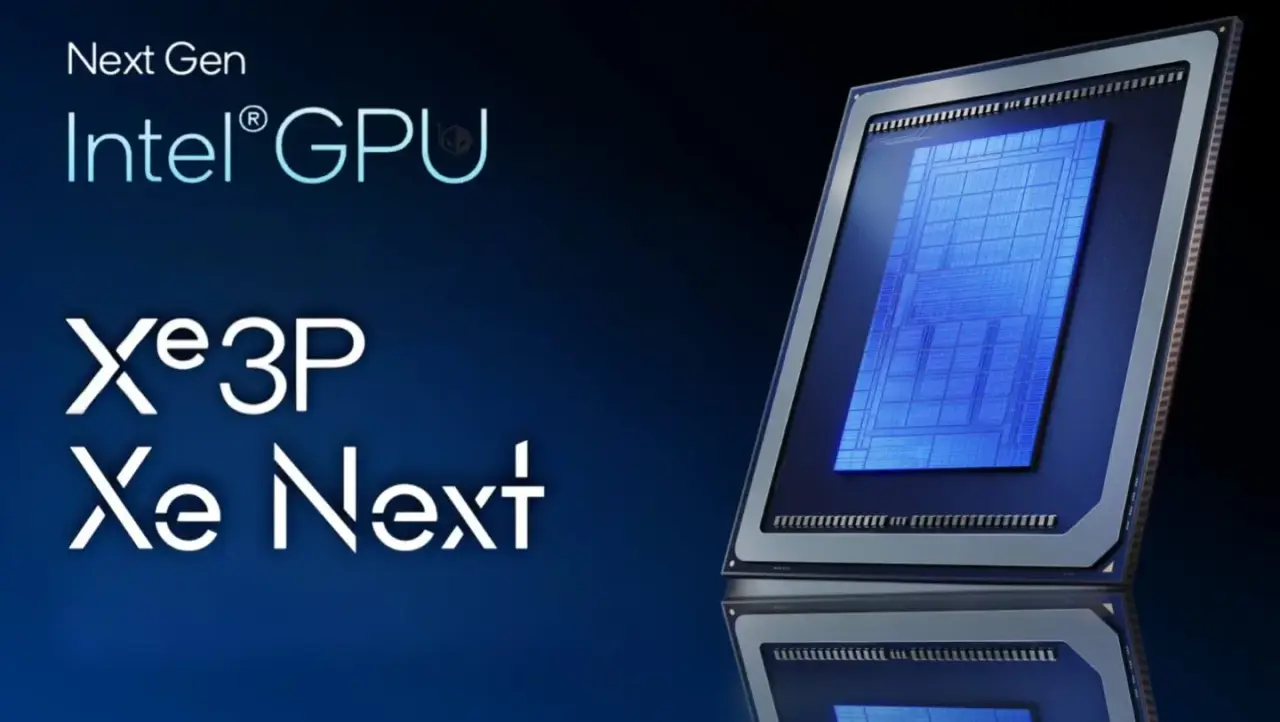
. The move abandons the stop-start cadence that previously left parts of the graphics stack waiting multiple years for meaningful updates. At a recent conference, Anil Nanduri, vice president of Intel's data center AI accelerators division, outlined the roadmap for Xe graphics architecture, though the presentation focused almost entirely on AI data center applications rather than consumer gaming needs1
.
Source: Guru3D
The immediate future brings Xe3P, positioned as a bridge generation expected later this year. Rather than a minor stepping-stone, Xe3P will support multiple product directions simultaneously, including the Crescent Island AI inference-targeted solution announced last October
2
. This approach signals Intel's determination to compete in the lucrative AI market where vast amounts of money continue flowing into infrastructure development.Xe3P Powers Nova Lake Processors with Segmented iGPU Strategy
The same Xe3P architecture will appear in Nova Lake desktop processors, expected to launch as Core Ultra Series 4 in both desktop and mobile variants later this year
1
. Intel plans to segment iGPU implementations across platforms, with desktop processors receiving more streamlined Xe3P configurations while mobile systems get fuller architectural deployments2
. This allocation strategy aligns with industry patterns where mobile platforms benefit from stronger integrated graphics in thinner devices, while desktop users typically rely on discrete options for serious performance.For Crescent Island specifically, Intel has chosen LPDDR memory as the foundation for these inference workloads, suggesting a focus on controlled costs, lower power consumption, and adequate bandwidth for deployment density rather than flagship performance
2
. This memory posture differs sharply from the HBM-equipped accelerator cards dominating the highest tiers but reflects market realities where inference spans everything from edge deployments to cost-sensitive data center racks.Xe-Next Targets 2026 with Split Memory Strategy
Looking beyond Xe3P, Intel's roadmap points to Xe-Next as the successor generation, maintaining the annual cadence with an expected arrival in 2026. Previously referenced as Xe4, Xe-Next will span both future inference-optimized GPUs and higher-end compute lines including the Jaguar Shores AI and HPC direction
2
. The architecture will employ a split memory strategy: inference solutions continue using LPDDR for efficiency, while bandwidth-heavy acceleration workloads shift to next-generation HBM2
.Given the vast financial incentives in AI infrastructure, Intel's emphasis on data center applications makes business sense. Nvidia clearly designs its graphics architecture for AI first these days, then iterates versions for consumers, and Intel appears to be following the same playbook
1
. The difference is that Nvidia maintains GeForce RTX cards at almost every price point, while Intel struggles with minimal discrete market share.Related Stories


Consumer Gaming GPU Market Prospects Remain Uncertain
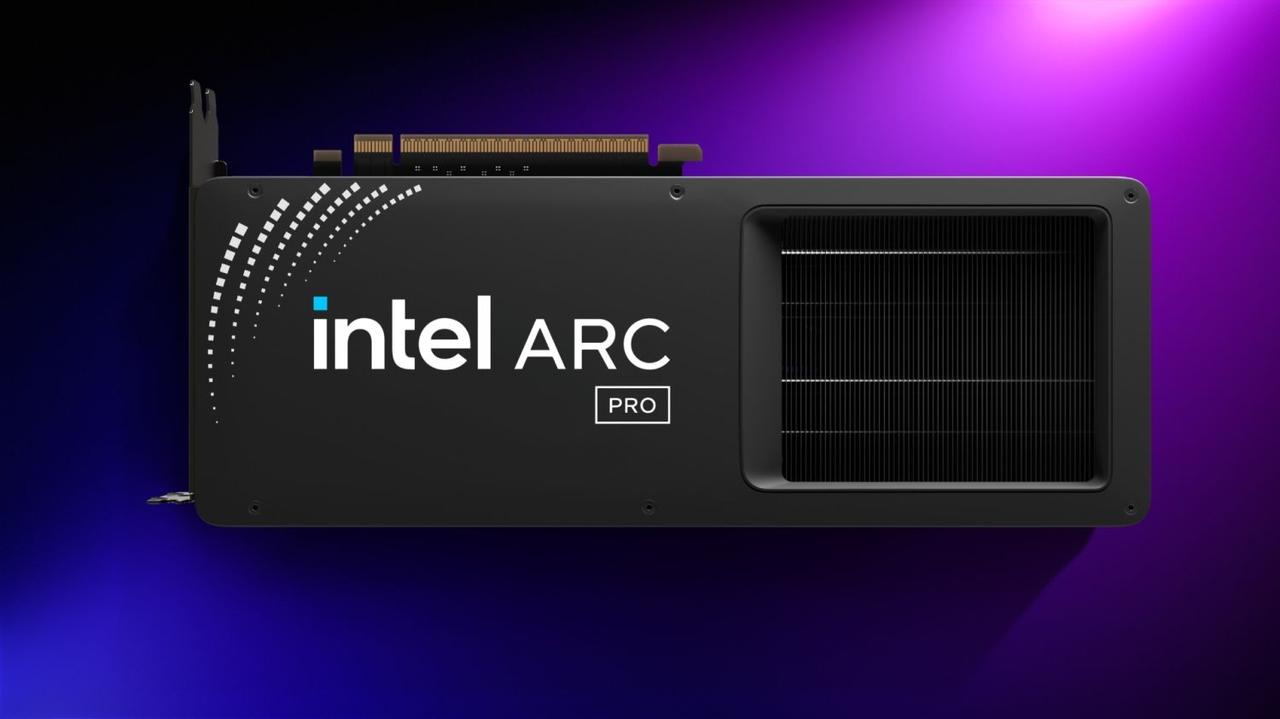
Despite ongoing Intel's Xe graphics architecture evolution, the outlook for a new Arc consumer GPU generation remains murky. The Arc B580 and its cut-down B570 variant represent Intel's best current gaming offerings, but the B580 now costs $300 at retailers—matching the GeForce RTX 5060's $299 price point
1
. While Intel's card offers 50% more VRAM than Nvidia's second-lowest tier Blackwell option, it doesn't match performance levels, leaving little reason for shoppers to abandon AMD or Nvidia.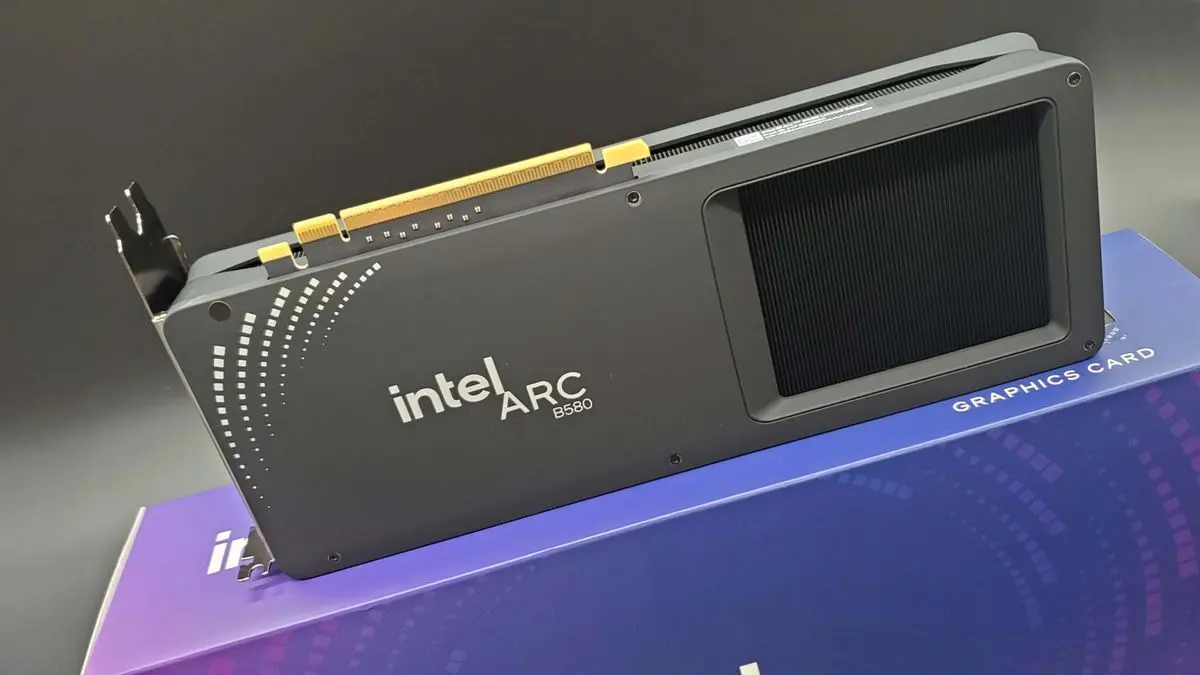
Source: PC Gamer
Reports suggest a new Arc generation tied to the Celestial codename could eventually arrive as an Arc C family, covering both integrated and discrete implementations
2
. However, Intel likely won't make aggressive moves in discrete graphics until the global memory crisis settles. Arc GPUs are historically large due to AI-crunching matrix units, making them expensive to manufacture—a cost previously offset by using simple, cheap GDDR6 VRAM1
.Intel has worked hard improving drivers and software, with XeSS now generally regarded as superior to AMD's FSR 3, especially with multi-frame generation capabilities across any Arc GPUs . The technology doesn't need improvement—gamers simply need more Arc models with additional shaders for greater performance across more price tiers. Until video DRAM becomes affordable again, Intel probably won't consider large Xe3P or Xe-Next gaming implementations, focusing instead on AI products where premium pricing justifies production costs .
References
Summarized by

Navi
Related Stories
Recent Highlights
1
Apple Plans Major Siri AI Overhaul in iOS 27 With Third-Party Chatbot Integration
Technology

2
OpenAI shuts down Sora after six months, ending Disney's $1 billion licensing partnership
Technology

3
AI chatbots validate you too much, making you less kind to others, Stanford study reveals
Science and Research

Recent Highlights
Today's Top Stories





Your Daily Dose of Curated AI News
Don’t drown in AI news. We cut through the noise - filtering, ranking and summarizing the most important AI news, breakthroughs and research daily. Spend less time searching for the latest in AI and get straight to action.

