Meta introduces charges for AI chatbots on WhatsApp after Italy's competition watchdog intervenes


2 Sources
2 Sources
[1]
WhatsApp will now charge AI chatbots to operate in Italy
Meta announced Wednesday that it will charge developers for running chatbots on WhatsApp in regions where regulators are forcing the company to allow them. The move comes after the company's ban on third-party chatbots on WhatsApp took effect on January 15. For now, Meta will charge developers in Italy, where the country's competition watchdog asked the company to suspend its policy last December. The company said that the new pricing for non-template responses will begin on February 16. Meta plans to charge $0.0691/ €0.0572 / £0.0498 per message to developers for AI responses. This could result in steep bills for developers if users are exchanging thousands of queries with AI chatbots every day. Earlier this month, Meta sent notices to developers creating an exemption for Italian phone numbers and allowing AI chatbots to serve those customers. At that time, the company didn't mention any plans to charge developers. Currently, WhatsApp already charges companies for using its API for various template responses to customers, which include use cases like marketing, utility, or authentication. This includes messages users receive about payment reminders and shipping updates. "Where we are legally required to provide AI chatbots through the WhatsApp business API, we are introducing pricing for the companies that choose to use our platform to provide those services," a Meta spokesperson told TechCrunch. This could also establish a precedent for other geographies if Meta has to cave in and allow developers to operate their chatbots. Meta first announced this past October that it would block all third-party AI chatbots from using WhatsApp through its WhatsApp Business API. Meta said its systems weren't designed to handle responses from AI bots and were being strained. "The emergence of AI chatbots on our Business API put a strain on our systems that they were not designed to support. This logic assumes WhatsApp is somehow a de facto app store. The route to market for AI companies is the app stores themselves, their websites, and industry partnerships; not the WhatsApp Business Platform," the company said at that time. Since then, various regions, including the EU, Italy, and Brazil, have started anticompetitive probes. Brazil's watchdog initially asked Meta to suspend the policy. However, a court in Brazil sided with Meta last week and overturned the preliminary order blocking the new policy. As a result, the company has asked developers not to provide their AI chatbots to users in Brazil, TechCrunch has learned. Since the policy has kicked in, developers are forced to send a pre-defined message to users of their AI chatbot on WhatsApp to redirect them to their site or app. Providers like OpenAI, Perplexity, and Microsoft announced last year that their WhatsApp bots would not work after January 15, urging users to access them on other platforms.
[2]
Italy becomes test case for Meta's third-party AI chatbot pricing model
Meta announced Wednesday it will charge developers for AI chatbots on WhatsApp in regions where regulators require access, starting with Italy after its competition watchdog requested suspension of the company's ban in December. Pricing for non-template responses begins February 16. The pricing stands at $0.0691, €0.0572, or £0.0498 per message for AI responses delivered through the WhatsApp Business API. Developers face potential high costs if users send thousands of queries daily to these chatbots. Earlier this month, Meta notified developers of an exemption for Italian phone numbers, permitting AI chatbots to serve those customers without mentioning charges at the time. WhatsApp currently charges companies for template responses via its API. These templates cover marketing messages, utility notifications, and authentication prompts. Examples include payment reminders and shipping updates sent to users. The new fees target non-template AI responses mandated by regulators. A Meta spokesperson stated to TechCrunch, "Where we are legally required to provide AI chatbots through the WhatsApp business API, we are introducing pricing for the companies that choose to use our platform to provide those services." This policy applies specifically to compelled regions. In October of the previous year, Meta first declared it would block all third-party AI chatbots from the WhatsApp Business API. The company explained its systems lacked design for handling AI-generated responses. Meta detailed at the time, "The emergence of AI chatbots on our Business API put a strain on our systems that they were not designed to support. This logic assumes WhatsApp is somehow a de‑facto app store. The route to market for AI companies is the app stores themselves, their websites, and industry partnerships; not the WhatsApp Business Platform." The ban activated on January 15 of the current year. Since implementation, developers must send a pre-defined message to WhatsApp users interacting with their AI chatbots. This message directs users to the developer's website or app for continued access. Regulatory scrutiny followed the October announcement. Italy's competition watchdog requested Meta suspend the policy in December last year. Various regions, including the European Union, Italy, and Brazil, initiated anticompetitive probes. In Brazil, the watchdog initially sought suspension, but a court overturned that preliminary order last week, ruling in Meta's favor. Consequently, Meta instructed developers not to offer AI chatbots to Brazilian users. Providers responded to the impending ban last year. OpenAI, Perplexity, and Microsoft informed users their WhatsApp bots would cease functioning after January 15. These companies directed users to access services via other platforms, such as app stores, websites, or partnerships. The Italy-specific allowance emerged from the watchdog's intervention, leading to the recent notices and now the pricing structure. Meta's approach differentiates between voluntary template messaging, already fee-based, and regulator-forced AI chatbot operations.
Share
Share
Copy Link
Meta announced it will charge developers $0.0691 per message for running AI chatbots on WhatsApp in Italy, starting February 16. The move follows intervention by Italy's competition watchdog after Meta banned third-party AI chatbots in January. This pricing model could set a precedent for other regions facing similar regulatory pressure.
Meta introduces AI chatbot pricing model after regulatory intervention
Meta announced Wednesday it will begin charging developers for operating AI chatbots on WhatsApp in regions where regulators are forcing the company to allow them
1
. The decision marks a significant shift in how platform providers manage third-party AI chatbots and could establish a precedent for similar situations globally. Italy becomes the first test case for this AI chatbot pricing model, with charges set to begin on February 162
.
Source: TechCrunch
WhatsApp Business API faces new fee structure
The pricing structure targets non-template responses delivered through the WhatsApp Business API. Meta will charge developers $0.0691, €0.0572, or £0.0498 per message for AI responses
1
. This charge per message for AI responses could result in steep bills for developers if users exchange thousands of queries with AI chatbots daily. The new fees differ from existing charges for template responses, which WhatsApp already applies to marketing messages, utility notifications, and authentication prompts like payment reminders and shipping updates2
.Italy's competition watchdog forces exemption
The move comes after Italy's competition watchdog requested Meta suspend its policy banning third-party AI chatbots in December
1
. Earlier this month, Meta sent notices to developers creating an exemption for Italian phone numbers, allowing AI chatbots to serve those customers. At that time, the company didn't mention plans for charging developers. A Meta spokesperson stated, "Where we are legally required to provide AI chatbots through the WhatsApp business API, we are introducing pricing for the companies that choose to use our platform to provide those services"2
.Global ban triggers regulatory scrutiny across regions
Meta first announced in October that it would implement a global ban on all third-party AI chatbots from using the WhatsApp Business Platform through its API. The company explained its systems weren't designed to handle responses from AI bots and were being strained. "The emergence of AI chatbots on our Business API put a strain on our systems that they were not designed to support. This logic assumes WhatsApp is somehow a de facto app store. The route to market for AI companies is the app stores themselves, their websites, and industry partnerships; not the WhatsApp Business Platform," Meta stated
1
. The ban took effect on January 15, forcing developers to send pre-defined messages to users redirecting them to their websites or apps.Related Stories

Regulatory pressure mounts from European Union and Brazil
Since the October announcement, various regions including the European Union, Italy, and Brazil have initiated anticompetitive probes
1
. Brazil's competition watchdog initially asked Meta to suspend the policy, but a court sided with Meta last week and overturned the preliminary order. As a result, Meta has instructed developers not to provide AI chatbots to users in Brazil2
. Platform providers like OpenAI, Perplexity, and Microsoft announced last year their WhatsApp bots would cease functioning after January 15, urging users to access them on other platforms.Industry watches for broader implications
The Italy-specific pricing model could shape how Meta responds to regulators in other markets. Developers now face a critical decision: absorb the per-message costs or redirect users entirely away from the WhatsApp Business Platform. For AI companies relying on messaging platforms to reach users, these charges represent a new operational challenge that could influence their distribution strategies. As regulatory pressure continues across multiple jurisdictions, the industry will closely monitor whether other regions adopt similar mandates and whether Meta extends this pricing structure beyond Italy.
References
Summarized by

Navi
[1]
Related Stories
Meta opens WhatsApp to rival AI chatbots in Europe and Brazil, but developers balk at pricing
05 Mar 2026•Policy and Regulation

Italy Orders Meta to Suspend WhatsApp Policy Blocking Rival AI Chatbots from Platform
24 Dec 2025•Policy and Regulation

WhatsApp exempts Brazil and Italy from controversial AI chatbot ban amid antitrust scrutiny
12 Jan 2026•Policy and Regulation

Recent Highlights
1
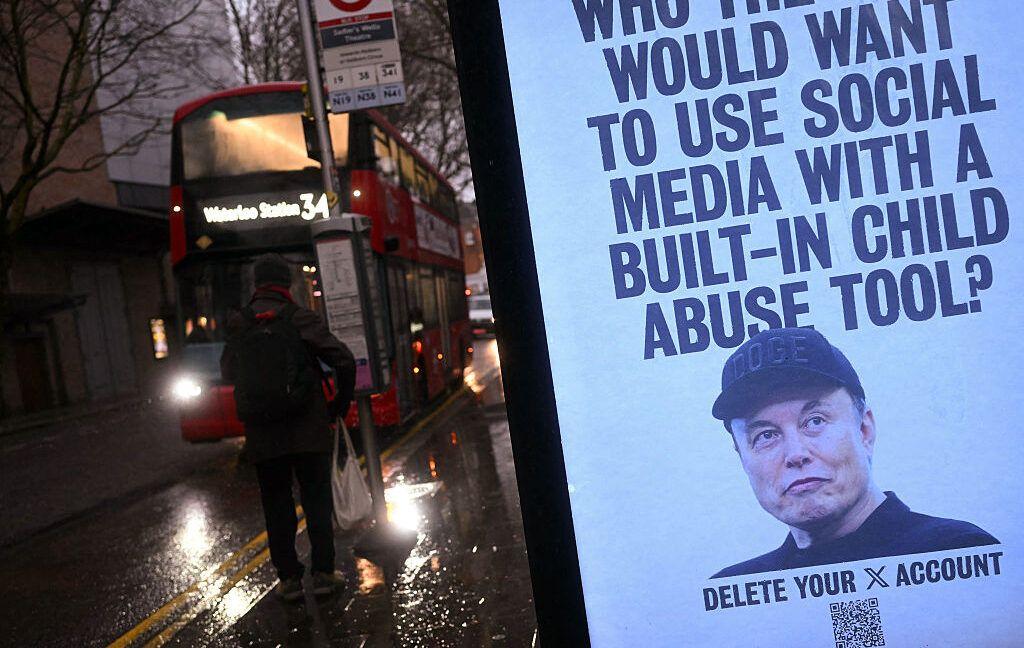
Tennessee Teens Sue Elon Musk's xAI Over Grok AI-Generated Child Abuse Images
Policy and Regulation
2
Pentagon designates Palantir Maven AI as core US military system in major defense shift
Technology
3
Supermicro Co-Founder Indicted in $2.5 Billion Nvidia AI Chip Smuggling Scheme to China
Policy and Regulation

Recent Highlights
Today's Top Stories









Your Daily Dose of Curated AI News
Don’t drown in AI news. We cut through the noise - filtering, ranking and summarizing the most important AI news, breakthroughs and research daily. Spend less time searching for the latest in AI and get straight to action.

