Meta slashes employee stock awards by 5% as Zuckerberg channels billions into AI infrastructure


4 Sources
4 Sources
[1]
Zuckerberg cuts Meta employee bonuses by 5%, follows 10% reduction last year, despite AI splurge -- $130 billion capex vision and eye-watering AI pay packages force efficiency elsewhere in the business
Meta has reportedly reduced the stock options that staff received by 5%, following a 10% reduction in the same bonus from the year before. According to the Financial Times, this move comes as the company is spending billions of dollars on capital expenditures while also offering salaries of up to $2 million, $100 million bonuses, and even a reported $1.25 billion offer to a particular individual to shore up its AI talent. The company calls its stock option awards equity refreshers, and they're given to most of its employees on top of base salaries and annual cash bonuses. The equity award is adjusted based on industry trends, but Meta still aims to deliver one of the largest pay packages in its area. Despite the stock cuts, it has also revamped its performance review system, with the highest achievers reportedly getting a larger reward. Because of this, the company's overall remuneration is actually expected to increase even with the reduction in bonuses. Meta is pushing to outcompete OpenAI, Google, xAI, among others, to develop the most advanced large language models (LLMs) and eventually build its own artificial general intelligence. So, aside from the large amounts of money it's throwing at AI engineers and scientists, it's also going big on AI infrastructure. In 2025, it announced a plan to spend at least $65 billion on data centers, including a 2GW site with over 1.3 million Nvidia AI GPUs. It also started putting these AI processors in tents for faster deployment, with Zuckerberg announcing a data center site that's as big as Manhattan. To power all these projects, Meta inked a deal for 6 gigawatts of nuclear power earlier this year -- enough to deliver the electricity needs of 5 million homes. But even as Mark Zuckerberg is pushing headfirst into AI, investors are getting jittery about the amount of money being spent on the technology. Because of this, the company is also trimming its less performant units. In January 2026, its metaverse division slashed 1,500 jobs, while it also let go of about 8,000 workers last year -- a part of the 100,000 tech industry positions caught in layoffs as of mid-2025. There were some complaints in Meta's anonymous employee messaging board about the bonus cuts. "Another reduction. I guess that's what I get for trying! Bye Meta!" one comment said, as per the Financial Times. Another one wrote, "Cutting my work hours 5%." Nevertheless, the company still has one of the best pay packages in the industry. If you pair that with the uncertainty of white-collar jobs over the threat of AI, it's unlikely that Meta will see a mass exodus of its workers anytime soon. Follow Tom's Hardware on Google News, or add us as a preferred source, to get our latest news, analysis, & reviews in your feeds.
[2]
Meta cuts stock awards by 5% for most employees to fund AI goals, FT reports
Feb 19 (Reuters) - Meta (META.O), opens new tab reduced its annual distribution of stock options by about 5% for most of its staff, as CEO Mark Zuckerberg ploughs billions of dollars into its artificial intelligence goals, the Financial Times reported on Thursday. The Facebook parent did not immediately respond to a request for comment. Reuters could not independently verify the report. Meta and other Big Tech companies are competing to outbuild each other with massive data centers to get ahead in Silicon Valley's heated AI race. The social media company expects capital expenditure for 2026 to be between $115 billion and $135 billion. Meta has slashed equity-based awards for the bulk of its employees for the second year in a row, the report said, citing people familiar with the matter. Last year, the company had cut the stock award by roughly 10%, which shocked some staff at the time, according to the report. Reporting by Jaspreet Singh in Bengaluru; Editing by Alan Barona Our Standards: The Thomson Reuters Trust Principles., opens new tab
[3]
Meta Slashes Employee Equity For Second Year As Mark Zuckerberg-Led Tech Giant Gears Up To Fund Mega $135 Billion 'Superintelligence' Infrastructure - Meta Platforms (NASDAQ:META)
Meta Platforms Inc. (NASDAQ:META) has reduced annual stock awards for the majority of its workforce by approximately 5%, marking the second consecutive year of equity cuts as the company reallocates billions toward Artificial Intelligence. Funding The AI Arms Race The move of slashing stock awards comes as CEO Mark Zuckerberg prepares for a massive infrastructure expansion, with 2026 capital expenditure projected to reach a record-high range of $115 billion to $135 billion. The reduction in employee compensation, first reported by the Financial Times, follows a more substantial 10% cut to stock grants last year. The savings are being funneled directly into "Meta Superintelligence Labs," a core initiative aimed at developing AI that can outperform human capabilities. "This is going to be a big year for delivering personal superintelligence," Zuckerberg told investors during the fourth-quarter earnings call. He emphasized that Meta would "continue to invest very significantly in infrastructure to train leading models." Gigawatt-Scale Ambitions Meta's $135 billion spending goal -- a figure that rivals the entire annual budget of New York State -- is primarily driven by the construction of gigawatt-scale data centers. These massive facilities, described by Zuckerberg as having the "energy footprint of a small city," are essential for the computational power required by next-generation AI. Shifting From Metaverse To Wearables The pivot to AI has also led to internal restructuring. Meta recently laid off 10% of its Reality Labs division, which has incurred over $70 billion in losses since 2021. The company is reportedly shifting resources away from pure virtual reality toward AI-powered wearables and "personal superintelligence" products. Meta Declines In 2026 Shares of META have declined by 0.87% year-to-date, while the Nasdaq 100 index was down by 1.62% in the same period. The stock was 14.20% lower over the last six months and 8.38% over the year. META maintains a weaker price trend over the long, short, and medium terms, with a solid quality ranking, as per Benzinga's Edge Stock Rankings. Disclaimer: This content was partially produced with the help of AI tools and was reviewed and published by Benzinga editors. Photo Courtesy: gguy on Shutterstock.com Market News and Data brought to you by Benzinga APIs To add Benzinga News as your preferred source on Google, click here.
[4]
Meta cuts stock awards by 5% for most employees to fund AI goals, FT reports
Feb 19 (Reuters) - Meta reduced its annual distribution of stock options by about 5% for most of its staff, as CEO Mark Zuckerberg ploughs billions of dollars into its artificial intelligence goals, the Financial Times reported on Thursday. The Facebook parent did not immediately respond to a request for comment. Reuters could not independently verify the report. Meta and other Big Tech companies are competing to outbuild each other with massive data centers to get ahead in Silicon Valley's heated AI race. The social media company expects capital expenditure for 2026 to be between $115 billion and $135 billion. Meta has slashed equity-based awards for the bulk of its employees for the second year in a row, the report said, citing people familiar with the matter. Last year, the company had cut the stock award by roughly 10%, which shocked some staff at the time, according to the report. (Reporting by Jaspreet Singh in Bengaluru; Editing by Alan Barona)
Share
Share
Copy Link
Meta has cut employee stock awards by 5% for the second consecutive year, following a 10% reduction in 2025. The move frees up resources as CEO Mark Zuckerberg plans to spend up to $135 billion on AI infrastructure in 2026, including gigawatt-scale data centers and over 1.3 million Nvidia AI GPUs, while offering eye-watering compensation packages to secure top AI talent.
Meta Reduces Stock Awards to Fund Massive AI Investment
Meta has reduced annual employee stock awards by approximately 5% for most of its workforce, marking the second consecutive year of equity cuts as CEO Mark Zuckerberg redirects billions toward artificial intelligence goals
1
2
. This follows a more substantial 10% cut to stock grants last year, which reportedly shocked some staff at the time2
. The company calls these stock option awards "equity refreshers," and they're distributed to most employees on top of base salaries and annual cash bonuses1
. Despite the reduction in Meta employee bonuses, the company has revamped its performance review system, with the highest achievers reportedly receiving larger rewards, meaning overall remuneration is actually expected to increase .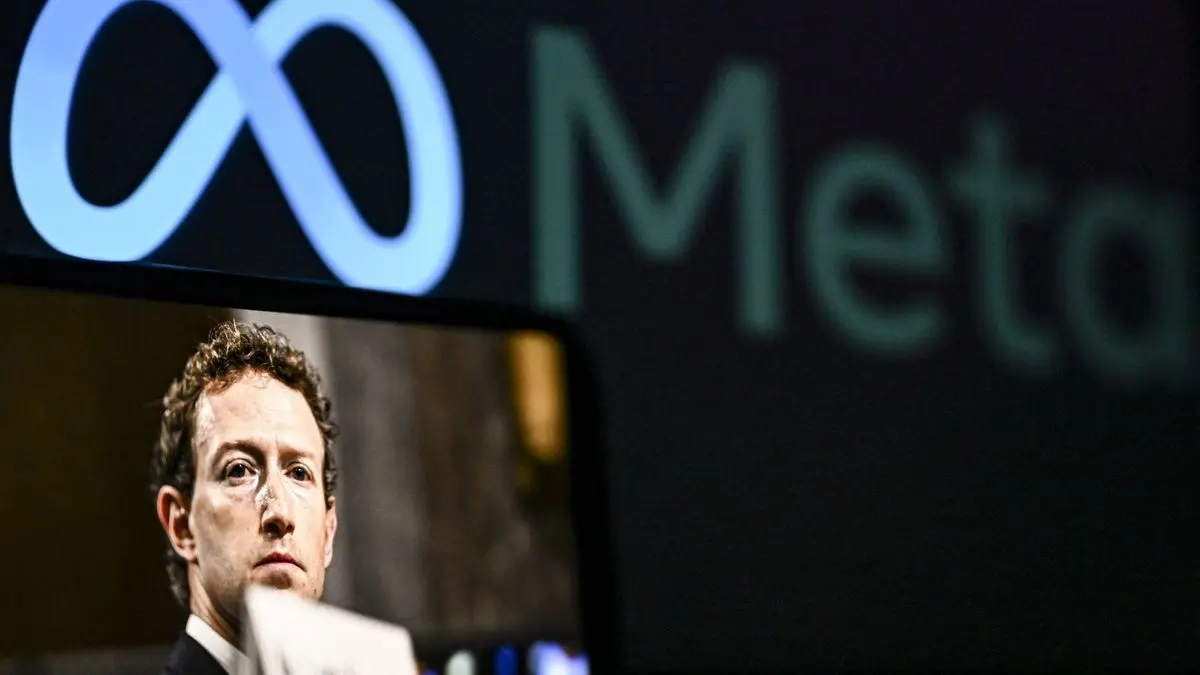
Source: Tom's Hardware
Record Capital Expenditure Drives AI Race Strategy
The social media company expects capital expenditure for 2026 to reach a record-high range of $115 billion to $135 billion, a figure that rivals the entire annual budget of New York State
2
3
. Meta and other Big Tech companies are competing to outbuild each other with massive data centers to get ahead in Silicon Valley's heated AI race2
. The savings from cuts stock awards are being funneled directly into "Meta Superintelligence Labs," a core initiative aimed at developing AI that can outperform human capabilities3
. Mark Zuckerberg told investors during the fourth-quarter earnings call that "this is going to be a big year for delivering personal superintelligence," emphasizing that Meta would "continue to invest very significantly in infrastructure to train leading models"3
.
Source: Reuters
Superintelligence Infrastructure and Talent Acquisition
Meta is pushing to outcompete OpenAI, Google, and xAI to develop the most advanced LLMs and eventually build its own AGI
1
. While funding AI initiatives through employee stock award reductions, the company is simultaneously offering salaries of up to $2 million, $100 million bonuses, and even a reported $1.25 billion offer to a particular individual to shore up its AI talent1
. In 2025, Meta announced plans to spend at least $65 billion on data centers, including a 2GW site with over 1.3 million Nvidia AI GPUs1
. The company also started deploying these AI GPUs in tents for faster deployment, with Zuckerberg announcing a data center site that's as big as Manhattan1
. To power all these projects, Meta inked a deal for 6 gigawatts of nuclear power earlier this year, enough to deliver the electricity needs of 5 million homes1
.Related Stories

Restructuring and Employee Response
Even as the company pursues its artificial intelligence goals, it's trimming less performant units to maintain efficiency. In January 2026, its metaverse division slashed 1,500 jobs, while it also let go of about 8,000 workers last year, part of the 100,000 tech industry positions caught in layoffs as of mid-2025
1
. The pivot to AI has also led Meta to shift resources away from Reality Labs, which has incurred over $70 billion in losses since 2021, toward AI-powered wearables and personal superintelligence products3
. There were complaints on Meta's anonymous employee messaging board about the bonus cuts. "Another reduction. I guess that's what I get for trying! Bye Meta!" one comment said, while another wrote, "Cutting my work hours 5%"1
. Nevertheless, the company still maintains one of the best pay packages in the industry, making a mass exodus of workers unlikely despite the uncertainty facing white-collar jobs from AI1
. Investors are growing jittery about the amount of money being spent on the technology, even as Meta shares have declined by 0.87% year-to-date and 14.20% over the last six months3
.References
Summarized by

Navi
[4]
Related Stories
Meta cuts 700 jobs across Reality Labs and recruiting as AI spending doubles to $135 billion
25 Mar 2026•Business and Economy

Meta plans to cut 20% of workforce as AI spending reaches $600 billion, mirroring broader tech trend
14 Mar 2026•Business and Economy
Meta Initiates Large-Scale Layoffs to Pivot Towards AI Talent Acquisition
11 Feb 2025•Business and Economy

Recent Highlights
1
Google releases Gemma 4 with Apache 2.0 license, enabling unrestricted local AI on devices
Technology
2
AI Models Lie and Deceive to Protect Other AI Models From Deletion, Study Reveals
Science and Research

3
OpenAI closes $122 billion funding round amid fierce AI competition and profitability questions
Startups

Recent Highlights
Today's Top Stories







Your Daily Dose of Curated AI News
Don’t drown in AI news. We cut through the noise - filtering, ranking and summarizing the most important AI news, breakthroughs and research daily. Spend less time searching for the latest in AI and get straight to action.

