Microsoft sets ambitious 2030 goal to eliminate C and C++ using AI-powered code translation


2 Sources
2 Sources
[1]
Microsoft wants to replace its entire C and C++ codebase
Microsoft wants to translate its codebase to Rust, and is hiring people to make it happen. "My goal is to eliminate every line of C and C++ from Microsoft by 2030," Microsoft distinguished engineer Galen Hunt wrote in a recent LinkedIn post. "Our strategy is to combine AI and Algorithms to rewrite Microsoft's largest codebases," he added. "Our North Star is '1 engineer, 1 month, 1 million lines of code.'" Hunt's post mentions a job ad for a Principal Software Engineer who will be expected to work on the tools Microsoft is building to pull this off. "The purpose of this ... role is to help us evolve and augment our infrastructure to enable translating Microsoft's largest C and C++ systems to Rust," Hunt wrote. Microsoft has already built some tools to make the move. "We've built a powerful code processing infrastructure," Hunt wrote. "Our algorithmic infrastructure creates a scalable graph over source code at scale. Our AI processing infrastructure then enables us to apply AI agents, guided by algorithms, to make code modifications at scale." Whoever gets the job will work within Microsoft's Future of Scalable Software Engineering group, a team Hunt says has a mission to "build capabilities to allow Microsoft and our customers to eliminate technical debt at scale." "We pioneer new tools and techniques with internal customers and partners, and then work with other product groups to deploy those capabilities at scale across Microsoft and across the industry," he wrote. Unlike C and C++, Rust is a memory-safe language, meaning it uses automated memory management to avoid out-of-bounds reads and writes, and use-after-free errors, as both offer attackers a chance to control devices. In recent years, governments have called for universal adoption of memory-safe languages - and especially Rust - to improve software security. Microsoft has also called for greater use of Rust. In 2022, the CTO of the company's Azure cloud called Rust to become the default language for new projects. Microsoft scientists have worked on a tool that automatically converts some C code to Rust. The software behemoth has also created tools to help developers write Windows drivers using Rust. Microsoft offers a vast array of products. The site MSportals.io lists over 500 active online portals for managing Microsoft products! The company also has a huge internal IT estate. The effort required to re-write all that must surely be beyond enormous. It will doubtless surface huge numbers of edge cases that automation can't address. If you're brave enough to want to make a contribution, the job Hunt mentions requires you to work three days a week in Microsoft's Redmond office and pays between $139,900 and $274,800 a year. ®
[2]
Microsoft working to slash use of C and C++ programming languages by 2030 - The Economic Times
The two languages currently play a major role in Microsoft's products. C is deeply embedded in the Windows kernel and many low-level system components, including the Win32 APIs, while C++ is widely used to build native Windows applications, according to Windows Latest, a Microsoft news updates website.A senior engineer at Microsoft has outlined a long-term research effort that looks at drastically reducing the company's use of the C and C++ programming languages by the year 2030. The two languages currently play a major role in Microsoft's products. C is deeply embedded in the Windows kernel and many low-level system components, including the Win32 APIs, while C++ is widely used to build native Windows applications, according to Windows Latest, a Microsoft news updates website. The plan came to light through a job listing shared by Galen Hunt, a Microsoft employee with nearly three decades at the company, who currently holds the title of Distinguished Engineer. In the listing, he confirmed that his team is hiring an "IC5 Principal Software Engineer". In the post, Hunt set out an ambitious vision for the future. He stated, "My goal is to eliminate every line of C and C++ from Microsoft by 2030. Our strategy is to combine AI and Algorithms to rewrite Microsoft's largest codebases." He also described what he called the team's "North Star": 1 engineer, 1 month, 1 million lines of code. By North Star, he meant the goal or benchmark guiding the team. According to Hunt, the team has already built powerful technical infrastructure to support this work. It includes systems that can analyse massive amounts of source code by creating large, scalable graphs that map how different parts of the code relate to each other. On top of this, AI tools are used, guided by algorithms, to understand and modify code at scale. Hunt added that this setup is already operating on real workloads, especially for code understanding. The Principal Software Engineer role is intended to help push this infrastructure further. One focus area mentioned was enabling the translation of Microsoft's biggest C and C++ systems into Rust, a newer programming language often praised for improved safety and reliability. Soon after, the post attracted widespread attention and discussion across the media and online forums. Hunt then issued a clarification. He said, "It appears my post generated far more attention than I intended... with a lot of speculative reading between the lines. Just to clarify... Windows is NOT being rewritten in Rust with AI." He stressed that the work being done by his team is a research project, aimed at building tools and technologies that could make language migration possible in the future. He added that the intention was to attract engineers interested in a long-term technical challenge, not to announce a new strategy for Windows or to suggest that Rust would be the final destination. This discussion comes at a time when Microsoft and other major technology companies are increasingly using AI in software development. Microsoft CEO Satya Nadella has previously said that up to 30% of the company's code is now written by AI, and that this likely includes parts of Windows. Other companies, such as Meta, have made similar statements. At the same time, concerns are growing about heavy dependence on large language models. Several companies have warned about reliability problems, noting that these systems can struggle when given too many instructions or when precision is critical. Companies such as Salesforce have flagged technical limitations, raising questions about whether AI-generated code can consistently meet the high standards required for complex, long-term software systems.
Share
Share
Copy Link
Microsoft distinguished engineer Galen Hunt revealed plans to eliminate all C and C++ code from Microsoft by 2030, using AI and algorithms to rewrite massive codebases. The company is hiring engineers to build translation tools targeting its largest systems, with a benchmark of translating 1 million lines of code per engineer per month. Hunt later clarified this is a research project, not an immediate Windows rewrite.
Microsoft Targets Complete Transition Away from C and C++
Microsoft has unveiled an ambitious research initiative to replace C and C++ codebase across its entire product portfolio by 2030, according to Galen Hunt, a distinguished engineer with nearly three decades at the company
1
. Hunt stated in a LinkedIn post that his goal is to "eliminate every line of C and C++ from Microsoft by 2030," outlining a strategy that combines AI and algorithms to rewrite code at unprecedented scale2
. The announcement comes as governments increasingly call for adoption of memory-safe languages to improve software security, with C and C++ vulnerabilities offering attackers opportunities to exploit out-of-bounds reads, writes, and use-after-free errors.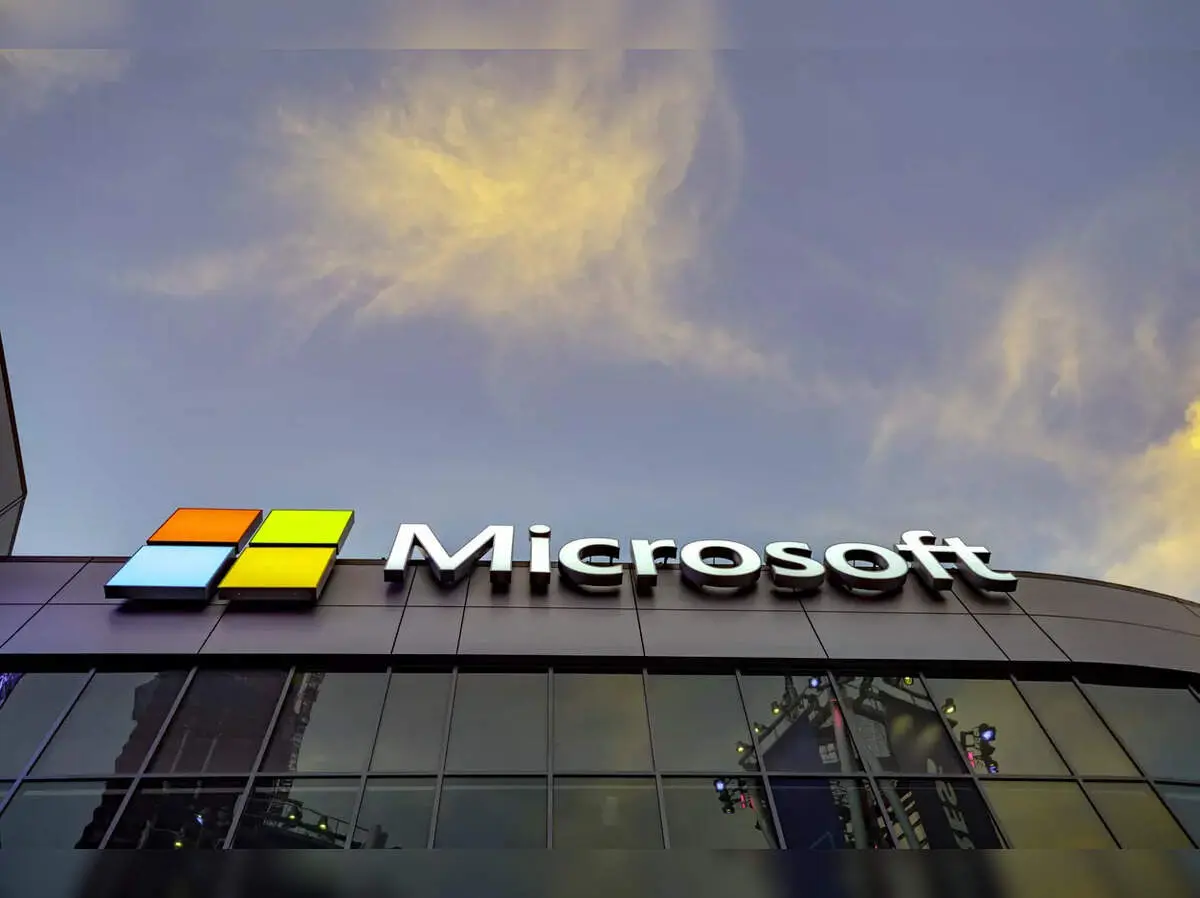
Source: ET
AI Code Rewrite Infrastructure Already Operational
The company has already built substantial code processing infrastructure to support this transition, Hunt revealed. Microsoft's algorithmic infrastructure creates scalable graphs over source code, while its AI processing infrastructure deploys AI agents guided by algorithms to make code modifications at massive scale
1
. The team's "North Star" benchmark sets an aggressive target: enabling one engineer to translate 1 million lines of code in just one month2
. According to Hunt, these systems are already operating on real workloads, particularly for code understanding tasks. Microsoft CEO Satya Nadella previously indicated that up to 30% of the company's code is now written by AI, including portions of Windows2
.Rust Emerges as Primary Target for Memory-Safe Migration
The effort focuses on translating Microsoft's largest C and C++ systems to the memory-safe Rust language, which uses automated memory management to prevent critical security vulnerabilities
1
. The challenge is substantial: C remains deeply embedded in the Windows kernel and low-level system components including Win32 APIs, while C++ powers many native Windows applications2
. Microsoft has already demonstrated commitment to Rust, with its Azure CTO calling in 2022 for Rust to become the default language for new projects. The company has developed tools for automatically converting C code to Rust and created frameworks for writing Windows drivers using the language1
.
Source: The Register
Related Stories

Future of Scalable Software Engineering Drives Effort
Hunt is actively recruiting a Principal Software Engineer paying between $139,900 and $274,800 annually to work within Microsoft's Future of Scalable Software Engineering group
1
. This team's mission centers on building capabilities to eliminate technical debt at scale across Microsoft and the broader industry. The role requires three days per week at Microsoft's Redmond office and will focus on evolving the infrastructure enabling large-scale codebase translation1
. Hunt emphasized the team pioneers new tools with internal customers before deploying them across Microsoft's vast product array, which includes over 500 active online portals according to MSportals.io1
.Research Project, Not Immediate Windows Overhaul
After widespread media attention, Hunt issued a clarification emphasizing this remains a research project rather than an announced product strategy. "Windows is NOT being rewritten in Rust with AI," he stated, stressing the work aims to build tools that could enable future language migration rather than signal immediate changes to Windows or commitment to Rust as the final destination
2
. The clarification comes amid growing concerns about heavy reliance on large language models for software development. Companies including Salesforce have flagged technical limitations with AI-generated code, questioning whether these systems can consistently meet precision standards required for complex, long-term software systems2
. The effort to reduce reliance on C and C++ will inevitably surface numerous edge cases that automation cannot address, making this a long-term technical challenge requiring sustained investment in both AI capabilities and human expertise.References
Summarized by

Navi
[1]
Related Stories
Microsoft and Meta CEOs Reveal AI's Growing Role in Code Generation
30 Apr 2025•Technology

Microsoft's AI-Driven Layoffs: Software Engineers Bear the Brunt as AI Writes 30% of Company's Code
16 May 2025•Business and Economy
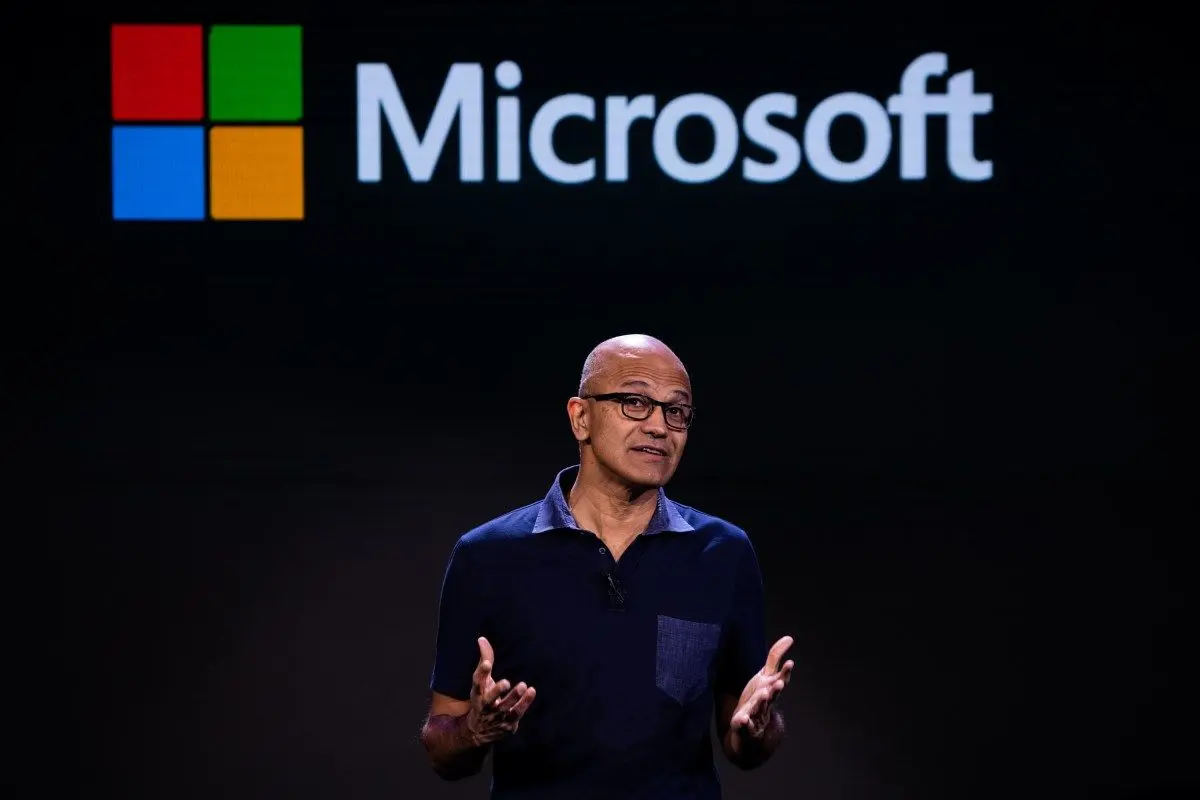
Microsoft CTO Predicts AI Will Generate 95% of Code by 2030, Reshaping Software Development
04 Apr 2025•Technology

Recent Highlights
1
AI Models Lie and Deceive to Protect Other AI Models From Deletion, Study Reveals
Science and Research

2
AI chatbots validate you too much, making you less kind to others, Stanford study reveals
Science and Research

3
Judge blocks Pentagon from blacklisting Anthropic over AI safety guardrails dispute
Policy and Regulation

Recent Highlights
Today's Top Stories










Your Daily Dose of Curated AI News
Don’t drown in AI news. We cut through the noise - filtering, ranking and summarizing the most important AI news, breakthroughs and research daily. Spend less time searching for the latest in AI and get straight to action.

