Nintendo Denies AI Use in My Mario Campaign as Model Speaks Out About Real Photo Shoot


3 Sources
3 Sources
[1]
Nintendo Denies Promo Photos Were AI-Generated, Despite Some Weird Thumbs
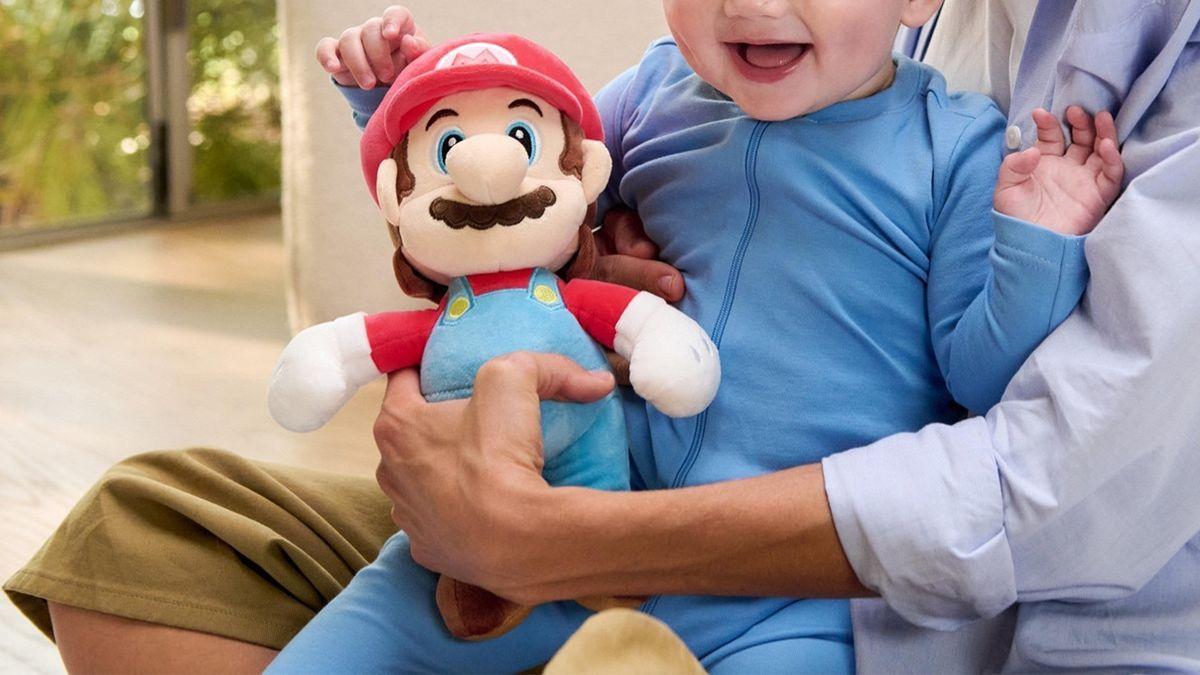
Nintendo has been forced to deny that it used AI to create a series of marketing photos after speculation grew that the company didn't use a real photographer and models. Since the gaming company launched My Mario, a toy range for children and parents, on Thursday, online commenters have pointed to the models' fingers, which on inspection do look slightly unnatural. But Nintendo has strenuously denied the accusations, and one of the models, Brittoni O'myah Sinclair, who took part in the photo shoot tells IGN that "everything is real." "All the models were casted, and most of us worked with our real families," says Sinclair. "We had to do auditions, and call backs to book this job." The accusations mainly stem from one single frame in which the model's thumb appears to bend backwards. Sinclair is not the model in that photo, but tells IGN that she saw the person in passing, and confirms she was a real person. Nintendo also confirmed that no AI was used in the photo shoot. Some people have speculated that it was a good old-fashioned Photoshop mistake, but more likely the model has a double-jointed thumb. Some X users shared photos of their own double-jointed thumbs, proving that the digits can just look a little strange. Hands and fingers are often one of the biggest giveaways of AI, this is because extremities are not just complex, but they also appear less frequently in AI training datasets, meaning the machine hasn't seen as many photos of hands as it has say faces. It is a sad fact of life that photographers on the internet face accusations on a daily basis that their work is AI. But it is perhaps not surprising given how good AI image generators have gotten in the past couple of years: both Google and OpenAI have free models that can produce images with an almost indistinguishable level of verisimilitude.
[2]
The Nintendo AI controversy, explained
It's no secret that many brands seek the help of artificial intelligence in their branding, essentially making AI allegations an expected side effect of a campaign launch. Latest in the hotseat is Nintendo with its new 'My Mario' collection, which raised eyebrows thanks to some bizarre details. From reality-warping anomalies to uncanny faces, AI still bears some strange, identifiable flaws even today. While there are plenty of ways to use AI properly for productivity and play, AI allegations can be detrimental to a brand's reputation, so it's no surprise Nintendo was quick to quell the flames. It all started with a promo posted to Instagram, featuring seemingly inoffensive shots of smiling families embracing the joys of Nintendo's My Mario collection. Fans soon started noticing what they believed were artificial flaws, drawing some harsh accusations that AI trickery was afoot. From uncanny smiles to reality-bending thumb angles, the allegations were severe, lambasting the company for its alleged AI usage. But it seems some of us owe Nintendo an apology. Soon, one of the ad's models responded to criticism on Instagram, writing, "I can promise you this is not AI guys." In a statement to NintendoLife, Nintendo confirmed that "AI has not been used in any of the My Mario promotional images," further quashing the heated backlash. For some, Nintendo's statement was not enough. Fans suggested the woman's warped hand was simply the result of being double-jointed, while others claimed it was the work of questionable photo editing. But while the mystery has finally been 'solved', it points to a larger issue about today's ad sphere. It seems that a new campaign can't drop without AI allegations being thrown around (take the IT poster AI conspiracy or The Cat in the Hat's scathing AI allegations). While many accusations prove correct, and brands taking accountability is paramount to protecting human creativity, the rise in AI allegations proves that AI slop has come to be expected, and the trust between brands and consumers is faltering.
[3]
'Everything Is Real' -- Nintendo Forced to Deny Using AI-Generated Mother and Baby in Super Mario Marketing Campaign, as Photoshoot Model Speaks Out - IGN
Nintendo has been forced to deny reports it used AI-generated imagery to advertise its new My Mario children's toy range. Separately, IGN has spoken with one of the models used on the photoshoot, who has discussed the lengths she and others went through to get cast for the marketing campaign, only for doubt to be thrown on its origins. Last week, reports began circulating online that Nintendo had used AI fakery to generate images of parents and babies holding Super Mario toys. Suspicion was raised by one particular image where a model's thumb was spotted at an unusual angle, quickly prompting numerous users on social media -- as well as some news reports -- to label the photo as likely AI-generated. However, Nintendo did not use generative AI to create parents and babies, and instead cast actual human models to advertise its new product range. But doubt spread regardless, due to the growing assumption that AI tools can now create photorealistic imagery that's increasingly impossible to detect from the real thing. "Everything is real," said Brittoni O'myah Sinclair, a model who worked on the photoshoot alongside her real-life family, in a statement to IGN. "All the models were casted, and most of us worked with our real families. We had to do auditions, and call backs to book this job." While Sinclair is not the model whose thumb prompted the AI speculation online, she says she saw them in passing -- and they were very much a real person, too. Separately, a Nintendo spokesperson has confirmed to IGN that no AI was used in any of the images. "As a person born w/ double-jointed thumbs myself, it honestly baffles me how quick ppl are to assume an image is genAI just because a person bends their joints in a way they're not used to," wrote Nintendo fan BrunAmitie on social media, posting a photo of their thumb bending in a similar manner. "Y'all need to do your research before spreading stuff like that first." The use of AI in entertainment is one of the hottest topics across video games, movies, and television. Last month, Epic Games came under fire for what fans believe to be AI generated art in Fortnite, though at least one example was proven to be hand-drawn by the original artist. Last week, Baldur's Gate 3 developer Larian said it no longer planned to use AI tools in the creation of concept art for its upcoming Divinity, following significant online pushback. Opinion on the use of AI is divided, with some vehemently against its use, while others claim it's an inevitable part of the future. Rockstar co-founder and former Grand Theft Auto writer Dan Houser recently likened AI to mad cow disease, and claimed that humanity is being pulled in a direction "by a certain group of people who maybe aren't fully rounded humans." But the CEO of Genvid -- the company behind choose-your-own-adventure interactive series like Silent Hill Ascension -- has claimed "consumers generally do not care" about generative AI in games, and stated that: "Gen Z loves AI slop."
Share
Share
Copy Link
Nintendo faced intense scrutiny after promotional images for its My Mario toy range sparked accusations of AI-generated content. The controversy centered on unusual visual anomalies in the photos, particularly a model's thumb at an odd angle. Both Nintendo and model Brittoni O'myah Sinclair confirmed the images were real, highlighting growing tensions around brand and consumer trust in an era where AI allegations have become commonplace.
Nintendo AI Controversy Erupts Over My Mario Campaign
Nintendo found itself at the center of a heated debate this week after launching promotional images for its My Mario toy range on Thursday. The Super Mario marketing campaign quickly attracted online speculation, with social media users claiming the photos were AI-generated images rather than authentic photography. The accusations primarily focused on unusual visual anomalies in the images, particularly one frame showing a model's thumb bent at what appeared to be an unnatural angle
1
.
Source: PetaPixel
The controversy spread rapidly across platforms, with fans pointing to what they believed were artificial flaws in the promotional images posted to Instagram. From uncanny smiles to reality-bending thumb angles, the allegations were severe enough to force Nintendo into damage control mode
2
.Model Speaks Out to Defend Authenticity
Brittoni O'myah Sinclair, one of the models who participated in the photo shoot, spoke to IGN to set the record straight. "Everything is real," Sinclair stated emphatically. "All the models were casted, and most of us worked with our real families. We had to do auditions, and call backs to book this job."
3
While Sinclair wasn't the model whose thumb sparked the initial controversy, she confirmed seeing that person in passing during the shoot and verified they were a real person. Nintendo also issued an official statement to IGN confirming that "AI has not been used in any of the My Mario promotional images," directly addressing the mounting consumer backlash
3
.The Double-Jointed Thumb Explanation
The mystery of the unusual thumb angle appears to have a simple explanation that has nothing to do with artificial intelligence. Several social media users came forward with photos of their own double-jointed thumbs, demonstrating that such flexibility is a natural human trait. Nintendo fan BrunAmitie wrote on social media: "As a person born w/ double-jointed thumbs myself, it honestly baffles me how quick ppl are to assume an image is genAI just because a person bends their joints in a way they're not used to. Y'all need to do your research before spreading stuff like that first."
3
Some observers suggested the odd appearance might have resulted from a Photoshop error or questionable photo editing, though the double-jointed explanation appears most plausible
1
.Related Stories


Why Hands Remain AI Giveaways
The focus on hands and thumbs in this controversy isn't coincidental. These extremities remain one of the most reliable AI giveaways because they're complex and appear less frequently in AI training datasets. Machine learning systems haven't seen as many photos of hands as they have of faces, making them particularly challenging to render convincingly
1
.This reality means photographers face accusations on a daily basis that their work is AI-generated, even when it's entirely authentic. The situation has become more challenging as AI image generators from Google and OpenAI have reached levels of verisimilitude that make distinguishing real from artificial increasingly difficult
1
.Brand and Consumer Trust Under Pressure
The Nintendo incident points to a larger issue affecting brand reputation across the entertainment industry. New campaigns now routinely face AI allegations, whether justified or not. While many accusations prove correct and holding brands accountable remains essential for protecting human creativity, the reflexive suspicion suggests that consumer trust has eroded significantly
2
.This erosion of trust extends beyond Nintendo. Epic Games recently faced criticism over suspected AI-generated art in Fortnite, though at least one example was proven hand-drawn. Game developers like Larian Studios have responded to pushback by abandoning plans to use AI tools in concept art creation for upcoming projects
3
.The incident reveals a tension in how brands navigate AI usage. Some industry figures vehemently oppose artificial intelligence in creative work, while others view it as inevitable. The immediate assumption that Nintendo's My Mario toy range used AI demonstrates how quickly suspicion can damage a campaign, regardless of the truth.
Source: Creative Bloq
References
Summarized by

Navi
[2]
Related Stories
Recent Highlights


Recent Highlights
Today's Top Stories










Your Daily Dose of Curated AI News
Don’t drown in AI news. We cut through the noise - filtering, ranking and summarizing the most important AI news, breakthroughs and research daily. Spend less time searching for the latest in AI and get straight to action.

