One-Third of Consumers Reject AI on Devices, Citing Lack of Need Over Misunderstanding


3 Sources
3 Sources
[1]
One-third of consumers reject AI on their devices, with most saying they simply don't need it -- latest report highlights privacy fears and potential costs among other real-world concerns
Worries about privacy, cost, and usefulness affect US consumer belief in the push for AI There is a disconnect between the enthusiasm for AI among the companies pushing its development and the general public at large, but it isn't just scepticism that's fueling it. In news that might not be entirely surprising, a new report by the consumer research firm Circana has found that, while most consumers now know what AI is, two-thirds of those opposed to it don't believe it's needed on their devices at all. That's despite a big push to put AI-powered capabilities onto our devices. For instance, the integration of Microsoft Copilot into Windows has continued apace, with new Windows laptops now shipping with a specialist Copilot key for quick access to its AI assistant. AI functionality has been spotted in almost every major consumer electronic device category available to date. The Circana report explains the array of concerns among a sizeable minority of the wider public about the need for AI. 86% of those questioned were aware of AI in tech, but 35% responded that they weren't interested at all. The top reason, according to the report, was the lack of need, but another 59% of the AI-skeptics believed that the technology would impact on their privacy. It isn't just a concern about the functionality itself that is driving the cynicism. 43% of those who were negative about AI listed a worry about the costs of AI, not wanting to pay more for the extra functionality. That's a concern shared by major banking firm J.P. Morgan last year, providing research that the costs of AI vastly outweigh returns, equivalent to a $35 payment for every iPhone user "in perpetuity." A lack of understanding isn't fueling the doubt about AI among the large minority of this survey's respondents, either. Only 15% of those who responded from a pool of 18+ consumers based in the United States said that the complexity of the technology on their devices was an issue. Despite the mood music, however, this report does show that there isn't a wholescale rejection of AI. A majority of those who responded did, in fact, suggest they had an interest in having AI functionality on at least one of their devices: 65% in total, going up to 82% among respondents aged between 18 and 24, with a "steady decline" among older age groups. That's good news for the shareholders, but this survey shows that there is still work for AI companies to justify its widescale adoption. The range of issues - from privacy, to cost, to the actual usefulness of AI functionality, not to mention the environmental and ethical concerns - is likely to grow in intensity as the technology's impact on our lives continues to grow.
[2]
One-third of consumers don't want AI on their devices, report finds, and it's not because they don't understand it: They just don't need it
The problem with AI isn't that it's not been clearly explained. The problem is, it sucks. It's not uncommon to hear executives at AI companies and other such boosters say that the public has been slow to embrace the glories of AI because they just don't understand it. A new report by consumer research firm Circana suggests that's actually not the case, however, finding that among people who don't want AI on their devices, nearly two-thirds say their stuff works fine as it is -- they just don't need it. Another 59% of no-AI respondents said they're not interested in embracing the tech because of privacy concerns -- very valid -- while 43% simply aren't interested in paying more to have the tech on their devices, most commonly smartphones. Only 15% of respondents said they weren't interested in AI-enabled devices because the technology seems too complicated. That seemingly puts the lie to the idea that consumers are rejecting AI because it hasn't been explained to them clearly enough, presumably slowly and with small words. Instead, it seems that most people on that side of the AI divide are already familiar and comfortable with their devices, and they're not especially comfortable with the idea of tech oligarchs watching and listening to everything they do. I like to think there's also some concern about the environmental and economic damage being wrought by our quest for thinking machines in there too -- or at the very least about the fact that I desperately need to upgrade my PC but can't because, for some reason, it's really important that we invent Ultron. "The top reason cited by consumers for not wanting AI in their devices is that they simply do not need AI capabilities. Nearly two-thirds of opposed consumers indicated that their devices already perform the tasks they need. Another 59% of AI detractors cited privacy concerns..." -- @matpiscatella.bsky.social ( @matpiscatella.bsky.social.bsky.social) 2026-02-04T23:47:30.830Z Alas, the Circana survey does not reflect a more universal rejection of AI. A majority of respondents said they're "interested" in having AI capabilities on at least one of their devices: 65% overall, a figure that goes up to 82% among respondents aged 18-24, the youngest demographic in the survey, and then "steadily declines among older groups." Which is probably to be expected. Those of you of a certain age may remember VCRs, and if you do then you may also recall that your parents' VCR was constantly flashing 12:00 because they figured it wasn't worth the hassle of learning how to set the clock. It's just the way of things: New technologies, broadly speaking, are always more readily adopted by youngsters than the olds. That may come as a relief to billionaire tech overlords who are desperate to sell this stuff, but -- acknowledging that I am now one of the olds -- I still find it concerning: AI is, quite simply, intrusive, destructive, unreliable, and eating resources on an unprecedented scale. I know, I know, insert The Simpsons 'am I out of touch?' meme here, but the results of this survey make me think that the people paying the most attention to AI are the ones most concerned about its negative impact -- and that, to me, is concerning all by itself.
[3]
Consumers are increasingly aware of AI, and yet many still don't want it, according to new report
If you ever see a big tech CEO or representative get challenged on consumers not adopting AI on their devices, most of them will pivot by saying the AI isn't the problem, it's the lack of understanding that is. That might sound excusable, but a new report suggests that consumers are aware of what AI can offer them, and still don't want it. This comes from new data at Circana (via PC Gamer), which shows that a third of users don't want AI on their devices. Two-thirds of the people who didn't want AI believe their devices work just fine as they are, and 59% were also concerned about privacy should they let AI dig through their personal folders, files, and more. Only 15% rejected the idea of AI in their devices due to a lack of understanding or feeling like the tech was too complex. This isn't a massive rejection of AI, as there's still a majority in favour of having it on their devices, but it shows that those staunchly against AI aren't going to change their minds if they're shown a PowerPoint presentation on how it actually works.
Share
Share
Copy Link
A new Circana report reveals a significant disconnect with public sentiment as 35% of consumers reject AI on their devices. The primary reason isn't complexity—two-thirds say they simply don't need AI functionality. Privacy concerns and potential costs of AI also drive resistance, with 59% of AI-skeptics worried about personal data security and 43% unwilling to pay more for features they don't want.
Consumer Sentiment Reveals Growing Resistance to AI on Devices
A striking disconnect with public sentiment has emerged as AI companies push for widespread AI adoption across consumer electronic device categories. According to a new Circana report analyzing US consumers aged 18 and above, 35% of respondents said they're not interested in AI on devices at all, despite 86% being aware of what the technology offers
1
. This finding challenges the narrative from tech executives that consumers reject AI simply because they don't understand it.
Source: Tom's Hardware
Lack of Need for AI Tops the List of Concerns
The primary driver behind consumers reject AI isn't confusion—it's satisfaction with existing capabilities. Nearly two-thirds of those hesitant to adopt AI indicated their devices already perform the tasks they need without additional AI functionality
2
. Only 15% of AI-skeptics cited complexity as a barrier, effectively dismantling the argument that better education would drive market adoption1
. This represents a fundamental challenge for AI companies like Microsoft, which has integrated Copilot across Windows devices and even added dedicated Copilot keys to new laptops.AI Privacy Concerns and Cost Resistance Shape Opposition
Beyond the lack of need for AI, 59% of those opposed expressed significant AI privacy concerns about the technology's impact on their personal data
1
. These data privacy worries reflect broader anxieties about tech companies monitoring user activity. Meanwhile, 43% cited the potential costs of AI as a deterrent, unwilling to pay premium prices for features they don't want, particularly on smartphones2
. This economic concern aligns with research from J.P. Morgan suggesting AI costs vastly outweigh returns, equivalent to a $35 payment per iPhone user "in perpetuity"1
.
Source: PC Gamer
Related Stories

Younger Demographics Show Greater Interest, But Questions Remain
The Circana report does reveal that 65% of consumers overall expressed interest in having AI functionality on at least one device, rising to 82% among those aged 18-24, with a steady decline among older groups
1
. While this pattern follows typical technological integration trends where younger demographics adopt new technologies faster, it doesn't guarantee long-term user satisfaction. The gap between corporate enthusiasm and consumer caution suggests AI companies face substantial work justifying the resource-intensive push for AI across all consumer electronic device categories3
. As environmental and ethical concerns intensify alongside questions about actual utility, the industry must address whether widespread AI adoption serves genuine user needs or primarily corporate interests.References
Summarized by

Navi
Related Stories
Americans Express Concerns Over AI's Impact on Personal Lives and Human Abilities
18 Sept 2025•Technology

AI's Marketing Challenge: Consumers Wary of "Artificial Intelligence" Label
13 Aug 2024

AI Experts and Public Diverge on AI's Impact: Pew Research Center Survey Reveals Stark Contrasts
04 Apr 2025•Technology

Recent Highlights
1
Tennessee Teens Sue Elon Musk's xAI Over Grok AI-Generated Child Abuse Images
Policy and Regulation

2
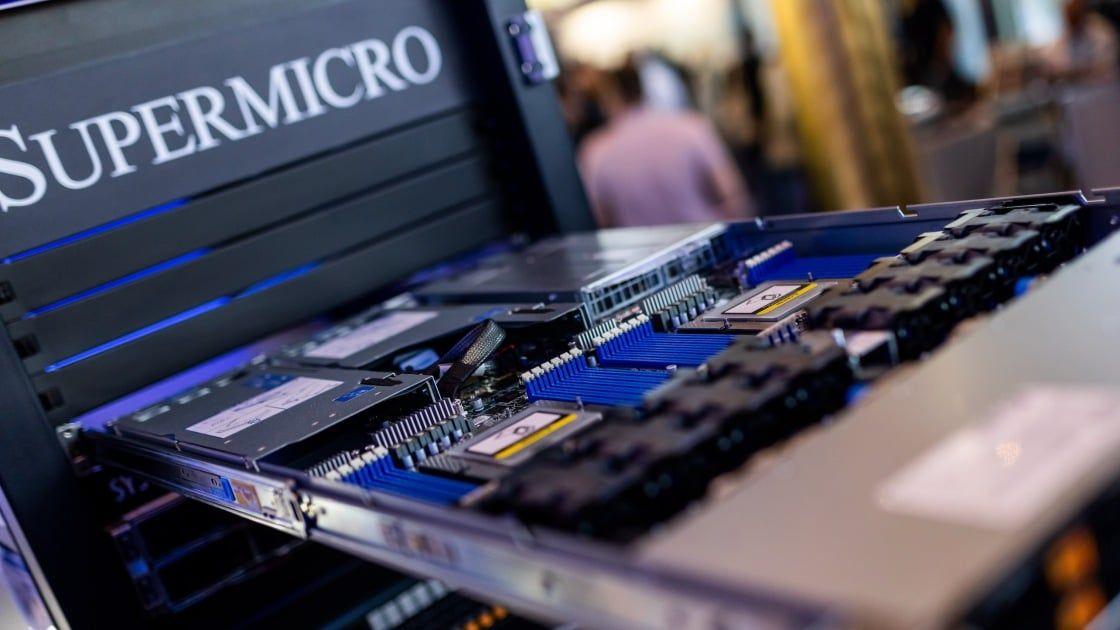
Supermicro Co-Founder Indicted in $2.5 Billion Nvidia AI Chip Smuggling Scheme to China
Policy and Regulation
3
Val Kilmer to appear posthumously in As Deep as the Grave through AI-generated performance
Entertainment and Society

Recent Highlights
Today's Top Stories



Your Daily Dose of Curated AI News
Don’t drown in AI news. We cut through the noise - filtering, ranking and summarizing the most important AI news, breakthroughs and research daily. Spend less time searching for the latest in AI and get straight to action.

