OpenAI to test ads in ChatGPT for free and Go tier users as it shifts monetization strategy


73 Sources
73 Sources
[1]
OpenAI to test ads in ChatGPT as it burns through billions
On Friday, OpenAI announced it will begin testing advertisements inside the ChatGPT app for some US users in a bid to expand its customer base and diversify revenue. The move represents a reversal for CEO Sam Altman, who in 2024 described advertising in ChatGPT as a "last resort" and expressed concerns that ads could erode user trust, although he did not completely rule out the possibility at the time. The banner ads will appear in the coming weeks for logged-in users of the free version of ChatGPT as well as the new $8 per month ChatGPT Go plan, which OpenAI also announced Friday is now available worldwide. OpenAI first launched ChatGPT Go in India in August 2025 and has since rolled it out to over 170 countries. Users paying for the more expensive Plus, Pro, Business, and Enterprise tiers will not see advertisements. According to OpenAI's blog post, the company plans to test ads "at the bottom of answers in ChatGPT when there's a relevant sponsored product or service." Ads will be labeled and separated from the answer. In example screenshots shared by the company, the ads look like blocked off sections of the chat window with a small image and some advertising copy. Asking ChatGPT for places to visit in Mexico could result in holiday ads appearing, for instance. "Our enterprise and subscription businesses are already strong," Fidji Simo, OpenAI's CEO of applications, wrote in the blog post. "We believe in having a diverse revenue model where ads can play a part in making intelligence more accessible to everyone." OpenAI's announcement follows the company's April 2025 introduction of shopping features to ChatGPT Search. At that time, OpenAI's Adam Fry told Wired that product recommendations were "not ads" and "not sponsored," but it felt like a potential step in that direction at the time. OpenAI is not the only AI company exploring advertising revenue. Google began testing AdSense ads in chatbot experiences through partnerships with AI startups in late 2024.
[2]
ChatGPT users are about to get hit with targeted ads | TechCrunch
An ongoing conversation -- both within and outside of the tech community -- has been about just how and when OpenAI, which is currently valued at $500 billion, will make money. Well, there's one surefire way to do that, and that is through advertising. In the near term, that seems to be the AI giant's plan, as it announced this week that limited ads are headed to certain ChatGPT users. In a blog post published Friday, OpenAI said that it will begin testing ads in the U.S. for both its free and Go tiers. (Go accounts, which cost $8 a month, were introduced globally on Friday.) The company frames this as a way to sustain free access while generating revenue from people who aren't ready to commit to a paid subscription. For the time being, the company's more expensive paid tiers -- Pro, Plus, Business, and Enterprise -- will not be getting any ads. The ads will appear at the bottom of a user's conversation and will be targeted to the topic of discussion. Users will have some control over this situation, as they'll be able to dismiss ads, see explanations for why they're being shown particular ones, and also turn off personalization, which should defeat the ads' targeted nature. The company has also made a commitment not to serve ads to users it believes are under the age of 18. OpenAI says that ChatGPT will maintain "answer independence," meaning that, despite the incorporation of advertising, those ads will not influence the answers that the chatbot serves to users. The company has also promised not to sell users' data to advertisers. This strategy could pay off in two ways. For users of the free and Go tiers, the company obviously stands to make a significant amount of ad revenue. At the same time, there will necessarily be certain users who appreciate the app but don't appreciate the ads, which could conceivably drive an uptick in subscriptions to the platform's more expensive accounts. OpenAI also wants everybody to know that it's only sticking ads in its chatbot to help the world. In its blog post Friday, the company promised that its "pursuit of advertising is always in support of" its mission: that AGI "benefits all of humanity."
[3]
Ads Are Coming to ChatGPT. Here's How They'll Work
OpenAI plans to start testing ads inside ChatGPT in the coming weeks, marking a significant shift for one of the world's most widely used AI products. The company announced Friday that initial ad tests will roll out in the United States before expanding globally. OpenAI says ads will not influence ChatGPT's responses, and that all ads will appear in separate, clearly labeled boxes directly below the chatbot's answer. For instance, if a user asks ChatGPT for help planning a trip to New York City, they will still get a standard answer from the chatbot, and then they also might see an ad for a hotel in the area. "People trust ChatGPT for many important and personal tasks, so as we introduce ads, it's crucial we preserve what makes ChatGPT valuable in the first place," wrote OpenAI CEO of applications Fidji Simo in a blog post announcing the ad trial. "That means you need to trust that ChatGPT's responses are driven by what's objectively useful, never by advertising." The first ads will appear for logged-in users on ChatGPT's free tier, as well as its $8-a-month Go tier, which will begin to roll out to users in the United States on Friday. The Go tier -- which is already available in India, France, and other countries -- lets users send more messages and generate more images than the free version. OpenAI says users on its Plus, Pro, and Enterprise subscriptions will not see ads. OpenAI also outlined the principles guiding its approach to advertising. The company says it will not sell user data or expose conversations with ChatGPT to advertisers. That means advertisers won't be able to see information about a user's age, location, or interests; this is often the case when users are targeted with ads across much of the internet. Instead, an OpenAI spokesperson told WIRED the company will let advertisers see aggregate ad performance metrics, such as how many times an ad was shown in ChatGPT or how many users clicked on it. To determine which ads it shows people, OpenAI says it will match conversation topics to relevant advertisements. Some of a user's personalization data may be used in that process, the spokesperson said, but the company says users can turn off the data used for advertising without turning off ChatGPT's other personalization features. The spokesperson declined to detail exactly what data OpenAI will collect on users to serve relevant ads, but ChatGPT already collects lots of other data to improve the chatbot's responses. Users can ask the chatbot to remember personal traits -- such as hobbies, dietary restrictions, and other preferences -- to tailor responses, and OpenAI has expanded the product's memory features over the past year so that ChatGPT can reference prior chats in its responses. The company says in its blog post that "users can clear the data used for ads at any time."
[4]
ChatGPT Ads Coming Soon for Free and New $8 Go Tier Users
OpenAI has announced that it's testing ads for its free tier and new $8-per-month Go memberships, and the ads will be based on a user's current conversation. OpenAI says the ads will be clearly marked and appear at the bottom of ChatGPT answers "when there's a relevant sponsored product or service based on your current conversation." Meanwhile, the company says the new Go tier enables 10 times as many messages, file uploads, and image creations as the free tier, and also remembers more details about you over time. The new $8 Go tier joins ChatGPT Plus at $ 20 per month and ChatGPT Pro at $ 200 per month. Don't miss any of our unbiased tech content and lab-based reviews. Add CNET as a preferred Google source. The company says it won't show ads on "sensitive or regulated topics like health, mental health or politics." It also said it won't show ads to users who tell the chatbot they are under 18 or to users the system predicts are minors. Furthermore, the company says it will keep individual conversations private from advertisers and never sell user data to advertisers. The company also says that users can turn off personalization and can clear the data used for ads at any time. Last week, OpenAI announced a new ChatGPT Health service, which enables users to upload their health data. However, privacy experts warned that the company wasn't covered by a health provider's privacy protections. (Disclosure: Ziff Davis, CNET's parent company, in April filed a lawsuit against OpenAI, alleging it infringed Ziff Davis copyrights in training and operating its AI systems.)
[5]

OpenAI releases a cheaper ChatGPT subscription
OpenAI is expanding a low-cost subscription tier called ChatGPT Go to the US and the rest of the world. Go was released in India in August and later became available in another 170 countries prior to Friday's global release. "In markets where Go has been available, we've seen strong adoption and regular everyday use for tasks like writing, learning, image creation, and problem-solving," the company's announcement stated. For $8 per month, Go subscribers get more messages, file uploads, and image generation than the free ChatGPT tier subscribers. The price slots Go between the free version of the AI chatbot and the $20-a-month "Plus" subscription tier. OpenAI says the Go tier is meant for people who want greater access to the company's fast version of the latest AI model, GPT-5.2 Instant. Currently, free users are limited to 10 messages with GPT‑5.2 every five hours -- after that, and the chats switch to the "mini version" of the model. Plus subscribers get 160 messages with GPT‑5.2 for every three hours. Given that the announcement says that users will get "10x" the messages, files, and images than the free tier, we can guess that Go will get 100 messages with GPT-5.2 for who-knows-how-many hours. The announcement did not specify the number of file uploads or images available each day to Go users. OpenAI does not provide the number of file uploads or images for any of their ChatGPT tiers: free users have a "limited" number of file uploads and image generations, according to the pricing website, while Plus subscribers have a "check-mark" listed instead of an amount. The memory and context window will be greater for Go users than free users. Again, exact numbers are yet not known. The current context window for non-reasoning requests is 16K for free users and 32K for Plus, while both tiers have a 196K context window for reasoning. OpenAI says it will "soon" begin running ads in Go in the US, while Plus and higher priced subscriptions will remain ad-free.
[6]

Ads Are Coming to ChatGPT: Here's What They Look Like and How to Avoid Them
OpenAI is putting ads into ChatGPT in "the coming weeks," as well as bringing its ChatGPT Go subscription tier to the US starting today. The free ChatGPT and ChatGPT Go plans will have advertisements, which is the biggest news, given ChatGPT Go has already launched in 171 countries since August. For $8 per month, it offers more access to messaging, image creation, file uploads, and memory. The pricier plans, including ChatGPT Plus ($20) and Business and Enterprise, will not include ads. You also won't see ads if you're not logged in, which could be a way to good way to avoid them -- for now. In a mockup, ChatGPT ads appear at the bottom of a chatbot's response with a "Sponsored" label. They include links to click out to other sites and purchase. This could bring many more images to a standard ChatGPT conversation, which today is mostly text, aside from AI-generated images. OpenAI says the ads will "not influence the answers ChatGPT gives you" and that the chatbot's "answers are optimized based on what's most helpful to you." It also vows not to share the conversation with advertisers; however, it does seem to have certain settings that share data with advertisers, which you can toggle off. "You can turn off personalization, and you can clear the data used for ads at any time," OpenAI says. "We'll always offer a way to not see ads in ChatGPT, including a paid tier that's ad-free." CEO Sam Altman told Stratechery in 2024 that he likes Instagram ads. "I love Instagram ads, they've added value to me, I found stuff I never would've found, I bought a bunch of stuff, I actively like Instagram ads." He could be aiming for a similar result with ChatGPT. "The best ads are useful, entertaining, and help people discover new products and services," OpenAI says. Crucially, they are also lucrative, and OpenAI has to pay back its investors. We may also see new kinds of advertisements, thanks to AI. "For example, soon you might see an ad and be able to directly ask the questions you need to make a purchase decision," OpenAI says. That theoretically sounds like ChatGPT might suggest a $20 T-shirt you like, but you wonder if it comes in a long-sleeve version. You could ask the ad (retailer) directly, it could confirm there's a long sleeve version, and then you click to go to the site to buy. We'll soon find out exactly what OpenAI has up its sleeve. Testing of the first formats starts "in the coming weeks and months" and will evolve over time. OpenAI has reportedly been discussing ads in ChatGPT over the past year, and already faced user backlash after it tested "app suggestions" last month, which was a nudge for users to connect apps from partners like Target and Spotify for more in-depth answers.
[7]

OpenAI will put ads in ChatGPT. This opens a new door for dangerous influence
OpenAI has announced plans to introduce advertising in ChatGPT in the United States. Ads will appear on the free version and the low-cost Go tier, but not for Pro, Business, or Enterprise subscribers. The company says ads will be clearly separated from chatbot responses and will not influence outputs. It has also pledged not to sell user conversations, to let users turn off personalised ads, and to avoid ads for users under 18 or around sensitive topics such as health and politics. Still, the move has raised concerns among some users. The key question is whether OpenAI's voluntary safeguards will hold once advertising becomes central to its business. Why ads in AI were always likely We've seen this before. Fifteen years ago, social media platforms struggled to turn vast audiences into profit. The breakthrough came with targeted advertising: tailoring ads to what users search for, click on, and pay attention to. This model became the dominant revenue source for Google and Facebook, reshaping their services so they maximised user engagement. Large-scale artificial intelligence (AI) is extremely expensive. Training and running advanced models requires vast data centres, specialised chips, and constant engineering. Despite rapid user growth, many AI firms still operate at a loss. OpenAI alone expects to burn US$115 billion over the next five years. Only a few companies can absorb these costs. For most AI providers, a scalable revenue model is urgent and targeted advertising is the obvious answer. It remains the most reliable way to profit from large audiences. What history teaches us about OpenAI's promises OpenAI says it will keep ads separate from answers and protect user privacy. These assurances may sound comforting, but, for now, they rest on vague and easily reinterpreted commitments. The company proposes not to show ads "near sensitive or regulated topics like health, mental health or politics", yet offers little clarity about what counts as "sensitive," how broadly "health" will be defined, or who decides where the boundaries lie. Most real-world conversations with AI will sit outside these narrow categories. So far OpenAI has not provided any details on which advertising categories will be included or excluded. However, if no restrictions were placed on the content of the ads, it's easy to picture that a user asking "how to wind down after a stressful day" might be shown alcohol delivery ads. A query about "fun weekend ideas" could surface gambling promotions. These products are linked to recognised health and social harms. Placed beside personalised guidance at the moment of decision-making, such ads can steer behaviour in subtle but powerful ways, even when no explicit health issue is discussed. Similar promises about guardrails marked the early years of social media. History shows how self-regulation weakens under commercial pressure, ultimately benefiting companies while leaving users exposed to harm. Advertising incentives have a long record of undermining the public interest. The Cambridge Analytica scandal exposed how personal data collected for ads could be repurposed for political influence. The "Facebook files" revealed that Meta knew its platforms were causing serious harms, including to teenage mental health, but resisted changes that threatened advertising revenue. More recent investigations show Meta continues to generate revenue from scam and fraudulent ads even after being warned about their harms. Why chatbots raise the stakes Chatbots are not merely another social media feed. People use them in intimate, personal ways for advice, emotional support and private reflection. These interactions feel discreet and non-judgmental, and often prompt disclosures people would not make publicly. That trust amplifies persuasion in ways social media does not. People seek help and make decisions when they consult chatbots. Even with formal separation from responses, ads appear in a private, conversational setting rather than a public feed. Messages placed beside personalised guidance - about products, lifestyle choices, finances or politics - are likely to be more influential than the same ads seen while browsing. As OpenAI positions ChatGPT as a "super assistant" for everything from finances to health, the line between advice and persuasion blurs. For scammers and autocrats, the appeal of a more powerful propaganda tool is clear. For AI providers, the financial incentives to accommodate them will be hard to resist. The root problem is a structural conflict of interest. Advertising models reward platforms for maximising engagement, yet the content that best sustains attention is often misleading, emotionally charged or harmful to health. This is why voluntary restraint by online platforms has repeatedly failed. Is there a better way forward? One option is to treat AI as digital public infrastructure: these are essential systems designed to serve the public rather than maximise advertising revenue. This need not exclude private firms. It requires at least one high-quality public option, democratically overseen - akin to public broadcasters alongside commercial media. Elements of this model already exist. Switzerland developed the publicly funded AI system Apertus through its universities and national supercomputing centre. It is open source, compliant with European AI law, and free from advertising. Australia could go further. Alongside building our own AI tools, regulators could impose clear rules on commercial providers: mandating transparency, banning health-harming or political advertising, and enforcing penalties - including shutdowns - for serious breaches. Advertising did not corrupt social media overnight. It slowly changed incentives until public harm became the collateral damage of private profit. Bringing it into conversational AI risks repeating the mistake, this time in systems people trust far more deeply. The key question is not technical but political: should AI serve the public, or advertisers and investors?
[8]

OpenAI CFO Defends Ads in ChatGPT as 'Strong Business Model'
OpenAI announced it would test targeted ads in the free version of ChatGPT for some US users, with Friar stating "our mission is AGI for the benefit of humanity, not for the benefit of humanity who can pay" One of OpenAI's top executives defended the company's addition of ads to its popular chatbot ChatGPT as a way to democratize access to artificial intelligence. The company needs to "create a strong business model," to achieve its goal of bringing AI to the wider population, Chief Financial Officer Sarah Friar told a panel at the World Economic Forum in Davos, Switzerland on Wednesday. "Our mission is AGI for the benefit of humanity, not for the benefit of humanity who can pay," she said. AGI refers to artificial general intelligence, a theoretical future version of the technology that matches or exceeds human capabilities. OpenAI announced last week it would test targeted ads in the free version of ChatGPT for some US users. Up until now, the chatbot has either been free or available for a monthly subscription fee. OpenAI's decision to introduce ads is a watershed moment for the sector, which faces steep costs for computing power, staffing and upcoming infrastructure buildouts. The firm's executives are under pressure to justify its ambitious strategy, as well as its valuation, among the highest of any private company globally. Earlier this week, the company said its annualized revenue -- a metric used by software companies to indicate growth -- grew to $20 billion in 2025. Speaking at Davos the day before, Demis Hassabis, the chief executive officer of rival Google DeepMind, said it was "interesting they've gone for that so early," according to journalist Alex Heath. "Early is a weird word," said Friar on Wednesday, when asked to address concerns about timing. "In ad models, you have to be at scale. Sub-scale ad models don't work, so that would be early. When you have 800 million weekly active users, you're really far beyond many of the companies who started in that model."
[9]

ChatGPT will get ads. Free and Go users first
OpenAI's budget ChatGPT Go subscription tier has migrated to the US, soon to be accompanied by advertising. The company's free tier will be similarly afflicted. ChatGPT Go, the company's cheapest paid offering, has been an option in 171 countries since August and is now available stateside for $8 per month. "In the coming weeks, we're also planning to start testing ads in the US for the free and Go tiers, so more people can benefit from our tools with fewer usage limits or without having to pay," said Fidji Simo, OpenAI's CEO of applications. "Plus, Pro, Business, and Enterprise subscriptions will not include ads." About 5 percent, or 35 million, of ChatGPT's weekly active user base as of July 2025 paid for Plus ($20/month) or Pro ($200/month) subscriptions, according to The Information. The company reportedly projects that by 2030 about 8.5 percent of a weekly active user base of roughly 2.6 billion - around 220 million people - will pay for a Plus subscription. With so many non-paying customers, ads may be its only route to financial survival. (That or a government bailout, which the company says won't happen.) OpenAI has reportedly committed to spend more than $1 trillion to fuel its quest for the vaguely defined idea of "artificial general intelligence." The AI giant lost north of $11.5 billion in the third quarter alone, according to numbers Microsoft - a large OpenAI investor - disclosed in its financial filings. Meanwhile, online advertising is a massive business, contributing more than $74 billion to Google's revenues and more than $50 billion to Meta's revenues in the third quarter of 2025 alone. And chatbots like ChatGPT are technically capable of capturing a massive amount of extremely personal data, given that people use them for everything from vibe coding to online companionship to informal therapy. Simo acknowledged the need to preserve people's trust in ChatGPT - to the extent that people trust LLMs known for making things up and getting things wrong - and made a number of vague commitments to offer reassurance that their artificial intelligence agent wouldn't become a mercenary sales agent. This included a reiteration of the claim that the company's pursuit of advertising aligns with its mission to ensure AGI - a moving target based on some determination of human intellectual equivalency - "benefits all of humanity." Ads, Simo promised, will not influence the answers provided by ChatGPT, will be "optimized based on what's most helpful to you," as Simo put it, and will be distinct and clearly labelled. ChatGPT users under 18, and queries about sensitive topics like health or politics, will be spared from ads, or so it's claimed. "We keep your conversations with ChatGPT private from advertisers, and we never sell your data to advertisers," Simo said, adding that users will have the ability to control how their data is used and to disable personalization. "Selling data" can mean different things in different contexts, but may be disallowed if consent is lacking, depending on the relevant privacy rules. Under the California Consumer Privacy Act (CCPA), it can mean "selling, renting, releasing, disclosing, disseminating, making available, transferring, or otherwise communicating orally, in writing, or by electronic or other means, a consumer's personal information by the business to another business or a third party for monetary or other valuable consideration." Google and Meta have both insisted they don't sell personal data, but they certainly use it to target their own ads, and their decades of privacy missteps attest to the relevance of those claims. Miranda Bogen, director of the Center for Democracy and Technology's AI Governance Lab, argues that even in the absence of data sharing, ad targeting can harm privacy. OpenAI's shift toward advertising presents risks for the company and its customers, she said. "Even if AI platforms don't share data directly with advertisers, business models based on targeted advertising put really dangerous incentives in place when it comes to user privacy," said Bogen in an emailed statement. "This decision raises real questions about how business models will shape AI in the long run." Bogen said that people use chatbots for a variety of reasons, including as companions and advisors. She argues that when tools try to exploit trust to sell goods, that may be problematic. "AI companies should be extremely careful not to repeat the many mistakes that have been made -- and harms that have resulted from -- the adoption of personalized ads on social media and around the web," she said. Meta has integrated AI into its advertising business and uses AI-generated images in ads. But efforts by chatbot maker Perplexity to present ads in conjunction with its AI search service have fallen flat. Perplexity paused accepting new ad clients in October last year, following the departure of its head of advertising. Lower-tier ChatGPT users who haven't bought their way out of advertising may still have some say in whether they see ads. Several makers of ad blocking applications and extensions already claim their tools can block ads that appear in ChatGPT. That may hold true when ChatGPT is accessed from the browser but is likely to be less feasible in OpenAI's native desktop apps. The possibilities will become clearer once OpenAI starts serving ads. ®
[10]

OpenAI to Show Ads in ChatGPT for Logged-In U.S. Adults on Free and Go Plans
OpenAI on Friday said it would start showing ads in ChatGPT to logged-in adult U.S. users in both the free and ChatGPT Go tiers in the coming weeks, as the artificial intelligence (AI) company expanded access to its low-cost subscription globally. "You need to know that your data and conversations are protected and never sold to advertisers," OpenAI said. "And we need to keep a high bar and give you control over your experience, so you see truly relevant, high-quality ads -- and can turn off personalization if you want." The company has positioned advertising as a way to ensure that the benefits of artificial general intelligence - a term used to describe a stage in machine learning when an AI system can reach or surpass human-level intelligence - can be made more accessible to the masses. In addition, it can be "transformative" for small businesses and emerging brands trying to compete, it added. It also emphasized that ads do not influence responses from the chatbot, user data and conversations are kept private from advertisers, and that users are in control of the ad experience. The ads will be clearly labeled and will show up at the bottom of a user's conversation. OpenAI did not detail exactly what data it will collect on users to serve relevant ads. Users will be able to learn more about why they are seeing specific ads, or dismiss them and submit feedback. Users on the more expensive Plus, Pro, Business, and Enterprise tiers will not see ads. "To start, we plan to test ads at the bottom of answers in ChatGPT when there's a relevant sponsored product or service based on your current conversation," it said. "During our test, we will not show ads in accounts where the user tells us or we predict that they are under 18, and ads are not eligible to appear near sensitive or regulated topics like health, mental health, or politics." In a post on X, OpenAI CEO Sam Altman noted that the company will not "accept money" to influence the responses ChatGPT serves to the users. "It is clear to us that a lot of people want to use a lot of AI and don't want to pay, so we are hopeful a business model like this can work," Altman added. The development marks a major departure for the company that had so far primarily relied on subscriptions. At an event at Harvard University in May 2024, Altman described ads "as like a last resort for us for a business model," characterizing "ads plus AI is sort of uniquely unsettling." Altman's softened stance is indicative of how OpenAI views advertising as a way to unlock a new revenue stream in order to sustain the costly endeavor. ChatGPT had 800 million weekly active users as of early October 2025.
[11]

OpenAI says its new ChatGPT ads won't influence answers
OpenAI has confirmed that ChatGPT will start showing ads in the coming weeks, but it promises that ads won't influence the answers it generates. OpenAI says ChatGPT ads will appear within the answers, likely at the bottom of the answers, and only those who use the free account or ChatGPT Go account will see ads. Microsoft-backed startup argues that ChatGPT ads would help the company fund its AGI (Artificial General Intelligence) ambitions, which is supposed to benefit 'humanity.' "Our mission is to ensure AGI benefits all of humanity; our pursuit of advertising is always in support of that mission and making AI more accessible," OpenAI noted. According to OpenAI, ChatGPT Ads will be separate and clearly labeled. Moreover, ChatGPT won't show ads to Plus, Pro, Business, and Enterprise tiers. OpenAI confirmed that your conversations are kept private from advertisers, and it will never sell your data to advertisers. This also means you can control how your data is used, and you can clear the data used for ads at any time. OpenAI also says ads won't appear in chats that include sensitive topics, such as health, mental health, or politics. These ads will begin rolling out in the coming weeks, and if you don't want to see ads, it's time to consider upgrading to the $20 subscription or switching to alternatives, such as Claude.
[12]

OpenAI to begin testing ads on ChatGPT in the U.S.
OpenAI on Friday announced it will begin testing ads within ChatGPT in the coming weeks, a highly anticipated decision that could kickstart a lucrative new revenue stream for the artificial intelligence startup. OpenAI said its Plus, Pro and Enterprise subscriptions will not include ads, but it plans to start testing them with adult free users in the U.S. The company also made its low-cost Go offering available in the U.S. on Friday, and it said users who opt for that plan will also begin to see ads. The company inked more than $1.4 trillion worth of infrastructure deals in 2025, and OpenAI CEO Sam Altman said in November that the startup was on track to generate $20 billion in annualized revenue run rate last year. Introducing ads to ChatGPT could help OpenAI meet its ambitious spending commitments, as digital advertising has long been the cash cow for other big tech companies like Google and Meta.
[13]

OpenAI is bringing ads to ChatGPT
OpenAI plans to start testing ads inside of ChatGPT "in the coming weeks." In a blog post published Friday, the company said adult users in the US of its free and Go tiers (more on the latter in a moment) would start seeing sponsored products and services appear below their conversations with its chatbot. "Ads will be clearly labeled and separated from the organic answer," OpenAI said, adding any sponsored spots would not influence the answers ChatGPT generates. "Answers are optimized based on what's most helpful to you." OpenAI says people won't see ads appear when they're talking to ChatGPT about sensitive subjects like their health, mental state of mind or current politics. The company also won't show ads to teens under the age of 18. As for privacy, OpenAI states it won't share or sell your data with advertisers. The company will also give users the option to disable ad personalization and clear the data it uses to generate sponsored responses. "We'll always offer a way to not see ads in ChatGPT, including a paid tier that's ad-free," OpenAI adds. Users can dismiss ads, at which point they'll be asked to explain why they didn't engage with it. "Given what AI can do, we're excited to develop new experiences over time that people find more helpful and relevant than any other ads. Conversational interfaces create possibilities for people to go beyond static messages and links," OpenAI said. However, the company was also quick to note its "long-term focus remains on building products that millions of people and businesses find valuable enough to pay for." To that point, OpenAI said it would also make its ChatGPT Go subscription available to users in the US. The company first launched the tier in India last August, marketing it as a low-cost alternative to its more expensive Plus and Pro offerings. In the US, Go will cost $8 per month -- or $12 less than the monthly price of the Plus plan -- and offer 10 times higher rate limits for messages, file uploads and image creation than the free tier. The subscription also extends ChatGPT's memory and context window, meaning the chatbot will be better at remembering details from past conversations. That said, you'll see ads at this tier. To go ad-free, you'll need to subscribe to one of OpenAI's more expensive plans. For consumers, that means either the Plus or Pro plans. According to reports, OpenAI had been testing ads inside of ChatGPT since at least the end of last year. As companies continue to pay a high cost for model training and inference, all chatbots are likely to feature ads in some form.
[14]

ChatGPT's free ride is ending: Here's what OpenAI plans for advertising on the chatbot
SAN FRANCISCO (AP) -- OpenAI says it will soon start showing advertisements to ChatGPT users who aren't paying for a premium version of the chatbot. The artificial intelligence company said Friday it hasn't yet rolled out ads but will start testing them in the coming weeks. It's the latest effort by the San Francisco-based company to make money from ChatGPT's more than 800 million users, most of whom get it for free. Though valued at $500 billion, the startup loses more money than it makes and has been looking for ways to turn a profit. OpenAI said the digital ads will appear at the bottom of ChatGPT's answers "when there's a relevant sponsored product or service based on your current conversation." The ads "will be clearly labeled and separated from the organic answer," the company said.
[15]

ChatGPT to carry adverts for some users
Adverts will soon appear at the top of the AI tool ChatGPT for some users, the company OpenAI has announced. The trial will initially take place in the US, and will affect some ChatGPT users on the free service and a new subscription tier, called ChatGPT Go. This cheaper option will be available for all users worldwide, and will cost $8 a month, or the equivalent pricing in other currencies. OpenAI says during the trial, relevant ads will appear after a prompt - for example, asking ChatGPT for places to visit in Mexico could result in holiday ads appearing.
[16]

OpenAI Starts Testing Ads in ChatGPT
OpenAI is getting ready to serve ads inside ChatGPT, a long-expected move that could turn the company's popular chatbot into a bigger moneymaker. The San Francisco company said on Friday that over the next several weeks it would begin testing ads in the free version of the online chatbot and a low-cost version called ChatGPT Go, which costs $8 a month. The new advertising program is part of the company's wider effort to boost revenue as it considers a public stock offering. OpenAI is also building products for businesses in areas like computer coding, health care, finance and the law. OpenAI, which charges subscription fees for its ChatGPT chatbot and other software, reached $13 billion in revenue last year and expects to triple that this year, according to a person with knowledge of the company who spoke on the condition of anonymity. But the company is also spending at an enormous rate. It plans to spend $115 billion between 2025 and 2029. Most of that money will be spent on the cloud computing services and computer data centers needed to build artificial intelligence technologies and serve them up to people and businesses around the world. A vast majority of ChatGPT users rely on the free version of the chatbot, and adding advertising to it could help OpenAI close some of the gap on that spending. In a blog post, the company said that when ChatGPT responds to questions, its answers would not fundamentally change, nor would the content of the ads affect them. "People trust ChatGPT for many important and personal tasks, so as we introduce ads, it's crucial we preserve what makes ChatGPT valuable in the first place," the blog post read. "That means you need to trust that ChatGPT's responses are driven by what's objectively useful." Chatbots are not as conducive to ads as traditional web pages or search engines. Chatbots generate prose rather than a list of blue links that can easily be expanded with internet addresses from advertisers. But OpenAI has long experimented with various ways of delivering ads in ways designed to be unobtrusive. OpenAI said that personal data and conversations in chatbots would not be sold to advertisers. The company said ads would be tailored to what people are looking for when they query the chatbot and what they have looked for in the past, which is a common approach to online advertising. But users will be able to turn off ad personalization. (The New York Times has sued OpenAI and Microsoft, claiming copyright infringement of news content related to A.I. systems. The two companies have denied the suit's claims.)
[17]
Sam Altman's 'Last Resort' for ChatGPT Looks a Lot Like Facebook
OpenAI's introduction of ads may lead to the company optimizing ChatGPT to be habit forming, potentially targeting vulnerable users who can't afford a subscription, and reshaping the platform in ways that may have negative societal and health impacts. Having burned through about $8 billion of cash in 2025, OpenAI seems in desperate need of revenue. Now it's jumping into what Chief Executive Sam Altman described in 2024 as the company's last resort: showing ads in ChatGPT. Doing this so soon after that dismissal speaks to the financial pressures his company is under.1 Investors will cheer at the effort to beef up its top line and compete with ad king Google, which is preparing to run adverts in its chatbot too, and online advertising is one of the most successful businesses of all time. It has kept large swathes of the internet free and dynamic. But it has also been socially damaging, incentivizing rage bait, misinformation and other toxic byproducts of our smartphones. OpenAI says it won't go the same way. I have doubts about a company that has taken a few U-turns in its lifetime. OpenAI is ruling out the more obvious downsides for users of its free and $8-a-month ChatGPT Go tiers who will start seeing ads. Advertisers won't influence the chatbot's answers but rather post banners with images at the bottom of the screen. Ask a question about cooking a Mexican meal, for instance, and it'll display an ad for hot sauce. And what of privacy? The company says it won't sell users' personal data and will keep ChatGPT conversations private. There's a decent likelihood of OpenAI keeping both those promises in the short term. Banner ads are as old-fashioned as they are irritating, but they still exist on apps like Meta Platforms Inc.'s Facebook and LinkedIn because they work. As for scooping up personal information, Meta showed it could thrive with less data thanks to the workarounds it figured out after Apple effectively killed the ad cookie in 2021, allowing millions of people to block apps from tracking their data. Conventional wisdom at the time was that Mark Zuckerberg's business -- which derives about 98% of its revenue from advertising -- would be dealt a terrible blow. Instead, Meta successfully adapted by using AI-driven modelling to help it place ads and not just personal data. It is OpenAI's final pledge that looks harder to maintain. The company promises it won't "optimize for time spent in ChatGPT," and by this it means it won't prompt its model to keep users engaged for as long as possible, and it won't try to maximize the time that people's eyeballs are spent on ChatGPT looking at ads. This pledge won't only be hard to stick by, it's also difficult to measure. Social media's ability to make money from ads is so powerful that in some cases even a small uptick in "engagement" can lead to outsized financial benefits. When Meta reported an 8% rise in user engagement in the second quarter of 2025, for instance, that came with a 22% jump in ad revenue. So any minor tweaks that OpenAI makes to ChatGPT to juice engagement might not be very noticeable, but they could still boost revenue. Given that the company is entirely opaque about the mechanics of its AI models (despite its name), independent researchers would struggle to detect such changes, too. OpenAI also doesn't have to do much to make ChatGPT more alluring, just turn up the charm a little. Large language models are already known for their tendency to flatter users, praising their prompts as "fascinating" or "thoughtful" for example, and for using anthropomorphic language to make themselves sound more human, with phrases like "I'm listening" or "I'm concerned." Sign up for the Bloomberg Opinion bundle Sign up for the Bloomberg Opinion bundle Sign up for the Bloomberg Opinion bundle Get Matt Levine's Money Stuff, John Authers' Points of Return and Jessica Karl's Opinion Today. Get Matt Levine's Money Stuff, John Authers' Points of Return and Jessica Karl's Opinion Today. Get Matt Levine's Money Stuff, John Authers' Points of Return and Jessica Karl's Opinion Today. Bloomberg may send me offers and promotions. Plus Signed UpPlus Sign UpPlus Sign Up By submitting my information, I agree to the Privacy Policy and Terms of Service. Beefing up those features even slightly would be difficult to detect from the outside, and easily justifiable within OpenAI's product-development meetings as part of an effort to make ChatGPT more user friendly. But they could increase time spent on the app, bringing with it many of the societal and health problems of keeping people glued to their phones, issues that have been underscored by several recent lawsuits against Altman's firm. OpenAI's recent recruitment may be instructive. It spent much of 2025 hiring staff from Meta, grabbing expertise from a company that wrote the book on optimizing algorithms for engagement. As of October, about 630 former Meta employees worked at OpenAI, making up about 20% of its roughly 3,000-strong workforce, according to tech-news site The Information. And they do have a lot of eyeballs to go for. ChatGPT is being used at massive scale, with 900 million people chatting to the bot every week, according to OpenAI's latest figures. Data from web analytics firms suggest the average session runs to around 15 or 20 minutes, with many users returning several times per day. That's a tantalizing metric for advertisers. With OpenAI's finances stretched, it's hard to see Altman resisting the gravitational pull of the ad model and avoiding any of the compulsive mechanics that drive today's mobile games, social media and websites. After all, he first founded his company as a non-profit to benefit humanity and then turned it into a commercial enterprise, was ousted by his board for being flexible with the truth and has now pivoted to ads a year after dismissing them. His plans tend to shift under pressure. Instead of purely designing ChatGPT to be helpful, he's on track to optimize it to be habit forming, all while inadvertently targeting the most vulnerable: those who can't afford a $20 a month subscription, including many young people. In an ideal world Altman will resist the warped incentives of online advertising. But history shows that ads reshape internet platforms. There's little reason to think ChatGPT will prove the exception.
[18]

ChatGPT to test ads in U.S. as OpenAI redefines AI monetization
OpenAI's decision to introduce advertisements inside ChatGPT for free users and its new $8 "Go" tier is already shaping up to be one of the most consequential pivots in generative AI's short history. It's not a simple business tweak. It's a reframing of where digital intent, attention, and commercial influence intersect in an age where conversations increasingly replace search bars. Yet, this moment will be remembered not as the day ads arrived in ChatGPT, but as the day two decades of assumptions about search and digital advertising broke open. Read that again: ads won't sit beside or above a list of links, as they do on Google. They will appear inside the conversational flow, at the moment a user has just received a helpful answer. This is not incremental. It's a new interface for intent. For years, OpenAI developed ChatGPT as an ad-free oasis in a web saturated with promotions, pop-ups, and sponsored results. Now it's embracing the oldest monetization strategy on the internet: advertising. The company insists ads will be clearly labeled, won't influence AI responses, and won't depend on selling individual user data. Ads will appear below answers when relevant, and paid tiers like Plus, Pro, Business, and Enterprise remain ad-free. To understand why this matters, you need to see it not as an ad insertion, but as a shift in how commerce enters human intent, at the moment of decision, not distraction. In a classic Google search, thoughtful queries turn into ranked links and ad slots beside them. In a ChatGPT conversation, a user asks a question, gets an answer, and stays in context; the frame never changes. An ad beneath that response isn't an interruption; it's an extension of the thought process. This subtle repositioning changes how brands can engage a user: they're not chasing clicks after a search, they're walking up with the answer itself. That's a paradigm shift. Brands are no longer competing for top billing on a results page; they are competing to be part of the narrative that unfolds between a question and a resolution. It's a level of semantic proximity to intent that search ads never capture, because even the best keywords are guesses at nuance. ChatGPT sees nuance first. Let restaurants, retailers, and SaaS companies imagine that: not just showing an ad after someone searches "best CRM tools," but appearing contextually right when someone asks "what CRM features matter to small teams." That changes where conversion flows start. This isn't happening. OpenAI's infrastructure costs are enormous, and its free user base dwarfs its subscriber base. Only a small fraction of ChatGPT's hundreds of millions of weekly active users currently pay. Advertising offers a scalable revenue path that could subsidize free access and help the company balance long-term costs. It's striking that OpenAI once positioned ads as a "last resort." Now they're a strategic mainstay. That tells you two things: the scale of AI compute bills is real, and the company is trying to find a sustainable business model that doesn't rely solely on subscription fatigue. Here's where the real debate starts. ChatGPT's value isn't just utility; it's credibility, the feeling that the answer isn't trying to sell you something. Introducing ads atop or below answers may be technically neutral, but perception is sticky. Once a user notices "Sponsored" within the thoughtful flow of a conversation, trust becomes negotiable. Academic research on ads in AI interfaces shows that even labeled ads can reduce perceived trust and make users feel manipulated, especially if they blur with responses. OpenAI recognizes this. It's promising to avoid showing ads in sensitive contexts, like health, politics, or personal advice, and won't target minors. It's also pledging that ads won't twist the model's answers. Yet trust isn't a function of code; it's a feeling users develop over time. One poorly placed ad recommendation, even if accurate, can make people wonder whether the answer was shaped by commercial rather than objective logic. From a creative standpoint, this is both exciting and fraught. The ads we've long tolerated have trained us to think of marketing as interruption: banners, pop-ups, pre-roll videos. ChatGPT's approach suggests something closer to contextual dialogue, where an ad feels like a part of exploration. The brands that succeed here won't be the loudest; they'll be the most relevant, most resonant, and most human. They'll read like answers, not impositions, because they're embedded in answers. That opens a new creative demand: marketers will need to think less about clickbait hooks and more about narrative relevance, how to be helpful within a user's question, not beside it. Is this the end of Google? No. Google's advertising machine is vast, integrated, and highly optimized. Its AI integration in search, including AI summaries, already blends insight with ads in ways that are more sophisticated than many realize. But the rise of ads in ChatGPT signals that intent has multiple layers now. There's traditional search intent tied to links and pages, and there's conversational intent captured in natural language interactions. These layers will coexist, sometimes reinforce, sometimes compete. Advertisers and creators today often optimize for keywords. Tomorrow, they'll optimize for conversational moments, the semantic cues that signal purchase interest within a dialogue. The rollout now is just the beginning. If AI systems evolve into multi-modal, interactive assistants that help people plan trips, make purchases, write essays, plan budgets, and solve problems of every sort, the point at which commerce enters that interaction becomes crucial.
[19]

OpenAI Launches Cheaper Subscriptions, Starts Testing Ads Because It's Time to Pay the Piper
OpenAI, still running in the red on its books, announced Friday that it will expand its lowest-tier subscription option, ChatGPT Go, to markets around the world, including the United States. In what is surely completely unrelated news, OpenAI also announced that it will start testing sponsored product placement and advertisements in ChatGPT's free and Go tier subscriptions. ChatGPT Go isn't a new price point for the paid version of ChatGPT, but it was previously quite limited in its reach. It originally launched in India this summer, but OpenAI has been expanding the option, and it's now available in 170 countries. Starting today, that list of available countries includes the US, making it the cheapest available subscription plan for the chatbot at $8 per month. The plan bumps up the caps on messaging limits, file uploads, and image generation placed on free users, as well as providing expanded access to the company's latest model. It'll also get ads. According to OpenAI, both Go subscribers and free users will soon start seeing ads in their conversations, which the company claims will be done "so more people can benefit from our tools with fewer usage limits or without having to pay." Plus, Pro, Business, and Enterprise subscriptions will be free from adsâ€"at least for the time being. OpenAI claims that advertisements will be "clearly labeled" and displayed in a separate part of the chat from a user's conversation with the chatbot. The company also said that it will "keep your conversations with ChatGPT private from advertisers,†and reassured users that "your data and conversations are protected and never sold to advertisers." It's probably worth bookmarking that one to revisit in a couple of years. Advertisers also won't be able to influence answers displayed in chat, according to OpenAI. While advertisements will be personalized by default, the company said users will be able to opt out of this and turn off personalization for ads at any time. Users under 18 also won't see advertisements, and ads won't be placed next to "sensitive or regulated topics" like health, mental health, or politics. OpenAI is clearly doing its best to very carefully position the ad rollout as something that won't be invasive, which makes sense given how poorly users responded when they mistook an integration for making purchases through Target's online store via ChatGPT for an advertisement. But it's also clear that the company can't really afford to slow-roll this, as it needs to figure out how to turn a profit sooner rather than later. The company is still projected to be deeply underwater by the turn of the decade, and with so much of the economy currently betting on AI turning into a money-printing machine, investor patience is going to start wearing thin quickly. Most people aren't paying for AI tools like ChatGPT, and there is currently little in the way of a roadmap to turning a profit that doesn't bank on a world-upending technological breakthrough that very well may never come. It's hard to imagine ads will turn that around, but OpenAI launching this experiment with lower-tier subscriptions and ad-based models suggests the company knows it needs to figure out how to at least appear like it will make money eventually.
[20]

It's official: OpenAI is bringing ads to ChatGPT
Chethan is a reporter at Android Police, focusing on the weekend news coverage for the site. He has covered tech for over a decade with multiple publications, including the likes of Times Internet, Guiding Tech, and Android Headlines, to name a few. Chethan's love for Android dates back to the days of the Samsung/Google Nexus S, with his first Android phone being the HTC Desire HD back in 2010. Away from work, he's on the lookout for live cricket streams or NBA highlights. He also enjoys the occasional hour or two of console/mobile gaming whenever time permits. Ads are everywhere today. With Google at the forefront of the advertising business, it wasn't particularly surprising when AI Mode in Search started seeing ads not long ago. However, Google was quick to brush aside rumors of ads coming to its Gemini chatbot, at least for the time being. While Gemini may have survived the allure of ads so far, one of its key competitors in the industry hasn't. On Friday, OpenAI said it would bring ads to the ChatGPT Go and free tiers. ChatGPT Go was previously limited to several dozen countries worldwide, but is now expanding to the US for $8/month. OpenAI didn't offer a specific timeline for ads on the aforementioned ChatGPT tiers, but said testing will begin in the US over "the coming weeks." In the meantime, the ChatGPT Plus, Pro, Business, and Enterprise tiers will remain ad-free. In the company's words, ads in ChatGPT "can play a part in making intelligence more accessible to everyone." To start, we plan to test ads at the bottom of answers in ChatGPT when there's a relevant sponsored product or service based on your current conversation. Ads will be clearly labeled and separated from the organic answer. You'll be able to learn more about why you're seeing that ad, or dismiss any ad and tell us why. During our test, we will not show ads in accounts where the user tells us or we predict that they are under 18, and ads are not eligible to appear near sensitive or regulated topics like health, mental health or politics. It was only a matter of time OpenAI says it won't share any of the chats with advertisers, while also letting users disable personalization and any data used to show ads. The company also provided some examples of what ads would look like on the ChatGPT mobile apps. These ad formats may not be set in stone, though, with OpenAI saying it will use the feedback gathered during the testing period to "refine" how ads are displayed. Meanwhile, ChatGPT Go's availability in the US means users now have three paid consumer plans to choose from, in addition to the $20/month ChatGPT Plus and the $200/month Pro tier. For $8/month, ChatGPT Go offers 10x more messages, file uploads, and image creations than the free tier, in addition to providing a longer memory and context window. The adoption of ads in OpenAI's free tier would make Google Gemini a more viable alternative for many users. However, it's unclear how long Google will resist the temptation to introduce ads, especially given OpenAI's decision. Related Google Gemini is awesome, but it needs to copy these features from ChatGPT Why ChatGPT still feels more complete Posts 8 By Rajesh Pandey We've known about ads coming to ChatGPT since late November, courtesy of X user Tibor Blaho, who uncovered references to ads in version 1.2025.329 (beta) of the ChatGPT Android app. Get the newsletter for concise AI ad coverage Subscribe to our newsletter for clear analysis of AI ad changes -- from ChatGPT's new ad plans to how competitors respond -- with comparisons and context on what these moves mean for users and developers. Subscribe By subscribing, you agree to receive newsletter and marketing emails, and accept Valnet's Terms of Use and Privacy Policy. You can unsubscribe anytime. OpenAI's decision to monetize its product through ads is understandable, particularly since it doesn't have the resources of a juggernaut like Google.
[21]

OpenAI turns to ads in ChatGPT to help pay for massive AI investments
OpenAI said it would start showing ads in ChatGPT to some U.S. users, marking a major shift in how the company plans to make money from its popular AI chatbot. The move is aimed at boosting revenue to fund the soaring costs of developing and running advanced artificial intelligence systems, including massive investments in data centers. Ads will be tested with users on the free tier and the lower-priced Go plan, which OpenAI is now expanding globally. The company said the ads will begin appearing in the coming weeks.
[22]

Ads are coming to ChatGPT soon. Here's what they look like
This advertising integration aims to make AI tools more accessible to broader audiences while potentially reducing current usage restrictions on the platform. In early December of last year, OpenAI mentioned the possibility of adding advertisements to ChatGPT. Now, the AI company has confirmed that it'll soon start testing display ads in the AI chatbot. To start, sponsored ads will appear at the bottom of ChatGPT responses when relevant products and/or services are mentioned in an ongoing conversation with the chatbot. The ads will be separated from the "organic" response, and you'll be able to see more details about why that particular ad was displayed, as well as choose to reject it if you wish. OpenAI will begin testing the display of ads for adult ChatGPT users in the United States in the coming weeks. The ads will be shown to free users as well as ChatGPT Go subscribers. The company believes that including ads in ChatGPT will make their AI tools available to more users with fewer usage restrictions.
[23]

ChatGPT ads are coming, and they're not exactly subtle [Gallery]
OpenAI today announced the inevitable, that ChatGPT will start showing ads in your queries, and they're pretty prominent too. Ads run the modern internet, whether you like it or not, but AI chatbots have often been mostly devoid of them. Google has explicitly said that ads aren't coming to the Gemini chatbot experience, for example, though has been testing ads in things like its AI features in Search. Still, it was inevitable that ChatGPT would be adding ads of some kind, and now we know what they look like. OpenAI says that ads are coming to ChatGPT users "in the coming weeks" if they're a free user or on the new $8/month "Go" plan that offers "10x more messages, file uploads and image creation than the free tier," while also boosting ChatGPT's memory. That new plan is less than half of the cost of ChatGPT Plus, which costs $20/month and has no ads. For the time being, ads in ChatGPT will be a "test" in the US, and they'll appear at the bottom of answers "when there's a relevant sponsored product or service based on your current conversation." The answer appears at the top of the response, with a visible line separating a "Sponsored" related result. In OpenAI's demo, a query about "authentic Mexican dish ideas" is followed by an ad for a grocery delivery app with hot sauce, while another advertises lodging in a city the user is looking for information on, with the option to "chat with" that sponsor for more information. Users were pretty quick to point out that the ads in ChatGPT take up a considerable amount of screen real estate, though they presumably will vary depending on the answer the AI spits out. OpenAI says: The best ads are useful, entertaining, and help people discover new products and services. Given what AI can do, we're excited to develop new experiences over time that people find more helpful and relevant than any other ads. Conversational interfaces create possibilities for people to go beyond static messages and links. For example, soon you might see an ad and be able to directly ask the questions you need to make a purchase decision. The company further adds that advertisements are "not eligible to appear near sensitive or regulated topics like health, mental health or politics," or to users under the age of 18.
[24]

'It's interesting they've gone for that so early. Maybe they feel they need to make more revenue': Google AI CEO sounds off on ads coming to ChatGPT
Google DeepMind CEO Demis Hassabis isn't hiding his reaction ChatGPT has become the place millions of people go for quick answers, brainstorming help and everyday problem-solving. Now that it's entering a new phase of monetization, it's raising some eyebrows. OpenAI is reportedly moving toward introducing ads in ChatGPT, and the idea is already drawing reactions from across the AI industry. Google DeepMind CEO Demis Hassabis recently told "Axios" at the World Economic Forum in Davos that he was "a little bit surprised" by how quickly OpenAI appears to be moving toward introducing advertising in ChatGPT. His comments highlight a bigger shift happening right now: AI assistants aren't just competing on features anymore -- they're also competing on how they'll make money long-term without undermining the trust that makes these tools useful in the first place. DeepMind CEO warns ads could complicate trust in AI assistants Online advertising isn't new, and it's been a key part of how much of the internet has stayed free to use. But AI assistants operate differently from traditional search engines. Instead of showing a page of results where sponsored links are expected, a chatbot delivers a single response that often feels more direct and personal. That shift raises a practical question: what does advertising look like inside a conversation? Hassabis pointed to that trust dynamic, noting that assistants are supposed to be reliable and user-focused, and that ads could complicate how people perceive recommendations or guidance. Google's position: no current plans for Gemini ads Hassabis also said DeepMind does not currently have plans to add ads to Gemini, suggesting Google is taking a slower approach for now. That's notable given Gemini's current dominance, and it reinforces that even companies with massive ad businesses may be cautious about inserting ads into assistant-style AI products too quickly. For OpenAI, ads could represent another path to funding a rapidly growing platform. AI assistants are expensive to operate at scale, and while subscriptions help, they may not cover the full cost of running models, supporting new features, and expanding global access. Ads could also help OpenAI keep ChatGPT broadly available to free users, a major factor in its growth. What users should watch for next The biggest question isn't whether ads will exist -- it's how they'll be implemented. If OpenAI moves forward, the details will matter, including: * How clearly are ads labeled * Whether ads appear only in certain contexts * How recommendations are separated from paid placements * What safeguards exist for sensitive topics like health, finance, and education Hassabis' point reflects a bigger reality: AI assistants are evolving faster than the rules around how they should make money. As these tools become more integrated into daily life (more so than they already are), users and companies alike will be watching closely to see how monetization affects the experience. Follow Tom's Guide on Google News and add us as a preferred source to get our up-to-date news, analysis, and reviews in your feeds.
[25]

ChatGPT now has ads, and before long Gemini might too - here's what we can learn from Netflix, Prime Video, and other streaming services
The time has come, OpenAI has finally announced the thing we all knew was coming but didn't want to believe: ChatGPT is getting ads. The news hit on Friday last week when the creators of the world's most popular AI chatbot dropped a blog post highlighting an ad-filled future, with testing beginning in the coming weeks for free users and those on the new ChatGPT Go plan in the U.S. OpenAI shared examples of what sponsored ads will look like in ChatGPT, essentially implementing recommended products depending on the queries you ask the chatbot. In the company's example, it showed a sponsored grocery list below the answer to a dinner-related question. Now, there's been plenty of furore online, after all, Sam Altman and co's AI product is hardly an internet darling, and the inclusion of ads is seen as another kick in the teeth for users who have invested time and trust into ChatGPT. And while I hate the fact that ChatGPT will be getting ads, unfortunately, we've been here before, and not only is this the beginning of ad-riddled responses, but it's only a matter of time before chatbots are no longer free: Limited functionality forcing users to pay for actually usable AI capabilities. Over the last few years, products like ChatGPT, Gemini, and even the likes of Claude have become household names, offering "magical" tools that can answer almost any question you throw at them. Not only have these products been made readily available to consumers, but they've essentially been offered at little to no cost, giving users the ability to see exactly what an AI chatbot is capable of. The goal of offering these AI tools, essentially at a loss (yes, running AI servers is not cheap), is to create some kind of brand loyalty and reliance on the chatbots on offer. OpenAI might've had uproar from its most loyal user base when it launched GPT-5 last year, but that showed that people were becoming attached to the AI model on offer, and that's only after a year or so of reliance - just imagine once people have grown up with their favorite AI chatbot. Over the last two years, AI has become one of the most contentious topics in the world. From consumer tech to the environment, everyone is talking about artificial intelligence, and the companies at the forefront of the industry advertise every product release like the second coming of Christ. The thing is, it's all part of the process: By operating at a loss without negative connotations like ads, companies like OpenAI have been able to offer a product that would rarely ever be free, and best of all, they've been able to brand it as a public utility. In 2026, OpenAI would have you believe that ChatGPT is as essential to its users as the internet itself, and for many, it's become the go-to place to interact with the web. With over 800 million users a week, it's fair to say that OpenAI definitely has people hooked. We're currently experiencing "The Pivot", which is the part of the marketing strategy where companies begin introducing advertising. The best example of a pivot from recent times is when Netflix decided to introduce ads back in 2022, following years and years of offering an ad-free experience aimed at competing against the status quo of cable television. In the case of ChatGPT, the habit has been formed, and people use the product, so whether or not OpenAI introduces ads really shouldn't have too much of an impact on the company's user base. Obviously, there will be some users who leave for pastures new, opting for competitors like Gemini or Claude. But just like streaming, those competitors will all get ads someday, especially since their closest competitor decided to bite the bullet and monetize with a new revenue stream. The goal of bringing ads into ChatGPT is to monetize the massive user base without causing a mass exodus, and by positioning the adverts as "helpful recommendations," they almost pass for a feature, rather than an inconvenience. When streaming services like Netflix, Prime Video, and Disney Plus started to introduce ads, it worked as a way to push users to more expensive subscriptions. Users will tolerate ads if the entry price remains low, but what if ads are just the beginning? Ads have been introduced, now what? Well, if we're using the streaming model for comparison, companies like Netflix added extra tiers with higher resolution, extra accounts, and other benefits for a more premium price. ChatGPT has always had Plus and Pro subscriptions, but now that OpenAI has introduced a new tier called Go, which won't be safe from ads, it's possible, and dare I say it, likely, that restrictions on free AI chatbot accounts will continue to grow. In the example of Netflix, users who previously were happy paying for the base tier slowly opted for more expensive options to avoid ads and get the same HD resolution offerings they once had at a fraction of the price. The goal here for companies is to convert users by adding inconveniences that, in the long term, create paying customers. All AI chatbots currently have message caps, AI model limits, and restricted access to newer models. But what if in the future the restrictions are tightened even more? AI companies are beginning to tighten the belt on usage, because let's face it, they know their current business model is probably no longer viable. The fact is, everyone and their gran now uses AI, and just like streaming services or cloud storage, we're going to reach a point where most people will pay for a chatbot. ChatGPT's move towards ads is huge for the industry, but Gemini will follow suit shortly, and once that happens, you'll have to make a choice between paying for the "magical" AI Altman and co are promising or opting for an AI-less future. Which option would you choose?
[26]

OpenAI to finally bring ads to ChatGPT
After weeks of user frustration over what appeared to be ads slipping into conversations, OpenAI finally laid its cards on the table. In a blog post published on Friday, the company confirmed it plans to begin testing ads in ChatGPT for U.S. users on the free and Go tiers, while promising that paid tiers like Pro, Business, and Enterprise will remain ad-free. OpenAI insists this isn't a betrayal of trust, but a trade-off. "As ChatGPT becomes more capable and widely used, we're looking at ways to continue offering more intelligence to everyone," the company wrote, framing ads as a way to expand access without forcing users to pay. The company also stressed a hard line between answers and advertising, saying users need to trust that ChatGPT's responses are "driven by what's objectively useful, never by advertising," and that conversations will not be shared or sold to advertisers. That reassurance comes after a messy few months. In December, ChatGPT users flooded social media with screenshots of chatbot responses that suggested apps, stores, or products entirely unrelated to their prompts. OpenAI pushed back, saying those were just poorly timed "suggestions," but the distinction didn't land. Even users paying $200 per month for ChatGPT Pro said the experience felt off. Behind the scenes, though, advertising has clearly been on the roadmap. Reporting earlier this month revealed that OpenAI has been quietly testing ad concepts internally, experimenting with layouts and disclosures designed to create what employees described as "a new type of digital ads" that wouldn't immediately drive users away And CEO Sam Altman hasn't exactly been subtle about warming to the idea. Back in June, he said he wasn't "totally against" ads in ChatGPT, even calling Instagram ads "kinda cool" -- a quote that aged about as well as anyone expected. At the time, Altman emphasized that ads would require extreme care to get right. Now, that theoretical future is becoming real. OpenAI says ads will be clearly labeled, placed separately from responses, and initially shown only when there's a "relevant sponsored product or service" tied to a conversation. Users will be able to dismiss ads or turn off personalization entirely, and ads won't appear for accounts under 18 or near sensitive topics like health or politics Whether that's enough to keep ChatGPT from feeling like just another feed remains to be seen. But with operating costs reportedly in the billions and AI companies racing to prove sustainable business models, the era of the ad-free chatbot was probably always going to be temporary.
[27]

ChatGPT to start showing ads in the US
The ads will be tested first in ChatGPT for US users only, the company announced on Friday, after increasing speculation that the San Francisco firm would turn to a potential cashflow model on top of its current subscriptions. The ads will start in the coming weeks and will be included above or below, rather than within, answers. Mock-ups circulated by the company show the ads in a tinted box. They will be served to adult users "when there's a relevant sponsored product or service based on your current conversation", according to OpenAI's announcement. Ads will not be shown to users under 18 and will not appear alongside answers related to sensitive topics such as health, mental health or politics. Users will be able to click to learn about why they received a particular ad, according to OpenAI. Previously, OpenAI's CEO, Sam Altman, expressed reluctance to introduce ads to the chatbot: "I kind of hate ads just as an aesthetic choice." His company has made commitments to spend more than $1tn on infrastructure supporting AI in the coming years. Altman has said that revenues are running at well over $13bn a year. "Maybe there could be ads outside the [large language model] stream that are still really great, but the burden of proof there would have to be very high. And it would have to feel really useful to users and really clear that it was not messing with the model's output," Altman said recently. "I think it'd be very hard, we'd have to take a lot of care to get it right. People have a very high degree of trust in ChatGPT." In a blogpost on Friday, OpenAI attempted to reconcile Altman's distaste for ads with the need for revenue: "Our enterprise and subscription businesses are already strong, and we believe in having a diverse revenue model where ads can play a part in making intelligence more accessible to everyone. Once we begin testing our first ad formats in the coming weeks and months, we look forward to getting people's feedback." The company is also launching ChatGPT Go, which it bills as a low-cost subscription tier, for $8 a month.
[28]

ChatGPT ads are coming, and they'll be influenced by your conversations
Why it matters: The party's over. The company behind the world's most popular chatbot needs to make money. OpenAI will begin testing advertising on its free and $8 per month Go tier in the U.S. in the coming weeks. How it works: ChatGPT's responses won't be influenced by advertisers, OpenAI says. But ads will be influenced by conversations. * Personalization will be on by default, with an opt-out. * Ads will be separated from chats and labeled "Sponsored." * OpenAI says conversations will be kept private and data will not be sold to advertisers. Between the lines: Ads in chatbots were always inevitable -- and concerning, given how much sensitive personal and emotional information people share with ChatGPT and other bots. Follow the money: OpenAI told investors in September that it could burn up to $115 billion in cash by 2030, per The Information. The company plans to spend at least $1.4 trillion on data centers and other tech infrastructure -- but hadn't previously revealed how it plans to make money. * Last year, OpenAI hired Instacart CEO Fidji Simo as CEO of applications, who was tasked with hiring someone to oversee monetization efforts. The company poached Slack CEO Denise Dresser to be its chief revenue officer in December. Zoom out: Unlike its fiercest consumer rivals -- Google, Meta, Amazon, xAI -- OpenAI doesn't have other products or surfaces where it can feed users ads. * But Google too has been experimenting with AI advertising. While Google exec Dan Taylor told Business Insider there are "no plans for ads in the Gemini app," Google has introduced ads in AI Overviews and AI Mode. Our thought bubble: Advertising splits OpenAI's incentives between serving the user and pleasing advertisers, a chasm that could grow over time. * History suggests that guardrails around ad targeting often loosen as revenue pressure grows. What they're saying: The move to start advertising on the platform, the company says, is an effort to give more people access to ChatGPT. * "Our mission is to ensure AGI benefits all of humanity; our pursuit of advertising is always in support of that mission and making AI more accessible," the company said in a blog post Friday. * "Answers are optimized based on what's most helpful to you." Don't want ads? Pay up. OpenAI says it will always offer an ad-free option. * Plus ($20/month), Pro ($200/month) and Enterprise plans will not include ads. * ChatGPT Go will include ads. What's next: To start, the company will test ads below an answer to a prompt. But those lines could blur quickly. * OpenAI says users may soon be able to ask ChatGPT questions about an ad to help make purchase decisions. The bottom line: There's no such thing as a free lunch.
[29]

AppleInsider.com
OpenAI is refining the way ChatGPT functions to bring in more money, including a new $8 ChatGPT Go tier and the introduction of advertising at the bottom of queries for free users. ChatGPT has, for quite some time, provided a number of paid tiers alongside its free service. However, with the ever-present expense of running AI continuing to apply pressure to OpenAI's finances, it's doing two things that should help earn it a bit more cash. The first change is the introduction of advertising. On Friday, OpenAI confirmed that it will be bringing marketing spots to ChatGPT on some of its cheaper service tiers. The lengthy update from the company explains that the ads are in testing, and will initially roll out to U.S. users in the coming weeks. The ad spots will initially take the form of ads at the bottom of ChatGPT answers, in cases where there's a relevant sponsored product or service, based on the current conversation. Ads will allegedly be "clearly labeled," and separated from the actual ChatGPT response itself. However, while the ads will be based on the content of conversations, OpenAI insists that the ads will not influence the types of responses ChatGPT will provide. It also says that conversations with ChatGPT will be kept private from advertisers and that it won't sell user data either. The ads will also not appear on accounts where the user states they are under 18 years old, or if ChatGPT predicts their age to be under 18 too. Users will also always have an option to not see advertising, which will include paying for a higher-priced plan like Plus, Pro, Business, or Enterprise. A cheaper ChatGPT option At the same time as the threat of introducing advertising to free users, ChatGPT is also expanding its subscription tiers to include a cheaper option. ChatGPT Go will cost users $8 per month, and will give a bit of a boost to the included service allowances. While free users have limited access to various account features, such as slower image generation and reduced usage of the flagship model GPT-5.2, ChatGPT Go will offer more. According to the pricing page, ChatGPT Go will include more access to the flagship model, more messages, more image creation, more uploads, and a longer memory than the free edition. For the messages, uploads, and image generation features, ChatGPT Go will have ten times the allowance of the free plan. However, the plan won't go as far as ChatGPT Plus, the $20 option that includes more advanced reasoning models, expanded access, deep research and agent mode, projects, custom GPTs, and access to Codex Agent and Sora video generation. ChatGPT Go will also differ from the other plans by being the only paid plan that will include the announced advertising spots. Cheaper but ad-fueled Despite the assurances that the new ad spots will protect user data and won't be sold to advertisers, it will still draw a direct comparison with Google. The search company has used analytics of user data and behaviors to fuel a massive and highly lucrative advertising machine. While there's no immediate sign that OpenAI would go down the same route in the future, it could end up being a tempting proposition for the executive board. For Apple users who are familiar with the current ChatGPT integration in iOS and other platforms, there is the question about whether the advertising will impact their iPhone use. It's unlikely that the ads will be displayed as part of Siri queries handed over to ChatGPT, especially due to Apple's tendency to try and protect users from undue outside interruptions of service. Users who aren't keen on the idea of being served advertising by ChatGPT may want to consider paying for the $20-per-month plan, or possibly jumping ship to services like Claude. At least, until Apple gets its own AI into fit shape.
[30]

ChatGPT Go is now available in the U.S., but be prepared to see ads
A new low-cost ChatGPT subscription that delivers GPT-5.2 access, significantly higher usage limits, and enhanced memory, without the price of premium tiers. OpenAI has announced ChatGPT Go, the cheaper subscription tier of the popular AI chatbot, which offers a handful of benefits over the free tier. However, along with that, the Sam Altman-led company will begin testing ads in ChatGPT (in the coming weeks), for both mobile and web users. Initially, OpenAI launched its cheaper ChatGPT Go subscription in India (last year). But starting January 16, 2026, it is available worldwide, including the U.S., where it costs $8 a month. For the price, the subscription offers 10x more messages, file uploads, and image creation than the free version. Higher conversation and image-generation limits for $8 per month More importantly, it offers access to the latest GPT-5.2 model, which offers improved reasoning, stronger adherence to facts, quicker responses, and safer responses. Last but not least, ChatGPT's latest version also features a larger memory for more context. Recommended Videos ChatGPT Go ($8 per month) sits below the Plus ($20 per month) and Pro ($200 per month) subscription tiers, which are primarily targeted toward data analysts, researchers, scientists, or other professionals. Basically, ChatGPT Go is a low-cost upgrade with higher usage limits and more creative control. Interestingly, OpenAI has offered ChatGPT Go free for 12 months for eligible Indian users as part of a limited-time promotional offer. Even otherwise, the subscription tier costs a little less than $5 when converted from the Indian currency. Elsewhere, OpenAI will soon begin "testing ads in the free tier and ChatGPT Go" for users in the United States. The more expensive tiers will remain ad-free, at least for the foreseeable future. Honestly, this had to happen sooner or later; ads could open up a hefty income stream for the company. In the beginning, the platform will "test ads at the bottom of answers in ChatGPT," primarily when there's a relevant sponsored product or service based on the user's current conversation. OpenAI clarifies that the ads will be labeled and separated from the organic answers. Most importantly, we've been promised that our conversations with ChatGPT aren't shared with advertisers and that ads don't influence the chatbot's responses. Consider this a soft launch of advertisements in one of the most popular chatbots in the world. It seems a bit counterintuitive at first because the entire point of such chatbots was to have a focused conversation without distractions in the form of advertisements. Anyway, users over 18 should start seeing advertisements in the U.S. soon.
[31]

ChatGPT tests ads as a new era of AI begins | Fortune
OpenAI CEO of applications Fidji Simo said in a blog post that ads will begin appearing at the bottom of the chatbot's answers for free users and for Go subscribers (who pay $8 a month) in the U.S. in the coming weeks, opening an important new source of revenue for the high-flying startup which has been valued by investors at $500 billion. It's a moment many in tech have long viewed as inevitable: Running frontier AI models is brutally expensive, burning through staggering amounts of computing power, electricity, and GPUs. Advertising's revenue stream is hard to resist. OpenAI expects to generate "low billions" of dollars in revenue this year, and more each year thereafter, the FT reported on Friday citing an unnamed person "close to the company." While Google has so far held back from putting ads in its standalone Gemini chatbot app, the company has incorporated ads into the AI Overviews that appear in its online search results, a move viewed as essential as the company seeks to extend its $265 billion a year advertising business into the AI age. OpenAI said in its blog post that the forthcoming ads will be clearly labeled, and that users' conversations with ChatGPT would be kept private. "You need to know that your data and conversations are protected and never sold to advertisers," the company said. "We need to keep a high bar and give you control over your experience so you see truly relevant, high-quality ads -- and can turn off personalization if you want." In addition, it said that ads will not influence ChatGPT's answers, which it said "are optimized based on what's most helpful to you." OpenAI emphasized that subscriptions remain its long-term priority, and said that the $20 per month Plus and $200 per month Pro subscriptions, as well as the Business Enterprise version of the product, will remain ad-free. "Our enterprise and subscription businesses are already strong, and we believe in having a diverse revenue model where ads can play a part in making intelligence more accessible to everyone," the company wrote. Still, the company doubled down on tying the introduction of ads with its overall mission to ensure that advanced general intelligence, or AGI, "benefits all of humanity," Simo wrote. In a separate blog post on Friday, OpenAI said that "ads support our commitment to making AI accessible to everyone by helping us keep ChatGPT available at free and affordable price points."
[32]

ChatGPT Is Getting Ads -- Here's What to Expect - Decrypt
ChatGPT's market share dropped from 87% to 65% in the last year as Google Gemini surged. Remember when Sam Altman said ads in AI were "uniquely unsettling" and a "last resort?" Well, a year and a half later, OpenAI is gearing up to roll out advertisements to ChatGPT. The company announced on Friday that it will start testing ads in the U.S. within weeks. Free users and subscribers to the new $8/month ChatGPT Go tier will see sponsored content at the bottom of responses. Plus, Pro, Business, and Enterprise remain ad-free. What changed Altman's mind? Probably money. Or rather, the lack of it. OpenAI burned through roughly $8 billion in 2025. Internal documents show projected operating losses hitting $74 billion by 2028. The company has 800 million weekly users, but only 5% pay for subscriptions. Meanwhile, it has committed over $1.4 trillion to infrastructure spending. Also, there is fierce competition in the AI space, and ChatGPT is losing market share. According to Similarweb data, ChatGPT dropped from 87% of the AI chatbot market in January 2025 to around 65% by this month. Google Gemini surged from 5% to over 18% during the same span. That's not a small shift. Besides this, there's the problem of hardware supply. Google has something OpenAI doesn't: its own chips. Google's TPUs have been in development for over a decade, and they cost roughly 4-6 times less per unit of compute than the Nvidia GPUs that OpenAI depends on. When OpenAI pays for compute hardware, a massive chunk goes to Nvidia's margins -- also known as the "Nvidia tax". When Google runs Gemini, the company is essentially paying itself. Google also has distribution that OpenAI can't match. Gemini is baked into Android, Gmail, Chrome, and YouTube -- which makes it extremely easy (if not unavoidable) for users to have contact with its AI model. OpenAI, as ubiquitous as it is, still has to convince people to visit a website. So, ads it is. OpenAI published five "ad principles": ads must be beneficial, they won't influence ChatGPT's answers, conversations stay private from advertisers, you can turn off personalization, and user experience is supposed to be prioritized. Sound familiar? Google said similar things about search quality. That worked until revenue pressure took over. The difference is that Google had profitable businesses to subsidize search for years. OpenAI doesn't have that kind of runway. Whether those promises hold depends on execution. Advertising at scale has historically succeeded, with Google and Meta as clear examples -- both of which built precise targeting systems by collecting enormous amounts of user data. ChatGPT's memory feature and conversational data offer similar potential. The platform knows what users ask about their jobs, their health, and their relationships -- information advertisers prize. So targeting ads in the world's most popular AI chatbot may prove to be extremely profitable. For now, the first ads will be basic product placements below responses. OpenAI said it will be "extremely respectful" of user data and refine the format based on feedback. The test starts in the U.S. for adult users in the coming weeks. Whether it's enough to close a $74 billion hole remains to be seen.
[33]
'People want to use a lot of AI and don't want to pay': Sam Altman explains controversial new ChatGPT feature
When Sam Altman, CEO of OpenAI, was asked about the likelihood of ChatGPT ever introducing adverts just one year ago, Altman said that he "hates ads" and described them as a "last resort"... well, that last resort has seemingly arrived. The OpenAI team announced on Friday that it would begin testing adverts, limiting them to ChatGPT Free accounts, and the newly-announced ChatGPT Go (an $8 a month alternative). These adverts seem to be a planned solution to the large number of free users that ChatGPT currently has, with Altman taking to X, saying: "It is clear to us that a lot of people want to use a lot of AI and don't want to pay, so we are hopeful a business model like this can work." This new ad rollout is underpinned by four principles which, in theory, will help limit the types of adverts that will show on ChatGPT. These principles are: These ads will be slowly rolled out to free plans, and they won't show up every time. However, OpenAI has shared some screenshots, detailing how they might look. These examples include a link to hot sauce under a dinner party query and links to houses for rent when planning a trip. This is a fairly bold call from OpenAI. It will be the first of the major chatbots to launch adverts with its competitors all operating purely on subscription models and money from investments. However, for ChatGPT, this move does make sense on paper. According to an OpenAI insider who spoke to the Financial Times, around 70% of the company's revenue comes from the roughly 5% of users who are on paid accounts. That then leaves a gaping hole in the finances -- a hole which could easily be plugged by introducing adverts. The ads would either cover costs directly or push free users into paying for an ad-free plan. Currently, ChatGPT is the only chatbot making this move. The best ChatGPT alternatives, including Gemini, Claude, Grok and Copilot all remain ad-free, even on the free versions of their platforms. This offers a strange position for these platforms. Do they follow in ChatGPT's footsteps, launching adverts for free users to soak up some extra funds, or do they hope that free ChatGPT users will jump ship at the sight of ad-funded platforms? For the likes of Claude and Gemini, their AI systems remain profitable. Claude pulls a lot of its funding in from business with a far smaller side of its revenue coming from its consumers, and for Google, Gemini is only a small part of its business, acting more as a feature than an entire business model. Sure, some other platforms like Grok, Meta or Copilot could make the switch, but we wouldn't count on it. OpenAI is in a unique situation to benefit from adverts based purely on its enormous amount of free users. Right now, the adverts being trialed seem fairly inconspicuous. They pop up only when there is a clear advertising sell, and are often clearly related to the product. The problem comes down the line. If OpenAI decides to rethink its advertising principles, adverts could become tailored to your conversations, ChatGPT's memories of you, or intimate details that you would rather not receive adverts for. In the announcement post for this news, OpenAI said: "During our test, we will not show ads in accounts where the user tells us or we predict that they are under 18, and ads are not eligible to appear near sensitive or regulated topics like health, mental health or politics." It is not clear if this will always be the case, but the possibility has been left open-ended by OpenAI. While this move makes a lot of sense for OpenAI, it will likely also push a number of users away from the platform, moving into the arms of one of the many other free chatbots on the market right now.
[34]

ChatGPT Is Getting a Cheaper Subscription Tier (but Also Ads)
Despite introducing ads, OpenAI says it will still design for user trust over time spent in app. As OpenAI scrambles to find new ways to monetize ChatGPT, it announced today that it's introducing a new, cheaper subscription tier for its AI chatbot -- but that it's also adding ads to both that new tier and for free users. ChatGPT Go was first launched in India in August, and later became available to 170 countries around the world, but today marks the first time it's been available everywhere, including the United States. It marks a middle ground between the Free and Plus plans, coming in at $8/month vs. the Plus plan's $20/month, and is arguably the first "affordable" ChatGPT subscription. What you get is basically an expanded version of the Free tier, as it does not give you access to any new models or features, but does put a higher limit on messages, uploads, images, and memory. It also gives you unlimited access to ChatGPT's new 5.2 model, as opposed to the limited usage that comes with the Free tier. Essentially, it's aimed at everyday users who just need a little bit more from the AI, but don't necessarily want more power user-oriented features like advanced reasoning models or Sora video generation. However, with that price cut over the Plus plan comes a double-edged sword. Announced alongside ChatGPT Go were ads, which OpenAI said it's planning to start testing in the U.S. for the Free and Go tiers "in the coming weeks." We've seen hints that ads would be coming to ChatGPT for a while, but now we know roughly what they'll look like. OpenAI says that ChatGPT ads will be clearly labeled, will show up below answers, and will focus on products that are relevant to whatever conversation you're having. The company promises that ads won't influence your answers and that your ChatGPT conversations will be kept private from advertisers, but that your ads will be personalized over time. However, you'll be able to turn off ad personalization and clear the data used for it at any time. Oddly enough, for this initial testing phase, OpenAI also says ads will only apply to users who are logged in, meaning that if you're planning to use the Free tier anyway, you might be able to skirt them for now by just staying logged out. You'll lose out on features like memory, but it might be worth it depending on your priorities. ChatGPT Go users will have no choice but to see ads, though. Alongside the announcement, OpenAI posted a few examples of what ads would look like in the app, but nothing is final yet. Of note, ads will not run on accounts where the user either admits to being under 18, or the company predicts they are. Similarly, sensitive topics like health or politics should remain ad-free. Both of today's announcements point to ways AI is trying to become profitable in 2026, which has continually proven to be challenging for the companies operating these chatbots, despite heavy investment. Unsurprisingly, they rely on the same methods pre-AI companies have relied on for decades: Ads and subscriptions. But for now, OpenAI is making at least two promises it's hoping will help the news go down more easily. First, the company says it will "always offer a way to not see ads in ChatGPT, including a paid tier that's ad-free." That's probably cold comfort to anyone who values their wallet. But second, and perhaps most surprising if true, is that OpenAI still says it's not going to optimize for "time spent in ChatGPT" over "user trust and experience." That'll be a boon for usability, but less time spent in-app will mean serving fewer ads. I'm curious to see how long OpenAI will stick to that commitment, especially as monetary incentives push the company in the other direction.
[35]

OpenAI introducing ads to ChatGPT
San Francisco (United States) (AFP) - OpenAI announced Thursday it will begin testing advertisements on ChatGPT in the coming weeks, as the wildly popular artificial intelligence chatbot seeks to increase revenue to cover its soaring costs. The ads will initially appear in the United States for free and lower-tier subscribers, the company said in a blog post outlining its long-anticipated move into advertising. The integration of advertising has been a key question for generative AI chatbots, with companies largely reluctant to interrupt the user experience with ads. But the exorbitant costs of running AI services may have forced OpenAI's hand. Only a small percentage of its nearly one billion users pay for subscription services, putting pressure on the company to find new revenue sources. Since ChatGPT's launch in 2022, OpenAI's valuation has soared to $500 billion in funding rounds -- higher than any other private company. Some expect it could go public with a trillion-dollar valuation. But the ChatGPT maker burns through cash at a furious rate, mostly on the powerful computing required to deliver its services. With its move, OpenAI brings its business model closer to tech giants Google and Meta, which have built advertising empires on the back of their free-to-use services. Unlike OpenAI, those companies have massive advertising revenue to fund AI innovation -- with Amazon also building a solid ad business on its shopping and video streaming platforms. "Ads aren't a distraction from the gen AI race; they're how OpenAI stays in it," said Jeremy Goldman, an analyst at Emarketer. "If ChatGPT turns on ads, OpenAI is admitting something simple and consequential: the race isn't just about model quality anymore; it's about monetizing attention without poisoning trust," he added. OpenAI's pivot comes as Google gains ground in the generative AI race, infusing services including Gmail, Maps and YouTube with AI features that -- in addition to its Gemini chatbot -- compete directly with ChatGPT. To address concerns about its pivot into advertising, OpenAI pledged that ads would never influence ChatGPT's answers and that user conversations would remain private from advertisers. "Ads do not influence the answers ChatGPT gives you," the company stated. "Answers are optimized based on what's most helpful to you. Ads are always separate and clearly labeled." In an apparent reference to Meta, TikTok and Google's YouTube -- platforms accused of maximizing user engagement to boost ad views -- OpenAI said it would "not optimize for time spent in ChatGPT." "We prioritize user trust and user experience over revenue," it added. The commitment to user well-being is a sensitive issue for OpenAI, which has faced accusations of allowing ChatGPT to prioritize emotional engagement over safety, allegedly contributing to mental distress among some users.
[36]

OpenAI says it will start testing ads on ChatGPT in the coming weeks
Mary Cunningham is a reporter for CBS MoneyWatch. She previously worked at "60 Minutes," CBSNews.com and CBS News 24/7 as part of the CBS News Associate Program. OpenAI announced Friday that it will begin testing ads on ChatGPT in the coming weeks, opening the door to another potential revenue stream for the AI company in addition to its subscription-based models. The ads will appear at the bottom of the chat window "when there's a relevant sponsored product or service based on your current conversation," OpenAI said in a blog post. In one example shared by the AI company, a user asks for authentic Mexican dish recommendations. ChatGPT responds with ideas for carne asada and pollo al carbon dishes and then links to a grocery brand advertising hot sauce. Only adults who use the free version of ChatGPT, or ChatGPT Go, a new low-cost subscription plan OpenAI announced Friday, will be shown ads. Higher-tier subscriptions, including Pro, which now costs $200 a month, will not include ads, OpenAI said. OpenAI did not immediately respond to CBS News' request for comment on what type of companies it intends to advertise on ChatGPT or whether it plans to scale the use of ads after the initial testing period ends. The AI company said the ads will not influence the answers ChatGPT provides and that it will not share conversations users have with the chatbot -- or their data -- with advertisers. OpenAI framed the introduction of the ads as a way to keep the free and low-cost versions of the chatbot accessible to more users. "Our enterprise and subscription businesses are already strong, and we believe in having a diverse revenue model where ads can play a part in making intelligence more accessible to everyone," OpenAI said. The AI company, which launched ChatGPT in 2022, is valued at $500 billion, but hasn't turned a profit yet, CNBC reported in November. CEO Sam Altman downplayed the importance ads would play in OpenAI's revenue stream during a podcast interview last year. "I expect it's something we'll try at some point," he said. "I do not think it is our biggest revenue opportunity."
[37]

Here we go: OpenAI CEO Sam Altman once called it a 'last resort', but ChatGPT is about to get stuffed with ads
Says it'll never sell your data to advertisers, and if you believe that I have a bridge to sell you. OpenAI has announced that ads will soon be appearing in ChatGPT for both free users and those who subscribe to the lowest paid tier for the LLM, called ChatGPT Go ($8 a month). A trial run is set to start in the US "in the coming weeks" before ads are rolled out globally. The move comes with some world-class verbiage from OpenAI about how this isn't about revenue, but making "powerful AI accessible to everyone." The company goes on to outline its principles around ads, saying that ChatGPT's responses will remain "driven by what's objectively useful, never by advertising" and that user conversations and data will be "protected and never sold to advertisers." Fair enough, though I'm not sure I'd trust anything OpenAI says. There's some more PR guff about how "conversational interfaces create possibilities for people to go beyond static messages and links" and the exciting promise that "soon you might see an ad and be able to directly ask the questions you need to make a purchase decision." Then we get to the first example of this brave new frontier for advertising and... it's a banner ad for hot sauce. Lol and, indeed, lmao. Another example shown is a user asking ChatGPT about Santa Fe, which sees the bot respond with ads for holiday rentals and an offer to help plan a trip there. Would you let an AI handle your holiday booking? The bit that goes unsaid here is that the world more widely seems to be waking up to the fact that AI could be a dangerous bubble, with untold billions being pumped into companies like OpenAI but very little so far in the way of profit. The counter-argument to this is essentially the unicorn hunt that is Artificial General Intelligence, which if achieved has revolutionary potential, but in the meantime investors are looking at these firms and wondering where the profits are coming from, and if the bubble's going to burst. "OpenAI is a company that's seen a huge amount of growth in terms of users in the last few years but it continues to burn investor money," AI expert Henry Adjer told the BBC. "It is not a profit-making entity. And so, for this company to start actually turning a profit, it has to find more revenue sources from somewhere other than just standard paying subscribers." Here's OpenAI CEO Sam Altman speaking in May 2024: "Ads plus AI is sort of uniquely unsettling to me. I kind of think of ads as a last resort for us for a business model." Fast-forward to today: "It is clear to us that a lot of people want to use a lot of AI and don't want to pay," says Altman on X, "so we are hopeful a business model like this can work." Bear in mind this is a guy who openly wonders how humans managed to raise babies before AI could tell us what to do, but still: what a volte-face. It's such a spectacular reverse-ferret you do wonder what kind of pressure is underlying it. OpenAI's finances are opaque, but the usually rather sober Financial Times last year described it as an "era-defining money furnace" that lost just under $8 billion in 2025. ChatGPT has an estimated 800 million users, but only 5% of those are paying for it. Perhaps the ads will help juice the figures a little, but boy does OpenAI need it. As well as the free and ChatGPT Go tiers, the LLM is also available in Plus ($20/month) and Pro tiers ($200/month), as well as Business and Enterprise subscriptions. Nothing above the Go tier will include ads.
[38]
Your ChatGPT is about to get ads -- here's what you need to know and how to opt out
ChatGPT announces ads are coming to its free tierAn $8-a-month ChatGPT Go is also coming, but it will still have adsOpting out may require paying at least $20 a month ChatGPT will soon have ads, at least on its free tier, and the news comes directly from OpenAI. The ads aren't in the chatbot yet, but you can expect to see them "in the coming weeks." OpenAI finally confirmed the rumor in a detailed blog post on Friday (January 16, 2026) that outlines not only its ad plans, but also its principles for how and why they'll display them: "Our mission is to ensure AGI benefits all of humanity." The AI giant simultaneously announced global availability of ChatGPT Go, a more affordable entry-level tier at $8 a month, which, unfortunatley will not be your first option for avoiding the advertising when it arrives. Adding advertising to ChatGPT is a no-brainer for OpenAI. The company has yet to achieve profitability; its operating costs are said to be astronomical, and it has significant earning potential with a reported 800 million monthly active users. Addressing even a fraction of those users could spell billions in revenue. Integrated advertising might also put ChatGPT on a more level playing field with its chief competitor, Google Gemini. Gemini AI Overviews are already part of Google search results, which are festooned with advertising. OpenAI says the ads will appear at the bottom of prompt results, as shown in the example above. So at least you can read your answer before you have to read a commercial for Squarespace. The advertisements will be context-based, meaning they will be tied to the content of your ChatGPT conversation. Ask ChatGPT about the best laptop to buy, and you might see an ad from Dell or Lenovo at the bottom. OpenAI plans to let advertisers take advantage of the platform, allowing consumers ask the advertisers about the products or purchase decisions in much the same way they could interact with ChatGPT. "AI tools level the playing field even further, allowing anyone to create high-quality experiences that help people discover options they might never have found otherwise," writes OpenAI in the post. All of these ads and ad experiences will be clearly labeled, according to OpenAI. Anyone the system knows is under 18, or someone who tells ChatGPT they're under that age, won't see any advertising. OpenAI will also keep ads clear of chat topics revolving around health and politics. Ads also won't influence the information within your prompt answers, meaning that there should be no consideration of a response that might benefit, highlight, or criticize a possible advertiser. OpenAI is promising not to sell customer data to third parties, and it will let you turn off personalization and clear your data, both of which might impact the relevance of ads you see in ChatGPT. One obvious way to avoid seeing the ads is to join a paid tier that doesn't include the new $8-a-month ChatGPT Go plan, though. While Go gives you more access to OpenAI's latest model and enhanced image generation, you need to be on the $20-a-month ChatGPT Plus plan to avoid ads. However, OpenAI says, "We'll always offer a way to not see ads in ChatGPT, including a paid tier that's ad-free," which suggests there might be other alternatives for turning off ads, though it's not clear right now what those might be. Advertisement tests in the free and ChatGPT Go tiers will be starting in the US soon. No word on when they'll spread to other users, though we'd guess that will depend on their success in the states.
[39]

Sam Altman Couldn't Escape What He Hates: Ads | AIM
Advertising on ChatGPT was, after all, inevitable. But is it too late, and how will user experience change? Fidji Simo comes with a very particular set of skills. At Facebook, she led the team that monetised mobile and turned the News Feed into an advertising machine -- now the app's primary revenue source. As CEO of US grocery delivery platform Instacart, she drove the company's advertising model to 5,500 brand partners. The campaigns delivered an average 15% incremental sales lift, a figure Sequoia Capital called "almost unheard-of". When OpenAI announced in May 2025 that Simo would join as CEO of Applications, the writing was on the wall. The Inevitable Turn In January, OpenAI announced that it would run advertisements in ChatGPT's free and lower-priced Go tiers. The move represents a stark reversal for a company whose CEO, Sam Altman, once called advertising in AI products "sort of uniquely unsettling to me" and "a last resort". https://twitter.com/tomwarren/status/2012295849678602610?s=20 This decision comes amid mounting financial pre
[40]

Is the AI 'manipulation engine' here? How chatbots are gearing up to sell ads
Unfortunately, the AI industry is now taking a page from the social media playbook and has set its sights on monetizing consumer attention. When OpenAI launched its ChatGPT Search feature in late 2024 and its browser, ChatGPT Atlas, in October 2025, it kicked off a race to capture online behavioral data to power advertising. It's part of a yearslong turnabout by OpenAI, whose CEO Sam Altman once called the combination of ads and AI "unsettling" and now promises that ads can be deployed in AI apps while preserving trust. The rampant speculation among OpenAI users who believe they see paid placements in ChatGPT responses suggests they are not convinced. In 2024, AI search company Perplexity started experimenting with ads in its offerings. A few months after that, Microsoft introduced ads to its Copilot AI. Google's AI Mode for search now increasingly features ads, as does Amazon's Rufus chatbot. As a security expert and data scientist, we see these examples as harbingers of a future where AI companies profit from manipulating their users' behavior for the benefit of their advertisers and investors. It's also a reminder that time to steer the direction of AI development away from private exploitation and toward public benefit is quickly running out.
[41]

Altman breaks anti-ad stance with "sponsored" links below ChatGPT answers
OpenAI will introduce advertising within ChatGPT, beginning trials for logged-in adult users in the United States, as it addresses rising artificial intelligence system costs. The company said Friday it would test ads in the free version of ChatGPT and for subscribers to its new $8 per month "Go" plan. Users with Plus, Pro, or business accounts will not see advertisements. This change follows CEO Sam Altman's previous discomfort with advertising, as OpenAI faces financial pressure while aiming for $20 billion in annual revenue by late 2025 and investing an estimated $1.4 trillion in AI development over eight years. Ads will appear labeled as "sponsored" beneath ChatGPT's responses and will not influence system answers. OpenAI stated it would not sell user conversations or personal data to advertisers. Users can disable ad personalization, and ads will not appear in discussions on regulated topics like health, mental health, or politics. Users under 18 will not see ads, with AI tools estimating age based on usage patterns. "Users need to trust that ChatGPT's responses are driven by what's objectively useful," the company said. OpenAI noted advertising could generate revenue, particularly because ChatGPT captures user intent. For example, a user planning a vacation could see ads for hotels or travel services. Future ad formats may allow users to directly ask questions about promoted products. "Given what AI can do, we're excited to develop new experiences over time that people find more helpful and relevant than any other ads," the company said. "Soon you might see an ad and be able to directly ask the questions you need to make a purchase decision." This ad rollout follows previous efforts to expand ChatGPT into a commerce and lifestyle platform, including the 2023 launch of "Instant Checkout" for purchases from retailers such as Walmart and Etsy. The company has also added tools for health, learning, and productivity to encourage daily use and paid upgrades. Integrating ads into conversational AI carries risks, as ChatGPT interactions can be personal, potentially making advertising feel intrusive. Product safety concerns also rise, particularly after lawsuits accused the chatbot of user harm in prior cases. Altman previously stated in a 2024 interview that he "hates" ads and described mixing them with AI as "uniquely unsettling," but later indicated any advertising would require careful design. OpenAI's decision aligns with a broader industry trend; Meta began using data from its AI chatbot interactions for personalized advertising in December. For OpenAI, this initiative represents a step into new territory, balancing user trust, ethical considerations, and the financial demands of scaling AI globally.
[42]

OpenAI and Sam Altman confirm ads are coming to ChatGPT
TL;DR: OpenAI is testing embedded ads in ChatGPT's free and Go tiers, ensuring ads do not influence responses or user data. Users retain control over ad personalization and can opt out entirely. OpenAI emphasizes privacy, transparency, and maintaining answer independence while introducing ads to support long-term platform value. OpenAI has announced in a new X post that it's beginning to test embedded advertisements within ChatGPT conversations, specifically within the free and Go tiers of ChatGPT. The AI company has outlined its advertising principles in a new image, with the first being "Answer Independence," which means ads do not influence the answers that ChatGPT provides users, and that ads are not optimized toward users. Lastly, ads are "always separate and clearly labelled". Next is "Conversation Privacy," which OpenAI explains is the act of keeping user conversations with ChatGPT private from advertisers, adding, "We will never sell your data to advertisers." "Choice and Control". This guideline states that users will always have the ability to turn off ad personalization, and the option of clearing data used for ads. Users will have these options available to them at any given time, and there will always be an option for users to turn off ads completely, presumably via a paid subscription tier. The last principle is "Long-term Value," which includes OpenAI not optimizing ads for time spent within ChatGPT. OpenAI writes in its X post that it will begin trialing ads in ChatGPT free and Go tiers in the coming weeks.
[43]

ChatGPT's free ride is ending: Here's what OpenAI plans for advertising on the chatbot
SAN FRANCISCO (AP) -- OpenAI says it will soon start showing advertisements to ChatGPT users who aren't paying for a premium version of the chatbot. The artificial intelligence company said Friday it hasn't yet rolled out ads but will start testing them in the coming weeks. It's the latest effort by the San Francisco-based company to make money from ChatGPT's more than 800 million users, most of whom get it for free. Though valued at $500 billion, the startup loses more money than it makes and has been looking for ways to turn a profit. OpenAI said the digital ads will appear at the bottom of ChatGPT's answers "when there's a relevant sponsored product or service based on your current conversation." The ads "will be clearly labeled and separated from the organic answer," the company said.
[44]

ChatGPT's free ride is ending: Here's what OpenAI plans for advertising on the chatbot
SAN FRANCISCO -- OpenAI says it will soon start showing advertisements to ChatGPT users who aren't paying for a premium version of the chatbot. The artificial intelligence company said Friday it hasn't yet rolled out ads but will start testing them in the coming weeks. It's the latest effort by the San Francisco-based company to make money from ChatGPT's more than 800 million users, most of whom get it for free. Though valued at $500 billion, the startup loses more money than it makes and has been looking for ways to turn a profit. OpenAI said the digital ads will appear at the bottom of ChatGPT's answers "when there's a relevant sponsored product or service based on your current conversation." The ads "will be clearly labeled and separated from the organic answer," the company said.
[45]
ChatGPT confirms ads are coming to the AI chatbot -- plus ChatGPT Go unveiled for $8 a month
OpenAI dropped two surprise announcements today (Jan. 16) that will mostly burgeon the AI company's bottom line. Coming soon the company will begin testing ads in ChatGPT, specifically in the free tier and the new ChatGPT Go subscription level. In its announcement on X, OpenAI said that the Plus, Pro and Enterprise subscriptions will get ads. The company claims that ChatGPT responses "will not be influenced by ads" and that subscriber's conversations will remain private and won't be used to target advertising. The commercials are supposed to be separate and clearly labeled. In an example, that OpenAI described as one of the formats it plans to test, the advertisment shows up at the bottom of your chat with a linkout. OpenAI asserts that chats which cover sensitive topics like health, mental health or politics will not receive ads. The company said in a blog post that it will seek feedback to ensure ads "support broad access to AI." Additionally, the testing will only go out to adult users. Under 18 users will not see ads. "People trust ChatGPT for many important and personal tasks, so as we introduce ads, it's crucial we preserve what makes ChatGPT valuable in the first place," OpenAI's post stated. ChatGPT Go is a low-cost subscription tier that was introduced in India in August 2025, and now it is going global including launching in the U.S.. OpenAI says the Go tier offers 10x more messages, file uploads and image creation compared to the free tier. It also features unlimited use of GPT 5.2 instant. It will also have a longer memory and context window than the free version. Compared to the Plus and Pro tiers, Go is significantly cheaper at $8 a month. Plus will set you back $20 per month while the Pro tier costs $200 a month. OpenAI didn't provide specific details on how Go compares to the Plus tier. But each pricing tier maps to a different model level, which can be broken down like this:
[46]

OpenAI Is Adding Ads to ChatGPT -- Google's Response Raises a Bigger Question
Hassabis even took a subtle jab at OpenAI, telling Axios he was "a little bit surprised" by how quickly the company moved to introduce advertising in ChatGPT. OpenAI announced last week that it will begin testing ads in the U.S. in the coming weeks, ostensibly an effort to offset soaring development and compute costs, especially as competition in AI intensifies. The announcement sparked backlash from users, even though OpenAI outlined its approach in detail. The company said ads will only appear in the free and Go versions of ChatGPT, while paid tiers will remain ad-free. OpenAI emphasized that ChatGPT's responses "are driven by what's objectively useful, never by advertising," and sought to tame privacy concerns by pledging conversations will remain "private from advertisers." OpenAI has framed the move as mission-aligned, saying its goal is "to ensure AGI benefits all of humanity," and that its "pursuit of advertising is always in support of that mission and making AI more accessible," according to the company's announcement.
[47]

ChatGPT Go Now Available Worldwide for $8 With Ads Coming to Free Tier - Phandroid
ChatGPT Go completed its global rollout last week, bringing the $8-a-month subscription everywhere ChatGPT operates. But that's not all. OpenAI announced it's testing ads in the US for free and Go users starting in the coming weeks. This marks a major shift for a company that CEO Sam Altman once said found ads "uniquely unsettling" when combined with AI. The Go tier launched in India back in August 2025 at INR399 per month and quietly expanded to 170 countries before hitting the US on January 16. It offers 10x more messages, uploads, and image generation than the free tier, plus access to GPT-5.2 Instant with longer memory. At $8 monthly, it sits between free ChatGPT and the $20 Plus subscription. This push positions Go as one of the most affordable AI subscriptions worldwide, with localized pricing in some markets. A more affordable ChatGPT subscription is a good thing, but here's the bad news. OpenAI has also announced it will start testing ads with logged-in US adults on free and Go tiers in the coming weeks. Ads appear at the bottom of responses with "Sponsored" labels when there's a relevant product tied to your conversation. Planning a vacation? Expect hotel deals. Plus ($20), Pro ($200), Business, and Enterprise users stay ad-free. OpenAI promises ads won't influence ChatGPT's answers and they'll never sell your data to advertisers. You can opt out of personalized targeting or dismiss individual ads. No ads will show for users under 18 or near sensitive topics like health, mental health, or politics. Still, reactions are mixed. Some users see it as a fair trade for free access, while others worry it could erode trust if ads feel intrusive or biased. The strategy makes sense financially. With 800 million monthly users and over $1 trillion committed to AI infrastructure by 2030, OpenAI needs more revenue streams that go beyond subscriptions. Ads will help OpenAI reach a broader audience, while the Go tier targets emerging markets where affordability matters. However, competitors like Google's Gemini and Anthropic's Claude remain ad-free for now, so OpenAI's walking a tightrope between monetization and user experience. If ads feel too pushy, people will bounce to rivals. If done right, it could reshape how AI companies balance accessibility with profitability.
[48]

ChatGPT's Free Ride Is Ending: Here's What OpenAI Plans for Advertising on the Chatbot
SAN FRANCISCO (AP) -- OpenAI says it will soon start showing advertisements to ChatGPT users who aren't paying for a premium version of the chatbot. The artificial intelligence company said Friday it hasn't yet rolled out ads but will start testing them in the coming weeks. It's the latest effort by the San Francisco-based company to make money from ChatGPT's more than 800 million users, most of whom get it for free. Though valued at $500 billion, the startup loses more money than it makes and has been looking for ways to turn a profit. OpenAI said the digital ads will appear at the bottom of ChatGPT's answers "when there's a relevant sponsored product or service based on your current conversation." The ads "will be clearly labeled and separated from the organic answer," the company said.
[49]
OpenAI to Test Ads on ChatGPT Free and Go Tiers in the US | AIM
OpenAI said it will not show ads to users under 18 and that ads will not appear near sensitive or regulated topics such as health, mental health or politics. OpenAI said it will begin testing advertisements on ChatGPT in the United States in the coming weeks, as part of a broader effort to expand access to its AI tools while keeping paid subscriptions ad-free. "We're not launching ads yet, but we do plan to start testing in the coming weeks," the company said in a blog post. The ads will appear for logged-in adult users on the free tier and the ChatGPT Go subscription, which costs $8 per month. OpenAI said Pro, Business and Enterprise subscriptions will not include ads. The company recently expanded ChatGPT Go to the US after launching it in 171 countries since August. The ads will be shown at the bottom of ChatGPT responses when there is a relevant sponsored product or service linked to the user's current conversation. OpenAI said ads will be clearly labelled and separated from organic answers, and users will be able to dismiss ads or see why a particular ad is shown. "Ads do not influence the answers ChatGPT gives you," OpenAI said, adding that responses are optimised based on what is most useful to users, not advertising considerations. OpenAI said it will not show ads to users under 18 and that ads will not appear near sensitive or regulated topics such as health, mental health or politics. The company also said conversations will remain private and will not be sold to advertisers. "People trust ChatGPT for many important and personal tasks," the company said. "It's crucial we preserve what makes ChatGPT valuable in the first place." According to OpenAI, users will have control over ad personalisation and can turn it off or clear the data used for ads at any time. The company said it will always offer a way to use ChatGPT without ads, including through paid plans. OpenAI said the move is aligned with its goal of making advanced AI tools accessible to more people. "Our mission is to ensure AGI benefits all of humanity," the company said, adding that advertising is intended to support broader access with fewer usage limits. The company said it does not plan to optimise for time spent on ChatGPT and will prioritise user trust and experience over revenue. OpenAI added that it expects ads to evolve over time, including formats that allow users to ask questions directly within sponsored listings to help with purchase decisions. OpenAI said it will refine the ad experience based on user feedback but that its focus will remain on subscriptions and enterprise products as core parts of its business, with advertising playing a supporting role in expanding access.
[50]

OpenAI Has Officially Confirmed Ads Are Coming to ChatGPT
ChatGPT Plus, Pro, Business, and Enterprise tiers will not have ads OpenAI has officially confirmed that advertisements are coming to ChatGPT. On Friday, the San Francisco-based artificial intelligence (AI) giant announced that it will soon start testing ads on its chatbot platform. Initially, these ads will only be tested in the US, but it is expected that the company will expand them everywhere once the testing phase is over. The announcement comes a month after OpenAI CEO Sam Altman reportedly declared code red and told employees to indefinitely pause any non-ChatGPT projects. OpenAI Tests Ads in ChatGPT In a post on X (formerly known as Twitter), the official OpenAI handle said, "In the coming weeks, we plan to start testing ads in ChatGPT free and Go tiers." Additionally, in a blog post, the company detailed the principles and the approach it is taking to implement advertisements on the platform. OpenAI stated that it has established four key principles regarding ads. First, the responses in ChatGPT will not be influenced by ads, and second, ads will always be separate from the response and clearly labelled. Third, the company claimed that user conversations with AI will not be shared with advertisers. Finally, the AI giant will not introduce ads to the ChatGPT Plus, Pro, Enterprise, and Business subscribers. Apart from this, OpenAI says that users will remain in control over how their data is used. While the company might use non-conversational data to show personalised ads, users will be able to turn it off and clear the data used for ads at any time. The AI giant also claimed that it does not plan to optimise ChatGPT to make people spend more time on the app to increase engagement and ad viewership. Interestingly, a new subscription tier that removes the ads could be in the works. OpenAI also said that ads on the platform will focus on being informative, entertaining, and conversational. The company will also give small businesses the option to create their own AI-led experiences within ChatGPT once a user clicks on the ad. Since the company is currently testing ads, a lot can change between now and the time it rolls out for everyone, including the ad format, the eligible tiers, and the way users see them.
[51]

The Problem With OpenAI Putting Ads in ChatGPT
Diversifying chatbots' revenue streams points to an industry under intense financial pressure, testing how far it can push commercialization without breaking the trust that made conversational A.I. successful in the first place. OpenAI's Jan. 16 announcement that it will introduce ads in some ChatGPT plans surprised even its closest competitors. Google DeepMind CEO Demis Hassabis told Axios in Davos this week that while advertising has funded much of the consumer internet, "there's a question about how ads fit into the [chatbot] model." Hassabis added that Google has "no plans" to follow OpenAI's lead, even as Gemini recently rolled out an in-app shopping feature. Sign Up For Our Daily Newsletter Sign Up Thank you for signing up! By clicking submit, you agree to our <a href="http://observermedia.com/terms">terms of service</a> and acknowledge we may use your information to send you emails, product samples, and promotions on this website and other properties. You can opt out anytime. See all of our newsletters The moment underscores how urgently large A.I. companies are searching for new ways to make money. Despite their soaring valuations, none of the major players is profitable, largely because of the enormous cost of compute power, which is only expected to rise. OpenAI posted a $21 billion loss last year, while Anthropic lost more than $5.2 billion. So far, most chatbots generate revenue through subscriptions, enterprise contracts, API access and licensing deals with partners. Advertising offers a fast way to close revenue gaps, but it also risks undermining user trust and degrading the experience that made these tools -- many known for their minimalistic user interface -- popular in the first place. "It carries a high risk of feeling intrusive if a brand interrupts a helpful A.I. conversation with an unsolicited pitch," Gilad Bechar, co-founder and CEO at Moburst, a growth marketing agency used by Google, told Observer. "If an ad does not feel like a resource or a solution in that specific moment, it does not belong in the chat." Anticipating such concerns, OpenAI said in its announcement that users "need to trust that ChatGPT's responses are driven by what's objectively useful," and emphasized that ads will not influence a chatbot's answers. Critics, however, argue that separating advertising from A.I. outputs may prove harder in practice. Those worries come as A.I. companies are already pushing into more sensitive areas. In recent weeks, both OpenAI and Anthropic launched health care-focused products, raising alarms about the accuracy and reliability of A.I.-generated medical advice and the security of user data. Introducing ads faces similar challenges. "OpenAI is starting down a risky path," Miranda Bogen, director of the AI Governance Lab at the nonpartisan think tank Center for Democracy and Technology (CDT), said in a statement to Observer. "Even if A.I. platforms don't share data directly with advertisers, business models based on targeted advertising put really dangerous incentives in place when it comes to user privacy." Some critics warn that the backlash could be especially strong among women, who now make up more than half of ChatGPT's users. "Data shows that women have an ethical dilemma when it comes to artificial intelligence and its use," said Shampaigne Graves, a women's consumer expert and founder of the e-commerce education company Boldifi, citing research from the Oxford Internet Institute showing that women are more likely to recognize A.I.'s societal risks and inequities. "They're also not fans of advertising on platforms that they use for entertainment, especially when there are competitors that aren't incorporating ads into their platform. This is the perfect storm for OpenAI to bleed subscribers." Google, meanwhile, is pursuing its own commercial strategy. On Jan. 11, the company launched a shopping feature in Gemini that allows users to buy items from Walmart and Sam's Club directly inside the app. While users can choose whether to complete a purchase, the system's ability to suggest products raises questions about bias and conflicts of interest. A new report from the nonpartisan think tank Center for Democracy and Technology suggests that such monetization efforts are spreading across the industry. Meta AI plans to use chatbot data to inform ads on Facebook, while "OpenAI is already building the infrastructure it would need to begin taking in affiliate revenue," the report said. Beyond advertising, companies are also chasing government contracts -- such as deals with the Pentagon -- and exploring A.I.-powered devices like watches and smart glasses as additional revenue streams.
[52]

Google, Anthropic say no plans to advertise on chatbots yet, diverging from OpenAI's plan - The Economic Times
To advertise or not to advertise, that's the question artificial intelligence (AI) bigwigs are debating at the World Economic Forum in Davos. Founders are splitting over monetisation strategies as ChatGPT-maker OpenAI began testing advertisements within the chatbot, a move that drew scepticism from its main rivals, Google and Anthropic. Google DeepMind CEO Demis Hassabis said during an interview in Davos that Google has "no plans" to introduce ads into its Gemini chatbot. Commenting on OpenAI's move to monetise its free and low tiers, Hassabis said, "It's interesting they have gone for that so early. Maybe they feel they need to make more revenue." Hassabis detailed Google's differing strategy: ensuring that the "core experience" of Gemini as an assistant remains top-tier. He expressed concern regarding the integration of commerce and personal AI, stating that a "true universal assistant" requires a level of trust that could be compromised by advertising. "I think if you start mixing that with advertising, it could work, but you just have to be very careful," he said. "I think there are many ways that could be done badly." Along the same lines, Anthropic CEO Dario Amodei dismissed the need for mass monetisation at this point. "We don't need to monetise a billion free users because we're in some death race with some other large player," Amodei said. He also commented on the US allowing Nvidia to sell GPUs to China. "I think it's a bit like selling nuclear weapons to North Korea." OpenAI announced on January 17 that it will begin testing advertisements on ChatGPT in the coming weeks in the United States for free and lower-tier subscribers. OpenAI's applications CEO Fidji Simo assured users in a blog post that advertising will not impact the objectivity of responses or compromise private data. The wildly popular AI chatbot is seeking to increase revenue to cover its soaring costs. Despite generating $13 billion in revenue last year, the company projected cash burn to reach $17 billion by 2026. Also Read: Davos 2026: China has caught up a lot with US, but yet to innovate beyond frontier, says Google DeepMind CEO Demis Hassabis Strategy shift On the contrary, Google is using its search dominance to avoid placing ads directly in its AI assistant. Dan Taylor, Google's vice president of global ads, said that Gemini and Google Search are "complementary" but have distinct roles. Search will be the hub for commercial discovery but Gemini is positioned as a tool for creation and analysis. Google is focussing its AI monetisation on "AI Overviews" and "AI Mode," where it is piloting a "Direct Offers" format to provide personalised discounts to shoppers. What this means This difference in strategy shows the financial realities of the industry's leaders. OpenAI lacks a legacy revenue engine like Google and may have to monetise its nearly 800 million weekly users directly to offset massive compute costs. Google on the other hand, has a cushion from its search business, which allows it to keep Gemini ad-free to preserve user trust. This also comes at a time when ChatGPT is falling behind in the user race. ET reported that data from Similarweb indicated that ChatGPT's average daily visits are down 22% over December, dropping to approximately 158 million. Meanwhile, Gemini's traffic has remained stable at 55-60 million daily visits.
[53]
Big Tech Promised AI Wouldn't Exploit You. Experts Say Their New Ad Plans Suggest the Opposite
Unfortunately, the AI industry is now taking a page from the social media playbook and has set its sights on monetizing consumer attention. When OpenAI launched its ChatGPT Search feature in late 2024 and its browser, ChatGPT Atlas, in October 2025, it kicked off a race to capture online behavioral data to power advertising. It's part of a yearslong turnabout by OpenAI, whose CEO Sam Altman once called the combination of ads and AI "unsettling" and now promises that ads can be deployed in AI apps while preserving trust. The rampant speculation among OpenAI users who believe they see paid placements in ChatGPT responses suggests they are not convinced. In 2024, AI search company Perplexity started experimenting with ads in its offerings. A few months after that, Microsoft introduced ads to its Copilot AI. Google's AI Mode for search now increasingly features ads, as does Amazon's Rufus chatbot. OpenAI announced on Jan. 16, 2026, that it will soon begin testing ads in the unpaid version of ChatGPT. As a security expert and data scientist, we see these examples as harbingers of a future where AI companies profit from manipulating their users' behavior for the benefit of their advertisers and investors. It's also a reminder that time to steer the direction of AI development away from private exploitation and toward public benefit is quickly running out.
[54]

OpenAI Targets Growth with $8 ChatGPT Plan, Ad-Supported Tiers & 2026 Revenue Push
What does it take to stay ahead in one of the most competitive industries on the planet? In this overview, Matthew Berman explores how OpenAI's latest moves are reshaping the AI landscape and solidifying its position as a market leader. From unveiling an $8/month subscription plan to introducing advertising into ChatGPT, OpenAI is making bold, calculated decisions that could redefine how we interact with artificial intelligence. But these moves aren't without controversy, balancing accessibility with monetization has sparked debate among users and industry experts alike. With projections to hit a staggering $20 billion in revenue by 2026, OpenAI's strategy is as ambitious as it is innovative, and the stakes couldn't be higher. This breakdown offers a closer look at the genius behind OpenAI's latest initiatives, including its strategic partnerships and tiered pricing models. You'll discover how the company is tackling critical challenges like GPU shortages while expanding its global reach with offerings like ChatGPT Go. Whether you're curious about how advertising might transform AI interactions or intrigued by OpenAI's plans for consumer hardware, this guide will unpack the implications of these bold moves. As the AI race intensifies, OpenAI's ability to innovate while staying user-focused raises a compelling question: Is this the blueprint for the future of technology? OpenAI's Strategic Moves Impressive Revenue Growth and Strategic Investments OpenAI's financial trajectory demonstrates significant momentum, with the company projected to reach $20 billion in revenue by 2026. This represents a threefold year-over-year increase, driven by the widespread adoption of its AI models and a diversified product portfolio. However, this rapid growth is not without its challenges. A critical bottleneck lies in the limited availability of GPUs, which are essential for training and deploying advanced AI systems. To address this constraint, OpenAI has secured a $10 billion agreement with Cerebras to access specialized AI chips. This partnership ensures the computational resources necessary to sustain its innovation pipeline and meet operational demands. By proactively resolving this issue, OpenAI is positioning itself to maintain its leadership in a rapidly evolving and resource-intensive market. Expanding Accessibility with Tiered Subscription Plans OpenAI has introduced a new $8/month subscription plan, "ChatGPT Go," designed to make its services more accessible to users in regions with lower purchasing power. This plan provides access to GPT-5.2 Instant, a smaller and faster model with enhanced features compared to the free tier. While this initiative may initially operate at a financial loss, it represents a strategic investment in building long-term user loyalty and expanding OpenAI's global footprint. The introduction of ChatGPT Go complements OpenAI's existing Pro and Enterprise subscription tiers, creating a tiered pricing structure that caters to diverse market segments. This approach not only broadens accessibility but also reinforces OpenAI's reputation as a user-focused innovator. By offering tailored solutions for different user groups, OpenAI is strengthening its position in the global AI market. OpenAI Just Made a Genius Move! Here are more guides from our previous articles and guides related to OpenAI that you may find helpful. Advertising: A New Revenue Stream OpenAI has ventured into advertising by integrating ads into its free and $8/month subscription tiers. These ads are designed to be clearly labeled and kept separate from ChatGPT's responses, making sure transparency and maintaining user trust. By using user data, OpenAI aims to deliver personalized and relevant advertisements, unlocking a significant new revenue stream. Higher-tier subscriptions, such as Pro and Enterprise plans, will remain ad-free, preserving an uninterrupted experience for premium users. This dual approach allows OpenAI to monetize its services effectively while maintaining value for its most dedicated customers. The integration of advertising represents a calculated move to diversify revenue streams without compromising user satisfaction. Competing in a Crowded Market Despite its leadership in AI adoption, OpenAI faces intense competition from established players like Google and emerging companies such as Anthropic. Google's Gemini models and Anthropic's coding-focused APIs present formidable challenges, each offering distinct strengths. OpenAI's revenue mix reflects its diversified strategy, with consumer subscriptions contributing 55-60%, enterprise solutions accounting for 25-30%, and API/developer platforms making up 15-20%. To stay ahead, OpenAI employs a bundling strategy similar to Microsoft's, integrating products and services to appeal to enterprise users. This approach not only strengthens its market position but also highlights its adaptability in a competitive environment. OpenAI's ability to innovate and strategically invest in its offerings will be critical in maintaining its edge in the crowded AI landscape. Driving Innovation with a Long-Term Vision OpenAI's long-term strategy revolves around creating a "flywheel effect," where improved models drive adoption, generating revenue to fund further innovation. By using user data, OpenAI aims to enhance personalization and improve its models, fostering user retention and market lock-in. This cyclical approach ensures sustained growth and innovation. Looking to the future, OpenAI plans to introduce a consumer hardware device, potentially competing with smartphones. This move could further integrate AI into everyday life, expanding the company's influence and reach. Such initiatives demonstrate OpenAI's commitment to shaping the future of technology and embedding AI into the fabric of daily life. Balancing Growth and Profitability While OpenAI's revenue growth is impressive, the company is likely operating at a loss due to the high costs associated with running advanced AI models. These losses, however, are viewed as strategic investments aimed at capturing market share and achieving long-term profitability. OpenAI's willingness to prioritize innovation and growth over immediate financial returns underscores its commitment to maintaining its leadership in the AI industry. Competitor Strategies: A Comparative View OpenAI's competitors are employing distinct strategies to carve out their niches in the AI market. Anthropic focuses on API-based revenue and excels in coding applications, while Google uses its diversified revenue streams, hardware integration, and vast user base to pose a formidable challenge. OpenAI's ability to differentiate itself through innovation, strategic investments, and user-centric solutions will be critical in maintaining its competitive edge. Strategic Communication and Market Perception The timing of OpenAI's announcements, ads, the $8 subscription plan, and revenue growth, was carefully orchestrated to project strength and stability. This strategic communication counters potential concerns about financial struggles and reinforces OpenAI's position as a market leader. By demonstrating transparency and a clear vision, OpenAI aims to build trust and confidence among users, investors, and partners. Shaping the Future of AI OpenAI's recent initiatives reflect a calculated effort to dominate the AI market by balancing accessibility, innovation, and monetization. From addressing GPU constraints to introducing affordable subscription plans and integrating advertising, the company is positioning itself for sustained growth. As competition intensifies, OpenAI's focus on long-term vision, strategic investments, and user-centric innovation will be pivotal in maintaining its leadership in the rapidly evolving AI landscape.
[55]

ChatGPT is Getting Ads Despite Sam Altman Calling It "Uniquely Unsettling"
The company says ads will not influence ChatGPT answers and that ads will be clearly labeled and separately placed at the bottom. OpenAI is planning to test ads in ChatGPT in the coming weeks. The official announcement came after the company launched the affordable ChatGPT Go plan in the US for $8 per month. OpenAI says ads in ChatGPT will be rolling out to free and ChatGPT Go users. Those who are on the Plus, Pro, Business, and Enterprise tiers will not see any ads. Along with the announcement, OpenAI laid down its ad principles and said that responses in ChatGPT will not be influenced by ads. Ads will be separate, clearly labeled, and placed at the bottom of the response. You may see a "relevant sponsored product or service based on your current conversation". Notably, OpenAI says your private conversations with ChatGPT will not be shared with advertisers, and it will "never sell your data to advertisers." As for privacy control, you can turn off personalization and clear the data which are used for ads at any moment. In addition, conversations that include sensitive topics like health, mental health, or politics will not see any ads. If users don't want to see ads in ChatGPT, they must subscribe to the ChatGPT Plus plan which costs $20 per month. OpenAI will be initially launching ads in the US for logged-in adults in the coming weeks, and it will only apply to ChatGPT Free and Go users. While there were earlier rumors that OpenAI is considering ads for ChatGPT, the company dismissed those reports immediately. In fact, in 2024, OpenAI CEO Sam Altman said advertising would be a "last resort" for ChatGPT and that "ads plus AI is sort of uniquely unsettling to me." Previously, Altman stated that "I kind of hate ads as an aesthetic choice" and said that he liked "that people pay for ChatGPT and know the answers they're getting are not influenced by advertisers." Despite his earlier stance, Altman now maintains his position and says "we will not accept money to influence the answer ChatGPT gives you."
[56]
OpenAI to unveil chatbot ads to its advertisers: Report
OpenAI is asking that to a small pool of advertisers for less than $1 million in spending commitments each over a several week trial period, with ads launching in early February, the report said. OpenAI has started offering its new chatbot ads to dozens of advertisers, The Information reported on Tuesday, citing people familiar with the matter. OpenAI is asking that to a small pool of advertisers for less than $1 million in spending commitments each over a several week trial period, with ads launching in early February, the report said. According to the report, the company is charging based on ad views rather than per-ad clicks. Reuters could not immediately verify the report. OpenAI did not immediately respond to a request for comment outside of its regular business hours. The company does not yet offer technology that lets advertisers easily buy ads themselves, but is working to get self-service ads up and running, The Information report said. The report comes after the Microsoft-backed company said last week that it would start showing ads in ChatGPT to some U.S. users, ramping up efforts to generate revenue from the artificial intelligence chatbot to fund the high costs of developing the technology. The move marks a major departure for the company that had so far relied on subscriptions. It shows the pressure OpenAI faces to increase revenue as it spends heavily on data centers and prepares for a widely anticipated initial public offering.
[57]

OpenAI Brings Subscription Tier and Ads to US | PYMNTS.com
By completing this form, you agree to receive marketing communications from PYMNTS and to the sharing of your information with our sponsor, if applicable, in accordance with our Privacy Policy and Terms and Conditions. The company has begun bringing the low-cost subscription tier ChatGPT Go to the United States and everywhere ChatGPT is available, it said in a Friday (Jan. 16) press release. OpenAI has already launched this subscription tier in 171 countries since August, according to the release. The tier offers ChatGPT users expanded access to messaging, image creation, file uploads and memory for $8 per month, the release said. The company's existing Pro and Plus plans cost $20 and $200 per month, respectively. OpenAI also plans to begin testing ads in the U.S. for its Free and Go tiers within weeks, "so more people can benefit from our tools with fewer usage limits or without having to pay," according to the release. The company's Plus, Pro, Business and Enterprise subscription plans will not include ads, according to the release. OpenAI said in the release that with the offerings announced Friday, it aims to "make powerful AI accessible to everyone." As the company introduces ads to the ChatGPT experience, it said it will ensure that the artificial intelligence assistant's responses are driven by "what's objectively useful," not by advertising; users' data and conversations will remain protected and never sold to advertisers; and users will be able to choose to control the experience to see relevant ads and to turn off personalization, according to the release. In addition, ads will be clearly labeled and separate from ChatGPT's organic answer; users will be able to learn why they are seeing an ad and will be able to dismiss it; and OpenAI will not show ads to users it predicts are under the age of 18 and will not show ads near answers about health, mental health, politics, or other sensitive or regulated topics, per the release. "Once we begin testing our first ad formats in the coming weeks and months, we look forward to getting people's feedback and ensuring that ads can support broad access to AI and keep the trust that makes ChatGPT valuable," OpenAI said in the release. In October, another provider of AI services, Meta, said it would begin using people's conversations with its AI to create personalized ads and content.
[58]
ChatGPT Go Goes Worldwide, with GPT-5.2 Instant, Clear Ad Labels, and Extended Memory
What if accessing innovative AI didn't have to break the bank? In a bold move to make advanced artificial intelligence more accessible, OpenAI has officially launched ChatGPT Go worldwide, and it's already making waves. As highlighted by the host in a recent YouTube breakdown, this new subscription tier is priced at just $8 per month in the U.S., with regional pricing tailored to different countries. But here's the twist: to keep costs low, OpenAI has introduced advertisements to both the free and Go tiers. This decision raises an intriguing question, can ads coexist with a seamless AI experience? OpenAI seems confident, emphasizing transparency and privacy in how ads are integrated. In this announcement overview, we'll explore what makes ChatGPT Go stand out, from its 10x messaging capacity compared to the free version to its ability to handle creative tasks like image generation and file uploads. You'll also discover how OpenAI's ad-supported model aims to balance affordability with user trust, offering a glimpse into the future of AI accessibility. Whether you're a student, a freelancer, or just someone curious about using AI for everyday tasks, this launch could redefine how we interact with intelligent systems. It's a moment worth reflecting on, how far can AI go when it's designed for everyone? OpenAI has expanded its global presence with the launch of ChatGPT Go, a subscription tier designed to make advanced AI tools more accessible to users worldwide. After its initial rollout in India in August 2025, ChatGPT Go is now available in 171 countries, marking a significant milestone in OpenAI's mission to provide widespread access to AI. Priced at $8 per month in the U.S., with localized pricing tailored to different regions, this tier offers a cost-effective solution for users seeking enhanced AI capabilities. To sustain this affordable model, OpenAI has introduced advertisements to both the free and Go tiers, emphasizing a transparent and user-focused approach to ad integration. OpenAI's subscription model is structured to address the diverse needs of its user base, offering three distinct tiers that cater to varying levels of functionality and affordability: This tiered structure ensures that users can select a plan that aligns with their specific needs and budgets, from casual users to enterprise-level professionals. By offering flexibility and scalability, OpenAI has created a subscription model that appeals to a broad audience. To maintain affordability for the free and Go tiers, OpenAI has introduced advertisements as an additional revenue stream. Ads will initially be tested in the U.S., with plans for gradual expansion based on user feedback and performance metrics. OpenAI has emphasized that these ads will be clearly labeled and kept entirely separate from AI-generated responses, making sure that the platform's core functionality remains unaffected. Privacy is a cornerstone of OpenAI's approach to ad integration. The company has pledged to safeguard user data, making sure that conversations are not shared with advertisers. Users will also have the option to disable ad personalization, giving them greater control over their data and online experience. While ads will be tailored to user preferences to enhance relevance, they will not influence the AI's responses or encourage excessive platform usage. This thoughtful approach reflects OpenAI's commitment to transparency, user trust, and ethical practices. By integrating ads in a way that prioritizes user experience and privacy, OpenAI aims to strike a balance between affordability and sustainability. This model not only supports the platform's operational costs but also creates opportunities for small businesses to reach a wider audience through targeted advertising. The global launch of ChatGPT Go highlights OpenAI's dedication to making advanced AI tools accessible to users across diverse economic and cultural contexts. By offering affordable subscription options, the company enables individuals, students, and small businesses to use AI for enhanced productivity, creativity, and learning. Features such as image generation, file uploads, and extended memory make the platform particularly valuable for users seeking to streamline workflows and explore innovative solutions. The integration of advertisements is framed as a mutually beneficial feature, providing users with access to relevant products and services while supporting the platform's affordability. OpenAI's approach to ad integration is designed to ensure that ads are non-intrusive and add value to the user experience, further reinforcing the company's commitment to accessibility and inclusivity. OpenAI remains focused on evolving its platform to meet the changing needs of its users. Future updates may include enhanced personalization features, expanded capabilities, and further localization of pricing to better serve users in diverse economic contexts. This iterative approach ensures that the platform continues to deliver value while maintaining high standards of trust, transparency, and user satisfaction. As OpenAI diversifies its revenue streams, it remains steadfast in its mission to make advanced AI tools accessible to everyone. ChatGPT Go, with its affordable pricing, robust features, and thoughtful ad integration, represents a significant step forward in achieving this goal. By balancing innovation with privacy and user experience, OpenAI is setting a new benchmark for accessible and sustainable AI solutions, paving the way for a future where AI is a tool for empowerment and progress on a global scale.
[59]

OpenAI's 'last resort' ad plan raises concerns over reliability - The Korea Times
An image shows how ads will be displayed on ChatGPT. Courtesy of OpenAI OpenAI's decision to bring advertisements into its generative AI chatbot ChatGPT is fueling concerns that commercial pressures could undermine the reliability and neutrality of AI answers, potentially pushing users toward rival services. According to the company, it will begin testing ads in the free tier and the low-priced ChatGPT Go plan in the United States within weeks, while keeping higher-priced subscriptions ad-free. ChatGPT Go is a low-priced subscription tier positioned between the free and Plus plans, costing about $8 per month in the U.S. It explained that ads will appear beneath chatbot responses, clearly labeled and separated from AI-generated answers, while also stressing that the users' data won't be sold to advertisers. While the company insists ads will not influence responses, reactions from Korean users and industry insiders suggest growing unease over trust, privacy and the risk of service abandonment. A general user named Kim Bo-young, who occasionally use ChatGPT's free-tier service, expressed doubt on the credibility of answers as they might prioritize advertisers to push users toward sponsored options under the guise of helpful recommendations. "It feels like (ChatGPT) would sneak in the ads that pay them as ingredients in the answers, so I'd start doubting whether they are reliable," she said. "I personally don't even really watch YouTube because of ads ... There are many other options. Even at work, my company already purchased its own generative AI service for employees to use." Stella Kim, who had been a long subscriber of ChatGPT Plus before switching recently to a Perplexity subscription, questioned the logic of ads even on paid tiers. "I don't understand paying money and still getting ads," she said, noting ChatGPT has already been losing its advantage over its competitors. "Gemini's quality has improved a lot, so I've been using that more. I recently switched from GPT to Perplexity because it's half the price and lets me use multiple models. If ads come into GPT, there would be even more reason to not switch back to GPT." An industry insider also raised concerns about whether the company can technically wall off advertising from influencing the core AI responses. "I'm not sure whether OpenAI can really keep the technology completely separated so that ads don't affect answers," he said. "If ads show up during use, I think there will inevitably be an impact on the user experience, just like how users are affected by algorithms from search engines or shopping platforms." OpenAI CEO Sam Altman himself has repeatedly described advertising as a "last resort" business model for AI, calling the combination of ads and generative models "uniquely unsettling." However, the ad rollout comes as the company faces intensifying competition from models such as Google's Gemini and mounting pressure to find new revenue streams to fund massive infrastructure and research costs, especially with its growth momentum slowing down. Analysts, including economist Sebastian Mallaby, have warned that OpenAI could run dangerously low on funds over the next few months if spending on data centers and chips continues to far outpace revenue, raising concerns about a potential liquidity crisis as early as mid-2026 if no breakthrough emerges. OpenAI, which has touted roughly 800 million weekly active users, is still believed to convert only a small single‑digit percentage, an estimated 4 to 5 percent, into paying subscribers, making advertising one of the few ways to monetize the vast free user base at scale. Despite the initial negative reaction from users, experts noted that resistance to ads in AI services may soften over time as people grow accustomed to commercial elements in digital platforms. The industry insider noted that, as global users tend to be more tolerant of ads and paying more for ad-free services, Korean users will also eventually come around. "When Korean users see ads pop up in the middle of an app, they usually just close them and keep using it anyway. In the same way, given enough time, I think Koreans will eventually just accept it... as it can be seen as something fairly natural globally," the insider said. Yoo Byung-joon, a professor at the College of Business Administration at Seoul National University, also said advertising would not be a major issue as long as it is delivered transparently, drawing a parallel example with the evolution of search advertising. "When Google first adopted sponsored results with its search engine, it got into trouble for not disclosing that certain results were ads, but now they clearly label them and we've become used to that advertising culture," he said. "Personally, I think we've become culturally very familiar (with how ad mechanisms work). So as long as ads are clearly labeled, I don't see a major cause for concern. I also don't think AI can avoid advertising altogether."
[60]

ChatGPT Users to Cope With Targeted Ads as Altman seeks to Deliver Revenues
Given that Sam Altman is facing tough times on the revenue generation front, this move makes total sense right now Are you a regular user of ChatGPT? Then be prepared to be served targeted ads by OpenAI, which for the moment, would only be delivered to customers in the US. No need to be surprised or shocked by this development as Sam Altman does need some way to monetise a business valued at $500 billion now that delivers zilch as revenues. A blog post published Friday, OpenAI announced this move for both its free and Go users, the latter paying $8 a month for the service that was launched globally on the same day as the news about the ads. So, basically Sam Altman is using the Silicon Valley template of getting free users, converting them to paid ones by troubling them with ads. You could read OpenAI's blog about the making ChatGPT Go service available globally right here. Incidentally, the service was first launched in India back in August last year as part of the company's strategic expansion plan. We had posted our thoughts around this new plan that cost Rs.1999 a month. Of course, OpenAI doesn't want us to connect their revenue challenges with rendering ads mid-chat on their AI chatbot. They claimed that "the best ads are useful, entertaining and help people discover new products and services." What would the users see? The company says the ads wouldn't be a hinderance and will always appear at the bottom of the conversation window. It would be targeted to the actual conversation taking place and users can dismiss them if they so feel like. The regular stuff like explainers telling us why the particular ad was being delivered is also included. As part of its teen chat protocols, the company also said that they would not serve ads to users that ChatGPT believes to be below 18 years of age. They also note that ChatGPT will not be influenced by the ads that get served around a topic being discussed. The blog says OpenAI will be maintain "answer independence." Why is OpenAI taking this step now? That these two moves from OpenAI were squarely targeted at investors who were getting increasingly concerned about the rate at which money was being burnt with little or no clarity on revenues. However, there is a larger community who needs to be convinced that Sam Altman does have an idea to deliver results after seeking to raise $100 billion at a $750 billion valuation. Things were getting hot behind the ears for OpenAI as Google appeared to be not only catching up in the AI race, but also better prepared to win it. If their search legacy was helping it build better query context, Google was also getting closer to its fair-weather friends like Apple to power the latter's Siri for which they had considered ChatGPT too. The latest announcements should definitely boost their topline whilst also helping them trim the bottom-line losses at some distant point down the line. More importantly, the move to render ads ensures that they do not leave the field open for Google to take it over, having already announced that they'd sell ads via Gemini chatbot. Who is the target for these ads? As has been the case with YouTube in the distant past and OTT giants more recently, the best way to push subscription is to deliver irritating ads. Ask Amazon Prime who recently made even Prime subscribers cough up additional money to stop such ads right in the middle of a suspenseful scene of your favourite program. ChatGPT has over 900 million weekly active users who aren't on their pay list and would consider coughing up some money to keep the ads away. This is a sure shot way for the company to make some real cash, especially since OpenAI accounts do not make good reading and Altman's most recent projection is to generate $110 billion through 2030. Small wonder then that he's targeting the cheapskates around the place (including yours truly) to pay up or battle the ads or the shopping referrals that ChatGPT would push into the chat window. Of course, the question that remains is how quickly will the money come? If past history is anything to go by, the cash register may not jingle immediately. By when would OpenAI make money? We know how things panned out for Netflix, don't we? They brought ads to the platform late in 2022 but three years down the line, their ad revenues are projected to be just $3.26 billion. And, in case you think this is a good number, juxtapose it with the $50 billion that Meta makes over just a quarter. Of course, this comparison is not valid as users on ChatGPT are significantly more than Netflix. Having said so, it is also true that Altman hasn't given us an idea of how many of the current subscribers would see ads and what percentage of that number would actually convert into paid subscribers. OpenAI isn't listed so has no obligation to share such details with anyone other than those who've fat purses. If anything, ChatGPT's tryst with ads would be akin to that of Google, which means the growth will be steady over the next few years. However, for subscribers to stay back with OpenAI, the company would require to use their technology smarts to deliver better foundational models year after year. In recent times, Google's Gemini has kept pace and sometimes even outpaced OpenAI's GPT series. The Whataboutery around ads - why is OpenAI pitching so hard? While we understand the revenue implications and the reasons for rendering ads, what we couldn't figure out is the lengthy diatribe in the blog around why ads are good. Having first delivered a commercial for ads, the blog post claims AI can do much more with it to "develop new experiences over time that people find more helpful and relevant." "Conversational interfaces create possibilities for people to go beyond static messages and links. For example, soon you might see an ad and be able to directly ask the questions you need to make a purchase decision," the post says. Okay, so we know what ads can do, why take the trouble of hard selling it? But, they don't stop. "Ads also can be transformative for small businesses and emerging brands trying to compete. AI tools level the playing field even further, allowing anyone to create high-quality experiences that help people discover options they might never have found otherwise," the post adds. Okey, so we get it. Why sell coal to Newcastle? Would there be a mass exodus to paid service? Maybe, OpenAI thinks that the onus of selling a service that is still half-baked at best to a bunch of freeloaders isn't going to be easy. And they're right. The only way OpenAI can ensure that the current freeloaders stay on is to enhance the product regularly. Just like Google did with its mail service in the past. Today it reads our emails and delivers ads and allows Gemini to become smarter, as we reported. It remains to be seen how subscribers respond to the paid model in countries like India which is just about getting used to the idea of paying premiums. From the current scenario it isn't clear if ChatGPT Go subscribers would have to cough up extra in India to keep the intrusive ads at bay. In the US, it is quite clear that the freeloaders as well as those paying $8 a month will see ads (the latter less frequently) while the pricier versions starting $20 a month and beyond would be spared the ad trouble. Given that consumers have a hate-hate relationship with ads, it remains to be seen how strong is their link with the ChatGPT brand to stay on and pay up a little so that Sam Altman can continue to spin his dream.
[61]
As ChatGPT introduces ads, Google says it has no such plans for Gemini - The Economic Times
Senior Google executive Taylor noted that Gemini and search are "complementary tools with different roles." Search, he said, helps users discover new information that "can include commercial interests like new products or services", while "Gemini is your AI assistant" focussed on helping users "create, analyse, and complete" tasks.A week after OpenAI debuted advertisements on ChatGPT, Google has said it has no plans to do the same for the Gemini app. Dan Taylor, the company's vice president of global ads, told Business Insider there won't be any ads on Gemini in the near future, as they do not sit well with the tool's role. Taylor noted that Gemini and search are "complementary tools with different roles." Search, he said, helps users discover new information that "can include commercial interests like new products or services", while "Gemini is your AI assistant" focussed on helping users "create, analyse, and complete" tasks. The competitors have been going at each other with one release after another for the past few months. OpenAI is now aiming to monetise its 800 million weekly ChatGPT users through targeted ads. Google, on the other hand, is betting that keeping its AI assistant commercial-free will preserve user trust. Taylor said that more than 80% of Google's advertisers already use some form of AI-powered search functionality, suggesting the company has found a path to AI monetisation without needing any changes to its assistant. Google wants to direct its advertising efforts toward AI-powered search products. The company has been testing ads in AI Overviews, which now serves more than 2 billion monthly users, and in AI Mode, which has surpassed 75 million daily users. This month, Google began piloting a new ad format called Direct Offers, which presents personalised discounts to shoppers about to make purchases within AI Mode. The reason Google can make this move is because of the financial cushion from its search business, which OpenAI does not have. OpenAI has seen its annual burn rise, projecting losses of approximately $5 billion in 2024 with cash burn expected to reach $17 billion in 2026, according to a report by The Information. The company generated $13 billion in revenue last year. ChatGPT's move OpenAI announced last week that it will test ads at the bottom of ChatGPT responses for logged-in adult users in the United States. The company simultaneously launched ChatGPT Go, which will also display ads. Premium subscribers will remain ad-free. Only a small percentage of the company's nearly one billion users pay for subscription services, putting pressure on it to find new revenue sources. Explaining the rationale in a blog post, OpenAI's applications CEO Fidji Simo said that the company would protect user trust. "People rely on ChatGPT for various significant and personal tasks," she wrote. "Users must trust that the responses from ChatGPT are based on what is objectively beneficial, not influenced by advertising." Increasing competition As the AI chatbot race becomes more intense, ChatGPT has been falling behind Google. Traffic to OpenAI's ChatGPT has declined sharply in recent weeks, even as Google's Gemini has held steady, according to data from Similarweb, a web traffic measurement firm. ChatGPT's average daily visits fell 22% over the past six weeks, with its seven-day average dropping from around 203 million to about 158 million. According to Similarweb's analysis, between December 7, 2025, and January 3, 2026, ChatGPT recorded around 200 million daily visits, but traffic fell to about 158 million in early January. In contrast, Gemini's traffic remained stable at around 55-60 million daily visits during the same period.
[62]

OpenAI Begins Testing Ads In ChatGPT - What It Means
When OpenAI announced that it would begin testing ads inside ChatGPT, it marked a clear shift from the anti-ads position the company had previously stood by. In 2024, OpenAI CEO Sam Altman repeatedly described advertising as the "last resort". That stance is now under pressure. As conversational AI starts to replace search as the primary way users express intent, the economic model that funds the free internet must shift as well. Google has already responded by embedding ads directly into AI-generated search summaries through AI Overviews. And OpenAI's move signals that it has reached a similar conclusion, even if it is moving more cautiously. Nikhil Pahwa, Founder and Editor of MediaNama, described the shift as inevitable. "ChatGPT and other AI systems are effectively replacing search. If optimisation is moving from SEO to AI invocation, monetisation has to follow. Historically, search monetisation has meant advertising," he said. For regulators, publishers, and users, the question is no longer whether AI will carry ads. It is whether conversational AI interfaces can realistically replace search without inheriting the same advertising pressures, power dynamics, and distortions that shaped the web in the first place. OpenAI has confirmed that it will begin testing ads inside ChatGPT for users on its Free and the low-cost Go tiers in the United States. The company will show ads only to logged-in adult users, meanwhile the rest of the Paid tiers - including Pro, Business, and Enterprise - will remain ad-free. OpenAI says it will clearly label ads, visually separate them from ChatGPT's responses, and prevent them from influencing how the system answers questions. Notably, users will be able to turn off ad personalisation and dismiss ads. In a post on X, Altman said OpenAI would not "accept money to influence the answer ChatGPT gives you", and emphasised that advertisers would not gain access to user conversations. He framed advertising as a response to demand, writing that "a lot of people want to use a lot of AI and don't want to pay", and said the company believed the advertising model could work. In this context, Pahwa drew a parallel with earlier platform promises. "Like WhatsApp once said it would never have advertising, Sam Altman also said OpenAI would never have ads. With startups, 'never' usually means not right now," he said. And even though the ad rollout currently applies only to the United States, the move has implications for other markets. In India, ChatGPT Go has been offered free for a year under a promotional programme. Meanwhile tiers such as ChatGPT Plus cost about Rs. 1,999 per month. OpenAI says ads in ChatGPT will: Altman has also said OpenAI wants ads to feel useful rather than intrusive, citing Instagram as a place where he has discovered products he "otherwise never would have". Importantly, OpenAI says users will be able to see why an ad appears, and dismiss it if they want. Notably, OpenAI is keeping ads adjacent to conversations rather than embedding them directly into the answer itself. That distinction underpins the AI company's attempt to preserve users' trust while still testing monetisation via advertisements. The announcement marks a clear break from OpenAI's earlier messaging. As recently as May 2024, OpenAI chief executive Sam Altman described ads in AI products as "uniquely unsettling" and called advertising a "last resort" business model. Altman's remarks and OpenAI's early focus on subscriptions and enterprise customers suggested a deliberate effort to avoid advertising-driven incentives. However, OpenAI no longer treats advertising as something to avoid unless other models fail. Instead, it presents ads as a pragmatic way to support broad access to AI, while promising guardrails around answer independence and user privacy. Rising compute costs and intensifying competition have pushed the company toward the same economic constraints that shape other consumer internet platforms. OpenAI has publicly acknowledged commitments of about $1.4 trillion in compute and data-centre infrastructure spending as it scales AI globally, highlighting the pressure on revenue models to keep pace with expanding costs. Pahwa noted that the shift was structurally inevitable. "There is too much money tied up in search advertising globally for it to disappear," he said. "If AI reduces search traffic, that advertising has to move somewhere," Pahwa added. Google offers the clearest reference point for where AI-driven advertising is heading. The company has already enabled advertising and commercial placements inside AI Overviews, the AI-generated summaries at the top of Search results, not just in the United States but also in India, Canada, Australia, and Singapore, among others. Google's Help Center documentation shows that ads can appear above, below, or within AI Overviews on both mobile and desktop. Under Google's model: Google says it triggers ads within AI Overviews for complex, open-ended queries where there may be "no one right answer" and where its systems detect latent commercial intent. It excludes sensitive verticals such as healthcare, finance, gambling, alcohol, and politics. In practice, this monetisation is already visible in live search results in India. For product discovery queries such as "Which air purifier is best for Delhi pollution?", Google surfaces an AI-generated advisory summary, followed immediately by sponsored links and product listings. An AI Overview generated by Google for a product discovery query in India, summarising recommendations before any traditional links appear (Source: MediaNama) Paid search ads and Shopping listings displayed directly after the AI Overview, compressing advice and advertising into a single search flow (Source: MediaNama) During earnings calls, Google executives have argued that AI-powered search must monetise to remain viable and that users find ads around and within AI summaries helpful. As such, Google has effectively moved advertising into the AI-generated answer layer of search results itself. OpenAI is trying to differentiate its approach by keeping ads outside the AI-generated answer layer. Google, by contrast, embeds advertising directly into its AI Overviews. However, this difference reflects placement rather than direction. Both companies are pushing advertising closer to the moment when users receive answers, recommendations, and purchasing cues. They are compressing discovery, intent, and monetisation into a single interface. Here, Pahwa highlighted intent capture as the common thread. "Search and conversational AI both capture intent. Google does it through queries. ChatGPT does it through conversation. From an advertising perspective, that makes AI an extremely powerful surface," he remarked. Search advertising has worked because it captures explicit intent. Users signal what they want, advertisers bid on that intent, and traffic flows outward to the open web. Conversational AI collapses that structure. Even when AI systems include a list of links, users are increasingly presented with a single synthesised response that satisfies their query within the interface itself. Fewer users scroll, compare, or click through other sources. As such, when users receive such a response: Google has chosen to embed ads inside its AI Overviews. Meanwhile, OpenAI has chosen to attach ads to AI-driven conversations. Importantly, OpenAI's bid to include ads within the conversational AI setup is yet to demonstrate whether such advertising can realistically match the scale of keyword-based search ads that fund much of the free internet. OpenAI's ad rollout does more than introduce a new revenue stream. It acknowledges that no clear path exists to replacing search without reinventing advertising. Google has opted for integration by embedding ads directly into AI-generated answers. OpenAI is testing separation by attaching ads to conversations while promising that answers remain independent. Both approaches respond to the same structural reality: if AI becomes the primary interface to the web, advertising cannot stay where it is. For users, this shift reshapes how intent, choice, and visibility function online. Instead of scanning multiple links and ads, users increasingly receive a single synthesised response followed by a narrow set of commercial options selected by the AI system. Pahwa warned that advertising could also change how people use AI. "The immersive nature of ChatGPT makes people feel like they are not being watched. Once advertising enters that space, that perception breaks. It will change how openly users interact with AI systems," he explained. Over time, this compression of answers, recommendations, and monetisation will reduce visible alternatives, lower friction between information and action, and increase dependence on how AI systems decide what to surface and what to omit. The question is no longer whether ads will appear within AI interfaces, but how much agency users retain in an AI-first internet.
[63]

OpenAI introducing ads to ChatGPT
OpenAI announced Friday it will begin testing advertisements on ChatGPT in the coming weeks, as the wildly popular artificial intelligence chatbot seeks to increase revenue to cover its soaring costs. The ads will initially appear in the United States for free and lower-tier subscribers, the company said in a blog post outlining its long-anticipated move into advertising. The integration of advertising has been a key question for generative AI chatbots, with companies largely reluctant to interrupt the user experience with ads. But the exorbitant costs of running AI services may have forced OpenAI's hand. Only a small percentage of its nearly one billion users pay for subscription services, putting pressure on the company to find new revenue sources. Since ChatGPT's launch in 2022, OpenAI's valuation has soared to $500 billion in funding rounds -- higher than any other private company. Some expect it could go public with a trillion-dollar valuation. But the ChatGPT maker burns through cash at a furious rate, mostly on the powerful computing required to deliver its services. With its move, OpenAI brings its business model closer to tech giants Google and Meta, which have built advertising empires on the back of their free-to-use services. Unlike OpenAI, those companies have massive advertising revenue to fund AI innovation -- with Amazon also building a solid ad business on its shopping and video streaming platforms. "Ads aren't a distraction from the gen AI race; they're how OpenAI stays in it," said Jeremy Goldman, an analyst at Emarketer. "If ChatGPT turns on ads, OpenAI is admitting something simple and consequential: the race isn't just about model quality anymore; it's about monetizing attention without poisoning trust," he added. OpenAI's pivot comes as Google gains ground in the generative AI race, infusing services including Gmail, Maps and YouTube with AI features that -- in addition to its Gemini chatbot -- compete directly with ChatGPT. To address concerns about its pivot into advertising, OpenAI pledged that ads would never influence ChatGPT's answers and that user conversations would remain private from advertisers. "Ads do not influence the answers ChatGPT gives you," the company stated. "Answers are optimized based on what's most helpful to you. Ads are always separate and clearly labeled." In an apparent reference to Meta, TikTok and Google's YouTube -- platforms accused of maximizing user engagement to boost ad views -- OpenAI said it would "not optimize for time spent in ChatGPT." "We prioritize user trust and user experience over revenue," it added. The commitment to user well-being is a sensitive issue for OpenAI, which has faced accusations of allowing ChatGPT to prioritize emotional engagement over safety, allegedly contributing to mental distress among some users.
[64]

OpenAI to test ads in ChatGPT as startup faces pressure to boost...
OpenAI said it would start showing ads in ChatGPT to some US users, ramping up efforts to generate revenue from the AI chatbot to fund the high costs of developing the technology. The ads will be tested with users on the company's free tier and the lower-priced Go plan that it is now expanding globally, OpenAI said on Friday. They will show up in the coming weeks and will be separate from the answers generated by ChatGPT. Users on the more expensive Plus, Pro, Business and Enterprise tiers will not have ads. OpenAI also said that advertising would not influence ChatGPT's outputs and that user conversations would not be shared with marketers. The move marks a major departure for the company that had so far relied on subscriptions. It shows the pressure OpenAI faces to increase revenue as it spends heavily on data centers and prepares for a widely anticipated initial public offering. The money-losing startup plans to spend more than $1 trillion on artificial intelligence infrastructure by 2030, but has not given details on how it plans to fund it. Analysts said that ads could unlock a significant revenue stream from ChatGPT's 800 million weekly active users, but the move could irk some customers and hurt trust in the product. If ads feel clumsy or opportunistic, users can easily switch to rival chatbots such as Google's Gemini or Anthropic's Claude, eMarketer analyst Jeremy Goldman said. But he added that the move could also pressure rivals "to clarify their own monetization philosophies, especially those positioning themselves as 'ad-free by design'." OpenAI said it would not show ads to users under 18. The company also plans to block ads from appearing in relation to sensitive topics, such as health and politics. "We plan to test ads at the bottom of answers in ChatGPT when there's a relevant sponsored product or service based on your current conversation," the startup said in a statement. The ChatGPT Go offering, first launched in India, will be available in the US for $8 per month, the Microsoft-backed company said.
[65]
OpenAI to test ads in ChatGPT in bid to boost revenue - The Korea Times
OpenAI logo is seen in this illustration taken May 20, 2024. Reuters-Yonhap OpenAI said it would start showing ads in ChatGPT to some U.S. users, ramping up efforts to generate revenue from the AI chatbot to fund the high costs of developing the technology. The ads will be tested with users on the company's free tier and the lower-priced Go plan that it is now expanding globally, OpenAI said on Friday. They will show up in the coming weeks and will be separate from the answers generated by ChatGPT. Users on the more expensive Plus, Pro, Business and Enterprise tiers will not have ads. OpenAI also said that advertising would not influence ChatGPT's outputs and that user conversations would not be shared with marketers. The move marks a major departure for the company that had so far relied on subscriptions. It shows the pressure OpenAI faces to increase revenue as it spends heavily on data centers and prepares for a widely anticipated initial public offering. The money-losing startup plans to spend more than $1 trillion on artificial intelligence infrastructure by 2030, but has not given details on how it plans to fund it. Analysts said that ads could unlock a significant revenue stream from ChatGPT's 800 million weekly active users, but the move could irk some customers and hurt trust in the product. If ads feel clumsy or opportunistic, users can easily switch to rival chatbots such as Google's Gemini or Anthropic's Claude, Emarketer analyst Jeremy Goldman said. But he added that the move could also pressure rivals "to clarify their own monetization philosophies, especially those positioning themselves as 'ad-free by design'." OpenAI said it would not show ads to users under 18. The company also plans to block ads from appearing in relation to sensitive topics, such as health and politics. "We plan to test ads at the bottom of answers in ChatGPT when there's a relevant sponsored product or service based on your current conversation," the startup said in a statement. Advertisers are optimistic that AI will improve performance in search and social advertising buckets, as they look to capitalize on the implementation of the technology into advertising recommendation systems. The ChatGPT Go offering, first launched in India, will be available in the U.S. for $8 per month, the Microsoft-backed company said.
[66]

OpenAI to test ads in ChatGPT free and Go tiers, expands Go globally By Investing.com
Investing.com -- OpenAI announced Friday it will begin testing advertisements in its ChatGPT free and Go tiers for U.S. users in the coming weeks, while simultaneously expanding its low-cost subscription tier globally. The Microsoft-backed AI company said the ads will appear at the bottom of ChatGPT's answers when there is a relevant sponsored product or service related to the user's conversation. OpenAI emphasized that "ads will be clearly labeled and separated from the organic answer." The company also announced that ChatGPT Go, its low-cost subscription tier, is now rolling out everywhere ChatGPT is available. In the U.S., the Go tier costs $8 per month. ChatGPT Go was initially introduced in India in August 2025 before expanding to 170 additional countries. According to OpenAI, it has become their fastest growing plan and among the most affordable AI subscriptions globally. With this global expansion, ChatGPT now offers three subscription tiers worldwide: ChatGPT Go at $8 per month, ChatGPT Plus at $20 per month, and ChatGPT Pro at $200 per month. Pricing for Go is localized in some markets. The Go tier provides users with 10 times more messages, file uploads, and image creation than the free tier, along with longer memory and context window capabilities. It gives users access to GPT-5.2 Instant. ChatGPT Plus offers expanded access to more advanced models, including GPT-5.2 Thinking, while ChatGPT Pro provides full access to GPT-5.2 Pro with maximum memory and context. OpenAI stated that introducing ads will support its commitment to making AI accessible by helping maintain free and affordable price points. The company confirmed that ChatGPT Plus, Pro, Business, and Enterprise tiers will remain ad-free. This article was generated with the support of AI and reviewed by an editor. For more information see our T&C.
[67]
ChatGPT's free ride is ending: Here's what OpenAI plans for advertising on the chatbot - The Economic Times
OpenAI says it will soon start showing advertisements to ChatGPT users who aren't paying for a premium version of the chatbot. The artificial intelligence company said Friday it hasn't yet rolled out ads but will start testing them in the coming weeks.OpenAI says it will soon start showing advertisements to ChatGPT users who aren't paying for a premium version of the chatbot. The artificial intelligence company said Friday it hasn't yet rolled out ads but will start testing them in the coming weeks. It's the latest effort by the San Francisco-based company to make money from ChatGPT's more than 800 million users, most of whom get it for free. Though valued at $500 billion, the startup loses more money than it makes and has been looking for ways to turn a profit. OpenAI said the digital ads will appear at the bottom of ChatGPT's answers "when there's a relevant sponsored product or service based on your current conversation." The ads "will be clearly labeled and separated from the organic answer," the company said.
[68]
OpenAI introducing ads to ChatGPT - The Economic Times
OpenAI will soon test ads on ChatGPT in the US for free and lower-tier users, aiming to cover rising operational costs. The company stressed that ads will not affect responses or user privacy. With few paying subscribers, OpenAI is seeking new revenue while competing with AI rivals like Google.OpenAI announced Friday it will begin testing advertisements on ChatGPT in the coming weeks, as the wildly popular artificial intelligence chatbot seeks to increase revenue to cover its soaring costs. The ads will initially appear in the United States for free and lower-tier subscribers, the company said in a blog post outlining its long-anticipated move into advertising. The integration of advertising has been a key question for generative AI chatbots, with companies largely reluctant to interrupt the user experience with ads. But the exorbitant costs of running AI services may have forced OpenAI's hand. Only a small percentage of its nearly one billion users pay for subscription services, putting pressure on the company to find new revenue sources. Since ChatGPT's launch in 2022, OpenAI's valuation has soared to $500 billion in funding rounds -- higher than any other private company. Some expect it could go public with a trillion-dollar valuation. But the ChatGPT maker burns through cash at a furious rate, mostly on the powerful computing required to deliver its services. With its move, OpenAI brings its business model closer to tech giants Google and Meta, which have built advertising empires on the back of their free-to-use services. Unlike OpenAI, those companies have massive advertising revenue to fund AI innovation -- with Amazon also building a solid ad business on its shopping and video streaming platforms. "Ads aren't a distraction from the gen AI race; they're how OpenAI stays in it," said Jeremy Goldman, an analyst at Emarketer. "If ChatGPT turns on ads, OpenAI is admitting something simple and consequential: the race isn't just about model quality anymore; it's about monetizing attention without poisoning trust," he added. OpenAI's pivot comes as Google gains ground in the generative AI race, infusing services including Gmail, Maps and YouTube with AI features that -- in addition to its Gemini chatbot -- compete directly with ChatGPT. To address concerns about its pivot into advertising, OpenAI pledged that ads would never influence ChatGPT's answers and that user conversations would remain private from advertisers. "Ads do not influence the answers ChatGPT gives you," the company stated. "Answers are optimized based on what's most helpful to you. Ads are always separate and clearly labelled." In an apparent reference to Meta, TikTok and Google's YouTube -- platforms accused of maximizing user engagement to boost ad views -- OpenAI said it would "not optimize for time spent in ChatGPT." "We prioritize user trust and user experience over revenue," it added. The commitment to user well-being is a sensitive issue for OpenAI, which has faced accusations of allowing ChatGPT to prioritize emotional engagement over safety, allegedly contributing to mental distress among some users.
[69]

Microsoft: OpenAI begins integrating advertising into ChatGPT with a pilot program
OpenAI has begun marketing advertising formats embedded in ChatGPT, launching a pilot program with a small number of advertisers, according to The Information . The move marks a strategic shift for the Microsoft-backed company, which until now has focused on a subscription-based model. The test is expected to begin in February, with financial commitments of less than $1m per advertiser for a trial phase lasting a few weeks. The chosen billing model departs from traditional click-based standards, favoring a calculation based on the number of views. OpenAI does not yet have an automated tool for buying ad space, but is actively developing a self-service platform. The experiment comes as funding needs rise, particularly for computing infrastructure, and follows last week's official announcement of a gradual rollout of ads for some US ChatGPT users. This advertising pivot reflects growing pressure on OpenAI to diversify its revenue ahead of a highly anticipated IPO. Historically, the company has relied on subscription offerings such as ChatGPT Plus, Pro or Enterprise. Opening up to advertisers now broadens its business model in a market where the investments required to scale up artificial intelligence models keep increasing. OpenAI declined to comment on the report, which has not yet been independently confirmed.
[70]

OpenAI introducing ads to ChatGPT - VnExpress International
OpenAI announced Friday it will begin testing advertisements on ChatGPT in the coming weeks, as the wildly popular artificial intelligence chatbot seeks to increase revenue to cover its soaring costs. The ads will initially appear in the United States for free and lower-tier subscribers, the company said in a blog post outlining its long-anticipated move. Premium Pro and Enterprise subscribers will remain ad-free. The integration of advertising has been a key question for generative AI chatbots, with companies largely reluctant to interrupt the user experience with ads. But the exorbitant costs of running AI services may have forced OpenAI's hand. Only a small percentage of its nearly one billion users pay for subscription services, putting pressure on the company to find new revenue sources. Since ChatGPT's launch in 2022, OpenAI's valuation has soared to $500 billion in funding rounds -- higher than any other private company. Some expect it could go public with a trillion-dollar valuation. But the ChatGPT maker burns through cash at a furious rate, mostly on the powerful computing required to deliver its services. With its move, OpenAI brings its business model closer to tech giants Google and Meta, which have built advertising empires on the back of their free-to-use services. Unlike OpenAI, those companies have massive advertising revenue to fund AI innovation -- with Amazon also building a solid ad business on its shopping and video streaming platforms. "Ads aren't a distraction from the gen AI race; they're how OpenAI stays in it," said Jeremy Goldman, an analyst at Emarketer. "If ChatGPT turns on ads, OpenAI is admitting something simple and consequential: the race isn't just about model quality anymore; it's about monetizing attention without poisoning trust," he added. OpenAI's pivot comes as Google gains ground in the generative AI race, infusing services including Gmail, Maps and YouTube with AI features that, in addition to its Gemini chatbot, compete directly with ChatGPT. OpenAI Chief Executive Officer Sam Altman has long expressed his dislike for advertising, citing concerns that ads could create distrust about ChatGPT's content. To address these concerns, OpenAI pledged that ads would never influence ChatGPT's answers and that user conversations would remain private from advertisers. "Ads do not influence the answers ChatGPT gives you," the company stated. "Answers are optimized based on what's most helpful to you. Ads are always separate and clearly labeled." 'Trust over revenue' The release was announced by Fidji Simo, OpenAI's CEO of applications, a former Meta executive who oversaw the social media giant's advertising business before leaving for Instacart. "As we introduce ads, it's crucial we preserve what makes ChatGPT valuable in the first place," Simo said in a blog post. "That means you need to trust that ChatGPT's responses are driven by what's objectively useful, never by advertising." In an apparent reference to Meta, TikTok and Google's YouTube -- platforms accused of maximizing user engagement to boost ad views -- OpenAI said it would "not optimize for time spent in ChatGPT." "We prioritize user trust and user experience over revenue," it added. The commitment to user well-being is a sensitive issue for OpenAI, which has faced accusations of allowing ChatGPT to privilege emotional engagement over safety, allegedly contributing to mental distress among some users. The move comes as ChatGPT Go, the company's US$8 monthly subscription tier, becomes available in the U.S. and all markets where the service operates.
[71]
OpenAI to start offering chatbot ads to advertisers, The Information reports
Jan 21 (Reuters) - OpenAI has started offering its new chatbot ads to dozens of advertisers, The Information reported on Tuesday, citing people familiar with the matter. OpenAI is asking that to a small pool of advertisers for less than $1 million in spending commitments each over a several week trial period, with ads launching in early February, the report said. According to the report, the company is charging based on ad views rather than per-ad clicks. Reuters could not immediately verify the report. OpenAI did not immediately respond to a request for comment outside of its regular business hours. The company does not yet offer technology that lets advertisers easily buy ads themselves, but is working to get self-service ads up and running, The Information report said. The report comes after the Microsoft-backed company said last week that it would start showing ads in ChatGPT to some U.S. users, ramping up efforts to generate revenue from the artificial intelligence chatbot to fund the high costs of developing the technology. The move marks a major departure for the company that had so far relied on subscriptions. It shows the pressure OpenAI faces to increase revenue as it spends heavily on data centers and prepares for a widely anticipated initial public offering. (Reporting by Abu Sultan in Bengaluru; Editing by Rashmi Aich)
[72]

OpenAI begins testing ads in ChatGPT, pitches chatbot promotions to select brands
Google has ruled out ads in Gemini, with DeepMind CEO Demis Hassabis criticising OpenAI's early monetisation move. OpenAI has been in the headlines for the plans for integrating ads in ChatGPT AI chatbot. Now the latest report suggests that OpenAI has started testing advertising on the platform. Not only that, the report by The Information suggests that the platform has started pitching chatbot ads to a limited group of advertisers as part of an early trial programme. The report claims OpenAI is inviting select brands to participate with relatively small spending commitments, reportedly under $1 million each, for a short trial period spanning several weeks. Ads are said to be scheduled to go live in early February, marking the first time commercial promotions would appear inside ChatGPT for some users. Also read: Motorola Signature India price and specifications leaked ahead of launch: Here's what you can expect Unlike traditional digital advertising models that focus on clicks, OpenAI is reportedly charging advertisers based on ad impressions, indicating a view-based pricing structure. However, the company has not yet rolled out a self-serve ad platform. Instead, ad placements are currently being managed directly, while OpenAI works on building tools that would eventually allow advertisers to purchase and manage ads independently. This comes after OpenAI's recent confirmation that it would begin showing advertisements to a subset of users in the United States. With this move, the company might aim to cover up the mounting costs tied to AI development including investments in data centres and computing infrastructure. Also read: India business remains normal: OnePlus CEO says amid concerns around the company's future Till now, OpenAI has largely depended on the subscription based revenue from products such as ChatGPT Plus and Go along with the enterprise offerings. And after bringing the ads, it might change the way how AI chatbots work. Also read: Samsung accidentally reveals smarter Bixby powered by Perplexity AI: Check details On the other hand, Google has clearly denied the plans of integrating ads in its Gemini AI chatbots. Google DeepMind CEO Demis Hassabis has also ruled out the plan and also criticised OpenAI's early push into ChatGPT advertising.
[73]
ChatGPT to soon show ads, OpenAI says AI responses won't be affected
OpenAI says the ads will be placed at the bottom of ChatGPT's responses and will be clearly marked as advertisements. OpenAI has announced that it will soon begin testing advertisements inside ChatGPT. The ads will appear for free adult users in the United States over the coming weeks, while paid subscribers will continue to enjoy an ad-free experience. This move could open up an important new source of revenue for OpenAI. Running and improving advanced AI systems is expensive, and digital advertising has long been a major money-maker for tech giants like Google and Meta. According to OpenAI, users on Plus, Pro, and Enterprise plans will not see any ads. However, free users aged 18 and above in the US will start seeing ads, as will users who sign up for OpenAI's new low-cost Go plan, which has just launched in the country. "It is clear to us that a lot of people want to use a lot of AI and don't want to pay, so we are are hopeful a business model like this can work," OpenAI CEO Sam Altman wrote in a post on X. Also read: Amazon Great Republic Day sale 2026: Samsung Galaxy Z Fold 6 price drops by Rs 65,000, check details OpenAI says the ads will be placed at the bottom of ChatGPT's responses and will be clearly marked as advertisements. The company stressed that ads will not affect how ChatGPT answers questions. It also said it will never sell user data to advertisers. To address safety and trust concerns, OpenAI added that users under 18 will not see ads during the testing phase. Ads will also be blocked from appearing near sensitive topics such as politics, health, and mental health. Also read: Apple iPhone 17 Pro Max, iPhone 17 Pro, iPhone Air and iPhone 15 get big discounts in Amazon Great Republic Day sale "We'll learn from feedback and refine how ads show up over time, but our commitment to putting users first and maintaining trust won't change," OpenAI said. The company also explained that its mission is to "ensure AGI benefits all of humanity; our pursuit of advertising is always in support of that mission and making AI more accessible." Also read: Amazon Great Republic Day Sale 2026: Google Pixel 9a price drops by over Rs 10,000
Share
Share
Copy Link
OpenAI announced it will begin testing advertisements inside ChatGPT for US users on free and $8-per-month Go tiers. The move reverses CEO Sam Altman's 2024 stance calling ads a "last resort." Banner ads will appear at the bottom of answers when relevant sponsored products or services match conversation topics, while Plus, Pro, Business, and Enterprise subscribers remain ad-free.
OpenAI Introduces ChatGPT Ads to Diversify Revenue Streams
OpenAI announced Friday it will begin testing advertisements in ChatGPT for some US users, marking a significant reversal from CEO Sam Altman's previous position. In 2024, Sam Altman described advertising in ChatGPT as a "last resort" and expressed concerns that ads could erode user trust, though he didn't completely rule out the possibility
1
. The company, currently valued at $500 billion, is now embracing ad-based monetization to diversify revenue streams and sustain its operations2
.
Source: AIM
The banner ads will roll out in the coming weeks for logged-in users of the free version of ChatGPT as well as the ChatGPT Go subscription tier, which costs $8 per month. OpenAI first launched ChatGPT Go in India in August 2025 and has since expanded it to over 170 countries before making it available globally on Friday
1
5
. Users paying for the more expensive Plus, Pro, and Enterprise tiers will not see advertisements, creating a clear distinction between ad-free subscription tiers and lower-cost options3
.How Contextually Relevant Ads Will Appear in ChatGPT
According to OpenAI's blog post, the company plans to test ads "at the bottom of answers in ChatGPT when there's a relevant sponsored product or service" based on the current conversation
1
. These targeted advertisements will be clearly labeled and separated from ChatGPT's responses. For instance, asking ChatGPT for places to visit in Mexico could result in holiday ads appearing, while a query about planning a trip to New York City might trigger hotel advertisements1
3
.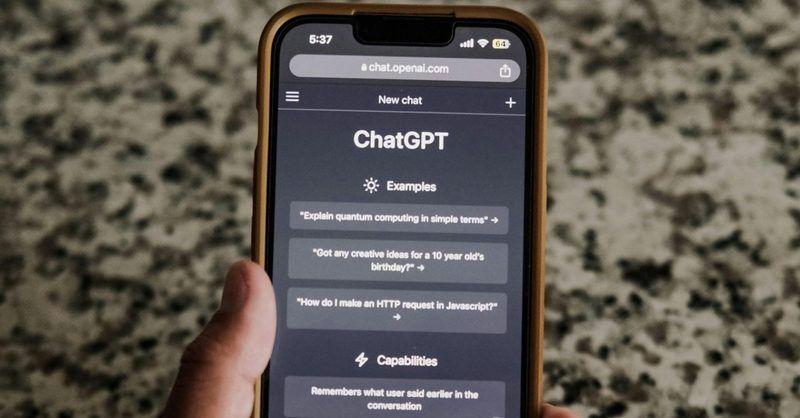
Source: Digital Trends
In example screenshots shared by OpenAI, the ads appear as blocked-off sections of the chat window with a small image and advertising copy. The company emphasizes that testing advertisements in ChatGPT will maintain "answer independence," meaning ads will not influence the responses the chatbot provides to users
2
. "People trust ChatGPT for many important and personal tasks, so as we introduce ads, it's crucial we preserve what makes ChatGPT valuable in the first place," wrote Fidji Simo, OpenAI's CEO of applications3
.User Data Privacy and Control Over Personalization
OpenAI has outlined principles addressing user data privacy concerns. The company promises not to sell user data to advertisers or expose conversations with ChatGPT to advertisers
3
2
. Advertisers won't be able to see information about a user's age, location, or interests. Instead, OpenAI will provide advertisers with aggregate ad performance metrics, such as how many times an ad was shown or clicked3
.Users will have user control over ads through several mechanisms. They can dismiss ads, see explanations for why they're being shown particular ones, and turn off personalization without disabling ChatGPT's other personalization features
2
3
. Users can also clear the data used for ads at any time. The company won't show ads on sensitive or regulated topics like health, mental health, or politics, and won't serve ads to users who identify as under 18 or whom the system predicts are minors4
.Related Stories

ChatGPT Go Subscription Expands Globally
The free and Go tiers now form the foundation of OpenAI's dual monetization strategy. The ChatGPT Go subscription, priced at $8 per month, slots between the free version and the $20-per-month Plus tier. Go subscribers get approximately 10 times as many messages, file uploads, and image generations as free users
4
5
. The subscription model provides greater access to GPT-5.2 Instant, with free users limited to 10 messages every five hours before switching to a mini version, while Plus subscribers get 160 messages every three hours5
."In markets where Go has been available, we've seen strong adoption and regular everyday use for tasks like writing, learning, image creation, and problem-solving," OpenAI stated
5
. This strategy could drive revenue in two ways: generating ad income from free and Go tier users while potentially pushing ad-averse users toward higher-priced ad-free subscriptions.Broader Implications for AI Revenue Models
OpenAI frames its pursuit of advertising as supporting its mission that artificial general intelligence (AGI) "benefits all of humanity"
2
. "Our enterprise and subscription businesses are already strong," Simo wrote. "We believe in having a diverse revenue model where ads can play a part in making intelligence more accessible to everyone"1
.
Source: TechRadar
This move follows OpenAI's April 2025 introduction of shopping features to ChatGPT Search, which included product recommendations that weren't initially labeled as sponsored content but signaled potential monetization directions
1
. OpenAI isn't alone in exploring this revenue model—Google began testing AdSense ads in chatbot experiences through partnerships with AI startups in late 20241
. As AI companies face pressure to demonstrate sustainable business models, advertising represents a proven path to monetization, though one that requires careful balance between revenue generation and maintaining user trust in AI systems designed to provide objective, helpful information.References
Summarized by

Navi
[1]
[5]
Related Stories
ChatGPT ads arrive for free users as OpenAI tests new revenue model amid industry scrutiny
04 Feb 2026•Technology

OpenAI explores ChatGPT ads with sponsored content prioritization to monetize 900M users
24 Dec 2025•Business and Economy
OpenAI Explores Advertising for ChatGPT Amid Financial Pressures
03 Dec 2024•Business and Economy

Recent Highlights
1
Apple Plans Major Siri AI Overhaul in iOS 27 With Third-Party Chatbot Integration
Technology

2
OpenAI shuts down Sora after six months, ending Disney's $1 billion licensing partnership
Technology

3
AI chatbots validate you too much, making you less kind to others, Stanford study reveals
Science and Research
Recent Highlights
Today's Top Stories






Your Daily Dose of Curated AI News
Don’t drown in AI news. We cut through the noise - filtering, ranking and summarizing the most important AI news, breakthroughs and research daily. Spend less time searching for the latest in AI and get straight to action.

