Remedy confirms Control Resonant uses no generative AI as 52% of developers see tech as threat


2 Sources
2 Sources
[1]
'There is varied interest in different crafts at Remedy into investigating these AI tools', says Remedy interim CEO, but confirms Control Resonant 'does not use generative AI content at all'
He adds that the company is following AI progression to see if anything can be used "ethically" that would "add player value" Remedy interim CEO Markus Mäki has confirmed that the studio's next major title, Control Resonant, does not utilize generative AI. However, he admits that there is interest in the tech at the company. Speaking during Remedy's most recent earnings Q&A (via Game Developer), Mäki discussed the divisive technology that has been seeping into every facet of the games industry over the past few years. "I'm a big believer in player value -- so doing things that really add something to the gameplay experience and player experience. I'm also a big believer in the creative people on our team and that they know the best ways to add that value. There is varied interest in different crafts at Remedy into investigating these AI tools," Mäki said. Despite there being "varied interest" in these tools, Mäki was firm when he confirmed that the Control sequel does not feature any use of Gen-AI, but that the company is following its progression to see if anything can be used "ethically" that would "add player value". "I can say that, for example, Control Resonant does not use generative AI content at all. But making far-reaching promises about the future is pretty hard at this point," the interim CEO said. "We are actively following the development [of generative AI tools] and seeing if there is anything that is really ethically in the right place, and is something that can add player value and that our teams want to use. Then, of course, that's an easier decision." It's getting more difficult to ignore the presence of Gen-AI in the video game industry. The 2026 State of the Game Industry Report (via GameSpot) states that 52% of game developers believe generative AI is a threat to the industry, a rise from the 30% last year, while only 7% said it had a positive impact. One anonymous game developer even told surveyors of the report, "I'd rather quit the industry than use generative AI." There are the obvious ethical reasons against using AI for creative projects that impact real artists, but also the threat of layoffs that game developers face as companies shift their focus to the technology. Its usage has even reached the point of causing a rise in the cost of RAM, which has had negative effects on hardware stock. In other related news, Sony has reportedly obtained a new patent for AI-generated podcasts that would be voiced by its PlayStation characters. Last month, it patented new AI technology that will take control of PlayStation games when the player gets stuck, and even a touchscreen controller patent that doesn't feature buttons or thumbsticks.
[2]
Remedy isn't using generative AI to make Control Resonant, the studio confirms
TL;DR: Remedy's upcoming action game, Control Resonant, was developed without generative AI technology. While the studio values creative teams and player experience, it remains cautious about adopting AI in future projects, monitoring ethical considerations and potential player benefits. Control Resonant launches in 2026 on PS5, Xbox Series S/X, and PC. Control Resonant, Remedy's new Devil May Cry-like action game, wasn't made with generative AI tech. With thousands upon thousands of developers being laid off as companies simultaneously grasp AI in a bid to save costs, artificial intelligence has become a hot-button topic in the games industry. That seems to go double for generative AI, which can be used to create interactive worlds without the need for a game developer--like Google's new Genie or Microsoft's MUSE. Not everyone is using AI to make games, and that includes Remedy. In a recent call with investors, Remedy's interim CEO was asked about AI's disruptions in gaming, and whether or not the studio will use it while crafting new projects. The answer is pretty simple: Remedy didn't use generative AI while making Control Resonant. As for using AI in the future, Remedy can't say for certain. Current interim Remedy CEO Markus Malki explains the studio's position on AI: "This is a topic that people really like to make headlines about right now. First of all, I'm a big believer in player value. Doing things that add to the player experience. I'm also a believer in the creative people on our team, and that they know the best ways to create that value. "There is a variety of interests at different crafts in Remedy to investigate these AI tools, but I do know and I can say for sure that Control Resonant does not use generative AI content at all. "But making far-reaching promises about the future is pretty hard at this point. We are actively following the development and seeing if it's something with the ethics in the right place and also something that can add player value. And our teams also have to want to use it." Control Resonant is due out sometime in 2026 and will launch on PS5, Xbox Series S/X, and PC.
Share
Share
Copy Link
Remedy Entertainment's interim CEO Markus Mäki confirmed that Control Resonant was developed without any generative AI content. While acknowledging varied interest in investigating AI tools across different crafts at the studio, Mäki emphasized the company's commitment to player value and creative teams. This comes as 52% of game developers now view generative AI as a threat to the industry.
Remedy Entertainment Takes Firm Stance on Generative AI in Control Resonant
Remedy Entertainment has confirmed that Control Resonant, the studio's upcoming action game sequel, does not use generative AI content at all. The announcement came during Remedy's most recent earnings Q&A, where interim CEO Markus Mäki addressed growing concerns about AI in gaming industry adoption
1
. The confirmation arrives at a critical moment when the technology has become a hot-button topic across the games industry, with developers increasingly worried about job security and the ethical implications of artificial intelligence integration.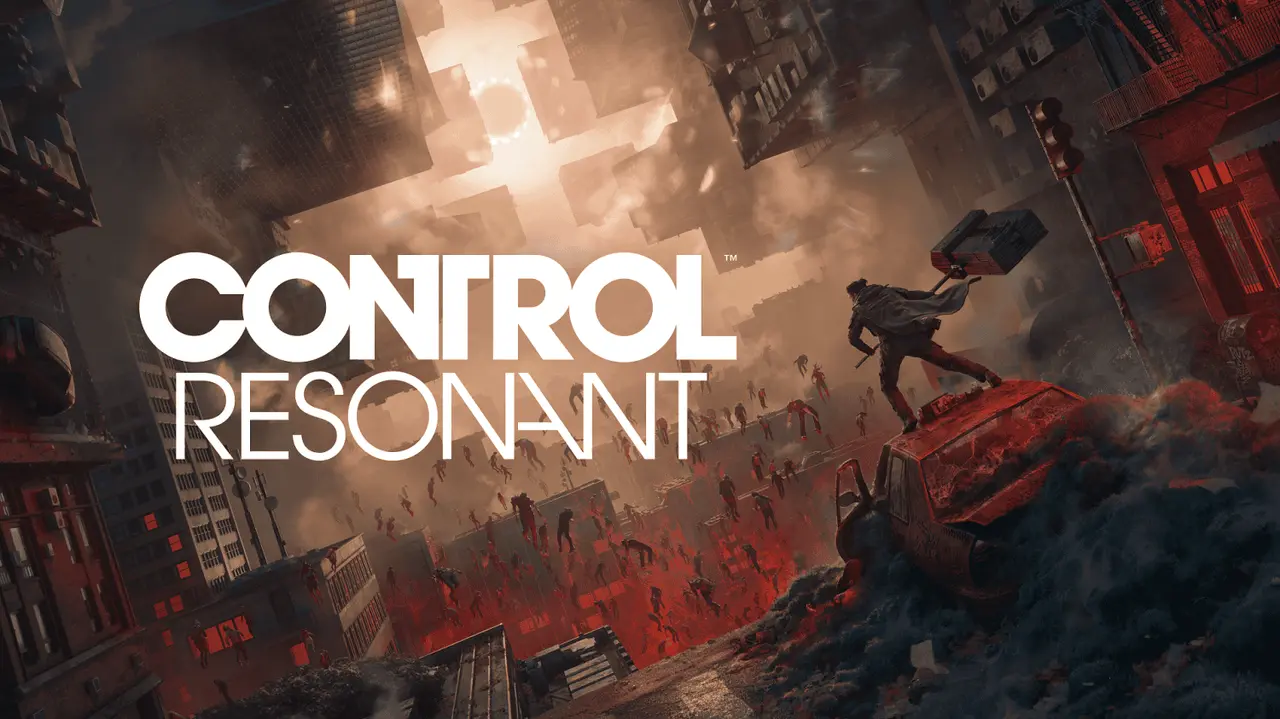
Source: TweakTown
Markus Mäki explained the studio's position clearly during the investor call, stating he is "a big believer in player value -- so doing things that really add something to the gameplay experience and player experience." He emphasized trust in creative teams at Remedy, noting they understand the best ways to deliver that value
2
. While acknowledging there is varied interest in different crafts at Remedy into investigating these AI tools, the interim CEO was unequivocal about Control Resonant's development approach. The studio actively follows generative AI progression to determine if anything can be used "ethically" that would genuinely add player value, but no such tools met those criteria for this project.Game Developer Concerns Reach New Heights
The timing of Remedy's stance reflects broader industry anxiety. The 2026 State of the Game Industry Report reveals that 52% of game developers now view generative AI as a threat to the industry, a dramatic increase from just 30% the previous year
1
. Only 7% reported positive impacts from the technology. One anonymous game developer told surveyors, "I'd rather quit the industry than use generative AI," highlighting the depth of resistance among creative professionals. These concerns stem from obvious ethical concerns of AI that impact real artists, combined with the threat of layoffs as companies shift focus toward automation technologies.Cautious Approach to Future Projects
While Remedy Entertainment maintains no generative AI content in Control Resonant, Mäki acknowledged the difficulty of making "far-reaching promises about the future." The studio continues monitoring developments to identify tools that meet both ethical standards and player benefits criteria. "We are actively following the development and seeing if there is anything that is really ethically in the right place, and is something that can add player value and that our teams want to use," Mäki explained during the earnings Q&A
1
. This measured approach suggests Remedy won't categorically reject AI tools but will prioritize creative teams' preferences and player experience over cost-cutting measures.Related Stories

Industry-Wide AI Integration Continues
Despite game developer concerns, generative AI continues spreading across the industry. The technology's presence has grown so pervasive it's even affecting hardware markets, with AI usage contributing to rising RAM costs and negative effects on hardware stock
1
. Sony AI patents recently emerged for AI-generated podcasts voiced by PlayStation characters, alongside technology that takes control of games when players get stuck. These developments signal major publishers are investing heavily in artificial intelligence integration, even as artists and developers express opposition. Control Resonant's 2026 release on PS5, Xbox Series S/X, and PC will serve as a test case for whether games built without generative AI can compete in an increasingly AI-driven market2
.
Source: TechRadar
References
Summarized by

Navi
Related Stories
Capcom promises no AI-generated assets in games but will use AI to boost development efficiency
23 Mar 2026•Technology

Game Developers Reject Generative AI Despite Tech Industry Push at GDC 2026
22 Mar 2026•Technology

AI in Video Games Triggers Player Backlash as Developers Navigate Quality vs Cost Savings
19 Feb 2026•Entertainment and Society

Recent Highlights
1
Apple Plans Major Siri AI Overhaul in iOS 27 With Third-Party Chatbot Integration
Technology

2
OpenAI shuts down Sora video app after six months, ending Disney's $1 billion investment deal
Technology

3
Pentagon formalizes Palantir's Maven AI as core military system with multi-year funding
Policy and Regulation

Recent Highlights
Today's Top Stories







Your Daily Dose of Curated AI News
Don’t drown in AI news. We cut through the noise - filtering, ranking and summarizing the most important AI news, breakthroughs and research daily. Spend less time searching for the latest in AI and get straight to action.

