Samsung's AI-generated ads for Galaxy S26 camera features spark widespread backlash


2 Sources
2 Sources
[1]
Samsung is slopping AI ads all over its social channels
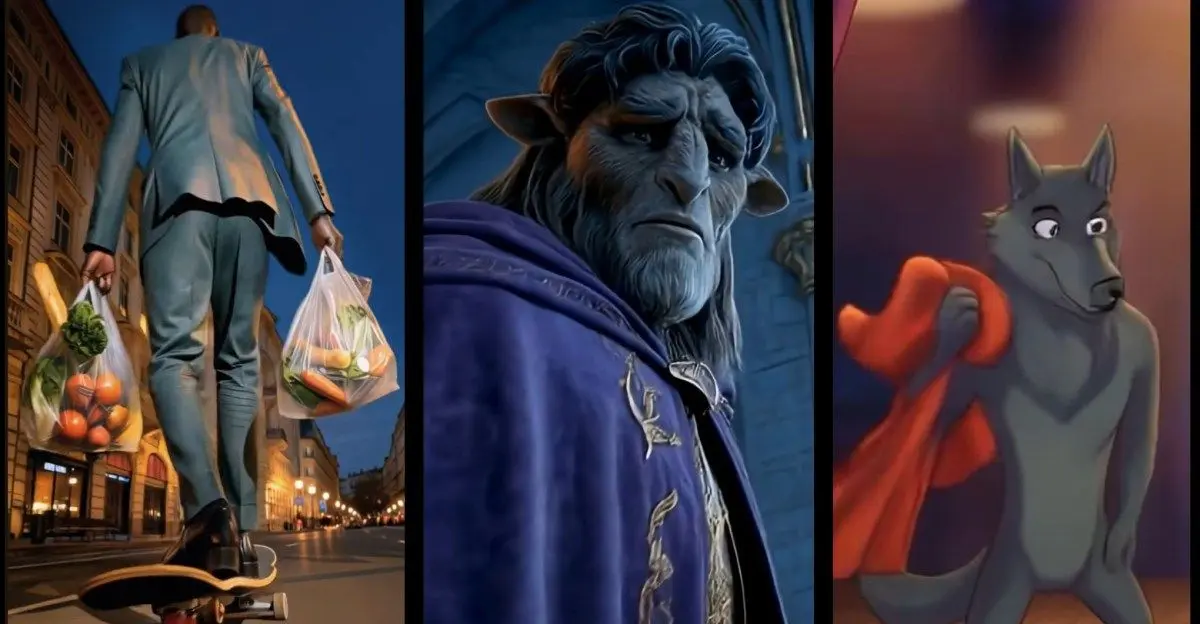
After cramming AI into every inch of its smartphones, appliances, and other devices, Samsung is now increasingly slapping it across social media. Several videos posted to the company's YouTube, Instagram, and TikTok accounts in recent weeks were made or edited using generative AI tools, including its latest teaser for the upcoming Galaxy S26 series. The "Brighten your after hours" video features two people skateboarding at night, and supposedly shows off the low-light video capabilities of the upcoming Galaxy S26 devices. Fine print appears at the bottom of the screen towards the end of the video, flagging that it was "generated with the assistance of AI tools," but there are obvious signs even without the disclosure. The vegetable-laden shopping bags look artificial and unnaturally weighted, for example, and cobblestones in the road appear to shift around. This video, and several others that use AI to promote camera features, all carry the tag line "Can your phone do that?" but don't specify if Samsung is using its own phones or AI models to generate the content. It wouldn't be the first time that the company has misrepresented its smartphone camera capabilities in marketing materials. Samsung has also been posting low-quality cartoons (which look suspiciously Disney-styled) to promote AI home appliances, cat edits, and snowmen who are ironically struggling to determine what's real -- all made or manipulated using AI. Most include a similar AI disclosure in the clips, but YouTube and Instagram notably haven't added their own AI labels on the "Brighten your after hours" video, despite Google, Meta, and Samsung all having adopted C2PA -- the authenticity standard used by most AI labeling systems. We have reached out to Samsung, Meta, and Google for comment.
[2]
Samsung's shameless AI ads aren't going down well
We've seen plenty of examples of dodgy AI advertising from big brands including McDonald's and Coca-Cola in recent months. But if there's one industry we wouldn't expect to see churning out egregiously obvious slop, it's tech. So it's a little surprising to see Samsung slopping all over its social media feeds with a bunch of badly rendered ads designed, ironically, to highlight upcoming Galaxy S26 series's AI capabilities. Take, for example, the above ad titled 'Brighten your after hours'. The ad is ostensibly advertising the ability to brighten dark videos. But the crappy AI distracts from the actual message. Why are the skateboarding men's suits so shiny? Why does the road suddenly transform from paved to cobbled? The ad ends with the line, 'Can your phone do that?' Which is a bit rich - judging by the need for AI, presumably Samsung's can't either. Needless to say, the comments aren't kind. "Samsung really?! AI slop to show your new Ultra camera night time performance?," one viewer complains, while another adds, "I was actually interested in moving from an iPhone until I saw this. This is garbage and I want nothing to do with it." Another pithily concludes, 'This is the best iPhone ad'. None of this is a good look for Samsung. Why advertise camera features using footage that didn't come from the camera? Why hide the AI disclaimer in such tiny small-print at the bottom when the whole thing is so blatantly artificially generated? Indeed, there seems to be a concerning trend here - if big brands like Samsung and Coca-Cola aren't afraid to make their AI ads look so unapologetically shite, what do the next few years of advertising look like? The future's not bright. The future's sloppy.
Share
Share
Copy Link
Samsung is flooding its social media channels with AI-generated advertisements to promote the upcoming Galaxy S26 series, but the strategy is backfiring. Videos showcasing camera features contain obvious artificial elements like unnaturally weighted shopping bags and shifting cobblestones. Critics are calling it shameless AI slop, with some viewers threatening to abandon Samsung for competitors.
Samsung Floods Social Media With AI-Generated Advertisements
Samsung has begun flooding its YouTube, Instagram, and TikTok accounts with AI ads created using generative AI tools, marking a controversial shift in how the tech giant promotes its products
1
. The company's latest promotional push centers on the upcoming Galaxy S26 series, with multiple videos showcasing camera features that were themselves generated or edited using artificial intelligence rather than captured with actual devices2
.
Source: Creative Bloq
The most prominent example is the "Brighten your after hours" video, which attempts to demonstrate the low-light video capabilities of Galaxy S26 smartphones. However, the AI-generated marketing materials contain glaring flaws that undermine the intended message. Shopping bags filled with vegetables appear artificially rendered and unnaturally weighted, while cobblestones in the road visibly shift around during the scene
1
. The video features two people skateboarding at night in suits that appear unnaturally shiny, and the road surface inexplicably transforms from paved to cobbled2
.
Source: The Verge
AI Disclaimers Hidden in Fine Print Despite Obvious Flaws
While Samsung includes AI disclaimers noting the content was "generated with the assistance of AI tools," this disclosure appears in tiny fine print at the bottom of videos
1
. The minimal labeling approach raises questions about transparency, especially when the artificial nature of the content is so blatantly obvious. More concerning is that YouTube and Instagram have not added their own AI labels to the "Brighten your after hours" video, despite Google, Meta, and Samsung all having adopted the C2PA authenticity standard used by most AI labeling systems1
.The company's social media advertising strategy extends beyond the Galaxy S26 promotion. Samsung has also been posting low-quality cartoons with suspiciously Disney-styled aesthetics to promote AI home appliances, along with cat edits and snowmen content—all created or manipulated using generative AI
1
.Viewer Backlash Questions Samsung's Marketing Strategy
The AI capabilities being promoted through these ads have sparked intense criticism from viewers who question the logic of advertising camera features with footage that wasn't captured by the cameras themselves. Comments on social media reflect widespread frustration, with one viewer stating, "Samsung really?! AI slop to show your new Ultra camera night time performance?"
2
. Another potential customer wrote, "I was actually interested in moving from an iPhone until I saw this. This is garbage and I want nothing to do with it"2
.The videos carry the tagline "Can your phone do that?" but fail to specify whether Samsung used its own smartphones or AI models to generate the content
1
. This ambiguity becomes particularly problematic given Samsung's history—this wouldn't be the first time the company has faced accusations of misrepresentation in marketing materials related to smartphone camera capabilities1
.Related Stories
Broader Implications for Tech Industry Advertising
The Samsung controversy reflects a concerning pattern emerging across major brands. Companies like McDonald's and Coca-Cola have recently faced similar criticism for low-quality AI advertising, but the tech industry was expected to maintain higher standards
2
. When established tech leaders like Samsung embrace what critics call "AI slop" without apparent concern for quality, it raises questions about the future trajectory of digital marketing. If brands aren't afraid to make their AI-generated advertisements look unapologetically artificial, the advertising landscape may become increasingly saturated with low-effort, machine-generated content that prioritizes speed and cost savings over authenticity and creative quality.The gap between Samsung's AI-powered devices and its AI-generated promotional content highlights a disconnect in how the company approaches artificial intelligence across different aspects of its business. While Samsung has integrated AI into every aspect of its smartphones and appliances, the application of generative AI to its marketing efforts appears rushed and poorly executed, potentially damaging consumer trust at a critical moment when the Galaxy S26 series needs to differentiate itself in a competitive market.
References
Summarized by

Navi
[2]
Related Stories
Samsung's AI Revolution: Transforming Galaxy Smartphones with Cutting-Edge Features
24 Jul 2024

Samsung Galaxy S25: AI-Powered Features Enhance User Experience and Productivity
22 Jul 2025•Technology
Samsung Unveils Galaxy S25 with Advanced AI Features, Challenging Apple's iPhone Dominance
23 Jan 2025•Technology

Recent Highlights
1
AI chatbots validate you too much, making you less kind to others, Stanford study reveals
Science and Research

2
Anthropic's Claude Code Source Leak Reveals Hidden AI Agent Plans and Extensive System Access
Technology

3
Judge blocks Pentagon from branding Anthropic a security risk over AI safety guardrails dispute
Policy and Regulation

Recent Highlights
Today's Top Stories










Your Daily Dose of Curated AI News
Don’t drown in AI news. We cut through the noise - filtering, ranking and summarizing the most important AI news, breakthroughs and research daily. Spend less time searching for the latest in AI and get straight to action.

