Takeda inks $1.7 billion Iambic deal to accelerate AI drug discovery for cancer treatments


3 Sources
3 Sources
[1]
Takeda deepens AI drug discovery push with $1.7 billion Iambic deal
Feb 9 (Reuters) - Privately held Iambic said on Monday it has entered a multi-year partnership worth more than $1.7 billion with Japan's Takeda Pharmaceutical (4502.T), opens new tab to use artificial intelligence to help design small-molecule drugs targeting cancer and gastrointestinal diseases. Under the agreement, Iambic will receive upfront payments and could earn more than $1.7 billion in development and commercial milestones, plus royalties on sales. The deal marks Takeda's latest move to embed artificial intelligence across its research operations, following a similar agreement with Nabla Bio last year focused on protein-based drugs. Drug developers are increasingly turning to AI technologies to speed up discovery and cut costs, with experts predicting timelines could be halved in coming years. Takeda will also gain access to NeuralPLexer, Iambic's model that predicts how drug molecules bind to proteins. Iambic Chief Executive Tom Miller told Reuters that understanding protein structure is critical in drug development. "If you don't know the shape of what you're trying to engage ... it's a lot like trying to make a sculpture in the dark," he said. Traditional drug discovery can take around six years before a compound reaches clinical trials. Iambic said its approach, combining AI predictions with automated laboratories, can compress that timeline to less than two years. Takeda Chief Scientific Officer Christopher Arendt said the technology could significantly shorten research timelines, though speed is only part of the appeal. "When you start to add an AI engine to your small‑molecule drug development, it means you can go faster," Arendt said in an interview, adding that molecular quality is equally critical. Miller said AI tools can save months of traditional lab work, but "the most important thing is creating something that couldn't have been done before." Reporting by Kamal Choudhury in Bengaluru; Editing by Tasim Zahid Our Standards: The Thomson Reuters Trust Principles., opens new tab
[2]
Takeda deepens AI drug discovery push with $1.7 billion Iambic deal
Iambic and Takeda Pharmaceutical have formed a multi-year partnership valued at over $1.7 billion. This collaboration will leverage artificial intelligence to accelerate the design of small-molecule drugs for cancer and gastrointestinal diseases. Iambic's AI model, NeuralPLexer, will be utilised to predict drug molecule binding to proteins. Privately held Iambic said on Monday it has entered a multi-year partnership worth more than $1.7 billion with Japan's Takeda Pharmaceutical to use artificial intelligence to help design small-molecule drugs targeting cancer and gastrointestinal diseases. Under the agreement, Iambic will receive upfront payments and could earn more than $1.7 billion in development and commercial milestones, plus royalties on sales. The deal marks Takeda's latest move to embed artificial intelligence across its research operations, following a similar agreement with Nabla Bio last year focused on protein-based drugs. Drug developers are increasingly turning to AI technologies to speed up discovery and cut costs, with experts predicting timelines could be halved in coming years. Takeda will also gain access to NeuralPLexer, Iambic's model that predicts how drug molecules bind to proteins. Iambic Chief Executive Tom Miller told Reuters that understanding protein structure is critical in drug development. "If you don't know the shape of what you're trying to engage ... it's a lot like trying to make a sculpture in the dark," he said. Traditional drug discovery can take around six years before a compound reaches clinical trials. Iambic said its approach, combining AI predictions with automated laboratories, can compress that timeline to less than two years. Takeda Chief Scientific Officer Christopher Arendt said the technology could significantly shorten research timelines, though speed is only part of the appeal. "When you start to add an AI engine to your small‑molecule drug development, it means you can go faster," Arendt said in an interview, adding that molecular quality is equally critical. Miller said AI tools can save months of traditional lab work, but "the most important thing is creating something that couldn't have been done before."
[3]
Takeda Taps AI Startup Iambic In $1.7 Billion+ Deal To Speed Up Drug Discovery - Takeda Pharmaceutical Co (NYSE:TAK)
AI startup Iambic on Monday announced a multi-year technology and discovery collaboration agreement with Takeda Pharmaceutical Company Limited (NYSE:TAK). The Japanese drug maker will use Iambic's AI drug discovery models to advance a select set of high-priority small molecule programs, initially in Takeda's oncology, gastrointestinal, and inflammation therapeutic areas. Through the agreement, Takeda will also gain access to NeuralPLexer, Iambic's model for predicting protein-ligand complexes. Based in San Diego and founded in 2020, Iambic is a clinical-stage life-science and technology company developing novel medicines using its AI-driven discovery and development platform. Iambic's Collaboration Could Exceed $1.7 Billion "Our collaboration with Takeda is a powerful opportunity to apply our AI-driven discovery and development platform, and we are excited to partner with their team to quickly advance new and better drug candidates," said Tom Miller, Co-Founder and CEO of Iambic. "Iambic's small molecule platform aligns with this ambition and offers the potential to de-risk candidate selection, improve probability of success, and more quickly advance select programs from early project start to IND," Chris Arendt, Chief Scientific Officer and Head of Research at Takeda. Under the terms of the agreement, Iambic will receive upfront, research cost, and technology access payments and is eligible to receive success-based payments that could exceed $1.7 billion. The company is also eligible to receive royalties on net sales of any products generated from this collaboration. The collaboration will utilize Iambic's AI models as well as the company's fully integrated, high-throughput, and automated wet lab capabilities. How AI Is Changing Drug Discovery Timelines These core capabilities support a rapid Design-Make-Test-Analyze cycle that can accelerate program advancement. Reuters reported that drug developers are increasingly turning to AI technologies to speed up discovery and cut costs, with experts predicting timelines could be halved in the coming years. Traditional drug discovery can take around six years before a compound reaches clinical trials, Iambic Chief Executive Tom Miller told Reuters. Iambic said its approach, combining AI predictions with automated laboratories, can compress that timeline to less than two years. Takeda Chief Scientific Officer Christopher Arendt said the technology could significantly shorten research timelines, though speed is only part of the appeal. "When you start to add an AI engine to your small‑molecule drug development, it means you can go faster," Reuters noted, citing Arendt's interview, adding that molecular quality is equally critical. TAK Price Action: Takeda Pharmaceutical Co shares were down 1.26% at $17.66 at the time of publication on Monday. The stock is approaching its 52-week high of $17.98, according to Benzinga Pro data. Photo by Veroniksha via Shutterstock Market News and Data brought to you by Benzinga APIs To add Benzinga News as your preferred source on Google, click here.
Share
Share
Copy Link
Japan's Takeda Pharmaceutical has partnered with AI startup Iambic in a deal exceeding $1.7 billion to design small-molecule drugs targeting cancer and gastrointestinal diseases. The collaboration leverages Iambic's NeuralPLexer model to predict protein binding, potentially compressing traditional six-year drug discovery timelines to less than two years through AI predictions and automated laboratories.
Takeda Pharmaceutical Partnership Marks Major AI Drug Discovery Investment
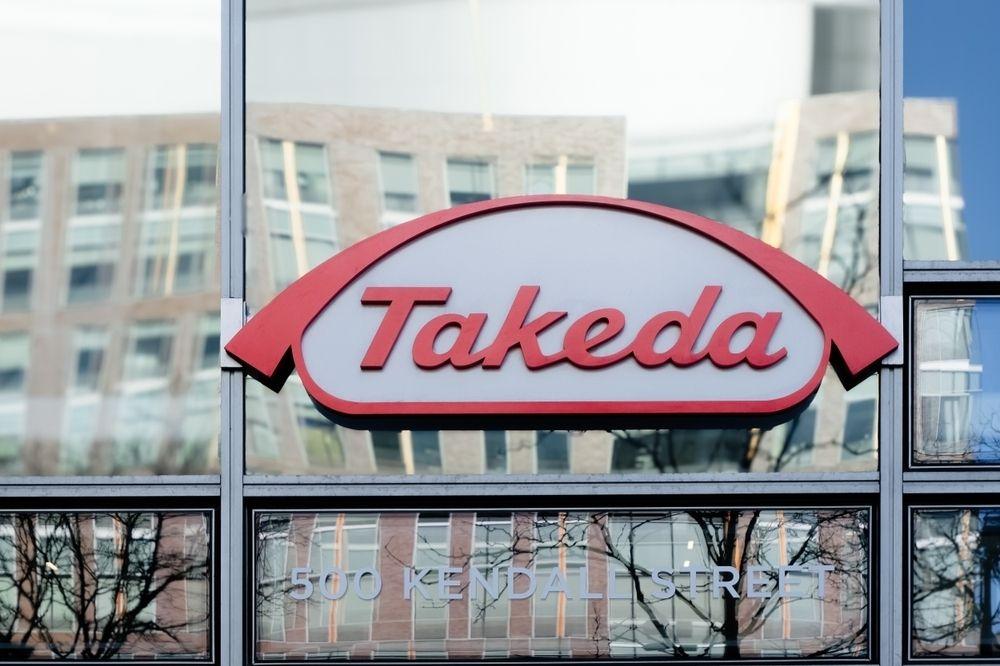
Japan's Takeda Pharmaceutical has entered a multi-year collaboration with privately held AI startup Iambic in a $1.7 billion deal that signals the pharmaceutical industry's deepening commitment to AI-driven drug discovery
1
. Under the agreement announced Monday, Iambic will receive upfront payments and stands to earn more than $1.7 billion in development and commercial milestones, plus royalties on sales of any products generated from the partnership2
. The collaboration will focus on designing small-molecule drugs targeting cancer and gastrointestinal diseases, with potential expansion into inflammation therapeutic areas3
.
Source: Benzinga
Iambic's NeuralPLexer Model Central to Accelerate Drug Discovery Efforts
At the heart of this Takeda Pharmaceutical partnership lies NeuralPLexer, Iambic's AI drug discovery models that predict how drug molecules bind to proteins—a critical step in developing effective therapeutics
1
. Iambic Chief Executive Tom Miller explained the importance of understanding protein structure in drug development: "If you don't know the shape of what you're trying to engage ... it's a lot like trying to make a sculpture in the dark"2
. Takeda will gain access to this sophisticated model as part of its broader strategy to embed artificial intelligence across its research operations, following a similar agreement with Nabla Bio last year focused on protein-based drugs1
.How AI Could Reduce Drug Development Timelines Dramatically
The collaboration promises to address one of pharmaceutical research's most persistent challenges: time. Traditional drug discovery can take around six years before a compound reaches clinical trials
1
. Iambic claims its approach, combining AI predictions with automated laboratories, can compress that timeline to less than two years2
. The San Diego-based company, founded in 2020, operates as a clinical-stage life-science and technology firm developing novel medicines using its fully integrated, high-throughput automated wet lab capabilities that support a rapid Design-Make-Test-Analyze cycle3
.Related Stories

Industry Experts Weigh Speed Against Quality in Small-Molecule Drugs Development
While the potential to reduce drug development timelines represents a significant advantage, Takeda Chief Scientific Officer Christopher Arendt emphasized that speed alone isn't the primary objective. "When you start to add an AI engine to your small‑molecule drug development, it means you can go faster," Arendt said, adding that molecular quality is equally critical
1
. Miller echoed this sentiment, noting that AI tools can save months of traditional lab work, but "the most important thing is creating something that couldn't have been done before"2
. The technology aims to de-risk candidate selection and improve probability of success as small molecule programs advance from early project start to IND (Investigational New Drug) applications3
.What This Means for Cancer and Gastrointestinal Diseases Treatment Development
Drug developers are increasingly turning to AI technologies to speed up discovery and cut costs, with experts predicting timelines could be halved in coming years
1
. For patients waiting for treatments targeting oncology and gastrointestinal conditions, this collaboration could translate into faster access to novel drug candidates. The partnership allows Takeda to advance a select set of high-priority small molecule programs initially focused on these therapeutic areas3
. As pharmaceutical companies continue to integrate AI into their research operations, the industry may witness a fundamental shift in how quickly and efficiently new medicines move from concept to clinical testing, though the true measure of success will be whether these AI-designed compounds demonstrate superior safety and efficacy profiles in human trials.
Source: ET
References
Summarized by

Navi
Related Stories
Nvidia-Backed Iambic Therapeutics Unveils AI Breakthrough in Drug Discovery
29 Oct 2024•Science and Research

Pharmaceutical Giants Unite to Boost AI-Driven Drug Discovery
01 Oct 2025•Technology
Takeda Launches First Asian Innovation Capability Center in Bengaluru, Focusing on AI and Digital Health Solutions
16 Jan 2025•Technology

Recent Highlights
1
Apple Plans Major Siri AI Overhaul in iOS 27 With Third-Party Chatbot Integration
Technology

2
OpenAI shuts down Sora after six months, ending Disney's $1 billion licensing partnership
Technology

3
AI chatbots validate you too much, making you less kind to others, Stanford study reveals
Science and Research

Recent Highlights
Today's Top Stories







Your Daily Dose of Curated AI News
Don’t drown in AI news. We cut through the noise - filtering, ranking and summarizing the most important AI news, breakthroughs and research daily. Spend less time searching for the latest in AI and get straight to action.

