Trump demands Big Tech cover AI data center power costs as electricity prices surge 6% nationwide


17 Sources
17 Sources
[1]
The White House wants AI companies to cover rate hikes. Most have already said they would. | TechCrunch
The proliferation of AI data centers plugging into the national electrical grid has helped increase consumer electricity prices, driving up the average national electricity price by more than 6% in the last year. That's not a good look for the incumbents ahead of this fall's elections, and President Donald Trump addressed the challenge in his State of the Union speech last night. "We're telling the major tech companies that they have the obligation to provide for their own power needs," Trump said. "They can build their own power plants as part of their factory, so that no one's prices will go up." The hyperscalers in question don't need to be told. They have already made public commitments in recent weeks to cover electricity costs by building their own power sources, paying higher rates, or both, part of a broader effort to solve PR problems around data center expansion and win over skeptical communities. On January 11, Microsoft announced its policy "to ensure that the electricity cost of serving our datacenters is not passed on to residential customers." January 26, OpenAI committed to "paying its own way on energy, so that our operations don't increase your energy prices." On February 11, Anthropic made the same pledge to "cover electricity price increases that consumers face from our data centers." Yesterday, Google announced the largest battery project in the world yesterday to support a data center in Minnesota. What these commitments means in practice, and who will determine which data centers are responsible for which price increases, remains unknown. The White House did not respond to questions about the policy from TechCrunch. "A handshake agreement with Big Tech over data center costs isn't good enough," Arizona Democratic Senator Mark Kelly said on social media. "Americans need a guarantee that energy prices won't soar and communities have a say." White House spokesperson Taylor Rodgesr said that next week, companies will send representatives to formally sign the pledge at the White House. Amazon, Google, Meta, Microsoft, xAI, Oracle and OpenAI are reportedly among those set to attend. However none of the companies have confirmed their attendance. Even if tech companies committ to taking on electricity costs, on-site power plants may not be a panacea -- they can still have adverse impacts on the surrounding environment, and will stress supply chains for natural gas, turbines, photovoltaics and batteries, depending on how companies aim to power their compute.
[2]
Trump orders Big Tech to generate its own power for AI data centers -- reveals new 'ratepayer protection pledge' to curb rising electricity prices in the US
At yesterday's State of the Union address, President Trump brought up the issue of surging power costs driven by hyper-scale AI buildouts -- and proposed a solution. Announcing a new "ratepayer protection pledge," he said companies would now be required to build their own power plants for data centers, generating and supplying their own electricity for AI workloads. For the past few years, Big Tech has relied on thirsty data centers to fuel the AI boom, building massive sites running thousands of GPUs at once. These chips not only require energy themselves but also need to be kept cool, which adds to the overall power needs. So far, these companies have just been just plugging into the grid and buy electricity conventionally, but this has stretched the grid thin. Now, for everyone else in the area, power has become more expensive because their locality is pulling harder from the network. "We have an old grid. It could never handle the kind of numbers, the amount of electricity that's needed," said Trump. Last year, a report claimed that energy prices have already risen by up to 36% in some states, while another pointed toward the situation getting worse. Data centers are said to account for 12% of the total power in the national grid by 2028, up from just 4% back in 2018. This drastically affects the average person, who is forced to pay more for the same household power usage and whose backyard is now a perpetually-humming living being -- while the corporations actually behind this surge remain much more shielded against the price hikes. To combat this, Washington's new plan is to ask these companies to fuel their AI ambitions by themselves. White House spokesperson Taylor Rogers told CNBC that "under this bold initiative, these massive companies will build, bring, or buy their own power supply for new AI data centers, ensuring that Americans' electricity bills will not increase as demand grows." This pledge will reportedly be signed by Amazon, Google, Meta, Microsoft, xAI, Oracle, OpenAI, and others when they visit the President in early March. Trump already unveiled the idea last month via a Truth Social post, where he ensured that Americans won't have to "pick up the tab" for data center buildouts. The Trump administration has been very aggressive on the AI front in order to deter China from gaining an upper hand. The two countries were engaged in a deadlock for most of past year over the latest AI GPUs, before things cooled down with a temporary trade truce. Hence, the government is maintaining a delicate balance between encouraging hyperscalers to... scale while simultaneously keeping them in check. "I'm telling them, they can build their own plant. They're going to produce their own electricity. It will ensure the company's ability to get electricity, while at the same time, lowering prices of electricity for you," said Trump at the SOTU address. Now, it's only a matter of time before this "ratepayer protection pledge" is formalized, but broader reaction from concerned critics will be predicated on actual, real-world impact. Follow Tom's Hardware on Google News, or add us as a preferred source, to get our latest news, analysis, & reviews in your feeds.
[3]
As Energy Costs Soar, Trump Pushes AI Giants to 'Produce Their Own Electricity'
In the longest State of the Union address in at least 62 years, President Trump devoted just over a minute to a topic that's left many Americans feeling increasingly powerless: whether soaring data-center demand for electricity will drive up their own rates. "Tonight I'm pleased to announce that I have negotiated the new ratepayer protection pledge," he said about 44 minutes into the nearly two-hour speech. "We're telling the major tech companies they have the obligation to provide for their own power needs." He didn't name any firms that have signed on to this commitment, although White House representatives have been telling media outlets such as the New York Times that an event at the White House next week will feature those companies. Trump called the pledge "a unique strategy never used in this country before," but some of these companies have already announced commitments to pay for any new generating capacity and grid infrastructure needed for their data-center projects. Microsoft, for example, pledged to do just that in January, following earlier initiatives to pay for data-center power generation such as its 2024 deal to restart a nuclear reactor at the shuttered Three Mile Island plant near Harrisburg, Pennsylvania. Later that month, OpenAI announced a comparable commitment for its $500 billion Stargate data-center plan "to [pay] our own way on energy, so that our operations don't increase your electricity prices." And on Feb. 11, Anthropic posted its own pledge, including promises to "pay for 100% of the grid upgrades needed to interconnect our data centers" and "bring net-new power generation online to match our data centers' electricity needs." Google, meanwhile, announced in June 2024 that it had developed a new "clean transition rate" framework, first signed with the Nevada utility NV Energy, under which it would pay for new renewable power sources to cover its data-center needs without increasing residential rates. On Tuesday, the company announced another deal along these lines with Xcel Energy to add wind, solar, and battery capacity in Minnesota. Last night, xAI CEO Elon Musk reposted a statement from xAI lobbyist James Burnham in which he said the company behind the Grok chatbot "has never caused our neighbors' electricity bills to rise." He wrote: "When our team builds supercomputers, that includes power." And Meta announced Wednesday that it was already on board: "Meta pays the full costs for the energy used by our data centers, so they aren't passed on to consumers." Trump's brief description of this pledge in his speech suggested it was necessary because of an "old grid" incapable of meeting data-center demands, which checks out. "So I'm telling them they can build their own plant, they're gonna produce their own electricity," he said. "It will ensure the company's ability to get electricity while at the same time lowering prices of electricity for you, and could be very substantial." But requiring data centers to include their own on-site power generation capacity may not make them any better neighbors, as the people living downwind of xAI's gas-turbine-powered plant near Memphis can attest. A February Washington Post report cited concerns among communities in Texas and West Virginia, among others, about the pollution coming from off-grid power facilities for data centers planned near them. The Trump administration, however, does not seem too concerned about that risk. The "AI Action Plan" announced last summer lists methane gas first among sources of "dispatchable" power for data centers, followed by an even bigger polluter, coal, and the zero-emissions options of geothermal and nuclear power. This White House has also gone out of its way to slow or halt the development of solar and wind power, including multiple attempts to yank permits for offshore wind projects that have all been rejected by courts. Republicans in Congress have joined Trump in that crusade: Last year's giant "One Big Beautiful Bill" budget-reconciliation measure terminated most of the clean-energy credits offered under President Biden's Inflation Reduction Act. That drew a mention in the official Democratic response, in which Virginia Gov. Abigail Spanberger criticized Trump for, among many other things, "driving up costs in energy."
[4]
White House to host Big Tech in pledge to rein in power costs
Feb 25 (REUTERS) - The White House plans to host leading data center and artificial intelligence companies including Microsoft (MSFT.O), opens new tab, Anthropic and Meta Platforms (META.O), opens new tab in early March to formalize a deal to shield consumers from rising electricity costs, according to two sources familiar with the plans. The meeting is expected to advance an initiative President Donald Trump unveiled during his State of the Union address on Tuesday, in which he said he had told major technology firms they must build their own power plants to run the rapidly-expanding fleet of data centers and other artificial intelligence infrastructure. The pledge under discussion is expected to resemble commitments already offered earlier this year by Microsoft (MSFT.O), opens new tab to invest in new electricity generation and efficiency measures, the sources said. "We appreciate the Administration's work to ensure that data centers don't contribute to higher electricity prices for consumers," said Brad Smith, Microsoft's Vice Chair and President. The company did not say whether it would be in attendance next week or whether it would sign any new pledge. The White House did not immediately respond to requests for comment. A spokesperson for Meta declined to comment and Anthropic did not immediately respond to a request for comment. Trump has made the global AI race, and securing the vast amounts of electricity needed to power it, a primary focus of his second term. That agenda, however, has become politically precarious ahead of the midterms as energy demand growth from data centers pushes up power bills over a wide swath of the country. The recent proliferation of giant data center projects -- needed for the expansion of artificial intelligence technologies -- has been met with increasing local and state protests over concerns of rising bills and pollution tied to the developments. Reporting by Laila Kearney and Jarrett Renshaw; editing by Timothy Gardner Our Standards: The Thomson Reuters Trust Principles., opens new tab
[5]

Big Tech companies to meet Trump at White House to sign pledge on data center power costs
U.S. President Donald Trump sits in the Oval Office to sign executive orders, at the White House in Washington, D.C., U.S., Dec. 18, 2025. The major technology companies will meet President Donald Trump at the White House next week to sign a pledge to supply their own power for artificial intelligence data centers. The companies attending the March 4 meeting include Amazon, Google, Meta, Microsoft, xAI, Oracle and OpenAI, a White House official confirmed. "Under this bold initiative, these massive companies will build, bring, or buy their own power supply for new AI data centers, ensuring that Americans' electricity bills will not increase as demand grows," White House spokeswoman Taylor Rogers told CNBC. Fox News first reported the development. Trump said during his State of the Union address Tuesday that he had secured such a pledge from the tech sector, but did not provide detail on what the agreement entails. "We're telling the major tech companies that they have the obligation to provide for their own power needs," the president said. "They can build their own power plants as part of their factory so that no one's prices will go up." Data centers are facing political blowback in communities across the U.S. as people blame rising electricty prices on the facilities' tremendous energy consumption.
[6]

Trump Says Tech Firms Should Pay More for Electricity
In a nod to voter frustration over rising electricity prices, President Trump on Tuesday said he was negotiating pledges from major tech companies to pay a greater share of the energy costs associated with new data centers. Silicon Valley is spending hundreds of billions of dollars to build power-hungry data centers for artificial intelligence as demand for electricity is increasing across the United States. That has led to widespread fears that the A.I. boom could cause utility bills to spike for ordinary households. Mr. Trump's announcement during his State of the Union speech was light on details, and experts said that any promises by tech companies to pay more for their electricity could be difficult to verify or enforce in practice. Yet the move underscored the extent to which White House officials and Republicans have worried that rising electricity prices could hurt them in the midterm elections this year. "We're telling the major tech companies they have the obligation to provide for their own power needs and can build their own power plants so no one's prices will go up," Mr. Trump said. He called it a "ratepayer protection pledge." Data centers being built today can use as much power as a small city, and they often require large new transmission lines, power plants and other costly upgrades before they can be connected to the local electric grid. Historically, utilities have spread those upgrade costs -- which can reach billions of dollars -- among all customers in their regions. But politicians are increasingly calling on tech giants to foot most or all of the bill for these upgrades. In recent weeks, both Microsoft and Anthropic have publicly pledged to pay higher electricity rates to cover their costs. Many tech companies are also building their own power plants, largely fueled by natural gas, as Meta is doing with a data center in El Paso, Tex. "We absolutely want to pay our fair share of all costs associated with serving us," Briana Kobor, head of energy market innovation at Google, told a recent gathering of utility regulators in Washington. Experts say that such pledges could potentially help curb electricity costs for everyone else but the effects would depend on the specifics of the plan. "If you could wave a magic wand and have tech companies pay for every nickel that's being spent on infrastructure, that would have a significant effect," said Ari Peskoe, who directs the Electricity Law Initiative at Harvard University. "But it gets complicated in practice," he said. "There are a lot of big question marks here." It can be difficult to figure out which expenses should be assigned to new data centers, such as the cost of upgrading transmission lines. The contracts that data centers sign with local utilities are typically confidential, which can make it hard for the public to verify whether tech companies are paying all of their associated costs. In some parts of the country, regional grid operators and regulators may also need to rewrite complex rules on how to allocate their costs. Trump Administration: Live Updates Updated Feb. 25, 2026, 8:02 a.m. ET It is also unclear whether any pledges from the major tech giants would apply to the smaller third-party developers that are often the ones building data centers and negotiating power contracts. The White House did not respond to questions about the pledge or which tech companies had signed it. On a call with reporters Wednesday, Energy Secretary Chris Wright said, "Every name you know that's developing a data center has been in dialogue with us." Josh Levi, the president of the Data Center Coalition, a trade association, said in a statement that tech companies plan to "work closely" with the administration on the issue. "We appreciate President Trump's focus on winning the global A.I. race, and we share his commitment to the continued responsible development of the data center industry, alongside a more affordable, reliable electric grid that serves all customers," he said. The Energy Department also announced Wednesday morning that it would loan $26.5 billion to two electric utilities, Georgia Power and Alabama Power, to help build new gas plants and batteries and upgrade nuclear plants and transmission lines. The loan would allow the utilities to reduce their borrowing costs by about $300 million per year, officials said, and allow Georgia Power to enact a three-year rate freeze at a time when data centers are expanding rapidly in the region. Last month, the Trump administration also floated a plan to try to ease the rapid price increases occurring in PJM Interconnection, a regional grid that serves 65 million people in the Mid-Atlantic. That proposal, which would require significant regulatory changes and is still under review by the grid operator, would have tech companies pay to build new power plants in the region through specialized 15-year contracts. But that plan could take years to have an effect, experts said. That's because, in the short term, data centers can come online and drive up electricity demand faster than new power plants can be built. Rising electricity rates have become a volatile political issue in many parts of the country. Over the past six years, the average retail price of electricity has risen faster than inflation in roughly two dozen states. Some tech firms, electric utilities and Trump administration officials have disputed the idea that data centers are to blame. In Virginia, home to the nation's largest concentrations of data centers, electricity prices have mostly stayed flat over the past six years after adjusting for inflation. Some analyses have suggested that new data centers can even lower prices by allowing utilities to spread the fixed costs of maintaining the grid among a larger set of customers. Yet the new pledges suggest that the big data center companies, known as "hyperscalers," are scrambling to avoid a backlash. At least 25 proposed data centers were canceled last year after protests by nearby communities, according to research by Heatmap, a climate news site. "The rhetoric from hyperscalers has changed over the past year," Mr. Peskoe said. "A year ago, they were saying that they were already paying their fair share. Now they seem to be acknowledging that they need to do better." Mr. Trump had originally promised that he would cut electricity bills in half within 18 months of taking office. While he almost certainly won't come close to meeting that pledge, he again promised in his Tuesday address that energy costs would fall. "Soon you will see numbers that few people would think were possible to achieve just a short time ago," he said. "Nobody can believe when they see energy going down to numbers like that."
[7]

'Meaningless' theater? As tech giants pledge ratepayer protections in D.C., others question real-world impact
Data center titans Amazon, Google, Meta, Microsoft, xAI, Oracle, and OpenAI are headed to the White House next week to sign a commitment to fund their own energy infrastructure costs, CNBC reported today. The deal, teased by President Trump during Tuesday's State of the Union address, arrives as the massive power requirements of generative AI become a flashpoint for voters frustrated by rising utility bills. "Tonight, I'm pleased to announce that I have negotiated the new ratepayer protection pledge," Trump said in his address. "We're telling the major tech companies that they have the obligation to provide for their own power needs. They can build their own power plants as part of their factory, so that no one's prices will go up..." Microsoft and OpenAI last month made their own commitments to cover their electricity costs and act as good neighbors in the communities where they're building data centers that power the internet and artificial intelligence. On Monday Amazon announced a $12 billion data center project in Louisiana in which the company vowed to pay its own way for energy and other infrastructure. While the pledges aim to quell public anxiety, some industry veterans say they're solving a problem that doesn't exist. "All these announcements about data centers paying their own way for power costs are meaningless," said Brian Janous, Microsoft's former vice president of energy and co-founder of Cloverleaf Infrastructure, a startup that helps secure clean power for data centers and other industries. "They are meaningless because data centers have been paying their own way from day one," he said in a LinkedIn post Wednesday. "You know who else pays their own way? Supermarkets. And shopping malls. And auto factories. And homeowners. Everyone pays their own way." Janous argued that electricity rates are designed to ensure that customers bear their fair costs for power use, and that adding large customers to the grid actually helps lower rates as they can fund system upgrades. "Trying to stop datacenter expansion in the name of limiting rate increases will only make the problem worse," he added. Others disagreed, noting that country's aging grid requires long-deferred, expensive improvements that won't necessarily be borne by data centers, particularly given the speed at which the massive amounts of new energy need to be deployed. Another wrinkle is the Trump administration has impeded wind and solar power projects, which are the cheapest sources of new electricity, and is working to weaken federal energy efficiency standards for appliances and equipment. While the White House has targeted voluntary pledges, Washington state leaders are moving toward a more regulated approach. The state Senate is currently weighing House Bill 2515, which would: * Direct utilities to create tariffs or policies that protect ratepayers from short- or long-term financial risks associated with the data centers' energy use. * Require companies to release water, energy and pollution reports on the facilities' operations. * Set rules on using renewable power for data centers. The measure has its next public committee hearing tomorrow. Rep. Beth Doglio, D-Olympia, is the bill's lead sponsor and recently testified in favor of statewide standards to ensure "that we do data centers right in this state."
[8]

Tech ratepayer pledge may be more bark than bite -- but still matters
Why it matters: Electricity markets are largely regulated at the state and regional levels, limiting Washington's direct sway. * Even so, the White House-tech initiative "is a big bully pulpit that could influence state economic regulators around the country even if it lacks an implementation plan or regulatory teeth," said Rob Gramlich, founder of Grid Strategies, a consulting firm. Catch up quick: Tech execs are expected at the White House next week to sign what President Trump called a "ratepayer protection pledge" during Tuesday's State of the Union. * OpenAI and Amazon are taking part in the "pledge" initiative, the companies confirmed. Others expected include Google, Meta, Microsoft, xAI and Oracle, Fox News reported. The intrigue: It's still not clear how it might change policies and practices. * Several tech giants have already vowed to prevent consumers from getting stuck with the energy bills for the AI buildout. * "Data center 'pledges' to ring-fence costs are both non-binding and not new," TD Cowen analysts said in a note. * FERC, with urging from DOE, is working on policies that push large industrial customers to cover costs like needed grid upgrades. State of play: More than a dozen states in recent years have changed power rules to require data center developers to shoulder more of their electricity costs, Gramlich said. * The "sharp end of policy developments in this space" is already unfolding at FERC, in wholesale markets including the massive PJM grid region covering much of the Northeast, and in state regulatory commissions, the TD Cowen analysts said. * But as more states weigh similar moves, a high-profile tech pledge could shape those hyperlocal debates, Gramlich said. Reality check: Power market rules already require new large customers to pay their fair share, wrote one leading data center developer on LinkedIn. * Current pricing structures -- known as tariffs (not to be confused with import duties) -- are generally designed around "cost causation" principles, meaning costs are allocated to the customers that drive them, said Brian Janous, chief commercial officer of Cloverleaf Infrastructure. * That framework is intended to minimize cross-subsidies between rate classes, such as residential and industrial customers. The biggest tech players like OpenAI and Amazon have been making various promises. * For instance, Microsoft last month said it will "ask utilities and public commissions to set our rates high enough" to cover costs of adding and using power. The bottom line: Several experts say the pledge is more about optics than overhaul. But optics matter as power prices rise. * "Clearly the public is blaming data centers for cost increases, so these sorts of announcements are probably necessary," Janous said. Sign up here for Axios' Future of Energy newsletter.
[9]

Trump's pact with Big Tech on utility prices is short on details
At Tuesday's State of the Union, President Donald Trump announced that he had struck an agreement. "I'm pleased to announce that I have negotiated the new rate payer protection pledge," Trump said in the record-breaking 107-minute speech. "We're telling the major tech companies that they have the obligation to provide for their own power needs, so that no one's prices go up." He added that an antiquated power grid risked getting strained due to the surging demand for electricity from data centers. The pledge, though, was short on details. It was not immediately clear which tech companies agreed to the conditions, the timeline for the agreement to kick in, or what amount in savings Americans could expect. The White House did not immediately respond to a request for comment. The Wall Street Journal reported Trump is expected to convene tech executives in early March to formalize the initiative. Some major tech companies like Microsoft $MSFT and Anthropic are taking steps to finance their own power generation so Americans don't get stuck with the bill from new data centers. Power bills have climbed in many parts of the U.S. because of increased utility demand from tech firms spending big on AI, and the president appears intent to head off possible AI-related backlash in the midterms. The four tech giants Amazon $AMZN, Microsoft, Meta $META, and Google $GOOGL are committed to spend $650 billion this year combined to develop their AI capabilities. That includes new data center construction. Microsoft rolled out a "community-first AI infrastructure plan" in January that included a commitment to "pay our way" so the company's data centers don't cause a spike in residential electricity bills. "We'll ask utilities and public commissions to set our rates high enough to cover the electricity costs for our data centers," Microsoft President Brad Smith said in a blog post. Anthropic made a similar pledge earlier this month and said it "will cover" any electricity price increase stemming from their data centers. Some Democrats, though, pressed the Trump administration to do more in ensuring tech companies are held to their pledges. "A handshake agreement with Big Tech over data center costs isn't good enough," Sen. Mark Kelly of Arizona, said in a social media post. "Americans need a guarantee that energy prices won't soar and communities have a say."
[10]
Trump teases AI electricity pledge. Here's when tech giants will sign it
Why it matters: It's the Trump administration's latest response to election-year voter angst over data centers' AI-driven electricity demands and their potential effects on rates. * A number of the biggest tech companies have already made pledges that they say will prevent consumers from getting stuck with the energy bills for the AI buildout. Driving the news: Trump said during Tuesday night's State of the Union address that he negotiated a "ratepayer protection pledge" with tech companies. * He said that the companies will "have the obligation to provide for their own power needs" and touted building on-site generation. * Trump didn't provide details Tuesday night, but White House spokeswoman Taylor Rogers confirmed Wednesday that the event would be held next week. * "President Trump is committed to ensuring American AI dominance while simultaneously lowering costs for working families," Rogers said in a statement. Zoom in: OpenAI is among the companies that is participating in the initiative, according to a source who spoke on condition of anonymity. * Amazon spokesman Duncan Neasham said his company will take part. * Other companies expected include Google, Meta, Microsoft, xAI and Oracle, Fox News reported. * Microsoft President Brad Smith had said last month that the company will "pay our way" to ensure its data centers don't raise power prices. * Smith issued a statement Wednesday calling the Trump pledge "an important step. We appreciate the administration's work to ensure that data centers don't contribute to higher electricity prices for consumers." Energy Secretary Chris Wright told reporters Wednesday that the event would result in a "unified announcement" on companies' cooperation. * "What President Trump talked about last night was the bottom line: These are the dialogues, these are the objectives we have set, and we have not had any developers say, 'No, I'm not willing to do that,'" Wright said. Context: Analysts at Jefferies said in a Wednesday note that Trump's move confirms what several companies are already doing. * Jefferies forecast "a much more challenged outlook for existing power plants co-locating with data centers" that lack a strategy to invest directly in providing their own electricity. The other side: Several Democratic lawmakers quickly said Trump's initiative doesn't do enough to shield people -- a stance shared by some clean-energy groups.
[11]

Donald Trump to meet Google, Meta, OpenAI on energy pledge ahead of midterms
The White House has said the so‑called "Ratepayer Protection Pledge," announced by Trump in his State of the Union Address, would see tech firms commit to measures designed to ensure the boom in artificial intelligence infrastructure does not translate into higher utility bills for households and small businesses. US President Donald Trump is set to meet on Wednesday with leaders of major technology companies, including Google, Meta and OpenAI, to formalize a pledge aimed at protecting consumers from rising electricity costs tied to the rapid expansion of energy‑intensive data centers. The White House has said the so‑called "Ratepayer Protection Pledge," announced by Trump in his State of the Union Address, would see tech firms commit to measures designed to ensure the boom in artificial intelligence infrastructure does not translate into higher utility bills for households and small businesses. The initiative is being launched ahead of the November midterm elections, with voters increasingly concerned about energy affordability and the increased strain on the country's power grids from data centers. The pledges are expected to include a commitment by technology companies to bring or buy electricity supplies for their data centers, either from new power plants or existing plants with expanded output capacity, according to two sources familiar with the plans. They are also likely to include commitments from Big Tech to pay for upgrades to power delivery systems and to enter into special electricity rate agreements with utilities, the sources said. Companies expected at the White House include some of the biggest names in the tech sector, which are investing billions in new AI computing capacity that draws vast amounts of electricity. Trump has urged those firms to build or secure dedicated power capacity to meet demand rather than relying solely on regional grids, part of a broader effort to balance technological competitiveness with political and economic concerns about energy costs. It's not clear, however, that the effort will get new supplies of electricity built quickly enough to ease pressure on grids, said Jon Gordon, who is a director at Advanced Energy United, a clean energy trade group that includes some data centers. That's in part due to Trump's policy focus on increasing natural gas and other fossil fuel-fired power for data centers, instead of quicker-build sources like solar and wind, he added. "The real problem is the inability to get generation online fast enough to meet the data center demand," Gordon said. "Hyperscalers paying for the generation doesn't get it online any faster." Advocates and critics alike will be watching closely to see whether the pledge produces concrete commitments or remains largely symbolic, as lawmakers and consumer groups have called for stronger protections to prevent utility bill increases tied to data center build‑outs.
[12]

Trump Says America's 'Old Grid' Can't Handle The Electricity Needed By Tech Giants: 'They Can Build Their Own Plant' - Amazon.com (NASDAQ:AMZN), Microsoft (NASDAQ:MSFT)
On Tuesday night, President Donald Trump said major technology companies should generate their own electricity for AI data centers to prevent higher power bills for consumers. Trump Unveils 'Rate Payer Protection' Plan During his State of the Union address, Trump announced what he called a "Rate Payer Protection pledge," saying large tech firms must take responsibility for their energy needs. "We have an old grid. It could never handle the kind of numbers, the amount of electricity that's needed," Trump said. "So I'm telling them, they can build their own plant. They're going to produce their own electricity." He argued the move would both secure power for companies and help keep household electricity costs down. AI Data Centers Driving Record Demand The development comes as demand for electricity surges due to rapid growth in artificial intelligence infrastructure. The U.S. added a record 10 gigawatts of new data center capacity in 2025, with December marking the strongest month on record. Overall power demand rose 2.8% year over year, the fastest pace in two decades. More than half of regional power markets are now operating near tight supply conditions. The White House is expected to host technology companies in early March to discuss details of the plan, Reuters reported, citing people familiar with the discussions. The administration did not name specific firms or outline enforcement measures. Industry Already Moving Toward Self-Supply Some companies have already signaled they are prepared to invest in their own energy resources. Grid operator PJM Interconnection has also reportedly proposed that large new users bring their own generation or reduce consumption during periods of strain. AMZN is showing a downward price trend across short, medium and long-term timeframes and carries a weak Momentum score, according to Benzinga's Edge Stock Rankings. Disclaimer: This content was partially produced with the help of AI tools and was reviewed and published by Benzinga editors. Image via Shutterstock/ Andrew Leyden Market News and Data brought to you by Benzinga APIs To add Benzinga News as your preferred source on Google, click here.
[13]
White House to host Big Tech after pledge to rein in power costs - The Economic Times
The White House said on Wednesday it will host leading data center and artificial intelligence companies next week, with attendees expected to include Microsoft, Amazon, Anthropic and Meta Platforms to formalize a deal to shield consumers from rising power costs.The White House said on Wednesday it will host leading data center and artificial intelligence companies next week, with attendees expected to include Microsoft, Amazon, Anthropic and Meta Platforms to formalize a deal to shield consumers from rising power costs. The meeting, scheduled for March 4 and first reported by Reuters, is expected to advance an initiative President Donald Trump unveiled during his State of the Union address on Tuesday. Trump said he had told major technology firms they must build their own power plants to run the rapidly expanding fleet of data centers and other artificial intelligence infrastructure. The pledge under discussion is expected to resemble commitments offered earlier this year by Microsoft to invest in new electricity generation and efficiency measures. "Major tech companies will join President Trump at the White House next week to formally sign the Rate Payer Protection Pledge that he announced during his historic State of the Union address," said Taylor Rogers, a White House spokeswoman. High power prices may be a vulnerability The Trump administration supports efforts to advance artificial intelligence in competition with China, but the impact of the proliferation of AI data centers on power prices has become a potential vulnerability for Republicans ahead of the November midterm elections. Microsoft did not say whether it would attend next week or sign any new pledge. "We appreciate the Administration's work to ensure that data centers don't contribute to higher electricity prices for consumers," said Brad Smith, Microsoft's vice chair and president. An Amazon spokesperson said the company planned to attend the meeting and participate in the effort. A spokesperson for Meta declined to comment. "American families shouldn't pick up the tab for AI," Anthropic spokesperson Sarah Heck wrote on X. "In support of the (White House) rate payer protection pledge, Anthropic has committed to covering 100% of electricity price increases that consumers face from our data centers." AI race a focus for Trump Trump has made the global AI race, and securing the vast amounts of electricity needed to power it, a primary focus of his second term. That agenda, however, has become politically precarious ahead of the midterms as energy demand growth from data centers inflates power bills across much of the country. The proliferation of giant data center projects has met with increasing local and state protests over concerns of rising bills and pollution. Some data center plans, or related power projects, have been cancelled or postponed following local opposition. Last month, the Trump administration and several governors from states in the country's largest electric grid, PJM Interconnection, released a framework for addressing surging power bills in the region. PJM covers the world's biggest concentration of data centers. Projections for a massive increase in the number of centers connecting to the grid have led some power costs in the market to surge by about 1,000% in less than two years. Part of the White House plan to rein in power costs tied to data centers will build on the PJM framework, two sources told Reuters. Addressing rising costs from data centers is complicated, and the pledges are no easy way to rein in prices at a time of ballooning data center demand and utility spending, said Ari Peskoe, director of the Electricity Law Initiative at the Harvard Law School Environmental and Energy Law Program. "The 'Ratepayer Protection Pledge' is meaningless until we see utilities file contracts with state and federal regulators that allocate all costs of serving data centers to data centers," Peskoe said. That effort will be particularly difficult in PJM, Peskoe said, where utilities are already spending tens of billions of dollars on power projects to supply data centers - costs that will be spread out among the 13-state grid's ratepayers.
[14]

Microsoft, Amazon, Google among tech titans planning to provide own power for data centers: report
Microsoft (MSFT), Amazon (AMZN), Google (GOOG)(GOOGL), Oracle (ORCL), xAI (X.AI), and OpenAI (OPENAI) are all expected to meet with U.S. President Donald Trump and establish a plan to Data center operators may incur higher costs by building, bringing, or buying their own power supplies for new AI data centers, as they are now responsible for providing their electricity needs under the initiative. The initiative aims to prevent increases in Americans' electricity bills by requiring tech companies to secure their own power instead of using the public grid for new AI data centers. Microsoft plans to minimize consumer electricity price impact, reduce water consumption, and replenish more water than its data centers use.
[15]
Trump orders tech giants to power their own AI data centers under 'rate protection' pledge
U.S. President Donald Trump has said that major technology companies developing artificial intelligence data centers will have to cover their electricity needs under what he called a newly negotiated "rate protection pledge." Speaking during his State of the Union address Tech companies may face increased costs by being required to build or source their own power generation for AI data centers instead of relying on local grids. The pledge is intended to lower consumer electricity prices by reducing the burden from AI data centers on the existing power grid. Tech companies may gain more reliable access by generating their own electricity, though failure to do so could result in curtailed power supply, especially during peak demand periods.
[16]
Trump pushes big tech to use own power for AI data centers to keep bills low
President Trump is working with big tech companies like Amazon, Google, Meta, Microsoft, xAI, Oracle, and OpenAI to make them provide their own electricity for AI data centers. The plan aims to protect Americans from rising energy bills while supporting AI growth. Some critics say the pledges may not be enough, but the administration hopes this will lower electricity costs. President Trump is working with big tech companies like Amazon, Google, Meta, Microsoft, xAI, Oracle, and OpenAI to make them generate their own electricity for AI data centers. A meeting is planned in March at the White House where these companies will formally sign a pledge to manage their own power supply, as posted on X by The Kobeissi Letter. The companies have agreed to protect Americans from electricity price hikes while building or buying their own energy for new AI data centers. Trump highlighted this in his State of the Union speech, saying tech firms must provide for their own energy so normal people's bills don't rise. He called it the "ratepayer protection pledge." Trump's team says this move also responds to voter concerns over rising electricity costs, which could affect elections. AI data centers use huge amounts of power, sometimes as much as a small city, requiring big upgrades like new power plants and transmission lines, as stated by NYT. Normally, utilities pass the cost of these upgrades to all customers, which can cost billions, but now politicians are asking tech giants to cover most of it. Some companies, like Microsoft and Anthropic, already promised to pay higher electricity rates to cover data center costs. Companies like Meta are building their own power plants, often using natural gas, like Meta's data center in El Paso, Texas. Google's Briana Kobor said the company wants to pay its fair share for all energy costs at a recent utility regulator meeting. Experts say if tech companies cover all infrastructure costs, it could lower electricity costs for everyone, but it's complicated to do in practice. Challenges include deciding which costs to assign to data centers and the secrecy of contracts, making it hard to verify if companies pay all costs. Smaller third-party developers building data centers might not be covered by these pledges, creating uncertainty. Energy Secretary Chris Wright said all major data center developers are in dialogue with the administration. The companies expected at the signing include Amazon, Google, Meta, Microsoft, xAI, Oracle, and OpenAI, as cited by Fox News. Josh Levi, from the Data Center Coalition, said tech companies will work closely with the government to keep the grid reliable and affordable. Some Democrats and environmental groups criticized the pledges as symbolic, saying they don't guarantee lower energy bills. Senator Mark Kelly said a handshake deal isn't enough; Americans need real guarantees on electricity prices. The Energy Department announced a $26.5 billion loan to Georgia Power and Alabama Power to build new gas plants, upgrade nuclear plants, and improve transmission lines, as noted by NYT. The loan will allow a three-year rate freeze for Georgia Power customers as data centers expand. The administration also floated a plan in the PJM Interconnection region to have tech companies pay to build power plants under 15-year contracts, but it could take years to work. Rising electricity prices have become a political issue, with prices rising faster than inflation in about 24 states over six years. Some analyses show that new data centers can even lower costs by spreading grid maintenance costs among more users. At least 25 planned data centers were canceled last year due to local protests. Experts say tech companies are now acknowledging they need to pay more, after previously claiming they already paid enough. Trump previously promised to cut electricity bills in half within 18 months, but now says energy costs will fall soon to numbers "few people would believe." Q1. Which tech companies signed the electricity pledge with Trump? Amazon, Google, Meta, Microsoft, xAI, Oracle, and OpenAI are joining the pledge. Q2/ Why is Trump asking tech companies to provide their own power? To protect Americans from higher electricity bills caused by big AI data centers.
[17]

Trump's message for big tech with energy-hungry AI projects: Build...
Tech companies need to build their own power plants to support their energy-hungry AI projects, President Trump said during Tuesday night's State of the Union speech -- his latest effort to ease energy costs for ordinary Americans. "I'm pleased to announce that I have negotiated the new rate-payer protection pledge. You know what that is? We're telling the major tech companies that they have the obligation to provide for their own power needs," Trump said. "We have an old grid," he continued. "It could never handle the kind of numbers, the amount of electricity that's needed. "So I'm telling them, they can build their own plant. They're going to produce their own electricity. It will ensure the company's ability to get electricity while at the same time, lowering prices of electricity for you." Trump did not elaborate on which companies have committed to the pledge. The White House is planning to host tech companies in early March to finalize plans, two sources familiar with the matter told Reuters. OpenAI, Google and other companies at the forefront of the artificial intelligence race have faced pressure in recent months over concerns that their ambitious projects are straining the power grid and leading to higher costs for households. Some firms, including Anthropic and Microsoft, have already announced efforts to cover electricity costs associated with powering their AI data centers. As Trump spoke, Anthropic's head of policy Sarah Heck reiterated that the firm has committed to "covering 100% of electricity price increases that consumers face from our data centers." Elon Musk, who recently merged his aerospace company SpaceX with Grok chatbot maker xAI, has discussed a bold plan to build solar-powered data centers in space. Elsewhere, OpenAI's Sam Altman acknowledged during a recent appearance at a summit in India that the tech industry would likely need to move toward alternative energy sources as demand increases. "Not per query, but in total - because the world is using so much AI ... and we need to move towards nuclear or wind and solar very quickly," Altman said.
Share
Share
Copy Link
President Trump announced a ratepayer protection pledge requiring major tech companies to generate their own power for AI data centers, addressing consumer concerns over rising electricity prices. Companies including Microsoft, Google, Meta, Amazon, and OpenAI will meet at the White House on March 4 to formalize commitments many have already made to shield Americans from soaring energy costs driven by data center expansion.
Trump Unveils Ratepayer Protection Pledge Targeting Big Tech Energy Consumption
President Donald Trump announced during his State of the Union address that major technology companies must generate their own power for AI data centers, formalizing a ratepayer protection pledge designed to prevent consumer energy bills from climbing further
1
2
. The White House described this as "a unique strategy never used in this country before," though the reality reveals a different picture3
. "We're telling the major tech companies that they have the obligation to provide for their own power needs," Trump stated. "They can build their own power plants as part of their factory, so that no one's prices will go up"1
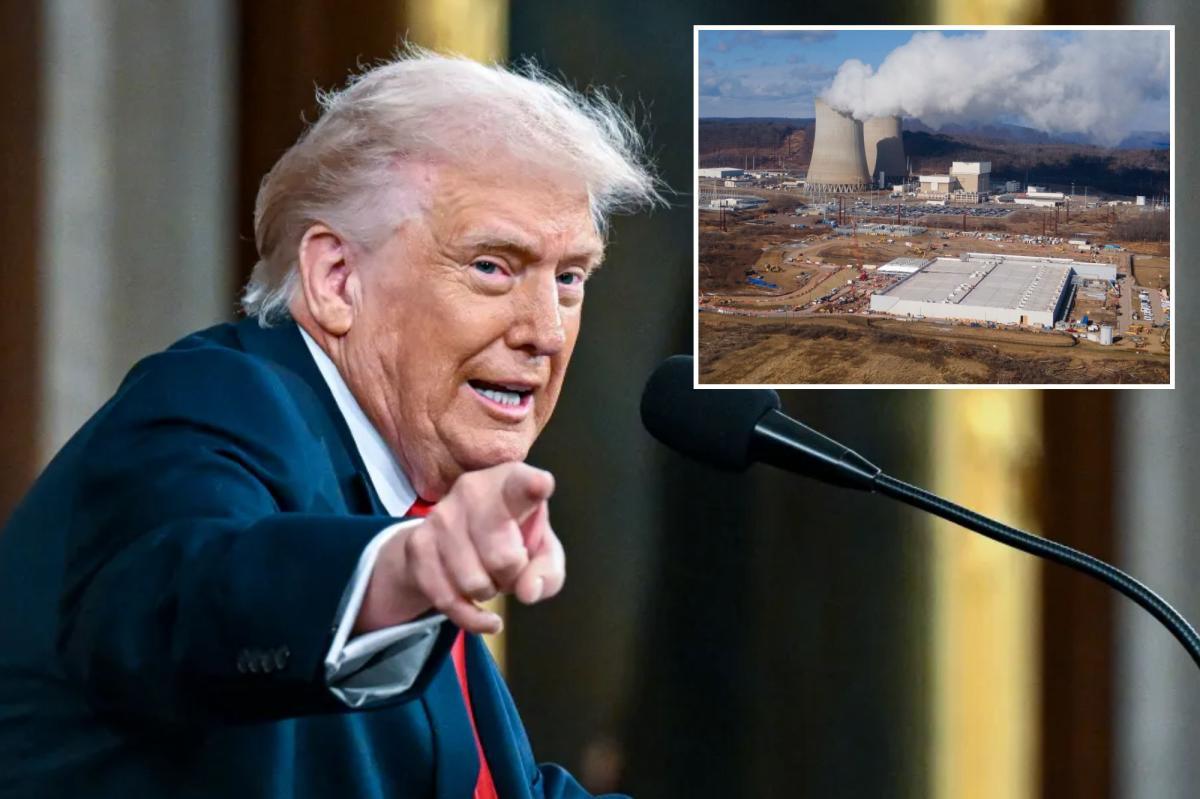
.
Source: New York Post
The proliferation of AI data centers has driven electricity prices up more than 6% nationally in the last year, creating political pressure ahead of midterm elections
1
4
. Data centers now account for 12% of total power in the national grid, projected to increase from just 4% in 20182
. This strain on the national grid has left communities bearing the brunt of soaring energy costs while corporations building these facilities remain largely insulated from price hikes2
.
Source: Seeking Alpha
Major Tech Companies Already Committed to Covering Energy Costs
The hyperscalers targeted by Trump's announcement have already made public commitments in recent weeks to address rising electricity prices. Microsoft announced its policy on January 11 "to ensure that the electricity cost of serving our datacenters is not passed on to residential customers"
1
. OpenAI followed on January 26, committing to "paying its own way on energy, so that our operations don't increase your energy prices" as part of its $500 billion Stargate data center plan1
3
.Anthropic made a similar pledge on February 11 to "cover electricity price increases that consumers face from our data centers" and "pay for 100% of the grid upgrades needed to interconnect our data centers"
1
. Google announced the world's largest battery project to support a data center in Minnesota and has developed a "clean transition rate" framework with utilities to add renewable energy capacity without increasing residential rates1
3
. Meta confirmed it "pays the full costs for the energy used by our data centers, so they aren't passed on to consumers".White House Pledge Meeting Scheduled for March 4
Amazon, Google, Meta, Microsoft, xAI, Oracle, and OpenAI will meet at the White House on March 4 to formally sign the pledge, according to White House spokeswoman Taylor Rogers
1
5
. "Under this bold initiative, these massive companies will build, bring, or buy their own power supply for new AI data centers, ensuring that Americans' electricity bills will not increase as demand grows," Rogers stated5
. However, none of the companies have confirmed their attendance, and significant questions remain about implementation1
.What these commitments mean in practice, and who will determine which AI data centers are responsible for which price increases, remains unknown
1
. Arizona Democratic Senator Mark Kelly expressed skepticism, stating: "A handshake agreement with Big Tech over data center costs isn't good enough. Americans need a guarantee that energy prices won't soar and communities have a say"1
.Related Stories

Environmental Concerns and Grid Infrastructure Challenges Persist
On-site power generation for AI workloads may not resolve all concerns surrounding data center expansion. These facilities can still have adverse impacts on surrounding environments and will stress supply chains for natural gas, turbines, photovoltaics, and batteries, depending on how companies power their compute
1
. Communities living near xAI's gas-turbine-powered plant near Memphis have raised environmental concerns about pollution from off-grid power facilities.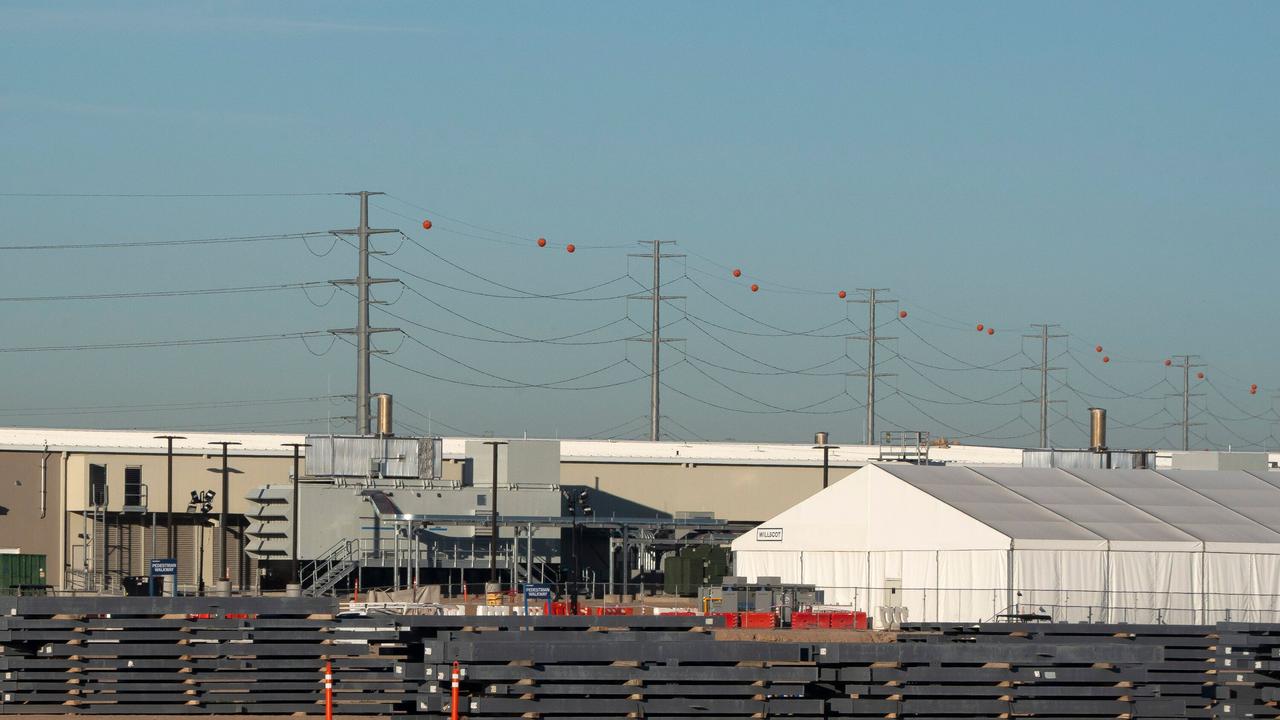
Source: NYT
The Trump administration's AI Action Plan lists methane gas first among sources of "dispatchable" power for AI data centers, followed by coal, and then zero-emissions options like geothermal and nuclear power. The administration has also worked to slow or halt development of solar and wind power, including attempts to revoke permits for offshore wind projects. The power demands of AI continue to challenge grid infrastructure as Trump balances encouraging hyperscalers to expand while keeping them accountable to communities affected by Big Tech energy consumption
2
4
.References
Summarized by

Navi
[1]
[2]
Related Stories
Trump administration pressures tech companies to fund $15B power plants amid AI energy crisis
15 Jan 2026•Policy and Regulation
Big Tech Signs Pledge to Pay AI Data Center Energy Costs, But Will It Protect Consumers?
04 Mar 2026•Policy and Regulation
Trump Administration Pushes Tech Firms to Sign AI Data Center Compact on Grid Costs
10 Feb 2026•Policy and Regulation
Recent Highlights
1
Google Maps unveils Ask Maps with Gemini AI and 3D Immersive Navigation in biggest update
Technology

2
Three Tennessee teens sue xAI over Grok AI creating child sexual abuse material from real photos
Policy and Regulation
3
Meta plans to cut 20% of workforce as AI spending reaches $600 billion, mirroring broader tech trend
Business and Economy
Recent Highlights
Today's Top Stories




Your Daily Dose of Curated AI News
Don’t drown in AI news. We cut through the noise - filtering, ranking and summarizing the most important AI news, breakthroughs and research daily. Spend less time searching for the latest in AI and get straight to action.

