US China skip AI declaration as 35 nations commit to governing military AI use in warfare


3 Sources
3 Sources
[1]
US, China opt out of joint declaration on AI use in military
A CORUNA, Spain, Feb 5 (Reuters) - Around a third of countries attending a military AI summit agreed on Thursday to a a declaration on how to govern deployment of the technology in warfare, but military heavyweights China and the U.S. opted out. Tensions in relations between the United States and European allies, and uncertainty over how transatlantic ties will look in coming months and years, made some countries hesitant to sign joint agreements, several attendees and delegates said. The pledge underscores growing concern among some governments that rapid advances in artificial intelligence could outpace rules around its military use, raising the risk of accidents, miscalculation or unintended escalation. Governments are facing a "prisoner's dilemma", caught between putting responsible restrictions in place and not wanting to limit themselves in comparison with adversaries, said Dutch Defence Minister Ruben Brekelmans. "Russia and China are moving very fast. That creates urgency to make progress in developing AI. But seeing it going fast also increases the urgency to keep working on its responsible use. The two go hand-in-hand," he said in comments to Reuters. Only 35 countries out of 85 attending the Responsible AI in the Military Domain (REAIM) summit in A Coruna, Spain, on signed a commitment to 20 principles on AI on Thursday. These included affirming human responsibility over AI-powered weapons, encouraging clear chains of command and control, and sharing information on national oversight arrangements "where consistent with national security". The document also outlined the importance of risk assessments, robust testing and training and education for personnel operating military AI capabilities. At two prior military AI summits in The Hague and Seoul in 2023 and 2024 respectively, around 60 nations, excluding China but including the United States, endorsed a modest "blueprint for action" without legal commitment. While this year's document was also non-binding, some were still uncomfortable with the idea of endorsing more concrete policies, said Yasmin Afina, a researcher at the U.N. Institute for Disarmament Research, an adviser on the process. Major signatories on Thursday included Canada, Germany, France, Britain, the Netherlands, South Korea and Ukraine. Reporting by Victoria Waldersee; editing by Aislinn Laing and Mark Heinrich Our Standards: The Thomson Reuters Trust Principles., opens new tab * Suggested Topics: * Artificial Intelligence Victoria Waldersee Thomson Reuters Victoria Waldersee is a Senior Politics & Economics Correspondent in Madrid, Spain. A BA Chinese & Economics graduate, she covered Germany's auto industry from Berlin for four years, focusing on competition with China amid the transition to EVs. She began her career at Reuters as a correspondent in Portugal and was seconded to the retail beat in 2021 to cover the retail sector in South Asia, China and Europe. Before Reuters, she co-founded and ran Economy, a UK-based charity working to produce accessible economics coverage.
[2]
US, China Opt Out of Joint Declaration on AI Use in Military
A CORUNA, Spain, Feb 5 (Reuters) - Around a third of countries attending a military AI summit agreed on Thursday to a a declaration on how to govern deployment of the technology in warfare, but military heavyweights China and the U.S. opted out. Tensions in relations between the United States and European allies, and uncertainty over how transatlantic ties will look in coming months and years, made some countries hesitant to sign joint agreements, several attendees and delegates said. The pledge underscores growing concern among some governments that rapid advances in artificial intelligence could outpace rules around its military use, raising the risk of accidents, miscalculation or unintended escalation. Governments are facing a "prisoner's dilemma", caught between putting responsible restrictions in place and not wanting to limit themselves in comparison with adversaries, said Dutch Defence Minister Ruben Brekelmans. "Russia and China are moving very fast. That creates urgency to make progress in developing AI. But seeing it going fast also increases the urgency to keep working on its responsible use. The two go hand-in-hand," he said in comments to Reuters. Only 35 countries out of 85 attending the Responsible AI in the Military Domain (REAIM) summit in A Coruna, Spain, on signed a commitment to 20 principles on AI on Thursday. These included affirming human responsibility over AI-powered weapons, encouraging clear chains of command and control, and sharing information on national oversight arrangements "where consistent with national security". The document also outlined the importance of risk assessments, robust testing and training and education for personnel operating military AI capabilities. At two prior military AI summits in The Hague and Seoul in 2023 and 2024 respectively, around 60 nations, excluding China but including the United States, endorsed a modest "blueprint for action" without legal commitment. While this year's document was also non-binding, some were still uncomfortable with the idea of endorsing more concrete policies, said Yasmin Afina, a researcher at the U.N. Institute for Disarmament Research, an adviser on the process. Major signatories on Thursday included Canada, Germany, France, Britain, the Netherlands, South Korea and Ukraine. (Reporting by Victoria Waldersee; editing by Aislinn Laing and Mark Heinrich)
[3]
US, China opt out of joint declaration on AI use in military
Around a third of countries attending a military AI summit agreed on Thursday to a declaration on how to govern deployment of the technology in warfare, but military heavyweights China and the US opted out. Tensions in relations between the United States and European allies, and uncertainty over how transatlantic ties will look in coming months and years, made some countries hesitant to sign joint agreements, several attendees and delegates said. The pledge underscores growing concern among some governments that rapid advances in artificial intelligence could outpace rules around its military use, raising the risk of accidents, miscalculation or unintended escalation. Governments are facing a "prisoner's dilemma", caught between putting responsible restrictions in place and not wanting to limit themselves in comparison with adversaries, said Dutch Defence Minister Ruben Brekelmans. "Russia and China are moving very fast. That creates urgency to make progress in developing AI. But seeing it going fast also increases the urgency to keep working on its responsible use. The two go hand-in-hand," he said in comments to Reuters. Only 35 countries out of 85 attending the Responsible AI in the Military Domain (REAIM) summit in A Coruna, Spain, on signed a commitment to 20 principles on AI on Thursday. These included affirming human responsibility over AI-powered weapons, encouraging clear chains of command and control, and sharing information on national oversight arrangements "where consistent with national security". The document also outlined the importance of risk assessments, robust testing and training and education for personnel operating military AI capabilities. At two prior military AI summits in The Hague and Seoul in 2023 and 2024 respectively, around 60 nations, excluding China but including the United States, endorsed a modest "blueprint for action" without legal commitment. While this year's document was also non-binding, some were still uncomfortable with the idea of endorsing more concrete policies, said Yasmin Afina, a researcher at the U.N. Institute for Disarmament Research, an adviser on the process. Major signatories on Thursday included Canada, Germany, France, Britain, the Netherlands, South Korea and Ukraine.
Share
Share
Copy Link
At a military AI summit in Spain, only 35 of 85 attending nations signed a declaration on governing AI use in warfare, with the US and China notably absent. The non-binding agreement outlines 20 principles including human oversight over AI-powered weapons, but global tensions and a strategic prisoner's dilemma kept major powers from committing.
Military Heavyweights Decline AI Declaration at Spain Summit
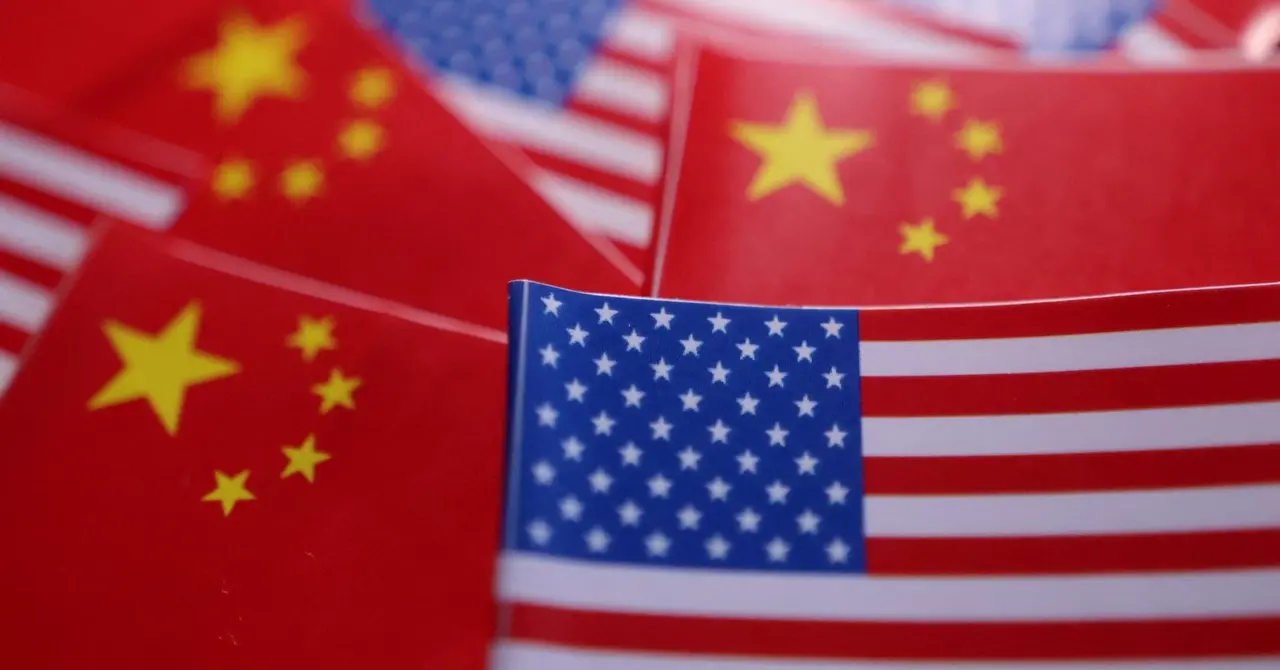
Only 35 countries out of 85 attending the Responsible AI in the Military Domain (REAIM) summit in A Coruna, Spain signed an AI declaration on governing AI use in warfare, with military heavyweights US China conspicuously opting out. The non-binding declaration marks a significant moment in efforts to establish regulatory frameworks for military AI, yet the absence of the world's leading military powers raises questions about the effectiveness of international agreements in this rapidly evolving domain.
Source: Reuters
Tensions in relations between the United States and European allies, coupled with uncertainty over transatlantic ties in coming months and years, made some countries hesitant to sign joint agreements, several attendees and delegates revealed
2
. This reluctance reflects deeper global tensions that complicate efforts to establish unified approaches to military technology governance.The Prisoner's Dilemma Facing Nations
Governments face a classic prisoner's dilemma when it comes to AI use in military applications, caught between implementing responsible restrictions and avoiding self-imposed limitations that adversaries might exploit. Dutch Defence Minister Ruben Brekelmans captured this tension succinctly: "Russia and China are moving very fast. That creates urgency to make progress in developing AI. But seeing it going fast also increases the urgency to keep working on its responsible use. The two go hand-in-hand".
The pledge underscores growing concern that rapid advances in artificial intelligence could outpace rules around its military use, raising the risk of accidents or escalation, miscalculation, and unintended conflict
3
. This represents a fundamental challenge for nations seeking to maintain strategic advantages while promoting stability.What the 20 Principles Cover
The declaration commits signatories to 20 principles addressing key concerns around autonomous weapons and human oversight. These included affirming human responsibility over AI-powered weapons, encouraging clear chains of command and control, and sharing information on national oversight arrangements "where consistent with national security"
2
. The document also outlined the importance of risk assessments and testing, along with training and education for personnel operating military AI capabilities.Major signatories included Canada, Germany, France, Britain, the Netherlands, South Korea and Ukraine. The participation of Ukraine, currently engaged in active conflict where military technology plays a critical role, signals the practical urgency some nations feel about establishing weapons control guidelines.
Related Stories



A Step Back from Previous Summits
At two prior military AI summits in The Hague and Seoul in 2023 and 2024 respectively, around 60 nations—excluding China but including the United States—endorsed a modest "blueprint for action" without legal commitment. The reduction from 60 to 35 signatories, combined with US withdrawal, suggests growing divergence in how nations approach military AI governance.
While this year's document was also non-binding, some were still uncomfortable endorsing more concrete policies, said Yasmin Afina, a researcher at the U.N. Institute for Disarmament Research and an adviser on the process
2
. This discomfort points to the delicate balance nations must strike between transparency and strategic advantage in an increasingly competitive military technology landscape. The absence of binding commitments means that even signatories retain flexibility in how they interpret and implement these principles, raising questions about whether voluntary frameworks can effectively govern technologies with such profound security implications.References
Summarized by

Navi
Related Stories
Recent Highlights
1
OpenAI shuts down Sora video app after six months, ending Disney's $1 billion investment deal
Technology

2
AI-Generated Val Kilmer to Posthumously Appear in As Deep as the Grave After His Death
Entertainment and Society

3
Supermicro Co-Founder Indicted in $2.5 Billion Nvidia AI Chip Smuggling Scheme to China
Policy and Regulation

Recent Highlights
Today's Top Stories




Your Daily Dose of Curated AI News
Don’t drown in AI news. We cut through the noise - filtering, ranking and summarizing the most important AI news, breakthroughs and research daily. Spend less time searching for the latest in AI and get straight to action.

