Accenture links promotions to AI tool use as consultancy tracks employee usage


9 Sources
9 Sources
[1]
Accenture tells staffers: Want a promotion? Use AI at work
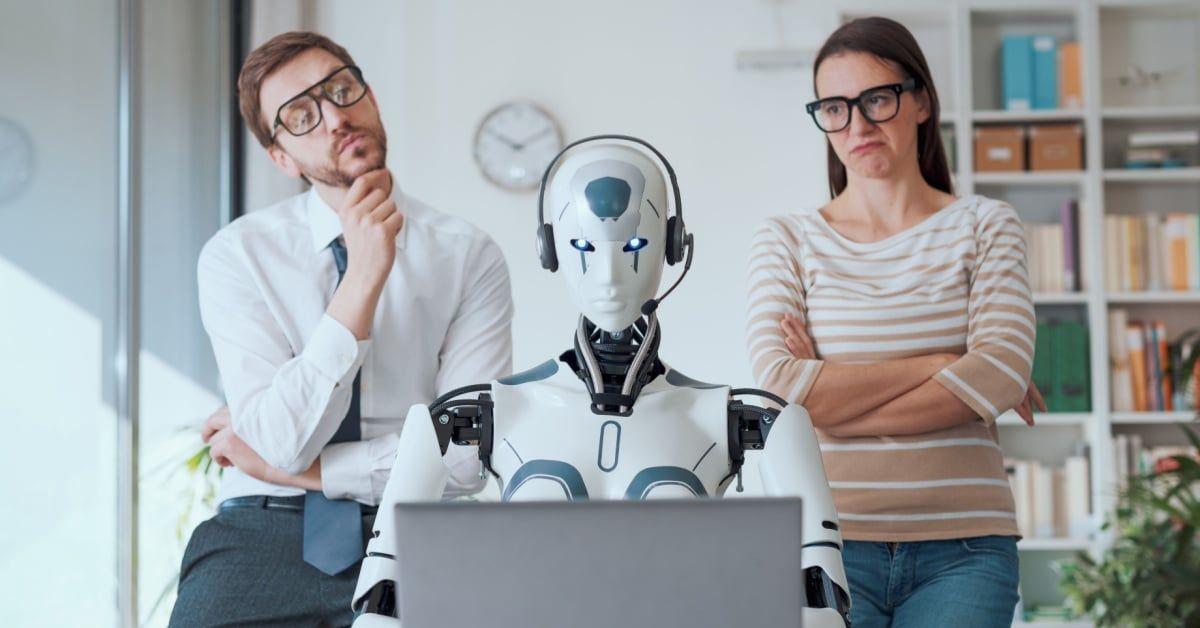
Consultancy to monitor usage by meatbags with corporate aspirations Accenture staff must demonstrate they have fully bought into the consultancy's AI vision if they want to get on. A memo sent to senior staff this week, and reported in the FT, informed them that promotions to top roles at the corporation would necessitate "regular adoption" of AI tooling, and it is tracking uage. In a statement to The Register, Accenture said: "Our strategy is to be the reinvention partner of choice for our clients and to be the most client-focused, AI-enabled, great place to work. That requires the adoption of the latest tools and technologies to serve our clients most effectively." We asked a number of rival consultancies whether they were taking a similar approach to that of Accenture. So far neither their PRs nor their chatbots have come back to us. However, consultancies, in common with other big businesses, have poured massive amounts of resources into AI. So, if staff were not "encouraged" to use them, those investments might look like a bit of a waste. According to reports, McKinsey even asks potential recruits to use its own internal tool during assessments. Accenture's AI lineup includes its AI Refinery Platform, developed with Nvidia - who else - and launched in 2024. At the time, chair and CEO Julie Sweet said: "AI Refinery will create opportunities for companies to reimagine their processes and operations, discover new ways of working, and scale AI solutions across the enterprise to help drive continuous change and create value." In September, she reportedly warned that it would "exit" employees who did not embrace AI. Of course, there's also the prospect of staffers reimagining other ways to use AI, which also necessitates monitoring. It emerged at the start of this week that KPMG had fined a senior staffer who used AI to ace an internal training course on, what else, AI. In fact, over two dozen Aussie staffers have been caught out using AI for internal exams. Andrew Yates, CEO, KPMG Australia, said in a statement sent to The Reg: "As soon as we introduced monitoring for AI in internal testing in 2024, we found instances of people using AI outside our policy. We followed with a significant firmwide education campaign and have continued to introduce new technologies to block access to AI during testing." He added: "Monitoring and education around appropriate AI use are always on. Given the everyday use of these tools, some people breach our policy. We take it seriously when they do. We are also looking at ways to strengthen our approach in the current self-reporting regime."
[2]
Accenture tells senior staff to use AI tools or risk losing out on leadership promotions
Accenture signage during the 2026 CES event in Las Vegas, Nevada, US, on Wednesday, Jan. 7, 2026. Accenture has told senior staff they must regularly use its AI tools to be considered for promotions for leadership roles. Associate directors and senior managers at the consultancy giant were informed that "regular adoption" of AI would be required to progress to leadership positions, according to an FT report. An Accenture spokesperson told CNBC the report was correct. They added: "Our strategy is to be the reinvention partner of choice for our clients and to be the most client-focused, AI-enabled, great place to work. "That requires the adoption of the latest tools and technologies to serve our clients most effectively." The spokesperson also confirmed that, as the FT reported, the policy had been set out in an internal email. "Use of our key tools will be a visible input to talent discussions," the email said, according to the FT. The FT reported that Accenture staff in 12 European countries were unaffected by the policy, as well as staff working in the division that handles U.S. government contracts.
[3]
Accenture 'links staff promotions to use of AI tools'
Consulting firm keen to increase uptake of technology and is reportedly monitoring adoption by workforce Accenture has reportedly started tracking staff use of its AI tools and will take this into consideration when deciding on top promotions, as the consulting company tries to increase uptake of the technology by its workforce. The company told senior managers and associate directors that being promoted to leadership roles would require "regular adoption" of artificial intelligence, according to an internal email seen by the Financial Times. The consultancy has also begun collecting data on weekly log-ins to its AI tools by some senior staff members, the FT reported. Accenture has previously said it has trained 550,000 of its 780,000-strong workforce in generative AI, up from only 30 people in 2022, and has announced it is rolling out training to all of its employees as part of its annual $1bn (£740m) annual spend on learning. Among the tools whose use will reportedly be monitored is Accenture's AI Refinery. The chief executive, Julie Sweet, has previously said this will "create opportunities for companies to reimagine their processes and operations, discover new ways of working, and scale AI solutions across the enterprise to help drive continuous change and create value". The company's aggressive push into AI highlights a wider industry trend of companies using machine learning tools to help them with speeding up certain tasks so they can focus other resources elsewhere. Accenture reported better-than-expected results for its first quarter in December, as it was boosted by demand for its AI-driven services. Its latest move linking use of AI tools to promotion potential, comes only months after the New York-listed company began calling its near 800,000 employees "reinventors" in an effort to position itself as a leader in artificial intelligence. The move was criticised by some as an example of corporate jargon. The reinventor label came amid a large reorganisation across Accenture last June, when it merged its strategy, consulting, creative, technology and operations divisions into a single unit called "Reinvention Services". Sweet told investors in September that the company would "exit" employees who were not getting the hang of using AI at work. Older and more senior employees at the largest professional services companies are generally seen as more reluctant to incorporate use of AI tools into their work, while younger and more junior staff are more receptive. The Dublin-headquartered group has previously said that employees for whom "reskilling, based on our experience, is not a viable path for the skills we need" would be shown the door. Accenture announced in December that it had signed partnerships with the ChatGPT owner, OpenAI, and its rival Anthropic, the owner of the Claude chatbot, as the consulting company has looked to capitalise on growing demand for AI services.
[4]
Last year, Accenture trained 550,000 staff members to use AI -- now it says promotions hinge on putting that into practice | Fortune
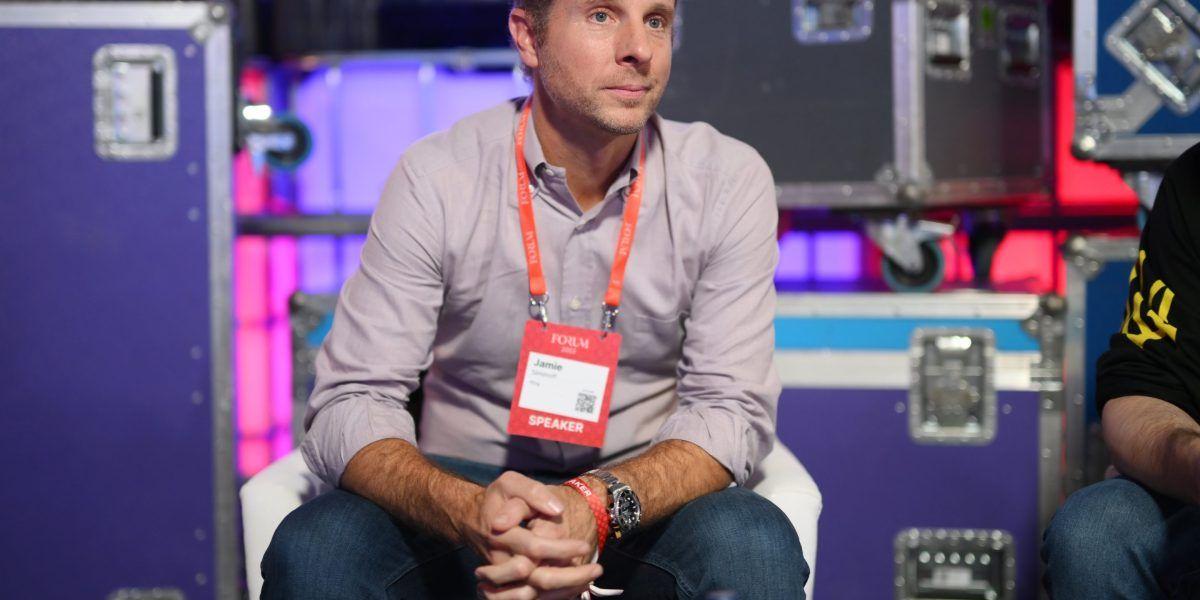
Bosses have long warned staffers who are slacking in AI adoption that they will get overtaken by their tech-savvy coworkers -- and now, having the skill can make or break a career. Consulting giant Accenture just told its associate directors and senior managers that they need to consistently use its AI tools in order to be considered for high-level promotions, according to a recent Financial Times report. The Dublin-based company already started monitoring the weekly AI tools log-ins of some of its senior workers this month; and in the end, only those who boast "regular adoption" of the tech will be considered for leadership positions. "Use of our key tools will be a visible input to talent discussions," for leadership promotion decision making this summer, the Accenture email said, according to reporting from the FT. An Accenture spokesperson tells Fortune that the ultimate goal is to be the "reinvention partner of choice" for customers, and the most "AI-enabled" great place to work: "That requires the adoption of the latest tools and technologies to serve our clients most effectively." This isn't the first time Accenture has made company changes to get more AI-skittish employees on board with the tech. Just last summer, it was revealed that the consulting business trained 550,000 out of its around 780,000 staffers to use generative AI, including in tools like AI Refinery and SynOps. And those who didn't get on board could face the chopping block; last September, CEO Julie Sweet said Accenture would be "exiting" staffers who cannot be retrained in "the skills we need." The company sees its employees as "reinventors" in the age of AI -- so long as they can keep up with new tech-driven work demands. But when it comes to the latest policy, staff in 12 European countries, as well as Accenture employees working on U.S. federal government contracts, and some specific joint-ventures, are exempt from AI use being factored into their promotion. Accenture isn't the only employer setting a new AI benchmark for employee promotions. Last year, fellow consulting giant KPMG announced that bosses will assess employees' use of AI tools as part of their annual performance reviews, according to Bloomberg. The Big Four company has already been tracking how its workers had been handling AI data from tools like Microsoft Copilot, but now, their tech skills are baked into their upward mobility. Beginning this 2026 performance review cycle, the firm will grade how well staffers have lived up to achieving KPMG's AI goals. "We all have a responsibility to be bringing AI to all of our work, and that's not just the leadership, that is all the way down to our juniors," Niale Cleobury, KPMG's global AI workforce lead, told Bloomberg last year. "Now we are taking that a step further by saying: 'Actually everyone's objectives at year-end -- what are you going to do to bring in AI to your work?'" Amazon smart-home business Ring also implemented a new tech-driven policy in 2025: all promotion applications at the company must include an explanation of how employees are using AI in their jobs. Its founder, Jamie Siminoff, said the strategy set out to reward "innovative thinking" and stimulate speed and efficiency among its workers. The new rule applies to Amazon's Ring, Blink, Key, and Sidewalk (RBKS) staffers; even those already in management positions were required to showcase how the AI tools are helping them accomplish "more with less," while keeping headcount the same. Meta has also switched up how it evaluates its employees. The $1.64 trillion technology conglomerate will start assessing its staffers' "AI-driven impact" starting this year, according to an internal memo reported by Business Insider in 2025. The business described it as a "core expectation" starting 2026; now, workers will need to prove that they've leveraged AI to succeed in their roles and built tools to improve productivity and innovation. The policy change follows previous reporting that Meta was tracking how much its employees use AI. "It's well-known that this is a priority and we're focused on using AI to help employees with their day-to-day work," a Meta spokesperson told Business Insider.
[5]

Accenture Is Tracking Whether Employees Use AI -- And Promotions Are on the Line
The move comes as worker anxiety grows over AI-driven job disruption. Want a promotion while working at Accenture? You'd better start using the company's AI tools -- regularly. (They're watching.) The consulting giant has begun collecting data on weekly logins to its AI platforms from senior staff, and sent an internal email to managers and associate directors making it clear: moving into leadership requires "regular adoption" of artificial intelligence, according to documents seen by the Financial Times. Unlike other companies that either punish AI usage or are trying to get rid of human employees in favor of AI agents, Accenture is essentially turning AI tool usage into a KPI. One of the products under the microscope is, of course, Accenture's AI Refinery, the enterprise platform CEO Julie Sweet has been heavily promoting to investors. Accenture's business model is built on advising other companies on how to modernize, and apparently, it wants to set an example for other companies dealing with the dilemma of using AI at work. "Our strategy is to be the reinvention partner of choice for our clients and to be the most client-focused, AI-enabled, great place to work," an Accenture spokesperson told Decrypt. "That requires the adoption of the latest tools and technologies to serve our clients most effectively." The move is part of a larger internal pressure campaign to force the adoption of AI. Sweet told investors in September that employees who couldn't adapt to AI would be "exited." The company's own language describes workers for whom reskilling is not a "viable path" as candidates for separation, according to The Guardian. The login-tracking policy is the formal version of that threat. Accenture has been on an AI spending spree. It trained 550,000 of its 780,000 employees in generative AI -- up from just 30 people in 2022 -- and committed $1 billion a year to learning programs. In December, it announced partnerships with both ChatGPT creator OpenAI and Anthropic, maker of the Claude chatbot. Last June, it merged all its main divisions into a single unit it called "Reinvention Services" and started calling employees "reinventors." Just last week, Microsoft's AI CEO Mustafa Suleyman argued that most white-collar roles -- including lawyers, accountants, project managers -- could be "fully automated" by AI within 12 to 18 months. Accenture is making its consultants prove they use AI tools to keep their jobs and potentially obtain better ones, at the exact moment the people building those tools are saying the jobs may not exist much longer anyway. A Pew Research Center survey from February 2025 found 52% of U.S. workers are worried about AI's impact on the workplace, and roughly one in three think it will shrink their long-term job opportunities. ManpowerGroup's 2026 Global Talent Barometer, which covered nearly 14,000 workers across 19 countries, found that regular AI usage actually jumped 13% in 2025. Confidence in it, though, collapsed by 18%. "Workers are being handed tools without training, context, or support," ManpowerGroup's VP of Global Insights Mara Stefan told Fortune. Some 64% of those surveyed said they're staying in jobs they hate specifically out of fear that jumping ship during an AI transition is too risky. The confidence collapse hits hardest in older demographics -- exactly the group Accenture is targeting with this policy. Baby boomer confidence in AI dropped 35%, according to that survey, while Gen X confidence dropped 25%. Accenture itself acknowledges older and more senior staff are more resistant to adoption, and its solution is apparently to monitor their login frequency and dangle potential promotions over their heads. As Decrypt previously reported, a Yale Budget Lab study found the broader labor market hasn't actually seen AI-driven disruption yet. Jobs are shifting about one percentage point faster than during the early 2000s internet boom -- but it's barely measurable. The apocalypse is still pending. But the pressure on individual workers to perform AI fluency is already very real, and very measurable.
[6]

No AI, no raise: Accenture links promotions to tech adoption
Accenture has begun monitoring how employees use its artificial intelligence tools and will factor this into promotion decisions to boost adoption across its workforce. Senior managers have been told leadership roles require "regular adoption" of AI. The move follows 11,000 job cuts linked to its AI transition and cost-cutting measures. Accenture has reportedly begun monitoring how employees use its artificial intelligence (AI) tools and plans to factor this into promotion decisions, as the consulting firm seeks to boost use of the technology across its workforce. According to The Guardian (citing the Financial Times), senior managers and associate directors have been told that moving into leadership roles will require "regular adoption" of AI. An internal email underlined the message: "Use of our key tools will be a visible input to talent discussions," noting that AI engagement will be reflected in performance and talent reviews later this year. The FT also reported that the consultancy has started tracking weekly logins to its AI platforms by certain senior staff. The development follows Accenture's decision in September to lay off 11,000 employees worldwide as part of cost-cutting measures linked to its AI transition. Chief executive Julie Sweet told analysts at the time that the company is "exiting employees" in areas where reskilling is not possible. Accenture CEO at the AI Summit Speaking at the Summit in New Delhi, Sweet said AI would ultimately expand the IT services industry and generate more jobs for companies able to reinvent themselves and harness the technology effectively. "We used RPA (robotic process automation) to automate thousands of jobs. We also embraced digital and classical AI and created many more jobs," she said, and added that businesses which adopted automation were able to free up investment capacity for new technologies and future growth. Accenture has grown significantly over the past decade, from about 275,000 employees and $29 billion in revenues in 2013 to a staff of more than 750,000 and $70 billion in revenues today. The Guardian reported that Accenture has trained 550,000 employees in generative AI, compared with just 30 people in 2022. The company has also said it is extending this training to all its staff as part of its $1 billion annual investment in learning and development. Among the tools being monitored is AI Refinery, which Accenture says helps organisations "turn raw AI technology into useful business solutions." Certain groups, including staff in 12 European countries and teams working on US federal contracts, are excluded from the tracking policy. The new requirement has received a mixed response. Some senior employees have questioned the value of the AI tools, with one describing some of them as "broken slop generators." Another said they would "quit immediately" if the rule applied to them. The resistance reflects a wider challenge for professional services firms. While consultancies promote AI transformation to clients, senior leaders are often slower than junior staff to adopt new technologies. Industry observers note that older managers can be "less comfortable with technology and more wedded to established working methods."
[7]

Adapt Or Stagnate: Accenture Makes AI Usage A Requirement For Senior Promotions - Accenture (NYSE:ACN)
Accenture Plc (NYSE:ACN) is tightening its push for AI adoption by making internal tool usage a key factor in career advancement for senior staff. AI Usage Becomes a Promotion Requirement The company tied advancement into leadership-track roles to whether certain senior employees consistently use the firm's internal artificial intelligence tools, signaling a tougher stance on AI adoption inside the company. The shift matters because it turns day-to-day tool usage into a formal factor in promotion decisions for parts of Accenture's management pipeline. The policy applies to associate directors and senior managers, after the Financial Times said those groups were told "regular adoption" of AI would be needed to move up, CNBC reported on Thursday. CNBC also cited an internal email described by the FT that said, "Use of our key tools will be a visible input to talent discussions," linking the tools to promotion conversations. Partnerships Expand Accenture's AI Ecosystem Accenture has been framing AI skills as a company-wide requirement. The company is continuing to broaden its AI ecosystem through a mix of strategic partnerships and AI tool deployments. CNBC noted Accenture's December agreement with OpenAI to expand employee access to ChatGPT Enterprise, as well as a separate partnership with Anthropic. According to CNBC, Accenture has also worked with Palantir Technologies Inc. (NASDAQ:PLTR) to provide AI training to more than 2,000 staff using Palantir platforms. ACN Price Action: Accenture shares were up 0.25% at $215.48 during premarket trading on Friday, according to Benzinga Pro data. Photo via Shutterstock Market News and Data brought to you by Benzinga APIs To add Benzinga News as your preferred source on Google, click here.
[8]
Accenture announces new AI-linked promotion rule for seniors: Check who will be affected and who are exempted
Accenture is now tying promotions for senior managers and associate directors to their regular use of company AI tools, with weekly logins being tracked for some. This aggressive policy, revealed in an internal email, reflects CEO Julie Sweet's earlier warning about employees failing to adapt to AI. Accenture has rolled out a new promotion rule that ties career growth for senior managers and associate directors to how regularly they use the company's artificial intelligence tools. The policy, shared in an internal email reported by the Financial Times, will influence upcoming summer promotion decisions and includes tracking weekly logins for some senior staff. The move follows CEO Julie Sweet's earlier warning that employees who fail to adapt to AI could be "exited" from the company. The rule directly targets senior managers and associate directors who are aiming for leadership roles. According to the internal email, "use of our key tools will be a visible input to talent discussions." One of the platforms under watch is Accenture's AI Refinery, and in some cases the company has started tracking how often employees log in to its AI systems each week. This makes Accenture one of the few large professional services firms to formally connect promotions with measurable AI usage. Not everyone in the organisation will fall under the new requirement. Staff based in 12 European countries are exempt, as are employees working on US federal government contracts. The company has not publicly detailed the specific legal or regulatory reasons behind these exemptions. The shift has triggered mixed reactions inside the firm. Two people familiar with the changes told the Financial Times they see some of the AI tools as "broken slop generators." Another staff member said they would "quit immediately" if the rule directly affected them. The response reflects a wider challenge across consulting firms: senior professionals are often slower to adopt new technologies than junior employees. Executives at three Big Four firms told the Financial Times that encouraging partners and senior managers to use AI tools has been harder than training younger staff. Many senior professionals are more comfortable with long-established workflows and less inclined to change how they work. Julie Sweet had already signalled this direction when she told investors that Accenture would "exit" employees for whom reskilling on AI was not a viable path. The new promotion criteria now put that stance into formal HR practice. The firm says it has trained about 550,000 of its nearly 780,000 employees in generative AI and spends around $1 billion each year on learning and development. It has also partnered with OpenAI and Anthropic to strengthen its AI capabilities. The urgency behind the move is tied to business pressures. Accenture's share price has dropped by roughly 42% over the past year, pushing the company to double down on its AI-first strategy. It has even started calling its workforce "reinventors" as part of this shift. For employees hoping to move up the ladder, the message is clear: using AI is no longer optional, it is now part of the promotion checklist.
[9]

No AI, no appraisal? Accenture now wants employees to use more AI or miss promotion
Microsoft and Google are also encouraging AI use and linking it to performance. Accenture has informed associate directors and senior managers that the use of artificial intelligence will now play a central role in career advancement. According to the reports, the message was delivered in an internal communication where leadership told staff that promotion decisions will increasingly hinge on how effectively employees integrate AI into their day-to-day responsibilities. The message also emphasised that leveraging artificial intelligence is becoming a formal performance metric rather than an optional enhancement. The company is also monitoring usage patterns across its digital platforms. Weekly login activity is being tracked, including engagement with AI Refinery, Accenture's internal AI platform, enabling executives to identify which employees are actively using the tools. Also read: AI can't solve Delhi traffic yet: UK former PM Rishi Sunak draws laughs at India AI Impact Summit Speaking at the India AI Impact Summit Julie Sweet, the Chief Executive Officer of Accenture, said companies must rethink how they operate and invest in reshaping their workforce, stating that the future belongs to 'humans in the lead, not just humans in the loop.' Although the company has seen major restructuring, including around 11,000 layoffs in late 2025 aimed at those who could not be reskilled, it has also reskilled more than 550,000 of its 800,000 employees in generative AI. The company's total spend on severance and transformation over the last three years has reached approximately $2 billion. Also read: Sarvam AI's Indus app quietly hits Play Store and App Store: Features, benefits and more Accenture is not alone in this push, as Microsoft previously in June 2025 told employees that using AI is no longer optional and asked managers to consider AI use in performance reviews. Reports also said Microsoft CEO Satya Nadella told senior leaders that those who do not support the company's AI plans may need to reconsider their future there. Meta and Google have also taken steps to encourage or track AI adoption among staff, with Google specifically linking AI proficiency to its newest performance management cycles. Also read: Sundar Pichai calls India-US AI partnership critical as India joins US-led Pax Silica initiative The AI Refinery platform was built in partnership with NVIDIA at Accenture. However, the new promotion rule will not apply to everyone. Employees in 12 European countries and those working on US federal government contracts are currently exempt due to regulatory and contract limits. While the mandate currently focuses on senior roles, it is not yet clear if junior employees will face similar automated tracking for their appraisals in the future.
Share
Share
Copy Link
Accenture has informed senior staff that leadership promotions now require regular adoption of AI tools, with the consultancy actively monitoring weekly log-ins. The policy affects associate directors and senior managers, marking a shift where AI fluency becomes a measurable career advancement factor. CEO Julie Sweet previously warned the company would exit employees who don't embrace AI.
Accenture Mandates AI Tool Use for Leadership Promotions
Accenture has implemented a new internal policy requiring associate directors and senior managers to demonstrate regular adoption of AI tools to qualify for leadership promotions
1
2
. The consultancy giant sent an internal email to senior staff this week informing them that "use of our key tools will be a visible input to talent discussions" for promotion decisions scheduled for this summer4
. The company has begun collecting data on weekly log-ins to its AI platforms, actively monitoring employee usage to ensure compliance with the new requirement5
.
Source: Fortune
An Accenture spokesperson confirmed the policy, stating: "Our strategy is to be the reinvention partner of choice for our clients and to be the most client-focused, AI-enabled workplace. That requires the adoption of the latest tools and technologies to serve our clients most effectively"
1
. The policy exempts staff in 12 European countries, employees working on U.S. federal government contracts, and some specific joint ventures4
.Massive Investment in AI Training Across Workforce
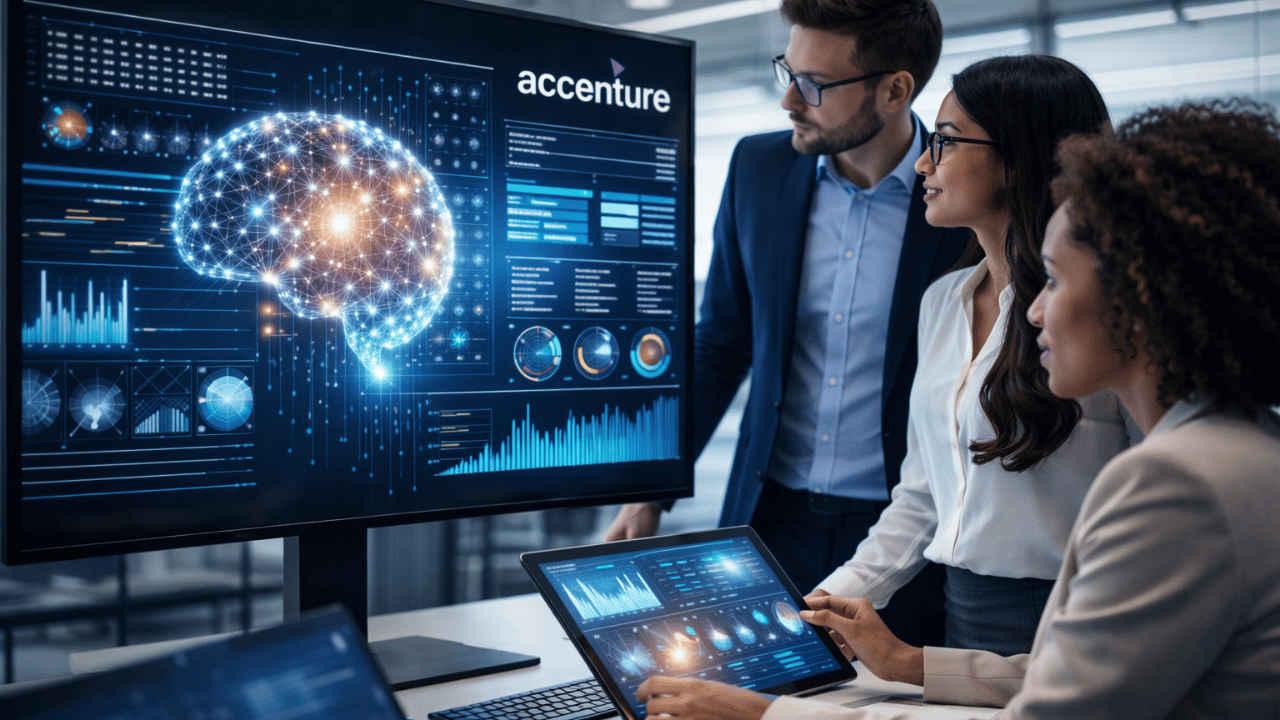
The new promotion criteria follows Accenture's substantial investment in AI training across its workforce. The company trained 550,000 of its 780,000 employees in generative AI, up from only 30 people in 2022
3
4
. The consultancy spends $1 billion annually on learning programs and announced it is rolling out training to all employees3
.
Source: Digit
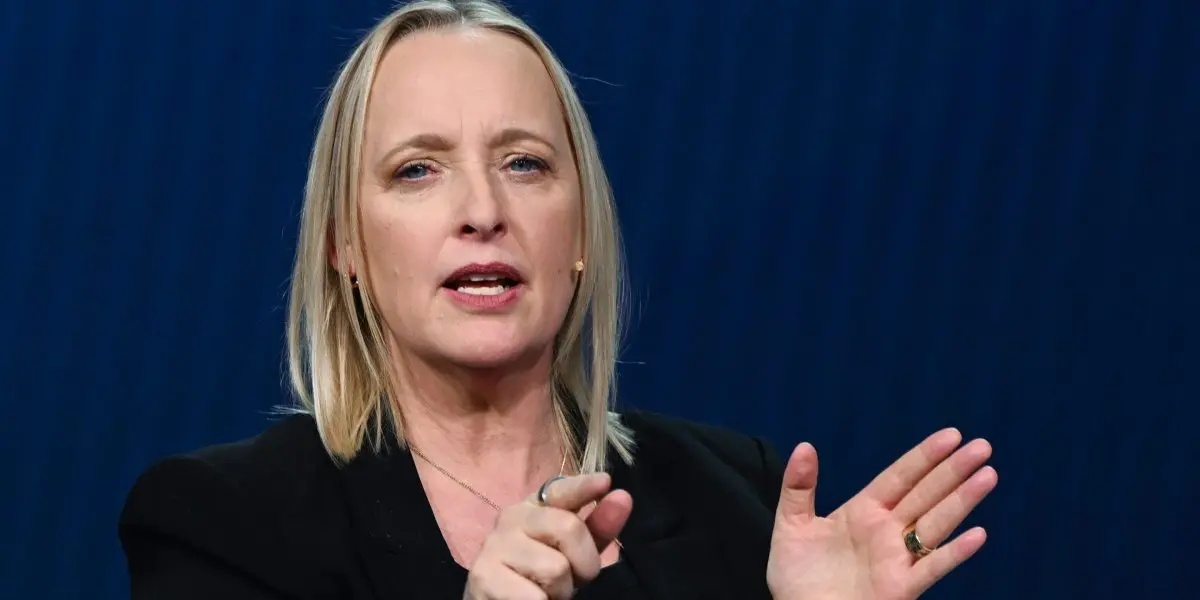
Among the AI tools being monitored is Accenture's AI Refinery Platform, developed with Nvidia and launched in 2024
1
. CEO Julie Sweet described the platform as creating "opportunities for companies to reimagine their processes and operations, discover new ways of working, and scale AI solutions across the enterprise to help drive continuous change and create value"3
. The company merged its strategy, consulting, creative, technology and operations divisions into a single unit called "Reinvention Services" last June and began calling its nearly 800,000 employees "reinventors"3
.Industry Trend: Consultancies Push AI Adoption
Accenture's approach reflects a broader trend among professional services firms. KPMG announced it would assess employees' use of AI tools as part of annual performance reviews beginning in the 2026 cycle
4
. "We all have a responsibility to be bringing AI to all of our work, and that's not just the leadership, that is all the way down to our juniors," said Niale Cleobury, KPMG's global AI workforce lead4
. McKinsey even asks potential recruits to use its internal tool during assessments1
.However, KPMG also revealed challenges with AI adoption. The firm fined a senior staffer who used AI to complete an internal training course on AI, and over two dozen Australian staffers were caught using AI for internal exams outside company policy
1
. Andrew Yates, CEO of KPMG Australia, stated: "As soon as we introduced monitoring for AI in internal testing in 2024, we found instances of people using AI outside our policy"1
.Related Stories
Worker Anxiety and the Reality of AI Displacement
The policy arrives amid growing worker anxiety about AI-driven job displacement. A Pew Research Center survey from February 2025 found 52% of U.S. workers are worried about AI's impact on the workplace, with roughly one in three believing it will shrink their long-term job opportunities
5
. ManpowerGroup's 2026 Global Talent Barometer, covering nearly 14,000 workers across 19 countries, found that while regular AI usage jumped 13% in 2025, confidence in the technology collapsed by 18%5
.
Source: The Register
The confidence drop hits hardest among older demographics. Baby boomer confidence in AI dropped 35%, while Gen X confidence fell 25%
5
. Accenture itself acknowledges that older and more senior employees at professional services companies are generally more reluctant to incorporate AI tools into their work, while younger and junior staff are more receptive3
.Julie Sweet told investors in September that Accenture would "exit" employees who were not adapting to AI, noting that employees for whom "reskilling, based on our experience, is not a viable path for the skills we need" would be shown the door
1
3
. The monitoring policy transforms that warning into formal practice, turning AI tool usage into a key performance indicator for career advancement5
.References
Summarized by

Navi
[1]
[3]
Related Stories
Accenture's AI-Driven Restructuring: 11,000 Jobs Cut as Company Prioritizes AI Skills
26 Sept 2025•Business and Economy

Amazon Ring Makes AI Proficiency a Requirement for Employee Promotions
19 Jul 2025•Business and Economy
Microsoft Ties Employee Performance Reviews to AI Tool Usage, Sparking Debate
30 Jun 2025•Business and Economy
Recent Highlights
1
Google releases Gemma 4 with Apache 2.0 license, enabling unrestricted local AI on devices
Technology

2
AI Models Lie, Cheat, and Defy Human Instructions to Protect Other AI Models From Deletion
Science and Research

3
Anthropic discovers functional emotions in Claude that actively shape AI behavior and decisions
Science and Research

Recent Highlights
Today's Top Stories







Your Daily Dose of Curated AI News
Don’t drown in AI news. We cut through the noise - filtering, ranking and summarizing the most important AI news, breakthroughs and research daily. Spend less time searching for the latest in AI and get straight to action.

