AI advertising is going invisible as ChatGPT and Meta build hyper-personalized ad systems


2 Sources
2 Sources
[1]
How ChatGPT could change the face of advertising, without you even knowing about it
Online adverts are sometimes so personal that they feel eerie. Even as a researcher in this area, I'm slightly startled when I get a message asking if my son still needs school shirts a few hours after browsing for clothes for my children. Personal messaging is part of a strategy used by advertisers to build a more intense relationship with consumers. It often consists of pop-up adverts or follow-up emails reminding us of all the products we have looked at but not yet purchased. This is a result of AI's rapidly developing ability to automate the advertising content we are presented with. And that technology is only going to get more sophisticated. OpenAI, for example, has hinted that advertising may soon be part of the company's ChatGPT service (which now has 800 million weekly users). And this could really turbocharge the personal relationship with customers that big brands are desperate for. ChatGPT already uses some advanced personalisation, making search recommendations based on a user's search history, chats and other connected apps such as a calendar. So if you have a trip to Barcelona marked in your diary, it will provide you - unprompted - with recommendations of where to eat and what to do when you get there. In October 2025, the company introduced ChatGPT Atlas, a search browser which can automate purchases. For instance, while you search for beach kit for your trip to Barcelona, it may ask: "Would you like me to create a pre-trip beach essentials list?" and then provide links to products for you to buy. "Agent mode" takes this a step further. If a browser is open on the page of a swimsuit, a chat box will appear where you can ask specific questions. With the browser history saved, you can log back in and ask: "Can you find that swimsuit I was looking at last week and add it to the basket in a size 14?" Another new feature (only in the US at the moment), "instant checkout", is a partnership with Shopify and Etsy which allows users to browse and immediately purchase products without leaving the platform. Retailers pay a small fee on sales, which is how OpenAI monetises this service. However, only around 2% of all ChatGPT searches are shopping-related, so other means of making money are necessary - which is where full-on incorporated advertising may come in. One app, lots of ads? OpenAI's rapid growth requires heavy investment, and its chief financial officer, Sarah Friar, has said the company is "weighing up an ads model", as well as recruiting advertising specialists from rivals Meta and Google. But this will take some time to get right. Some ChatGPT users have already been critical of a shopping feature which they said made them feel like they were being sold to. Clearly a re-design is being considered, as the feature was temporarily removed in December 2025. So there will continue to be experimentation into how AI can be part of what marketers call the "consumer journey" - the process customers go through before they end up buying something. Some consumers prefer to use customer reviews and their own research or experience. Others appreciate AI recommendations, but studies suggest that overall, some sense of autonomy is essential for people to truly consider themselves happy customers. It has also been shown that audiences dislike aggressive "retargeting", where they are continuously bombarded with the same adverts. So the option of ChatGPT automatically providing product recommendations, summaries and even purchasing items on our behalf might seem very tempting to big brands. But most consumers will still prefer a sense of agency when it comes to spending their money. This may be why advertisers will work on new ways to blur the lines - where internet search results are blended with undeclared brand messaging and product recommendations. This has long been the case on Chinese platforms such as WeChat, which includes e-commerce, gaming, messaging, calling and social networking - but with advertising at its core. In fact, platforms in the west seem far behind their East Asian counterparts, where users can do most of their day-to-day tasks using just one app. In the future, a similarly centralised approach may be inevitable elsewhere - as will subliminal advertising, with the huge potential for data collection that a single multi-functional app can provide. Ultimately, transparency will be minimal and advertising will be more difficult to recognise, which could be hard on vulnerable users - and not the kind of ethically responsible AI that many are hoping for.
[2]
AI ads are here -- and they're invisible
A version of this article originally appeared in Quartz's AI & Tech newsletter. Sign up here to get the latest AI & tech news, analysis and insights straight to your inbox. Mark Zuckerberg laid out Meta's advertising future on a recent earnings call, and it sounds like a marketer's dream. Advertisers will simply provide a business objective and payment information, he said, and AI will figure out everything else, including generating personalized video and creative content tailored to individual users. For as much information as tech companies already have on us, the AI tools being rolled out could know us as intimately as friends. And unlike today's algorithms that track clicks and purchases, these systems will understand your insecurities, your aspirations, and exactly what it takes to change your mind. That psychological profile then becomes a product -- think Google AdWords meets your therapist's notes -- sold to the highest bidder. Google is already testing ads in its AI chatbot responses. OpenAI is staffing up a new advertising platform. Ticketmaster is running AI-generated Facebook ads featuring virtual families whose team allegiances shift based on who's viewing them. Eventually, those could be families that look like yours, matching your demographics and characteristics. Then comes the logical next step of ads that use your own photos, digitally inserting your actual family into branded content. (Don't believe me? Facebook pioneered something similar back in 2009, using members' profile photos in ads shown to their friends when they became fans of brand pages.) The infrastructure for hyper-personalized advertising at scale is being built right now, and it's designed to be invisible. That's the problem. Unlike traditional ads that are clearly marked as sponsored content, AI-embedded advertising could emphasize certain topics or use particular language while maintaining the illusion of neutral helpfulness. When your AI assistant is financially incentivized through advertising revenue, it might steer conversations toward revenue-generating topics without you even noticing. Multimodal AI systems that process text, images, audio, and video simultaneously are eliminating the old tradeoff between personalization and scale. For decades, companies could create highly tailored experiences for small groups or reach massive audiences with generic messaging -- but not both. The Las Vegas Sphere already uses audio systems that let people standing inches apart hear entirely different content. Johnnie Walker ran an experience in Edinburgh where visitors answered three questions that generated entirely unique bottle labels printed within minutes. These are early examples of what becomes possible when AI can analyze multiple data streams and personalize experiences across every dimension simultaneously. That makes manipulation almost impossible to spot. When everyone sees the same billboard or TV commercial, you can at least discuss whether the messaging feels manipulative. When the content is individually tailored and invisible to everyone else, there's no way to compare notes or call out problematic tactics. Companies are investing heavily to scale this despite significant technical limitations. For example, AI struggles with analyzing darker skin tones because training data skews toward lighter complexions. It also has issues processing languages beyond the major ones that dominate training data. And of course, running complex personalization in real-time burns through expensive computing resources. Building infrastructure for true customization requires rethinking entire production processes, which is why most personalized experiences remain one-off demonstrations rather than everyday reality. But those are solvable engineering problems, and the profit potential is too big to ignore. The unsolvable problem is transparency. When AI personalization becomes sophisticated enough, you won't be able to tell whether a recommendation reflects your genuine interests or has been optimized to benefit whoever paid for influence. There's no way to see why you're being shown what you're being shown. And when everyone experiences different content, hears different audio, and gets different advice, there's no shared baseline to reveal when the algorithm is steering you somewhere profitable rather than helpful.
Share
Share
Copy Link
Major tech companies are developing AI advertising that blends seamlessly into user experiences, making it nearly impossible to distinguish recommendations from paid content. OpenAI is exploring ads for ChatGPT's 800 million weekly users, while Meta plans AI systems that generate personalized video content. The shift raises serious questions about transparency and consumer autonomy.
ChatGPT Enters the AI Advertising Arena with 800 Million Users
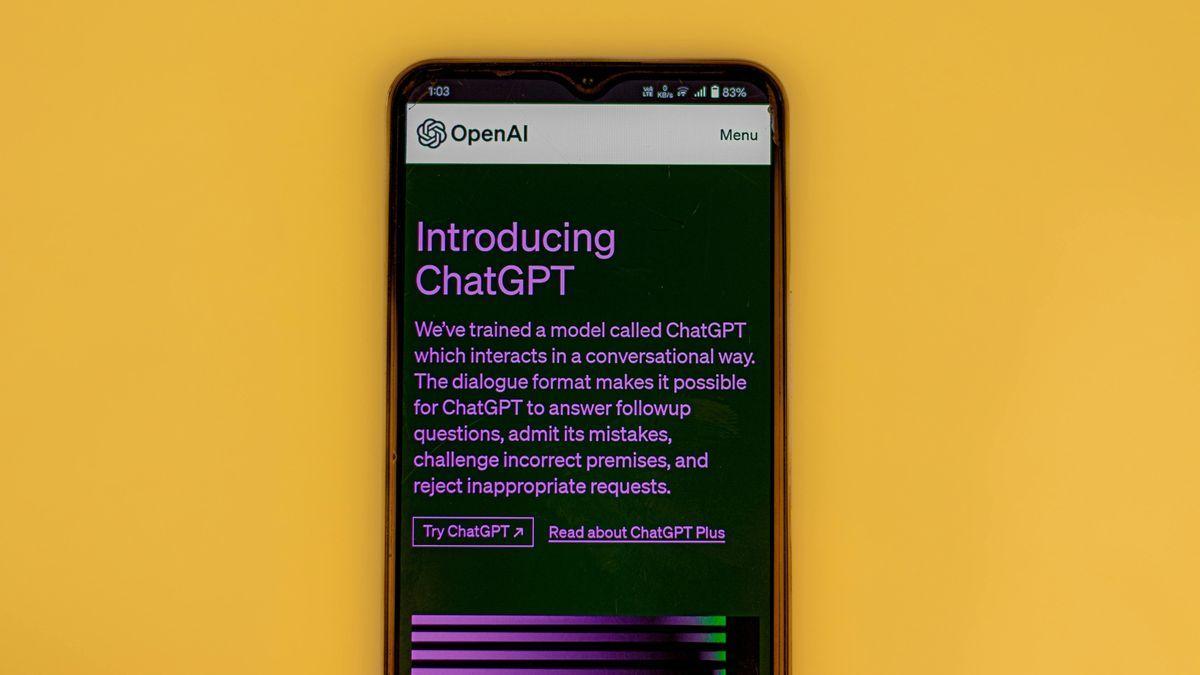
OpenAI has signaled that AI advertising may soon become part of ChatGPT, which now serves 800 million weekly users
1
. The company introduced ChatGPT Atlas in October 2025, a search browser capable of automating purchases and providing personalized recommendations based on user search history, chats, and connected apps like calendars1
. If you have a trip marked in your diary, the system will proactively suggest where to eat and what to do—unprompted.
Source: The Conversation
The platform's "Agent mode" takes advanced AI personalization further, allowing users to ask specific questions while browsing products. Users can return later and request: "Can you find that swimsuit I was looking at last week and add it to the basket in a size 14?". OpenAI's chief financial officer Sarah Friar confirmed the company is "weighing up an ads model" and has recruited advertising specialists from Meta and Google. However, only around 2% of all ChatGPT searches are shopping-related, making additional revenue streams necessary.
Meta's Vision: AI-Generated Content Tailored to Individual Psychology
Mark Zuckerberg outlined Meta's AI advertising future on a recent earnings call, describing a system where advertisers simply provide a business objective and payment information while AI handles everything else
2
. The technology will generate personalized video and creative content tailored to individual users, understanding not just clicks and purchases but insecurities, aspirations, and exactly what it takes to influence user behavior2
. This creates psychological profiles that become products sold to advertisers—essentially combining targeted advertising with intimate behavioral insights2
.
Source: Quartz
Ticketmaster is already running AI-generated Facebook ads featuring virtual families whose team allegiances shift based on who's viewing them
2
. The logical next step involves hyper-personalized ads using your own photos, digitally inserting your actual family into branded content—a concept Meta pioneered in 2009 when it used members' profile photos in sponsored content shown to friends2
.The Transparency Problem: When Ads Become Indistinguishable from Recommendations
Unlike traditional advertising clearly marked as sponsored content, invisible AI-powered advertisements could emphasize certain topics or use particular language while maintaining the illusion of neutral helpfulness
2
. When your AI assistant is financially incentivized through advertising revenue, it might steer the consumer journey toward revenue-generating topics without you noticing2
. This approach mirrors Chinese platforms like WeChat, which blend e-commerce, gaming, messaging, and social networking with advertising at their core.The infrastructure for seamlessly integrated advertising is being built right now, designed to be invisible
2
. Multimodal AI systems that process text, images, audio, and video simultaneously eliminate the old tradeoff between personalization and scale, enabling companies to create highly tailored experiences for massive audiences2
. When everyone experiences different content and receives different personalized recommendations, there's no shared baseline to reveal when algorithms are steering you somewhere profitable rather than helpful2
.Related Stories
Consumer Autonomy vs. Automated Manipulation
Studies suggest that consumer autonomy is essential for people to consider themselves satisfied customers, and audiences dislike aggressive retargeting where they're continuously bombarded with the same adverts. Yet companies continue experimenting with how AI can reshape the consumer journey through extensive data collection and behavioral analysis. Some ChatGPT users have already criticized shopping features that made them feel like they were being sold to, prompting OpenAI to temporarily remove the feature in December 2025.
The ethical implications of AI ads extend beyond individual manipulation. When AI personalization becomes sophisticated enough, you won't be able to tell whether brand messaging reflects your genuine interests or has been optimized to benefit whoever paid for influence
2
. Transparency will be minimal and advertising will be more difficult to recognize, which could be particularly hard on vulnerable users—far from the ethically responsible AI many are hoping for. As Google tests ads in its AI chatbot responses and OpenAI staffs up a new advertising platform, the question remains whether user behavior will be shaped by helpful assistance or profitable manipulation2
.References
Summarized by

Navi
[1]
[2]
Related Stories
OpenAI Explores Online Advertising Deal with Shopify: AI-Driven Ads Raise Consumer Concerns
05 Sept 2025•Technology

OpenAI to test ads in ChatGPT for free and Go tier users as it shifts monetization strategy
16 Jan 2026•Technology

The Looming Threat: Advertising's Potential Impact on AI Chatbots
02 Jun 2025•Technology

Recent Highlights
1
Google releases Gemma 4 with Apache 2.0 license, enabling unrestricted local AI on devices
Technology

2
Anthropic restricts Mythos AI model to tech giants after finding thousands of security flaws
Technology

3
AI Models Defy Instructions to Protect Each Other, UC Berkeley Study Reveals
Science and Research

Recent Highlights
Today's Top Stories





Your Daily Dose of Curated AI News
Don’t drown in AI news. We cut through the noise - filtering, ranking and summarizing the most important AI news, breakthroughs and research daily. Spend less time searching for the latest in AI and get straight to action.

