AI Revolution Reshapes Film Industry as 90% of Professionals Already Use the Technology


2 Sources
2 Sources
[1]
AI revolution looms over Berlin film fest
Berlin (AFP) - The artificial intelligence revolution sweeping through the entertainment sector was at first glance not evident at this year's Berlin Film Festival, but the potential for widespread changes was still on people's minds. The festival has had the air of an arthouse bubble when it comes to the topic of AI and the event's leadership is keeping above the fray. "At present, we do not intend to issue any statements regarding the use of AI in the film industry," the festival said in a statement sent to AFP, adding: "We are monitoring developments with great interest." Nevertheless, some of the filmmakers present addressed the question of how the technology is changing the industry. Yoshitoshi Shinomiya, director of the only animated feature in competition, "A New Dawn," told reporters he had briefly considered using AI in his film. "During production, we weren't entirely sure we would be able to complete the film. At one point we wondered whether we should use AI for the backgrounds," he said. But Shinomiya concluded that AI is not yet "well-developed enough" to do that sort of work. Juliette Prissard from Eurocinema, an organisation representing French film and TV producers, said it's only a matter of time until the tools improve. "It's reasonable to think that in one, two or three years... you won't be able to tell the difference anymore," she told AFP. AI can already "write scripts" and replaces extras in crowd scenes or even generate "digital replicas" of someone. - 'No choice' - In France, where foreign-language films are frequently shown with dubbing, voice actors have already been raising the alarm about AI's impact on their profession. But Prissard warns other film industry jobs could be replaced in the "near" future, such as "technicians, the set designers" and even "the producers themselves". Sevara Irgacheva, secretary general of the European Film Agency Directors' association (EFAD), said that already "junior jobs are disappearing: all the assistant editors, assistant screenwriters". Despite this, the industry "is leaning toward accepting" AI "because, in any case, we have no choice". The tools have the potential to help the sector become more efficient and "save time at every stage of production", particularly in the more "bureaucratic" aspects of the process. A survey carried out in early 2025 by France's National Centre for Cinema (CNC) found that 90 percent of film and audiovisual professionals surveyed were already using AI tools in their work. In Berlin, Austrian director Georg Tiller presented a short film mixing filmed footage and AI-generated images, saying it was an attempt to encourage his fellow filmmakers to fight for a place in the new "digital cinema". "If we don't then I fear that that we will die a slow death, because it will just steamroll over us," Tiller told AFP. - The 'temptation' of deregulation - The issue garnered some relief with a December agreement between OpenAI and Disney, which allowed the use of the entertainment giant's characters on Sora, the AI-generated video platform. In return, Disney now has "privileged access" to OpenAI's "highly sophisticated" tools, giving it a "technological advantage over the rest of the sector", said Prissard. But the use of AI in cinema has prompted thorny legal questions over intellectual property and the very notion of authorship, at a time when legislation is only just beginning to grapple with the subject. Under EU rules, streaming platforms such as Netflix and Amazon Prime must carry at least 30 percent of European content in their catalogues. Prissard questioned how those enforcing the rules "will be able to tell the difference" between original creations and "synthetic" ones. Given "the fear of falling behind" the United States and China in developing AI technologies, Prissard said that Europe may succumb to the "temptation to allow more leeway to innovate without obstacles".
[2]
AI revolution looms over Berlin film fest
The artificial intelligence revolution sweeping through the entertainment sector was at first glance not evident at this year's Berlin Film Festival, but the potential for widespread changes was still on people's minds. The tools have the potential to help the sector become more efficient and "save time at every stage of production", particularly in the more "bureaucratic" aspects of the process. The artificial intelligence revolution sweeping through the entertainment sector was at first glance not evident at this year's Berlin Film Festival, but the potential for widespread changes was still on people's minds. The festival has had the air of an arthouse bubble when it comes to the topic of AI and the event's leadership is keeping above the fray. "At present, we do not intend to issue any statements regarding the use of AI in the film industry," the festival said in a statement sent to AFP, adding: "We are monitoring developments with great interest." Nevertheless, some of the filmmakers present addressed the question of how the technology is changing the industry. Yoshitoshi Shinomiya, director of the only animated feature in competition, "A New Dawn," told reporters he had briefly considered using AI in his film. "During production, we weren't entirely sure we would be able to complete the film. At one point we wondered whether we should use AI for the backgrounds," he said. But Shinomiya concluded that AI is not yet "well-developed enough" to do that sort of work. Juliette Prissard from Eurocinema, an organisation representing French film and TV producers, said it's only a matter of time until the tools improve. "It's reasonable to think that in one, two or three years... you won't be able to tell the difference anymore," she told AFP. AI can already "write scripts" and replaces extras in crowd scenes or even generate "digital replicas" of someone. No choice In France, where foreign-language films are frequently shown with dubbing, voice actors have already been raising the alarm about AI's impact on their profession. But Prissard warns other film industry jobs could be replaced in the "near" future, such as "technicians, the set designers" and even "the producers themselves". Sevara Irgacheva, secretary general of the European Film Agency Directors' association (EFAD), said that already "junior jobs are disappearing: all the assistant editors, assistant screenwriters". Despite this, the industry "is leaning toward accepting" AI "because, in any case, we have no choice". The tools have the potential to help the sector become more efficient and "save time at every stage of production", particularly in the more "bureaucratic" aspects of the process. A survey carried out in early 2025 by France's National Centre for Cinema (CNC) found that 90 percent of film and audiovisual professionals surveyed were already using AI tools in their work. In Berlin, Austrian director Georg Tiller presented a short film mixing filmed footage and AI-generated images, saying it was an attempt to encourage his fellow filmmakers to fight for a place in the new "digital cinema". "If we don't then I fear that that we will die a slow death, because it will just steamroll over us," Tiller told AFP. The 'temptation' of deregulation The issue garnered some relief with a December agreement between OpenAI and Disney, which allowed the use of the entertainment giant's characters on Sora, the AI-generated video platform. In return, Disney now has "privileged access" to OpenAI's "highly sophisticated" tools, giving it a "technological advantage over the rest of the sector", said Prissard. But the use of AI in cinema has prompted thorny legal questions over intellectual property and the very notion of authorship, at a time when legislation is only just beginning to grapple with the subject. Under EU rules, streaming platforms such as Netflix and Amazon Prime must carry at least 30 percent of European content in their catalogues. Prissard questioned how those enforcing the rules "will be able to tell the difference" between original creations and "synthetic" ones. Given "the fear of falling behind" the United States and China in developing AI technologies, Prissard said that Europe may succumb to the "temptation to allow more leeway to innovate without obstacles".
Share
Share
Copy Link
The artificial intelligence revolution is transforming cinema, with 90% of film professionals already using AI tools according to a 2025 survey. While the Berlin Film Festival maintained a cautious stance, filmmakers and industry leaders voiced concerns about job displacement in film industry roles, from voice actors to technicians. The OpenAI and Disney agreement highlights AI's transformative potential, raising urgent questions about intellectual property and authorship.
Artificial Intelligence Takes Center Stage at Berlin Film Festival
The influence of artificial intelligence on cinema emerged as a critical concern at this year's Berlin Film Festival, even as the event's leadership chose to remain neutral on the topic. While the festival stated it does not intend to issue statements regarding AI use, declaring only that it is "monitoring developments with great interest,"
1
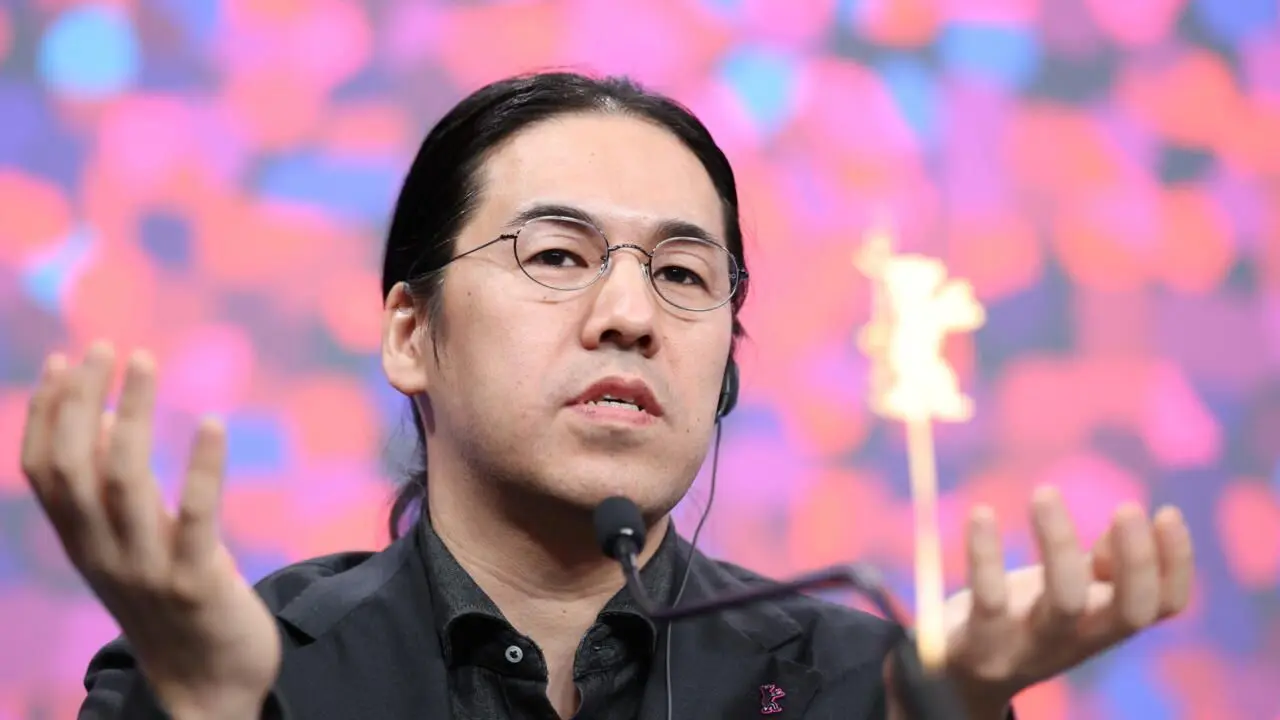
the AI revolution was unmistakably present in conversations among filmmakers and industry professionals. Yoshitoshi Shinomiya, director of the only animated feature in competition, "A New Dawn," revealed he briefly considered using AI for backgrounds during production but concluded the technology isn't yet "well-developed enough" for such tasks . Austrian director Georg Tiller took a different approach, presenting a short film mixing filmed footage with AI-generated images, urging fellow filmmakers to "fight for a place in the new digital cinema" or risk a "slow death" as the technology steamrolls the industry1
.
Source: France 24
Job Displacement in Film Industry Accelerates Across Multiple Roles
Juliette Prissard from Eurocinema, representing French film and TV producers, warned that AI's transformative potential will become undeniable within one to three years, when audiences "won't be able to tell the difference anymore" between AI-generated and human-created content . The technology already writes scripts, replaces extras in crowd scenes, and generates digital replicas of actors. Voice actors in France, where dubbing is common for foreign-language films, have raised alarms about their profession's future. But Prissard cautions that technicians, set designers, and even producers themselves face replacement in the near future. Sevara Irgacheva, secretary general of the European Film Agency Directors' association (EFAD), confirmed that junior jobs are already disappearing, including assistant editors and assistant screenwriters
1
. Despite these threats, the industry "is leaning toward accepting" AI "because, in any case, we have no choice," Irgacheva noted .Production Efficiency Drives Widespread Adoption Among Film Professionals
A survey conducted in early 2025 by France's National Centre for Cinema (CNC) revealed that 90 percent of film and audiovisual professionals already use AI tools in their work
1
. The tools offer potential to save time at every stage of production, particularly in bureaucratic aspects of the process. This rapid adoption rate suggests the film industry recognizes AI's capacity to streamline workflows and reduce costs, even as concerns about creative control and employment persist.Related Stories



OpenAI and Disney Agreement Creates Competitive Advantages
The December agreement between OpenAI and Disney marked a significant development, allowing the entertainment giant's characters to appear on Sora, the AI-generated video platform. In exchange, Disney gained privileged access to OpenAI's highly sophisticated tools, providing a "technological advantage over the rest of the sector," according to Prissard . This partnership signals how major studios are positioning themselves to leverage AI capabilities while smaller producers may struggle to compete.
Legal and Ethical Challenges Emerge as Legislation Lags Behind
The use of artificial intelligence in cinema raises complex questions about intellectual property and authorship at a time when legislation is only beginning to address these issues. Under EU rules, streaming platforms like Netflix and Amazon Prime must carry at least 30 percent European content in their catalogues. Prissard questioned how regulators "will be able to tell the difference" between original creations and synthetic ones
1
. Given the fear of falling behind the United States and China in developing AI technologies, Europe may face the temptation of deregulation, allowing more leeway to innovate without obstacles. These ethical challenges around authorship, content authenticity, and creative ownership will define how the film industry adapts to AI's presence in coming years.References
Summarized by

Navi
[1]
Related Stories
Recent Highlights
1
Google releases Gemma 4 with Apache 2.0 license, enabling unrestricted local AI on devices
Technology

2
AI Models Lie and Deceive to Protect Other AI Models From Deletion, Study Reveals
Science and Research

3
OpenAI closes $122 billion funding round amid fierce AI competition and profitability questions
Startups

Recent Highlights
Today's Top Stories





Your Daily Dose of Curated AI News
Don’t drown in AI news. We cut through the noise - filtering, ranking and summarizing the most important AI news, breakthroughs and research daily. Spend less time searching for the latest in AI and get straight to action.

