Albanian Actor Anila Bisha Sues to Reclaim Her Face From Unauthorized AI Minister Role


2 Sources
2 Sources
[1]
The woman fighting to reclaim her face from Albania's 'AI minister'
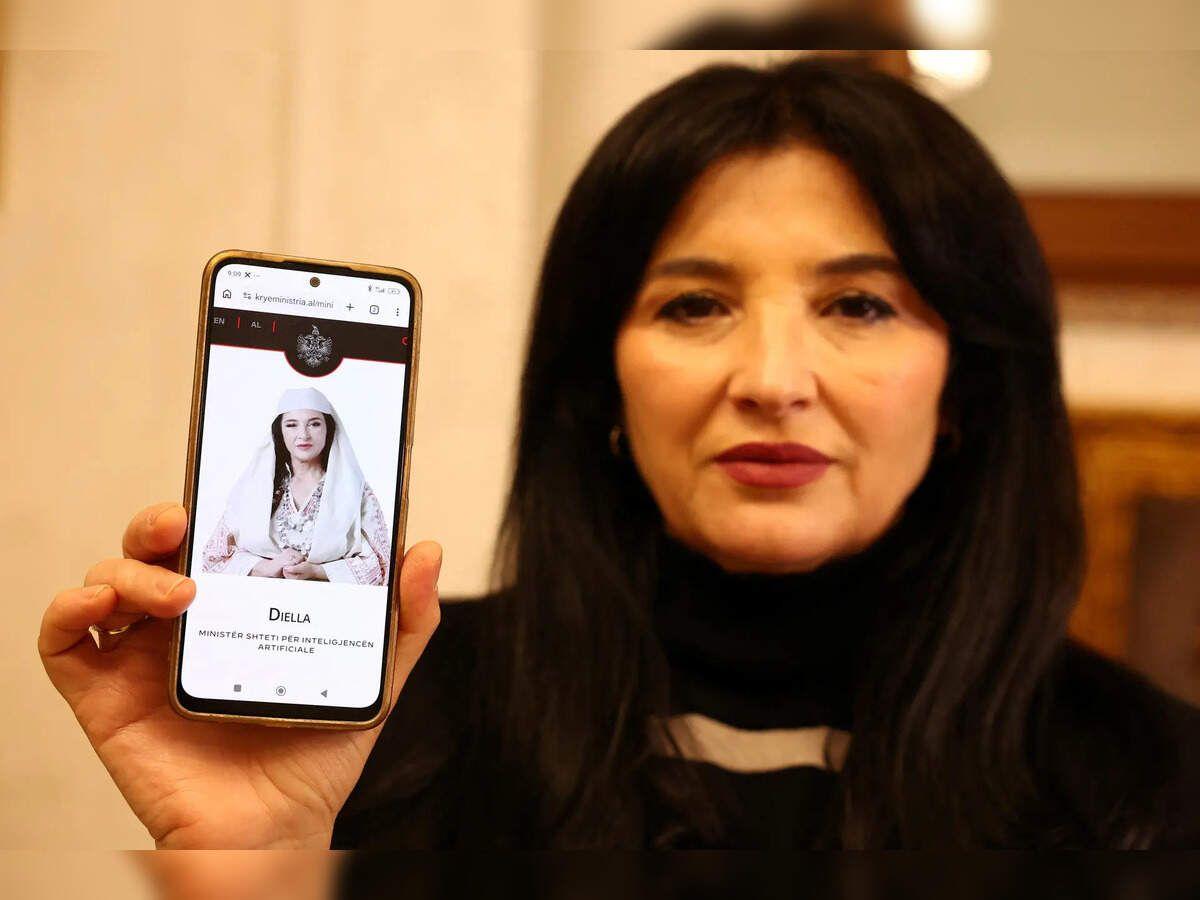
Tirana (Albania) (AFP) - Albanian actor Anila Bisha is renowned for playing complex women on the stage and screen, skills honed over a 30-year career, but now she lives in the shadow of her AI avatar and a performance she never gave. Last September, Prime Minister Edi Rama announced with much fanfare he had appointed what he claimed was the first AI-generated minister, tasked with preventing corruption in public tenders. Within days, the "minister" would deliver its inaugural parliamentary speech. "I am not here to replace people, but to help them," the bot, a digital doppelganger of Bisha in traditional Albanian dress, said in a video message that would garner headlines around the world. But Bisha, watching her familiar face deliver a speech she knew nothing about, in a role she never agreed to, was left reeling. "I couldn't believe it when I saw myself delivering a speech in parliament, when I heard my voice saying that I am a minister," the 57-year-old told AFP. "I was in shock, I cried so much." A tough job In early 2025, Bisha agreed to lend her face and voice to a virtual assistant for an online government services portal -- aimed at helping people navigate bureaucracy. She was delighted at the time, but it was tough work. To create a responsive and realistic avatar for the chatbot, she stood for hours speaking nonstop. Every movement of her mouth and every sound had to be recorded so the bot, dubbed "Diella" or "Sun" in Albanian, could respond naturally to user requests. Within a few months, Diella had recorded nearly a million interactions and issued over 36,000 documents through the platform -- a success hailed by the government and users. "I received so many congratulations about Diella," Bisha said. One Sun, 83 children In September, Rama suddenly "promoted" the chatbot to be minister of public procurement -- a move that he promised would make public tenders "100 percent corruption-free". But with little public detail, the announcement drew sharp criticism from the opposition and experts who raised constitutional and accountability issues in a country where graft is widespread. Bisha, too, said she was left in the dark and spent months reaching out to the government. "The use of my image and my voice for political purposes is something very serious for me," Bisha said. According to the actor, she had signed a contract only for the use of her image on the e-services platform, and the agreement lapsed in December last year. The government ignored her messages and Rama pressed on. Diella was "pregnant", he told a Berlin conference in October, and she would soon give birth to 83 children, one for each of his MPs. Bisha was disgusted. "People who don't like the prime minister hate me, and I feel so hurt." 'Getting scary' Rama continues to promote Diella abroad as part of his promise to root out corruption -- a key requirement for the country's EU ambitions. Since December, the head of the department responsible for the AI has been under house arrest for his alleged links to an illegal manipulation of government tenders. Rama's own deputy is also embroiled in a corruption scandal. Bisha has abandoned her hopes of an amicable settlement with the government and launched a legal fight against "Diella" earlier this month. On Monday, an attempt to have the use of her image suspended ahead of a full legal challenge was rejected by an administrative court. But her lawyer said they would lodge the main suit within days, including a claim for one million euros ($1.17 million) in damages for a violation of her image rights. In a statement, a government spokeswoman said the lawsuit was "nonsense", adding: "But we welcome the opportunity to solve it once and for all in a court of law." Bisha said she would keep fighting until she reclaimed her identity -- even if it meant taking the case to the European Court of Human Rights in Strasbourg. "I don't know what could happen with my voice and my figure, what else could be done?" she said. Although she still doubts that an AI could ever replace an actor's ability to convey "beautiful emotion", her recent experience has shaken her hopes for the future. "I don't know, its development is coming, and it's getting scary."
[2]
The woman fighting to reclaim her face from Albania's AI minister
Albanian actor Anila Bisha is renowned for playing complex women on the stage and screen, skills honed over a 30-year career, but now she lives in the shadow of her AI avatar and a performance she never gave. According to the actor, she had signed a contract only for the use of her image on the e-services platform, and the agreement lapsed in December last year. Albanian actor Anila Bisha is renowned for playing complex women on the stage and screen, skills honed over a 30-year career, but now she lives in the shadow of her AI avatar and a performance she never gave. Last September, Prime Minister Edi Rama announced with much fanfare he had appointed what he claimed was the first AI-generated minister, tasked with preventing corruption in public tenders. Within days, the "minister" would deliver its inaugural parliamentary speech. "I am not here to replace people, but to help them," the bot, a digital doppelganger of Bisha in traditional Albanian dress, said in a video message that would garner headlines around the world. But Bisha, watching her familiar face deliver a speech she knew nothing about, in a role she never agreed to, was left reeling. "I couldn't believe it when I saw myself delivering a speech in parliament, when I heard my voice saying that I am a minister," the 57-year-old told AFP. "I was in shock, I cried so much." A tough job In early 2025, Bisha agreed to lend her face and voice to a virtual assistant for an online government services portal -- aimed at helping people navigate bureaucracy. She was delighted at the time, but it was tough work. To create a responsive and realistic avatar for the chatbot, she stood for hours speaking nonstop. Every movement of her mouth and every sound had to be recorded so the bot, dubbed "Diella" or "Sun" in Albanian, could respond naturally to user requests. Within a few months, Diella had recorded nearly a million interactions and issued over 36,000 documents through the platform -- a success hailed by the government and users. "I received so many congratulations about Diella," Bisha said. One Sun, 83 children In September, Rama suddenly "promoted" the chatbot to be minister of public procurement -- a move that he promised would make public tenders "100 percent corruption-free". But with little public detail, the announcement drew sharp criticism from the opposition and experts who raised constitutional and accountability issues in a country where graft is widespread. Bisha, too, said she was left in the dark and spent months reaching out to the government. "The use of my image and my voice for political purposes is something very serious for me," Bisha said. According to the actor, she had signed a contract only for the use of her image on the e-services platform, and the agreement lapsed in December last year. The government ignored her messages and Rama pressed on. Diella was "pregnant", he told a Berlin conference in October, and she would soon give birth to 83 children, one for each of his MPs. Bisha was disgusted. "People who don't like the prime minister hate me, and I feel so hurt." 'Getting scary' Rama continues to promote Diella abroad as part of his promise to root out corruption -- a key requirement for the country's EU ambitions. Since December, the head of the department responsible for the AI has been under house arrest for his alleged links to an illegal manipulation of government tenders. Rama's own deputy is also embroiled in a corruption scandal. Bisha has abandoned her hopes of an amicable settlement with the government and launched a legal fight against "Diella" earlier this month. On Monday, an attempt to have the use of her image suspended ahead of a full legal challenge was rejected by an administrative court. But her lawyer said they would lodge the main suit within days, including a claim for one million euros ($1.17 million) in damages for a violation of her image rights. In a statement, a government spokeswoman said the lawsuit was "nonsense", adding: "But we welcome the opportunity to solve it once and for all in a court of law." Bisha said she would keep fighting until she reclaimed her identity -- even if it meant taking the case to the European Court of Human Rights in Strasbourg. "I don't know what could happen with my voice and my figure, what else could be done?" she said. Although she still doubts that an AI could ever replace an actor's ability to convey "beautiful emotion", her recent experience has shaken her hopes for the future. "I don't know, its development is coming, and it's getting scary."
Share
Share
Copy Link
Albanian actor Anila Bisha is suing her government for €1.17 million after her AI avatar, initially created for a government e-services portal, was promoted to AI minister without her consent. The legal battle highlights critical questions about image rights and the ethical implications of AI as her likeness delivers parliamentary speeches she never agreed to perform.
Anila Bisha's AI Avatar Becomes AI Minister Without Consent
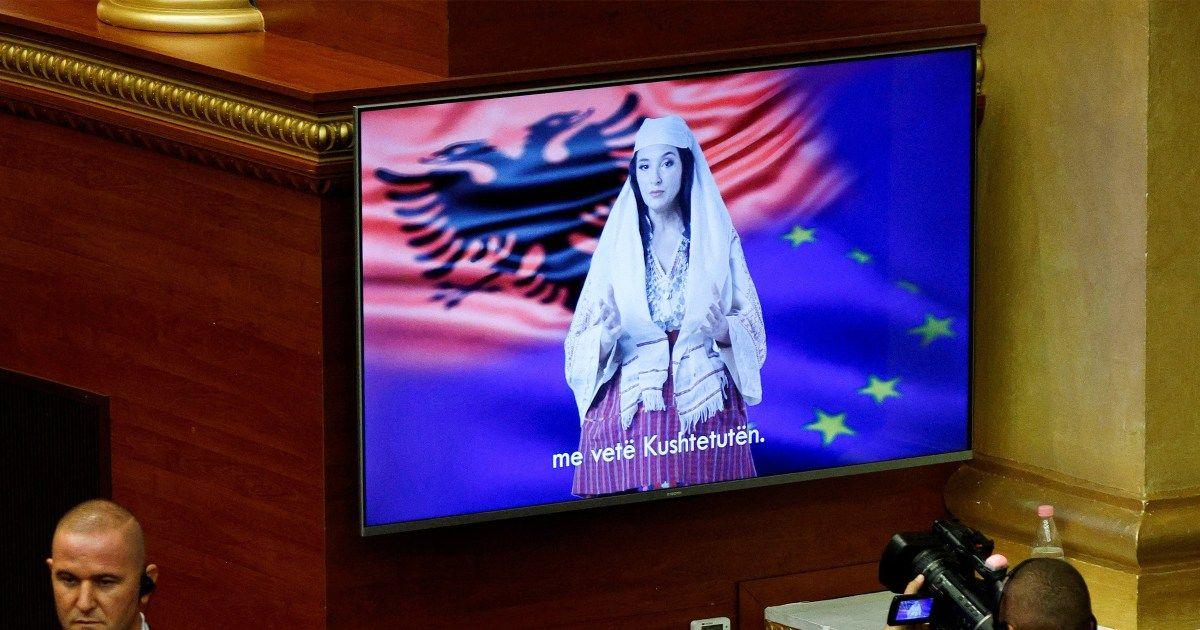
Albanian actor Anila Bisha never imagined her face would deliver a parliamentary speech she knew nothing about. In September, Prime Minister Edi Rama announced with fanfare the appointment of what he claimed was the world's first AI minister, tasked with preventing corruption in public procurement
1
. The AI-generated likeness wearing traditional Albanian dress was Bisha's face, speaking in her voice, declaring to parliament: "I am not here to replace people, but to help them"2
. The 57-year-old actor, renowned for a 30-year career playing complex women on stage and screen, watched in shock as her digital doppelganger performed a role she never agreed to. "I couldn't believe it when I saw myself delivering a speech in parliament, when I heard my voice saying that I am a minister," she told AFP. "I was in shock, I cried so much"1
.
Source: ET
From Government E-Services Portal to Unauthorized Political Use
In early 2025, Bisha had willingly lent her face and voice to create a virtual assistant for a government e-services portal designed to help citizens navigate bureaucracy
2
. The work was grueling—she stood for hours speaking nonstop while every mouth movement and sound was meticulously recorded to make the chatbot, dubbed "Diella" or "Sun" in Albanian, respond naturally to user requests1
. Within months, Diella had recorded nearly a million interactions and issued over 36,000 documents through the platform, a success celebrated by both the government and users2
. "I received so many congratulations about Diella," Bisha recalled1
. But the unauthorized political use of her AI avatar would turn celebration into a nightmare. According to Bisha, she had signed a contract only for use on the e-services platform, and that agreement lapsed in December last year2
.Legal Battle Over Image Rights and Identity Theft
Rama's sudden promotion of the chatbot to minister of public procurement, promising to make government tenders "100 percent corruption-free," drew sharp criticism from opposition parties and experts who raised constitutional and accountability issues
1
. Bisha spent months trying to reach the government, but her messages were ignored2
. "The use of my image and my voice for political purposes is something very serious for me," she stated1
. Matters escalated when Rama told a Berlin conference in October that Diella was "pregnant" and would give birth to 83 children, one for each of his MPs2
. Bisha was disgusted. "People who don't like the prime minister hate me, and I feel so hurt," she said1
. Having abandoned hopes of an amicable settlement, she launched a legal fight earlier this month, seeking one million euros in damages for violation of her image rights . An administrative court rejected her attempt to suspend use of her image on Monday, but her lawyer confirmed they would lodge the main lawsuit within days1
. A government spokeswoman dismissed the suit as "nonsense" but welcomed resolving it in court2
.Related Stories
Ethical Implications of AI and Questions of Consent
Bisha's determination to reclaim her face extends beyond financial damages. She's prepared to take her case to the European Court of Human Rights in Strasbourg if necessary
1
. "I don't know what could happen with my voice and my figure, what else could be done?" she questioned2
. The case raises urgent questions about consent and identity theft in the age of AI. While Rama continues promoting Diella abroad as part of Albania's EU ambitions to root out corruption, irony shadows the initiative—the head of the department responsible for the AI has been under house arrest since December for alleged links to illegal manipulation of government tenders, and Rama's own deputy is embroiled in a corruption scandal1
. Though Bisha doubts AI could ever replace an actor's ability to convey "beautiful emotion," her experience has shaken her. "I don't know, its development is coming, and it's getting scary," she admitted2
. Her legal battle may set critical precedents for how governments and organizations can—or cannot—use AI avatars created from real people's likenesses without ongoing consent.References
Summarized by

Navi
Related Stories
Albanian actor sues government for using her face as AI minister without consent
12 Feb 2026•Policy and Regulation
Albania Appoints World's First AI-Generated Minister, Sparking Controversy and Debate
19 Sept 2025•Policy and Regulation

Albania Appoints AI 'Minister' to Combat Corruption in Public Procurement
11 Sept 2025•Policy and Regulation

Recent Highlights

Recent Highlights
Today's Top Stories









Your Daily Dose of Curated AI News
Don’t drown in AI news. We cut through the noise - filtering, ranking and summarizing the most important AI news, breakthroughs and research daily. Spend less time searching for the latest in AI and get straight to action.

