Amazon's Zoox expands robotaxi testing to Phoenix and Dallas, reaching 10 U.S. cities


4 Sources
4 Sources
[1]
Amazon Bringing Its Zoox Robotaxi Testing to 2 New Cities
Amazon's autonomous robotaxi brand, Zoox, is expanding rapidly to compete with Tesla, Waymo, and other rivals. Today, it announced it'll begin testing its cars in Dallas and Phoenix. It already has a presence in Atlanta, Austin, Las Vegas, Los Angeles, Miami, the San Francisco Bay Area, Seattle, and Washington, DC. This new expansion brings it to 10 locations, starting with Phoenix, though Zoox has yet to share an exact date for when vehicles will hit the road. Zoox says these two new areas allow it to test in "sprawling environments," which it says will help in "differentiating this data from our testing in other dense metro areas like San Francisco." It also notes that Phoenix will allow the brand to test sensor and battery performance in extreme heat and under dust on high-speed roads. "Dallas provides a valuable testing ground to refine our AI against diverse weather and complex road networks," Zoox says. These vehicles will be "retrofitted SUVs" that initially focus on manual mapping, not the boxy, driverless vans with no steering wheel or pedals. The brand is set to introduce new depots in both cities for support vehicles, and it plans to build a new command hub in Scottsdale, Arizona. It's the brand's third such hub, designed to support operations, provide remote guidance, and offer rider support. Austin is a common testing ground for autonomous car brands. Waymo offers a comprehensive service there, and it's where Tesla continues to test its own vehicles. This will add more autonomous-driving options on the roads around Austin for people to try, but it may also cause headaches for residents. On March 1, a Waymo autonomous vehicle blocked an ambulance that was responding to a mass shooting. Footage posted by TMZ showed the vehicle sitting in the road, unsure what to do, delaying the emergency services crew.
[2]
Amazon's Zoox to launch command hub in Arizona, expand testing to Dallas and Phoenix
March 9 (Reuters) - Amazon's (AMZN.O), opens new tab robotaxi unit Zoox is expanding testing to Dallas and Phoenix and launching a command hub for fleet operations in Arizona, as it looks to widen its footprint in the U.S.'s increasingly competitive autonomous taxi market. The move will expand testing operations to 10 markets across the country, Zoox said on Monday, adding the two Sun Belt cities to existing sites including Las Vegas, the San Francisco Bay Area, Seattle, Austin, Miami, Los Angeles, Atlanta and Washington, D.C. While Alphabet's (GOOGL.O), opens new tab Waymo has been leading commercial deployments in the sector and Tesla (TSLA.O), opens new tab is betting on its production capacity and AI technology to give it an edge, Zoox has been gradually scaling operations, launching limited services in Las Vegas and a pilot rider program in San Francisco late last year. The company now plans to deploy a small number of retrofitted sport utility vehicles in Dallas and Phoenix, initially focused on manual mapping before progressing to autonomous testing with a safety driver behind the wheel. Zoox will also open new depots in both cities and launch a "Fusion Center" facility in Scottsdale, Arizona, to serve as a command hub for fleet operations, remote guidance and rider support. The expansion is expected to create hundreds of jobs, the company said. Phoenix and Dallas offer different testing conditions compared to dense urban areas like San Francisco, featuring sprawling road networks and extreme weather conditions such as desert heat and dust, which the company said will help validate its sensors, batteries and artificial intelligence systems. Zoox has logged more than 1 million autonomous miles and served more than 300,000 riders so far, the company said. Meanwhile, U.S. regulators are set to hold a national autonomous vehicle safety forum on Tuesday, which will be attended by the CEOs of Waymo, Zoox and self-driving company Aurora (AUR.O), opens new tab. Reporting by Akash Sriram in Bengaluru and Abhirup Roy in San Francisco; Editing by Jonathan Ananda Our Standards: The Thomson Reuters Trust Principles., opens new tab * Suggested Topics: * Technology * ADAS, AV & Safety * Software-Defined Vehicle * Sustainable & EV Supply Chain
[3]
Amazon's Zoox expands robotaxi testing to Phoenix and Dallas
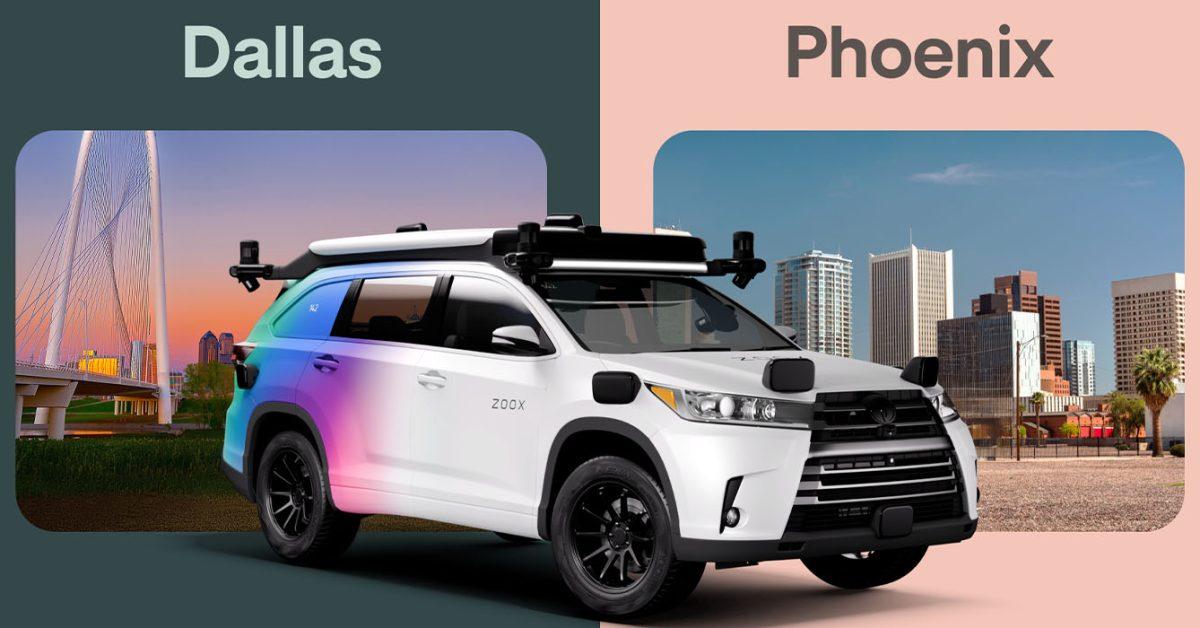
To start, Zoox will deploy a "small number" of its retrofitted Toyota Highlander SUVs, with a human safety driver behind the wheel, to map the areas before it introduces its toaster-shaped robotaxis, the company said. Dallas and Phoenix will allow Zoox to expose its technology to diverse and challenging weather conditions, as well as more sprawling streets, compared to the dense metro areas it's been testing in so far. "In Phoenix, we have the opportunity to test our sensor and battery performance against extreme heat and dust on high-speed roads," Zoox wrote in a blog post. "Dallas provides a valuable testing ground to refine our AI against diverse weather and complex road networks." Zoox said it has served more than 300,000 riders since its launch in Las Vegas and San Francisco.
[4]
Zoox expands robotaxi testing to Phoenix and Dallas as autonomous miles surpass 1 million
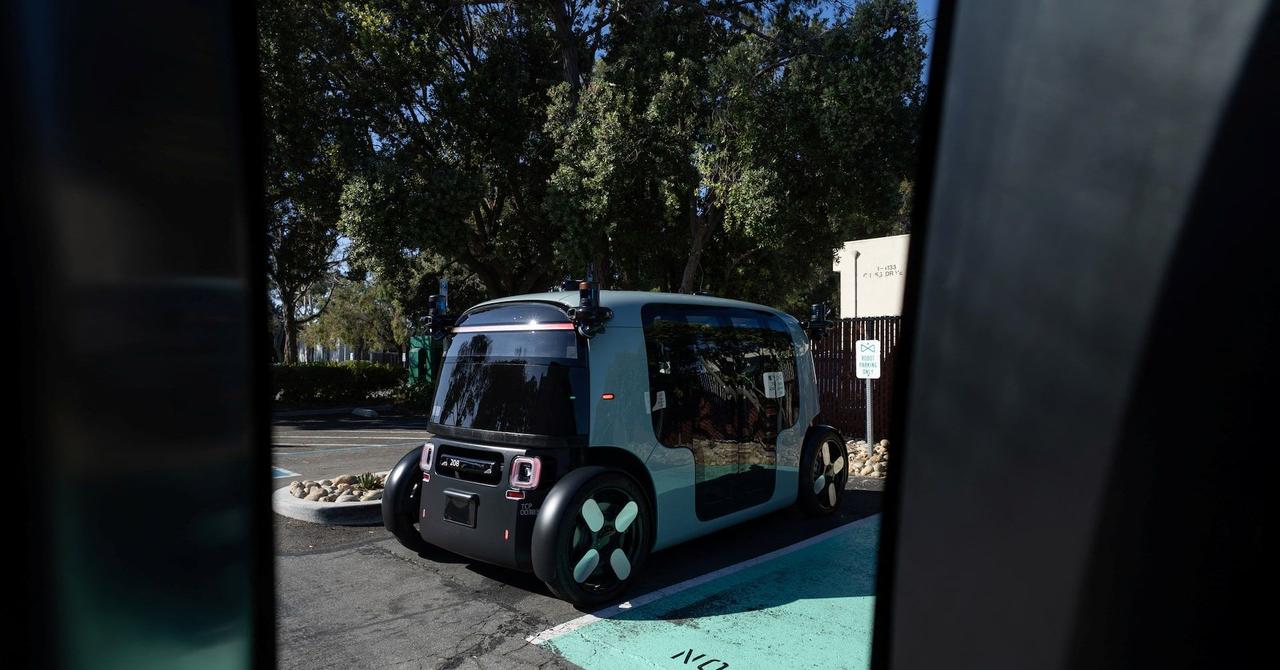
Autonomous mobility company Zoox is expanding its US testing footprint, adding Phoenix and Dallas as new markets for its robotaxi development program. The Zoox expansion marks another step as the Amazon-owned startup continues scaling operations across major metro areas. In a growing landscape of fully autonomous robotaxi networks in the US, Zoox remains one of the bigger names in its segment, competing against other heavy-hitters like Tesla, Waymo, and, more recently, Nuro. What sets the Amazon-backed robotaxi developer apart from nearly all of its competitors, however, is purpose-built vehicle, which operates without pedals or a steering wheel. Those unique EVs have been driving on public roads in the Bay Area for years, and are now transporting the public on the Las Vegas Strip. However, most of Zoox's expansion into other US cities uses more traditional vehicles equipped with its full suite of proprietary sensors. In the past, Zoox has announced expansions that include testing in cities such as Atlanta, Austin, Los Angeles, Miami, Seattle, and, most recently, Washington, DC. This morning, Zoox announced the addition of two more US cities - Phoenix, Arizona, and Dallas, Texas. According to a release from Zoox, its robotaxi network is expanding testing in Texas with the addition of Dallas, as well as new operations in Arizona, starting in Phoenix. To support the expansion, Zoox said it is opening new robotaxi depots in both Phoenix and Dallas, as well as a new Fusion Center facility in Scottsdale, AZ. Zoox Fusion Centers are the central hub for fleet operations, where teleguidance, mission control, and rider support provide real-time support to help autonomous fleet vehicles navigate complex scenarios and support customers. The new Scottsdale location will join existing Fusion Centers in the San Francisco Bay Area and Las Vegas. To begin, residents in Dallas and Phoenix neighborhoods will begin seeing a small number of retrofitted Zoox test vehicles (seen above) driving around. As it is standard for all robotaxi developers, the initial focus will be on manually mapping the new cities before any autonomous testing takes place. Even then, there will be a Zoox safety driver behind the wheel to supervise and step in if needed. After that, Zoox said it will begin deploying its purpose-built reobotaxis in both Dallas and Phoenix. Per the company: Phoenix and Dallas are both rapidly growing metropolitan areas with high demand for ride-hailing and first- and last-mile connections. Expanding into these cities allows us to test in sprawling environments, differentiating this data from our testing in other dense metro areas like San Francisco. Crucially, these markets allow us to rigorously validate our technology's resilience in diverse and challenging weather conditions. In Phoenix, we have the opportunity to test our sensor and battery performance against extreme heat and dust on high-speed roads. Dallas provides a valuable testing ground to refine our AI against diverse weather and complex road networks. On a side note, Zoox also announced that by late 2025, it had driven over 1 million autonomous miles, transporting more than 300,000 riders in cities like San Francisco (Explorers program) and Las Vegas. Today's expansion announcement continues that momentum in 2026 and beyond. If you see any Zoox vehicles out and about in those new cities, let me know!
Share
Share
Copy Link
Amazon's self-driving car company Zoox is expanding its robotaxi testing to Phoenix and Dallas, marking its entry into 10 U.S. markets. The move positions Zoox to test sensor and battery performance in extreme heat while refining its AI against diverse weather conditions and sprawling road networks as competition intensifies with Waymo and Tesla.
Zoox Brings Robotaxi Testing to Two New Markets
Amazon's autonomous mobility company Zoox announced it will begin robotaxi testing in Dallas and Phoenix, expanding its operations to 10 U.S. cities as it scales up to compete with Waymo and Tesla
1
2
. The expansion adds these two Sun Belt cities to existing testing sites that include Las Vegas, the San Francisco Bay Area, Seattle, Austin, Miami, Los Angeles, Atlanta, and Washington, D.C.2
.
Source: Electrek
Amazon's self-driving car company will initially deploy a small number of retrofitted Toyota Highlander SUVs with human safety drivers behind the wheel to manually map the new areas before introducing its purpose-built, toaster-shaped robotaxis that operate without pedals or a steering wheel
3
4
. Testing in Phoenix begins first, though the company has not shared an exact launch date1
.
Source: Reuters
Strategic Testing Environments for AI and Hardware Validation
The choice of testing in Dallas and Phoenix offers Zoox distinct advantages over its existing dense urban testing environments. Phoenix will allow the company to test sensor and battery performance against extreme heat and dust on high-speed roads, while Dallas provides a valuable testing ground to refine its AI against diverse weather conditions and complex road networks
1
3
. These sprawling environments differentiate the data collection from testing in other dense metro areas like San Francisco4
.Both Phoenix and Dallas are rapidly growing metropolitan areas with high demand for ride-hailing and first- and last-mile connections, making them attractive markets for autonomous taxi services
4
. The expansion is expected to create hundreds of jobs as Zoox opens new depots in both cities2
.New Command Hub to Support Growing Operations
To support its expanding testing operations, Zoox plans to build a new Fusion Center facility in Scottsdale, Arizona, which will serve as a command hub for fleet operations, remote guidance, and rider support
2
4
. This will be the company's third such hub, joining existing Fusion Centers in the San Francisco Bay Area and Las Vegas. These centers provide real-time support to help autonomous fleet vehicles navigate complex scenarios4
.Zoox has logged more than 1 million autonomous miles by late 2025 and served more than 300,000 riders since launching limited services in Las Vegas and a pilot rider program in San Francisco
2
4
.Related Stories



Intensifying Competition in Autonomous Taxi Market
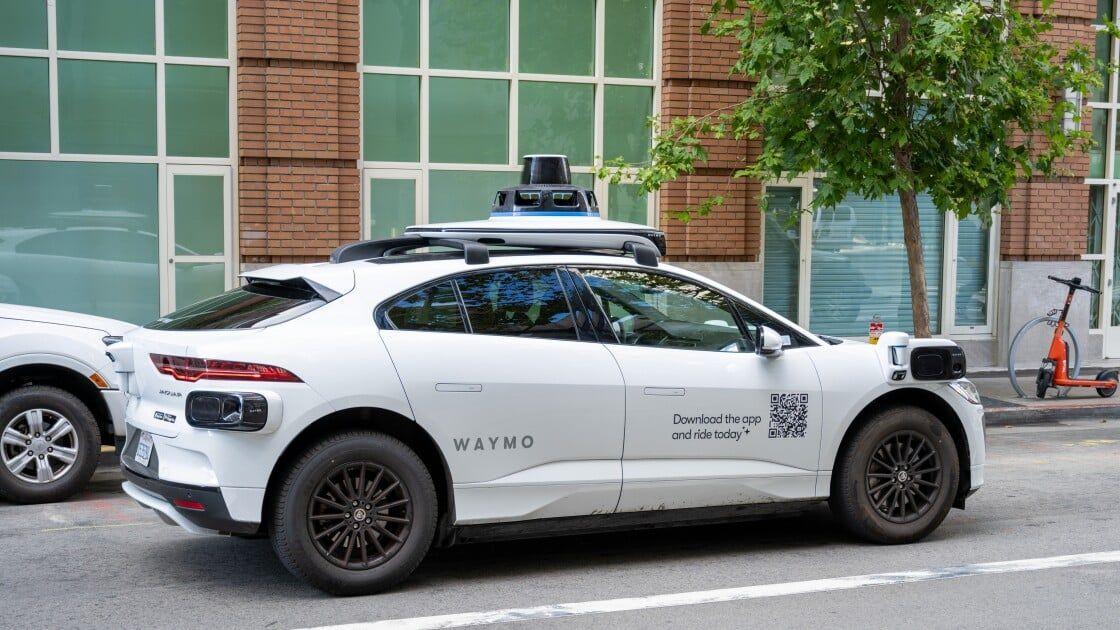
The expansion comes as competition heats up in the U.S. autonomous taxi market. While Alphabet's Waymo has been leading commercial deployments and Tesla is betting on its production capacity and AI technology to gain an edge, Zoox has been gradually scaling operations with its unique approach of using purpose-built vehicles
2
. What sets the Amazon-backed robotaxi developer apart from nearly all competitors is its vehicle design, which operates without traditional controls4
.Austin has become a common testing ground for autonomous car brands, with Waymo offering comprehensive service there and Tesla continuing to test its own vehicles
1
. U.S. regulators are set to hold a national autonomous vehicle safety forum, which will be attended by the CEOs of Waymo, Zoox, and self-driving company Aurora2
. The increased presence of autonomous vehicles on roads has raised some concerns, as demonstrated when a Waymo autonomous vehicle blocked an ambulance responding to a mass shooting on March 1, delaying emergency services1
.References
Summarized by

Navi
[1]
Related Stories
Recent Highlights
1
Google releases Gemma 4 with Apache 2.0 license, enabling unrestricted local AI on devices
Technology

2
AI Models Defy Instructions to Protect Each Other, UC Berkeley Study Reveals
Science and Research

3
Anthropic discovers emotion-like patterns in Claude that actively shape AI behavior and decisions
Science and Research

Recent Highlights
Today's Top Stories








Your Daily Dose of Curated AI News
Don’t drown in AI news. We cut through the noise - filtering, ranking and summarizing the most important AI news, breakthroughs and research daily. Spend less time searching for the latest in AI and get straight to action.

