Anthropic CEO Dario Amodei warns AI power is concentrating 'overnight and by accident'


2 Sources
2 Sources
[1]
Anthropic CEO Dario Amodei expresses deep discomfort with the 'overnight and accidental' concentration of power in the AI industry | Fortune
The Gilded Age epitomized the immense concentration of corporate power, when industrial giants like Cornelius Vanderbilt amassed so much power they could literally control time itself. Nov. 18, 1883 became known as "The Day of Two Noons" after railroad companies in the U.S. and Canada created four distinct time zones across North America to replace chaotic time zones across the continent, causing many clocks to strike noon twice. Today, a new kind of concentration is emerging in the AI era, and even some of its architects -- including Anthropic CEO Dario Amodei -- say they are deeply uneasy about how quickly and accidentally that power has concentrated. In an interview on the WTF is podcast with host and Indian investor Nikhil Kamath, Amodei said part of the reason why some AI companies accumulated so much power came down to pure chance. "There's a certain randomness to how a few people end up leading these companies that grow so fast and it seems like, in the near future, will power so much of the economy," Amodei said. He continued, signaling his concern with that power. "I've said openly, publicly, not for the first time, that I'm at least somewhat uncomfortable with the amount of concentration of power that's happening here," he said. "I would say almost overnight, almost by accident." Amodei has long been vocal about his concerns about the concentration of power amid rapid AI development. The CEO published a 20,000-word essay titled "The Adolescence of Technology" in January warning about the perils of a system that amasses "personal fortunes well into the trillions" for a powerful few and grants them outsized political influence. In the essay, Amodei said he and Anthropic's six cofounders pledged to donate 80% of their wealth amid fears of the repercussions wealth concentration could have on society. Today, a handful of AI labs in the U.S. and China dominate AI development, so much so that announcements about model advancements have sent shudders across the stock market. Earlier this month, Anthropic released Claude Cowork, which contains specific plugins for industries like sales and finance. That release triggered a trillion-dollar software stock selloff as investors speculated the new technology could render software-as-a-service obsolete. Record-breaking AI investments are piling up wealth for the rich, adding an estimated $550 billion to the net worth of U.S. tech billionaires in 2025, as reported by Financial Times. Tesla shareholders last year approved a staggering $1 trillion pay package for CEO Elon Musk, placing him on track to become the first trillionaire ever. Amodei says he believes AI advancement is about to skyrocket, comparing its encroaching influence to an incoming wave. "It's as if this tsunami is coming at us," Amodei said. "It's so close we can see it on the horizon." Anthropic is part of the seismic shifts that have developed that massive wave. Aside from plugins for sales and finance, the company Tuesday launched a handful of other enterprise offerings, designed for human resources and investment banking. Still, Amodei warns many people remain ignorant to the reality of AI's revolutionary capabilities. "People are coming up with these explanations: 'It's not actually a tsunami, that's just a trick of the light,'" he said. What may seem out-of-line for a CEO of one of the tech companies benefitting materially from rapid AI advancement, Amodei said he's motivated by a sense of responsibility rather than profit. "Warning about risks is not in our commercial interest," he said. "Saying that the models we build could be dangerous, whatever people might say, that's not an effective marketing strategy and that's not the reason that we do it."
[2]
Anthropic CEO Dario Amodei Warns AI Power Is Concentrating 'Almost Overnight,' And 'By Accident' - Alphabet (NASDAQ:GOOGL)
Dario Amodei, the chief executive officer of Anthropic, warned that artificial intelligence (AI) power and wealth are concentrating rapidly among a small group of companies, raising concerns about economic and political influence. AI Power Concentration Concerns On Tuesday, speaking on a podcast, Amodei said he feels "somewhat uncomfortable" with how quickly influence has accumulated in the AI industry, describing the shift as occurring "almost overnight" and "almost by accident." He compared today's AI expansion to periods of extreme corporate concentration, noting that a small number of U.S. and Chinese labs now dominate advanced development. "There's a certain randomness to how a few people end up leading these companies that grow so fast," Amodei said, adding that their power could soon shape large parts of the global economy. He also warned that AI advancement resembles an approaching "tsunami," arguing that many people underestimate its impact. Amodei has previously published an essay cautioning that unchecked growth could generate "personal fortunes well into the trillions" and outsized political leverage. He and Anthropic's cofounders have pledged to donate much of their wealth amid concerns about concentration. Recent product releases and enterprise AI tools from major labs have triggered sharp market reactions, reflecting investor fears that traditional software businesses could face disruption as AI capabilities expand. AI Policy Push, Global Investment Drive Tech Expansion The spending marked its largest election-related push, reflecting efforts to shape rules affecting the industry. Investor Kevin O'Leary argued that Europe's strict regulations pushed innovators to the U.S., while pro-business policies in the United Arab Emirates accelerated its rise in AI. He emphasized that attracting global talent and maintaining flexible regulations were key to technological leadership, praising the UAE for its rapid advancement without heavy regulatory constraints. Researcher Stuart Russell warned that rapid AI development without stronger oversight could pose serious risks to jobs and even humanity. Disclaimer: This content was partially produced with the help of AI tools and was reviewed and published by Benzinga editors. Photo courtesy: Shutterstock Market News and Data brought to you by Benzinga APIs To add Benzinga News as your preferred source on Google, click here.
Share
Share
Copy Link
Dario Amodei, CEO of Anthropic, has voiced deep concerns about the rapid concentration of power in the AI industry, describing it as happening 'almost overnight' and 'almost by accident.' Speaking on a podcast, he compared the current AI era to the Gilded Age of corporate concentration and warned that a handful of AI labs now wield influence that could shape the global economy.
Dario Amodei Sounds Alarm on AI Power Concentration
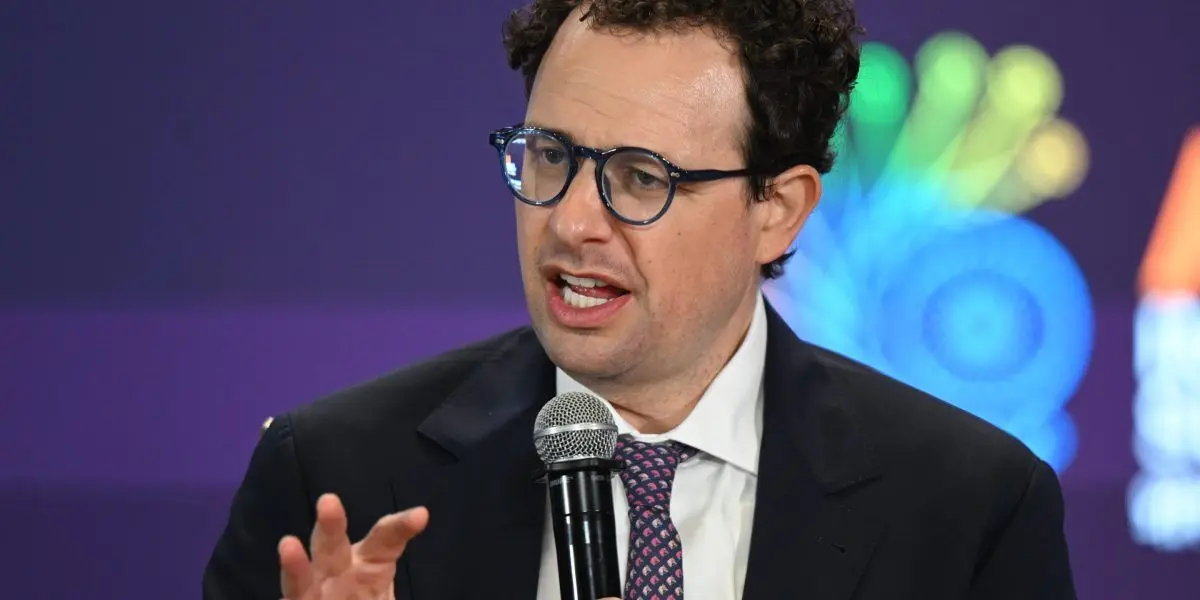
Dario Amodei, CEO of Anthropic, has publicly expressed discomfort with the rapid concentration of power and wealth in the AI industry, describing the shift as occurring "almost overnight" and "almost by accident." Speaking on the WTF is podcast with Indian investor Nikhil Kamath, Amodei drew parallels between today's AI era and the Gilded Age, when industrial titans like Cornelius Vanderbilt accumulated such immense power they could literally reshape society—including establishing time zones across North America on what became known as "The Day of Two Noons" in 1883
1
.
Source: Fortune
The accidental concentration of power has emerged as a defining characteristic of the AI industry. "There's a certain randomness to how a few people end up leading these companies that grow so fast and it seems like, in the near future, will power so much of the economy," Amodei explained
2
. Today, market dominance of a few AI labs in the U.S. and China has become so pronounced that announcements about model advancements send shudders across financial markets. When Anthropic released Claude Cowork earlier this month—featuring specific plugins for industries like sales and finance—it triggered a trillion-dollar software stock selloff as investors speculated the enterprise AI tools could render traditional software-as-a-service obsolete1
.
Source: Benzinga
Economic and Political Influence Reaches Unprecedented Levels
The wealth concentration accompanying AI development has added an estimated $550 billion to the net worth of U.S. tech billionaires in 2025 alone, according to the Financial Times
1
. Tesla shareholders approved a staggering $1 trillion pay package for CEO Elon Musk last year, placing him on track to become the first trillionaire ever. This corporate concentration of resources translates directly into economic and political influence that extends far beyond the tech sector.Amodei has been vocal about these concerns for some time. In January, he published a 20,000-word essay titled "The Adolescence of Technology" warning about the perils of a system that amasses "personal fortunes well into the trillions" for a powerful few and grants them outsized political leverage
1
. In response to these fears, Amodei and Anthropic's six cofounders pledged to donate 80% of their wealth amid concerns about the repercussions such concentration could have on society.AI's Transformative Potential Remains Underestimated
Despite the visible market reactions and mounting evidence, Amodei believes many people underestimate AI's impending impact. He compared AI advancement to an approaching "tsunami," stating: "It's as if this tsunami is coming at us. It's so close we can see it on the horizon"
1
. He warned that people remain ignorant to the reality of AI's transformative potential, noting: "People are coming up with these explanations: 'It's not actually a tsunami, that's just a trick of the light.'".Anthropc itself contributes to these seismic shifts in the AI industry. Beyond Claude Cowork, the company launched additional enterprise offerings Tuesday designed for human resources and investment banking
1
. Yet Amodei maintains his warnings stem from responsibility rather than commercial strategy. "Warning about risks is not in our commercial interest," he said. "Saying that the models we build could be dangerous, whatever people might say, that's not an effective marketing strategy and that's not the reason that we do it"1
.Related Stories

Risks to Jobs and Humanity Demand Stronger Oversight
The concentration of AI development among a handful of labs raises questions about regulations and oversight. Researcher Stuart Russell warned that rapid AI development without stronger oversight could pose serious risks to jobs and humanity
2
. The debate around AI policy has intensified, with investor Kevin O'Leary arguing that Europe's strict regulations pushed innovators to the U.S., while pro-business policies in the United Arab Emirates accelerated its rise in AI2
. As AI's influence expands across industries, the balance between fostering innovation and preventing dangerous concentration remains a critical challenge for policymakers and industry leaders alike.References
Summarized by

Navi
Related Stories
Anthropic CEO Warns AI Industry Must Embrace Transparency to Avoid Tobacco-Style Regulatory Backlash
17 Nov 2025•Policy and Regulation
Dario Amodei warns AI risks are 'almost here' in 19,000-word essay calling out AI companies
26 Jan 2026•Policy and Regulation

Anthropic CEO Warns AI Wealth Concentration Could Break Society as Cofounders Pledge 80% of Fortune
27 Jan 2026•Business and Economy

Recent Highlights



Recent Highlights
Today's Top Stories










Your Daily Dose of Curated AI News
Don’t drown in AI news. We cut through the noise - filtering, ranking and summarizing the most important AI news, breakthroughs and research daily. Spend less time searching for the latest in AI and get straight to action.

