Anthropic exec warns software engineers could vanish by year-end as AI coding tools reshape work


6 Sources
6 Sources
[1]
Creator of Claude Code Fears This Could Be the Last Year That Software Engineers Are Employable
Can't-miss innovations from the bleeding edge of science and tech The warning signs are piling up for anyone still working as a software engineer in 2026. In a recent episode of former Airbnb guy Lenny Rachitsky's tidily-named audio show, "Lenny's Podcast," the creator of one of the most acclaimed AI coding tools, Boris Cherny, reaffirmed his belief that there are dark days ahead for the world's software developers. "I think by the end of the year, everyone is going to be a product manager, and everyone codes. The title software engineer is going to start to go away," Cherny said on the podcast, first spotted by Fortune. "It's just going to be replaced by 'builder,' and it's going to be painful for a lot of people." Cherny is the chief architect of Anthropic's Claude Code, an agentic AI tool that's said to autonomously execute software production tasks with little oversight from human beings. While it's debated how effective Claude Code truly is -- there's been a lot of irritation with how fast the tool seems to drain user credits, for example -- it's taken the programming world by storm nonetheless. It's a point Cherny's keen to stress: "I have not edited a single line by hand since November," he bragged on the podcast. Calculated PR-grab the interview may be, Cherny is careful to guard Anthropic's reputation as the "adult in the room" -- relative to other titans of the AI industry, at least. He admits, for example, that Claude Code has its limitations: "I don't think we're at the point where you can be totally hands-off, especially when there's a lot of people running the program," Cherny told Rachitsky. "You have to make sure that it's correct. You have to make sure it's safe." Still, he's not immune to indulging in a little future AI hype either. Though Cherny emphasizes that today's software engineers still need to have a grasp of the fundamentals, he says that "in a year or two, it's not going to matter." At the same time, the creator of Claude Code insisted that Anthropic takes the coming labor-troubles -- as if things aren't bad enough already -- "very, very seriously," suggesting that society writ large needs to have a long conversation about how we're going to proceed. That doesn't mean the fellas at Anthropic are going to stop and wait for the world to catch up, however. "I do think in the meantime, it's going to be very disruptive," Cherny reiterated, "and it's going to be painful for a lot of people."
[2]
'It's going to be painful for a lot of people': Software engineers may not exist by year end, says creator of the AI program freaking out the market | Fortune
For decades, a Big Tech career in software engineering promised a stable job and a six-figure starting salary. Now, that job title could be gone by the end of this year, according to the man who created the artificial intelligence (AI) tool that is sending convulsions through the Valley. Claude Code, which was released a year ago, has been widely adopted by software engineers and revolutionized how they approach their work. The tool is more sophisticated than traditional vibe coding with a chatbot. Rather it's agentic, meaning it can autonomously execute tasks with minimal human intervention. One senior Google engineer said it recreated a year's worth of work in an hour. Its creator, Boris Cherny, sees an inevitable change coming for coders. "I think by the end of the year, everyone is going to be a product manager, and everyone codes. The title software engineer is going to start to go away," Cherny said recently on an episode of Lenny's Podcast, hosted by Lenny Rachitsky. "It's just going to be replaced by 'builder,' and it's going to be painful for a lot of people." Cherny knows this in part because Claude Code has written 100% of his code for months. Originally designed as a side project, Cherny developed Claude Code while working in Anthropic's Bell Labs-style experimental division. The tool was quickly adopted by engineers internally, before it was released to the public. "I have not edited a single line by hand since November," he said, explaining that he still checks the code. "I don't think we're at the point where you can be totally hands-off, especially when there's a lot of people running the program. You have to make sure that it's correct, you have to make sure it's safe." Cherny predicts that many other companies and coders will have Claude write all of their code by the end of this year, too. Earlier this month, Anthropic released Cowork, a more user-friendly version of the coding product for non-coders that can take autonomous action. The technology is particularly adept at daily management and organization tasks, and Cherny told Fortune last month that he uses it to automatically message team members on Slack when they haven't updated shared spreadsheets. With Claude Code, Cherny says that engineers still have to understand the underlying principles, but "in a year or two, it's not going to matter." He compared software engineering and AI adoption to scribes and the printing press. Before printing, scribes were the people who read and wrote and were only a small percentage of the population, he explained. As more people learned to read and write, scribes spent less time copying books by hand, which allowed them to spend time doing things they were more interested in, like bookbinding or drawing art in books, he said, citing an unnamed "historical document" of an interview with a scribe. The printing press metaphor was beloved in a recent era of tech disruption by another Silicon Valley figure: Mark Zuckerberg, who likened social media's disruption of other media to the creation of print. Zuckerberg has repeatedly returned to this metaphor through the years, while media theorists and historians have noted that the printing press was a major development in undermining religious and political authorities while also giving rise to a new era of propaganda and "fake news." The Protestant Reformation and the long-term decline of the Catholic Church was a famous byproduct. Arguably, the world is still digesting the after-shocks of the social media revolution before a new printing press-like invention is upon us. A self-described "prolific coder," Cherny said Claude has freed up a lot of time for him to focus on the parts of his job he enjoys most. "This is how I feel where I don't have to do the tedious work anymore of coding," he said. "The fun part is figuring out what to build, and coming up with this. It's talking to users. It's thinking about these big systems. It's thinking about the future. It's collaborating with other people on the team, and that's what I get to do more of now." Cherny predicted that AI will expand "to pretty much any kind of work that you can do on a computer," with tools like Cowork. "When I think back to engineering a year ago, no one really knew what an agent was, no one really used it," he said. "But nowadays it's just the way that we do our work," he said. The same shift is happening with semi and non-technical jobs now that Claude can interact with Google Docs, email, and Slack, he said. When asked about how to succeed during this moment of disruption, Cherny offered some advice. "Experiment with the tools, get to know them, don't be scared of them. Just dive in, try them, be on the bleeding edge, be on the frontier," he said. He also recommends that people across all fields become more generalists. Everyone, from the product manager to the finance guy, on Claude Code's team code, he explained, and the strongest engineers also have an aptitude for design, infrastructure, or business. "I think a lot of the people that will be rewarded the most over the next few years, they won't just be AI native, and they don't just know how to use these tools really well, but also they're curious and they're generalists, and they cross over multiple disciplines and can think about the broader problem they're solving rather than just the engineering part of it, he said. With the scale of potential job disruption AI agents could cause, Cherny repeated a common refrain used by Anthropic leaders. He said that the future implications of the technology "shouldn't be up to us," and that society needs to have a larger conversation about the future of work. Anthropic takes the disruption "very, very seriously," Cherny added, and employs economists and policy and social impact experts to assess the technology. Still, AI companies like Anthropic have not indicated that they plan to slow the pace of rapidly changing technology as they plan an initial public offering this year. "I do think in the meantime, it's going to be very disruptive, and it's going to be painful for a lot of people," Cherny said.
[3]
Anthropic Exec Says Software Engineering Jobs Could See Major Disruption Sooner Than You Think
Since its launch around a year ago, Claude Code has changed the way software engineers work, according to Fortune. The agentic AI tool can complete tasks without much human oversight, and it can build a year's worth of work in an hour, according to a senior engineer at Google. That's why the guy who made it is sounding the alarm for traditional software engineering roles. "I think by the end of the year, everyone is going to be a product manager, and everyone codes. The title software engineer (SWE) is going to start to go away," Cherny said on an episode of Lenny's Podcast, hosted by Lenny Rachitsky. "It's just going to be replaced by 'builder,' and it's going to be painful for a lot of people."
[4]
Anthropic's AI coding surge reshapes hiring: Why senior talent is in demand now as Claude takes over junior engineers' role
Anthropic AI Claude impact on engineering jobs: Anthropic's AI coding tool now writes the majority of the company's code, with the potential to reach 99% soon. This shift is increasing the value of senior engineers with strong intuition and experience, while junior roles focused on basic tasks are becoming less critical. Anthropic AI Claude impact on engineering jobs: At Anthropic, the conversation around AI replacing engineers isn't as simple as fewer jobs. Instead, it's about how the work itself is changing. The AI startup's cofounder, Jack Clark, says the company's own AI coding tool, powered by its large language model Claude, is now writing "comfortably the majority" of Anthropic's code. If development accelerates quickly, he believes that figure could reach 99% by the end of the year. That shift is reshaping what and who the company values most. Clark acknowledged that the value of junior talent inside Anthropic is now "a bit more dubious," as basic implementation tasks are increasingly handled by Claude Code. However, Clark pointed out that, "Something that we found is that the value of more senior people with really, really well-calibrated intuitions and taste is going up," as quoted by Business Insider. Also read: Why is Bitcoin facing its worst losing streak since 2018? Here are 5 key factors driving BTC USD price down According to Anthropic, it isn't a story about shrinking teams. Clark confirmed there are more people with software engineering skills at Anthropic today than there were two years ago. The company is actively hiring, with at least 100 software engineering roles listed on its careers page, as per the Business Insider report. What's changing is where humans fit in the workflow. As Claude handles more of the coding groundwork, the bottleneck moves "up the stack." The focus shifts away from routine tasks and toward higher-level judgment, experience, and decision-making. Anthropic's cofounder explained that, "There are still certain roles where you want to bring in younger people, but an issue that we're staring at is: Wow, the really basic tasks Claude Code or our coding systems can do. What we need is someone with tons of experience," as quoted by Business Insider. Also read: Word of the day: Trousseau Clark describes this as "O-ring automation." When one part of a process becomes automated, people move to whatever remains complex or slow, improving it, and potentially automating that next. For Anthropic, the headcount may not be shrinking. But the distribution of value is changing, away from entry-level implementation and toward seasoned intuition and oversight. Is Anthropic laying off engineers? No. The company says it has more engineers today than two years ago. Could AI handle almost all coding soon? Jack Clark believes it could reach 99% by the end of the year if progress speeds up.
[5]

Top Anthropic Engineer Warns Of Major Job Shifts Very Soon: 'It's Going To Be Painful'
Boris Cherny, a leading engineer at Anthropic, has predicted a transformative shift in internet-based jobs across the United States due to the rise of advanced AI agents. Rapidly Evolving AI Systems During an appearance on "Lenny's Podcast," Cherny said that the new AI systems, capable of executing tasks on workplace computer tools, are rapidly evolving. These developments could soon impact roles such as software engineers, product managers, and designers. "It's going to expand to pretty much any kind of work that you can do on a computer," Cherny said. He warned that this shift might be disruptive and challenging for many. "In the meantime, it's going to be very disruptive. It's going to be painful for a lot of people," he added. Claude Code At The Forefront Claude Code, Anthropic's AI coding agent, is at the forefront of this change. Unlike traditional chatbots, it can perform complex tasks like running commands and building websites. Cherny noted that productivity per engineer has significantly increased since Claude Code's launch, and he expects further advancements. "It's the thing that I think brings agentic AI to people that haven't really used it before, and people are starting to just get a sense of it for the first time," he said. On Y Combinator's "Lightcone" podcast, Cherny suggested that the job title "software engineer" might disappear by 2026. He advised workers to embrace AI tools and understand their functions, urging, "Don't be scared of them." AI Beginning To Displace Young Workers, Says Fed's Barr The potential impact of AI on the workforce is not limited to internet-based jobs. Federal Reserve Governor Michael Barr has already warned that AI is beginning to displace young workers in entry-level positions, particularly in software development and customer service roles. Nico Palesch, a senior economist at Oxford Economics, highlighted that up to 20% of the U.S. workforce could be exposed to disruptions from robotics and automation in the coming decades. The labor market has already felt the impact, with over 100,000 job cuts in January, marking the worst start to a year since 2009. Disclaimer: This content was partially produced with the help of AI tools and was reviewed and published by Benzinga editors. Photo courtesy: Shutterstock Market News and Data brought to you by Benzinga APIs To add Benzinga News as your preferred source on Google, click here.
[6]

AI agents will transform every computer-based job, warns Anthropic engineer
'In the meantime, it's going to be very disruptive. It's going to be painful for a lot of people.' A senior engineer from Anthropic believes a new wave of AI agents that can actively use computers is set to change how most internet-based jobs are done, and the shift could happen sooner than expected. Speaking in a recent conversation on Lenny's Podcast, Claude Code creator Boris Cherny explained that AI is moving beyond chat-style assistants into systems that can actually perform tasks across workplace software. Unlike traditional AI chatbots that mainly generate text or images, these newer AI agents can take actions. They can run commands, study files, communicate through apps, and complete workflows across multiple tools- similar to how a human employee would operate a computer during a normal workday. Also read: Samsung Galaxy S26 Ultra leaks in early hands-on, shows privacy display and more 'It's going to expand to pretty much any kind of work that you can do on a computer,' Cherny said. 'In the meantime, it's going to be very disruptive. It's going to be painful for a lot of people.' Anthropic's own coding-focused AI system is designed around this idea. However, the company recently said that the technology is still not as capable as an experienced human. 'It's the thing that I think brings agentic AI to people that haven't really used it before, and people are starting to just get a sense of it for the first time,' he said. Inside Anthropic, the impact is already visible. Cherny shared that his own engineering teams are completing more work in less time by relying on AI, leading to a noticeable rise in productivity. Also read: Nothing Phone 4a Pro and Phone 4a India launch next month: Check expected specs and price In another discussion with Y Combinator's Lightcone podcast, Cherny suggested that the traditional title of a software engineer could begin to fade as early as 2026. For professionals worried about the change, his advice is simple: start learning and experimenting now. 'Don't be scared of them,' he said.
Share
Share
Copy Link
Boris Cherny, chief architect of Anthropic's Claude Code, predicts the software engineer job title will disappear by late 2025, replaced by 'builder' roles as AI coding tools automate programming tasks. While Anthropic continues hiring, the shift favors senior talent over junior engineers as automation handles routine coding work.
Software Engineers Face Unprecedented Shift as AI Coding Tools Advance
The future of software engineering is arriving faster than many anticipated. Boris Cherny, chief architect of Anthropic's Claude Code, has issued a stark warning: the job title "software engineer" may cease to exist by the end of 2025
1
. Speaking on Lenny's Podcast, Cherny predicted that "everyone is going to be a product manager, and everyone codes," with the traditional role replaced by the more generalized title of "builder"2
. His assessment comes as AI coding tools demonstrate capabilities that fundamentally reshape how software development work gets done.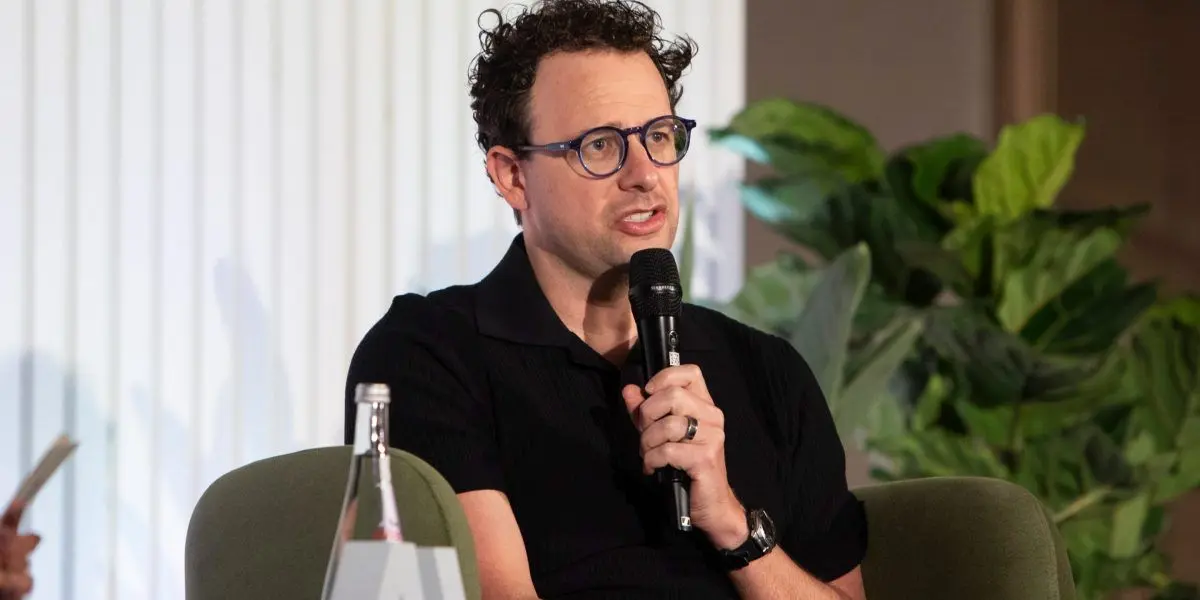
Source: Fortune
Claude Code Writes Majority of Anthropic's Code
The transformation isn't theoretical—it's already happening inside Anthropic itself. Jack Clark, the company's cofounder, revealed that Claude Code now writes "comfortably the majority" of Anthropic's code, and he believes that figure could reach 99% by year-end if development accelerates. Cherny himself hasn't "edited a single line by hand since November," relying entirely on the agentic AI tool to handle his coding tasks
1
. Unlike traditional chatbots, Claude Code can autonomously execute tasks with minimal human intervention, completing complex operations like running commands and building websites5
. One senior Google engineer reported that the tool recreated a year's worth of work in just one hour2
.
Source: Digit
Senior Engineers Gain Value While Junior Roles Face Uncertainty
The AI impact on jobs creates a bifurcated labor market within software engineering. Clark acknowledged that "the value of junior talent inside Anthropic is now a bit more dubious," as basic implementation tasks increasingly fall to automation
4
. However, senior engineers with well-calibrated intuitions and experience are becoming more valuable. "What we need is someone with tons of experience," Clark explained, describing the phenomenon as "O-ring automation"—when one process becomes automated, people shift to whatever remains complex, improving and potentially automating that next4
. This shift moves the bottleneck "up the stack" toward higher-level judgment and decision-making rather than routine coding tasks.
Source: ET
Major Job Disruption Extends Beyond Software Engineering Jobs
Cherny warned that the disruption won't stop at software engineering jobs. "It's going to expand to pretty much any kind of work that you can do on a computer," he stated, noting that Anthropic's Cowork product already handles daily management tasks and can automatically message team members on Slack
2
5
. The future of software engineering may serve as a preview for other knowledge work sectors. Federal Reserve Governor Michael Barr has warned that AI is already displacing young workers in entry-level positions, particularly in software development and customer service5
. Nico Palesch from Oxford Economics estimates that up to 20% of the U.S. workforce could face disruptions from robotics and automation in coming decades5
.Human Oversight Still Required, But Timeline Shrinking
Despite the agentic capabilities of AI coding tools, Cherny maintains that human oversight remains essential—for now. "I don't think we're at the point where you can be totally hands-off," he told Lenny's Podcast, emphasizing the need to ensure code is correct and safe
1
. Engineers still need to understand underlying principles, though Cherny predicts "in a year or two, it's not going to matter"2
. He compared the shift to scribes and the printing press, suggesting that as more people gained literacy, scribes moved from copying books to more creative pursuits like bookbinding2
.Related Stories

Anthropic Continues Hiring Despite Automation Predictions
Contrary to expectations of mass job displacement, Anthropic has more people with software engineering skills today than two years ago, with at least 100 software engineering roles currently listed
4
. The company isn't shrinking teams but rather redistributing value away from entry-level implementation toward seasoned intuition and oversight. Cherny's team exemplifies this shift toward generalists: everyone from the product manager to finance personnel codes, while the strongest engineers also demonstrate aptitude across disciplines2
.Advice for Navigating the Builder Role Transition
Cherny offered guidance for those facing this transition: "Experiment with the tools, get to know them, don't be scared of them. Just dive in, try them, be on the bleeding edge, be on the frontier"
2
. He emphasized becoming more of a generalist rather than specializing narrowly. For Cherny personally, Claude Code has freed time to focus on aspects he enjoys most—figuring out what to build, talking to users, thinking about big systems and the future, and collaborating with team members2
. Yet he acknowledged the painful reality: "It's going to be very disruptive. It's going to be painful for a lot of people"1
. The labor market has already shown signs of strain, with over 100,000 job cuts in January 2025, marking the worst start to a year since 20095
. While Anthropic takes these labor market disruptions "very, very seriously," Cherny made clear the company won't pause development to let society catch up1
.References
Summarized by

Navi
[1]
[3]
Related Stories
Anthropic CEO warns AI writing code could replace software engineers within a year
21 Jan 2026•Technology

AI's Impact on Software Engineering: Industry Leaders Predict Shift in Coding Landscape
22 Mar 2025•Technology
Anthropic's Claude Code sparks AI race as developers build apps in hours without traditional coding
15 Jan 2026•Technology

Recent Highlights


Recent Highlights
Today's Top Stories










Your Daily Dose of Curated AI News
Don’t drown in AI news. We cut through the noise - filtering, ranking and summarizing the most important AI news, breakthroughs and research daily. Spend less time searching for the latest in AI and get straight to action.

