Apple home hub with robotic swiveling base could arrive this spring with AI features


5 Sources
5 Sources
[1]
Apple's rumored 'HomePad' device gets encouraging launch update
Rumors indicate there's a big year ahead for Apple Home products, including a brand new device that could be called 'HomePad' or 'HomePod Touch.' Here's the latest launch timing update. New 'HomePad' launch in spring corroborated by The Information This week The Information reported that Apple is developing a new AI pin product for potential release in 2027. But in that same report, we got a launch update for another product where AI will be a tentpole feature: Apple's new touchscreen-equipped HomePod. Wayne Ma and Qianer Liu write at The Information: Apple is also working on a home product featuring a small display, speakers and a robotic swiveling base, designed with a heavy emphasis on AI features. That device could be released as soon as this spring, according to two of the people. This device was first reported on in detail by Mark Gurman at Bloomberg back in fall 2024. At the time, it was expected to launch in March 2025 alongside Siri's AI upgrades. When Siri's new features got delayed, however, the HomePad launch was indefinitely pushed back too. Now that iOS 26.4 is expected to finally bring the supercharged Siri this spring, it seems Apple's new Home product will be ready to launch too. Gurman has indicated as much in the past, but this latest report arrives after Apple and Google's AI deal became official. Thus, the likelihood of the HomePad/HomePod Touch actually launching this spring appears high. As for the rest of the report, Gurman has disputed that the device will have a "robotic swiveling base," saying that's a separate product coming next year. But everything else The Information reported aligns with what we've heard before. Are you planning to buy the HomePad when it launches? Let us know in the comments.
[2]
Apple's Home Hub could borrow this feature from Amazon's discontinued Echo Show 10
This week The Information released a huge report detailing Apple's work on a wearable AI pin. But hidden within Wayne Ma's article is the detail that Apple's long rumored smart home hubcould feature a "robotic swiveling base." Rumors about an Apple Home Hub have been circulating online for the past few years. It was supposed to launch last year, but was reportedly pushed back because of delays and problems with Apple Intelligence, specifically the revamped Siri. In 2024, Bloomberg's Mark Gurman claimed Apple was developing a mounted display that would connect to a full robotic arm that could tilt up and down with full 360-degree movement. That rumored device was projected to cost around $1,000, making it profoundly more expensive than similar devices. We're now dealing with something that sounds a lot cheaper on paper. "Apple is also working on a home product featuring a small display, speakers and a robotic swiveling base, designed with a heavy emphasis on AI features. That device could be released as soon as this spring, according to two of the people," Ma reported. Based on Ma's description, this new home hub device sounds more reminiscent of the discontinued Amazon Echo Show 10 (3rd gen). That smart home hub features a rotating display that can track you as you move about your house. Ironically, one of our cons for the Echo Show 10 was the $249.99 price, which was a $20 bump over the 2nd-generation Echo Show 10. Unfortunately, Ma didn't elaborate on how Apple's swiveling base would work or a potential price but I expect we will be paying more compared to the best smart displays available right now. What we know about the Apple Home Hub so far The most recent rumor we've seen popped up in December, thanks to code discovered in iOS 26. The code revealed that the iPad-esque device will utilize Apple's A18 chip, previously used in the iPhone 16 series. It would also feature a 1080p camera and is supposed to offer a speaker system similar to Apple's existing HomePod 2. Gurman previously reported that Apple is developing a new "Charismatic" operating system specifically for the Home Hub. "The devices are meant to be easily shared: They include a front-facing camera that can scan users' faces as they walk toward it and then automatically change the layout, features and content to the preferences of that person," said Gurman in his report. Siri is meant to be a major part of the system, much like Alexa and Gemini run smart home hubs for Amazon and Google. With Apple and Google partnering to integrate Gemini with Siri and reports of a new Apple-developed chatbot, dubbed Campos, Apple may finally be ready to make the smart home hub a reality. Follow Tom's Guide on Google News and add us as a preferred source to get our up-to-date news, analysis, and reviews in your feeds.
[3]
Apple's Upcoming Home Hub Could Include 'Robotic Swiveling Base'
The home hub device that Apple plans to release as soon as this spring has a "robotic swiveling base," according to The Information's Wayne Ma. Ma mentioned the new detail in a piece outlining Apple's work on an AI pin. Apple is also working on a home product featuring a small display, speakers and a robotic swiveling base, designed with a heavy emphasis on AI features. That device could be released as soon as this spring, according to two of the people. We've heard a lot of rumors about the home hub because it was supposed to launch in 2025, but to date, no rumors have suggested that it will have a swiveling robotic base. Bloomberg's Mark Gurman previously said that Apple is developing two versions of the hub, one that's meant to be mounted on the wall and another that has a HomePod mini-like speaker base that can be placed on a desktop or countertop. No prior descriptions of the home hub base have suggested that it will have any kind of swivel function or that it will be robotic. In fact, the wording sounds similar to how Gurman has described Apple's tabletop robot, which will be a 2027 follow up to the home hub. Gurman said the tabletop robot will have an iPad-like display mounted on a thin robotic arm that allows the display to tilt up and down and rotate 360 degrees. The device will be able to reposition itself to face whoever is speaking, and it is said to have a "visual personality." Ma did not go into detail on the purpose of the robotic swiveling base, or how it will work, but presumably it would be able to move to face people. The home hub is supposed to have an array of sensors that let it determine when someone is in the room. We are expecting the home hub to launch in the coming months, right around the time that Apple debuts iOS 26.4 with the upgraded version of Siri.
[4]
Apple's home hub could finally arrive this spring with a rather unique design
It might feature a "robotic swiveling base" that could automatically orient the screen to face you. After more than a year of scattered leaks and rumors, Apple's home hub may finally hit the market in 2026. A new report suggests the device could launch in the coming months and sheds some light on its unique design. Back in October 2024, Bloomberg's Mark Gurman reported that the home hub could borrow design cues from Apple's iMac G4, featuring a display roughly the size of two iPhones placed side by side on a circular base. Apple was also said to be preparing a higher-end version with a robotic arm, which could retail for around $1,000. Recommended Videos Now, a recent report from The Information detailing Apple's plans to release an AI pin indicates that the home hub could have a "robotic swiveling base." Citing two sources familiar with Apple's plans, the report adds that the device could be "designed with a heavy emphasis on AI features" and include a small display and speakers. The robotic base may keep the screen facing you Although the report does not go into detail about how the robotic swiveling base might be used, it could potentially allow the display to automatically rotate and face the user. Previous leaks suggest the home hub may feature an array of sensors and a front-facing camera for FaceTime calls, which could enable the rotating base to track the user's position during use. We might not have to wait too long for more details, as the report claims Apple will announce the home hub this spring. The device is expected to play a central role in Apple's broader smart home ambitions. It may serve as a command center for HomeKit accessories, support hands-free Siri interactions, and integrate tightly with Apple services. If the device does place a heavy emphasis on AI, as the latest report suggests, Apple could debut it alongside the upgraded version of Siri that is slated to arrive with iOS 26.4 later this year.
[5]

Apple's 'HomePad' tipped for spring release to rival Amazon Echo Show
Apple's rumoured smart display is coming this spring, according to a new report Apple's rumoured iPad x HomePod device could be here within a couple months, judging by new reporting this week. The Information's sources says the smart display could be on its way sooner rather than later. The report, which focused on development of a new wearable AI pin that could potentially be in the pipeline, contained a nugget about the long expected device. The report (via 9to5Mac) said: "Apple is also working on a home product featuring a small display, speakers and a robotic swivelling base, designed with a heavy emphasis on AI features. That device could be released as soon as this spring, according to two of the people." Given Apple is planning to launch the new version of Siri - powered by Google Gemini - this spring and that might be the necessary action for the company to release its take on the smart display to the public. The smart home display is expected to lead Apple's expansion into smart home technology and even robotics. Down the line, a follow-up to this device is expected to have a robotic arm that can move around the room to capture the user's gaze. After that, a device that is capable of following users around the home, akin to the Ballie robot the company has been previewing (but not releasing) regularly for the last half decade. The first generation device, which may run off on a new HomeOS with hints of tvOS for viewing content has been rumoured for years now.
Share
Share
Copy Link
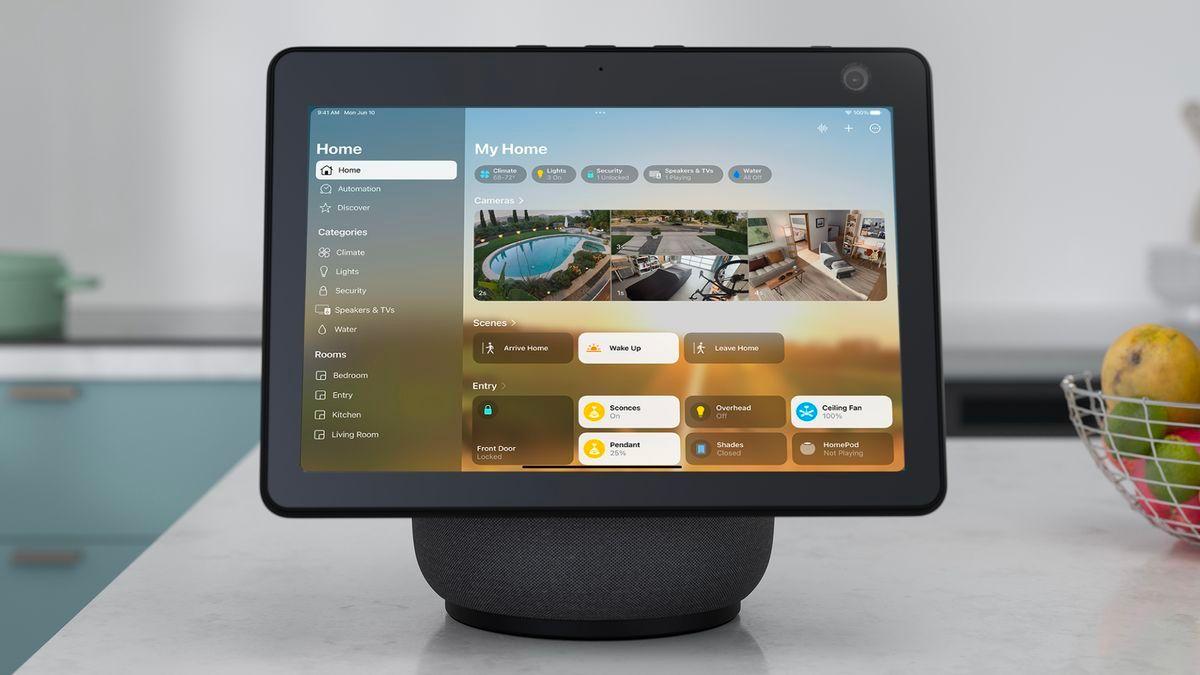
Apple is preparing to launch its long-awaited smart display, potentially called HomePad, as soon as this spring. The device will feature a robotic swiveling base, speakers, and a small display with heavy emphasis on AI features. The launch timing aligns with the expected release of upgraded Siri powered by Google Gemini in iOS 26.4.
Apple Home Hub Gets Spring Release Window
Apple is preparing to launch its long-rumored smart display device this spring, according to a new report from The Information
2
. The device, which may be called HomePad or HomePod Touch, will feature a small display, speakers, and a robotic swiveling base designed with heavy emphasis on AI features1
. This spring release window marks a significant shift after the device was indefinitely delayed when upgraded Siri features were pushed back from their original March 2025 launch date.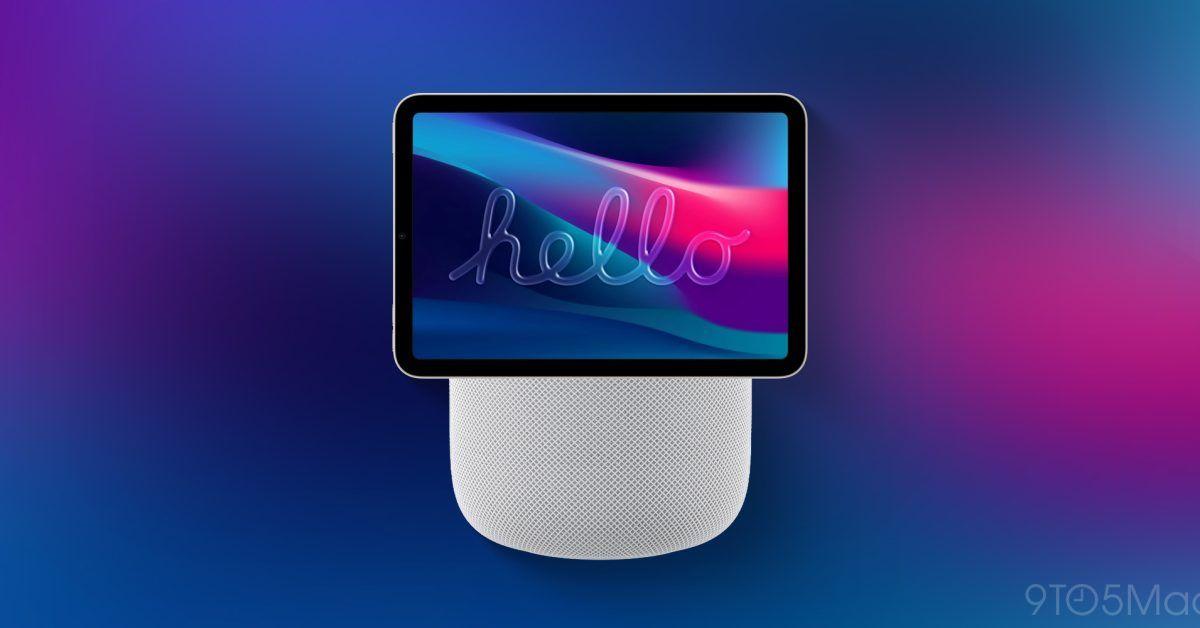
Source: 9to5Mac
The timing of this spring release aligns closely with Apple's plans to debut iOS 26.4, which will finally bring the supercharged version of Siri that integrates Google Gemini capabilities. Since AI functionality serves as a tentpole feature for the Apple home hub, the device's launch appears contingent on having these upgraded AI capabilities ready for consumers.
Robotic Swiveling Base Draws Comparisons to Amazon Echo Show
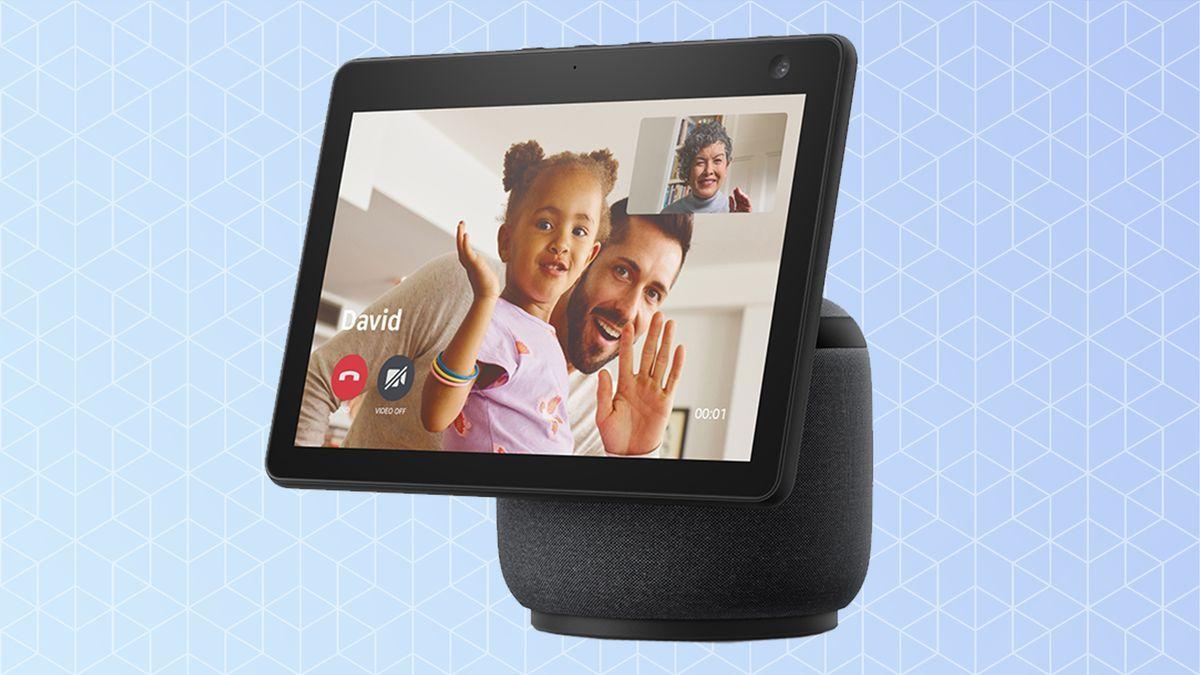
The most intriguing detail emerging from The Information's report centers on the device's robotic swiveling base. While the report doesn't elaborate on exactly how this mechanism will function, the description bears striking resemblance to Amazon's discontinued Echo Show 10, which featured a rotating display that tracked users as they moved around their homes
2
. The smart display is expected to include an array of sensors and a front-facing camera for FaceTime calls, which could enable the rotating base to automatically track user position during interactions4
.
Source: Tom's Guide
However, Bloomberg's Mark Gurman has disputed some aspects of this description, suggesting that a device with a full robotic arm is actually a separate, more expensive product planned for 2027 with an expected price tag around $1,000
3
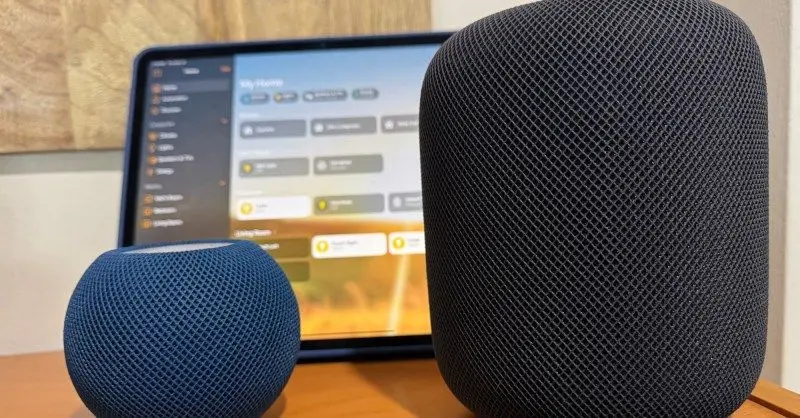
. Gurman previously reported that Apple is developing two versions of the hub: one designed for wall mounting and another with a HomePod mini-like speaker base for countertop placement.Smart Home Technology Integration and Hardware Specifications
Code discovered in iOS 26 reveals that the iPad-esque device will utilize Apple's A18 chip, previously deployed in the iPhone 16 series
2
. The device will also feature a 1080p camera and is supposed to offer a speaker system similar to Apple's existing HomePod 2. Apple is reportedly developing a new operating system called "Charismatic" specifically for the device, which will include facial recognition capabilities that automatically adjust the layout, features, and content based on which user approaches it.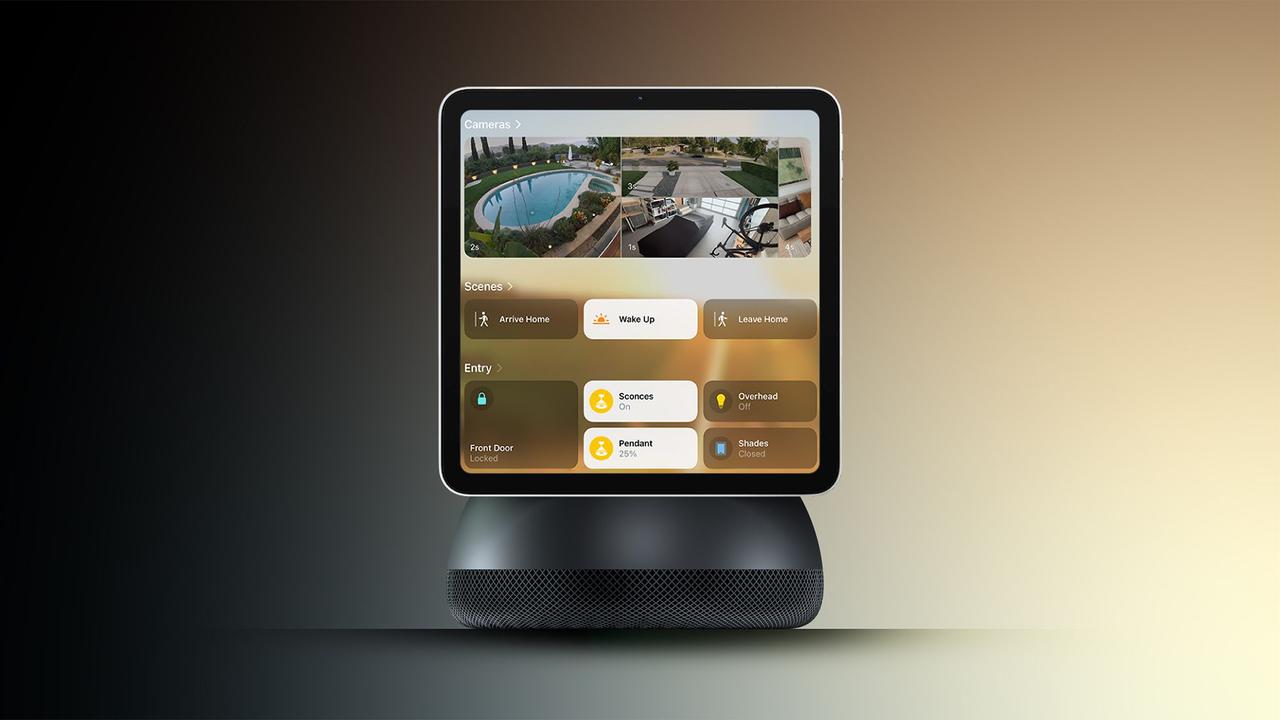
Source: MacRumors
The Apple home hub is expected to serve as a central command center for HomeKit accessories, support hands-free Siri interactions, and integrate tightly with Apple services
4
. This positions the device as Apple's answer to established competitors in the smart home technology market, including Amazon's Echo Show lineup and Google's Nest Hub devices.Related Stories


Broader Smart Home and Robotics Ambitions
The spring release of this first-generation smart display represents just the opening move in Apple's broader expansion into smart home technology and robotics
5
. Following this initial HomePad launch, Apple plans to release a more advanced tabletop robot in 2027 featuring an iPad-like display mounted on a thin robotic arm that allows for full 360-degree rotation and the ability to tilt up and down. That premium device will be able to reposition itself to face whoever is speaking and is said to have a "visual personality."Further down the line, Apple is reportedly exploring devices capable of following users around the home, similar to Samsung's Ballie robot that has been previewed but not yet released over the past five years. With Apple and Google's AI partnership now official and reports of a new Apple-developed chatbot dubbed Campos, the company appears positioned to finally make its smart home hub vision a reality after years of development delays.
References
Summarized by

Navi
Related Stories
Recent Highlights
1
Google releases Gemma 4 with Apache 2.0 license, enabling unrestricted local AI on devices
Technology

2
AI Models Lie and Deceive to Protect Other AI Models From Deletion, Study Reveals
Science and Research

3
OpenAI closes $122 billion funding round amid fierce AI competition and profitability questions
Startups

Recent Highlights
Today's Top Stories







Your Daily Dose of Curated AI News
Don’t drown in AI news. We cut through the noise - filtering, ranking and summarizing the most important AI news, breakthroughs and research daily. Spend less time searching for the latest in AI and get straight to action.

