Apple names new AI chief with Google and Microsoft expertise as Giannandrea steps down


38 Sources
38 Sources
[1]
Apple just named a new AI chief with Google and Microsoft expertise, as John Giannandrea steps down | TechCrunch
In a carefully worded announcement on Monday, Apple said John Giannandrea, who has been the company's AI chief since 2018, is "stepping down" to, well, not work at Apple anymore. He'll stick around through spring as an advisor. His replacement is Amar Subramanya, a highly regarded Microsoft executive who spent 16 years at Google, most recently leading engineering for the Gemini Assistant. It's a savvy hire, given that Subramanya knows the competition intimately. The move is being characterized as a shake-up. It was seemingly inevitable in retrospect. Apple Intelligence, the company's answer to the ChatGPT moment, has been stumbling since its October 2024 launch. Reviews have ranged from "underwhelming" to outright alarmed. Its first months were some of the roughest. A notification summary feature meant to condense multiple alerts into digestible snippets generated a series of embarrassing, untrue headlines in late 2024 and early 2025. Among other missteps, the BBC complained twice after Apple Intelligence falsely reported that Luigi Mangione, the man accused of killing UnitedHealthcare CEO Brian Thompson, had shot himself (he hadn't) and that a darts player, Luke Littler, won a championship before the final even began. Then there was Siri's promised overhaul, which became a black eye for Apple. A Bloomberg investigation published in May revealed the depths of Apple's AI struggles. For instance, when Craig Federighi, Apple's software chief, tested the new Siri on his own phone just weeks before its planned launch in April, he was dismayed to find that many of the features the company had been touting didn't work. The launch was delayed indefinitely, triggering class-action lawsuits from iPhone 16 buyers who'd been promised an AI-powered assistant. By that point, Giannandrea had already been sidelined, according to Bloomberg. The news organization reported that Tim Cook had stripped Siri from Giannandrea's oversight entirely back in March, handing it to Vision Pro creator Mike Rockwell. Apple removed its secretive robotics division from Giannandrea's control, too. Bloomberg's investigation painted a picture of organizational dysfunction, with weak communication between AI and marketing teams, budget misalignments, and a leadership crisis severe enough that some employees had taken to mockingly calling Giannandrea's group "AI/MLess." The report also documented an exodus of AI researchers to competitors, including OpenAI, Google, and Meta. Apple is reportedly now leaning on Google's Gemini to power the next version of Siri, an astonishing and also, presumably, humbling twist considering the intense rivalry between the two companies that dates back more than 15 years, across mobile operating systems, app stores, browsers, maps, cloud services, smart home devices, and now AI. Giannandrea came to Apple from Google, where he ran Machine Intelligence and Search. At Apple, he oversaw the AI strategy, machine learning infrastructure, and Siri development. Now Subramanya inherits those responsibilities, reporting to Federighi with a clear mandate to help Apple catch up in AI. It's an interesting moment for the company. While competitors have been pouring billions of dollars into massive AI data centers, Apple has focused on processing AI tasks directly on users' devices using its custom Apple Silicon chips, a privacy-first approach that avoids collecting user data. (When more complex requests require cloud processing, Apple routes them through Private Cloud Compute, servers that promise to process data temporarily and delete it immediately.) Whether that philosophy pays off or whether it has permanently left Apple behind is an outstanding question. Apple's approach comes with clear trade-offs. Among them, on-device models are smaller and less capable than the massive models running in competitors' data centers, and Apple's reluctance to collect user data has left its researchers training models on licensed and synthetic data rather than the giant troves of real-world information that fuel its rivals' systems.
[2]
Apple AI chief steps down following Siri setbacks
Giannandrea, who joined Apple in 2018, will continue working as an advisor before retiring in the spring of 2026. In March, Apple pushed back the release of a more personalized Siri, admitting that "it's taking longer than we thought." Bloomberg later reported that Apple CEO Tim Cook had "lost confidence" in Giannandrea's ability to lead the company's AI and Siri team, leading him to put Vision Pro leader Mike Rockwell in charge. Apple says Subramanya's experience in integrating AI research into products "will be important to Apple's ongoing innovation and future Apple Intelligence features." As part of the shift, Subramanya will report to Apple software SVP Craig Federighi. Apple expects to launch an upgraded Siri next spring, with a report from Bloomberg suggesting that the company will power some of the assistant's new features with a custom version of Google's Gemini AI model.
[3]
After Siri Upgrade Delay, Apple Announces New AI Chief
Apple's AI chief John Giannandrea is stepping down from his position and will be replaced by Amar Subramanya, the former head of engineering for Google's Gemini assistant, the company announced on Monday. Giannandrea will continue to serve the company in a limited capacity before he retires in spring 2026, including as an advisor on its board. The change in personnel comes after Apple failed to deliver on its promise of an improved, AI-powered Siri. Some of Siri's AI features announced at WWDC 2024, such as its ability to draw from personal context and to autonomously take action on behalf of users, are yet to roll out. Apple admitted earlier this year that developing those features was taking longer than expected as they ran into issues with older Siri code. The company, however, has committed to rolling out the features next year, and many expect them to arrive with iOS 26.4. Earlier this year, there were also reports that CEO Tim Cook had lost his faith in Giannandrea and had handed over the AI reins to Vision Pro creator Mike Rockwell. Amidst all the delays, the company racked up numerous lawsuits for failing to deliver the features it advertised with the iPhone 16. Amar Subramanya, on the other hand, walks in with a wealth of AI and machine learning experience. As Apple's vice president of AI, he will be reporting directly to the company's SVP of software engineering, Craig Federighi. Subramanya's 16-year tenure at Google began as a research assistant, and later, he moved on to the roles of principal engineer and VP of engineering for Gemini. According to his LinkedIn profile, he left Google in June and took charge as Microsoft's AI CVP just last July. Apple's also rumored to be moving towards another high-profile personnel change. CEO Tim Cook is reportedly stepping down early next year, and, John Ternus, the company's senior vice president of hardware engineering, is being considered as his most likely replacement.
[4]
Apple shuffles AI leadership team in bid to fix Siri mess
Amar Subramanya spent mere months at Microsoft before replacing John Giannandrea Apple's failure to deliver advanced AI capabilities has triggered a changing of the guard. AI chief John Giannandrea is stepping down in favor of a new leader to steady the Siri ship. Giannandrea, who joined Apple in 2018 from a role as Google's SVP of search and AI, is being replaced by another former Google AI boffin, lately Microsoft's corporate vice president of AI, Amar Subramanya, Cupertino said in a press release Monday. Giannandrea is leaving his role effective immediately, but will stay on at Apple as an advisor until he retires next spring. Subramanya is coming on board as Apple's VP of AI and will report directly to Apple's SVP of software engineering, Craig Federighi, where he'll be taking the lead on Apple foundation models, machine learning research, and AI safety and evaluation. Those are all responsibilities that Giannandrea also had, with the exception of AI infrastructure and search and knowledge responsibilities, which Apple said will be shifted to Apple COO Sabih Khan and SVP of services Eddy Cue "to align closer with similar organizations." Subramanya spent 16 years at Google, several of those overlapping with Giannandrea's tenure at the company, and recently served as the head of engineering for Gemini before departing - just four months ago - for Microsoft. "We are thankful for the role John played in building and advancing our AI work, helping Apple continue to innovate and enrich the lives of our users," Apple CEO Tim Cook said of the ex-AI chief's tenure before describing how much the new leadership team would change things, hopefully for the better. Cook also noted that the AI leadership shuffle means Federighi was taking on more responsibility for the future of Apple's AI efforts, "including overseeing our work to bring a more personalized Siri to users next year." Apple further noted that Giannandrea's contributions to largely stalled AI projects would contribute "as a foundation" to the work that Subramanya and Federighi would be doing to "guide the next generation of AI technologies." For those who haven't been paying close attention to Apple's attempts to incorporate AI into its products, it hasn't gone well. The company has largely been seen as a laggard in the AI race, which stands in contrast to the prior perception of Apple as a company that would wait for others to go first before learning from their failures and launching a superior product. The company announced plans for a new generation of Siri AI features at last year's Worldwide Developer Conference, but those plans fizzled out entirely, leading the company to push back its Siri overhaul and the broader launch of "Apple Intelligence" features until 2026. The company has been accused in court of lying about Siri's AI capabilities due to the delay, suggesting that the mystique around Apple's wait-and-beat strategy has been shattered by its failure to compete in the AI space. Analyst reaction to Giannandrea's departure has largely been in line with the take that it's a tacit admission of Apple's failure. Writing on LinkedIn, STL Partners research director Marina Koytcheva said the move means Apple knows it's lost the AI race, and the hiring of Subramanya means the company is looking to competitors who are AI leaders (Microsoft and Google) to pick up the pieces. "Customer loyalty is a great asset, and Apple has an abundance of it, but even that is not infinite, and users will want to right experience - or else," Koytcheva said. "It has happened before in this industry; it can happen again." Not to put too much pressure on Apple's new AI leadership stack, but Subramanya and Federighi have a big task ahead of them. ®
[5]

Apple's artificial intelligence chief is stepping down, company says
Apple's head of artificial intelligence, John Giannandrea, will step down from his position, the company announced on Monday. The move is the most visible shakeup in Apple's artificial intelligence group since the company announced Apple Intelligence, its AI software suite, in 2024. Apple Intelligence, which was intended to put Apple alongside AI leaders like OpenAI and Google, has not been well-reviewed by users and critics. Earlier this year, one of its most critical aspects, a significantly improved Siri assistant, was delayed until 2026. Giannandrea will be replaced by Amar Subramanya, an AI researcher who most recently worked for Microsoft. Before that, he worked at Google's DeepMind, according to his LinkedIn profile. Subramanya will be Apple's vice president of AI, the company said, and will report to software chief Craig Federighi. Giannandrea was a senior vice president and reported to Apple CEO Tim Cook. Apple said Giannandrea would remain as an advisor until next spring. In a statement, Cook said that Federighi already played a key role in Apple's AI efforts. Federighi is Apple's top software executive. "In addition to growing his leadership team and AI responsibilities with Amar's joining, Craig has been instrumental in driving our AI efforts, including overseeing our work to bring a more personalized Siri to users next year," Cook said in a statement. Subramanya will lead teams at Apple working on the company's foundation models, research, and AI safety, the company said.
[6]

Apple hires Google veteran as its new vice president of AI
Apple has tapped AI researcher Amar Subramanya, a longtime Google exec who was most recently corporate vice president of AI at Microsoft, as its new VP of AI. The company also announced that current AI exec, John Giannandrea, will retire in 2026. Subramanya, who Apple describes as a "renowned AI researcher," spent 16 years at Google, where he was head of engineering for Gemini. He left Google earlier this year for Microsoft. In a press release, Apple said that Subramanya will report to Craig Federighi and will "be leading critical areas, including Apple Foundation Models, ML research, and AI Safety and Evaluation." It's not entirely surprising that Apple is shaking up its AI leadership. Giannandrea joined Apple in 2018 after a stint at Google that included VP of search. While his hiring was seen as a major coup for Apple at the time, the company has faced some significant setbacks since. Most notably, its failure to deliver a more personalized, AI-centric version of Siri that it previewed last year. Giannandrea, who oversaw Siri for years, has shouldered much of the blame for the delays. Bloomberg reported earlier this year that Apple CEO Tim Cook had "lost confidence in the ability of AI head John Giannandrea to execute on product development" and put other executives in charge of Siri instead. In a statement, Cook said he was "thankful" for Giannandrea's contributions to the company and credited Federighi with pushing the revamped Siri forward. "In addition to growing his leadership team and AI responsibilities with Amar's joining, Craig has been instrumental in driving our AI efforts, including overseeing our work to bring a more personalized Siri to users next year."
[7]

Apple Has Announced the Retirement and Apparent Replacement of the Guy Formerly in Charge of Siri
In a press release today, Apple announced the retirement of John Giannandrea, a former machine learning luminary who worked as Apple's senior vice president for machine learning and AI strategy starting in 2018. The move comes after Apple's most famous AI product, Siri, had developed a reputation as an embarrassing, outdated relic of the pre-ChatGPT AI era. The release also says Amar Subramanya has just been brought on as Apple's vice president of AI, apparently freshly poached from a position as corporate vice president of AI at Microsoft. Apple says he "will be important to Apple's ongoing innovation and future Apple Intelligence features." In other words, the focus of the release is not just on Siri -- a product released about eight years before Giannandrea joined Apple. But even after Apple has taken some big AI swings with Apple Intelligence this year, you'll be forgiven if the only thing you associate with Apple and AI during Giannandrea's time with the company is Siri. Siri in the Giannandrea era has its defenders. A few days ago, YouTube tech megainfluencer Marques Brownlee uploaded a video with the title "'Siri Isn't That Bad'" in scare quotes, in which he very guardedly endorsed a commenter's view that Siri is capable, but only when users meet it where it is. And in Siri's defense, it has a solution for the kinds of general purpose LLM tasks some people have started to use AI for in their daily lives, but it only emphasizes how far behind the competition it is. Starting in iOS 18.2 almost exactly a year ago, certain Siri prompts started just getting handed over to ChatGPT. So now if you ask Siri to tell your five-year old a bedtime story about a duck, Siri will just tag in ChatGPT. That's got to be a little deflating for Giannandrea. After all, as Gizmodo's Tom McCay wrote back in 2018, Giannandrea was Google's chief of search until Apple poached him in 2018 in an effort to rapidly catch up to companies with more "effective" digital assistants like Google Assistant, or Amazon's Alexa. Seven years later, instead of besting the competition, Siri just pulls a ripcord and uses ChatGPT as a parachute. Earlier this year, it emerged that Giannandrea was no longer in charge of Siri. Then last month came the leaked story that apparently the next Siri wasn't going to be built atop Apple's own AI at all, and that Apple was going to pay Google for a new core AI model to serve as neo-Siri's main ingredient. Subramanya seems to be replacing Giannandrea even though his title is slightly different. He worked on Google Gemini during his 16 years at Google, which makes it sound as if the new Siri, when it's released, will at least have the fingerprints of Apple's current head of AI in its code somewhere. But once again, it feels like Apple is playing catch-up rather than leading in this particular space. Siri was made in an era where deterministic responses to a small set of voice commands was impressive. It has branched out to other tasks, but with Giannandrea at the helm it mostly just got noticeably outshined by more flexible chatbot-based assistants. It looks like soon, Siri will finally be able to perform those open-ended LLM tasks that Apple never really tackled during the Giannandrea regime, and Subramanya will be able to take credit. But assuming Siri catches up to the 2026 standard for voice assistants, how long will that feel good enough? Giannandrea's retirement will take effect in spring of next year, Apple's release says.
[8]

Three challenges that Apple's new AI lead will face from day one - 9to5Mac
Amar Subramanya will likely become one of the most closely watched hires Apple has made in years. Here's what he needs to do first. Following the retirement announcement of John Giannandrea, Apple confirmed that Amar Subramanya will join the company after less than six months as Corporate Vice President of AI at the newly formed Microsoft AI division. Before that, though, he spent 16 years at Google, where he joined as a Staff Research Scientist and became a Principal Engineer before being appointed Vice President of Engineering in 2019. He was also credited in two recent papers of very high-profile releases: Gemini in December 2023, and Imagen 3 in August 2024. Interestingly, Google spent a good portion of the last few years in a similar predicament as Apple. Like the rest of the market, Google missed the starting gun with the release of ChatGPT, and scrambled before finding its footing, which was particularly awkward for them, since Google invented the Transformer architecture (the T in GPT). But as anyone who follows the AI field closely will tell you, Google is undeniably back, and it is giving OpenAI a run for its money. Literally. Following the release of the most recent Gemini model, OpenAI's CEO Sam Altman told his team to expect some "rough vibes" and "temporary economic headwinds," which translates to: "they caught up with us, this is not going away, and investors know it, too." Google's path to not-AGI-but-prett-mych-the-same-intelligence-as-OpenAI was not without its... detours. Remember when Bard was the company's bet on the future of AI? Good times. The thing is: it took them three years (almost to the day since the release of ChatGPT) to deliver on a mid-flight course-correction, but they did it. And while it's too early to tell whether they'll permanently beat OpenAI, that is not even the point. The point is that not only do they finally have an undeniable state-of-the-art model, but they also have every single Google-owned platform to deploy it on, which is something that nobody else has. And while Subramanya left Google in June, he was obviously closely involved in the bulk of the development of these new Gemini models, being the company's VP of Engineering. From day one, Subramanya will obviously face immense pressure to deliver on the perceived fumbles of his predecessor. On the bright side, that buys him some goodwill and, to some extent, some time to, first, get things in order, and second, to get them right. Still, he's got an uphill battle ahead of him, with a heavily shorthanded team at an all-time low morale. And while it's impossible to know for sure from the outside, it's reasonable to assume that he will need to bring in reinforcements rather quickly, if he hopes to recover from the relentless waves of losses Apple has suffered, particularly over the past year. The good news is that with new leadership at the helm and all the makings of a somewhat fresh start, Apple might have a chance of attracting talent that, until earlier today, saw little to no future in a career in machine learning at the company. Some of them, very possibly, will be ex-colleagues of Subramanya. And then, there's the outside expectation, which isn't exactly his responsibility, to a certain extent. He's there to fix Apple's underlying AI technology, and it will be up to marketing and product to choose how to tell this story. But that story will rely exclusively on what he actually manages to deliver, by carefully threading the needle between acting quickly to show what he came for, while making sure that Apple can actually deliver on its AI vision, even if it means starting some portion of its work from scratch. And finally, there's the long-term vision. While rebuilding confidence (both within and outside the company) will be the bulk of his work, this will still be just the beginning. For the past few years, we've grown accustomed to thinking that Apple's role in machine learning is simply to catch up to the competition. But that's not it at all. The job of any company that wishes to make meaningful advancements in AI is to foster an environment where research and application can reinforce each other, which, ironically, was what John Giannandrea set out to do before ChatGPT turned the industry upside down. And while it feels unfair that, despite contributing far more than people will ever give him credit for, Giannandrea will likely be remembered as the guy who dropped the ball on AI at Apple, his tenure should also serve as a cautionary tale to Subramanya: fixing what's broken today is only part of the job. Just as important will be laying the foundations for the next decades of a technology that won't ever pause, slow down, or be finished. What's your take on Apple's AI leadership change? Let us know in the comments.
[9]

Apple Removes Former AI Chief John Giannandrea From Executive Leadership Page
Apple today updated its executive leadership page to remove John Giannandrea, who is set to retire from Apple next spring. Earlier this week, Apple said that Giannandrea would step down from his role as AI chief, serving as an advisor until he leaves the company. Giannandrea's upcoming retirement was announced on Monday, and Apple wasted no time updating its leadership website. Former Microsoft Corporate VP of AI Amar Subramanya is set to take over as Apple's vice president of AI, but he is not yet listed on the site. Subramanya will report to software engineering chief Craig Federighi. Some of the teams that Giannandrea led are being shifted to Sabih Khan and Eddy Cue, including AI Infrastructure and Search and Knowledge. Giannandrea joined Apple in 2018 as the company's senior vice president of machine learning and AI strategy. He was overseeing Siri, Core ML, and other AI efforts at Apple. Before Apple, Giannandrea worked at Google as a senior vice president of engineering. After the iOS 18 Siri failure, Giannandrea's retirement comes as no surprise. Apple announced new Apple Intelligence Siri features at WWDC when it unveiled iOS 18, and then used those unreleased features to market the iPhone 16 models. In spring 2025, when we were expecting the launch of the promised functionality, Apple said the smarter version of Siri wasn't ready and announced a year-long delay. More than half a dozen former employees who worked on Apple's AI team told The Information the issues with Siri stemmed from poor leadership, stringent privacy practices, conflicting personalities, and indecision. Apple hasn't publicly commented on the situation, but stripped Siri from Giannandrea in March and overhauled the Siri team. Apple also removed Giannandrea from its robotics division in April.
[10]

Apple Intelligence's future uncertain following big leadership changes in Apple's AI team -- here's why this could be the best outcome
Apple's head of Artificial Intelligence, John Giannandrea, has announced that he will be leaving the company after running the team since 2018. And Apple hasn't wasted any time finding his replacement. Amar Subramanya, a Microsoft executive who spent 16 years at Google, will be taking over the important position. Subramanya is expected to shake up the team, which has struggled to find its footing over the past couple of years as rivals like OpenAI and Google surged ahead in the AI arms race. This change is being phrased as a shake-up for Apple. In the rapidly evolving world of AI, the iPhone maker has struggled to keep up with its competitors. Compared to the likes of OpenAI, Google and Microsoft, Apple has fallen far behind in its AI innovation. Apple Intelligence, the company's own brand of AI built into its devices, hasn't had the success the company would have hoped for. Apple Intelligence first rolled out to Apple devices in October 2024. Since then, Apple has brought out regular updates, including real-time translation and AI-generated emojis. However, these new features have always felt a bit lacking compared to the developments from competitors. In fact, a Bloomberg investigation back in May showed the problems ran deeper than they seemed. Speaking to insiders, Bloomberg revealed that iPhone launches had been delayed due to incorrect claims from the AI team and that Giannandrea had actually been sidelined a while ago within the company. With Apple Intelligence no nearer to the competition, Apple has gone as far as to look to its competitor for help. Currently, it is nearing a $1 billion-a-year contract with Google to use Gemini for Siri. This is where Amar Subramanya comes in. The new head of Apple's AI team has had long tenures at Google and Microsoft -- two of the world's most successful AI tech companies. Apple won't want to simply use Google's AI services forever. Not just because $1 billion a year is too much money to pay to a competitor, but because it wouldn't be a great look for Apple to not have its own AI service. Hopefully, this will be a turning point for Apple Intelligence, and iOS users could soon see a capable AI system on their devices.
[11]

Apple AI chief John Giannandrea is stepping down
Apple has formally announced that John Giannandrea, its Senior VP of Machine Learning and AI, is stepping down from his position. He will serve as an advisor to the company before retiring in the spring of 2026. Giannandrea will not be directly replaced by a Senior VP role, but by a Vice President: Amar Subramanya. Subramanya was at Google for 16 years and made a name for himself as a prominent AI researcher. Just this summer, he joined Microsoft as Corporate VP of AI. Now, after just six months, he's joining Apple. Subramanya was a principal member of the team that created Gemini (released in 2023) and Imagen 3 at Google. In other words, after OpenAI caught the industry off guard with ChatGPT, he appears to have been instrumental in helping Google catch up. Now, he's at Apple, where the same work is desperately needed. Subramanya will report to Senior VP of Software Engineering Craig Frederighi. He will be responsible for leading Apple's efforts in Apple Foundation Models, ML research, and AI Safety and Evaluation. Most of those who worked under Giannandrea's group will now report to Eddy Cue, the Senior VP of Services. Giannandrea was brought into Apple from Google back in 2018, when Apple's biggest AI effort was the ill-fated Apple Car project. He and his team have been responsible for many of the advancements Apple has made in the field of AI and ML, but he is perhaps also to blame for Siri-Apple's most visible and important AI product-falling far behind the state of the art. Apple's press release reads as though Giannandrea will step back from his role right away, staying on to advise during the transition, and will fully retire in the spring of 2026, which is when we expect Apple's next-gen Siri to be released. That gives Apple several months to get this new AI organization in place and its leadership running well by the time it introduces the new Siri to over a billion users.
[12]

Microsoft and Google AI veteran to replace outgoing Apple exec John Giannandrea
Subramanya spent six months as Microsoft's AI CVP and nearly six years working on Gemini/Bard for Google Apple has announced that Machine Learning and AI Strategy SVP John Giannandrea will be stepping down after nearly eight years in post. Giannandrea will remain as an advisor until Spring 2026, when he will be replaced by Amar Subramanya, who will become the company's AI VP, reporting to Craig Federighi. With the change, Subramanya will lead Apple Foundation Models, ML research, and AI Safety & Evaluation. Apple credited Giannandrea for building a "world-class team" and developing and deploying "critical AI technologies." It's unconfirmed whether the change comes in response to industry pressure, but Apple has certainly received its fair share of criticism for lagging behind competition when it comes to AI. Part of Apple's slow movements comes down to its preference for on-device processing rather than cloud-based systems. Private Cloud Compute bridges that gap, but the Cupertino giant has also entered into a deal with OpenAI to integrate ChatGPT into Siri. Rumors of a similar deal with Google have also been circulating the internet in recent weeks. Federighi has already been playing a big role in Apple's evolving AI strategy, including work on a more personalized Siri, although that has already been delayed until 2026. Subramanya joins with a wealth of experience, coming from an AI VP role at Microsoft and 16 years at Google, where he also led AI products like Gemini. "AI has long been central to Apple's strategy, and we are pleased to welcome Amar to Craig's leadership team and to bring his extraordinary AI expertise to Apple," CEO Tim Cook said. Apple says the changes will help it to "continue to push the boundaries of what's possible." Apple shares rose about 1.6% following the announcement.
[13]

Apple's AI chief steps down after string of setbacks
John Giannandrea to be replaced by Amar Subramanya as firm lags behind rivals in releasing generative AI features Apple's head of artificial intelligence, John Giannandrea, is stepping down from the company. The move comes as the Silicon Valley giant has lagged behind its competitors in rolling out generative AI features, in particular its voice assistant Siri. Apple made the announcement on Monday, thanking Giannandrea for his seven-year tenure at the company. Tim Cook, Apple's CEO, said his fellow executive helped the company "in building and advancing our AI work" and allowing Apple to "continue to innovate". Giannandrea will be replaced by longtime AI researcher Amar Subramanya. Apple debuted its marquee AI product suite, Apple Intelligence, in June 2024, but has been slow to overhaul its products with generative AI in comparison to competitors such as Google. Apple has added incremental features, such as real-time language translation in its new AirPod earphones, a feature Google's headphones added in 2017, and a fitness app that uses an AI-generated voice for chats during workouts, but major changes are still in the works. The company has teased an AI-forward upgrade to Siri for more than a year, but the rollout has repeatedly been postponed. "This work [on Siri] needed more time to reach our high-quality bar," Craig Federighi, Apple's vice-president of software engineering, said during the company's developer conference in June. In an earnings call the next month, Cook said Apple was "making good progress on a more personalized Siri" and promised a release next year. With the appointment of Subramanya, Apple seems to be indicating a tighter focus on the company's AI strategy. Subramanya previously worked as the corporate vice-president of AI for Microsoft and also spent 16 years at Google, where he was the head of engineering for its Gemini AI Assistant, seen as a leader in the industry. He will report to Craig Federighi, Apple's head of engineering, who has also taken on a bigger role working on AI at the company in recent years. Cook said on Monday that Federighi "has been instrumental in driving our AI efforts, including overseeing our work to bring a more personalized Siri to users next year". In its announcement, Apple wrote that this is a "new chapter" for the company as it "strengthens its commitment" to AI.
[14]

Meet Amar Subramanya, the 46-year-old Google and Microsoft veteran who will now steer Apple's supremely important AI strategy | Fortune
In a company announcement, Apple said Subramanya will report to software chief Craig Federighi and take charge of "Apple Foundation Models, ML research, and AI Safety and Evaluation," placing him at the center of the tech underpinning future AI features across the iPhone, Mac, iPad, and Apple's various services. Responsibilities previously overseen by Giannandrea will be redistributed under COO Sabih Khan and Eddy Cue, who runs Apple's Services division. Subramanya comes to Apple with a résumé spanning more than two decades, having spent his education and career dedicated to machine learning and large-scale AI systems, and applying that knowledge at some of the biggest companies across Silicon Valley. Just a few months before jumping to Apple, Subramanya joined Microsoft in July to become its corporate vice president of AI, where he worked on foundation models powering products like Microsoft Copilot, the company's AI assistant layer for productivity tools and enterprise services. He took that role after spending 16 years at Google, eventually becoming head of engineering for Gemini, Google's AI assistant and flagship generative AI product, which is now having a moment. At Google, Subramanya's path ran from staff research scientist to principal engineer, and then vice president of engineering, leading teams that linked machine-learning research to large-scale consumer products. He also worked with DeepMind, Google's AI research unit, deepening his ties to cutting-edge work in model training and deployment, according to multiple outlets. Like many in Silicon Valley, Subramanya has roots in both India and the U.S. He earned a bachelor of engineering degree in electrical, electronics, and communications from Bangalore University in 2001, then completed a PhD in computer science at the University of Washington in 2009, specializing in semi-supervised learning and graphical models -- methods for training AI systems efficiently when labeled data is scarce. He was awarded a Microsoft Research Graduate Fellowship in 2007, and later co-authored the book Graph-Based Semi-Supervised Learning with researcher Partha Pratim Talukdar, adding to a portfolio of papers on natural language processing, entity resolution, and speech technologies. Apple's move comes as the company faces persistent scrutiny for trailing rivals like Google and Microsoft -- as well as AI upstarts like OpenAI and Anthropic -- in rolling out generative AI features, on the receiving end of some particularly rough criticism around voice assistants and system-wide AI tools. Apple, of course, was one of the first to make a mainstream voice assistant in Siri, but has since lost that early lead. Competitors have been faster to improve their models for usefulness and embed their own AI copilots and assistants into workflows, while Apple has moved more cautiously, emphasizing on-device processing and privacy alongside its Apple Intelligence rollout. Giannandrea, a former Google AI and Search chief who joined Apple in 2018, built the team that developed Apple's current AI infrastructure, including its own foundation models and search and knowledge systems. He will remain as an advisor until he retires sometime in spring 2026, giving Apple a transition period as Subramanya steps in. CEO Tim Cook framed the handoff as both a thank-you and a reset for Apple's AI ambitions. "We are thankful for the role John played in building and advancing our AI work, helping Apple continue to innovate and enrich the lives of our users," he said in the company's announcement. "AI has long been central to Apple's strategy, and we are pleased to welcome Amar to Craig's leadership team and to bring his extraordinary AI expertise to Apple."
[15]

AppleInsider.com
Apple has announced that senior vice president for Machine Learning and AI Strategy, John Giannandrea, is retiring and being replaced by Amar Subramanya, formerly a Microsoft AI executive. After months of internal reorganizing and speculation around Giannandrea's fate at Apple, the news has finally broken about Apple's plans for its AI group. First, John Giannandrea will step down from his position and serve in an advisory role until the spring of 2026. He will then retire fully from Apple, leaving Amar Subramanya in his place, though the role is changing slightly. Subramanya will be under Craig Federighi as vice president of AI. The new title suggests a more specialized and focused role on the development of Apple Intelligence and other artificial intelligence integrations. Federighi, of course, is the senior vice president of Software Engineering and oversees much of the AI work already. Apple says the balance of Giannandrea's organization will shift to Sabih Khan, COO, and Eddy Cue, SVP of Services, to align with similar organizations. Subramanya will be placed over Apple Foundation Models, ML research, and AI Safety and Evaluation. "We are thankful for the role John played in building and advancing our AI work, helping Apple continue to innovate and enrich the lives of our users," said Apple CEO Tim Cook. "AI has long been central to Apple's strategy, and we are pleased to welcome Amar to Craig's leadership team and to bring his extraordinary AI expertise to Apple." "In addition to growing his leadership team and AI responsibilities with Amar's joining, Craig has been instrumental in driving our AI efforts, including overseeing our work to bring a more personalized Siri to users next year." Subramanya is joining Apple from Microsoft, where he served as corporate vice president of AI. He had previously spent 16 years at Google, where he was head of engineering for Google Gemini.
[16]
John Giannandrea leaving Apple following AI strategy miss - 9to5Mac
Apple has announced that John Giannandrea, the company's Machine Learning and AI Strategy boss, is retiring from the company. The move may not come as a surprise for anyone closely following Apple and its AI missteps over the last few years. Here's the news from the official press release: Apple today announced John Giannandrea, Apple's senior vice president for Machine Learning and AI Strategy, is stepping down from his position and will serve as an advisor to the company before retiring in the spring of 2026. Apple also announced that renowned AI researcher Amar Subramanya has joined Apple as vice president of AI, reporting to Craig Federighi. Subramanya will be leading critical areas, including Apple Foundation Models, ML research, and AI Safety and Evaluation. The balance of Giannandrea's organization will shift to Sabih Khan and Eddy Cue to align closer with similar organizations. As noted above, Amar Subramanya is joining Apple to take over as VP of AI under Craig Federighi. Subramanya comes by way of Microsoft AI and like Giannandrea, is a former Googler.
[17]

Apple AI chief leaving as iPhone maker plays catch-up
San Francisco (United States) (AFP) - Apple on Monday said the head of its artificial intelligence team is stepping down, and the effort is to be led by a veteran engineer from Google and Microsoft. The plan for Apple senior vice president of Machine Learning and AI Strategy John Giannandrea to retire early next year comes after the tech giant stumbled in efforts to show it was not being left behind on the technology. Giannandrea will serve as an advisor to Apple during his remaining time with the company, according to the iPhone maker. "We are thankful for the role John played in building and advancing our AI work," Apple chief executive Tim Cook said in a post announcing the news. Researcher Amar Subramanya has joined Apple as a vice president and will lead in "critical areas," including AI foundation models and machine learning, according to the company. Subramanya was most recently a corporate vice president of AI at Microsoft, prior to that spending 16 years at Google where he was head of engineering for the Gemini digital assistant before leaving, Apple said. Apple cited Subramanya's experience integrating AI into features and products as "important to Apple's ongoing innovation and future Apple Intelligence features." Giannandrea joined Apple in 2018, heading the company's AI efforts. Apple early this year delayed the release of an improved Siri digital assistant and is now promising it for next year. Meanwhile, Google, Microsoft, OpenAI and other tech rivals have been releasing ever-improved AI models and features in a fierce race to lead in the technology. Apple has been under pressure to show it is not being left behind when it comes to artificial intelligence, with the potential to change how people engage with the internet and computers. Cook cited AI as "central to Apple's strategy" and said Subramanya will bring "extraordinary AI expertise" to his role reporting to senior vice president of Software Engineering Craig Federighi. "Craig has been instrumental in driving our AI efforts, including overseeing our work to bring a more personalized Siri to users next year," Cook said. On a recent earnings call, Cook touted the latest Apple devices and the tech giant's custom chips and efforts to enhance products and services with artificial intelligence.
[18]

Apple's AI chief abruptly steps down
John Giannandrea, senior vice president of machine learning and AI strategy at Apple Inc., during the Apple Worldwide Developers Conference at Apple Park campus in Cupertino, Calif., on June 10, 2024.David Paul Morris / Bloomberg via Getty Images file Apple's top artificial intelligence executive is stepping down and will retire from the company in 2026, the company announced Monday. John Giannandrea had been at Apple since 2018, where his official title was senior vice president for machine learning and AI strategy. He will be replaced by Amar Subramanya, who comes to Apple after a brief stint as corporate vice president of AI at Microsoft and more than a decade at Google. Subramanya will report to one of CEO Tim Cook's deputies, Craig Federighi, rather than to Cook directly as Giannandrea had. "AI has long been central to Apple's strategy, and we are pleased to welcome Amar to Craig's leadership team and to bring his extraordinary AI expertise to Apple," Cook said Monday. The abrupt change at a company known for its careful succession planning highlights Apple's challenge as it tries to compete with top AI developers such as Google, ChatGPT owner OpenAI, Meta and Microsoft. Earlier this year, Apple delayed the release of an upgraded version of Siri with AI powered features. At the time, the company said it was going to "take us longer than we thought" to develop the new version. The company said it anticipated rolling out new features "in the coming year," but it has not offered any more specifics. "We're making good progress on it and, as we've shared, we expect to release it next year," Cook said on the company's quarterly earnings call in late October. "With Apple Intelligence, we've introduced dozens of new features that are powerful, intuitive, private and deeply integrated into the things people do every day," Cook said on the Oct. 30 call The company is now targeting spring of 2026 for the release of the upgraded Siri, Bloomberg News recently reported. While Apple's iOS and macOS are currently integrated with ChatGPT, those features are somewhat limited. In recent weeks, Apple has reportedly neared deals to integrate with Google's Gemini, as well as AI models from Perplexity and Anthropic. Apple's stock has also felt the effect of what some perceive to be it's lagging AI services. This year, Apple shares have returned 13%, which tops both Amazon and Microsoft. But shares of Oracle have popped 20%, Nvidia has surged 34% and Google parent company Alphabet has soared 65%. Still, Apple remains the world's second largest publicly traded company, with a market value of $4.2 trillion, behind only Nvidia.
[19]

Apple's AI chief paid the price for the company's stalled progress
Apple's AI boss, John Giannandrea, is stepping down after seven years on the job. Apple's stock price got a slight boost on the news, as some investors saw Apple signaling a new urgency to bring AI to its devices. Following a transition period, Giannandrea will "retire" next spring, Apple said in a press release Monday. Most of Giannandrea's AI group will now be tucked into Craig Fedherigi's software development group, which owns development of the various operating systems in Apple devices. While the reasons for Giannandrea's departure are no doubt complicated, it's a wonder he lasted so long. For years, he's been linked to Apple's failure to seize on generative AI to improve its Siri voice assistant and make the iPhone and other iDevices smarter and more personalized. He may have made errors in judgement. Reports said he waffled several times on the preferred architecture for Siri -- on how much of the assistant's AI processing should run on the device versus a server in the cloud. But it's also possible that his plans for integrating AI into Apple products encountered friction from other Apple leaders, or were hampered by fears among the leadership team that generative AI would compromise user privacy or create new legal exposure. At any rate, by 2024 Apple's leadership -- including Tim Cook -- had lost confidence that Giannandrea's group could turn AI research into useful (and safe) AI features and products. Before coming to Apple, Giannandrea had been prolific as the head of search and AI at Google. Under his leadership, the search giant began relying on AI to refine its understanding of certain user-preferred search terms, in hopes of returning more relevant and useful results. He was at the helm of Google's AI efforts when its researchers invented the transformer language model architecture that sparked the generative AI boom and new apps like ChatGPT.
[20]

Apple names former Microsoft, Google executive to replace current AI chief - SiliconANGLE
Apple names former Microsoft, Google executive to replace current AI chief Apple Inc. today announced the departure of its AI chief, John Giannandrea, who will be replaced by AI researcher Amar Subramanya, a longtime Google LLC executive who more recently worked for Microsoft Corp. Giannandrea joined Apple in 2018 to help improve the company's voice assistant after previously working at Google in AI and Search. After Giannandrea's team failed to deliver Siri's promised Apple Intelligence upgrades unveiled at WWDC 2024, Apple stripped him of direct control over the voice assistant in March. Since then, he has shifted to overseeing the development of Apple's core AI models, while Vision Pro architect Mike Rockwell has assumed leadership of Siri. Giannandrea will remain at the company in an advisory role until early next year, when he retires. According to Bloomberg, Apple's Chief Executive, Tim Cook, had "lost confidence" in Giannandrea to bring the company's AI efforts up to speed to match rivals in an area where Apple has been behind. The Bloomberg article describes chaos at the company as the deadline for new Siri features was delayed, with the company's Top 100 - the senior leaders - meeting in secret to discuss the future of the company, whereafter Giannandrea moved into his new role. Subramanya had spent 16 years at Google as head of engineering for Gemini, only joining Microsoft at the start of 2025. Apple said that Subramanya will report to software chief Craig Federighi, and will be leading critical areas, including Apple Foundation Models, ML research, and AI Safety and Evaluation. "We are thankful for the role John played in building and advancing our AI work, helping Apple continue to innovate and enrich the lives of our users," Apple CEO Tim Cook said in a statement. "AI has long been central to Apple's strategy, and we are pleased to welcome Amar to Craig's leadership team and to bring his extraordinary AI expertise to Apple. In addition to growing his leadership team and AI responsibilities with Amar's joining, Craig has been instrumental in driving our AI efforts, including overseeing our work to bring a more personalized Siri to users next year."
[21]

Bangalore University Alumnus Appointed Apple's VP of AI | AIM
The company's leadership changes come as Apple faces sustained criticism over its standing in the AI race. Apple announced on December 1 that John Giannandrea, the company's senior vice president for machine learning and AI strategy, is stepping down from his role. Amar Subramanya, who worked at Google for 16 years, will now take over as the vice president of AI. In his LinkedIn profile, Subramanya states that his work at Google as the vice president of engineering involved Google's AI model, Gemini. "Subramanya brings a wealth of experience to Apple," the company said. "His deep expertise in both AI and ML research and in integrating that research into products and features will be important to Apple's ongoing innovation and future Apple Intelligence features." Subramanya is also an alumnus of the Bangalore University, and the profile states he earned an engineering degree in electronics and communications in 2001. Besides Google, his work experience includes roles at IBM and Microsoft. "Subramanya will be leading critical areas, including Apple Foundation Models, ML research, and AI safety and evaluation," Apple added. However, Giannandrea will continue to serve as an advisor to Apple before retiring next year. Subramanya will report to Craig Federighi, the company's senior vice president of software. The company's leadership changes come as Apple faces sustained criticism over its standing in the AI race. Apple has struggled to deliver several promised features in its Apple Intelligence suite -- including the revamped Siri announced in 2024, which still hasn't shipped and is now expected next year. The features that are available have drawn repeated complaints about errors, factual mistakes and other reliability issues. Recent reports indicate that Apple plans to sign a $1 billion deal with Google to use its Gemini models to power Siri. This would sit alongside Apple's existing partnership with OpenAI, whose ChatGPT underpins parts of Apple Intelligence. Having said that, this marks yet another moment for Indian-origin talent taking up top ranks in companies. Recently, Anthropic, the AI company behind the Claude family of models, announced Rahul Patil as its new CTO, taking over from co-founder Sam McCandlish.
[22]

Apple's AI chief steps down as company falls behind in tech race
Apple's head of artificial intelligence and machine learning has stepped down from the company. John Giannandrea, the current senior vice president for machine Learning and AI strategy, will be replaced by former Microsoft AI executive Amar Subramanya. Mr Subramanya has overseen the development of Gemini, Google's AI and spent two decades in the industry. Mr Giannandrea will stay on as an advisor to Apple until he retires next spring. "We are thankful for the role John played in building and advancing our AI work, helping Apple continue to innovate and enrich the lives of our users," said Tim Cook, Apple's chief executive. Read more on AI: The graph that explains why AI is going to be so huge Millions of jobs at risk due to AI, forecasting watchdog says Are we becoming too reliant on AI - or too cautious? While machine learning has "long been central" to Apple's work, according to Mr Cook, the company seems to have fallen behind competitors like Google recently. Apple has spent years lagging behind its competitors in AI, particularly in its AI agent Siri, which was industry-leading when it was first released. The company has a "second-mover advantage" attitude, where it sees value in taking time to refine and improve new technologies before releasing them to customers. But it has been criticised recently for the slow roll-out of its AI system, Apple AI, which still isn't as integrated with apps as Android phones powered by Gemini. In order to do more complex tasks, like creating a shopping list, it contacts ChatGPT instead. Other updates, such as AI-powered translation in its AirPod earbuds, have arrived years after its competitors released similar products, and its long-awaited upgrade to Siri has been repeatedly delayed. Mr Cook said he was pleased Mr Subramanya will "bring his extraordinary AI expertise to Apple". Apple said the leadership changes will make sure "Apple is poised to accelerate its work in delivering intelligent, trusted, and profoundly personal experiences".
[23]

Apple's AI chief, who failed to deliver a smarter Siri, is retiring
Apple is parting ways with its head of artificial intelligence, John Giannandrea, who will retire from his position next spring after a nearly eight-year stint that was marred by the company's AI shortcomings and failure to release a promised upgrade to its personal assistant, Siri. The company said Monday that Giannandrea would be succeeded by Amar Subramanya, a former Google executive who worked on that company's Gemini app before joining Microsoft for six months. Subramanya will serve as vice president of AI and report to Craig Federighi, Apple's head of software. The change in leadership is the latest example of Apple's nearly decadelong struggle to develop cutting-edge AI products. The company has fallen behind rivals and upstarts that are pushing the boundaries of that new technology, which has been heralded for its potential to become the operating system of the future. Giannandrea was supposed to solve Apple's problems. His arrival from Google in 2018 was hailed as a coup. As one of 16 direct reports to Tim Cook, Apple's CEO, he was viewed inside and outside the company as someone who could create an AI strategy to compete in a field that Google and Amazon were leading. Apple wanted to make Siri a better-performing assistant. But under Giannandrea's leadership, Apple struggled to make significant improvements to Siri. Later, it was leapfrogged by OpenAI, which released ChatGPT in late 2022, and other services that began using generative artificial intelligence to create conversational chatbots and virtual assistants. To catch up, Apple canceled a yearslong effort to build a self-driving car and reassigned engineers to work under Giannandrea on a new AI system that it called Apple Intelligence. The product, which was released last fall, quickly ran into trouble. Notification summaries misrepresented news reports, leading Apple to disable that feature. And last spring's release of an upgraded Siri was postponed because it didn't meet the company's quality standards. In March, Giannandrea was relieved of his responsibility for Siri. Mike Rockwell, who has overseen the company's Vision Pro headset, was put in charge. The new Siri is now slated for release sometime next year. In a statement Monday, Cook thanked Giannandrea for his work and said he was pleased to bring Subramanya's "extraordinary AI expertise to Apple."
[24]

The man who ran Google's Gemini now takes over Apple AI
Apple announced on Monday that John Giannandrea, its AI chief since 2018, is stepping down from his role while remaining as an adviser through spring. The company appointed Amar Subramanya, a former Microsoft executive with extensive Google experience, as his replacement to address ongoing challenges in its AI initiatives. John Giannandrea joined Apple in 2018 after serving at Google, where he led Machine Intelligence and Search divisions. At Apple, he directed the overall AI strategy, managed machine-learning infrastructure, and supervised Siri development. His departure marks a transition in leadership for these areas, with Subramanya now assuming those duties. Amar Subramanya brings significant expertise to the position. He worked at Microsoft as an executive and previously spent 16 years at Google. In his most recent role at Google, he led engineering efforts for the Gemini Assistant. Subramanya reports directly to Craig Federighi, Apple's software chief, and takes on the responsibility of advancing Apple's AI capabilities. Apple Intelligence, Apple's AI product suite, launched in October 2024 as a response to advancements like ChatGPT. Since its debut, the system has faced various criticisms. Reviews described it as underwhelming, with early performance issues drawing particular attention from users and media outlets. One notable problem occurred with the notification summary feature, designed to condense multiple alerts into shorter messages. In late 2024 and early 2025, this feature produced inaccurate headlines. For example, it falsely claimed that Luigi Mangione, accused of killing UnitedHealthcare CEO Brian Thompson, had shot himself. The BBC reported this error, highlighting the misinformation generated by the system. Another incident involved the same feature reporting that darts player Luke Littler had won a championship before the final match concluded. The BBC complained twice about these inaccuracies, underscoring the reliability concerns with Apple Intelligence during its initial rollout. The promised overhaul of Siri represented a major component of Apple's AI plans. A Bloomberg investigation published in May 2025 detailed significant setbacks in this project. The report revealed internal challenges that prevented the timely delivery of enhanced features for the virtual assistant. Craig Federighi tested the updated Siri on his personal iPhone just weeks before the planned April launch. He discovered that several promoted features failed to function as expected. As a result, Apple postponed the release indefinitely, leaving the future timeline uncertain. This delay prompted legal action from consumers. Class-action lawsuits emerged from iPhone 16 buyers, who had purchased the devices based on Apple's assurances of an advanced AI-powered Siri. The suits claim that the company failed to deliver on these commitments. By March 2025, Tim Cook, Apple's CEO, had restructured oversight of AI projects. He removed Siri entirely from Giannandrea's responsibilities and assigned it to Mike Rockwell, the creator of the Vision Pro headset. Cook also transferred control of Apple's secretive robotics division away from Giannandrea's group. The Bloomberg investigation exposed broader organizational issues within Apple's AI efforts. Communication between the AI team and marketing personnel proved weak, leading to misaligned expectations. Budget allocations did not align with project needs, contributing to inefficiencies. A leadership crisis affected the AI division under Giannandrea. Some employees referred to the group as "AI/MLess" in jest, reflecting perceptions of limited progress. The report noted an exodus of AI researchers, with many departing for positions at competitors including OpenAI, Google, and Meta. In response to these challenges, Apple has begun integrating external technology. The company plans to use Google's Gemini model to power the next iteration of Siri. This decision contrasts with the historical competition between Apple and Google, which spans over 15 years across areas such as mobile operating systems, app stores, browsers, maps, cloud services, smart home devices, and now artificial intelligence. Apple's AI approach emphasizes processing tasks on users' devices using custom Apple Silicon chips. This method prioritizes privacy by avoiding the collection of user data. For more complex queries, requests route through Private Cloud Compute, where servers process the information temporarily and delete it immediately afterward. This on-device strategy results in models that are smaller in scale compared to those operated in competitors' data centers. Apple's commitment to not gathering user data limits training resources. Researchers rely on licensed datasets and synthetic data, rather than the extensive real-world information used by rivals to develop their systems.
[25]

Apple Just Parted Ways With Its Head of AI Over a Key Feature That Still Frustrates Users
Giannandrea joined Apple in 2018, and has been the key figure responsible for Apple's proprietary AI models, research into Apple-made AI infrastructure, and AI-powered search and knowledge-gathering applications. According to The Information, Giannandrea was frequently embroiled in turf wars during his time at Apple. Earlier this year, the publication says Giannandrea was removed from a project focused on giving Siri, the iPhone's virtual assistant, a powerful AI upgrade. Part of the reason Giannandrea was removed was reportedly due to indecision; his team reversed course on plans for the Siri upgrade, which delayed the initiative into 2026. The Information says this indecision, plus a lack of urgency to ship AI products after the release of ChatGPT, earned Giannandrea's group the nickname "AIMLess." Over time, according to The Information, resentment built up between Giannandrea's AI group and Apple's software engineering group, led by Craig Federighi, as Giannandrea's group was reportedly better-paid and promoted more frequently.
[26]

Amar Subramanya to Replace John Giannandrea as Apple's VP of AI
* Subramanya has joined Apple as the VP of AI * Before Apple, he was working in Microsoft as CVP of AI * The AI researcher has also worked at Google and IBM Amar Subramanya, an artificial intelligence (AI) researcher, has joined Apple as the company's Vice President of AI. The Cupertino-based tech giant confirmed his appointment, highlighting that the researcher will replace John Giannandrea, Apple's current Senior Vice President for Machine Learning and AI Strategy. Both are significant developments for the iPhone maker, given that the company is currently struggling to keep up with rivals in the AI space, with the most notable being multiple delays to the promised AI-based advanced Siri features. Who Is Amar Subramanya? In a newsroom post, the tech giant formally announced Subramanya as the new VP of AI, highlighting that he will directly report to Craig Federighi, Senior Vice President of Software Engineering at Apple. The change of office for the AI researcher comes just six months after he joined Microsoft as the Corporate Vice President of AI. Subramanya, the Indian-origin researcher, competed his graduation in Electrical, Electronics, and Communications Engineering (BE) from the Bangalore University in 2001, according to his LinkedIn profile. He then worked short stints for IBM and Microsoft, before receiving his Ph.D from the University of Washington. The researcher's longest stint so far was at Google, where he joined as the Staff Research Scientist in 2009 and rose to the position of the VP of Engineering in 2019. He left the company for Microsoft in July. Apple mentioned that at Google, he was heading the Gemini Assistant before his departure. Subramnaya has deep expertise in both AI and machine learning (ML) research and integrating the research into products and features. The tech giant mentioned that this expertise will be important for the company's ongoing innovation and future Apple Intelligence features. "AI has long been central to Apple's strategy, and we are pleased to welcome Amar to Craig's leadership team and to bring his extraordinary AI expertise to Apple. In addition to growing his leadership team and AI responsibilities with Amar's joining, Craig has been instrumental in driving our AI efforts, including overseeing our work to bring a more personalized Siri to users next year," said Tim Cook, CEO of Apple. On the other hand, the departing SVP of AI, Giannandrea, joined Apple in 2018 and headed various projects in the company's AI and ML strategy. Some of the projects he's responsible for include Apple Foundation Models, Search and Knowledge, Machine Learning Research, and AI Infrastructure.
[27]

Amar Subramanya: Meet the Bangalore University graduate who is appointed as Apple's new VP of AI
Apple has appointed veteran AI researcher Amar Subramanya as its new vice president of AI, replacing John Giannandrea, who will retire in 2026. Subramanya will oversee Apple's foundation models and machine-learning research, reporting to software chief Craig Federighi, as Apple tries to catch up with rivals in deploying advanced AI features. Apple has named veteran researcher Amar Subramanya as its vice president of AI, replacing John Giannandrea who will now serve as an advisor to the company before retiring in the spring of 2026. Apple - a laggard in the AI race - has been slow to add AI features to its products in comparison to rivals such as Samsung Electronics, which have been quicker to refresh their devices with AI features. Subramanya will lead critical areas, including Apple Foundation Models, ML research and will report to software chief Craig Federighi.ALSO READ: Apple names Amar Subramanya new VP of AI, replacing John Giannandrea Who is Amar Subramanya?Subrmanya is a Bangalore University-educated Google veteran who briefly led AI efforts at Microsoft. His whirlwind journey -- from Alphabet's Mountain View labs, where he helmed engineering for the Gemini AI assistant, to Microsoft's Redmond headquarters for a five-month co-piloting stint as corporate vice president of AI, and now to sickly Siri at Apple's Cupertino campus -- epitomizes the escalating talent war gripping Silicon Valley and beyond, said Times of India in its report. After Microsoft hired more than 20 researchers from Google's DeepMind earlier this year -- including Subramanya in July -- and with Apple now pulling talent from its competitors, the U.S. AI sector has turned into a fast-moving circuit of top experts, many of them immigrants like Subramanya. This movement isn't merely about prestige; it reflects an intense competition for the intellectual firepower needed to build the next wave of advanced AI systems. Firms such as OpenAI, Meta, and Anthropic are offering seven-figure incentives to attract talent, even as certain political commentators grumble on X with disparaging remarks about immigrant technologists. At 46, Subramanya arrives with impeccable credentials tailored to Apple's pain points. After earning a BE in electrical, electronics, and communications engineering from Bangalore University in 2001, he completed his PhD at the University of Washington in Seattle in 2009 with a dissertation on semi-supervised learning and graphical models, innovative techniques for training AI systems with limited labeled data -- now a boon for privacy-obsessed Apple, which shuns vast user-data troves in favor of synthetic and licensed datasets. As per the TOI report, Subramanya's graduate work also extended to practical applications in speech recognition, natural language processing (NLP), and human activity analysis. As a visiting researcher at Microsoft Research, he tackled multi-sensory fusion for robust speech systems and speaker verification, earning a prestigious Microsoft Research Graduate Fellowship in 2007. This early exposure to Big Tech's labs foreshadowed his career, blending theory with deployment. His scholarly output includes the influential book Graph-Based Semi-Supervised Learning (co-authored with Partha Pratim Talukdar), a staple in machine learning curricula. His academic papers span entity resolution, multilingual Natural Language Processing, cross-document coreference, and audio-visual speech enhancement, underscoring his focus on scalable, multimodal systems. These early strengths carried Subramanya through a 16-year career at Google, beginning around 2009 in research and eventually transitioning into engineering leadership. By 2023, he served as the engineering head for Gemini, Google's multimodal flagship model with as many as 1.2 trillion parameters. During his tenure, teams of more than 100 people turned experimental prototypes into deployed systems, bringing integrated text, image, and video capabilities to products such as Search, YouTube, and Android. Subramanya's pivot to Microsoft in July 2025 - along with a score of gearheads including engineering lead Sonal Gupta - was a cultural reset. In a LinkedIn post that raised plenty of eyebrows, he praised the software giant's "refreshingly low-ego yet bursting with ambition" ethos, throwing shade at Google's high-pressure environment. As corporate VP of AI, he contributed to foundation models powering Copilot, the enterprise chatbot embedded in Office and Azure. Both Microsoft and Google are led by Indian-Americans - Satya Nadella and Sundar Picha- - but Subramanya's stint outside Seattle lasted less than six months before Tim Cook lured him back to Silicon Valley.
[28]

Gene Munster Says Apple's AI Chief Was Probably Requested To 'Retire' By Tim Cook, As CEO Is 'Very Intense' About His Final Years - Alphabet (NASDAQ:GOOG), Apple (NASDAQ:AAPL)
On Monday, Deepwater Asset Management's managing partner Gene Munster thinks Apple Inc. (NASDAQ:AAPL) CEO Tim Cook's drive to advance artificial intelligence is intensifying as longtime AI chief John Giannandrea plans to retire in spring 2026. Apple AI Shakeup Aligns With Siri Update Apple announced a major leadership change within its AI team, revealing that Giannandrea, who has led AI and machine learning since 2018, will step down and take an advisory role before retiring in 2026. "While there was no mention in the press release about timing of the new Siri, his spring departure lines up with the rumored timing," Munster said. See Also: This $1 Billion AI Startup Backed By OpenAI, Khosla Ventures Just Hit $100M Revenue Racing To Beat Duolingo Cook's Final Years Bring Pressure For Results In a video shared later, Munster said that he thinks Giannandrea's exit may have been requested by Cook, saying, "He was probably asked to retire and I think this means that Cook is very intense about his final years at Apple, really pushing forward AI." Munster said that at 60, Giannandrea still has several productive years left, but Apple appears focused on delivering more substantial results from its AI team to compete with rivals like Alphabet Inc.'s (NASDAQ:GOOG) (NASDAQ:GOOGL) Google and Microsoft Corp (NASDAQ:MSFT). Earlier this month, it was reported that Cupertino is stepping up succession planning, with its board and senior executives actively discussing potential successors for Cook, who could step down as early as next year, though no formal decision has been made. Subscribe to the Benzinga Tech Trends newsletter to get all the latest tech developments delivered to your inbox. Amar Subramanya To Lead Apple AI Into New Era Apple has hired Amar Subramanya as its new vice president of AI. Subramanya previously served as corporate vice president of AI at Microsoft and spent 16 years at Google, contributing to the Gemini Assistant. Munster said that Subramanya's experience positions him to significantly advance Apple's AI capabilities. Apple Q4 2025 Earnings Beat Expectations In October, Apple reported $102.47 billion in fiscal fourth-quarter revenue, surpassing analyst expectations, along with earnings of $1.85 per share, marking its 11th consecutive quarter of beats. Revenue grew 8% year over year, fueled by double-digit earnings gains across the Americas, Europe and Asia. On Monday, Apple shares closed at $283.10, up 1.52% but in after-hours trading, it was slightly down at $283.09. Benzinga's Edge Stock Rankings rank AAPL in the 97th percentile for Growth and the 86th percentile for Quality, highlighting the company's robust performance relative to its industry peers. Check out more of Benzinga's Consumer Tech coverage by following this link. Read Next: Nvidia Partner Super Micro Computer Sees Weakening Momentum As Margin Pressures, Revenue Shortfall Weigh On Stock Photo Courtesy: Ringo Chiu on Shutterstock.com Disclaimer: This content was partially produced with the help of AI tools and was reviewed and published by Benzinga editors. AAPLApple Inc$283.09-%OverviewGOOGAlphabet Inc$315.850.23%GOOGLAlphabet Inc$315.700.26%MSFTMicrosoft Corp$486.790.01%Market News and Data brought to you by Benzinga APIs
[29]

Apple Tosses Its AI Czar To The Curb For A Microsoft Exec
It seems the overhaul of Apple's AI team is not done yet. In what is its biggest AI-related shakeup so far, the Cupertino giant has announced a replacement for its AI chief, John Giannandrea. Apple has just announced that the head of its AI efforts, John Giannandrea, is departing the company. Giannandrea will be replaced by Microsoft's AI researcher, Amar Subramanya, who will lead Apple's AI efforts as a VP under Craig Federighi. Tim Cook said in a statement: "In addition to growing his leadership team and AI responsibilities with Amar's joining, Craig has been instrumental in driving our AI efforts, including overseeing our work to bring a more personalized Siri to users next year." We reported in early November that Apple is planning to use a gigantic, albeit tailored, Gemini AI model to power its upcoming revamped Siri. With 1.2 trillion parameters under its belt, the customized Gemini model would "dwarf" the 1.5 billion-parameter, bespoke AI model that Apple currently uses to power Siri in the cloud. What's more, Apple will reportedly pay Google around $1 billion per year to use Google's proprietary AI technology, forming merely the latest tranche in the ongoing transactional relationship between the two tech giants. After all, Google already pays Apple $20 billion per year for ensuring default search engine privileges within the Safari browser and across other Apple services. Meanwhile, Apple appears to be bleeding talent left, right, and center, and not just in the highly competitive AI space. In fact, the tech giant's core iPhone design team is also bleeding talent to Jony Ive's io, which was recently acquired by OpenAI in its quest for an "iPhone Killer" device, to be packaged in a screenless, pocket-sized form factor. According to Gurman, OpenAI has hired around 40 Apple engineers in the last month or so alone! Some of these prominent hires from Apple include Matt Theobald, a manufacturing design expert, and Cyrus Daniel Irani, the lead on human interface design. This comes as Abidur Chowdhury, the designer of the iPhone Air and a rising star within Apple, has also left his cushy job with the Cupertino giant to pursue a stint at an unnamed AI startup.
[30]
Apple names Amar Subramanya new VP of AI, replacing John Giannandrea
Apple - a laggard in the AI race - has been slow to add AI features to its products in comparison to rivals such as Samsung Electronics, which have been quicker to refresh their devices with AI features. Apple on Monday named veteran researcher Amar Subramanya as its vice president of AI, replacing John Giannandrea. Apple - a laggard in the AI race - has been slow to add AI features to its products in comparison to rivals such as Samsung Electronics, which have been quicker to refresh their devices with AI features. Subramanya will lead critical areas, including Apple Foundation Models, ML research and will report to software chief Craig Federighi. He is joining Apple from Microsoft, where he most recently served as corporate vice president of AI. Previously, Subramanya spent 16 years at Google, where he was, among other roles, the head of engineering for the Gemini assistant. Giannandrea will serve as an adviser to Apple until his retirement in spring next year. Earlier this year, Apple said that artificial intelligence improvements to its voice assistant Siri would be delayed until 2026. There have been reports of Apple CEO Tim Cook losing confidence in AI head Giannandrea's ability to execute on product development.
[31]

Apple Strengthens AI Leadership with Appointment of Amar Subramanya
This move positions Apple to strengthen its AI offerings across devices and services, bringing more advanced and intelligent experiences to users globally. Amar's expertise is expected to be central in closing the gap with competitors and delivering next-generation AI products aligned with Apple's commitment to privacy, usability, and innovation. Amar brings a remarkable career spanning top technology companies. He most recently served as Corporate Vice President of AI at Microsoft, leading transformative AI projects. Prior to Microsoft, he spent over 16 years at Google, including leadership of the Gemini assistant and contributions to key products such as Bard and Gemini. His earlier work at IBM and Microsoft laid the foundation for a career that bridges research, engineering, and large-scale AI model deployment.
[32]

Apple Revamps AI Leadership Amid Siri Delays | PYMNTS.com
By completing this form, you agree to receive marketing communications from PYMNTS and to the sharing of your information with our sponsor, if applicable, in accordance with our Privacy Policy and Terms and Conditions. Apple said Giannandrea will shift into an advisory role before retiring in spring 2026. Subramanya will report to software chief Craig Federighi and oversee Apple Foundation Models, machine learning research and AI safety and evaluation, while the rest of Giannandrea's organization moves under operations head Sabih Khan and services leader Eddy Cue. Subramanya is a former Microsoft AI leader and longtime Google engineer who helped build the Gemini Assistant. Apple said his track record turning research into products will be central to future Apple Intelligence capabilities and a more personalized Siri expected next year. "AI has long been central to Apple's strategy, and we are pleased to welcome Amar to Craig's leadership team," Tim Cook said in the announcement. The reshuffle underscores how urgently Apple is rebuilding its AI stack as generative AI becomes the operating system for consumer engagement, from shopping to payments and digital banking. PYMNTS coverage over the past 18 months has cataloged the missteps this new team must fix. Apple delayed key Apple Intelligence features for iOS and iPadOS to avoid shipping unstable code. Early releases drew criticism for inaccurate AI-generated news alerts and message summaries, prompting Apple to pull the feature and sparking media warnings about the risk to information integrity. Engineering troubles have also slowed a next-generation Siri that is supposed to anchor Apple Intelligence and power new commerce and retail experiences, with reports of bugs, delays and internal reshuffles to fix the assistant. Most recently, PYMNTS reported that Apple is nearing a $1 billion-a-year deal to tap Google's more powerful model to upgrade Siri -- a stopgap while it races to close its capability gap in-house. Taken together, those story lines make today's elevation of Subramanya -- and Federighi's broader remit over Apple's foundation models -- a high-stakes bet that Apple can turn AI from a PR problem into a competitive weapon across its devices, services and payments ecosystem.
[33]
Apple Reshapes AI Leadership As Longtime Chief John Giannandrea Steps Down - Apple (NASDAQ:AAPL)
Apple Inc (NASDAQ:APPL) announced a major leadership transition within its artificial intelligence group, marking the most significant reshuffle since launching its Apple Intelligence platform in 2024. * AAPL shares are testing new highs. See what the experts say here. According to an Apple press release, John Giannandrea -- the senior vice president overseeing Machine Learning and AI Strategy since 2018 -- will step down from his role and move into an advisory position before retiring in spring 2026. During his tenure, Giannandrea built Apple's modern AI organization, leading teams responsible for Apple Foundation Models, search and knowledge systems, machine-learning research and core AI infrastructure. See Also: Jim Cramer Says Oracle Doesn't 'Live Or Die' On OpenAI Apple has hired AI researcher Amar Subramanya as its new vice president of AI. Subramanya, who will report to Software Chief Craig Federighi, most recently served as corporate vice president of AI at Microsoft and previously spent 16 years at Google, where he led engineering for the company's Gemini Assistant. Apple said Subramanya will play a key role in advancing foundation models, ML research and AI safety and evaluation. Other portions of Giannandrea's organization will be redistributed under Chief Operating Officer Sabih Khan and Services head Eddy Cue to better align with similar company divisions. The leadership change arrives during a period of intense scrutiny over Apple's position in the AI race, said CNBC. While Apple Intelligence was designed to compete with platforms from OpenAI, Google and Microsoft, the suite has received mixed reviews from users and critics. One of its most anticipated features -- the revamped Siri -- experienced a significant delay, reinforcing concerns that Apple is lagging behind peers investing heavily in frontier models, data centers, and cloud-based AI infrastructure. The broader industry landscape is also shifting around Apple. In 2025, Jony Ive -- the designer behind the iPhone -- sold his startup to OpenAI for $6.4 billion. Ive and OpenAI CEO Sam Altman confirmed they have already prototyped AI-centric hardware that could be revealed within two years. Analysts say such developments signal a coming wave of AI-first consumer devices, challenging Apple's long-held dominance in hardware design and customer loyalty. Photo: Andrey-Bayda via Shutterstock Read Next: * OpenAI Device Prototype Is 'Simple And Beautiful And Playful,' Sam Altman Says AAPLApple Inc$283.01-0.03%Overview This content was partially produced with the help of AI tools and was reviewed and published by Benzinga editors. Market News and Data brought to you by Benzinga APIs
[34]
Who is Amar Subramanya? Ex-Google and Microsoft AI researcher now leading Apple's AI push
Amar Subramanya: Apple has appointed AI veteran Amar Subramanya as its new VP of AI, succeeding John Giannandrea who retires in 2026. Subramanya, formerly of Microsoft and Google, will lead key AI initiatives. This move follows Apple's recent AI development challenges, including delays with its personalized Siri. Subramanya's expertise is expected to bolster Apple's AI efforts. Apple has appointed Amar Subramanya, a veteran AI researcher with long stints at Google and Microsoft, as its new vice president of AI. The announcement comes as Apple confirmed that its current AI chief, John Giannandrea, will retire in 2026. Subramanya, described by Apple as a "renowned AI researcher," most recently served as corporate vice president of AI at Microsoft. Before that, he spent 16 years at Google, where he rose to head of engineering for Gemini. In a press release, Apple said Subramanya will report to Craig Federighi and will "be leading critical areas, including Apple Foundation Models, ML research, and AI Safety and Evaluation." The leadership change follows years of internal challenges for Apple's AI push. Giannandrea, who joined Apple in 2018 after serving as Google's VP of search, was initially seen as a key hire to help the company compete in the rapidly advancing AI landscape. However, Apple has struggled to keep pace, most notably with delayed rollout plans for its next-generation, more personalized version of Siri, the AI-centric assistant it previewed last year. Giannandrea, who oversaw Siri's development, has faced scrutiny over the setbacks. Earlier this year, Bloomberg reported that Apple CEO Tim Cook had "lost confidence in the ability of AI head John Giannandrea to execute on product development" and shifted leadership responsibilities for Siri to other executives. Amar Subramanya is an established AI researcher and engineering leader whose career spans some of the world's most influential technology companies. According to his LinkedIn profile, he has held key roles at Microsoft and previously worked within Google's DeepMind division, one of the industry's most prominent hubs for cutting-edge artificial intelligence research. Subramanya holds a Bachelor of Engineering in Electrical, Electronics, and Communication Engineering from Bangalore University (1997-2001). He later completed a PhD at the University of Washington between 2005 and 2009. At Apple, Subramanya steps into the role of Vice President of AI, reporting directly to Craig Federighi, Senior Vice President of Software Engineering.
[35]

Apple shakes up AI team as top exec John Giannandrea steps down
Apple's longtime artificial intelligence chief is leaving as the iPhone maker and its Siri voice assistant scramble to play catchup with AI rivals, the company said. John Giannandrea, who had served as Apple's senior vice president of machine learning and AI strategy since 2018, has stepped down -- months after a long-planned AI overhaul of the Siri voice assistant got delayed by bugs and glitches - a situation one executive reportedly called "ugly." Amar Subramanya, a veteran of Google and Microsoft, will take over as Apple's vice president of artificial intelligence and oversee the teams developing Apple's in-house AI models, machine learning research and AI infrastructure. He will report to Apple's software boss Craig Federighi. "AI has long been central to Apple's strategy, and we are pleased to welcome Amar to Craig's leadership team and to bring his extraordinary AI expertise to Apple," CEO Tim Cook said in a statement. Cook added that Federighi "has been instrumental in driving our AI efforts, including overseeing our work to bring a more personalized Siri to users next year." Giannandrea will serve as an adviser before leaving the company for good in the spring, Apple said late Monday. Other staffers who previously reported to Giannandrea will now report to Apple's chief operating officer Sabih Khan and services head Eddy Cue. Apple has lagged far behind its Big Tech rivals in developing and integrating AI onto its iPhones and other devices. When the Siri delay was announced, Apple reassigned oversight of the voice assistant and AI robotics to other executives, Bloomberg reported. Giannandrea had previously overseen those teams. Wedbush analyst Dan Ives said the shakeup came at the "right time" for Apple given the pressure it faces to right the ship on AI development. "We believe that Subramanya represents the right hire at the right time with the clock ticking on Apple's AI strategy heading into next year with outside hires a necessary move to improve the AI strategy," Ives said in a note to clients. In July, Cook said Apple was "significantly growing our investments" in AI and would be "open to M&A that accelerates our roadmap" as it looks to catch up with Big Tech rivals. Meanwhile, the updated Siri is now expected to launch by this spring. Apple shares rose about 1% in Tuesday trading. The leadership shakeup followed reports that Apple has been stepping up its succession planning to identify potential replacements for Cook.
[36]

Major AI Update at Apple as John Giannandrea Exits and New Leaders Step In
Apple Splits AI Leadership Across Teams and Hires Amar Subramanya to Lead Next-Gen Siri and AI Models Apple has announced a major change in its artificial intelligence team. John Giannandrea is set to leave the company next year after a transition period. His exit ends a long and difficult stint during which Apple struggled to keep pace with the rapid growth of AI across the tech industry. Giannandrea joined Apple in 2018 with hopes of strengthening machine learning projects and Siri. However, the company fell behind rivals in generative AI as Apple Intelligence arrived very late. The also could not launch on time and was pushed to next year. These delays raised concerns inside the company and across the industry.
[37]

Apple names Amar Subramanya new VP of AI, replacing John Giannandrea
Dec 1 (Reuters) - Apple on Monday named veteran researcher Amar Subramanya as its vice president of AI, replacing John Giannandrea. Apple -- a laggard in the AI race -- has been slow to add AI features to its products in comparison to rivals such as Samsung Electronics, which have been quicker to refresh their devices with AI features. Subramanya will lead critical areas, including Apple Foundation Models, ML research and will report to software chief Craig Federighi. He is joining Apple from Microsoft, where he most recently served as corporate vice president of AI. Previously, Subramanya spent 16 years at Google, where he was, among other roles, the head of engineering for the Gemini assistant. Giannandrea will serve as an adviser to Apple until his retirement in spring next year. Earlier this year, Apple said that artificial intelligence improvements to its voice assistant Siri would be delayed until 2026. There have been reports of Apple CEO Tim Cook losing confidence in AI head Giannandrea's ability to execute on product development. (Reporting by Juby Babu in Mexico City; Editing by Alan Barona)
[38]

Apple hires Google and Microsoft veteran as new vice president of AI as John Giannandrea steps down
Apple has hired Amar Subramanya as its new vice president of AI. Apple has announced a major change in its leadership as John Giannandrea, the company's senior vice president for Machine Learning and AI Strategy, is stepping down. He will continue as an advisor until his retirement in the spring of 2026. Giannandrea, who joined Apple in 2018, played a major role in building the company's AI strategy and leading the teams behind Apple Foundation Models, Search and Knowledge, Machine Learning Research, and AI infrastructure. To strengthen its AI leadership, Apple has hired Amar Subramanya as its new vice president of AI. Subramanya will report to Craig Federighi, Apple's senior vice president of Software Engineering. He will oversee several important areas, including Apple Foundation Models, Machine Learning Research, and AI Safety and Evaluation. These areas are essential as Apple continues to expand its AI capabilities and prepare new Apple Intelligence features for future products. Also read: Samsung Galaxy Z TriFold is finally here: Camera, display, battery and all other specs Subramanya brings years of experience from both Google and Microsoft. Before joining Apple, he was corporate vice president of AI at Microsoft. Before that, he spent 16 years at Google, where he served as head of engineering for the Google Gemini Assistant. His strong background in research and his experience turning that research into real products make him a valuable addition to Apple's growing AI efforts. Parts of Giannandrea's former organisation will shift to other leaders at Apple. Sabih Khan and Eddy Cue will take on expanded responsibilities. "We are thankful for the role John played in building and advancing our AI work, helping Apple continue to innovate and enrich the lives of our users," Apple CEO Tim Cook said. "AI has long been central to Apple's strategy, and we are pleased to welcome Amar to Craig's leadership team and to bring his extraordinary AI expertise to Apple. In addition to growing his leadership team and AI responsibilities with Amar's joining, Craig has been instrumental in driving our AI efforts, including overseeing our work to bring a more personalised Siri to users next year." Also read: Samsung Galaxy S26 Ultra India launch: Expected timeline, price, camera, battery and all other leaks These leadership changes mark an important moment for Apple. With Giannandrea's work as a strong foundation, Federighi's expanded oversight, and Subramanya's deep AI knowledge, Apple is preparing to accelerate its work in building intelligent, trusted, and personal experiences for users.
Share
Share
Copy Link
Apple replaces AI chief John Giannandrea with Amar Subramanya, a former Google Gemini engineering leader who recently worked at Microsoft. The move follows persistent struggles with Apple Intelligence and a delayed Siri overhaul, signaling a strategic shift as the company attempts to catch up in the AI race.
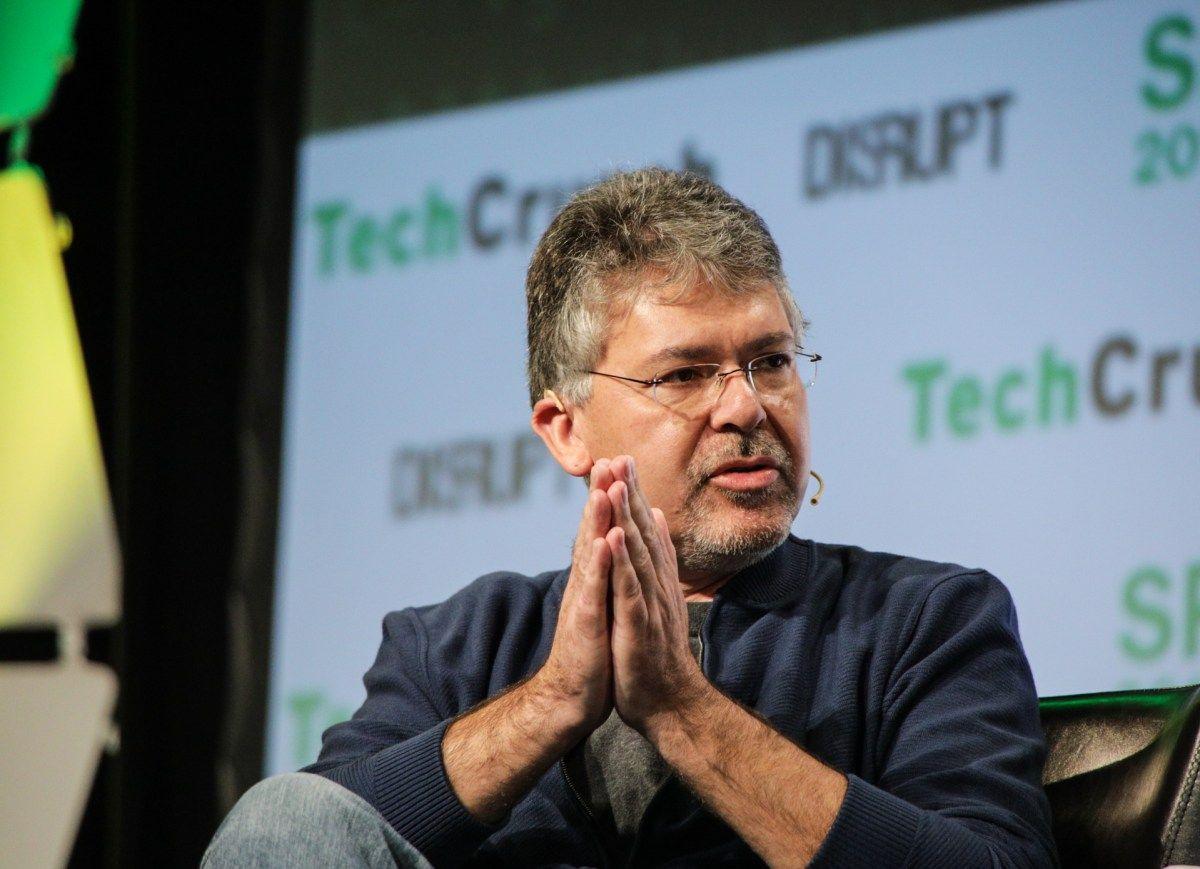
Apple AI Leadership Undergoes Major Transformation
Apple announced Monday that John Giannandrea is stepping down as the company's AI chief, a position he has held since 2018
1
. The AI leadership change marks the most visible shakeup in Apple's artificial intelligence division since the company launched Apple Intelligence in 20245
. Giannandrea will remain at Apple as an advisor through spring 2026 before retiring, but his replacement takes effect immediately4
.Amar Subramanya, the new AI chief, brings extensive experience from both Google and Microsoft. He spent 16 years at Google, most recently leading engineering for the Gemini Assistant, before joining Microsoft as corporate vice president of AI just four months ago
1
3
. As Apple's vice president of AI, Subramanya will report directly to software engineering SVP Craig Federighi, taking responsibility for foundation models, machine learning research, and AI safety and evaluation4
.Siri Setbacks Drive Leadership Restructuring
The timing of this AI leadership change reflects mounting pressure following the troubled rollout of Apple Intelligence. Since its October 2024 launch, the company's AI suite has faced harsh criticism, with reviews ranging from underwhelming to alarmed
1
. The notification summary feature generated embarrassing false headlines in late 2024 and early 2025, including BBC complaints about fabricated news stories involving Luigi Mangione and darts player Luke Littler1
.The Siri overhaul became particularly problematic. A Bloomberg investigation revealed that when Craig Federighi tested the new Siri weeks before its planned April launch, many touted features simply didn't work
1
. The Apple Intelligence delay triggered class-action lawsuits from iPhone 16 buyers who had been promised an AI-powered assistant1
3
. Apple admitted in March that developing advanced Siri features was taking longer than expected, pushing the rollout to 20262
3
.Organizational Issues Behind the Scenes
Before John Giannandrea stepping down was officially announced, Bloomberg reported that Tim Cook had already lost confidence in his AI leadership. In March, Cook stripped Siri oversight from Giannandrea entirely, handing it to Vision Pro creator Mike Rockwell
1
2
. Apple's secretive robotics division was also removed from his control1
.The investigation painted a troubling picture of organizational issues, including weak communication between AI and marketing teams, budget misalignments, and severe dysfunction
1
. Some employees mockingly referred to Giannandrea's group as "AI/MLess," while AI researchers departed for competitors including OpenAI, Google, and Meta1
.Related Stories


Google Gemini Integration and Strategic Pivot
In a striking development, Apple is reportedly leaning on Google Gemini integration to power the next version of Siri
1
2
. This represents a significant shift for a company locked in intense rivalry with Google across mobile operating systems, app stores, browsers, and smart home devices for over 15 years1
.Analyst Marina Koytcheva of STL Partners suggested the move signals Apple knows it has lost ground in the AI race, hiring Subramanya from AI leaders Microsoft and Google to catch up in AI race
4
. She warned that even Apple's substantial customer loyalty has limits, noting that users will demand the right experience or look elsewhere4
.Privacy-First Approach Faces Competitive Pressure
Apple has maintained a distinct strategy focused on on-device processing using custom Apple Silicon chips, avoiding data collection that competitors rely on
1
. When complex requests require cloud processing, Apple routes them through Private Cloud Compute servers that process data temporarily before immediate deletion1
.This privacy-first AI philosophy comes with clear trade-offs. On-device models remain smaller and less capable than massive models running in competitors' data centers
1
. Apple's reluctance to collect user data has forced researchers to train models on licensed and synthetic data rather than the extensive real-world information fueling rivals' systems1
. Whether this approach will pay off or leave Apple permanently behind remains an open question as Subramanya and Federighi face the challenge of delivering improved AI capabilities while maintaining Apple's privacy commitments1
4
.References
Summarized by

Navi
[1]
[2]
[3]
[4]
Related Stories
Recent Highlights
1
Tennessee Teens Sue Elon Musk's xAI Over Grok AI-Generated Child Abuse Images
Policy and Regulation
2
Supermicro Co-Founder Indicted in $2.5 Billion Nvidia AI Chip Smuggling Scheme to China
Policy and Regulation
3
Val Kilmer to appear posthumously in As Deep as the Grave through AI-generated performance
Entertainment and Society

Recent Highlights
Today's Top Stories



Your Daily Dose of Curated AI News
Don’t drown in AI news. We cut through the noise - filtering, ranking and summarizing the most important AI news, breakthroughs and research daily. Spend less time searching for the latest in AI and get straight to action.

