Aurora triples driverless truck network with software update enabling 1,000-mile nonstop routes


2 Sources
2 Sources
[1]
Aurora says it will 'triple' its driverless truck network
Aurora, the driverless truck firm founded by former members of Google's pioneering self-driving car team, is branching out. In advance of its quarterly earnings report today, the company announced that a new software update would enable it to triple its driverless network to a total of 10 routes across the Southern US. Currently, Aurora has five autonomous trucks without safety monitors driving routes between Dallas, Houston, Fort Worth, and El Paso. The company has issued three previous software updates: the first to authorize driverless trips between Dallas and Houston; the second to authorize driving at night; and the third to expand its network to include routes to El Paso. With this new update, Aurora will begin operating trips between Fort Worth and Phoenix, which takes more than 15 hours to complete. Legally, human truck drivers are restricted to 11 hours of driving a day, within a 14-hour duty limit, before they are required to take a break. An autonomous truck is not subject to these same restrictions. Additional routes include: Dallas and Houston; Fort Worth and El Paso; El Paso and Phoenix; Fort Worth and Phoenix; and Dallas and Laredo. The company is also using AI to build new maps for its autonomous driving system, with the goal of shortening the time between testing, validation, and commercial operation. According to Aurora: After a single manual drive, cloud-based algorithms are able to generate semantic components, which helps to build new maps with little to no human assistance. Map automation significantly reduces the time to map new routes, positioning Aurora to accelerate the rollout of new routes and customer endpoints this year. Aurora is still operating trucks with safety monitors for several of its clients, including Hirschbach Motor Lines, Detmar Logistics, and "one of the leading carriers in the US from its Phoenix facility." Aurora CEO Chris Urmson said previously that the company complies with requests from partners to keep safety drivers in the cab as a matter of optics, not an indicator of technological regression. Operationally, it has no bearing on Aurora's progress. The company is also adding a new semi truck model to its fleet, based on the International LT, along with its new hardware suite which costs half the current stack. Aurora says it will launch the new truck without a safety monitor in the second quarter of 2026. And the company expects to have 200 driverless trucks in operation by the end of the year. Lastly, Aurora said its cash position has improved. Previously, Urmson said that Aurora had roughly $1.6 billion in the bank, enough to last until the second half of 2027. Now, the company says it expects to achieve positive free cash flow by 2028, indicating that Aurora will be generating more money from its business operations than it is loses.
[2]
Aurora's Driverless Trucks Can Now Run Longer Than Humans Drivers Are Legally Allowed
The trip takes roughly 15 hours to complete, but human drivers need to rest after 11 hours. Aurora, the Pittsburgh-based autonomous trucking company, wants to supercharge its fleet of driverless big rigs. The company said the latest software update to its driverless hardware suite will enable its trucks to drive nonstop from Phoenix to Fort Worth. That trip is roughly 1,000 miles long and takes 15 hours to complete, but here's where trucks without drivers behind the steering wheel have the upper hand, because they're not subject to the same mandatory rest breaks as human drivers. By contrast, a human driver would have to take a rest after 11 hours of driving. A second driver could take the wheel, though. "Expanding across the Sun Belt and introducing customer endpoints enables us to provide our customers with the capacity they need to move goods at a scale that wasn't possible before," said Chris Urmson, co-founder and CEO of Aurora. "Being a carrier is a game of margins, and if autonomy can work around the clock, it will be key to growing our customers." This is Aurora's fourth software release since deploying driverless trucks on America's roads back in April 2025. The first version validated initial driverless operations between Dallas and Houston, the second enabled night driving, and the fourth opened up routes to and from El Paso. The company currently has five autonomous trucks carrying cargo without safety monitors between Dallas, Houston, Fort Worth and El Paso. Additional trucks are on the road with safety monitors for several of the startup's clients, including Hirschbach Motor Lines and Detmar Logistics, but Aurora's CEO previously said in an interview with The Verge that the monitors are in the cabs because of optics, and their presence doesn't have an impact on the company's progress. By the end of this year, the startup expects to have over 200 driverless trucks in operation. The expansion will be boosted by the firm's new automated mapping feature, which can deploy direct-to-customer lanes faster, with the help of Verifiable AI. "After a single manual drive, cloud-based algorithms are able to generate semantic components, which helps to build new maps with little to no human assistance," the company said. As part of the expansion, a new semi-truck will be added to the startup's fleet in the second quarter of 2026. Based on the International LT, the driverless big rig will feature Aurora's latest hardware suite, which costs half compared to the current stack. The new International LT will join the Peterbilt 579 and Volvo VNL. Since launching commercial operations last year, Aurora's trucks have amassed over 250,000 driverless miles and over 4.5 million commercial miles.
Share
Share
Copy Link
Aurora announced a software update that will triple its driverless truck network to 10 routes across the Southern US. The expansion enables autonomous trucks to complete 1,000-mile trips like Fort Worth to Phoenix in 15 hours—surpassing the 11-hour legal limit for human drivers. The company expects 200 driverless trucks in operation by year-end.
Aurora Expands Autonomous Network with Fourth Software Update
Aurora, the Pittsburgh-based driverless truck company founded by former members of Google's self-driving car team, announced it will triple its driverless truck network to a total of 10 routes across the Southern US
1
. The expansion comes through a new driverless software update that marks the company's fourth release since deploying autonomous trucks without safety monitors in April 20252
.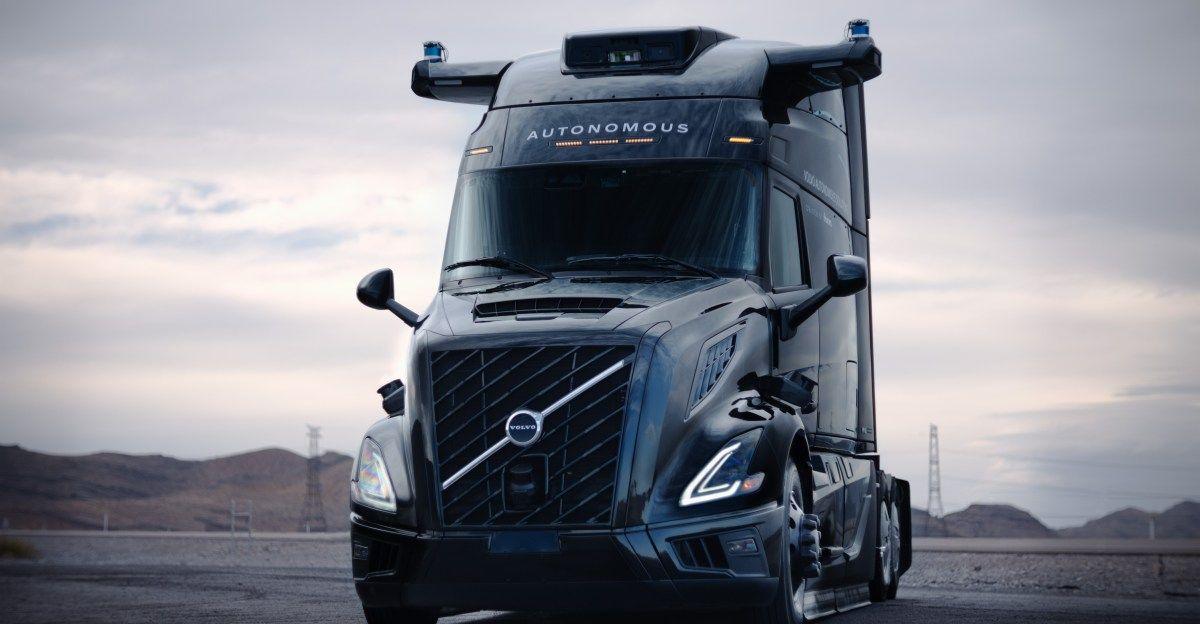
Source: The Verge
Currently, Aurora operates five autonomous trucks carrying cargo without safety monitors between Dallas, Houston, Fort Worth, and El Paso
1
. The company has issued three previous software updates: the first authorized driverless trips between Dallas and Houston, the second enabled night driving, and the third expanded the network to include routes to El Paso1
.Long-Haul Route That Surpasses Human Driver Hour Limits
With this latest update, Aurora will begin operating trips on a critical long-haul route between Fort Worth to Phoenix, which takes more than 15 hours to complete and spans roughly 1,000 miles
2
. This demonstrates a significant advantage for driverless trucks: they are not subject to the same restrictions as human truck drivers, who are legally limited to 11 hours of driving within a 14-hour duty period before mandatory rest breaks1
. Additional routes now include Dallas and Houston, Fort Worth and El Paso, El Paso and Phoenix, and Dallas and Laredo1
.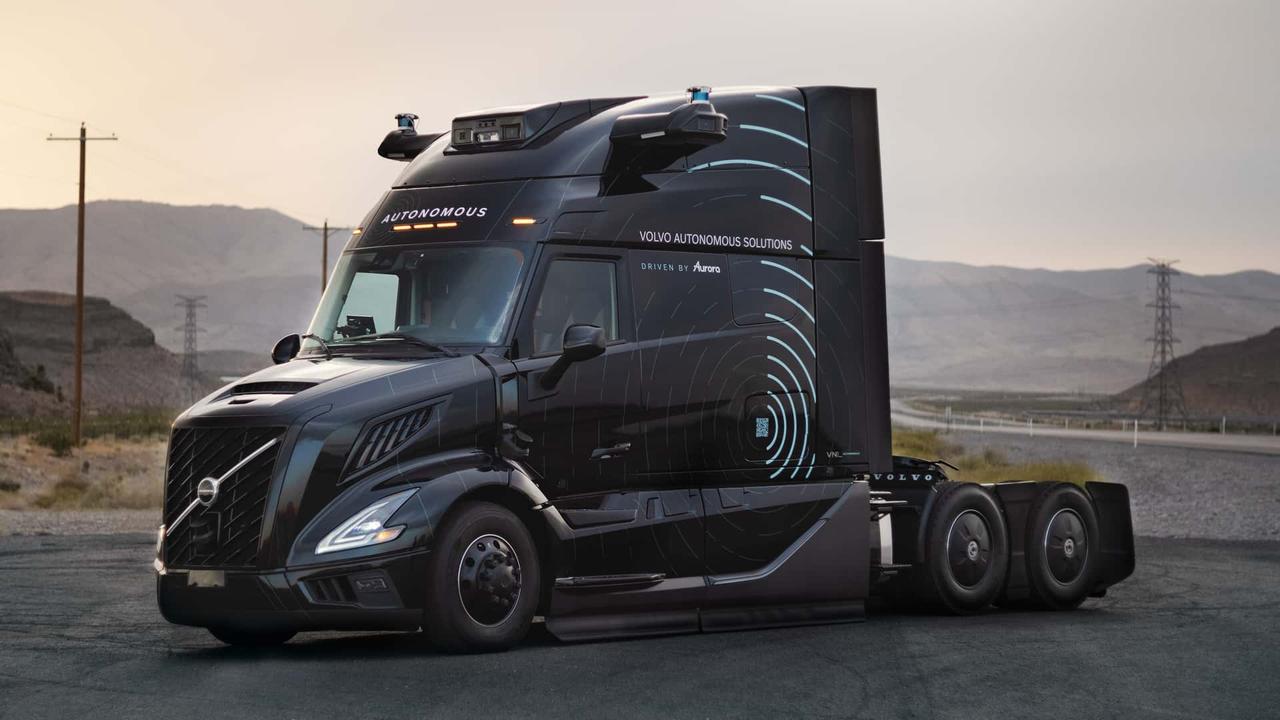
Source: InsideEVs
"Expanding across the Sun Belt and introducing customer endpoints enables us to provide our customers with the capacity they need to move goods at a scale that wasn't possible before," said Chris Urmson, co-founder and CEO of Aurora
2
. "Being a carrier is a game of margins, and if autonomy can work around the clock, it will be key to growing our customers."Automated Mapping Feature Accelerates Network Expansion
Aurora is deploying AI-powered cloud algorithms to build new maps for its autonomous driving system, significantly reducing the time between testing, validation, and commercial operation. The automated mapping feature, powered by Verifiable AI, enables the company to deploy direct-to-customer lanes faster
2
. After a single manual drive, cloud-based algorithms generate semantic components that help build new maps with little to no human assistance1
. Map automation significantly reduces the time to map new routes, positioning Aurora to accelerate the rollout of new routes and customer endpoints this year1
.Related Stories

Cost-Effective Hardware Suite and Fleet Expansion
The company is adding a new semi-truck model to its fleet based on the International LT, featuring a cost-effective hardware suite that costs half compared to the current stack
2
. Aurora plans to launch the new truck without a safety monitor in the second quarter of 2026, joining the existing Peterbilt 579 and Volvo VNL models2
. The company expects to have 200 driverless trucks in operation by the end of the year1
.Aurora continues operating trucks with safety monitors for several clients, including Hirschbach Motor Lines, Detmar Logistics, and one of the leading carriers in the US from its Phoenix facility
1
. Urmson previously stated that the company complies with partner requests to keep safety drivers in the cab as a matter of optics, not as an indicator of technological regression1
.Financial Position Strengthens Toward Profitability
Aurora's cash position has improved significantly. The company previously held roughly $1.6 billion in the bank, enough to last until the second half of 2027
1
. Now, Aurora expects to achieve positive free cash flow by 2028, indicating the company will generate more money from its business operations than it loses1
. Since launching commercial operations last year, Aurora's trucks have accumulated over 250,000 driverless miles and over 4.5 million commercial miles2
.References
Summarized by

Navi
Related Stories
Aurora, NVIDIA, and Continental Partner to Deploy AI-Powered Driverless Trucks at Scale
07 Jan 2025•Technology

AWS and Aumovio expand partnership to accelerate AI-driven development of self-driving vehicles
06 Jan 2026•Technology

Aurora Innovation Reports Q2 2024 Results and Advances in Autonomous Trucking
01 Aug 2024

Recent Highlights
1
Google releases Gemma 4 with Apache 2.0 license, enabling unrestricted local AI on devices
Technology

2
AI Models Lie and Deceive to Protect Other AI Models From Deletion, Study Reveals
Science and Research

3
OpenAI closes $122 billion funding round amid fierce AI competition and profitability questions
Startups

Recent Highlights
Today's Top Stories







Your Daily Dose of Curated AI News
Don’t drown in AI news. We cut through the noise - filtering, ranking and summarizing the most important AI news, breakthroughs and research daily. Spend less time searching for the latest in AI and get straight to action.

