Bitdeer liquidates entire Bitcoin treasury to fund AI and high-performance computing expansion


2 Sources
2 Sources
[1]
Bitcoin Miner Bitdeer Tells Market Not to Worry After Selling Entire Crypto Stash
Bitcoin miner Bitdeer has sold its remaining 943.1 bitcoin treasury holdings, pushing its corporate bitcoin balance to zero as of Friday. The liquidation capped an eight-week process that started from roughly 2,000 BTC at the end of 2025. In the final week alone the company also sold the 189.8 bitcoin it mined during that period. That said, Bitdeer Chairman and CEO Jihan Wu posted on X that holding zero bitcoin today does not necessarily mean the company will also hold zero bitcoin in the future. Alongside the sales, Bitdeer closed a $325 million convertible notes offering and a $43.5 million equity placement. The proceeds target powered land acquisitions, data-center expansions, and a broader pivot into artificial-intelligence and high-performance computing. As part of this push, Bitdeer will be converting some existing U.S. and European bitcoin mining sites for AI workloads. On X, Bitdeer claimed it plans to also keep expanding its mining hashrate and that the sale “should not be a concern for the broader market.†The company is reviewing multiple non-binding powered land opportunities and believes holding cash now is prudent ahead of those commitments. Reactions on X reflected skepticism. CoinDesk senior analyst James Van Straten called the timing “panic selling at the lows,†noting Bitdeer had just raised fresh capital. Braiins CEO Eli Nagar argued better liquidity tools exist and said selling bitcoin, “the hardest asset,†should be the last option, not the first. This latest action fits a pattern that has played out across the bitcoin mining sector for more than a year. Companies have increasingly converted bitcoin holdings into cash to fund diversification efforts beyond the crypto sector. Cango provided the most recent high-profile example, selling 4,451 bitcoin for approximately $305 million in Tether’s USDT stablecoin. The proceeds paid down a bitcoin-collateralized loan, strengthened its balance sheet, lowered leverage, and supported entry into distributed AI computing infrastructure. Additionally, Riot Platforms sold about $200 million worth of bitcoin late last year to support operations and AI expansion. Activist investor Starboard Value, which holds about 12.7 million shares, recently pressed Riot to accelerate its AI and data-center push. In a February 18, 2026 letter, Starboard urged the company to urgently leverage its 1.7 gigawatts of available power capacity at Texas sites, noting that Riot’s shares have lagged peers with larger AI agreements. A number of other publicly-traded bitcoin miners have taken comparable steps toward AI diversification, while others, such as Bitfarms, have abandoned bitcoin mining entirely. Bitdeer’s AI pivot is particularly notable due to its long history in the space, as it was spun out from longtime bitcoin mining ASIC manufacturing giant Bitmain in 2021. The firm now holds the largest self-mining hashrate among public companies, according to JPMorgan analysts. Bitcoin itself has traded roughly 47% below its October all-time high near $125,000. Skeptics have questioned its digital-gold credentials as physical gold has held up better amid geopolitical flare-ups such as the Greenland tensions. Separate concerns around quantum-computing threats to cryptography and privacy have circulated, though industry insiders generally view quantum risks as distant and addressable through ongoing upgrades. Of course, lower bitcoin prices clearly squeeze miner revenue. Each facility’s production cost varies mainly by local electricity rates, so blanket average-cost estimates often miss the reality on the ground. A recent case in point came during Winter Storm Fern, when U.S. grids saw sharp price spikes from residential heating demand. Bitcoin network hashrate plunged from above 1,000 exahashes per second to roughly 687 exahashes during the storm before Bitcoin’s difficulty adjustment algorithm restored normal block times. At the same time, some operators are turning mining’s waste heat into a revenue offset for heating applications. In Finland, Marathon Digital’s district-heating pilot expanded to serve nearly 80,000 residents by late 2024, with earlier phases covering more than 11,000 homes in a 67,000-person community. Similar projects capture ASIC exhaust to warm greenhouses in Canada and the Netherlands, power space heaters, and heat entire homes. The model effectively lets mining revenue subsidize the cost of generating usable heat. Going forward, it’s clear many datacenters are going to pivot anytime a more profitable venture pops up; however, those who keep their treasuries stocked with bitcoin are likely making long-term bets on the future of the potential global reserve asset.
[2]
Bitdeer Liquidates Entire Bitcoin Treasury as Mining Margins Tighten -- Will Other Crypto Miners Follow in 2026?
Public miners, including TeraWulf, Bitfarms, Riot, and Core Scientific, are increasingly selling BTC or pivoting toward AI data centers. Bitcoin mining giant Bitdeer has liquidated its entire Bitcoin position over the weekend as BTC trades below $68,000 -- nearly 50% down from its all-time high. The sale comes as Bitcoin mining profits hit all-time lows, with the company -- once eyeing U.S. expansion -- now offloading all the Bitcoin it mined, excluding customer deposits. Bitdeer Sale Prompts Cash Crunch Speculations On Feb. 21, Bitdeer mined approximately 184 BTC and sold the entire batch, along with an additional 943.1 BTC from its reserves. The transaction follows a steady decline in Bitdeer's holdings over recent weeks. The company began 2026 with roughly 2,000 BTC. By the end of January, that figure had fallen to 1,530 BTC, and by Feb. 13, it stood at 943.1 BTC before being fully liquidated days later. At the time of the sale, Bitcoin was trading between $65,000 and $68,000. The development has drawn attention, given Bitdeer's growing operational footprint. The company's self-managed hashrate recently surpassed that of MARA (formerly Marathon Digital), making it the publicly traded miner with the largest self-operated capacity. While some market participants have speculated about the reasoning behind the treasury reduction, Bitdeer has not indicated that the move reflects financial distress. Public mining companies frequently adjust treasury strategies based on capital allocation priorities, operating costs, and broader market conditions. Outdated Data Causing Confusion There is still some confusion over whether Bitdeer has fully exited its Bitcoin holdings. Several treasury tracking platforms -- including The Block, bitcointreasuries.net, and bitbo.io -- continue to show Bitdeer holding between 943 BTC and more than 2,000 BTC. However, many of these figures reflect January data or late-2025 filings. The discrepancy likely stems from timing. Most treasury trackers rely on quarterly reports or visible on-chain wallet activity, both of which can lag behind real-time company disclosures. Bitdeer's most recent update came in its Feb. 20 weekly post on X, and some dashboards had not yet updated when the news began circulating. Bitdeer Joins Mass Shift to AI Data Centers? It's clear that Bitdeer is redirecting capital toward expansion beyond pure Bitcoin mining. The company recently announced a $43.7 million equity offering alongside a convertible note agreement worth up to $325 million. The funding is expected to support expansion into artificial intelligence (AI) and high-performance computing (HPC). These businesses can generate significantly higher revenue per megawatt of power compared to traditional mining operations. Bitdeer is not alone. Low mining margins are pushing public miners to rethink their business models. Firms such as Cipher Mining, Core Scientific, Riot, and others have begun selling mined BTC or reallocating infrastructure toward AI workloads. Across the industry, roughly 70% of public miners now have AI or HPC initiatives underway. This is because AI infrastructure can generate three to twenty-five times more revenue per kilowatt than Bitcoin mining, often with profit margins between 80% and 90%. As a result, many companies no longer treat BTC as a long-term treasury asset. Instead, they sell production regularly -- and in some cases tap reserves -- to finance expansion into AI data centers. Bitdeer's shift to a zero-BTC balance marks one of the clearest signals yet of structural change within the mining sector. When the largest public miner by self-managed hashrate liquidates its holdings, the industry takes notice. Mining remains core to these firms, but reliance on Bitcoin alone is becoming increasingly risky when the same power capacity can produce substantially higher returns through AI workloads. In 2026, more miners are likely to follow Bitdeer's path -- selling BTC, restructuring debt, and building AI-optimized data centers. For investors, this shift suggests mining stocks may increasingly resemble technology infrastructure plays rather than pure crypto proxies. The era of "HODL all mined Bitcoin" appears to be fading as the industry pivots toward the AI boom.
Share
Share
Copy Link
Bitcoin miner Bitdeer has sold its complete 943.1 BTC treasury, reducing its corporate holdings to zero after an eight-week liquidation process. The company raised $368.5 million through convertible notes and equity offerings to fund a strategic pivot toward artificial intelligence and high-performance computing infrastructure, converting existing mining sites for AI workloads.
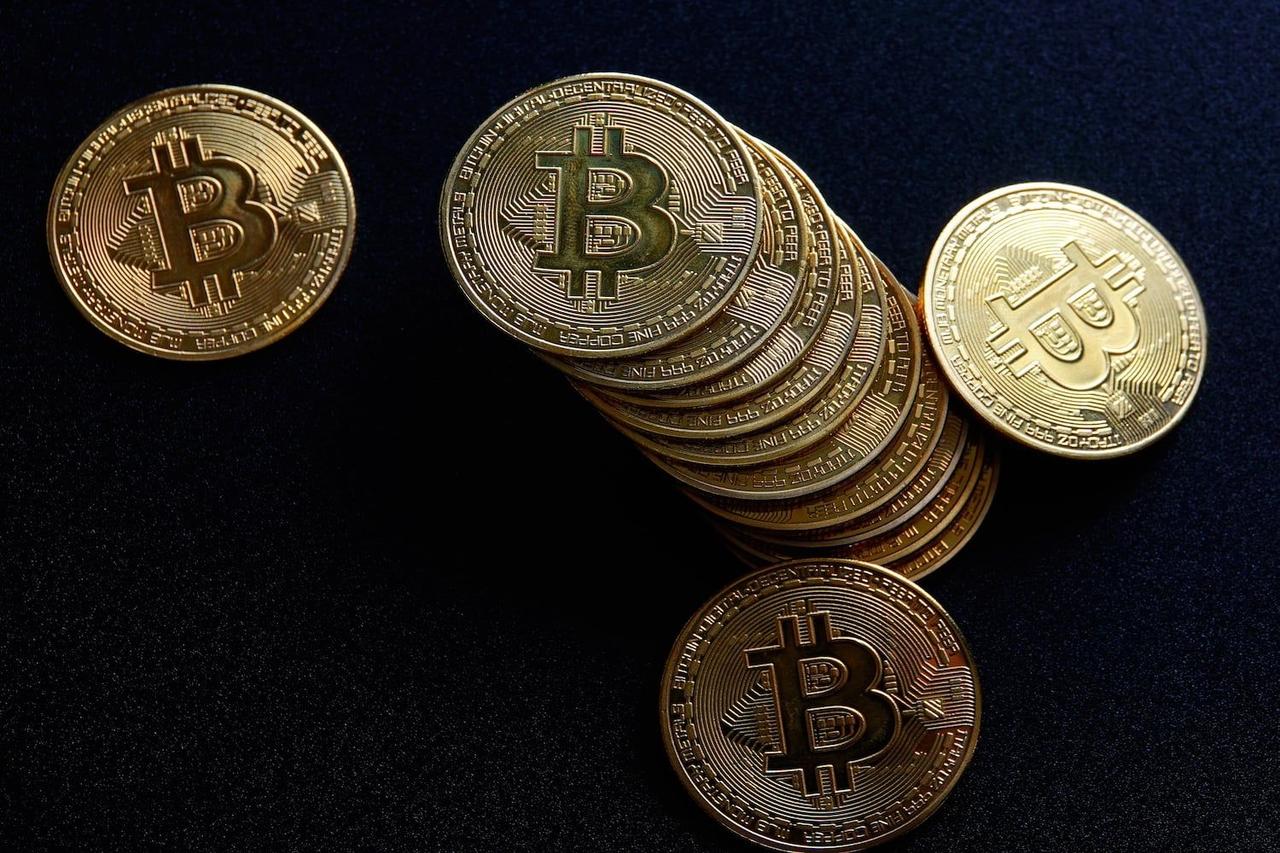
Bitdeer Completes Full Bitcoin Treasury Liquidation
Bitdeer has liquidated its entire Bitcoin treasury, pushing its corporate balance to zero BTC as of late February 2026
1
. The bitcoin mining giant sold its remaining 943.1 bitcoin holdings after an eight-week process that began with roughly 2,000 BTC at the end of 20251
. In the final week alone, the company also sold the 189.8 bitcoin it mined during that period, marking one of the most aggressive treasury drawdowns in the sector1
. Chairman and CEO Jihan Wu posted on X that holding zero bitcoin today does not necessarily mean the company will maintain that position in the future, leaving the door open for potential re-accumulation1
.The sale occurred as Bitcoin traded between $65,000 and $68,000, roughly 47% below its October all-time high near $125,000
1
2
. CoinDesk senior analyst James Van Straten called the timing "panic selling at the lows," noting Bitdeer had just raised fresh capital1
. Braiins CEO Eli Nagar argued better liquidity tools exist and said selling Bitcoin holdings, "the hardest asset," should be the last option, not the first1
.Strategic Pivot to Artificial Intelligence (AI) and Data Center Infrastructure
Alongside selling Bitcoin holdings, Bitdeer closed a $325 million convertible notes offering and a $43.5 million equity placement
1
. The proceeds target powered land acquisitions, data center expansions, and a broader pivot to artificial intelligence (AI) and high-performance computing (HPC)1
. As part of this push, Bitdeer will be converting some existing U.S. and European bitcoin mining sites for AI workloads1
.The shift reflects a calculated response to tightening mining margins and the economics of AI data centers. AI infrastructure can generate three to twenty-five times more revenue per kilowatt than bitcoin mining, often with profit margins between 80% and 90%
2
. Bitdeer's pivot to artificial intelligence (AI) is particularly notable given its long history in the space, as it was spun out from longtime bitcoin mining ASIC manufacturing giant Bitmain in 20211
. The firm now holds the largest self-mining hashrate among public companies, according to JPMorgan analysts1
.Industry-Wide Trend Toward Crypto Miners Diversification
Bitdeer's action fits a pattern that has played out across the bitcoin mining sector for more than a year, as companies increasingly convert bitcoin holdings into cash to fund diversification efforts beyond the crypto sector
1
. Riot Platforms sold about $200 million worth of bitcoin late last year to support operations and AI expansion1
. Activist investor Starboard Value, which holds about 12.7 million shares, recently pressed Riot to accelerate its AI and data-center push, urging the company to leverage its 1.7 gigawatts of power capacity at Texas sites1
.Cango provided another high-profile example, selling 4,451 bitcoin for approximately $305 million in Tether's USDT stablecoin to pay down a bitcoin-collateralized loan and support entry into distributed AI computing infrastructure
1
. A number of other publicly-traded bitcoin miners have taken comparable steps toward technology infrastructure plays, while others, such as Bitfarms, have abandoned bitcoin mining entirely1
. Across the industry, roughly 70% of public miners now have AI or HPC initiatives underway2
.Related Stories

Balance Sheet Management Amid Tightening Mining Margins
Lower bitcoin prices clearly squeeze mining revenue, with each facility's production cost varying mainly by local electricity rates
1
. A recent case came during Winter Storm Fern, when U.S. grids saw sharp price spikes from residential heating demand and Bitcoin network hashrate plunged from above 1,000 exahashes per second to roughly 687 exahashes during the storm1
.Some operators are turning mining's waste heat utilization into a revenue offset for heating applications. Marathon Digital's district-heating pilot in Finland expanded to serve nearly 80,000 residents by late 2024, with earlier phases covering more than 11,000 homes in a 67,000-person community
1
. The model effectively lets mining revenue subsidize the cost of generating usable heat1
.For investors, this shift suggests mining stocks may increasingly resemble technology infrastructure plays rather than pure crypto proxies
2
. When the largest public miner by self-managed hashrate liquidates its holdings, the industry takes notice. Mining remains core to these firms, but reliance on Bitcoin alone is becoming increasingly risky when the same power capacity can produce substantially higher returns through AI workloads2
.References
Summarized by

Navi
Related Stories
Bitfarms Abandons Bitcoin Mining for AI Infrastructure in Major Industry Pivot
14 Nov 2025•Business and Economy
TeraWulf's Zero-Carbon Bitcoin Mining and AI Potential
22 Jul 2024

Northern Data Group Pivots from Bitcoin Mining to AI, Considers Selling Peak Mining Subsidiary
22 Oct 2024•Business and Economy

Recent Highlights



Recent Highlights
Today's Top Stories









Your Daily Dose of Curated AI News
Don’t drown in AI news. We cut through the noise - filtering, ranking and summarizing the most important AI news, breakthroughs and research daily. Spend less time searching for the latest in AI and get straight to action.

