Britain Launches Public Consultation on Social Media Ban for Under-16s and AI Chatbot Limits


2 Sources
2 Sources
[1]
Britain Asks Parents: Should Social Media Be Banned for Under-16s?
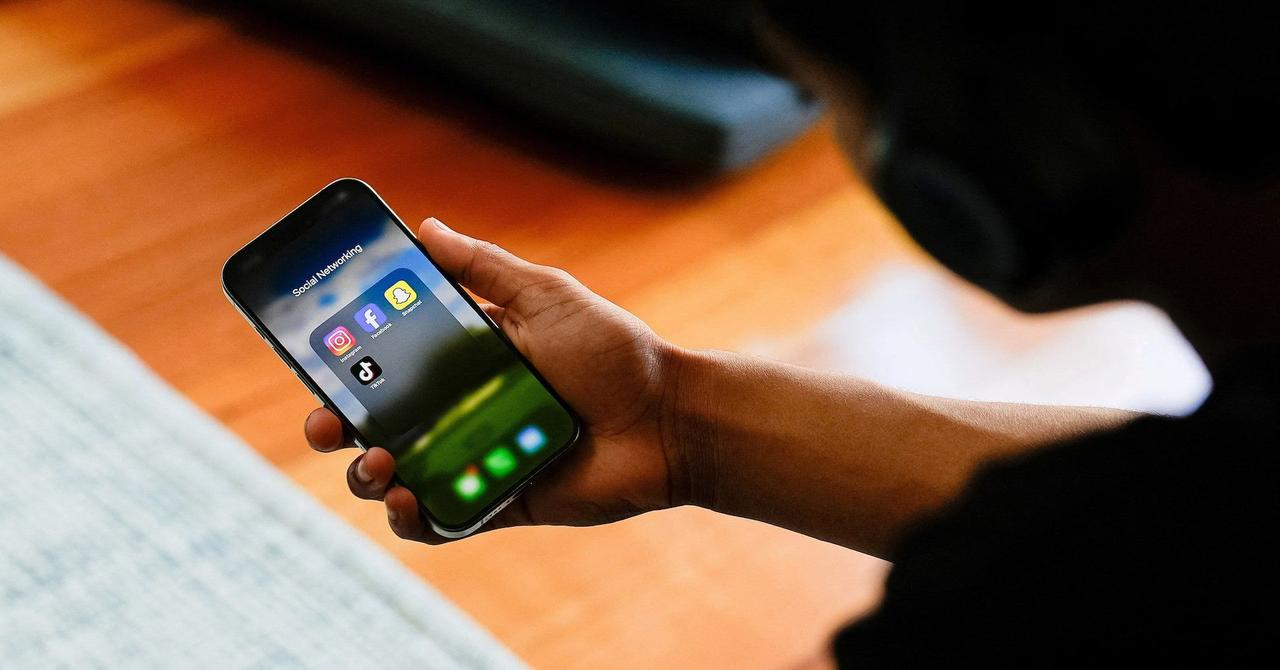
LONDON, March 1 (Reuters) - Britain is seeking the views of parents and children on whether to ban access to social media for under-16s, as well as possible restrictions on gaming platforms and artificial intelligence chatbots. Governments worldwide are trying to limit the impact of social media and gaming on children's mental health and sleep, with parents feeling outpaced by platforms built to maximise the time young users spend online. Australia introduced a ban on social media for under-16s in December, and other governments, including Britain's, are weighing similar moves. British Prime Minister Keir Starmer has said he wants to introduce new powers to protect children, beyond those in an Online Safety Act which is only two-and-a-half years old. The three-month consultation, starting on Monday, will look at measures ranging from a possible minimum age for social media to bans on addictive design features and overnight curfews for under-16s. REAL-WORLD PILOTS AND NEW POWERS "We know parents everywhere are grappling with how much screen time their children should have, when they should give them a phone, what they are seeing online, and the impact all of this is having," technology minister Liz Kendall said in a statement. "This is why we're asking children and parents to take part in this landmark consultation on how young people can thrive in an age of rapid technological change." The government said it would run pilots with families and teenagers to examine how potential social media restrictions could work in practice. It will also study whether children should be able to interact with AI chatbots without limits and how age-verification rules should be strengthened. Britain is separately preparing stricter rules to require tech companies to remove non-consensual intimate images within 48 hours or face fines of up to 10% of global revenue. (Reporting by Sam TabahritiEditing by Paul Sandle and Peter Graff)
[2]
Britain asks parents: Should social media be banned for under-16s?
LONDON, March 1 (Reuters) - Britain is seeking the views of parents and children on whether to ban access to social media for under-16s, as well as possible restrictions on gaming platforms and artificial intelligence chatbots. Governments worldwide are trying to limit the impact of social media and gaming on children's mental health and sleep, with parents feeling outpaced by platforms built to maximise the time young users spend online. Australia introduced a ban on social media for under-16s in December, and other governments, including Britain's, are weighing similar moves. British Prime Minister Keir Starmer has said he wants to introduce new powers to protect children, beyond those in an Online Safety Act which is only two-and-a-half years old. The three-month consultation, starting on Monday, will look at measures ranging from a possible minimum age for social media to bans on addictive design features and overnight curfews for under-16s. REAL-WORLD PILOTS AND NEW POWERS "We know parents everywhere are grappling with how much screen time their children should have, when they should give them a phone, what they are seeing online, and the impact all of this is having," technology minister Liz Kendall said in a statement. "This is why we're asking children and parents to take part in this landmark consultation on how young people can thrive in an age of rapid technological change." The government said it would run pilots with families and teenagers to examine how potential social media restrictions could work in practice. It will also study whether children should be able to interact with AI chatbots without limits and how age-verification rules should be strengthened. Britain is separately preparing stricter rules to require tech companies to remove non-consensual intimate images within 48 hours or face fines of up to 10% of global revenue. (Reporting by Sam TabahritiEditing by Paul Sandle and Peter Graff)
Share
Share
Copy Link
The British government has launched a three-month public consultation asking parents and children whether social media access should be banned for under-16s. The consultation also examines restrictions on gaming platforms, rules for interacting with AI chatbots, and bans on addictive design features as governments worldwide grapple with the impact on children's mental health.
British Government Seeks Views on Social Media Restrictions for Under-16s
The British government has launched a landmark consultation asking parents and children to weigh in on whether social media access should be banned for under-16s, marking a significant step in addressing growing concerns about digital platforms and their impact on children's mental health. The three-month public consultation, which began on Monday, extends beyond social media to examine restrictions on gaming platforms and rules for interacting with AI chatbots, reflecting the complexity of protecting young people in an increasingly digital world
1
.Technology minister Liz Kendall emphasized the universal struggle parents face, stating: "We know parents everywhere are grappling with how much screen time their children should have, when they should give them a phone, what they are seeing online, and the impact all of this is having"
2
. This consultation represents an acknowledgment that parents feel outpaced by platforms built to maximize the time young users spend online, and that existing frameworks may need strengthening.Examining Minimum Age Limits and Addictive Design Features
The consultation will explore a range of potential measures, from establishing minimum age limits for social media platforms to implementing bans on addictive design features that keep children engaged for extended periods. The British government is also considering overnight curfews for under-16s, which would restrict access during hours critical for sleep. Prime Minister Keir Starmer has indicated his intention to introduce new powers to protect children that go beyond the Online Safety Act, which is only two-and-a-half years old
1
.
Source: Market Screener
This move follows Australia's decision to introduce a ban on social media for under-16s in December, signaling a global trend as governments worldwide attempt to limit the impact of social media and gaming on children's mental health and sleep patterns. The consultation will include pilot programs with families and teenagers to examine how potential social media restrictions could work in practice, ensuring that any measures implemented are both effective and feasible
2
.Related Stories

Strengthening Age-Verification Rules and AI Chatbot Oversight
A critical component of the consultation involves the strengthening of age-verification rules to ensure that any restrictions can be effectively enforced. The government will also study whether children should be able to interact with AI chatbots without limits, addressing concerns about the potential psychological impact of these emerging technologies on young minds. This represents one of the first major governmental efforts to regulate children's access to AI-powered conversational tools, which have proliferated rapidly without clear guidelines for youth protection
1
.Separately, Britain is preparing stricter rules requiring tech companies to remove non-consensual intimate images within 48 hours or face fines of up to 10% of global revenue, demonstrating a broader commitment to holding platforms accountable for harmful content. The consultation's outcomes could reshape how tech companies operate in the UK market and potentially influence regulatory approaches in other countries watching Britain's efforts closely. As the debate unfolds over the coming months, stakeholders will be monitoring whether the government opts for an outright ban similar to Australia's approach or implements a more nuanced framework combining age verification, addictive design restrictions, and enhanced parental controls.
References
Summarized by

Navi
[2]
Related Stories
Australia Pioneers 'Minimally Invasive' Age Checks for Teen Social Media Ban
16 Sept 2025•Policy and Regulation
UK Extends Online Safety Act to AI Chatbots After Grok Scandal Exposes Child Safety Gaps
16 Feb 2026•Policy and Regulation

European Parliament Proposes EU-Wide Minimum Age of 16 for AI Chatbots and Social Media Access
27 Nov 2025•Policy and Regulation

Recent Highlights


Recent Highlights
Today's Top Stories








Your Daily Dose of Curated AI News
Don’t drown in AI news. We cut through the noise - filtering, ranking and summarizing the most important AI news, breakthroughs and research daily. Spend less time searching for the latest in AI and get straight to action.

