Burger King rolls out Patty chatbot to monitor employee manners in 500 US restaurants


21 Sources
21 Sources
[1]
Burger King Cooks Up 'Patty,' an AI Chatbot to Monitor Employees
The AI assistant is meant to help employees, but it will also track their manners during customer interactions. You'll soon be able to have it your way at some Burger King locations with the help of an AI chatbot for employees. As revealed on Thursday by the company's chief digital officer in an interview with The Verge, the fast-food chain is adding Patty, an AI chatbot, to the headsets some of its employees wear as part of a 500-location pilot later this year. The Patty chatbot will assist with work tasks but will also monitor manners, ensuring employees use phrases such as "please" and "thank you" in customer interactions. "This is meant to be a coaching tool," Burger King CDO Thibault Roux told The Verge. Patty, not to be mistaken for the Krabby Patty burger from SpongeBob SquarePants, will also perform tasks such as alerting the inventory management system when an item is out of stock. Patty is part of a larger AI-driven system called BK Assistant that will be in all Burger King restaurants by the end of the year. While Burger King will be using AI in headsets, Roux said it's not quite ready to use the technology for taking orders yet, although other fast-food chains have tried. While AI seems to be taking over entire industries, businesses such as Taco Bell have found that rolling out AI to hungry customers is a lot harder than it sounds. A pilot for AI ordering from McDonald's ended in 2024, unsuccessfully.
[2]
Burger King will use AI to check if employees say 'please' and 'thank you'
Burger King is launching an AI chatbot that will live in the headsets used by employees. The voice-enabled chatbot, called "Patty," is part of an overarching BK Assistant platform that will not only assist employees with meal preparation but also evaluate their interactions with customers for "friendliness." Thibault Roux, Burger King's chief digital officer, tells The Verge that the company compiled information from franchisees and guests on how to measure friendliness, resulting in the fast food chain training its AI system to recognize certain words and phrases, such as "welcome to Burger King," "please," and "thank you." Managers can then ask the AI assistant how their location is performing on friendliness. "This is all meant to be a coaching tool," Roux says, adding that the company is "iterating" on capturing the tone of conversations as well. The OpenAI-powered Patty serves as the "voice" of the BK Assistant platform, which combines data across drive-thru conversations, kitchen equipment, inventory, and other areas of the Burger King business. Employees can ask Patty questions, such as how many strips of bacon to put on a Maple Bourbon BBQ Whopper, or for instructions on how to clean the shake machine. Because it's integrated with the new cloud point-of-sale system, the AI assistant will also alert managers if a machine is down for maintenance or when an item is out of stock. "Within 15 minutes, the entire ecosystem will remove it from stock -- whether you're walking into a restaurant to order from the kiosk, whether you're going to the drive-thru, the digital menu board will be updated," Roux says. Burger King may be building a chatbot into employees' headsets, but it doesn't seem like the brand is ready to widely launch AI drive-thrus just yet -- something we've seen chains like McDonald's, Wendy's, and Taco Bell attempt. "We're tinkering with it, we're playing around with it, but it's still a risky bet," Roux says. "Not every guest is ready for this." He adds that the company is currently testing the AI drive-thru technology in fewer than 100 restaurants. Burger King plans on launching its BK Assistant web and app platform to all restaurants in the US by the end of 2026, while Patty is piloting in 500 restaurants.
[3]
Burger King AI Tool Tracks How Often Employees Say 'Please' and 'Thank You'
The next time you walk into a Burger King and notice the staff being extra polite, don't be surprised. The fast food chain is piloting an AI assistant that monitors how employees interact with customers via their headsets. As The Verge reports, Burger King's new "Patty" AI assistant is powered by an OpenAI model and listens for keywords like "welcome to Burger King," "please," and "thank you," and compiles data for managers to understand how friendly their location is. Burger King argues that Patty won't listen to all employee conversations and is only meant to make its outlets more hospitable. "It's truly meant to be a coaching and operational tool to really help our restaurants manage complexities and stay focused on a great guest experience," Thibault Roux, Burger King's chief digital officer, tells Fast Company. "Guests want our service to be more friendly, and that's ultimately what we're trying to achieve here." Patty will also be able to help workers with recipes and inventory. It's part of a larger BK Assistant platform that collects data from all areas of the chain's business, including drive-thru counters, kitchens, and inventory. The assistant can answer questions like how many strips of bacon go into a burger or how to clean a jar. It can also proactively alert managers when equipment isn't working or when items are out of stock. For example, the AI kept track of how many times an employee told customers, "I'm sorry, we don't have that." Burger King used that to bring back apple pie, which was removed in 2020. Burger King began testing Patty a year ago at about 100 US locations and is now expanding it to 500. By the end of this year, the retail chain wants it in every outlet in the country. Wendy's, Taco Bell, Pizza Hut, KFC, and McDonald's have been experimenting with AI, with mixed results. Burger King's Patty rollout, meanwhile, has drawn strong reactions on social media. "I don't want to go to a fast food joint where there's a metaphorical gun to the employee's head to force good behavior," writes one Redditor. "Imagine having a bad day, forgetting to say 'please' once, and having an AI log it for your manager to review later. That's not coaching, that's surveillance with extra steps," an X user notes.
[4]
Burger King rolls out employee assistance AI that listens in
Because nothing says hospitality like a bot counting your pleases The bot's nagging will continue until morale improves. Burger King is rolling out a new employee-facing AI that, among other things, will listen to employees' customer interactions to ensure they're being friendly enough - as if working in fast food weren't hard enough already. Burger King announced a wider rollout of the BK Assistant, along with its employee AI assistant-cum-narc "Patty," on Thursday during an investor event hosted by parent company Restaurant Brands International. According to RBI, BK Assistant has been deployed for testing in approximately 500 stores around the US, and the company wants to have it available in all 7,000 US Burger Kings by the end of 2026. A promo video played during the investor event livestream showed Patty talking to an incoming shift manager, sharing current "friendliness scores," the status of low-stock items, and other data points a team leader might need to know. Burger King employees were shown being reminded of recipes, getting cleaning instructions, and, a bit more obtrusively, being told they met upselling goals when convincing a customer to add an item they didn't originally ask for to their order. According to a Burger King representative, the BK Assistant unifies point of sale, kitchen equipment, inventory, and digital ordering systems into a single umbrella product built with proprietary Burger King architecture on top of a base model from OpenAI. Despite the fact that the video showed a manager being told how friendly her team was being with customers, Burger King insisted that Patty isn't going to spy on employees and report them when they're having a bad shift. "It is not designed to track nor evaluate employees saying specific words or phrases," a Burger King spokesperson told The Register in an email. "BK Assistant is a coaching and operational support tool built to help our restaurant teams manage complexity and stay focused on delivering a great Guest experience." The fast food chain has explored using aggregated keywords, like "welcome," "please," and "thank you" as signals to help managers understand broader service patterns at their restaurants, but "it's not about scoring individuals or enforcing scripts," the spokesperson said. "We believe hospitality is fundamentally human," the company rep told us. "The role of this technology is to support our teams so they can stay present with guests." Fast food AI has been a bit of a mixed bag for companies that have tried it, though to be fair most of the failures have been on the customer service end. McDonald's gave up on drive-through AI, and Taco Bell has also rethought its trial run after mishaps. Starbucks has also dialed back its automation-first push after conceding machines weren't replacing baristas as hoped. Instead, it's shifting toward AI tools that assist staff -- echoing Burger King's employee-assist strategy. There's no guarantee Burger King's initiative will stick, naturally, but be prepared for employees to start seeming extra friendly in case Patty is listening in. ®
[5]

Burger King is testing AI headsets that will know if employees say "welcome" or "thank you"
Burger King is testing AI-powered headsets that can recite recipes, alert managers when inventories are low and even track how friendly employees are to customers. Restaurant Brands International - the Miami-based company that owns Burger King, Popeyes and other brands - said Thursday it's currently testing the OpenAI-powered headsets in 500 U.S. restaurants. The system collects data on restaurant operations and shares it via "Patty," a voice that talks to employees through their headsets. If the drink machine is low on Diet Coke, Patty will tell the store's manager. If a customer uses a QR code to report a messy bathroom, the manager will be alerted. Employees can ask Patty how to make various menu items or tell Patty to remove items from digital menus if they've run out of ingredients. Burger King said it's also exploring using Patty as a way to improve customer service. The system can track when employees say key words like "welcome," "please" and "thank you" and share that with managers. When asked about that capability Thursday by The Associated Press, Burger King said the intent is to use Patty as a coaching tool, not a tracker of individual employees. "It's not about scoring individuals or enforcing scripts. It's about reinforcing great hospitality and giving managers helpful, real-time insights so they can recognize their teams more effectively," Burger King said in a statement. Burger King added that the key words are "one of many signals to help managers understand service patterns." "We believe hospitality is fundamentally human. The role of this technology is to support our teams so they can stay present with guests," Burger King said. Patty is part of a larger app-based BK Assistant platform that will be available to all U.S. restaurants later this year. Burger King is one of several fast food chains experimenting with artificial intelligence. Yum Brands said last spring it was partnering with Nvidia to develop AI technologies for its brands, which include KFC, Taco Bell and Pizza Hut. McDonald's ended a partnership with IBM in 2024 that was testing automated orders at its drive-thrus. The company is now working with Google on AI systems.
[6]

Burger King will use AI to monitor employee 'friendliness'
Burger King, the chain that leans into creepy when others don't dare, is at it again. The Verge reported on Thursday that the company is rolling out a new voice-controlled AI chatbot for its workers. That may sound like business as usual in 2026, but this assistant doesn't just help with meal prep and monitor inventory. It also has an unsettling habit of surveilling employees' voices for "friendliness." The voice-controlled chatbot will live inside employees' headsets. The company said the AI is trained to recognize when its low-paid workers utter phrases like "welcome to Burger King," "please" and "thank you." Managers can then keep tabs on their location's "friendliness" performance. "This is meant to be a coaching tool," Thibault Roux, Burger King's chief digital officer, told The Verge. However, he added that the company is also "iterating" the system to detect tone in conversations. Is there a chatbot that can warn Burger King executives about off-putting ideas? The OpenAI-powered assistant's other duties sound potentially useful (and decidedly less creepy). It can answer workers' meal prep questions, like how many strips of bacon to put on burgers or instructions for cleaning the shake machine. It's also integrated into the chain's point-of-sale system, so it can tell managers when items are out of stock or machines are down. The "Patty" chatbot is part of a broader BK Assistant platform the company is launching. It will roll out to all US locations by the end of 2026. Meanwhile, its "restaurant maintenance with a side of mass surveillance" chatbot is currently being piloted in 500 restaurants.
[7]

Surveillance With a Smile: Burger King Will Use AI to Track If Employees Say 'Please' and 'Thank You'
Burger King is rolling out a new AI-powered management platform in its restaurants that keeps an eye on everything â€" and we mean everything â€" from when menu items are running low to complaints about dirty bathrooms, and even how employees interact with customers. The BK Assistant platform pulls together data from across restaurant operations, including food inventory, kitchen equipment, the point of sale system, employee schedules, and drive-thru conversations. It also includes a voice-enabled chatbot called Patty that workers can interact with directly through their headsets. "At the core of BK Assistant is 'Patty,' a voice AI that lives inside cloud-connected headsets and is powered by an OpenAI base model with the brand's proprietary in-house architecture," a Burger King spokesperson told Gizmodo in an emailed note about the new assistant. During an investor presentation on Thursday, the President of Burger King U.S. & Canada, Tom Curtis, tried to frame the platform as an assistant for managers and employees that leverages “real-time data in our restaurants to improve the lives of our team members.†But the tech admittedly sounds like it could veer into dystopian big brother terrority very quickly. For instance, the system always seems to be listening for specific phrases during customer interactions to generate a friendliness score. Burger King Chief Digital Officer Thibault Roux told The Verge the company collected feedback from franchisees and guests about how to measure friendliness. Using that data, the AI assistant was trained to recognize phrases such as “welcome to Burger King,†“please,†and “thank you.†With this tech, managers can ask Patty for a friendliness score for a specific location or shift. But whether employees will embrace an always-listening, Alexa-like bot that follows them all day and dishes out a friendliness score to their boss remains an open question, especially when the metrics behind that score are pretty unclear. The phrase “friendliness score†itself sounds like something lifted straight from an authoritarian regime. Still, Roux told The Verge, “This is all meant to be a coaching tool.†Burger King demonstrated the system in a video shown at its parent company, Restaurant Brands International’s investor event, showcasing the range of tasks the BK Assistant can handle and everything it monitors. In the video, Patty alerts workers when the soda machine is low on Diet Pepsi, flags that the women’s bathroom needs cleaning, and helps a worker assemble an Ultimate Steakhouse Whopper. It also notifies staff when they are one order away from hitting an upsell goal. The system can also automatically remove items from in-store menus, drive-thru boards, and delivery apps when ingredients are out of stock or when equipment, like a milkshake machine, is down for maintenance. Curtis said the BK Assistant platform is already operational in roughly 500 restaurants and will roll out to all 7,000 locations by the end of the year. It remains to be seen how well the platform will work at scale and how workers will adapt to an omnipresent digital manager that seems able to keep an eye on everything going on in the restaurant. This also isn’t the first time fast-food chains have experimented with AI. Companies including McDonald’s, Wendy’s, White Castle, and Taco Bell have been using AI in drive-thru ordering in recent years, often with mixed results. Last year, Taco Bell said it was retreating from the strategy after it found the public really liked messing with AI by doing things like asking for “18,000 cups of water, please.â€
[8]

Burger King tests OpenAI-powered headsets that will track the friendliness of drive-through workers | Fortune
Restaurant Brands International - the Miami-based company that owns Burger King, Popeyes and other brands - said Thursday it's currently testing the OpenAI-powered headsets in 500 U.S. restaurants. The system collects data on restaurant operations and shares it via "Patty," a voice that talks to employees through their headsets. If the drink machine is low on Diet Coke, Patty will tell the store's manager. If a customer uses a QR code to report a messy bathroom, the manager will be alerted. Employees can ask Patty how to make various menu items or tell Patty to remove items from digital menus if they've run out of ingredients. Burger King said it's also exploring using Patty as a way to improve customer service. The system can track when employees say key words like "welcome," "please" and "thank you" and share that with managers. When asked about that capability Thursday by The Associated Press, Burger King said the intent is to use Patty as a coaching tool, not a tracker of individual employees. "It's not about scoring individuals or enforcing scripts. It's about reinforcing great hospitality and giving managers helpful, real-time insights so they can recognize their teams more effectively," Burger King said in a statement. Burger King added that the key words are "one of many signals to help managers understand service patterns." "We believe hospitality is fundamentally human. The role of this technology is to support our teams so they can stay present with guests," Burger King said. Patty is part of a larger app-based BK Assistant platform that will be available to all U.S. restaurants later this year. Burger King is one of several fast food chains experimenting with artificial intelligence. Yum Brands said last spring it was partnering with Nvidia to develop AI technologies for its brands, which include KFC, Taco Bell and Pizza Hut. McDonald's ended a partnership with IBM in 2024 that was testing automated orders at its drive-thrus. The company is now working with Google on AI systems.
[9]

Burger King Adding AI to Employees' Headsets to Constantly Monitor Whether They're Being Friendly Enough
Can't-miss innovations from the bleeding edge of science and tech Fast food franchises have struggled to reliably replace drive-thru employees with AI chatbots, resulting in abundant corporate frustration. Not only are customers being driven mad by the bots getting orders completely wrong, but even some company executives are also being worn down by the flailing effort. Some major players in the space, like McDonald's, have given up on their AI-powered drive-thru efforts entirely, signaling that perhaps employing human workers may be a wiser long-term investment. Taco Bell soon followed suit, announcing it was rethinking the idea after a clip of a customer crashing the system by ordering 18,000 cups of water went viral. Burger King, though, isn't quite ready to give up on AI just yet. Instead of infuriating customers at drive-thrus, the company is looking to exasperate its existing employees with the tech instead. As The Verge reports, the franchise is launching an OpenAI-powered chatbot, dubbed "Patty," that will speak to the staffers through the headsets they're required to wear. Worst of all, the company is using the AI to monitor words and phrases, such as "welcome to Burger King," "please," and 'thank you." Managers can then use that data to gauge the friendliness of their staff. "This is all meant to be a coaching tool," Burger King's chief digital officer Thibault Roux told The Verge in a statement, arguing that the company is "iterating" on having its AI police the tone of its employees in the future. The overarching "BK Assistant" platform that Patty will serve as the voice for will have access to a wide variety of data points, such as the state of its kitchen equipment or available inventory. For instance, as Roux explained, an item could be listed as out of stock "within 15 minutes," and be reflected on digital menu boards throughout a restaurant. Meanwhile, an AI-powered drive-thru isn't quite in the cards for Burger King just yet. "We're tinkering with it, we're playing around with it, but it's still a risky bet," Roux told The Verge. "Not every guest is ready for this."
[10]

Burger King's new AI agent will listen to orders and 'coach' workers on being 'hospitable'
Burger King has introduced a new AI chatbot into its daily fast food restaurant operations. "Patty," the AI voice powered by an OpenAI base model, will live inside employees' headsets in an effort to collect data on "friendliness" and simplify workflow. The bot is part of a new web and app platform, BK Assistant, that is designed to provide training and operational support. It's expected to do everything from alerting managers about items that are no longer available to helping workers remember the ingredients in limited time offers. It will also analyze the conversation between an employee and customer at the drive-thru window. Burger King told NBC News Thursday that BK Assistant will not be listening to all of employees' conversations, and that the goal of the system isn't about "scoring" people or encouraging workers to stick to scripts. The assistant will, however, begin listening from the moment a customer pulls up to place their order, until the point when their car drives away. The system will gather data points from employees' interactions with customers, for example with the use of keywords like "welcome," "please" and "thank you," which the company said it explored as a signal to help managers understand service patterns. "One of the ways that we started this was, you know, picking certain keywords... but it's one mechanism that was used to iterate on how to define friendliness," said Thibault Roux, Burger King's chief digital officer, during an interview with NBC News. "It's really a coaching tool, right? To help you as an employee, become more hospitable, and we're going to help you also with certain operation flaws that may occur that can be a little bit complex," he added. The voice-enabled headset is currently being piloted in 500 restaurants. Both the web and app versions of BK Assistant are expected to be available to Burger King restaurants in the U.S. by the end of 2026.
[11]

Say hello (and thank you) to Patty, Burger King's new AI chatbot, which will live inside its employees' headsets to monitor their etiquette and branch performance
Patty will live in your headset to provide meal prepping instructions and track data across the company. Of all the places I thought AI would knock on the door of, like a grim reaper, I never expected it to be Burger King. Tech, videogames, movies, sure -- they're all about cutting-edge technology, even if it's misguided and self-destructive -- but a fast food chain? As reported by The Verge, Burger King is launching its own AI chatbot (how many are there now?) powered by Open-AI, creatively named Patty, that will reside in the headsets of its employees. It's aiming to roll this out to all its restaurants in the US by the end of 2026. Why does a fast food company need an AI bot? That's a good question. Patty is designed to help its employees prepare meals, such as giving reminders of how many strips of bacon should be on a burger or how to clean certain equipment. But it can also evaluate the "friendliness" of employees' interactions with customers. Burger King's chief digital officer, Thibault Roux, explains that the AI has been trained to recognise words and phrases like "welcome to Burger King," "please," and "thank you," so that managers can use the assistant to monitor their location's performance. "This is all meant to be a coaching tool," Roux adds. And Patty is just the "voice" of the company's AI assistant platform, Roux explains, as the system also tracks and collates data such as inventory, equipment, and drive-thru conversations. The idea being that key systems become automated. Roux gives the example of an item running out of stock, which will alert managers and "Within 15 minutes, the entire ecosystem will remove it from stock -- whether you're walking into a restaurant to order from the kiosk [or] going to the drive-thru, the digital menu board will be updated." Speaking of drive-thrus, Burger King is "playing around with it, but it's still a risky bet," as Roux explains that "Not every guest is ready for this". That's not the only thing I'd be weighing up if I were them, as we've already seen the complications of AI drive-thrus after one man ordered 18,000 water bottles at Taco Bell.
[12]

Burger King is testing AI headsets that will know if employees say 'welcome' or 'thank you'
Burger King is testing AI-powered headsets that can recite recipes, alert managers when inventories are low and even track how friendly employees are to customers. Restaurant Brands International - the Miami-based company that owns Burger King, Popeyes and other brands - said Thursday it's currently testing the OpenAI-powered headsets in 500 U.S. restaurants. The system collects data on restaurant operations and shares it via "Patty," a voice that talks to employees through their headsets. If the drink machine is low on Diet Coke, Patty will tell the store's manager. If a customer uses a QR code to report a messy bathroom, the manager will be alerted. Employees can ask Patty how to make various menu items or tell Patty to remove items from digital menus if they've run out of ingredients. Burger King said it's also exploring using Patty as a way to improve customer service. The system can track when employees say key words like "welcome," "please" and "thank you" and share that with managers. When asked about that capability Thursday by The Associated Press, Burger King said the intent is to use Patty as a coaching tool, not a tracker of individual employees. "It's not about scoring individuals or enforcing scripts. It's about reinforcing great hospitality and giving managers helpful, real-time insights so they can recognize their teams more effectively," Burger King said in a statement. Burger King added that the key words are "one of many signals to help managers understand service patterns." "We believe hospitality is fundamentally human. The role of this technology is to support our teams so they can stay present with guests," Burger King said. Patty is part of a larger app-based BK Assistant platform that will be available to all U.S. restaurants later this year. Burger King is one of several fast food chains experimenting with artificial intelligence. Yum Brands said last spring it was partnering with Nvidia to develop AI technologies for its brands, which include KFC, Taco Bell and Pizza Hut. McDonald's ended a partnership with IBM in 2024 that was testing automated orders at its drive-thrus. The company is now working with Google on AI systems.
[13]

Burger King testing AI headsets to track if employees say 'please' or 'thank you'
Burger King is testing AI-powered headsets that can recite recipes, alert managers when inventories are low and even track how friendly employees are to customers. Restaurant Brands International -- the Miami-based company that owns Burger King, Popeyes and other brands -- said Thursday its currently testing the OpenAI-powered headsets in 500 U.S. restaurants. The system collects data on restaurant operations and shares it via "Patty," a voice that talks to employees through their headsets. If the drink machine is low on Diet Coke, Patty will tell the store's manager. If a customer uses a QR code to report a messy bathroom, the manager will be alerted. Employees can ask Patty how to make various menu items or tell the AI bot to remove items from digital menus if they've run out of ingredients. Burger King said it's also exploring using the technology as a way to improve customer service. The system can track when employees say key words like "welcome," "please" and "thank you" and share that with managers. When asked about that capability Thursday by The Associated Press, Burger King said the intent is to use Patty as a coaching tool, not a tracker of individual employees. "It's not about scoring individuals or enforcing scripts. It's about reinforcing great hospitality and giving managers helpful, real-time insights so they can recognize their teams more effectively," the company said in a statement. Burger King added that the key words are "one of many signals to help managers understand service patterns." "We believe hospitality is fundamentally human. The role of this technology is to support our teams so they can stay present with guests," it said. Patty is part of a larger app-based BK Assistant platform that will be available to all U.S. restaurants later this year. Burger King is one of several fast food chains experimenting with artificial intelligence. Yum Brands said last spring it was partnering with Nvidia to develop AI technologies for its brands, which include KFC, Taco Bell and Pizza Hut. McDonald's ended a partnership with IBM in 2024 that was testing automated orders at its drive-thrus. The company is now working with Google on AI systems.
[14]

Burger King's New AI Assistant Is Designed to Be Helpful, But Will Workers Beef With It?
After disrupting nearly every white collar job, AI is coming for a new career: fast food restaurant manager. Burger King is debuting a new AI-assistant, and is putting a voice AI directly into its employees headsets. The company has announced BK Assistant, which it describes as "a new AI-powered operations platform designed to bring real-time, voice-enabled intelligence to restaurant teams." The platform will connect data from POS systems kitchen equipment, inventory, and digital orders. Employees will mainly interact with the BK Assistant through "Patty," a voice AI that the company says "lives inside cloud-connected headsets and is powered by an OpenAI base model." According to The Verge, which spoke to BK chief digital officer Thibault Roux, Patty is primarily a "coaching tool," designed to monitor how friendly employees are with customers. Roux told the Verge that Burger King has taught its AI system to recognize phrases like "welcome to Burger King," "please," and "thank you." BK Assistant could keep track of how often employees use these phrases, and managers will be able to score their location's "friendliness."
[15]

Burger King Is Testing An AI Chatbot to Check If Employees Say 'Please' or 'Thank You'
Burger King may have flipped its first burger in 1953, but some of its new AI technology sounds like it's straight out of the novel "1984." On Feb. 26, Burger King revealed to The Verge that it's launching an AI chatbot named "Patty," which will be installed in employee headsets. The OpenAI-powered, voice-enabled robot is part of an internal platform called BK Assistant, meant to help workers with tasks like meal prep and to assist management in coaching effective employee-customer communication -- evaluating these interactions with a metric it's calling "friendliness." Employees can ask Patty questions about sandwich construction or other back-of-house tasks, such as cleaning the shake machine. The AI will be integrated into systems within every device in the restaurant, meaning if a machine is down, Patty will request maintenance, shut it down and remove it from digital menus around the store and drive-thru windows. "Within 15 minutes, the entire ecosystem will remove it from stock -- whether you're walking into a restaurant to order from the kiosk, whether you're going to the drive-thru, the digital menu board will be updated," Burger King's chief digital officer Thibault Roux told The Verge. Roux said the fast food giant gathered data from franchisees and customers on how to measure friendliness. Ultimately, the chain trained Patty to listen for words and phrases such as "welcome to Burger King," "please," and "thank you." Management can ask the AI how their staff is performing when it comes to customer interactions. Roux told The Verge the friendliness metric is "meant to be a coaching tool," and the burger chain is working on capturing the tone of conversations as well as the content. Online reaction to Patty has been mixed, with some wondering about its full capabilities. "Imagine having a bad day, forgetting to say 'please' once, and having an AI log it for your manager to review later," wrote one X user. "That's not coaching, that's surveillance with extra steps." Burger King is testing BK Assistant, including its voice component Patty, in a limited pilot program of about 500 restaurants. The chain says its system is not designed to record conversations or evaluate individual employees. "In select locations, we've explored using aggregated keywords, such as common hospitality phrases, as one of several high-level signals to help managers understand overall service patterns," a Burger King representative tells TODAY.com. "The tool is intended to reinforce and recognize teams who deliver great hospitality," the representative continued. "We believe hospitality is fundamentally human. The role of this technology is to support our teams so they can stay present with Guests." Chandler Yu, Ph.D., an associate professor at the School of Hospitality Management at Pennsylvania State University, says he's curious about how the company defines the friendliness metric it will use to judge its employees. "From a service systems perspective, what Burger King is building is actually quite sophisticated," Yu tells TODAY.com. Yu, who recently co-authored a study that found customers are more likely to order indulgent food options when interacting with voice AI rather than a human employee, says a holistic AI management platform -- one system that integrates food production, inventory control, labor management and customer service into one ecosystem -- is a powerful operational innovation. "When implemented well, this kind of system can improve consistency, reduce waste, enhance food safety and support frontline employees with real-time guidance," Yu says. But Yu cautions that how these systems are implemented matters just as much as the technology itself. "For example, when we start measuring whether employees say 'please' or 'thank you', we may turn human interaction into a performance metric," Yu notes. "Service quality, however, is not the same as keyword frequency." Yu says research in hospitality and communication has shown verbal cues such as tone and pitch often influence perceptions of politeness and friendliness more than the specific words used. "Such a focus may unintentionally redirect attention from authentic service to algorithmic compliance," he says. Yu adds that even if conversations are not recorded, employees may still feel they're constantly being measured and monitored. "In HR research, we know that perceived surveillance can reduce autonomy and trigger psychological reactance, which refers to a natural resistance people feel when they believe their freedom is constrained," Yu says. "The key question is whether the system is positioned as supportive 'colleague' or as behavioral monitoring. The more we understand AI usage in the foodservice industry, the more we realize that it is not solely about technology, but more about thoughtful governance, transparency, and management."
[16]

Burger King Tests AI Tracking Employee Courtesy: Will Extra 'Please' And 'Thank Yous' Lift The Stock? - Restaurant Brands Intl (NYSE:QSR)
Burger King fans may soon be celebrating the improvements made to the Whopper with the restaurant company making changes for the first time in around 10 years. The restaurant company is also adding new artificial intelligence tools to improve restaurant operations and customer service, items that could help sales and the stock of parent company Restaurant Brands International (NYSE:QSR). Burger King Testing AI For Restaurants Burger King parent Restaurant Brands International beat analyst estimates for the fourth quarter. With a goal of continuing to beat analyst expectations and fight off growing competition in the restaurant sector, Burger King could have its sights set on utilizing AI to improve things. These items can be communicated through employee headsets and utilize the power of OpenAI and can help improve customer relations by removing items from menus if the store doesn't have the ingredients available. Along with helping employees and managers with voice commands, the "Patty" system is also being used by Burger King to improve customer service through tracking of employees. According to the report, the AI system can track how often employees are using the words "please," "thank you" and "welcome" to customers and each other. That data can be shared with managers for feedback and training. The company said it's not using the AI tool as a tracker, but instead as a way to coach employees and improve customer relations. "It's not about scoring individuals or enforcing scripts. It's about reinforcing great hospitality and giving managers helpful, real-time insights so they can recognize their teams more effectively," a statement from Burger King said, as reported by the New York Post. "We believe hospitality is fundamentally human. The role of this technology is to support our teams so they can stay present with guests." The "Patty" system could be rolled out to all U.S. Burger King locations later this year. News of the new AI system comes as Burger King unveiled plans to update its Whopper Thursday based on guest feedback. Among the changes made are a more premium, better-tasting bun, better-tasting mayo and being served in a box. Restaurant Turning to AI Tools Restaurants have been turning to increased tests and partnerships with AI companies for tools and platforms to help with operations and customer service. AI is becoming increasingly popular and practical for restaurant companies to use to improve restaurant and customer processes. The question is if Burger King's new AI and employee training tool on manners could help boost overall sales. Restaurant Brands International Stock Price Action Restaurant Brands stock was up 2.6% to $71.71 on Friday versus a 52-week trading range of $58.71 to $73.70. Shares are up 5.3% year-to-date in 2026 and up 9.6% over the last year. Photo by Savvapanf Photo via Shutterstock Market News and Data brought to you by Benzinga APIs To add Benzinga News as your preferred source on Google, click here.
[17]

New AI system monitors employee friendliness at Burger King
According to an article in The Verge, Burger King is implementing a new AI chatbot for staff, not only to help with daily tasks such as preparing your next Whopper or keeping track of inventory, as it is directly linked to the ordering system, but also to monitor employees' voices to detect friendliness. The AI is trained to recognize speech patterns related to standard phrases, from "please" and "thank you" to the classic "welcome to Burger King," as if it knows how an enthusiastic minimum-wage worker should sound. The AI program, named "Patty," will, in short, help managers monitor the friendliness of their staff. Thibault Roux, Chief Digital Officer, told The Verge that it is "a training tool," while admitting that it can also detect tone in conversations, alerting managers to non-constructive workplace talk. Other parts of the AI are more business-specific, such as helping with the ingredients of each product or remembering how to clean specific pieces of kitchen equipment, making daily work more efficient and consistent. Patty is already being used in 500 restaurants in the US, with plans for full nationwide integration by the end of the year.
[18]

Patty, Burger King's new AI assistant, will listen to your drive-thru conversation
The OpenAI-powered assistant analyzes drive-thru conversations for courtesy phrases to coach staff and assigns a location 'friendliness score.' Burger King is piloting an artificial intelligence assistant nicknamed Patty in roughly 500 U.S. restaurants, with plans to expand to 7,000 North American locations by the end of 2026. Integrated into employee headsets as part of the BK Assistant platform and powered by OpenAI technology, the tool analyzes drive-thru exchanges for hospitality phrases such as "welcome to Burger King," "please," and "thank you." The company says the feature identifies overall service patterns rather than evaluates individual workers and listens from the moment a car arrives to when it departs. It can contribute to a location-level "friendliness" assessment that Burger King describes as a coaching aid, not a script-enforcement or personal scoring mechanism, according to BBC News. Patty also serves as a voice-based operational guide. It aggregates data from kitchen equipment, inventory, employee schedules, and digital orders to surface real-time information to staff through their headsets. It can walk employees through recipes and ingredient counts, give step-by-step cleaning instructions for equipment such as milkshake machines, and help with meal preparation. The system manages live inventory and can automatically update digital menus when ingredients run out or equipment goes down, with menu boards updating immediately and inventory reflected across digital channels within about 15 minutes. Managers receive alerts if a customer submits an issue via a QR code - such as a messy bathroom - or if a product like Diet Coke is out of stock. Burger King describes Patty as a guidance tool for training and coaching, emphasizing that hospitality remains a human skill and that the technology is meant to support teams so they can stay present with guests. The company says the system is not designed to record conversations or grade individual performance and that monitored keywords are only one signal among many to help managers understand service patterns and location-level friendliness. Data collected by the platform is intended to provide managers with detailed reports on location performance, with the stated use focused on coaching rather than surveillance or enforcement. As the assistant evolves, its language analysis is being trained to capture conversational tone in addition to detecting key phrases to give managers a clearer picture of how hospitality shows up across different shifts and contexts. Burger King has used the AI to remove unavailable items from digital menus and the company's app, assist with questions on how to prepare specific items, and analyze drive-thru audio for order accuracy. Staff can ask Patty to recite recipes, confirm steps for limited-time offers, and guide cleaning procedures. When equipment breaks or ingredients run low, the assistant can notify managers and prompt teams to adjust menus or prep accordingly. Mixed customer response Although Burger King is advancing use of AI in its operations, it is not planning to deploy AI-powered drive-thrus to take customer orders, citing mixed customer experiences and error-prone chatbots tested by rivals. The BK Assistant platform is slated to be available to all U.S. restaurants later this year, according to CNET. The company has explicitly steered away from automating drive-thru ordering for now, characterizing that approach as risky given ongoing dissatisfaction with error-prone chatbots. At the same time, it is centralizing operational data - point-of-sale, kitchen equipment, inventory, and digital ordering - into a single command center intended to optimize performance across restaurants. The rollout has prompted concerns about surveillance and workplace intrusion. Critics liken the technology to always-on monitoring and warn that language and tone tracking could create intrusive oversight, especially in high-pressure environments where employees manage difficult interactions. Employee rights organizations caution against scenarios in which every word is effectively measured and graded, arguing that this could be especially problematic for hourly workers under constant time stress. Some online commenters worry that AI cannot account for the context of tense or volatile customer encounters, potentially misreading interactions that require discretion or de-escalation. Supporters contend that in a sector with high turnover and short training windows, a tool that delivers immediate answers and promotes more consistent service could benefit employees by reducing guesswork and improving on-the-job guidance. Burger King's strategy comes amid broader industry experimentation with AI to streamline operations and cut costs, a path pursued by McDonald's, Wendy's, White Castle, Arby's, Popeyes, and Taco Bell. Results have been mixed, with some chains reporting order-taking mistakes, customer trolling of bots, and privacy questions related to workplace monitoring.
[19]

Burger King testing AI headsets that track how friendly employees are...
Burger King is testing AI-powered headsets that can recite recipes, alert managers when inventories are low and even track how friendly employees are to customers. Restaurant Brands International - the Miami-based company that owns Burger King, Popeyes and other brands - said Thursday it's currently testing the OpenAI-powered headsets in 500 U.S. restaurants. The system collects data on restaurant operations and shares it via "Patty," a voice that talks to employees through their headsets. If the drink machine is low on Diet Coke, Patty will tell the store's manager. If a customer uses a QR code to report a messy bathroom, the manager will be alerted. Employees can ask Patty how to make various menu items or tell Patty to remove items from digital menus if they've run out of ingredients. Burger King said it's also exploring using Patty as a way to improve customer service. The system can track when employees say key words like "welcome," "please" and "thank you" and share that with managers. When asked about that capability Thursday by The Associated Press, Burger King said the intent is to use Patty as a coaching tool, not a tracker of individual employees. "It's not about scoring individuals or enforcing scripts. It's about reinforcing great hospitality and giving managers helpful, real-time insights so they can recognize their teams more effectively," Burger King said in a statement. Burger King added that the key words are "one of many signals to help managers understand service patterns." "We believe hospitality is fundamentally human. The role of this technology is to support our teams so they can stay present with guests," Burger King said. Patty is part of a larger app-based BK Assistant platform that will be available to all U.S. restaurants later this year. Burger King is one of several fast food chains experimenting with artificial intelligence. Yum Brands said last spring it was partnering with Nvidia to develop AI technologies for its brands, which include KFC, Taco Bell and Pizza Hut. McDonald's ended a partnership with IBM in 2024 that was testing automated orders at its drive-thrus. The company is now working with Google on AI systems.
[20]

Burger King to bring AI-based voice coach to Canada later this year
Artificial intelligence will start coaching some of Burger King's Canadian staff later this year. The owner of the fast-food chain says it's aiming to bring its new Patty tool to the country in the second half of 2026. Patty is a voice-based assistant which will be piped through the headsets Burger King staff wear. It will be able to remind employees how to make orders and let them know when they're close to reaching sales goals, so they can step up efforts to upsell customers. Patty can also prompt staff to remove items from digital menus or app ordering when products are unavailable and alert them to washrooms that need cleaning. The tool powered by OpenAI is currently being piloted by 500 Burger King restaurants.
[21]

Burger King's AI Chatbot, Patty, to Dish Out Tips on Meal Prep and Track 'Friendliness' via Employee Headsets - IGN
Burger King will soon use an AI chatbot in employees' headsets to recommend tips on meal preparation and track "friendliness." The Verge reported on the bot, a tool named Patty that's powered by OpenAI, following a conversation with chief digital officer Thibault Roux. The fast-food giant says the BK Assistant web and app platform, which collects data related to drive-thru conversations, will be seared into all of its restaurants before the year concludes, with Patty planned to give it a voice in workers' ears with tests across 500 locations. Roux says the chatbot angle of Burger King's AI push is "meant to be a coaching tool," and can offer tips for everything from cooking a Whopper to cleaning equipment. It will also allow managers to ask how their individual restaurant is performing based on friendliness, with the system able to recognize phrases like "welcome to Burger King" - or even "please" and "thank you." Roux says Burger King is also testing the waters for a future that could see it measuring an employee's tone, too. AI has wormed its way into systems across the globe, but Burger King admits it's already hesitant about how such technology could be implemented in the fast-food business. Less than 100 of the Whopper house's locations are testing AI in their drive-thru operations currently, as the company calls its implementation "a risky bet." "Not every guest is ready for this," Roux adds. Reactions from customers online suggest Roux assessment is correct, with dozens of posts criticizing the move already popping up across social media. Users have already started comparing the move to Netflix's sci-fi dystopia anthology series, Black Mirror. Specifically Season 3 Episode 1, Nosedive, which takes place in a society where people rate each other based on their interactions, which appears to be brought up the most. "So Burger King can't make the ice cream machine work, but suddenly they've built Skynet for manners?" one X/Twitter user said, comparing the AI system to the entity that helps kick off the events of the Terminator movies. "Peak dystopia, next they'll fine you for breathing too loud into the headset," another added. "Sounds like I'm boycotting Burger King forever now," someone else said. Still, Burger King says it will continue "playing around with it" as it plans for Patty to make its debut. Unless the company decides to reverse course, workers may want to expect to hear Patty guiding them through interactions in the near future. Photo by Klaudia Radecka/NurPhoto via Getty Images. Michael Cripe is a freelance writer with IGN. He's best known for his work at sites like The Pitch, The Escapist, and OnlySP. Be sure to give him a follow on Bluesky (@mikecripe.bsky.social) and Twitter (@MikeCripe).
Share
Share
Copy Link
Burger King is piloting an OpenAI-powered chatbot called Patty in 500 US locations that listens to employee conversations through headsets, tracking phrases like 'please' and 'thank you.' The AI assistant helps with recipes and inventory but also evaluates worker friendliness, raising questions about workplace surveillance in the fast-food industry.
Burger King Introduces AI-Powered Headsets to Track Employee Interactions
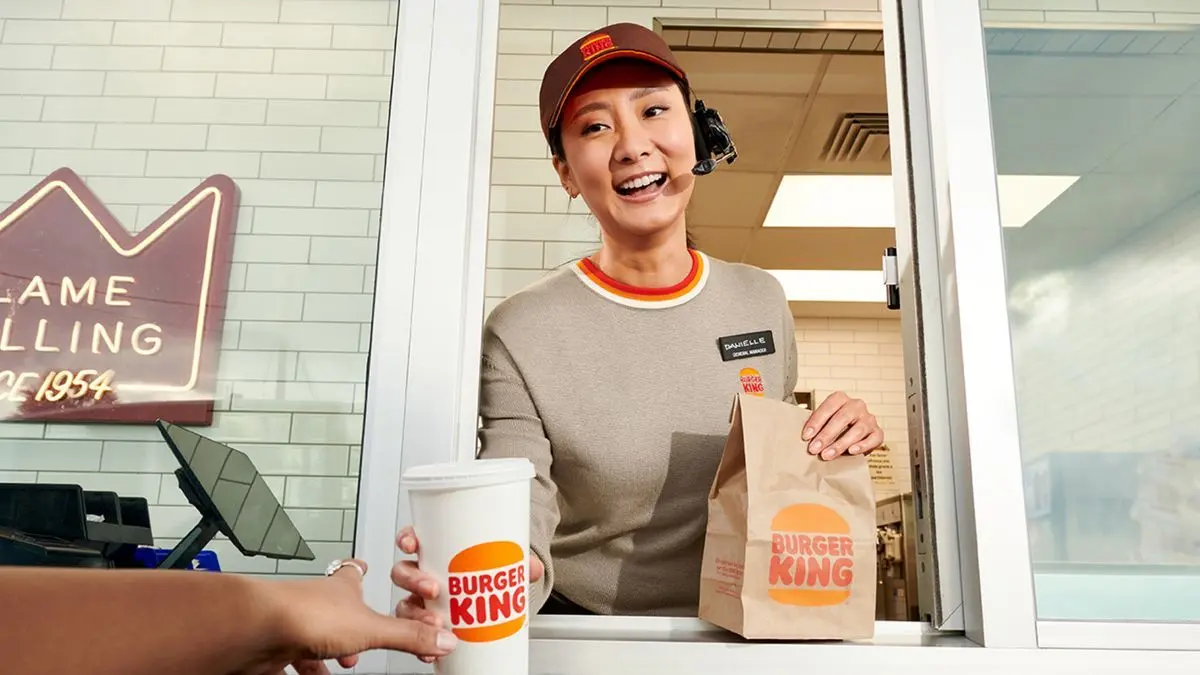
Burger King is expanding its pilot of an AI assistant that listens to employees through their headsets, marking a significant shift in how fast-food chains approach worker management and customer service. The Patty chatbot, powered by an OpenAI model, is currently being tested in 500 US restaurants as part of the broader BK Assistant platform, with plans to reach all 7,000 US locations by the end of 2026
2
4
. The system tracks specific phrases like "welcome to Burger King," "please," and "thank you" to evaluate customer interactions and generate friendliness scores for managers3
.
Source: PC Gamer
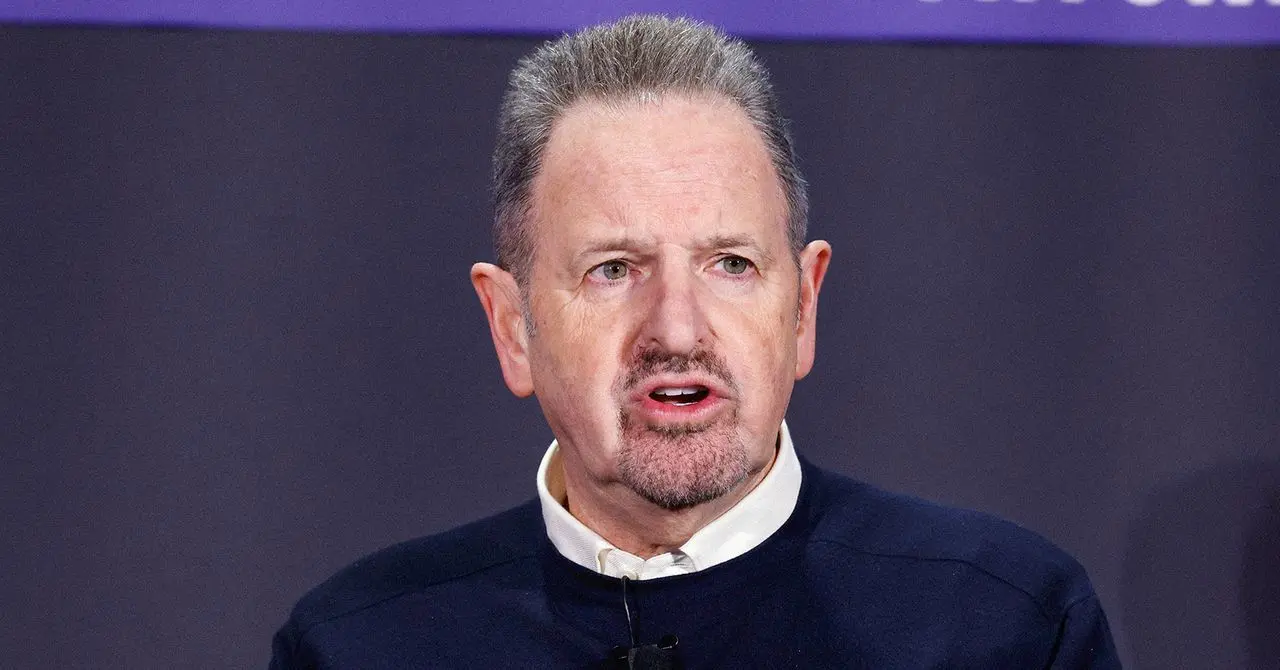
Thibault Roux, Burger King's chief digital officer, emphasized that the technology is intended as a coaching tool rather than employee surveillance. "This is all meant to be a coaching tool," Roux told The Verge, adding that the company is "iterating" on capturing the tone of conversations as well
2
. However, the initiative has sparked debate about whether monitoring employee manners crosses the line into workplace surveillance, with critics noting that tracking every interaction creates pressure beyond traditional management methods3
.BK Assistant Platform Combines Multiple Operational Functions
The Patty chatbot serves as the voice interface for the comprehensive BK Assistant platform, which integrates data from drive-thru conversations, kitchen equipment, inventory management system, and point-of-sale systems into a unified architecture built on OpenAI's technology
4
. Employees can ask Patty practical questions about recipes, such as how many strips of bacon to put on a Maple Bourbon BBQ Whopper, or request instructions for cleaning equipment like shake machines2
.
Source: New York Post
The system also handles operational efficiency by alerting managers when equipment requires maintenance or when items are out of stock. "Within 15 minutes, the entire ecosystem will remove it from stock -- whether you're walking into a restaurant to order from the kiosk, whether you're going to the drive-thru, the digital menu board will be updated," Roux explained
2
. This real-time inventory tracking has already influenced menu decisions, with the AI tracking how often employees told customers "I'm sorry, we don't have that," leading to the return of apple pie, which was removed in 20203
.Related Stories


Fast-Food Chain AI Adoption Faces Mixed Results
While Burger King positions its approach as employee-focused rather than customer-facing, the fast-food industry's broader experiments with AI have produced inconsistent outcomes. McDonald's ended its partnership with IBM in 2024 after unsuccessful trials of AI drive-thru ordering, and Taco Bell has also reconsidered its automated ordering initiatives
1
5
. Roux acknowledged that Burger King is proceeding cautiously with AI drive-thru technology, testing it in fewer than 100 restaurants. "We're tinkering with it, we're playing around with it, but it's still a risky bet," he said. "Not every guest is ready for this"2
.Restaurant Brands International, Burger King's parent company, announced the wider rollout during an investor event, where promotional materials showed managers receiving friendliness scores and employees being congratulated for meeting upselling goals
4
. Despite company assurances that the system won't track individual employees, the technology's ability to monitor and report on worker behavior has drawn strong reactions. "Imagine having a bad day, forgetting to say 'please' once, and having an AI log it for your manager to review later. That's not coaching, that's surveillance with extra steps," one social media user noted3
.The pilot program represents a test case for whether AI can enhance customer experience and operational efficiency without creating an oppressive work environment. As other chains like KFC, Pizza Hut, and Wendy's explore similar technologies, the industry is watching to see if employee-assist AI proves more successful than the customer-facing automation attempts that have largely stumbled
5
.
Source: GameReactor
References
Summarized by

Navi
[4]
Related Stories
Recent Highlights
1
Tennessee Teens Sue Elon Musk's xAI Over Grok AI-Generated Child Abuse Images
Policy and Regulation

2
Supermicro Co-Founder Indicted in $2.5 Billion Nvidia AI Chip Smuggling Scheme to China
Policy and Regulation

3
Val Kilmer to appear posthumously in As Deep as the Grave through AI-generated performance
Entertainment and Society

Recent Highlights
Today's Top Stories







Your Daily Dose of Curated AI News
Don’t drown in AI news. We cut through the noise - filtering, ranking and summarizing the most important AI news, breakthroughs and research daily. Spend less time searching for the latest in AI and get straight to action.

