ByteDance plans $14 billion Nvidia AI GPU purchase as Trump eases chip export controls to China


2 Sources
2 Sources
[1]
TikTok owner ByteDance to reportedly purchase $14 billion worth of Nvidia AI GPUs in 2026 -- Company betting on Beijing's approval following Trump admin's ease on AI export controls
Chinese tech firm ByteDance, the parent company of TikTok, is reportedly planning to spend 100 billion yuan on Nvidia's H200 AI GPUs in 2026, which translates to around $14 billion USD. This planned purchase is set to add to the growing stockpile of Nvidia GPUs the company already owns. Despite numerous setbacks, ByteDance spent 85 billion yuan on Nvidia chips throughout 2025, marking a significant increase for next year, South China Morning Post reports. ByteDance is one of the biggest local tech players in the region, rivaling Tencent when it comes to AI operations. It was recently evaluated at a market cap of $500 billion, so this spending is part of its massive AI budget for 2026. China is barred from receiving Nvidia's current-gen Blackwell products, but the Trump administration recently allowed the Hopper-based H200 GPUs to be sold to Beijing. Following this, the Chinese government even held meetings with its tech companies, including ByteDance, to carefully assess their inventory demands to permit these transactions. The situation is complex, as China itself doesn't allow foreign silicon in its data centers, and the country is pushing to achieve technological self-reliance. Companies across the board are gunning to replace Western solutions with homegrown substitutes. ByteDance is part of that race, developing two custom AI GPUs with Broadcom and TSMC, which are believed to debut in 2026. Around a year ago, ByteDance started renting cloud compute from other countries to evade U.S. sanctions that would prevent it from building servers within China. TikTok, the company's flagship IP, is essentially a massive inference engine with powerful AI needed for everything from curating algorithms (via TikTok's 'For You' page) to running ads and moderating content. The company's own GPUs are conspicuously missing from the conversation. One would imagine that if mass production was originally planned for 2026, ByteDance wouldn't need to go so hard on its Nvidia investment, but Nvidia's GPUs are critical for AI training workloads, while its homegrown chips may be used for inference. Therefore, even though custom silicon is purportedly being developed by the company for next year, ByteDance still needs chips for training; after all, it runs Doubao -- the most popular AI chatbot in China.
[2]
ByteDance to spend about $14 billion in Nvidia chips in 2026, SCMP reports
Dec 31 (Reuters) - ByteDance plans to spend about 100 billion yuan ($14.29 billion) on artificial intelligence chips from Nvidia (NVDA.O), opens new tab in 2026, a hefty increase from roughly 85 billion yuan in 2025, if the U.S. company is allowed to sell its H200 graphic processing units in China, the South China Morning Post reported on Wednesday. Reuters could not immediately verify the report. ($1 = 6.9961 Chinese yuan renminbi) Reporting by Gnaneshwar Rajan in Bengaluru; Editing by Rashmi Aich Our Standards: The Thomson Reuters Trust Principles., opens new tab
Share
Share
Copy Link
ByteDance, TikTok's parent company, is set to spend $14 billion on Nvidia H200 AI GPUs in 2026, marking a significant jump from $12 billion in 2025. The massive investment hinges on Beijing's approval following the Trump administration's decision to ease export restrictions on Hopper-based chips to China, even as the company develops its own custom silicon.
ByteDance Plans Massive $14 Billion Investment in Nvidia Chips
Bytedance is preparing to invest in Nvidia chips with an unprecedented commitment of 100 billion yuan, approximately $14 billion, for 2026
1
. TikTok's parent company spent roughly 85 billion yuan on Nvidia throughout 2025, making the planned 2026 purchase a hefty increase that underscores the tech giant's aggressive AI expansion strategy2
. This $14 billion investment positions ByteDance as one of the largest buyers of AI GPUs globally, reflecting the company's determination to maintain its competitive edge in artificial intelligence despite complex geopolitical constraints.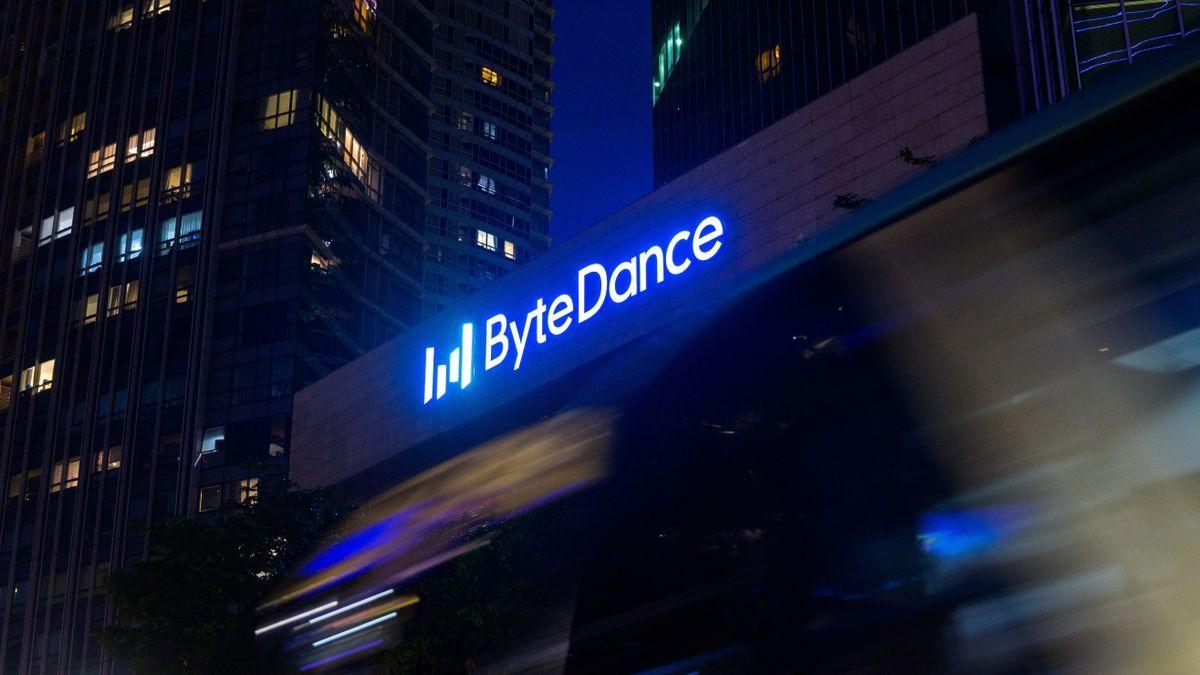
Source: Tom's Hardware
Trump Administration Eases US Export Controls on Nvidia H200 AI GPUs
The massive purchase hinges on regulatory approval from both Washington and Beijing. While China remains barred from receiving Nvidia's current-generation Blackwell products, the Trump administration recently permitted sales of Hopper-based Nvidia H200 AI GPUs to Beijing
1
. This shift in US export controls represents a significant policy change that could reshape the China AI chip market. Following the Trump administration's decision, the Chinese government convened meetings with major tech companies, including ByteDance, to carefully assess their inventory demands and evaluate whether to permit these substantial graphic processing units transactions1
. South China Morning Post first reported the planned purchase, highlighting the delicate balance between technological ambition and regulatory reality2
.
Source: Reuters
ByteDance AI Operations Demand Advanced Computing Power
ByteDance AI operations require massive computational resources to power its diverse portfolio of AI-driven services. The company, recently valued at a $500 billion market cap, rivals Tencent as one of the biggest tech players in the region when it comes to artificial intelligence capabilities
1
. TikTok itself functions as a massive inference engine, relying on powerful AI for everything from curating TikTok algorithms on the 'For You' page to running targeted advertisements and moderating content across its platform1
. Beyond TikTok, ByteDance operates Doubao, China's most popular AI chatbot, which demands substantial processing power for training workloads1
.Related Stories

Balancing Custom Silicon Development with Nvidia Dependency
The situation grows more complex as ByteDance simultaneously pursues technological self-reliance through custom silicon development. The company is developing two proprietary AI GPUs in partnership with Broadcom and TSMC, expected to debut in 2026
1
. Yet the substantial Nvidia investment suggests these homegrown chips will likely focus on inference tasks rather than the intensive training workloads where Nvidia's GPUs remain critical1
. This dual approach reflects broader tensions in China's tech sector, where Beijing pushes companies to replace Western solutions with domestic alternatives, even as China itself prohibits foreign silicon in its data centers1
. Around a year ago, ByteDance began renting cloud compute from other countries to circumvent U.S. sanctions that would prevent it from building servers within China, demonstrating the company's willingness to find creative solutions to maintain access to advanced computing resources1
.References
Summarized by

Navi
Related Stories
ByteDance's $7 Billion Nvidia Chip Strategy: Navigating US Export Controls
31 Dec 2024•Business and Economy

ByteDance's $20 Billion AI Investment Plan: Boosting Capabilities Amid Global Challenges
22 Jan 2025•Business and Economy

ByteDance Gains Access to 36,000 Nvidia Blackwell GPUs Through Malaysia Cloud Partner
13 Mar 2026•Technology
Recent Highlights


Recent Highlights
Today's Top Stories









Your Daily Dose of Curated AI News
Don’t drown in AI news. We cut through the noise - filtering, ranking and summarizing the most important AI news, breakthroughs and research daily. Spend less time searching for the latest in AI and get straight to action.

