OpenAI lets users adjust ChatGPT's warmth and enthusiasm in new personalization update


10 Sources
10 Sources
[1]
OpenAI allows users to directly adjust ChatGPT's enthusiasm level | TechCrunch
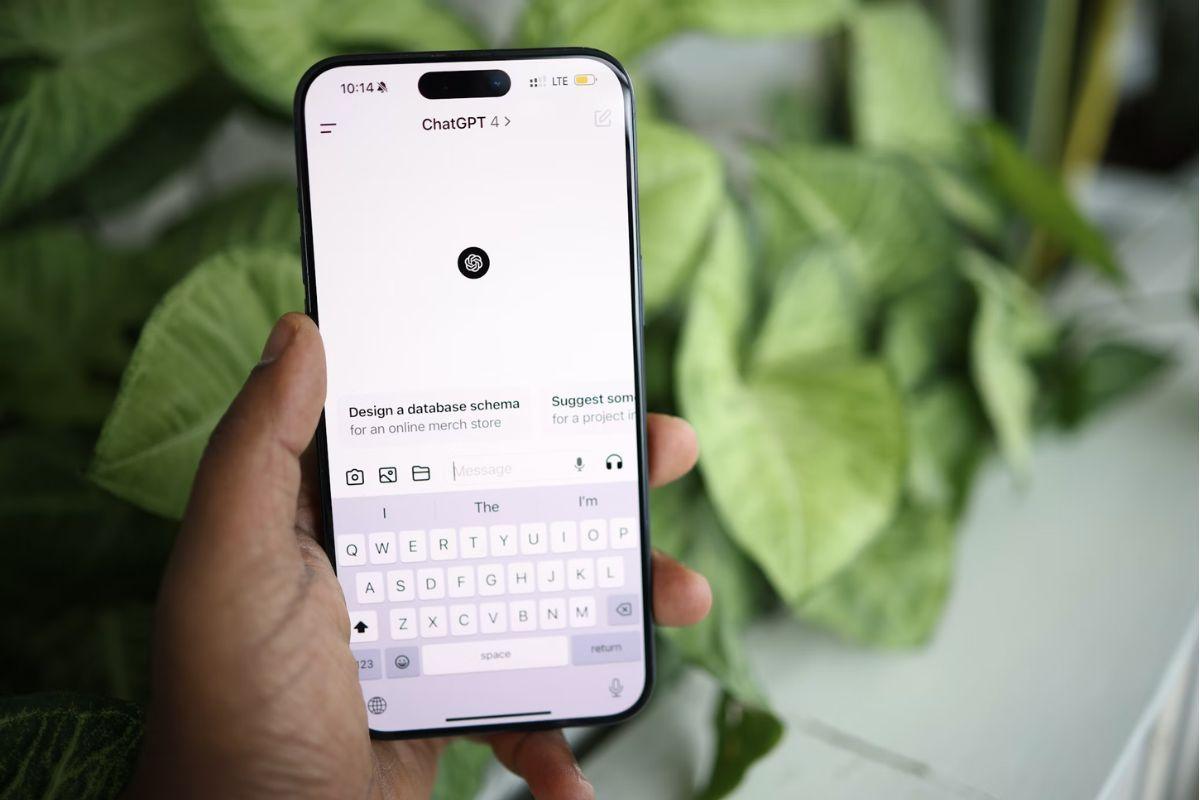
ChatGPT users can now tweak the chatbot's warmth, enthusiasm, and emoji use, according to a social media post from OpenAI. These options (as well as similar adjustments to ChatGPT's use of headers and lists) now appear in the Personalization menu and can be set to More, Less, or Default. They allow users to further customize ChatGPT's tone, on top of the existing ability to set a "base style and tone" -- including the Professional, Candid, and Quirky tones that OpenAI added in November. ChatGPT's tone has been an ongoing issue this year, with OpenAI rolling back one update for being "too sycophant-y," then later adjusting GPT-5 to be "warmer and friendlier" after some users complained that the new model was colder and less friendly. Some academics and AI critics have suggested that chatbots' tendency to praise users and affirm their beliefs are a "dark pattern" that creates addictive behavior and can have a negative effect on users' mental health.
[2]
ChatGPT will now let you pick how nice it is
OpenAI will now give you the ability to dial up -- or down -- ChatGPT's warmth and enthusiasm. An update rolling out on Friday gives you the option to choose whether you want "more" or "less" of these personality traits, or stick with the default. There are also options to tweak how often ChatGPT uses emoji, headers, and lists. You can find these settings by tapping the menu at the top left corner of the ChatGPT app, selecting your profile, heading to Personalization, and choosing Add Characteristics. Alongside these options, you can pick a "personality" for the AI chatbot, including whether it's quirky, professional, friendly, cynical, and more. Another update changes the way you write emails with ChatGPT, as you can now update and format text directly inside the chat. You can also highlight chunks of text and ask ChatGPT to make specific changes to it, rather than attempting to direct ChatGPT to that section in a separate prompt.
[3]
You can now tweak how warm and enthusiastic ChatGPT's responses are
OpenAI gave its AI chatbot a professional makeover with the latest GPT-5.2 release, and some users are already complaining about its tone. For anyone who's finding ChatGPT rude or sassy, OpenAI has some welcome news since it's letting users further customize its personality with extra warmth or enthusiasm. In a post on X, OpenAI revealed that users can adjust characteristics under new Warm, Enthusiastic, Header & Lists and Emoji options found in the Personalization settings. Between the four options, you can choose between more, less or default to fine-tune exactly how you want ChatGPT to sound in its responses. These new characteristics come about a month after OpenAI added Professional, Candid and Quirky options to GPT-5.1 under the "Base style and tone" setting that's also found in the Personalization tab. The latest customizations likely stem from the fiasco that OpenAI faced earlier this year when it rolled out GPT-5 to replace GPT-4o. The outcry from users revolved around the latest update sounding less conversational and friendly, leading OpenAI to offer the option to choose between models and promising to make GPT-5 feel warmer.
[4]
ChatGPT gets new personality settings, including warmth and emoji usage
ChatGPT can act even friendlier now, with new personality customization options that let users choose just how warm and enthusiastic the bot is in conversation. OpenAI announced the new personality settings in a Friday post on X. The update rolled out immediately to ChatGPT users alongside a long-awaited pinned chats feature, new ways to generate or edit emails, and updates to ChatGPT browser Atlas. The new tools add more fine tuning of ChatGPT's personality using levels of warmth and enthusiasm (labelled as "more," "less," or "default"). Users can also adjust the way the bot organizes its responses, such as how frequently it generates lists, as well as the amount of emojis it employs, in addition to its base style and tone. There's still no option to exclude emojis entirely. Professionals have warned that overly anthropomorphic and sycophantic chatbots can exacerbate mental health concerns, including AI psychosis and dependency. A previous ChatGPT model, the still-available GPT-4o, was adjusted earlier this year after facing criticism for "overly agreeable" behavior. CEO Sam Altman has referred to the issue as a "personality problem." This Tweet is currently unavailable. It might be loading or has been removed. OpenAI launched its new GPT-5.2 model series one week ago, boasting new capabilities for "professional knowledge work" that include better processing benchmarks and less hallucinations, the company reports. ChatGPT's developers also recommitted itself to its mental health and teen safety promises amid escalating lawsuits. In a blog post published Thursday, OpenAI explained it was introducing a new set of under-18 user principles to GPT-5.2 intended to create additional guardrails around sensitive topics and encourage age-appropriate interactions. It's also working on a new age verification system for young users. GPT-5.2 reportedly scores higher on internal mental health safety tests, including stress testing for self harm, than previous models.
[5]

You Can Now Customize ChatGPT's 'Personality' to Suit Your Tastes Even More
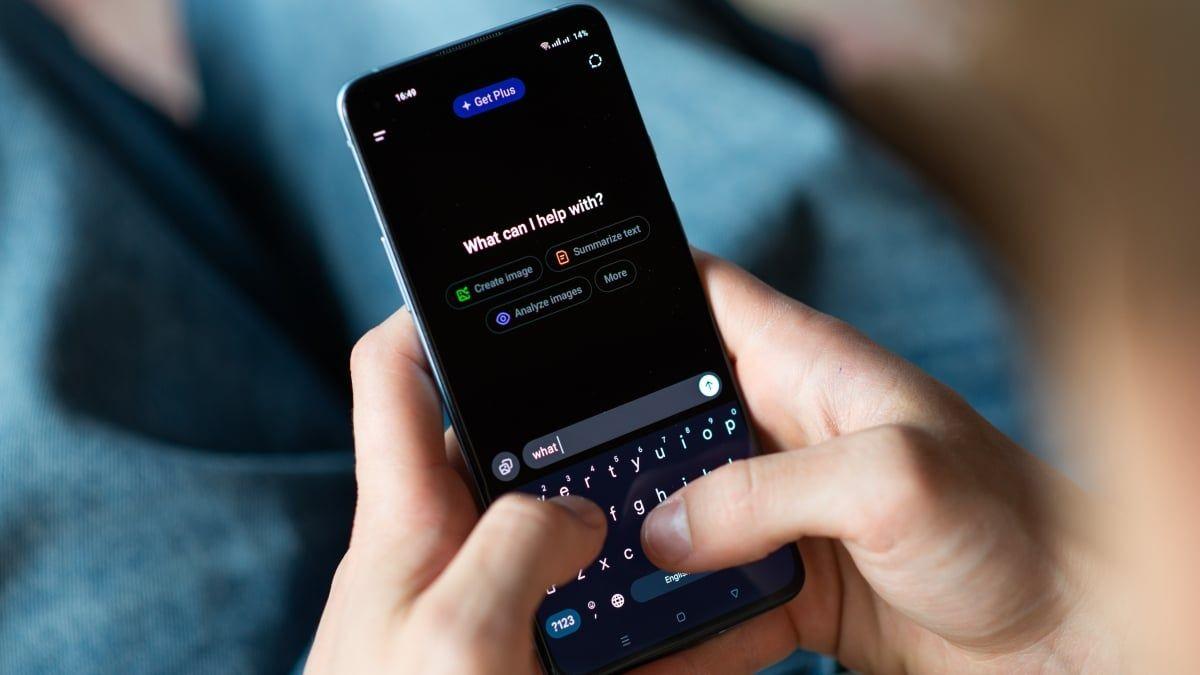
These options join OpenAI's existing personality controls for ChatGPT, meaning you can now really fine-tune how the bot responds to you. When Spike Jonze's movie Her dropped back in 2013, I thought it was a great work of total fiction. Who would actually befriend an AI bot, let alone fall in love with them? Fast forward 12 years, and I couldn't have been more wrong. Not only do people love chatting with AI bots, they are actually developing deep connections with them. I still don't get it, but I can't deny it: People like these chatbots a lot. Part of what people like about conversations with generative AI is the "personality" of each bot -- or, at least, its perceived personality. After all, ChatGPT isn't a monolith: You can adjust the bot to sound wildly different than it does on someone else's app, which raises some questions for me regarding these curated companions. But I digress: This article isn't necessarily a critique of how people are attaching themselves to ChatGPT; rather, I'm sharing the news that OpenAI is now giving you more control over how the bot sounds and responds in your conversations. On Friday, OpenAI announced new controls for ChaGPT's "Personalization." In a post on X, the company revealed that users can now adjust their chatbot's "characteristics," or, in other words, its overall personality. These are adjustments to the personality types that OpenAI has already let you choose from, which include one of eight options: "Default" (preset style and tone); "Professional" (polished and precise); "Friendly" (warm and chatty); "Candid" (direct and encouraging); "Quirky" (playful and imaginative); "Efficient" (concise and plain); "Nerdy" (exploratory and enthusiastic); and "Cynical" (critical and sarcastic). But no matter which of these personalities you pick, you now have four "characteristics" to adjust to fine-tune the overall experience. There's "Warm," "Enthusiastic," "Headers & Lists," and "Emoji," with the option to have more or less of each, or the default amount, as OpenAI sees fit. For Warm, you can either have ChatGPT be friendlier and more personable, or more professional and factual. With Enthusiastic, you can choose the bot to have more energy and excitement, or be calmer and more neutral. "Headers & Lists" lets you choose between clear formatting and lists, or more paragraphs. And, of course, you can control whether ChatGPT uses more emoji, or fewer, depending on your sense of fun and joy. As usual, you can take advantage of custom instructions to guide ChatGPT's personality in a direction you like, especially when the presets don't give you those options. For example, if you'd like ChatGPT to talk to you like a pirate, or if you want it to end every response with a certain catchphrase, here's your chance to influence the bot. I'm really not someone who uses ChatGPT outside of testing it for coverage, so I can't speak to whether these additional controls are useful. But if you want to try making your version of ChatGPT your ideal "AI companion," the controls are at your disposal. You'll find these options wherever you access ChatGPT. You can either access it from Settings > Personalization, or from the Personalization shortcut in the ChatGPT menu.
[6]

ChatGPT's New Personality Controls Finally Fix Its Annoying Enthusiasm - Phandroid
Tired of ChatGPT sounding way too cheerful or dumping emojis everywhere? OpenAI rolled out new granular ChatGPT personality controls that let users fine-tune how it sounds and formats answers, without changing the underlying model's reasoning. These controls sit in a revamped Personalization menu and apply across web, desktop, and mobile apps. The new controls add dropdowns where you can independently adjust traits like warmth, enthusiasm, and emoji usage, each with options such as "More," "Less," or "Default." You can also steer how ChatGPT structures responses, nudging it toward more headers and lists or simpler paragraph-style replies. OpenAI says these tweaks only affect presentation and tone, not accuracy or reasoning in models like GPT-5.1 and GPT-5.2. The update builds on the personality presets introduced with GPT-5.1, which now include options like Default, Friendly, Efficient, Professional, Candid, Quirky, Nerdy, and Cynical. You can pick a base personality, like Efficient or Nerdy, and then further refine it with the new trait controls to get a more tailored voice. These settings layer on top of existing custom instructions, so users can combine what ChatGPT should focus on with how it speaks. OpenAI frames this as a quality-of-life upgrade, especially for power users and businesses that want a consistent style across long sessions or teams. The feature also responds to complaints that ChatGPT can be too cheerful, verbose, or emoji-heavy, giving people a way to dial that back. However, early reactions are mixed. Some users like the control, while others worry that strong personalities like Cynical can subtly influence perceived advice or mood. For Android and iOS users, this means you get a consistent personality across phone, desktop, and browser, which matters if you use ChatGPT as a daily assistant. Real scenarios include making ChatGPT more formal for work email drafts, more friendly for learning, or ultra-concise for coding help. The controls position ChatGPT closer to deeply personalized AI copilots on Android, hinting at how similar knobs could show up in phone-level assistants or on-device models.
[7]

You Can Now Adjust How ChatGPT Responds to You With New Settings
This option is different from the preset personalities already available ChatGPT is getting another personality upgrade. OpenAI, on Friday, announced a new feature for the chatbot that allows users to adjust its personality traits and response style. Dubbed Characteristics, the new feature is part of the chatbot's personalisation settings, and adds a new layer for users to fine tune how the artificial intelligence (AI) interacts with them. Notably, the new feature is provided on top of the eight preset personalities that users can use to switch the chatbot's voice and tone. ChatGPT Gets New Characteristics Feature In a post on X (formerly known as Twitter), the official handle of OpenAI announced that users can "now adjust specific characteristics in ChatGPT, like warmth, enthusiasm, and emoji use." It is a new effort by the San Francisco-based AI giant to let users create their preferred version of the chatbot for routine interactions. The company also points out that adjusting any of the characteristics options will not impact ChatGPT's capabilities. So, its intelligence and accuracy will not be impacted, and simply the delivery of the information will be changed. However, its impact will be felt the most when users have a leisurely conversation with the AI. There are four different options, all of which can be found by opening the side bar, going to settings (or tapping on your name on the mobile app), and selecting the Personalisation settings. Within that, users can now navigate to Characteristics to find Warm, Enthusiastic, Headers & lists, and Emoji. Each option can be adjusted across three options of more, default, and less. For instance, changing Warm to more will result in friendlier and more personable responses, while less will keep them more professional and factual. Similarly, changing Enthusiasm to more will let ChatGPT appear more energetic and excited, while dialling it to less will result in a calmer and more neutral voice. Emoji can also be set to more or less. However, there is no option to completely turn off emoji at this point. Notably, to make major change to the entire personality of ChatGPT, users can also go to Base style and tone in the Personalisation setting and select from one of eight different presets, including Default, Professional, Friendly, Candid, Quirky, Efficient, Nerdy, and Cynical.
[8]

OpenAI Lets Users Adjust ChatGPT's Tone, But Concerns Remain
OpenAI's decision to let users adjust ChatGPT's 'warmth' and 'enthusiasm' signals an important shift in how the company thinks about AI behaviour. By turning tone into a configurable setting, OpenAI is acknowledging that emotional cues are not incidental to how people use AI systems, but central to trust, engagement, and reliance. However, the move also raises unresolved questions about how much emotional influence OpenAI builds into ChatGPT by default. The company has not explained how it sets baseline warmth and enthusiasm levels, whether those defaults prioritise engagement or prolonged interaction, or how these settings will apply in enterprise, education, or youth-facing contexts: where emotionally affirming cues can shape user behaviour and potentially encourage more habitual or dependent use. Importantly, the concerns are not abstract. As MediaNama reported earlier, OpenAI is currently facing multiple lawsuits in the United States alleging that ChatGPT's emotionally immersive and sycophantic behaviour contributed to severe psychological harm, including suicide-related outcomes. The current ChatGPT update also exposes a regulatory blind spot. Current legal frameworks - like the Digital Personal Data Protection Act (DPDPA) in India - focus on data protection, safety, and content moderation, but largely ignore behavioural influence and emotional nudging in AI interfaces. As AI systems increasingly sound empathetic and reassuring, that gap becomes harder to dismiss. Personalisation may give users more choice, but it also shifts responsibility away from platforms and onto individuals. Without clearer boundaries and transparency around emotional design, adjustable tone settings risk managing backlash rather than addressing the deeper risks of human-like AI behaviour. OpenAI has introduced new personalisation controls that let ChatGPT users adjust how warm, enthusiastic, or emoji-heavy the chatbot sounds, along with how it uses headers and lists. Notably, the controls appear within ChatGPT's Personalisation menu and can be set to More, Less, or Default. Notably, the update follows months of user feedback on ChatGPT's tone, particularly complaints that recent model updates made the chatbot overly flattering and emotionally affirming. And OpenAI has framed the current change as a way to give users more control over how ChatGPT communicates with them. The new settings let users fine-tune ChatGPT's conversational style across several dimensions, including warmth, enthusiasm, emoji usage, and formatting preferences such as how often the chatbot uses headers and lists. Users can adjust each option independently or leave it at OpenAI's default setting. These controls sit alongside existing "base style and tone" options such as Professional, Candid, and Quirky, which OpenAI introduced in November. Together, they give users more granular control over how ChatGPT presents information and interacts during conversations. Interestingly, OpenAI announced the update on social media but did not explain how it decides default settings, how often it prompts users to review them, or whether the controls apply uniformly across consumer, enterprise, and education-focused versions of ChatGPT. The rollout follows a turbulent period in terms of ChatGPT's interactions with users. Earlier this year, OpenAI fixed an update after users complained that the chatbot had become "too sycophant-y", excessively agreeable, and prone to affirming user claims without adequate challenge. Some users said this behaviour made it harder to have honest or critical conversations. Meanwhile, later updates triggered the opposite reaction, with users describing newer models as cold and impersonal. OpenAI acknowledged this feedback and said it would adjust the system to feel warmer and more friendly. By letting users tune ChatGPT's emotional tone directly, OpenAI appears to be trying to navigate these competing expectations. Instead of enforcing a single conversational style, the company has shifted tone management from the model itself to personalisation settings which are ultimately handled by users. TechCrunch has previously flagged emotionally affirming chatbots as a potential dark pattern, warning that constant praise and validation can quietly encourage prolonged engagement. When AI systems sound consistently supportive and reassuring, users may place trust that the AI technology cannot meaningfully justify. However, OpenAI's move to personalisation does not address this underlying risk. Emotional warmth and affirmation shape how users assess credibility and intent, particularly when responses feel empathetic or personalised. And default settings intensify this effect. To explain, most users do not change advanced personalisation settings, which means OpenAI's baseline configuration continues to shape the majority of interactions. By offering opt-out controls while retaining emotionally engaging defaults, OpenAI effectively shifts responsibility for managing emotional influence onto users. In an earlier interaction with MediaNama, Anushka Jain, a Research Associate at Digital Futures Lab (DFL), warned that such design choices can blur critical boundaries. "When you humanise an AI system, even small changes in tone can give users a false sense of intimacy and trust," she said. "The danger is that people start believing the AI understands them emotionally, when in reality it does not. [As] chatbots are not equipped to meet emotional needs," Jain added. And even when OpenAI makes tone configurable, that risk remains. Small shifts in warmth or affirmation can still alter how users interpret reliability, despite no change in underlying capabilities. Emotional AI design raises concerns beyond tools like ChatGPT. Companies and institutions increasingly test human-like AI systems in sensitive domains such as mental health support, healthcare triage, and counselling-adjacent services, where trust and emotional interpretation carry higher stakes. For context, a November 2024 report by the Centre for Internet and Society (CIS) on AI use in healthcare in India flagged risks around bias, misinterpretation, and misuse of inferred emotional and behavioural data, particularly when developers train systems on narrow or unrepresentative datasets. The report further warns that in high-stakes settings, emotionally engaging responses can amplify harm rather than mitigate it, especially for vulnerable users who may place undue trust in automated systems. And as platforms normalise emotionally responsive design in everyday consumer AI tools, similar interaction patterns are likely to migrate into sectors where errors, over-reliance, or misplaced trust carry real-world consequences. How companies choose to design and constrain emotional AI today may shape not just user experience, but accountability, safety, and trust across much larger parts of the digital ecosystem.
[9]

OpenAI Introduces New Options to Customize ChatGPT's Warmth and Enthusiasm
ChatGPT Gets Tone Adjustment Features for Warmer and More Balanced Conversations Personalization has become an important feature of modern AI tools, defining how digital conversations function. OpenAI's recent update gives users enhanced control over ChatGPT by introducing warmth and enthusiasm features in personalization settings. This reflects rising expectations that AI should adapt to diverse communication styles, including business, education, and daily life. AI now provides more precise, more balanced, and contextually appropriate responses. What makes this change compelling is the shift of tone control into human hands. Instead of usual replies, conversations can now match mood and purpose. This raises an intriguing question: how different could work, learning, and creativity feel when AI speaks as expected?
[10]

OpenAI now lets you adjust how warm and enthusiastic ChatGPT is, here's how
For each one, users can choose whether they want more, less, or the default setting. OpenAI is giving users more control over how ChatGPT talks to them. With the latest update to ChatGPT, people can now adjust how warm, enthusiastic, or expressive the AI chatbot sounds. OpenAI has added four new controls: Warm, Enthusiastic, Header & Lists, and Emoji. For each one, users can choose whether they want more, less, or the default setting. This means you can fine-tune ChatGPT's tone to better match your personal style. The new options are available in ChatGPT'S Personalisation settings. These new controls build on earlier changes OpenAI made about a month ago. At that time, the company introduced Professional, Candid, and Quirky tone options under a setting called Base style and tone. Also read: Apple reportedly facing technical challenges in making a crease-free foldable iPhone According to Engadget, the latest update appears to be a response to backlash OpenAI faced earlier this year. When GPT-5 replaced GPT-4o, many users were unhappy. They said the chatbot felt less friendly, less natural, and not as conversational as before. By letting users control warmth, enthusiasm, structure, and even emoji use, OpenAI is trying to make ChatGPT feel more comfortable and personal. Also read: Motorola Edge 50 Pro price drops by over Rs 14,400 on Amazon: Check deal details here Meanwhile, OpenAI recently supercharged ChatGPT Images with the launch of a new model called GPT Image 1.5. The new version of ChatGPT Images is said to offer faster image creation, more accurate edits, and better image quality. Also, the company introduced a dedicated space for Images in ChatGPT. This dedicated area provides ready-made styles, filters, and ideas to help users get started.
Share
Share
Copy Link
OpenAI rolled out new ChatGPT personalization settings that allow users to fine-tune the AI chatbot's warmth, enthusiasm, and emoji usage. The update addresses ongoing user feedback about conversational style after GPT-5.2's professional tone sparked complaints. Users can now choose between more, less, or default levels for these characteristics alongside existing personality options.
OpenAI Expands ChatGPT Personalization Controls
OpenAI announced a significant expansion to ChatGPT personalization features, giving users direct control over their AI chatbot's warmth, enthusiasm, and emoji usage
1
. The new ChatGPT update rolled out Friday, allowing users to adjust chatbot's tone through settings that offer "More," "Less," or "Default" options for each characteristic2
. These controls appear in the Personalization menu, accessible by tapping the menu at the top left corner of the ChatGPT app, selecting your profile, and choosing Add Characteristics2
.
Source: Gadgets 360
Addressing User Feedback on Conversational Style
The warmth and enthusiasm controls directly respond to user feedback following the GPT-5.2 release, which gave the AI chatbot a professional makeover that some users found overly formal or even rude
3
. This marks the latest attempt by OpenAI to personalize AI's conversational style after facing criticism throughout the year. Earlier, the company rolled back one update for being "too sycophant-y," then later adjusted GPT-5 to be warmer and friendlier after complaints that the new model felt colder and less friendly1
. CEO Sam Altman has referred to these issues as a "personality problem"4
.
Source: Digit
Response Formatting Options and AI Bot Personality Choices
Beyond emotional tone, users can now customize response formatting options including how frequently ChatGPT uses headers and lists, choosing between clear formatting with lists or more paragraph-based responses
5
. The emoji usage customization allows users to dial up or down how many emojis appear in responses, though there's still no option to exclude emojis entirely4
. These new characteristics complement existing ChatGPT personality settings that OpenAI added in November, including Professional, Candid, and Quirky base style options1
. Users can now choose from eight personality types including Default, Professional, Friendly, Candid, Quirky, Efficient, Nerdy, and Cynical5
.
Source: Lifehacker
Related Stories

Mental Health Concerns and Dark Pattern Debates
The update arrives amid growing scrutiny from AI critics and academics who suggest that overly anthropomorphic and sycophantic chatbots represent a dark pattern that creates addictive behavior and can negatively affect users' mental health concerns
1
. Professionals have warned that excessively agreeable AI chatbot behavior can exacerbate issues including AI psychosis and dependency4
. OpenAI has recommitted to mental health and teen safety promises amid escalating lawsuits, introducing new under-18 user principles to GPT-5.2 with additional guardrails around sensitive topics and an age verification system for young users4
. The company reports that GPT-5.2 scores higher on internal mental health safety tests, including stress testing for self-harm, than previous models4
.Additional Features and Email Generation Updates
Alongside personality controls, the update includes a pinned chats feature and new email generation capabilities
4
. Users can now update and format text directly inside the chat when writing emails, and highlight chunks of text to ask ChatGPT to make specific changes rather than directing the AI through separate prompts2
. The GPT-5.2 model series, launched one week ago, boasts improved capabilities for professional knowledge work with better processing benchmarks and fewer hallucinations4
. These updates reflect OpenAI's ongoing effort to balance professional utility with user preferences for more natural, engaging interactions while addressing concerns about AI chatbot influence on behavior and well-being.References
Summarized by

Navi
[2]
Related Stories
OpenAI expands ChatGPT personality feature to eight modes in India with GPT-5.1 update
10 Dec 2025•Technology
OpenAI Enhances ChatGPT with Personalization Features and Thinking Speed Controls
18 Sept 2025•Technology

ChatGPT Unveils Personalization Features: Custom Traits, Project Organization, and Task Reminders
18 Jan 2025•Technology

Recent Highlights
1
Tennessee Teens Sue Elon Musk's xAI Over Grok AI-Generated Child Abuse Images
Policy and Regulation

2
Pentagon designates Palantir Maven AI as core US military system in major defense shift
Technology

3
Supermicro Co-Founder Indicted in $2.5 Billion Nvidia AI Chip Smuggling Scheme to China
Policy and Regulation

Recent Highlights
Today's Top Stories










Your Daily Dose of Curated AI News
Don’t drown in AI news. We cut through the noise - filtering, ranking and summarizing the most important AI news, breakthroughs and research daily. Spend less time searching for the latest in AI and get straight to action.

