Germany Opens €1 Billion AI Data Center to Boost Digital Sovereignty and Industrial AI


3 Sources
3 Sources
[1]
German Finance Chief Says New AI Center Will Bolster Sovereignty
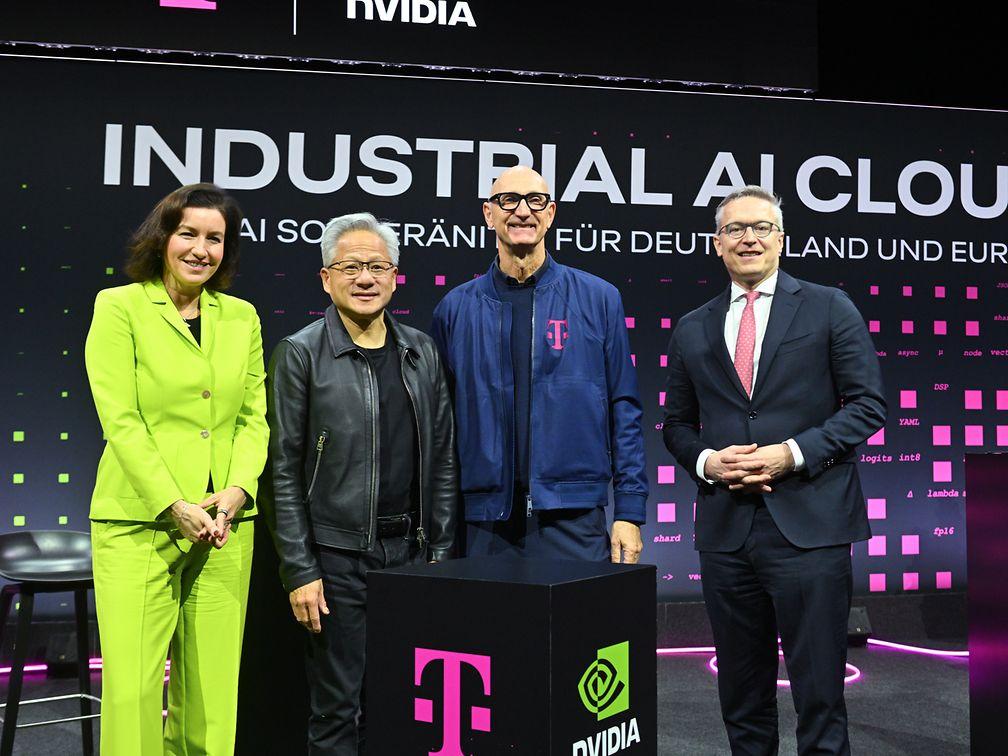
Deutsche Telekom said the new site will boost Germany's AI computing power and European business leaders have called on the continent to lean into its strengths in manufacturing rather than compete with the US and China on consumer-facing technology. A €1 billion ($1.2 billion) Munich data center built by Deutsche Telekom AG and Nvidia Corp. will help Germany become less dependent on digital infrastructure outside Europe, according to Finance Minister Lars Klingbeil. Klingbeil, who is also the vice chancellor, attended the official opening ceremony for the center on Wednesday, one of Europe's largest such facilities for technology that can power complex artificial-intelligence systems. "For me, it's particularly important that technological leadership must be at the core of Germany's future business model," Klingbeil said according to a press release. "This is an important pillar for the German and European AI ecosystem," he added. "Not only do innovative companies benefit from this, it also strengthens digital sovereignty." SAP SE is supplying platforms and applications for the center. The involvement of major German corporates and the high-level political endorsement is a sign of how Europe's biggest economy is committed to developing an AI ecosystem to try to compete with rivals in the US and China. Deutsche Telekom said last year the new site will boost Germany's AI computing power by around 50%. "We are proving here that Europe can do AI," Deutsche Telekom Chief Executive Officer Tim Höttges said Wednesday in a statement. European business leaders have called on the continent to lean into its strengths in manufacturing rather than compete with the US and China on consumer-facing technology. The new initiative is building what Nvidia and its partners call an "industrial AI cloud," which differs from the massive data centers being built in the US used to create large language models. The German site will host AI models and help connect them to industrial data sources, attempting to speed up industry's adoption of the technology. However, the size of the investment also highlighted the gap between Europe and the US. Tech giants like Microsoft Corp. and Alphabet Inc.'s Google and startups like OpenAI are spending hundreds of billions of dollars to build AI computing capacity. Read More About AI in Europe: Nvidia, Deutsche Telekom to Develop Industrial AI in Germany Infineon Looks to AI for Growth as Auto Demand Slump Drags On SAP Ousted as Biggest German Firm as Miss Wipes Out €39 Billion
[2]
Germany launches one of Europe's largest AI factories
As the EU looks to build its own AI infrastructure and reduce reliance on foreign providers, one of Europe's largest AI computing hubs has opened in Munich. Germany has launched one of Europe's largest AI factories, hoping to position the country - and the European Union - as a major player in sovereign artificial intelligence(AI). Named the "Industrial AI Cloud" and developed by Deutsche Telekom with NVIDIA and data centre partner Polarise, it was unveiled in Munich on Wednesday after around six months of construction. The facility has been designed to provide high-performance AI computing for businesses, researchers and public institutions, while keeping data and operations under European jurisdiction. Telekom CEO Tim Höttges framed the project as a test of Europe's ambitions, saying: "We are investing in AI, in Germany as a business location and in Europe... We are proving here that Europe can do AI," said Telekom CEO Tim Höttges. The AI factory is powered by nearly 10,000 NVIDIA Blackwell GPUs, delivering up to 0.5 exaFLOPS of computing power - enough, Telekom says, for all 450 million EU citizens to use an AI assistant simultaneously. Crucially, the infrastructure operates under strict German and EU data protection rules, a key pillar of what policymakers describe as digital sovereignty. Germany's Vice President and Finance Minister Lars Klingbeil said the project showed private investment was matching political ambition, adding that "technological leadership must be at the core of Germany's future business model" and that the factory "strengthens digital sovereignty". The project also highlights the so-called "Deutschland stack", developed with SAP, which combines cloud infrastructure, business software and AI tools into a single platform for companies and public institutions. Industrial use cases are central to the initiative. German tech company Siemens is integrating parts of its SIMCenter simulation portfolio into the AI Cloud, and a total of around 10 companies are already part of the new AI system. Siemens executive Cedrik Neike said the setup "drastically reduce[s] our customers' simulation times," adding that "this is not a promise for the future... it is already a reality." The factory also aims to be environmentally sustainable - it runs entirely on renewable energy, uses river water for cooling and plans to feed waste heat back into the surrounding Munich district. The Industrial AI Cloud is now open to industry, startups, research institutions, and public authorities.
[3]
Deutsche Telekom Launches Industrial AI Cloud
The Bonn-based company has equipped the facility in Munich with 10,000 specialized processors from Nvidia. The necessary software is provided by Walldorf-based SAP. Some companies, such as Munich robotics manufacturer Agile Robots, have already booked computing capacity at the AI factory. As a result, the facility is currently operating at 30 percent capacity, explained Ferri Abolhassan, head of Telekom subsidiary T-Systems, which is responsible for the cloud business. He hopes to quickly find customers for the remaining 70 percent. If needed, the Munich facility can be expanded. The investment volume for the AI factory currently stands at one billion euros. According to Höttges, however, this is only the beginning. His company is bidding to build an AI gigafactory. In total, five of these particularly powerful data centers for artificial intelligence (AI) are to be built in Europe. Each of them is expected to use several times the number of processors installed in Munich. Gigafactories are used for training and operating extensive AI systems. A few days ago, Telekom also announced that its traditional cloud offerings would soon be technologically on par with major US providers Amazon Web Services (AWS), Microsoft, and Google. "Until now, companies had to choose: maximum functionality from overseas or European sovereignty," said T-Systems CEO Abolhassan. The "T Cloud Public" enables fully EU-compliant data processing without access by third countries. It can also be seamlessly combined with the industrial AI cloud. (Reporting by Hakan Ersen, edited by Ralf Banser. For inquiries, please contact our editorial team at [email protected] (for politics and economy) or [email protected] (for companies and markets).)
Share
Share
Copy Link
Deutsche Telekom, Nvidia, and SAP have launched one of Europe's largest AI computing facilities in Munich. The €1 billion Industrial AI Cloud aims to reduce European dependence on foreign digital infrastructure while boosting Germany's AI computing power by 50%. The facility operates at 30% capacity and represents the first step toward building AI gigafactories across Europe.
Germany Launches Industrial AI Cloud to Challenge US and China
Germany has unveiled one of Europe's largest AI data center facilities, marking a decisive move toward digital sovereignty and reduced dependence on foreign technology infrastructure. The Industrial AI Cloud, built by Deutsche Telekom in partnership with Nvidia and SAP, officially opened in Munich on Wednesday after approximately six months of construction
2
. The €1 billion ($1.2 billion) investment represents a critical pillar in Europe's efforts to build a competitive AI ecosystem that can stand alongside rivals in the US and China1
.
Source: Market Screener
Finance Minister and Vice Chancellor Lars Klingbeil attended the opening ceremony, emphasizing that "technological leadership must be at the core of Germany's future business model." He described the facility as strengthening digital sovereignty while benefiting innovative companies across the German and European AI landscape
1
. Deutsche Telekom CEO Tim Höttges declared confidently: "We are proving here that Europe can do AI"2
.Massive AI Computing Power Under European Jurisdiction
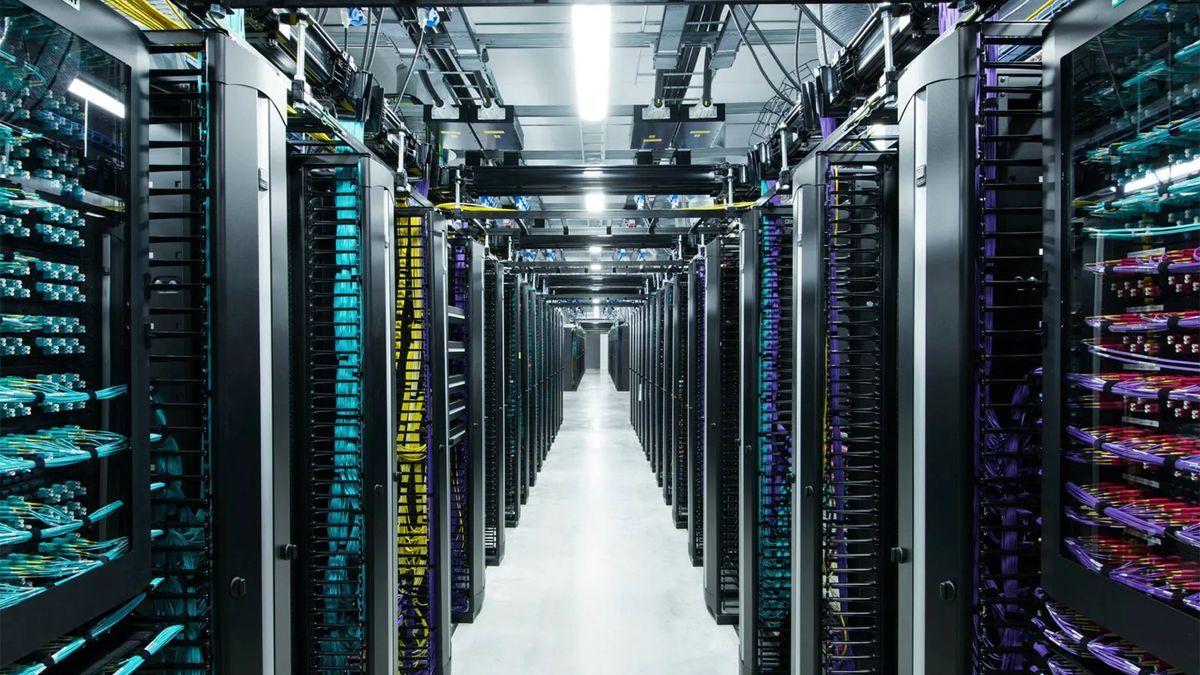
The Munich facility is equipped with nearly 10,000 Nvidia Blackwell GPUs, delivering up to 0.5 exaFLOPS of computing power—enough capacity for all 450 million EU citizens to use an AI assistant simultaneously
2
. Deutsche Telekom stated that the new site will boost Germany's AI computing power by around 50%, a substantial increase for the country's technological capabilities1
.
Source: Bloomberg
What distinguishes this initiative from American data centers is its focus on high-performance AI computing for industrial applications rather than consumer-facing technology. The facility operates as an "industrial AI cloud" designed to host AI models and connect them to industrial data sources, accelerating industry adoption of sovereign artificial intelligence
1
. This approach aligns with European business leaders' calls to leverage the continent's manufacturing strengths rather than directly competing with US and China on consumer technology.Crucially, the infrastructure operates under strict German and EU data protection rules, ensuring that data and operations remain under European jurisdiction
2
. The facility currently operates at 30 percent capacity, with companies like Munich robotics manufacturer Agile Robots already booking computing resources. Ferri Abolhassan, head of T-Systems, which manages Telekom's cloud infrastructure business, expressed confidence in quickly securing customers for the remaining 70 percent capacity3
.Industrial Applications and the Deutschland Stack
The project showcases the "Deutschland stack," developed with SAP, which combines cloud infrastructure, business software, and AI tools into a unified platform for companies and public institutions
2
. SAP is supplying platforms and applications for the center, demonstrating major German corporates' commitment to developing a domestic AI ecosystem1
.Industrial use cases form the core of this initiative. Siemens is integrating parts of its SIMCenter simulation portfolio into the AI Cloud, with approximately 10 companies already participating in the new system. Siemens executive Cedrik Neike highlighted that the setup "drastically reduce[s] our customers' simulation times," adding that "this is not a promise for the future... it is already a reality"
2
. The Industrial AI Cloud is now accessible to industry, startups, research institutions, and public authorities across Europe.Deutsche Telekom also announced that its traditional cloud offerings would soon match the technological capabilities of major US providers like Amazon Web Services, Microsoft, and Google. According to T-Systems CEO Abolhassan, the "T Cloud Public" enables fully EU-compliant data processing without access by third countries, seamlessly integrating with the Industrial AI Cloud
3
.Related Stories

Path Toward AI Gigafactories and Sustainability Goals
The €1 billion investment is only the beginning of Germany's ambitions. Deutsche Telekom is bidding to build AI gigafactories—five particularly powerful data centers for artificial intelligence planned across Europe. Each gigafactory will use several times the number of processors installed in Munich and will be designed for training and operating extensive AI systems
3
. If needed, the Munich facility can be expanded to accommodate growing demand.The facility also addresses environmental concerns. It runs entirely on renewable energy, uses river water for cooling, and plans to feed waste heat back into the surrounding Munich district
2
. This sustainable approach reflects European priorities around responsible technology development.However, the investment scale also highlights the gap between European AI and US competitors. Tech giants like Microsoft, Google, and startups like OpenAI are spending hundreds of billions of dollars to build AI computing capacity
1
. The question remains whether Europe's focus on industrial applications and data protection will create a viable alternative to American and Chinese dominance, or if the continent will struggle to keep pace with the massive capital deployment happening overseas. For businesses and researchers watching the AI landscape, Germany's Industrial AI Cloud represents a critical test of whether European AI can compete on its own terms.🟡 untrained_model_object_param=🟡The facility also addresses environmental concerns. It runs entirely on renewable energy, uses river water for cooling, and plans to feed waste heat back into the surrounding Munich district2
. This sustainable approach reflects European priorities around responsible technology development.However, the investment scale also highlights the gap between European AI and US competitors. Tech giants like Microsoft, Google, and startups like OpenAI are spending hundreds of billions of dollars to build AI computing capacity
1
. The question remains whether Europe's focus on industrial applications and data protection will create a viable alternative to American and Chinese dominance, or if the continent will struggle to keep pace with the massive capital deployment happening overseas. For businesses and researchers watching the AI landscape, Germany's Industrial AI Cloud represents a critical test of whether European AI can compete on its own terms.References
Summarized by

Navi
[3]
Related Stories
Nvidia and Deutsche Telekom Launch €1 Billion AI Factory in Munich to Boost European AI Sovereignty
04 Nov 2025•Business and Economy
NVIDIA and Deutsche Telekom Partner to Build World's First Industrial AI Cloud in Germany
11 Jun 2025•Technology

Deutsche Telekom CEO Urges European Investment in AI and Data Centers to Compete Globally
27 Feb 2025•Business and Economy

Recent Highlights



Recent Highlights
Today's Top Stories








Your Daily Dose of Curated AI News
Don’t drown in AI news. We cut through the noise - filtering, ranking and summarizing the most important AI news, breakthroughs and research daily. Spend less time searching for the latest in AI and get straight to action.

