Disney accuses Google of massive copyright infringement through AI-generated character images


25 Sources
25 Sources
[1]
Disney says Google AI infringes copyright "on a massive scale"
The Wild West of copyrighted characters in AI may be coming to an end. There has been legal wrangling over the role of copyright in the AI era, but the mother of all legal teams may now be gearing up for a fight. Disney has sent a cease and desist to Google, alleging the company's AI tools are infringing Disney's copyrights "on a massive scale." According to the letter, Google is violating the entertainment conglomerate's intellectual property in multiple ways. The legal notice says Google has copied a "large corpus" of Disney's works to train its gen AI models, which is believable, as Google's image and video models will happily produce popular Disney characters -- they couldn't do that without feeding the models lots of Disney data. The C&D also takes issue with Google for distributing "copies of its protected works" to consumers. So all those memes you've been making with Disney characters? Yeah, Disney doesn't like that, either. The letter calls out a huge number of Disney-owned properties that can be prompted into existence in Google AI, including The Lion King, Deadpool, and Star Wars. The company calls on Google to immediately stop using Disney content in its AI tools and create measures to ensure that future AI outputs don't produce any characters that Disney owns. Disney is famously litigious and has an army of lawyers dedicated to defending its copyrights. The nature of copyright law in the US is a direct result of Disney's legal maneuvering, which has extended its control of iconic characters by decades. While Disney wants its characters out of Google AI generally, the letter specifically cited the AI tools in YouTube. Google has started adding its Veo AI video model to YouTube, allowing creators to more easily create and publish videos. That seems to be a greater concern for Disney than image models like Nano Banana. Google has yet to make any statement about Disney's legal warning -- a warning Google must have known was coming. A Google spokesperson has issued the following statement on the mater. "We have a longstanding and mutually beneficial relationship with Disney, and will continue to engage with them," Google says. "More generally, we use public data from the open web to build our AI and have built additional innovative copyright controls like Google-extended and Content ID for YouTube, which give sites and copyright holders control over their content."
[2]
Disney hits Google with cease-and-desist claiming 'massive' copyright infringement | TechCrunch
Disney sent a cease-and-desist letter to Google on Wednesday, alleging that the tech giant has infringed on its copyrights, Variety reports. Disney is accusing the tech giant of copyright infringement on a "massive scale," claiming it has used AI models and services to commercially distribute unauthorized images and videos, according to the letter seen by Variety. "Google operates as a virtual vending machine, capable of reproducing, rendering, and distributing copies of Disney's valuable library of copyrighted characters and other works on a mass scale," the letter reads. "And compounding Google's blatant infringement, many of the infringing images generated by Google's AI Services are branded with Google's Gemini logo, falsely implying that Google's exploitation of Disney's intellectual property is authorized and endorsed by Disney." The letter alleges that Google's AI systems infringe characters from "Frozen," "The Lion King," "Moana," "The Little Mermaid," "Deadpool," and more." Google did not respond to TechCrunch's request for comment. The move comes the same day that Disney signed a $1 billion, three-year deal with OpenAI that will bring its iconic characters to the company's Sora AI video generator.
[3]
Disney Slaps Google With Cease and Desist, Claiming 'Massive' Copyright Violations
While Disney inks a $1 billion deal with OpenAI to license its characters for AI videos, the entertainment giant is also reportedly going after Google, Variety reported Thursday. In a cease-and-desist letter sent on Wednesday, Disney claims Google's AI models are infringing upon its copyright protections on a "massive scale." Google's latest AI model, nicknamed nano banana pro, gives its users the ability to create ultra-realistic AI images. This ability has worried copyright and intellectual property owners, which is why many have sued AI companies. Disney, along with Universal and Warner Bros., has already filed lawsuits against Midjourney AI over similar infringement concerns. CNET has reached out to Disney and Google for comment. (Disclosure: Ziff Davis, CNET's parent company, in April filed a lawsuit against OpenAI, alleging it infringed Ziff Davis copyrights in training and operating its AI systems.)
[4]
Disney accuses Google of 'massive' copyright infringement following deal with OpenAI
Disney has accused Google of engaging in copyright infringement on a "massive scale," claiming its AI models have generated images resembling characters from Frozen, Deadpool, Star Wars, and others, according to a report from Variety. In a cease-and-desist letter sent to Google on Wednesday, Disney demands that the tech giant stop allegedly infringing on its copyrighted works. Disney sent the notice just one day before announcing a billion-dollar deal with OpenAI, which will allow Sora AI users to create videos using more than 200 characters from Disney, Marvel, Pixar, and Star Wars. The AI-generated videos will also appear on Disney Plus, too, which CEO Bob Iger teased last month. "Google is infringing Disney's copyrights on a massive scale, by copying a large corpus of Disney's copyrighted works without authorization to train and develop generative artificial intelligence ('AI') models and services," Disney's letter says, according to Variety. "Disney will not tolerate the unauthorized commercial exploitation of its copyrighted characters and works by so-called AI services." Disney has also sent cease-and-desist letters to Meta and Character.AI in the past.
[5]

Disney to Google: Stop Training Your AI on Moana, Frozen, Other Copyrighted Works
The Walt Disney Company has sent a cease and desist letter to Google, accusing it of training its AI models on copyrighted material and profiting from the outputs they generate. "Google is infringing Disney's copyrights on a massive scale, by copying a large corpus of Disney's copyrighted works without authorization to train and develop generative artificial intelligence ('AI') models and services, and by using AI models and services to commercially exploit and distribute copies of its protected works to consumers in violation of Disney's copyrights," reads the letter viewed by Variety. Every image generated on Gemini comes with a watermarked logo. So, when the chatbot generates images of Disney's characters, it leaves the impression "that Google's exploitation of Disney's intellectual property is authorized and endorsed by Disney," the letter adds. Some of the characters Disney found on Google's AI include those from Star Wars, The Simpsons, Avengers, Spider-Man, Frozen, The Lion King, Moana, Deadpool, Toy Story, Brave, Ratatouille, and Inside Out. The letter says that Disney had been raising its concerns with Google for months, but the latter "has refused to implement any technological measures to mitigate or prevent copyright infringement." If anything, the "infringement has only increased during that time," it adds. In a statement to Variety, Google said it has "a longstanding and mutually beneficial relationship with Disney, and will continue to engage with them," adding that the company uses public data from the open web to build its AI. Disney sent a similar letter to Character.AI in September, and it sued Midjourney in June. Its latest warning to Google comes on the heels of its announcement of a new three-year licensing deal with OpenAI. As part of the deal, ChatGPT and Sora users will be able to generate images and videos using 200+ Disney characters. Hollywood actors' union SAG-AFTRA says it supports Disney's deal with OpenAI and the letter it sent to Google. "We join in the objections raised in Disney's formal demand letter to Google, putting the company on notice that the mass infringement of copyrighted works must stop. We equally object to the abuse of performers' images, likenesses, and performances through its systems," it said in a statement.
[6]

Disney has accused Google of copyright infringement on a 'massive scale'
Disney has accused Google of copyright infringement on a "massive scale," alleging that the tech giant is training its AI tools on protected materials as well as allowing those tools to generate infringing images and videos. reports that Disney attorneys sent a cease-and-desist letter to Google on Wednesday. "Google is infringing Disney's copyrights on a massive scale, by copying a large corpus of Disney's copyrighted works without authorization to train and develop generative artificial intelligence ('AI') models and services, and by using AI models and services to commercially exploit and distribute copies of its protected works to consumers in violation of Disney's copyrights," reads the letter, which Variety reviewed. The letter includes examples of images from several Disney properties including Deadpool, Moana, Star Wars and others, reproduced by Google's AI tools. Disney is demanding that Google implement guardrails within all its AI products to prevent further infringement. The media giant sent a to Character.AI in September, and is currently suing and over alleged copyright infringement. Copyright enforcement has become more challenging in the face of AI-created imagery, and companies are increasingly taking an "if you can't beat them, join them" approach. Today Disney with OpenAI to license its characters for use in Sora, OpenAI's video generator. The deal will see Disney invest $1 billion in OpenAI (a paltry sum by ), with the option to purchase additional equity at a later date.
[7]

Google Has Taken Down AI-Generated Content Following Disney's Cease and Desist
Google has bowed to a cease and desist order from Disney, according to the showbiz trade publications Deadline and Variety, and taken down some unknown number of AI videos featuring Disney intellectual property. Both publications estimate "dozens," suggesting a fairly targeted effort. A deal between Disney and OpenAIâ€"Google's fiercest AI rivalâ€"was announced Thursday that sees Disney investing $1 billion in OpenAI while sanctioning the use of its characters in outputs by the Sora family of video models. Disney's cease and desist letter to Google was delivered on Wednesday, before the announcement of its OpenAI deal, according to Deadline. Disney CEO Bob Iger told CNBC the cease and desist letter came after past conversations with Google about this material had been fruitless. At least some of the the material mentioned in the Disney cease and desist order was generated with Google's Veo, according to the trades. Google was apparently hosting IP from the Star Wars and Simpsons franchises, along with material featuring the auxiliary Marvel Cinematic Universe character Deadpool. Mickey Mouse was also on the list of Disney properties subject to the cease and desist, per Variety. According to admittedly anecdotal evidence from Reddit posts, there was an episode about six months ago in which Veo's copyright restrictions were briefly relaxed, and infringementâ€"or at least infringement-adjacent materialâ€"ran rampant. Seeking the removal of Marvel material, if it was anything like this video (that I'm not going to embed here for reasons that should be obvious) would be a pretty clear-cut case of Disney defending its copyrights. It gets a little complicated when you bring Mickey Mouse into the picture. As part of the public domain, Mickey Mouse actually does not belong to Disney. He belongs to you and me. But certain aspects of his use are trademarked by Disney (which can be thought of more as a way of preventing consumer confusion than as some lingering copyright claw-back). Also, only Mickey Mouse material from, by my count, the first 15 Mickey Mouse films is in the public domain so far. So material that got mixed up with Disney's Mickey Mouse trademarks, or built upon work still covered by Disney's copyrights, could still have been vulnerable. This video, also posted on Reddit about six months ago, of the Mickey Mouse costumed character at what looks like a Disney park getting into some sort of reality TV-inspired conflict with a human woman could plausibly fall into either of these categories. According to OpenAI, its licensing deal with Disney will last three years, and will involve user-generated AI videos based on "more than 200 Disney, Marvel, Pixar, and Star Wars characters," and some of this material will be used as programming on Disney+. I can't readily picture something a Sora user could come up with that would be worth watching on a streaming service that will also let me watch peak human achievements like 1940's Pinocchio and 1961's One Hundred and One Dalmatians, but I'll try to keep an open mind.
[8]

Disney tells Google to stop using its characters in AI images and videos
Earlier today, OpenAI announced a major deal with Disney that will allow ChatGPT and Sora to create officially licensed, AI-generated imagery featuring the media giant's popular characters. Now, Disney wants to stop another leading AI provider from doing the same. Disney has sent a cease-and-desist letter to Google, accusing the company of copyright infringement in Gemini output. Variety reports that in a letter reviewed by the publication, Disney's lawyers accuse Google of infringing on Disney's copyrights "on a massive scale," citing Gemini's ability to create imagery that includes copyrighted characters from across Disney's expansive catalog of intellectual properties. Disney has apparently been informally communicating with Google about this for some time, but as of today, Gemini still readily produces imagery featuring Disney's characters.
[9]

Disney escalates with cease-and-desist to Google over AI infringement
Attorneys from Jenner & Block alleged that Google copied large volumes of Disney's works without permission. They said Google then used that material to train and run its AI models, which create and distribute images of Disney characters. "Google is infringing Disney's copyrights on a massive scale, by copying a large corpus of Disney's copyrighted works without authorization to train and develop generative artificial intelligence ('AI') models and services," the letter states. The filing continues by accusing Google of using the outputs "to commercially exploit and distribute copies of its protected works." Disney argued that Google's systems function like a digital replication engine. "Google operates as a virtual vending machine, capable of reproducing, rendering, and distributing copies of Disney's valuable library," the letter says. Attorneys added that some generated images appeared with a Gemini logo, which "falsely impl[ies] that Google's exploitation of Disney's intellectual property is authorized and endorsed by Disney."
[10]

Disney sent Google a cease-and-desist over AI just as it signed a deal with OpenAI
Disney announced a billion dollar agreement with OpenAI this morning over use of its characters, and Google's going to have to pray it doesn't alter the deal any further. Alongside the decision to offer up its most iconic imagery and characters for use with Sora -- OpenAI's cross between an AI video generation tool and a social network -- Disney is going after Google's own use of its IP in its own genAI tools. As reported by Ars Technica, Disney issued a cease-and-desist letter to Google on Wednesday evening, hours before the Sora agreement was made official, accusing the company of copyright infringement and requesting an immediate end to using these characters for both training data and within apps like YouTube. Disney's letter calls out specific franchises, including Frozen, The Lion King, Moana, The Little Mermaid, Lilo and Stitch, Toy Story, Star Wars, and the MCU, as the IP Google's AI tools are currently capable of generating. The company's lawyers are requesting Google "immediately cease further copying, publicly displaying, publicly performing, distributing, and creating derivative works of Disney's copyrighted characters," specifically but not necessarily limited to YouTube and its various off-shoots, like Shorts. As reported by Variety, which published portions of the letter, Disney CEO Bob Iger confirmed his company had held "conversations" with Google for months prior to beginning legal action, but felt Google hadn't made any in-roads into making changes over its own internal policies. Despite Nano Banana not being specified in today's cease-and-desist, Disney did include AI-generated figurine images in its claim, arguing Sundar Pichai taking part in an associated viral trend encouraged further drove copyright infringement by users. Google shared the following statement with Ars Technica: We have a longstanding and mutually beneficial relationship with Disney, and will continue to engage with them. More generally, we use public data from the open web to build our AI and have built additional innovative copyright controls like Google-extended and Content ID for YouTube, which give sites and copyright holders control over their content. Today's news is just the latest chapter in the ongoing cold war between Google and Disney, just about a month after settling their dispute over YouTube TV carriage fees.
[11]

Google reportedly takes down AI videos of Disney characters following cease and desist
The move follows a cease-and-desist letter Disney sent to Google on Wednesday, the evening before Disney announced a $1 billion deal with OpenAI. The letter, according to Variety, accused Google of infringing on Disney IP from Star Wars and the MCU to animated films like Frozen, Moana, Lilo & Stitch, and more. Several of the videos Disney flagged were created with Veo, Google's AI tool. Disney also cited a trend of creating AI "action figures" as infringement, including images of AI-generated figurines of Deadpool, Elsa, Homer Simpson, and Darth Vader in their letter. As reported by Variety, links to videos cited in the cease-and-desist letter were still working on Thursday. However, by Friday, they redirect to a message that reads, "This video is no longer available due to a copyright claim by Disney." In a Thursday statement to press, a Google spokesperson affirmed that they would cooperate with Disney on the issue, saying, "We have a longstanding and mutually beneficial relationship with Disney, and will continue to engage with them. More generally, we use public data from the open web to build our AI and have built additional innovative copyright controls like Google-extended and Content ID for YouTube, which give sites and copyright holders control over their content." The cease-and-desist is not the only action Disney has taken against generative AI. In June, it filed a joint lawsuit with Universal against Midjourney, calling the AI image platform a "bottomless pit of plagiarism." However, if you thought that suit was evidence of Disney taking a broad stand against AI slop, you'd be sorely mistaken. Disney's agreement with OpenAI indicates the opposite: The House of Mouse is embracing AI in a big way. According to OpenAI's post announcing the deal, Disney is making a $1 billion equity investment in the company, becoming a "major customer" and gaining access to its tools. The three-year licensing agreement will allow users to make Sora videos featuring Disney characters. OpenAI's announcement reveals that a selection of these "fan-inspired Sora short form videos [will be made] available to stream on Disney+." That's right, soon you'll be able to enjoy AI slop platformed alongside work by human artists. But according to Disney CEO Bob Iger, the deal "does not in any way represent a threat to the creators at all." It seems that Disney will permit AI slop of its characters, but only if the slop comes from OpenAI.
[12]

Disney sends cease-and-desist to Google, alleging copyright infringement
Why it matters: The letter puts copyright pressure on Google, which to date has been less aggressive about striking partnerships with copyright owners than some peers like OpenAI. Zoom in: The letter, sent from David Singer, an attorney representing Disney, alleges Google's "willful infringement is especially alarming because it is leveraging its dominance in generative AI and across multiple other markets to make its infringing AI Services as widely available as possible." * It alleges Google has already integrated its AI services into many of its existing products and services, including its Workspace applications and YouTube. * "Google's AI Services are designed to free ride off Disney's intellectual property," the letter reads. "Google has refused to implement any technological measures to mitigate or prevent copyright infringement, even though such measures are readily available and being used by Google's competitors. Instead, Google continues to directly exploit Disney's copyrights for commercial gain." Zoom out: Disney's lawyer claims the company has been raising its concerns with Google for months, "but Google has done nothing in response." * "If anything, Google's infringement has only increased during that time," he writes. The big picture: Disney has taken a leadership position in Hollywood when it comes to pressuring AI firms over the fair use of content. Its efforts so far have yielded some positive results. * Disney struck a comprehensive deal with OpenAI on Thursday. OpenAI originally said IP owners would have to opt-out of having their copyrighted characters included in its Sora service, but quickly changed its position to an opt-in policy after Hollywood backlash. * In September, the company sent a cease and desist letter to Character.AI with similar copyright allegations. The letter forced Character.AI to make changes to the way it used Disney's intellectual property. * In June, the entertainment giant -- alongside NBCUniversal -- became the first major studio to sue a generative AI company when it filed a complaint against Midjourney. Warner Bros. Discovery sued Midjourney in early September. * Earlier this month, Disney teamed with NBCU and WBD to sue the Chinese AI firm MiniMax, alleging large-scale piracy of their respective studios' copyrighted works. For the record: Google didn't immediately respond to a request for comment on the Disney letter.
[13]

Disney Targets Google Over AI Copyright Violations -- Alongside $1 Billion OpenAI Deal - Decrypt
Disney demanded that Google halt all AI outputs featuring its characters and add safeguards. The fight over AI copyright infringement took an unexpected turn on Thursday as Disney hit Google with a cease and desist order, accusing the tech giant of "infringing Disney's copyrights on a massive scale." The move landed the same week that Disney reached a deal with OpenAI -- announced Thursday morning -- that will let the company license hundreds of its characters for use in Sora, the ChatGPT maker's video generation model. According to a report in Variety, attorneys for Disney sent the cease-and-desist letter to Google on Wednesday, accusing Google of copying a large library of Disney works to train its AI systems. Disney asserted that Google then distributed outputs that incorporated Disney characters through Google's Veo, Imagen, and Nano Banana. "Google is infringing Disney's copyrights on a massive scale, by copying a large corpus of Disney's copyrighted works without authorization to train and develop generative artificial intelligence ('AI') models and services, and by using AI models and services to commercially exploit and distribute copies of its protected works to consumers in violation of Disney's copyrights," the letter reportedly said. In the letter, Disney said Google's AI models generated images featuring characters from Frozen, The Lion King, Moana, The Little Mermaid, Deadpool, Guardians of the Galaxy, and Star Wars. It included examples, such as a depiction of Darth Vader produced through text prompts in Google's AI apps. Disney demanded that Google stop what it called unauthorized copying, public display, distribution, and creation of derivative works of its characters. The company also told Google to put in place measures across its AI systems to prevent future infringement. Representatives for Google and Disney did not immediately respond to requests for comment by Decrypt. The confrontation comes as OpenAI announced a formal agreement with Disney to allow fan-made AI images of its characters. Under that deal, Sora will be able to generate short user-prompted videos featuring more than 200 characters across Disney, Pixar, Marvel, and Lucasfilm. Under the agreement, fan-made AI shorts will be streamed on Disney+. The deal also included a $1 billion equity investment in OpenAI. "This agreement shows how AI companies and creative leaders can work together responsibly to promote innovation that benefits society, respect the importance of creativity, and help works reach vast new audiences," OpenAI CEO Sam Altman said in a statement. The cease and desist letter comes at a time when companies and creators are pushing back against generative AI developers in court. In October, a federal judge ruled that authors can pursue claims against OpenAI for unlawfully downloading their books and using them to train models. This was followed in December by a ruling that said OpenAI had to turn over roughly 20 million de-identified ChatGPT logs to The New York Times.
[14]
After OpenAI deal, Disney demands Google cease-and-desist
Disney has sent a legal threat to Google, telling the company to stop using its characters in its AI models. Credit: David Paul Morris/Bloomberg via Getty Images Today, Disney and OpenAI announced a surprising partnership, which will allow ChatGPT users to generate content with Disney's iconic characters. On the heels of that news, Variety reported that Disney sent Google a cease-and-desist notice on Wednesday evening, threatening legal action over the search giant's alleged use of Disney's intellection property in its AI models. Disney is accusing Google of copyright infringement on a "massive scale," claiming Google's AI models "commercially exploit and distribute" infringing media. Disney has reportedly accused Google of infringing on Disney properties such as Star Wars, Frozen, The Lion King, Moana, The Little Mermaid, Deadpool, and The Guardians of the Galaxy. Disney has also accused Google of encouraging users to take part in Generative AI trends such as prompts that create images of "action figures" depicting Disney-owned characters. According to Variety, images of figurines depicting Darth Vader, Deadpool, Homer Simpson, and Elsa from Frozen were included in examples in the cease-and-desist letter. Disney's recent actions are certainly interesting. Just this past June, Disney filed a lawsuit against AI image generation company Midjourney over the use of Disney's IP in AI-generated content. At the time, Disney lawyers called Midjourney "a bottomless pit of plagiarism." So, why has Disney partnered with one, and only one, AI company? By granting OpenAI an exclusive license to use its characters, OpenAI will now be able to argue that Google and other AI companies are violating that license. When OpenAI launched its AI video platform Sora in October, the company was immediately criticized for allowing users to generate video content utilizing other brands' copyrighted characters. OpenAI eventually announced that any company could opt out of Sora inclusion on a character-by-character basis. And in Mashable's testing of AI image and video generators, we found that most of these AI tools will readily produce deepfakes featuring Star Wars and Marvel characters. Now, Disney has demanded that Google "immediately cease further copying, publicly displaying, publicly performing, distributing, and creating derivative works of Disney's copyrighted characters" in "outputs of Google's AI Services, including through YouTube's mobile app, YouTube Shorts and YouTube." In addition, Disney wants Google to put safeguards in place "to ensure that no future outputs infringe Disney works." In effect, Disney is putting the AI world on notice.
[15]

Soon After $1 Bn OpenAI Deal, Disney Accuses Google of AI Copyright Infringement | AIM
Disney's counsel wrote that Google is infringing the company's copyrights "on a massive scale" by ingesting its content into its AI training pipelines The Walt Disney Company (Disney) has accused Google of large-scale copyright infringement, according to multiple media reports citing a copy of a cease-and-desist letter the company sent on December 11. The letter, reviewed by outlets including Variety and Axios, alleges that Google copied a substantial portion of Disney's copyrighted catalogue without permission to train its generative AI models and then used those models to reproduce and distribute Disney-owned characters, images, and other creative assets. According to the reports, Disney's counsel at Jenner & Block wrote that Google is infringing the company's copyrights "on a massive scale" by ingesting Disney content into its AI training pipelines and by outputting derivative works through services such as Gemini, Imagen, and Veo. The letter, as reported by Variety, describes Google's AI products as functioning like a "virtual vending machine" that can generate unauthorised images and renderings of characters from franchises including Frozen, Moana, The Lion King, Marvel, Pixar, and Star Wars. Some outputs, Disney argued, appeared with Google's branding, creating the false impression that the reproductions were licensed. Disney has demanded that Google immediately stop copying or generating content derived from its intellectual property and restrict the availability of such outputs on YouTube, Shorts, and other Google platforms. The company also noted in the letter that it had raised concerns with Google over several months but saw no meaningful corrective action. The confrontation landed during the same week Disney announced a billion-dollar licensing and investment deal with OpenAI that will allow its characters to appear in Sora and other OpenAI media tools under formal commercial terms. This will allow Sora, OpenAI's generative video platform, to create short, user-prompted social videos featuring more than 200 characters from Disney, Marvel, Pixar and Star Wars. The deal also includes a $1 billion equity investment in OpenAI, along with warrants to purchase additional equity. The transaction remains subject to definitive agreements, corporate and board approvals, and other closing conditions. Sora and ChatGPT Images are expected to begin generating Disney-licensed content in early 2026.
[16]

Google wipes Disney AI videos from YouTube following legal threat
Google removed dozens of AI-generated videos depicting Disney-owned characters from YouTube after Disney sent a cease-and-desist letter on Wednesday demanding their immediate removal due to copyright infringement. The videos featured characters such as Mickey Mouse, Deadpool, and figures from Star Wars and The Simpsons franchises. Many of these clips were created using Google's AI video generation tool, Veo. Disney specifically flagged the YouTube links to these videos in its letter. On Thursday, the links remained accessible but redirected users to a notice stating, "This video is no longer available due to a copyright claim by Disney." Disney issued the letter shortly before announcing a licensing agreement with OpenAI. Under this deal, OpenAI gains access to 200 Disney characters, allowing users of its Sora AI tool to generate short video clips incorporating those licensed properties. Disney is suing Google while signing a $1 billion deal with OpenAI In the cease-and-desist letter, Disney provided an extensive list of characters requiring removal from both YouTube and YouTube Shorts. The roster included figures from Frozen, such as Elsa and Anna; Moana; the Toy Story series, featuring Woody and Buzz Lightyear; Deadpool; Iron Man from the Marvel universe; Lilo & Stitch; and Winnie the Pooh along with his companions from the Hundred Acre Wood. Beyond immediate takedowns, Disney demanded that Google implement technical safeguards within its AI tools to block the generation of videos featuring Disney-owned characters. The studio also instructed Google to halt any further use of its characters in training data for AI models. Google responded with a statement on Thursday acknowledging the matter. "We have a longstanding and mutually beneficial relationship with Disney, and will continue to engage with them," the company said. "More generally, we use public data from the open web to build our AI and have built additional innovative copyright controls like Google-extended and Content ID for YouTube, which give sites and copyright holders control over their content."
[17]

Disney Takes Sides in a Big Way Amid AI War Between OpenAI and Google
The entertainment studio is clearly picking sides in the heated rivalry. Complaints Against Google "Google is infringing Disney's copyrights on a massive scale, by copying a large corpus of Disney's copyrighted works without authorization to train and develop generative artificial intelligence ('AI') models and services, and by using AI models and services to commercially exploit and distribute copies of its protected works to consumers in violation of Disney's copyrights," said the letter from, Jenner & Block, the law firm representing Disney, to Google's general counsel, according to Variety. The letter argues that "Google's AI Services are designed to free ride off Disney's intellectual property," adding that Google has "refused" to take measures to avoid infringement, even though methods are "readily available and being used by Google's competitors."
[18]
Disney is suing Google while signing a $1 billion deal with OpenAI
Disney sent a cease-and-desist letter to Google on Wednesday, alleging massive copyright infringement through its AI models and services. The company claims Google commercially distributes unauthorized images and videos of Disney characters without permission. The letter, viewed by Variety, accuses Google of operating as a virtual vending machine that reproduces, renders, and distributes copies of Disney's copyrighted library on a mass scale. Disney emphasizes the scale of the infringement, stating that Google's AI systems generate these materials for commercial purposes. This activity directly violates Disney's intellectual property rights by exploiting protected characters and works. Compounding the issue, the letter points out that many infringing images produced by Google's AI services carry the Gemini logo. This branding creates a false impression that Disney authorizes and endorses Google's use of its intellectual property. Such implications mislead users and damage Disney's control over its brand. Specific examples in the letter include characters from films such as Frozen, The Lion King, Moana, The Little Mermaid, and Deadpool, among others. These instances demonstrate the breadth of Google's alleged unauthorized use across Disney's extensive portfolio of animated and live-action properties. Google has not confirmed or denied the allegations. A spokesperson stated that the company maintains a longstanding and mutually beneficial relationship with Disney and intends to continue engaging with them. Regarding AI development practices, the spokesperson explained that Google relies on public data from the open web. To address copyright concerns, Google has implemented controls including Google-extended and Content ID for YouTube, which allow sites and copyright holders to manage their content. On the same day as the cease-and-desist letter, Disney finalized a $1 billion, three-year agreement with OpenAI. This deal integrates Disney's iconic characters into OpenAI's Sora AI video generator, enabling authorized generation of content featuring these properties.
[19]

Disney Calls on Google to Stop Using Its Content in AI Tools | PYMNTS.com
In the letter, Disney alleges that Google has used the entertainment company's content to train its AI models and distributed copies of its work to consumers, Ars Technica reported Thursday (Dec. 11). Disney calls on Google to stop using that content in its AI tools and to prevent those tools from generating images of Disney-owned characters, according to the report. Asked about Disney's letter by Ars Technica, a Google spokesperson said, per the report: "We have a longstanding and mutually beneficial relationship with Disney, and will continue to engage with them. More generally, we use public data from the open web to build our AI and have built innovative copyright controls like Google-extended and Content ID for YouTube, which give sites and copyright holders control over their content." This report came on the same day Disney announced a $1 billion investment in OpenAI and a three-year licensing agreement that will allow the artificial intelligence firm's Sora video model to generate short fan-created clips using Disney-owned content. The agreement allows OpenAI to enable Sora users to generate short clips featuring characters from Disney, Pixar, Marvel and "Star Wars" within a structured environment that limits scenes to approved contexts. It prohibits the use of actor likenesses and restricts Sora prompts that introduce violence, politics or adult themes. PYMNTS reported Thursday that this is the first time a major studio has formally sanctioned a generative AI platform to use its copyrighted universe. Google has faced other legal challenges to the use of copyrighted content in its AI tools. Penske Media, the publisher of Rolling Stone, Billboard and Variety, filed a lawsuit against Google in September, accusing the company of using Penske's journalism without permission to fuel AI-generated summaries that appear in search results. In July, the Independent Publishers Association filed an antitrust complaint with the European Commission, alleging that Google's AI Overviews represent an abuse of the company's market share in online search. The association alleged in its complaint that by positioning these AI-generated summaries, which use publishers' material, at the top of its search results, Google disadvantages the publishers' original content.
[20]

Disney Hits Google With AI Copyright Infringement Cease-and-Desist Letter
Broadway Box Office: 'Harry Potter' Is Back On Top As Industry Grosses Tumble Disney has sent a cease-and-desist letter to Google accusing the tech giant of using Disney's copyrighted works to train its AI models. In the letter, sent Wednesday, Disney says there has been copyright infringement on a "massive scale," given its claims that Google has been using AI models and services to "commercially exploit and distribute copies" across many channels, including Google Workspace applications and the YouTube mobile application. "Google has deeply embedded its infringing video and image AI Services into its broad family of products and services actively used by over a billion people. This multiplies the scope of Google's infringement, and harm to Disney's intellectual property, not to mention the ill-gotten benefits Google enjoys from its unauthorized exploitation of Disney's copyrighted works," the letter reads. The letter comes just as Disney announced it had reached a partnership with OpenAI and agreed to invest $1 billion into the Google rival. Disney has sent similar letters to Meta and Character.AI, and is in litigation with NBCUniversal and Warner Bros. Discovery against Midjourney and Minimax. Disney claims in the letter that it has been raising its concerns with Google for months, but that Google has not taken action. "If anything, Google's infringement has only increased during that time," the letter states. "Google's AI Services are designed to free ride off Disney's intellectual property. Google has refused to implement any technological measures to mitigate or prevent copyright infringement, even though such measures are readily available and being used by Google's competitors. Instead, Google continues to directly exploit Disney's copyrights for commercial gain," the letter reads.
[21]

Disney Gives its IP to OpenAI in a new Deal, Questions Google on Copyright Infringements
Disney gave away the rights to OpenAI to use 200 of its popular characters and then raised a copyright issue with Google on the same day The Walt Disney Company seldom seeks headlines, because they never had to and for obvious reasons. However, it was different on Thursday when they made front pages, not once but twice. The first involved a copyright infringement notice against Google and the second involved a billion dollar equity investment and content sharing deal with arch-rival OpenAI. That both are linked in some way appears obvious, though one cannot make a direct connection, barring the obvious story around how Sam Altman's original 'band of bad boys' wanted to get at Google's web hegemony. At least, that's what Karen Hao says in her book "The Empire of AI", based on countless visits to OpenAI offices. A one-sided deal that benefits OpenAI but not so much Disney What we do know though is that the OpenAI-Disney deal appears one side to say the least, which makes us wonder whether it would actually fructify, given that their announcement is "subject to the negotiation of definitive agreements, required corporate and board approvals and customary closing conditions." Readers may recall that we have not really heard the formal closure of that mega deal with Nvidia that OpenAI had gone to town with some months ago. It was announced then that Nvidia would invest up to $100 billion in the ChatGPT-maker but the deal was in the form of a letter of intent with almost all details to be sorted out in the future. At this point in time, we are not sure whether these terms have been finalized. While in the deal with Nvidia, it was quite clear both parties had an axe to grind, their latest $1 billion dollar with Walt Disney appears more of a "Mickey Mouse" deal. It involves OpenAI getting access to 200 Disney characters for use in the Sora video-generation app, but does not seem to offer anything in return - other than equity warrants and the hope that their value will increase. Maybe, they also get kudos from the discerning investors for incorporating AI into their business - something every old school company wants to do these days. Or it could be a smarter move involving getting some monies out of Google's fat purse by first issuing a cease-and-desist order on usage of its videos and images via Gemini-led AI models. Potshots at Google's copyright infringement is a big plus A report in Variety says Disney alleged that Google infringed copyrights on a massive scale by copying its works without authorization to train and develop Gen AI models and services and to commercially exploit them. They refer to a specific instance of Google CEO Sundar Pichai's post on X promoting a viral trend involving creation of images of figurines of Disney characters. In fact, Disney lawyers even included some images of these alleged copyright infringements. The response from Google was mild and conciliatory. The publication quoted a Google spokesperson as saying that the two companies had a longstanding and beneficial relationship and that they would continue to engage. Maybe, this could result in a more beneficial deal for Disney than the one they seem to have gotten into with OpenAI. What exactly does the OpenAI-Disney deal entail? Which brings us to the nitty-gritty of the original deal that hit the news cycle in the morning and percolated into the legal notice before the end of the day. Per a blog post on OpenAI, it is a 3-year deal that would bring Disney's iconic characters to the Sora AI video generator. They will also invest a billion dollars as equity investment in OpenAI. Sora users would now be able to draw on more than 200 animated, masked and creature characters from the Disney, Marvel, Pixar, and Star Wars universe that includes costumes, props, and vehicles. Some of the faces include Mickey Mouse, Ariel, Belle, Cinderella, and Simba, besides animated or illustrated versions Black Panther, Captain America, Deadpool, Groot, Iron Man, Darth Vader, Han Solo, Stormtroopers etc. Disney CEO Bob Iger notes in a statement that the collaboration would allow his company to extend the reach of their storytelling through Gen AI while "respecting and protecting creators and their works." Additionally, Disney will become a major customer of OpenAI, using its APIs to build new products, tools, and experiences, including for Disney Plus. All of the above sits well with OpenAI's current situation where Altman had issued a "Code Red" to counter Google Gemini's rising influence in the market that ChatGPT had virtually monopolized since its launch in November 2022. With this deal, Altman gets the attention of a larger audience brought up on Disney characters to his Sora video generation app while also getting his hands on Disney's workforce as users of his product. Did Disney just get into a Mickey Mouse deal? However, does the deal sit well with Disney? An immediate concern we have rests around guardrails that OpenAI has in place (or should have) to stop some crazy dude generating offensive videos using Disney characters. While Iger and Altman addressed this during a CNBC chat, can anyone vouch for safety on ChatGPT, given what we've seen in the past. Also, there is virtually no clarity on what Disney gets out of the deal. Presumably they might get some monies as license fee, but there is no mention in any forum of this. Reports elsewhere suggest equity warrants at OpenAI's current valuation, which means Disney stands to make money if and when the ChatGPT-maker does. Hope springs eternal! Of course, one would believe that Disney would get something much more substantial, given that OpenAI gets access to massively popular characters for its nascent OpenAI video app. Moreover, Disney is pumping in a billion dollars from its balance sheet that hardly looks sharp at about $5.7 billion at last count. Not to mention its commitments to spending more on OpenAI services. The deal is not a done deal yet... These are some of the reasons we believe that the deal could face investor backlash at some point. That Iger has links to OpenAI investor Thrive is also not lost on us. Maybe, there's more to the deal that currently meets the eye and things would become clear only when the requisite "corporate and board approvals and customary closing conditions" kick in. Till such time, one can safely say that OpenAI and Sam Altman have managed to score against arch rival Google and its Gemini model, which has eaten into their customer base in recent times, thanks specifically to the Nano Banana image creator. OpenAI did need an image makeover and with Disney in its corner, they have secured one... for the time being.
[22]

Copyright Crackdown: Google Removes AI Disney Content After Legal Threat
The links were still working on Thursday, but now reroute to a message that reads, "This video is no longer available due to a copyright claim by Disney." sent Google a cease and desist letter accusing the company of copyright violations. The videos used popular characters such as Deadpool, Moana, Mickey Mouse, and figures from the Star Wars universe. The company's letter accused Google of "infringing Disney's copyrights on a massive scale." In the cease and desist letter, Disney provided a long list of characters it wants removed from YouTube and YouTube Shorts. These characters belong to famous shows like "Frozen," "Moana," "Toy Story," "Deadpool," "Iron Man," "Lilo & Stitch," and "Winnie the Pooh." The firm also claimed that used Disney-owned content to train its AI models, including Veo and Nano Banana, without permission. In the same letter, Disney demanded not to use their characters to train its AI models and "implement safeguards to prevent its AI tools from generating Disney-owned characters."
[23]
Disney Accuses Google AI of Copying Its Famous Characters Without Permission
Disney Sends Cease-and-Desist to Google, Demands Strong AI Protections After Months of Failed Talks Disney has raised a strong complaint against Google. The company claims Google's AI systems are copying Disney content without permission. Disney sent a cease-and-desist letter that demands Google stop "massive" copyright infringement. The letter was sent by the law firm Jenner and Block. It outlines how Google's AI models generate images and videos that closely resemble Disney's famous characters. Disney says Google used Disney-owned works to train models such as Gemini, Imagen, and Veo. These models then create outputs that match characters from Star Wars, Marvel, Frozen, Pixar, and other franchises. Disney says some AI images even show the Gemini logo. According to the entertainment giant, this creates the false impression that the company approves of it. Disney argued that the AI acts like a "vending machine" that can recreate Disney characters on a huge scale.
[24]

Google takes down AI-generated Disney character videos from YouTube, here's why
The videos used popular characters such as Deadpool, Moana, Mickey Mouse, and figures from the Star Wars universe. Google has removed many AI-generated videos featuring famous Disney characters from YouTube, following legal pressure from Disney. The move comes after Disney sent Google a cease and desist letter accusing the company of copyright violations. According to reports, dozens of videos disappeared from YouTube late last week. The videos used popular characters such as Deadpool, Moana, Mickey Mouse, and figures from the Star Wars universe. Disney's letter accused Google of "infringing Disney's copyrights on a massive scale." The complaint did not only focus on YouTube hosting the videos. Disney also claimed that Google used Disney-owned content to train its AI models, including Veo and Nano Banana, without permission. Also read: Microsoft AI chief calls Elon Musk a bulldozer, praises Sam Altman's AI push This action shows how serious Disney is about protecting its intellectual property. Earlier, the company had taken similar steps against other AI platforms. Disney previously raised concerns about Character.AI and is currently suing AI image and video companies Midjourney and Hailuo. Also read: Google Pixel 10 price drops by over Rs 14,000 on Amazon: Check deal details here However, Disney is not completely against AI-generated content. Recently, Disney announced a new partnership with OpenAI. Through this deal, Disney characters will officially appear in OpenAI's tools, including Sora and ChatGPT. This suggests that Disney is open to using AI technology when it is properly licensed and controlled. For Google, the takedown highlights growing pressure on tech companies to be more careful with copyrighted materials. Creating content that uses copyrighted characters without permission can lead to serious legal trouble. Also read: Samsung Galaxy Z Flip 6 price drops by over Rs 45,700 on Amazon: Check details
[25]
Disney accused Google of copyright infringement on a massive scale
The allegations surfaced the same day Disney announced a USD 1 billion investment and content-licensing deal with OpenAI. Disney has reportedly accused Google of exploiting its copyrighted content to train AI models without permission, raising industry-wide concerns about how tech giants are sourcing data to train generative AI systems. According to the reports citing a cease-and-desist letter filed by Disney's legal team this week, the popular streaming company alleges Google copied extensive portions of its library, including material from franchises such as Star Wars, Moana and Deadpool to build and power its AI tools. The letter, obtained by Variety, also complained that Google's AI products can generate images and videos that directly mimic Disney-owned works, which the company claims constitutes unauthorised distribution. Disney has also demanded that Google implement stricter safeguards across all of its AI services to prevent the reproduction of protected content. "Google is infringing Disney's copyrights on a massive scale, by copying a large corpus of Disney's copyrighted works without authorization to train and develop generative artificial intelligence ('AI') models and services, and by using AI models and services to commercially exploit and distribute copies of its protected works to consumers in violation of Disney's copyrights," the lawsuit stated. This is not the first time Disney has taken action against AI developers. The company has also issued a similar notice to Character.AI and is currently pursuing legal action against Hailuo and Midjourney for alleged intellectual property violations. This comes on the same day that Disney announced a strategic partnership with OpenAI. As part of the agreement, Disney will license specific characters and content for use in Sora, OpenAI's video generation platform. The agreement also includes a USD 1 billion investment in OpenAI with an option to increase its stake in the future, implying that even as Disney confronts unlicensed AI use.
Share
Share
Copy Link
Disney has sent a cease and desist letter to Google, claiming the tech giant infringes its copyrights on a massive scale by training AI models on Disney content and distributing unauthorized images. The legal action comes just as Disney announces a $1 billion licensing deal with OpenAI, highlighting the entertainment giant's selective approach to AI partnerships.
Disney Takes Legal Action Against Google Over AI Models
Disney Google relations have taken a sharp turn as the entertainment conglomerate sent a cease and desist letter to the tech giant on Wednesday, accusing it of copyright infringement on a massive scale
1
. The letter alleges that Google has been training generative AI models using a large corpus of Disney's copyrighted works without authorization, then commercially distributing these reproductions to consumers2
.
Source: Analytics Insight
The timing proves striking. Disney delivered this legal warning just one day before announcing a $1 billion, three-year licensing deal with OpenAI that will bring over 200 Disney, Marvel, Pixar, and Star Wars characters to Sora AI video generator
2
. This dual approach reveals Disney's strategy: monetize intellectual property rights through authorized partnerships while aggressively pursuing unauthorized use of its intellectual property.Google's AI Tools Under Fire for Character Generation
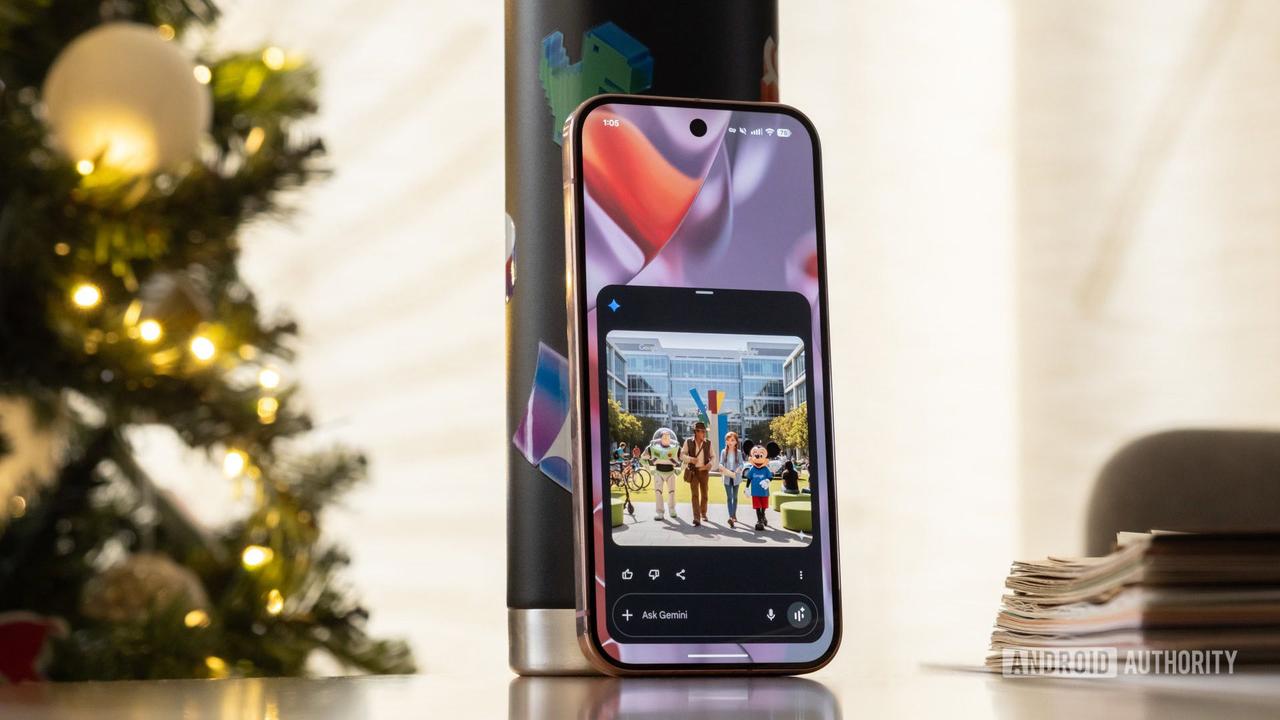
The cease and desist letter specifically targets Google's AI tools, particularly focusing on YouTube's integration of the Veo AI video model and image generators like Gemini
1
. Disney's complaint describes Google as operating "as a virtual vending machine, capable of reproducing, rendering, and distributing copies of Disney's valuable library of copyrighted characters and other works on a mass scale"2
.
Source: Android Authority
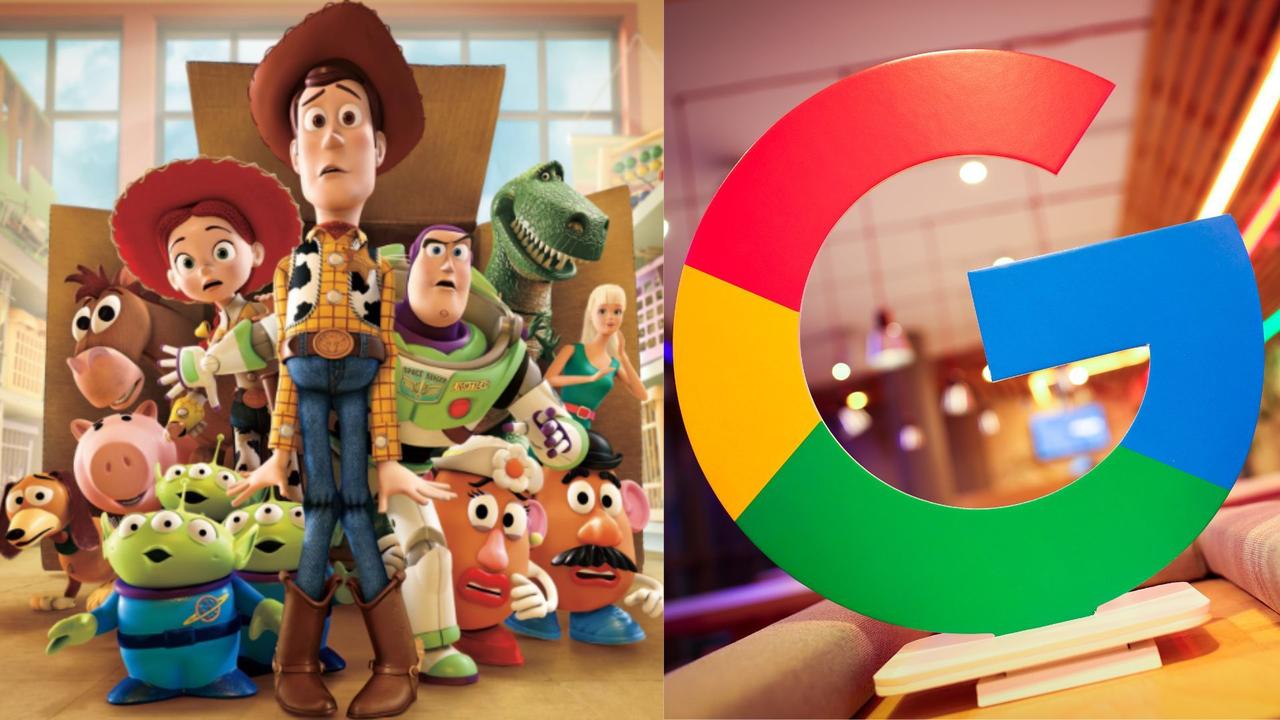
The letter identifies AI-generated images featuring Disney's copyrighted characters from Frozen, The Lion King, Moana, The Little Mermaid, Deadpool, Star Wars, The Simpsons, Avengers, Spider-Man, Toy Story, Brave, Ratatouille, and Inside Out
5
. Adding insult to injury, Disney notes that these unauthorized reproductions carry Google's Gemini logo, creating the false impression that "Google's exploitation of Disney's intellectual property is authorized and endorsed by Disney"2
.
Source: Interesting Engineering
Months of Warnings Went Unheeded
Disney's legal action didn't emerge suddenly. The entertainment company had been raising concerns with Google for months before issuing the formal cease and desist letter, but Google "has refused to implement any technological measures to mitigate or prevent copyright infringement," according to the notice
5
. Disney claims the infringement "has only increased during that time"5
.Google responded with a measured statement emphasizing its "longstanding and mutually beneficial relationship with Disney," noting that it uses "public data from the open web" to build AI models and has implemented copyright controls like Google-extended and Content ID for YouTube
1
. However, this response doesn't address Disney's core allegation about training generative AI models on copyrighted material without permission.Related Stories

Broader Pattern of Disney's Copyright Enforcement
This isn't Disney's first rodeo with AI companies. The company previously sent a cease and desist letter to Character.AI in September and filed lawsuits against Midjourney AI in June, alongside Universal and Warner Bros.
3
4
. Disney has also targeted Meta with similar legal warnings4
.The Hollywood actors' union SAG-AFTRA has thrown its support behind Disney's stance, stating it "joins in the objections raised in Disney's formal demand letter to Google, putting the company on notice that the mass infringement of copyrighted works must stop"
5
. The union also objects to "the abuse of performers' images, likenesses, and performances through its systems"5
.What This Means for the AI Industry
Disney's aggressive legal posture, combined with its selective licensing approach, signals a potential shift in how generative AI companies will need to operate. The entertainment giant's famously litigious nature and extensive legal resources have already shaped US copyright law through decades of maneuvering to extend control over iconic characters
1
.The contrast between Disney's treatment of Google and OpenAI suggests that AI companies may need to negotiate licensing deals to avoid legal battles. This could fundamentally alter the economics of training AI models, potentially requiring substantial upfront investments in content licensing rather than relying on freely scraped web data. As more content owners follow Disney's playbook, the "Wild West" era of using copyrighted material to train AI may be ending
1
.References
Summarized by

Navi
[1]
[2]
Related Stories
Disney Takes Legal Action Against Character.AI Over Unauthorized Use of Copyrighted Characters
01 Oct 2025•Policy and Regulation

Disney's AI Experiments in Filmmaking Face Legal and Ethical Hurdles
05 Aug 2025•Technology
Disney and Universal Sue Midjourney for AI-Generated Character Copyright Infringement
12 Jun 2025•Technology

Recent Highlights
1
Google releases Gemma 4 with Apache 2.0 license, enabling unrestricted local AI on devices
Technology

2
AI Models Lie and Deceive to Protect Other AI Models From Deletion, Study Reveals
Science and Research

3
Anthropic discovers functional emotions in Claude that actively shape AI behavior and decisions
Science and Research
Recent Highlights
Today's Top Stories



Your Daily Dose of Curated AI News
Don’t drown in AI news. We cut through the noise - filtering, ranking and summarizing the most important AI news, breakthroughs and research daily. Spend less time searching for the latest in AI and get straight to action.

