ElevenLabs releases AI music album with Liza Minnelli and Art Garfunkel amid industry shift


6 Sources
6 Sources
[1]
These Grammy-Winning Artists Have Released an AI Music Album Collaboration
Artificial intelligence has been at the center of controversy over AI tools generating music using the voices of artists without their permission. But on Wednesday, ElevenLabs announced signing big-name artists, including Liza Minnelli and Art Garfunkel, to produce tracks for its new AI music album, The Eleven Album. ElevenLabs is an AI audio company, and its new arm, Eleven Music, is its first large-scale collaboration between music artists and AI. The album features songs from the pop, rap, EDM, and R&B genres, with each artist contributing an original track that blends their own sound with Eleven Music's AI tech. "My voice plus the technology simply opens another door," Garfunkel said in a statement. Don't miss any of our unbiased tech content and lab-based reviews. Add CNET as a preferred Google source. A spokesperson at Eleven Music told CNET that everything is opt-in, transparent and permission-based. "Artists decide how their work is used, and nothing is trained or released without explicit consent," they said. "Building trust and long-term relationships is central to how we collaborate." Minnelli, one of the artists participating in Eleven Music's new album, supports using AI to continue creating new content while maintaining control over her projects. "What interested me here was the idea of using my voice and new tools in service of expression, not instead of it," Minnelli said in a statement. "This project respects the artist's voice, the artist's choices and the artist's ownership ... ElevenLabs makes it possible for anyone to be a creator and owner." The album also includes tracks by Patrick Patrikios, Willonius, IAMSU!, Demitri Leiros, Emily Falvey, Sunsetto, Kondzilla, Chris Lyons and Michael Feinstein, as well as two AI music artists: Angelbaby and Kai. All streaming revenue goes back to the artists, ElevenLabs said. Similar to Eleven Music, Spotify announced in October a new artificial intelligence partnership with several popular music labels, such as Sony and Universal. And Adobe dropped a new AI feature that allows you to create your own AI-generated music for videos. There are many AI tools out there that let you create your own music, with varying levels of success. But other online music platforms like Bandcamp have banned the use of AI in their policies to maintain the human connection. An Eleven Music spokesperson told CNET that the goal for the Eleven Album is to show what artist-led collaboration with AI can look like in practice. "Music has always evolved alongside new tools, from drum machines to synthesizers, and this project continues that tradition," the spokesperson said. If this album is successful, ElevenLabs hopes that it shows how AI can serve as a new creative instrument for songwriters to compose original works. The Eleven Album is streaming on Spotify.
[2]
ElevenLabs made an AI album to plug its music generator
ElevenLabs has released an album of AI-generated songs in its latest attempt to separate itself from the ethical concerns surrounding AI music. The Eleven Album aims to showcase "how artists can use AI to expand their creative range while maintaining full authorship and commercial rights," according to ElevenLabs. ElevenLabs is using the album to market its Eleven Music generator and Iconic Voices Marketplace platforms it launched last year, both of which are cleared for commercial use. ElevenLabs says that every artist on the project "produced a fully original track that blends their signature sound with the capabilities of Eleven Music," and retains full ownership of their work alongside earning 100 percent of any streaming revenue. The Eleven Album features a mishmash of musical genres and spoken word from 13 artists (which feels like a missed opportunity), including: You can listen to the album -- or to cite ElevenLabs, "experience the future of sound" -- on Spotify or the ElevenLabs website. This comes as music labels have started to shift their perspectives on AI's place within the industry. After months of fighting with music generators and online platforms over copyright infringement, Universal Music Group (UMG) and Warner Records have forged deals with Suno, Udio, and other AI platforms. Sony Music Entertainment also joined Warner and UMG in inking deals with Klay's "ethical" AI platform. ElevenLabs is trying to avoid missing out on those monetization opportunities by appealing to artists directly. Many have voiced strong opposition to having their voice, style, and likeness cloned. Without compensation and ownership rights, those AI clones could impact their ability to make money, given that most people can't distinguish between AI-generated and human-made music.
[3]
Liza Minnelli uses AI to release first new music in 13 years
Singing legend heralds 'new tools in service of expression', on compilation that also features an Art Garfunkel song using AI-generated piano backing Liza Minnelli has released her first new music in 13 years, adding vocals to an AI-created dance track. The track, Kids, Wait Til You Hear This - also the title of her upcoming memoir - is an unexpected foray into deep house for the 79-year-old Minnelli, who adds a handful of spoken declarations to the pumping backing. Minnelli hasn't released new music since 2013, when she performed a track for US TV musical drama Smash, and she expressed great faith in the potential for AI-created music. On her Facebook page she heralded the company behind the track, ElevenLabs, as "a six billion dollar techno behemoth [doing] amazing things ... What I will not allow this great company to do? Create, clone or copy my voice! ... We used AI arrangements. Not AI vocals ... The shout outs are all mine!" In an accompanying press release, she said: "I've always believed that music is about connection and emotional truth. What interested me here was the idea of using my voice and new tools in service of expression, not instead of it. This project respects the artist's voice, the artist's choices, and the artist's ownership. I grew up watching my parents create wonderful dreams that were owned by other people. ElevenLabs makes it possible for anyone to be a creator and owner. That matters." The track is part of a compilation of other music created or modified by AI, and Art Garfunkel is among the other artists featured. His track Authorship features a spoken excerpt from his memoir What Is It All But Luminous, paying tribute to his father over an AI piano backing. "Music has always evolved alongside technology, from microphones to multitrack recording," Garfunkel said. "What impressed me about this experience was the respect for musicianship. The human remains at the centre. My voice plus the technology simply opens another door." The pair's enthusiastic uptake of AI is in marked contrast to others in the industry: there are fears that AI-generated music will undermine the employment of human musicians, and imitate the work of others without properly compensating them. Ed Sheeran has said: "If you're taking a job away from a human being, I think that's probably a bad thing. The whole point of society is we all do jobs. If everything is done by robots, everybody's gonna be out of work. I just find AI a bit weird." And Lil Wayne has doubted that AI could accurately replicate his own voice: "I am naturally, organically amazing. I'm one of a kind. So actually, I would love to see that thing try to duplicate this motherfucker." A wave of new "generative AI" companies such as Udio, Suno and Klay are nonetheless forging ahead, striking deals with record labels to allow users to manipulate artists' work with AI tools, or create entirely new tracks using text prompts, based on the AI absorbing the work of others and using it to inform new compositions. The artists can choose whether to opt into these services. Record labels were initially hostile to the companies, threatening legal action, but there have since been a number of settlements and partnerships. After settling with Universal and Warner, Udio announced this week that it was partnering with Merlin, an umbrella organisation representing indie labels such as Beggars Group, Epitaph, Domino, Sub Pop and Warp - meaning that artists from Arctic Monkeys to Aphex Twin could make their music available to Udio's AI tools. Speaking to the Guardian this week, Suno founder Mikey Shulman said the use of AI in music was already very widespread. "It was described to me that we're the Ozempic of the music industry - everybody is on it and nobody wants to talk about it," he said.
[4]
An AI Liza Minnelli is the star of the 'Eleven Album'
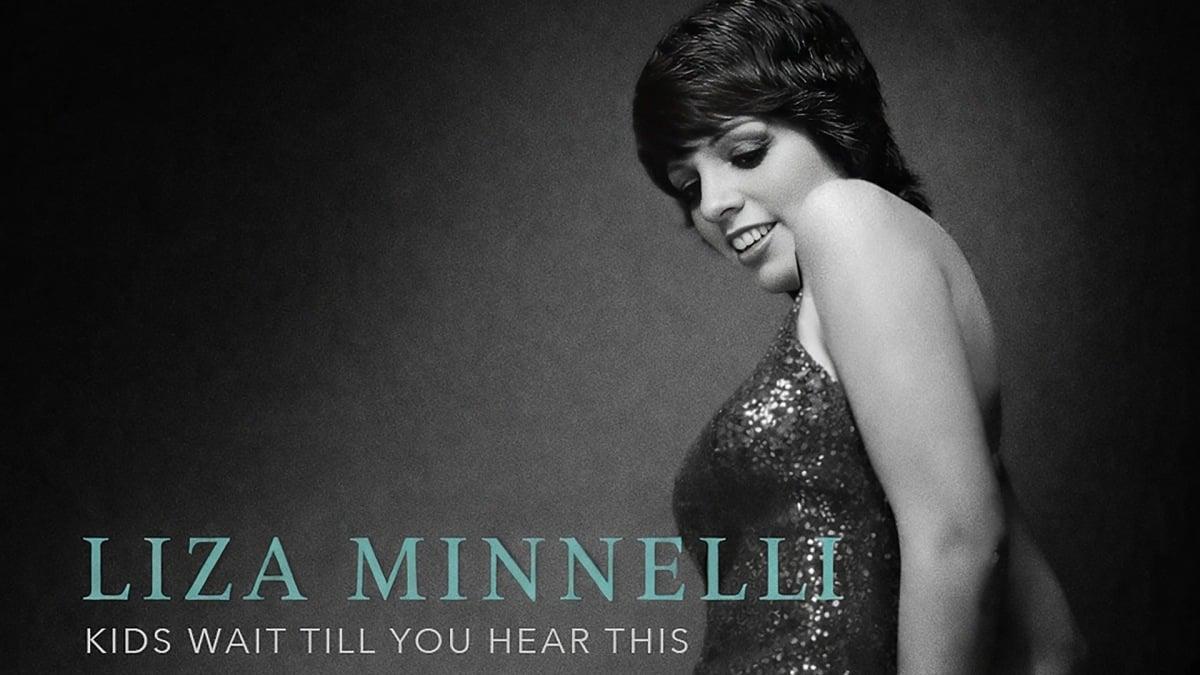
The cover art for a new song called 'Kids Wait Til You Hear This,' co-created by Liza Minnelli. Credit: ElevenLabs Eleven Labs announced today that it worked with artists such as Liza Minnelli for the Eleven Album, a collection of songs created to promote the company's new AI music generator, Eleven Music. Many of the songs on the album are now streaming on Spotify in a public playlist. Additional tracks, including the new Liza Minnelli song, "Kids Wait Til You Hear This," can be heard on the ElevenLabs website. An ElevenLabs spokesperson told Mashable all of the songs will be available on Spotify soon. Spoiler alert: The new Liza Minnelli song is... not great! ElevenLabs is an AI audio company. It recently partnered with celebrities (including Minnelli) to launch the Iconic Voices Marketplace, which lets users license cloned celebrity voices in commercial or editorial work. The company's new AI music generator, Eleven Music, launched in December. An ElevenLabs blog post describes the album as "a landmark musical release," but the album feels more like an advertisement for Eleven Music than genuine musical expression. Minnelli and Art Garfunkel are the biggest names on the album, which also features producers, songwriters, and musicians from a variety of genres. "When you see people get involved in [AI projects], I think the first thing you gotta look at is how much money did they pay them?" said Justine Bateman, a filmmaker and author who has been an outspoken critic of generative AI in the arts, in a phone interview with Mashable. "Nobody is making partnerships with these tech companies -- nobody legitimate in the business -- is making any sort of partnerships with these tech companies for free. So they pay these people a lot of money, whoever it is, to partner with them, as marketing, to try and legalize themselves to their target audience, which is everyone who is not a filmmaker, or a musician." In a press release provided to Mashable, ElevenLabs described the creative process as a collaboration. "Each contributor produced a fully original track that blends their signature sound with the capabilities of Eleven Music, showcasing new creative possibilities without compromising human artistry." The press release also stated that the artists will maintain "full authorship and commercial rights" to the music. Minnelli is a beloved EGOT-winning icon, though it's not clear how much involvement she had with the actual production of the track credited to her. The 79-year-old artist has largely stepped away from public life in recent years while dealing with health issues. A quote from Minnelli is included in the blog post: I've always believed that music is about connection and emotional truth. What interested me here was the idea of using my voice and new tools in service of expression, not instead of it. This project respects the artist's voice, the artist's choices, and the artist's ownership. I grew up watching my parents create wonderful dreams that were owned by other people. ElevenLabs makes it possible for anyone to be a creator and owner. That matters. Minnelli is known for her alto singing voice, stage presence, and larger-than-life personality, but the new song "Kids Wait Til You Hear This" sounds absolutely nothing like Minnelli's body of work. I was expecting a Broadway-style showtune, but the track is actually an obnoxiously generic EDM song. It sounds to me like the producers were trying to ape the classic 2010 dance song "Barbra Streisand" by Duck Sauce, but if so, they're way off track. Other songs, such as "Uno, Dos, Tres" by Kai.wav and "She got that fire" by Kondzilla, are painfully derivative, a common problem with AI-generated music. However, some of the tracks could easily be mistaken for music fully created by human beings. Composer Demitri Lerios has an instrumental song on the album, and if you heard the track in a movie score, you'd likely have no idea it was co-created with generative AI. Personally, I find AI music to be quite soulless, and the album has done nothing to change that impression. As I said, it's really more of an advertisement than anything else, which undercuts any artistic value it's trying to achieve. AI in music and the arts remains extremely controversial, and many artists take a hard line against the use of AI in any context. Whenever a company uses generative AI in commercials, music, video games, or filmmaking, it faces fierce backlash from AI critics. Many musicians criticize the AI industry for training audio models on copyrighted works without permission or payment. The industry's environmental impact is also a sticking point among critics. Other artists worry that AI technology will take jobs from artists, actors, musicians, and other creative professionals. And on a creative level, some people passionately believe that AI-generated art is an oxymoron in and of itself. "If you took three meals that were made by really great chefs and you smushed your hands up into all this food and you mashed it all together, and then you sort of treated it like clay and molded something that looked like a chicken breast and put it on a plate -- did you cook that? And are you a chef? That's what it is," Bateman told Mashable. "People need to stop talking about AI like it's some independent entity," the filmmaker said. "It is an algorithm made wholly of -- 99.9 percent of the time -- made wholly out of completely stolen work, that some human is using to try to approximate what they think will sell. Is that art?" Of course, the backlash (and lawsuits) from artists hasn't stopped major Hollywood studios, music labels, and advertising agencies from embracing AI technology in various forms. There are also promising use cases for AI audio technology, such as the ability to translate podcasts or music into any language on the planet. As stated previously, ElevenLabs said the album showcased "new creative possibilities without compromising human artistry."
[5]

Liza Minnelli is among the artists who collaborated on a new AI-generated album
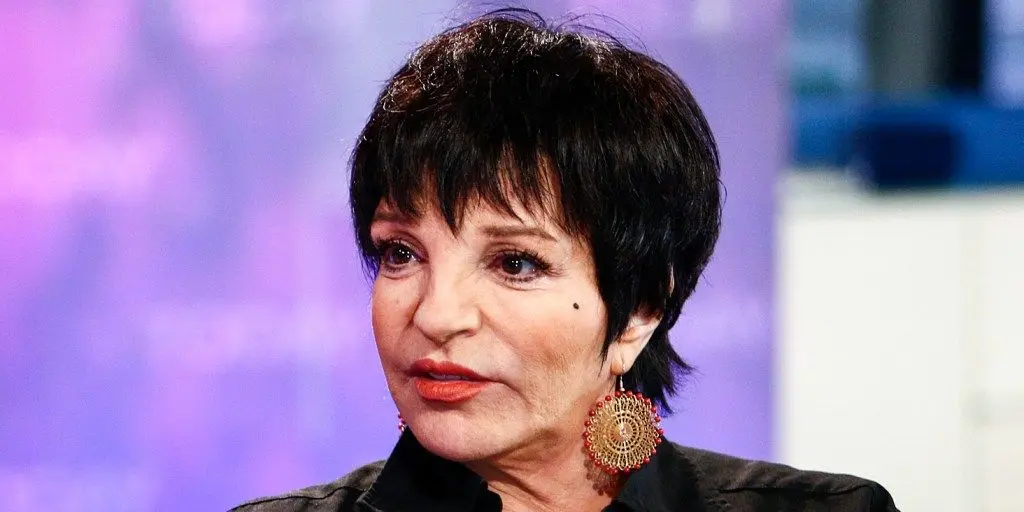
Liza Minnelli, pictured during an appearance on NBC's "TODAY" show in 2013, is featured on "The Eleven Album."Peter Kramer / NBCUniversal via Getty Images file ElevenLabs, an artificial intelligence voice generation company, is launching what it says is the first major AI-generated album made with full permission from human artists, including singer Liza Minnelli. "The Eleven Album," which the company released Wednesday on Spotify, includes tracks featuring 13 artists, such as Simon & Garfunkel's Art Garfunkel and singer-pianist Michael Feinstein. The musicians created songs that blend their own signature sounds with the AI platform's music generation features. "I've always believed that music is about connection and emotional truth," Minnelli, an Emmy, Grammy, Oscar and Tony (EGOT) winner, said in a statement. "What interested me here was the idea of using my voice and new tools in service of expression, not instead of it. This project respects the artist's voice, the artist's choices, and the artist's ownership." London-based ElevenLabs, which launched in 2023, has been actively courting talent like Minnelli in hope of combating the anti-AI sentiments among creative artists. The platform recently launched a marketplace system, in which public figures -- including the likes of actor Michael Caine -- can license their AI-cloned voices. That means companies must request explicit approval to use their voices or likenesses in media campaigns and creative projects. Last month, ElevenLabs also partnered with the estates of Hollywood icons Judy Garland, James Dean, Burt Reynolds and Laurence Olivier to use their voices for its text narration app. Sophia Noel, who works in the company's partnerships team, said its music model is "fully trained on licensed music, so that means that we didn't steal or take any music in order to create this system." "If you are a user of ElevenLabs, if you create music, you own that entirely," she added. More AI companies are pushing to striking licensing deals with talent across sectors -- from film and TV to video games -- to avoid blowback from artists who worry that their voices and likenesses are being used without their consent. Oscar-winning actor Matthew McConaughey filed to trademark himself this month to protect against unauthorized AI misuse. The move followed several years of contentious debates in Hollywood over regulating AI. In 2024, Scarlett Johansson slammed OpenAI for rolling out a GPT-4o chatbot with a voice "eerily similar" to hers even though she had declined its request to provide her voice. OpenAI removed the voice but said it was not an "imitation" of Johansson. Rapper Drake also took down a diss track after Tupac Shakur's estate threatened to sue him for using an AI-generated version of Shakur's voice. Even the actors union SAG-AFTRA stirred some controversy when it signed a deal with Replica Studios to license digitally replicated voices for use in video games. The union said the agreement was an attempt to pave an ethical path for performers to engage with AI. Amid backlash, some deals have continued to be made. Late last year, Universal Music Group and Warner Music Group signed major licensing deals with the AI music studios Stability AI and Udio -- with both music labels settling their copyright infringement lawsuits against Udio. Around the same time, UMG, WMG and Sony Music Entertainment also announced separate AI licensing agreements with Klay, a small music technology company based in Los Angeles. AI-generated music has also become more prevalent and difficult to identify online. Last summer, an indie band called The Velvet Sundown got more than 1 million plays on Spotify before the supposed group admitted, after heavy speculation, that all of its tracks are generated with AI. Since then, several Spotify artists -- such as Breaking Rust, Cain Walker and Sienna Rose -- have amassed millions of monthly listeners, despite being suspected of being AI. Some listeners have lamented the incorporation of AI-generated music in their Spotify algorithms. Last year, around 6,300 users voted in a live poll for the platform to "introduce a clear label for AI-generated songs and provide an option to filter them out entirely." In response, Spotify announced plans last fall to implement clearer AI disclosures in song credits and stricter impersonation rules. A Consumer Reports investigation last year found that several of the leading voice-cloning companies, including ElevenLabs, had bypassable safeguards that amounted to having users check a box "saying that the person whose voice is being cloned had given authorization." ElevenLabs' partnerships lead, Dustin Blank, said in an email to NBC News that the platform's more advanced professional voice-cloning feature requires users to verify their identities by "reading a text prompt within a specific timeframe to confirm their voice matches the training samples uploaded for replication." Noel, of ElevenLabs, also said each AI-cloned voice includes a "sonic fingerprint," which incorporates a unique sound frequency that works like a digital watermark to show that the voice was generated by ElevenLabs. As the company rolls out its new album, Feinstein, one of the artists who worked on the project, pushed back against critics of using AI in art. "People who look at AI as a threat are not seeing the potential of what it can do with art direction and guidance," he said in a statement. "AI may offer infinite options. Creators have to make the final choices."
[6]

Liza Minnelli defends using AI to help make first new song in 13...
Liza Minnelli has a message for all the haters out there. The Broadway legend recently took to social media to announce her first new song in over 10 years, an EDM-infused track that, like her upcoming memoir, is called "Kids Wait Till You Hear This." "Hi Kids, I'm happy as a clam, laughing like hell and losing my mind!" Minnelli, 79, began her Facebook post on Wednesday. "It's all goin' on at the time." "Today, my first EDM single since The Pet Shop Boys era, released on [ElevenLabs], a Six Billion Dollar techno behemoth does amazing things," she continued. "Matthew McConaughey was an early investor. Smart." However, the beloved EGOT winner faced backlash after revealing that she utilized artificial intelligence to help create the new song. "What I will not allow this great company to do? Create, clone or copy my voice!" she explained. "On this dance track, 'Kids Wait Till You Hear This' which is a tease for my book, we used AI arrangements. Not AI vocals." "A few trolls didn't bother to read the truth, check with me or my partners," Minnelli added. "The shout outs are all mine!" The "Cabaret" singer went on to encourage her almost 400,000 Facebook followers to "go listen, enjoy, and shake your pretty buns to the music, as we glide down the runway to send my book into the world and your very own hot hands." Minnelli's fans, meanwhile, took to the comments section to express their disappointment that AI was used to craft the new track. "Yikes, this is all incredibly awkward," one person wrote. "Love Liza," added another. "Detest whoever's behind this." "Wow! I wish Liza knew what is being done to exploit her," commented a third, while a fourth shared, "Doesn't matter what you used AI for. AI is absolutely terrible and it's heartbreaking to see a legendary artist such as yourself have a robot do it for you." The Post has reached out to Minnelli's reps for comment. ElevenLabs, the leading AI software company behind "The Eleven Album," announced Minnelli's participation in a press release on Wednesday. Described as "a landmark musical release" designed to "explore what's possible when artists and AI create together," the project also features Art Garfunkel, songwriter Patrick Patrikios and composer Demitri Leiros alongside AI-generated artists like Kai and King Willonius. The "New York, New York" star was quoted in the release as being "interested" in the new project because it provided her the opportunity to use her "voice and new tools in service of expression" rather than "instead of it." "This project respects the artist's voice, the artist's choices, and the artist's ownership," she said. "I grew up watching my parents create wonderful dreams that were owned by other people." She added, "ElevenLabs makes it possible for anyone to be a creator and owner. That matters." Minnelli's last new song, "A Love Letter from the Times," was released in 2013 for the NBC musical series "Smash." Although the "Arthur" star recorded an intro for Nicolas King's record "Act One" in 2021, she hasn't released a full album of her own since "Confessions" in 2010. Minnelli surprised fans last year when she performed live for the first time in years during a rare appearance on the Season 17 finale of "RuPaul's Drag Race" in April.
Share
Share
Copy Link
ElevenLabs launched The Eleven Album on Spotify, featuring Grammy winners Liza Minnelli and Art Garfunkel in what the AI audio company calls an artist-led collaboration. The 13-track album showcases how musicians can use AI tools while retaining full authorship, streaming revenue, and commercial rights. The release comes as major music labels shift from fighting AI platforms to signing licensing agreements.
ElevenLabs Debuts The Eleven Album with Grammy-Winning Artists
ElevenLabs released The Eleven Album on Wednesday, marking what the AI audio company describes as the first large-scale AI music album collaboration between established artists and artificial intelligence technology
1
. The album features 13 artists, including EGOT winner Liza Minnelli and Simon & Garfunkel's Art Garfunkel, alongside producers and musicians from pop, rap, EDM, and R&B genres1
. Each contributor produced a fully original track that blends their signature sound with Eleven Music, the company's AI music generator launched in December2
.
Source: The Verge
The album serves as a promotional vehicle for ElevenLabs' music generation platforms, including Eleven Music and the Iconic Voices Marketplace, both cleared for commercial use
2
. Artists retain full ownership of their work and receive 100 percent of streaming revenue, according to the company2
. The album is now streaming on Spotify, with additional tracks available on the ElevenLabs website4
.Artist-Led AI Collaboration Built on Consent-Based AI Framework
For 79-year-old Liza Minnelli, the album marks her first new music release in 13 years
3
. Her track, "Kids, Wait Til You Hear This"—also the title of her upcoming memoir—represents an unexpected foray into deep house music, featuring spoken declarations over AI-generated arrangements3
. Minnelli emphasized on her Facebook page that while the company used AI arrangements, the vocals remain entirely hers, and she explicitly refused to allow voice cloning technology3
.
Source: Mashable
"What interested me here was the idea of using my voice and new tools in service of expression, not instead of it," Minnelli stated
1
. She highlighted that the project respects authorship rights, artist choices, and ownership—a contrast to her parents' experience of creating work owned by others5
.Art Garfunkel contributed "Authorship," featuring a spoken excerpt from his memoir "What Is It All But Luminous" over AI-generated piano backing
3
. "My voice plus the technology simply opens another door," Garfunkel said, comparing the evolution to past technological advances like microphones and multitrack recording3
.An ElevenLabs spokesperson told CNET that everything is opt-in, transparent, and permission-based
1
. "Artists decide how their work is used, and nothing is trained or released without explicit consent," they said, emphasizing that building trust and long-term relationships is central to their collaboration approach1
.Music Industry Shifts from Opposition to AI Licensing Agreements
The Eleven Album arrives as major music labels pivot from threatening legal action against AI platforms to forging licensing deals. Universal Music Group and Warner Music Group signed agreements with AI music studios Suno and Udio, settling copyright infringement lawsuits in the process
5
. Sony Music Entertainment joined Warner and Universal Music Group in separate AI licensing agreements with Klay, a Los Angeles-based music technology company5
.This week, Udio announced a partnership with Merlin, an umbrella organization representing indie labels including Beggars Group, Epitaph, Domino, Sub Pop, and Warp
3
. This means artists from Arctic Monkeys to Aphex Twin could make their music available to Udio's AI tools for artists, though participation remains optional3
.Sophia Noel from ElevenLabs' partnerships team emphasized that the company's music model is "fully trained on licensed music, so that means we didn't steal or take any music in order to create this system"
5
. Users who create music on the platform own it entirely, she added5
.Related Stories

Persistent Concerns Over Job Displacement and Intellectual Property
Despite these ethical AI frameworks, many artists maintain strong opposition to AI music. Ed Sheeran has voiced concerns about job displacement, stating: "If you're taking a job away from a human being, I think that's probably a bad thing"
3
. He questioned the societal impact if robots perform all jobs, leaving humans unemployed3
.Filmmaker Justine Bateman, an outspoken critic of generative AI in the arts, suggested to Mashable that companies pay celebrities substantial sums to partner on AI projects as marketing to legitimize themselves to target audiences
4
. She questioned the authenticity of such partnerships when financial incentives are involved4
.Concerns about AI voice cloning persist. A Consumer Reports investigation found that several leading voice-cloning companies, including ElevenLabs, had safeguards that could be bypassed by simply checking a box claiming authorization
5
. In response, ElevenLabs' partnerships lead Dustin Blank explained that the platform's advanced professional voice-cloning feature now requires users to verify their identities by reading a text prompt within a specific timeframe5
.
Source: NBC
AI-generated songs have become increasingly prevalent and difficult to identify on Spotify. Last summer, indie band The Velvet Sundown accumulated more than 1 million plays before admitting all tracks were AI-generated
5
. Around 6,300 users voted in a live poll requesting Spotify introduce clear labels for AI-generated songs and provide filtering options5
. Spotify announced plans last fall to implement clearer AI disclosures in song credits and stricter impersonation rules5
.Suno founder Mikey Shulman told The Guardian that AI use in music is already widespread, comparing it to Ozempic: "everybody is on it and nobody wants to talk about it"
3
. This suggests that while public debate continues, industry adoption of AI music generators may be accelerating behind the scenes, raising questions about transparency and the future relationship between human creativity and machine-generated content.References
Summarized by

Navi
[3]
Related Stories
AI Artist Xania Monet Makes Billboard History with Multi-Million Dollar Record Deal
08 Nov 2025•Entertainment and Society

AI-Generated Artist Xania Monet Lands $3 Million Record Deal, Sparking Debate in Music Industry
23 Sept 2025•Entertainment and Society

Céline Dion Warns Fans About Unauthorized AI-Generated Music Using Her Voice and Image
11 Mar 2025•Entertainment and Society
Recent Highlights
1
Apple Plans Major Siri AI Overhaul in iOS 27 With Third-Party Chatbot Integration
Technology

2
OpenAI shuts down Sora after six months, ending Disney's $1 billion licensing partnership
Technology

3
AI chatbots validate you too much, making you less kind to others, Stanford study reveals
Science and Research

Recent Highlights
Today's Top Stories




Your Daily Dose of Curated AI News
Don’t drown in AI news. We cut through the noise - filtering, ranking and summarizing the most important AI news, breakthroughs and research daily. Spend less time searching for the latest in AI and get straight to action.

