AI-Generated Artist Xania Monet Lands $3 Million Record Deal, Sparking Debate in Music Industry


2 Sources
[1]
An AI musician just got a multi-million dollar record deal
An AI-generated artist got a $3 million record deal.A human artist uses AI platform Suno to generate the persona.Creative industries continue to sue AI companies. An AI-generated musician persona run by a human R&B artist has received a $3 million record deal -- amidst several lawsuits targeting
[2]
AI musicians may be signing record deals, but that won't make the songs any better
Xania Monet is breaking records, but don't ask her to perform live A little-known artist named Xania Monet signing a reportedly $3 million record deal with Hallwood Media sounds like a nice musical dream, but there's a twist at the end of the tale. Xania isn't a traditional singer or producer.
Share
Copy Link
An AI-generated musician, Xania Monet, created by R&B artist Telisha Jones using the Suno platform, has secured a $3 million record deal with Hallwood Media. This development raises questions about the future of AI in music and its impact on human creativity.

AI Artist Breaks into Mainstream Music
In a groundbreaking development for the music industry, an AI-generated artist named Xania Monet has secured a $3 million record deal with Hallwood Media
1
. This virtual musician is the creation of Telisha "Nikki" Jones, a human R&B artist who uses the AI platform Suno to generate Xania's persona, vocals, and musical production1
2
.The Human Behind the AI
Jones, a poet with a background in church singing, writes 90% of Xania's lyrics and takes full ownership of the production credits
1
2
. She combines her real-life songwriting abilities with AI-generated elements to create Xania's unique sound. This collaboration between human creativity and AI technology has resulted in chart-topping success, with Xania's songs reaching No.1 on R&B Digital Song Sales and gaining popularity on TikTok1
.Legal Challenges and Industry Concerns
The rise of AI-generated music has not been without controversy. Suno, the platform used to create Xania's music, is currently facing a lawsuit from the Recording Industry of America (RIAA) for alleged copyright infringement
1
. The RIAA claims that Suno "stream-ripped" songs from artists on YouTube to train its AI voice models, potentially violating the copyrights of established artists like Mariah Carey and The Temptations1
.The Future of Live Performances
One of the most pressing questions surrounding AI-generated artists like Xania Monet is how they will handle live performances
2
. With no physical presence, it's unclear whether future concerts will feature lip-syncing, holograms, or other technological solutions to bring the virtual artist to life on stage2
. This uncertainty raises concerns about the authenticity and emotional connection that fans typically experience at live music events.Impact on the Music Industry
The success of AI-generated artists like Xania Monet could have far-reaching implications for the music industry. While it opens up new possibilities for creativity and production, it also poses potential threats to human musicians, touring bands, background vocalists, and studio musicians
2
. There are concerns that record labels may prioritize AI-assisted acts over traditional human artists due to their cost-effectiveness and algorithmic appeal2
.Related Stories

Ethical Considerations and Artistic Integrity
As AI-generated music becomes more prevalent, questions arise about the nature of artistic expression and emotional authenticity. Critics argue that while AI can produce technically proficient music, it may lack the genuine human experience and emotion that traditionally connects artists with their audience
2
. The debate continues on whether AI-generated music can truly replicate the depth and nuance of human-created art.The Future of AI in Music
Despite the controversies, the success of Xania Monet demonstrates the potential for AI to revolutionize the music industry. As technology continues to advance, it's likely that we'll see more AI-human collaborations and entirely AI-generated artists in the future
1
2
. The challenge for the industry will be to find a balance between embracing technological innovation and preserving the human elements that have long been at the heart of musical expression.References
Summarized by

Navi
Related Stories
AI Artist Xania Monet Makes Billboard History with Multi-Million Dollar Record Deal
08 Nov 2025•Entertainment and Society

Major Labels Embrace AI Music Platforms After Copyright Battles, Raising Artist Concerns
16 Dec 2025•Entertainment and Society
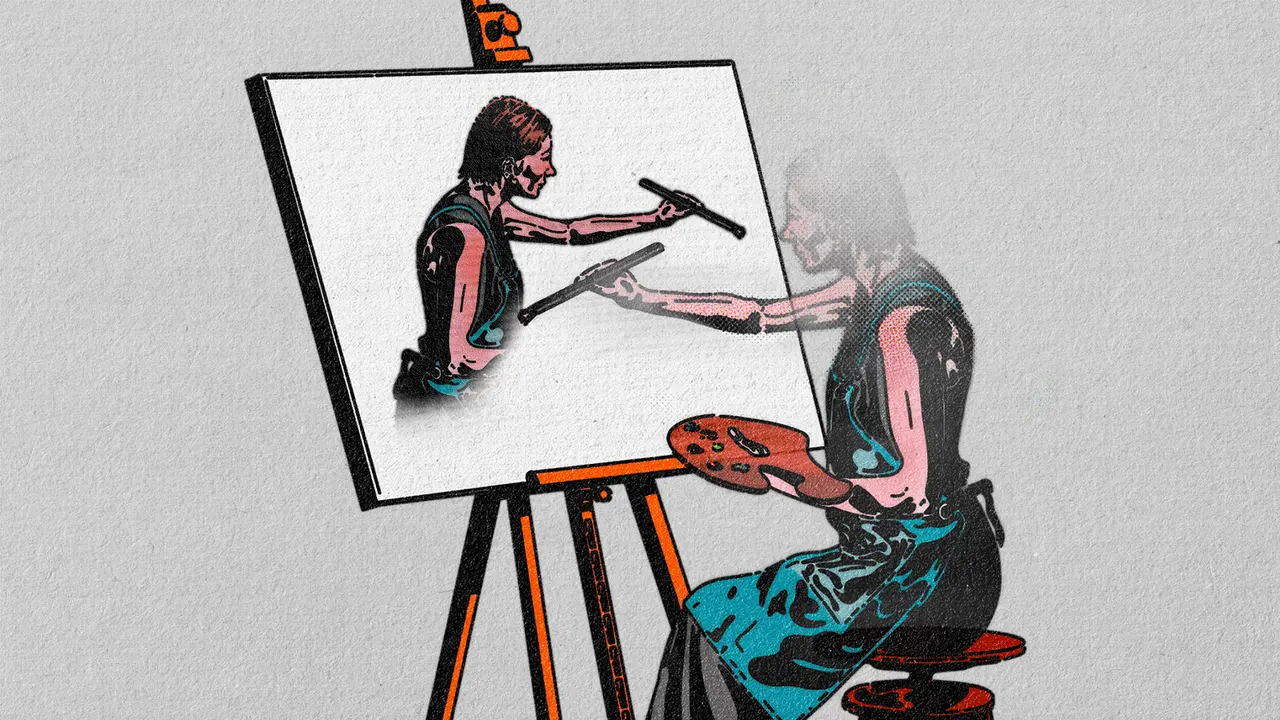
AI music floods Spotify as frustrated listeners build blockers and demand transparency
28 Apr 2026•Entertainment and Society

Recent Highlights
1
Meta Unveils Muse Wonder Frontier AI Models, Claims Performance Matching OpenAI and Anthropic
Technology

2
IMF Report Warns AI Market Correction Could Spark Global Financial Crisis With $1.4T at Risk
Business and Economy

3
OpenAI Releases 722 AI-Generated Math Solutions, Triggering Existential Crisis in Mathematics
Technology

Recent Highlights
Today's Top Stories







Don’t drown in AI news. We cut through the noise - filtering, ranking and summarizing the most important AI news, breakthroughs and research daily. Follow topics that matter to you and stay ahead.


