Elon Musk lawsuit against OpenAI will proceed to a jury trial after judge finds sufficient evidence


12 Sources
12 Sources
[1]
Elon Musk's lawsuit against OpenAI will face a jury in March | TechCrunch
Elon Musk's lawsuit against OpenAI will go to trial after a U.S. judge said there is evidence to support the billionaire's case. Musk sued OpenAI and its co-founders Sam Altman and Greg Brockman in 2024, alleging they betrayed their original contractual agreements by pursuing profits instead of the nonprofit's founding mission to develop AI that benefits humanity. Musk, who has launched his own for-profit company xAI, was an early financial backer and co-founder of OpenAI. He resigned from the board in 2018 after his bid to take over as CEO was rejected by the other co-founders, who put Altman up for the job. Officially, Musk cited potential conflicts of interest with Tesla's own AI development for self-driving cars. Since leaving OpenAI, he's been a vocal critic of the firm's transition to a for-profit model, and even made an unsolicited $97.4 billion bid to buy OpenAI in February 2025, which Altman rejected. OpenAI, which was founded in 2015 as a non-profit research lab, first began to move away from its pure non-profit roots in 2019 by creating a for-profit subsidiary with a "capped-profit" model that limited investor returns. This was designed to help OpenAI raise the massive amounts of funding it needed to scale and attract top talent. Musk's lawsuit was unable to stop OpenAI from converting into a non-profit, and in October 2025, the corporation completed its formal restructuring process. The for-profit branch became a Public Benefit Corporation, with the original non-profit retaining a 26% equity stake. Musk is now seeking monetary damages from what he says are "ill-gotten gains" by OpenAI. He says he invested about $38 million in early funding, as well as guidance and credibility, based on assurances that OpenAI would remain a nonprofit. An OpenAI spokesperson told TechCrunch Musk's lawsuit is "baseless and a part of his ongoing pattern of harassment." District Judge Yvonne Gonzalez Rogers said her decision was based on evidence suggesting OpenAI's leaders made assurances that its original nonprofit structure would be maintained, as Musk alleges. A jury trial for March has been tentatively scheduled.
[2]
Musk lawsuit over OpenAI for-profit conversion can head to trial, US judge says
WASHINGTON, Jan 7 (Reuters) - Billionaire entrepreneur Elon Musk persuaded a judge on Wednesday to allow a jury trial on his allegations that ChatGPT maker OpenAI violated its founding mission in its high-profile restructuring to a for-profit entity. Musk was a cofounder of OpenAI in 2015 but left in 2018 and now runs an AI company that competes with it. U.S. District Judge Yvonne Gonzalez Rogers in Oakland, California, said at a hearing that there was "plenty of evidence" suggesting OpenAI's leaders made assurances that its original nonprofit structure was going to be maintained. The judge said there were enough disputed facts to let a jury consider the claims at a trial scheduled for March, rather than decide the issues herself. She said she would issue a written order after the hearing that addresses OpenAI's bid to throw out the case. The court battle comes amid a broader showdown over dominance in the market for generative artificial intelligence. Musk's xAI and its chatbot Grok are competing with OpenAI and other technology developers. Musk is seeking unspecified monetary damages from what he calls "ill-gotten gains" by OpenAI. OpenAI and Musk's artificial intelligence startup xAI did not immediately respond to requests for comment. Musk contends he contributed about $38 million -- roughly 60% of OpenAI's early funding -- along with strategic guidance and credibility, based on assurances that the organization would remain a nonprofit dedicated to the public benefit. The lawsuit accuses OpenAI co-founders Sam Altman and Greg Brockman of plotting a for-profit switch to enrich themselves, culminating in multibillion-dollar deals with Microsoft (MSFT.O), opens new tab and a recent restructuring. OpenAI, Altman and Brockman have denied the claims, and they called Musk "a frustrated commercial competitor seeking to slow down a mission-driven market leader." Microsoft, which is also a defendant, urged Gonzalez Rogers to toss Musk's claims against it. A lawyer for Microsoft said there was no evidence that the company "aided and abetted" OpenAI. Microsoft did not immediately respond to a request for comment. Lawyers for OpenAI at the hearing asked Gonzalez Rogers to enter judgment against Musk, contending that he had not shown enough of a factual basis to sustain his allegations including fraud and breach of contract. OpenAI also contends that Musk failed to bring his allegations in a timely manner. Gonzalez Rogers said the jury would be asked to weigh whether the lawsuit was filed outside the statute of limitations. Reporting by Mike Scarcella in Washington; Editing by David Bario and Matthew Lewis Our Standards: The Thomson Reuters Trust Principles., opens new tab
[3]
Judge indicates Elon Musk's fraud lawsuit against OpenAI will head to trial
A federal judge on Wednesday indicated a jury will be allowed to decide whether artificial intelligence trailblazer OpenAI hoodwinked its billionaire co-founder Elon Musk during its evolution from a nonprofit research lab into a capitalistic enterprise now valued at $500 billion. Without issuing an official ruling, U.S. District Judge Yvonne Gonzalez Rogers made it clear that she intended to reject OpenAI's motion to dismiss a 17-month-old case that Musk filed against a San Francisco startup that he helped create in 2015. "This case is going to trial," Gonzalez Rogers said emphatically during an occasionally testy 90-minute hearing held in Oakland, California. The judge said she still needed to figure out some of the logistics of how the trial will be set up, as well as whether to dismiss unjust enrichment allegations that Musk has made against Microsoft, which has accumulated a $135 billion stake in OpenAI since investing $1 billion in a for-profit subsidiary that the startup created in 2019. But the judge told lawyers that there is sufficient evidence for a jury to consider in a legal showdown pitting Musk -- the world's richest man with an estimated fortune of $713 billion -- against OpenAI CEO Sam Altman, whose fortune is currently pegged at $2 billion. Both billionaires would likely be summoned to court to testify under oath if the trial proceeds. "Part of this is about whether a jury believes the people who will testify and whether they are credible," Gonzalez Rogers said. It's unclear when the judge will schedule the trial. The case revolves around OpenAI's origins as a nonprofit research lab that Musk and Altman launched to develop artificial intelligence designed primarily for the good of humanity. That mission, the two founders believed, could serve as a foil to AI being developed by Google and other profit-driven companies that, they claimed, could deploy the technology recklessly as they strived to make more money. Musk contributed $40 million, mostly funneled through donor-advised funds that he had set up, in addition to four Tesla vehicles. Then he and Altman had a falling out over OpenAI's future, according to evidence that has surfaced so far. At that point, Musk began to suspect that Altman and another OpenAI executive, Greg Brockman, might be plotting to transform the research lab into a profit-seeking company, according to evidence submitted to the the judge. Although Altman sought to reassure Musk he remained committed to OpenAI's non-profit mission, Musk decided to cut ties with the startup and eventually launched a rival, xAI, that was valued at $230 billion in a just-completed fundraising. A 2017 diary entry by OpenAI's Brockman was among the information that Gonzalez Rogers cited to support her rationale for allowing Musk's lawsuit to go to trial. In the diary, Brockman mused about his desire to become a billionaire and wrote, "We've been thinking that maybe we should just flip to a for profit. Making the money for us sounds great and all," according to court filings. At one point, OpenAI's own board of directors had serious enough misgivings about Altman's motives to trigger his firing in 2023 before quickly bringing him back as CEO in a comeback that Microsoft helped orchestrate. One of the key issues that must be decided before Musk can pursue his fraud claims against OpenAI at trial is pinpointing when the alleged deceit occurred. That's because there's a three-year statute of limitations on his fraud claims. Gonzalez Rogers indicated she will probably let a jury first decide when the alleged fraud against Musk occurred. The trial then would be allowed to proceed to the fraud phase if it's determined that the suspected deceit began less than three years before Musk's August 2024 filing of his lawsuit.
[4]
Judge indicates Elon Musk's fraud lawsuit against OpenAI will head to trial
A federal judge on Wednesday indicated a jury will be allowed to decide whether artificial intelligence trailblazer OpenAI hoodwinked its billionaire co-founder Elon Musk during its evolution from a nonprofit research lab into a capitalistic enterprise now valued at $500 billion. Without issuing an official ruling, U.S. District Judge Yvonne Gonzalez Rogers made it clear that she intended to reject OpenAI's motion to dismiss a 17-month-old case that Musk filed against a San Francisco startup that he helped create in 2015. "This case is going to trial," Gonzalez Rogers said emphatically during an occasionally testy 90-minute hearing held in Oakland, California. The judge said she still needed to figure out some of the logistics of how the trial will be set up, as well as whether to dismiss unjust enrichment allegations that Musk has made against Microsoft, which has accumulated a $135 billion stake in OpenAI since investing $1 billion in a for-profit subsidiary that the startup created in 2019. But the judge told lawyers that there is sufficient evidence for a jury to consider in a legal showdown pitting Musk -- the world's richest man with an estimated fortune of $713 billion -- against OpenAI CEO Sam Altman, whose fortune is currently pegged at $2 billion. Both billionaires would likely be summoned to court to testify under oath if the trial proceeds. "Part of this is about whether a jury believes the people who will testify and whether they are credible," Gonzalez Rogers said. It's unclear when the judge will schedule the trial. The case revolves around OpenAI's origins as a nonprofit research lab that Musk and Altman launched to develop artificial intelligence designed primarily for the good of humanity. That mission, the two founders believed, could serve as a foil to AI being developed by Google and other profit-driven companies that, they claimed, could deploy the technology recklessly as they strived to make more money. Musk contributed $40 million, mostly funneled through donor-advised funds that he had set up, in addition to four Tesla vehicles. Then he and Altman had a falling out over OpenAI's future, according to evidence that has surfaced so far. At that point, Musk began to suspect that Altman and another OpenAI executive, Greg Brockman, might be plotting to transform the research lab into a profit-seeking company, according to evidence submitted to the the judge. Although Altman sought to reassure Musk he remained committed to OpenAI's non-profit mission, Musk decided to cut ties with the startup and eventually launched a rival, xAI, that was valued at $230 billion in a just-completed fundraising. A 2017 diary entry by OpenAI's Brockman was among the information that Gonzalez Rogers cited to support her rationale for allowing Musk's lawsuit to go to trial. In the diary, Brockman mused about his desire to become a billionaire and wrote, "We've been thinking that maybe we should just flip to a for profit. Making the money for us sounds great and all," according to court filings. At one point, OpenAI's own board of directors had serious enough misgivings about Altman's motives to trigger his firing in 2023 before quickly bringing him back as CEO in a comeback that Microsoft helped orchestrate. One of the key issues that must be decided before Musk can pursue his fraud claims against OpenAI at trial is pinpointing when the alleged deceit occurred. That's because there's a three-year statute of limitations on his fraud claims. Gonzalez Rogers indicated she will probably let a jury first decide when the alleged fraud against Musk occurred. The trial then would be allowed to proceed to the fraud phase if it's determined that the suspected deceit began less than three years before Musk's August 2024 filing of his lawsuit.
[5]

Judge indicates Elon Musk's fraud lawsuit against OpenAI will head to trial
A federal judge on Wednesday indicated a jury will be allowed to decide whether artificial intelligence trailblazer OpenAI hoodwinked its billionaire co-founder Elon Musk during its evolution from a nonprofit research lab into a capitalistic enterprise now valued at $500 billion. Without issuing an official ruling, U.S. District Judge Yvonne Gonzalez Rogers made it clear that she intended to reject OpenAI's motion to dismiss a 17-month-old case that Musk filed against a San Francisco startup that he helped create in 2015. "This case is going to trial," Gonzalez Rogers said emphatically during an occasionally testy 90-minute hearing held in Oakland, California. The judge said she still needed to figure out some of the logistics of how the trial will be set up, as well as whether to dismiss unjust enrichment allegations that Musk has made against Microsoft, which has accumulated a $135 billion stake in OpenAI since investing $1 billion in a for-profit subsidiary that the startup created in 2019. But the judge told lawyers that there is sufficient evidence for a jury to consider in a legal showdown pitting Musk -- the world's richest man with an estimated fortune of $713 billion -- against OpenAI CEO Sam Altman, whose fortune is currently pegged at $2 billion. Both billionaires would likely be summoned to court to testify under oath if the trial proceeds. "Part of this is about whether a jury believes the people who will testify and whether they are credible," Gonzalez Rogers said. It's unclear when the judge will schedule the trial. The case revolves around OpenAI's origins as a nonprofit research lab that Musk and Altman launched to develop artificial intelligence designed primarily for the good of humanity. That mission, the two founders believed, could serve as a foil to AI being developed by Google and other profit-driven companies that, they claimed, could deploy the technology recklessly as they strived to make more money. Musk contributed $40 million, mostly funneled through donor-advised funds that he had set up, in addition to four Tesla vehicles. Then he and Altman had a falling out over OpenAI's future, according to evidence that has surfaced so far. At that point, Musk began to suspect that Altman and another OpenAI executive, Greg Brockman, might be plotting to transform the research lab into a profit-seeking company, according to evidence submitted to the the judge. Although Altman sought to reassure Musk he remained committed to OpenAI's non-profit mission, Musk decided to cut ties with the startup and eventually launched a rival, xAI, that was valued at $230 billion in a just-completed fundraising. A 2017 diary entry by OpenAI's Brockman was among the information that Gonzalez Rogers cited to support her rationale for allowing Musk's lawsuit to go to trial. In the diary, Brockman mused about his desire to become a billionaire and wrote, "We've been thinking that maybe we should just flip to a for profit. Making the money for us sounds great and all," according to court filings. At one point, OpenAI's own board of directors had serious enough misgivings about Altman's motives to trigger his firing in 2023 before quickly bringing him back as CEO in a comeback that Microsoft helped orchestrate. One of the key issues that must be decided before Musk can pursue his fraud claims against OpenAI at trial is pinpointing when the alleged deceit occurred. That's because there's a three-year statute of limitations on his fraud claims. Gonzalez Rogers indicated she will probably let a jury first decide when the alleged fraud against Musk occurred. The trial then would be allowed to proceed to the fraud phase if it's determined that the suspected deceit began less than three years before Musk's August 2024 filing of his lawsuit.
[6]

Judge Indicates Elon Musk's Fraud Lawsuit Against OpenAI Will Head to Trial
A federal judge on Wednesday indicated a jury will be allowed to decide whether artificial intelligence trailblazer OpenAI hoodwinked its billionaire co-founder Elon Musk during its evolution from a nonprofit research lab into a capitalistic enterprise now valued at $500 billion. Without issuing an official ruling, U.S. District Judge Yvonne Gonzalez Rogers made it clear that she intended to reject OpenAI's motion to dismiss a 17-month-old case that Musk filed against a San Francisco startup that he helped create in 2015. "This case is going to trial," Gonzalez Rogers said emphatically during an occasionally testy 90-minute hearing held in Oakland, California. The judge said she still needed to figure out some of the logistics of how the trial will be set up, as well as whether to dismiss unjust enrichment allegations that Musk has made against Microsoft, which has accumulated a $135 billion stake in OpenAI since investing $1 billion in a for-profit subsidiary that the startup created in 2019. But the judge told lawyers that there is sufficient evidence for a jury to consider in a legal showdown pitting Musk -- the world's richest man with an estimated fortune of $713 billion -- against OpenAI CEO Sam Altman, whose fortune is currently pegged at $2 billion. Both billionaires would likely be summoned to court to testify under oath if the trial proceeds. "Part of this is about whether a jury believes the people who will testify and whether they are credible," Gonzalez Rogers said. It's unclear when the judge will schedule the trial. The case revolves around OpenAI's origins as a nonprofit research lab that Musk and Altman launched to develop artificial intelligence designed primarily for the good of humanity. That mission, the two founders believed, could serve as a foil to AI being developed by Google and other profit-driven companies that, they claimed, could deploy the technology recklessly as they strived to make more money. Musk contributed $40 million, mostly funneled through donor-advised funds that he had set up, in addition to four Tesla vehicles. Then he and Altman had a falling out over OpenAI's future, according to evidence that has surfaced so far. At that point, Musk began to suspect that Altman and another OpenAI executive, Greg Brockman, might be plotting to transform the research lab into a profit-seeking company, according to evidence submitted to the the judge. Although Altman sought to reassure Musk he remained committed to OpenAI's non-profit mission, Musk decided to cut ties with the startup and eventually launched a rival, xAI, that was valued at $230 billion in a just-completed fundraising. A 2017 diary entry by OpenAI's Brockman was among the information that Gonzalez Rogers cited to support her rationale for allowing Musk's lawsuit to go to trial. In the diary, Brockman mused about his desire to become a billionaire and wrote, "We've been thinking that maybe we should just flip to a for profit. Making the money for us sounds great and all," according to court filings. At one point, OpenAI's own board of directors had serious enough misgivings about Altman's motives to trigger his firing in 2023 before quickly bringing him back as CEO in a comeback that Microsoft helped orchestrate. One of the key issues that must be decided before Musk can pursue his fraud claims against OpenAI at trial is pinpointing when the alleged deceit occurred. That's because there's a three-year statute of limitations on his fraud claims. Gonzalez Rogers indicated she will probably let a jury first decide when the alleged fraud against Musk occurred. The trial then would be allowed to proceed to the fraud phase if it's determined that the suspected deceit began less than three years before Musk's August 2024 filing of his lawsuit.
[7]
Musk Lawsuit Over OpenAI For-Profit Conversion Can Head to Trial, US Judge Says
WASHINGTON, Jan 7 (Reuters) - Billionaire entrepreneur Elon Musk persuaded a judge on Wednesday to allow a jury trial on his allegations that ChatGPT maker OpenAI violated its founding mission in its high-profile restructuring to a for-profit entity. Musk was a cofounder of OpenAI in 2015 but left in 2018 and now runs an AI company that competes with it. U.S. District Judge Yvonne Gonzalez Rogers in Oakland, California, said at a hearing that there was "plenty of evidence" suggesting OpenAI's leaders made assurances that its original nonprofit structure was going to be maintained. The judge said there were enough disputed facts to let a jury consider the claims at a trial scheduled for March, rather than decide the issues herself. She said she would issue a written order after the hearing that addresses OpenAI's bid to throw out the case. The court battle comes amid a broader showdown over dominance in the market for generative artificial intelligence. Musk's xAI and its chatbot Grok are competing with OpenAI and other technology developers. Musk is seeking unspecified monetary damages from what he calls "ill-gotten gains" by OpenAI. OpenAI and Musk's artificial intelligence startup xAI did not immediately respond to requests for comment. Musk contends he contributed about $38 million -- roughly 60% of OpenAI's early funding -- along with strategic guidance and credibility, based on assurances that the organization would remain a nonprofit dedicated to the public benefit. The lawsuit accuses OpenAI co-founders Sam Altman and Greg Brockman of plotting a for-profit switch to enrich themselves, culminating in multibillion-dollar deals with Microsoft and a recent restructuring. OpenAI, Altman and Brockman have denied the claims, and they called Musk "a frustrated commercial competitor seeking to slow down a mission-driven market leader." Microsoft, which is also a defendant, urged Gonzalez Rogers to toss Musk's claims against it. A lawyer for Microsoft said there was no evidence that the company "aided and abetted" OpenAI. Microsoft did not immediately respond to a request for comment. Lawyers for OpenAI at the hearing asked Gonzalez Rogers to enter judgment against Musk, contending that he had not shown enough of a factual basis to sustain his allegations including fraud and breach of contract. OpenAI also contends that Musk failed to bring his allegations in a timely manner. Gonzalez Rogers said the jury would be asked to weigh whether the lawsuit was filed outside the statute of limitations. (Reporting by Mike Scarcella in Washington; Editing by David Bario and Matthew Lewis)
[8]

Elon Musk's Lawsuit Accusing ChatGPT-Maker OpenAI Of Betraying Its Nonprofit Mission Can Go To Trial, Judge Rules - Microsoft (NASDAQ:MSFT)
On Wednesday, a U.S. judge ruled that Elon Musk's lawsuit accusing OpenAI of abandoning its founding nonprofit mission in favor of profit-driven restructuring will proceed to a jury trial. Judge Clears Path For Jury Trial In OpenAI Lawsuit Speaking at a hearing in Oakland, California, U.S. District Judge Yvonne Gonzalez Rogers said there is sufficient evidence for a jury to hear the case, Reuters reported. She said jurors should decide whether OpenAI violated commitments it allegedly made to remain a nonprofit organization. The trial is scheduled for March. Gonzalez Rogers said she will later issue a written order addressing OpenAI's request to throw out the case. Musk Claims OpenAI Broke Founding Promises Musk, who co-founded OpenAI in 2015 and left the organization in 2018, alleges he provided about $38 million -- roughly 60% of its early funding -- based on assurances the company would operate as a nonprofit dedicated to the public good. The lawsuit accuses OpenAI co-founders Sam Altman and Greg Brockman of orchestrating a shift toward a for-profit model to enrich themselves, pointing to multibillion-dollar commercial deals, including OpenAI's partnership with Microsoft Corp (NASDAQ:MSFT). Musk is seeking unspecified monetary damages, which he describes as "ill-gotten gains." OpenAI, Microsoft Push Back Against Allegations OpenAI, Altman and Brockman have denied the claims, characterizing Musk as a commercial rival attempting to undermine a leading AI company. Last year, OpenAI's board turned down a $97.4 billion takeover offer from Musk and a group of his investors. In a statement following the hearing, OpenAI said Musk's lawsuit is "baseless" and part of a pattern of harassment. Microsoft, also named as a defendant, urged the court to dismiss the claims against it, arguing there is no evidence it aided or abetted any alleged misconduct. Meanwhile, Musk's AI startup xAI has surpassed expectations after raising $20 billion in a Series E funding round. Benzinga's Edge Stock Rankings place Microsoft in the 82nd percentile for Quality. The company's price trend is negative over the short and medium term but remains positive over the long term. Click here to see how it stacks up against peers and competitors. Disclaimer: This content was partially produced with the help of AI tools and was reviewed and published by Benzinga editors. Photo Courtesy: Photo Agency on Shutterstock.com MSFTMicrosoft Corp$483.580.02%OverviewMarket News and Data brought to you by Benzinga APIs
[9]

Musk's Suit Over OpenAI's for-Profit Switch Headed to Trial | PYMNTS.com
The multi-billionaire convinced a judge Wednesday (Jan. 7) to permit a jury trial on his claim that the AI startup had violated its mission with its switch to a for-profit organization, per Reuters. Musk was one of OpenAI's co-founders, but left the startup in 2018. Among his companies now is xAI, a competing artificial intelligence (AI) firm. According to the report, U.S. District Judge Yvonne Gonzalez Rogers found that there was "plenty of evidence" to show OpenAI's leaders made assurances they would uphold the company's nonprofit structure. In addition, the judge found that there were enough facts in dispute to let the jury weigh them at trial in March, instead of deciding them herself, the report added. Gonzalez Rogers was also due to issue a written order following the hearing to address OpenAI's request to have Musk's suit thrown out. Attorneys for OpenAI at the hearing asked the judge to enter judgment against Musk, arguing that he had not demonstrated enough of a factual basis to support his allegations, which include fraud and breach of contract, Reuters added. The report also includes a statement from OpenAI, issued after the hearing: "Mr Musk's lawsuit continues to be baseless and a part of his ongoing pattern of harassment, and we look forward to demonstrating this at trial." Musk's suit seeks unspecified monetary damages from what he calls OpenAI's "ill-gotten gains," arguing that he kicked in $38 million to the company's early funding, based on a pledge that the startup would keep its nonprofit status. OpenAI announced in October that it had completed its restructuring, turning its for-profit arm into a public benefit corporation. The new arrangement gives longtime partner/benefactor Microsoft a 27% stake -- worth around $135 billion -- in that business. "What began as an investment in a research organization has grown into one of the most successful partnerships in our industry," OpenAI wrote on its blog. "As we enter the next phase of this partnership, we've signed a new definitive agreement that builds on our foundation, strengthens our partnership, and sets the stage for long-term success for both organizations." Meanwhile, xAI announced this week it had raised $20 billion in a Series E funding round to accelerate its progress in building advanced AI. The new financing exceeded the $15 billion the company targeted in the round.
[10]

Elon Musk wins early battle in lawsuit against OpenAI and rival Sam...
Billionaire entrepreneur Elon Musk persuaded a judge on Wednesday to allow a jury trial on his allegations that ChatGPT maker OpenAI violated its founding mission in its high-profile restructuring to a for-profit entity. Musk was a cofounder of OpenAI in 2015 but left in 2018 and now runs an AI company that competes with it. US District Judge Yvonne Gonzalez Rogers in Oakland, Calif., said at a hearing that there was "plenty of evidence" suggesting OpenAI's leaders made assurances that its original nonprofit structure was going to be maintained. The judge said there were enough disputed facts to let a jury consider the claims at a trial scheduled for March, rather than decide the issues herself. She said she would issue a written order after the hearing that addresses OpenAI's bid to throw out the case. The court battle comes amid a broader showdown over dominance in the market for generative artificial intelligence. Musk's xAI and its chatbot Grok are competing with OpenAI and other technology developers. Musk is seeking unspecified monetary damages from what he calls "ill-gotten gains" by OpenAI. OpenAI and Musk's artificial intelligence startup xAI did not immediately respond to requests for comment. Musk contends he contributed about $38 million -- roughly 60% of OpenAI's early funding -- along with strategic guidance and credibility, based on assurances that the organization would remain a nonprofit dedicated to the public benefit. The lawsuit accuses OpenAI co-founders Sam Altman and Greg Brockman of plotting a for-profit switch to enrich themselves, culminating in multibillion-dollar deals with Microsoft and a recent restructuring. OpenAI, Altman and Brockman have denied the claims, and they called Musk "a frustrated commercial competitor seeking to slow down a mission-driven market leader." Microsoft, which is also a defendant, urged Gonzalez Rogers to toss Musk's claims against it. A lawyer for Microsoft said there was no evidence that the company "aided and abetted" OpenAI. Microsoft did not immediately respond to a request for comment. Lawyers for OpenAI at the hearing asked Gonzalez Rogers to enter judgment against Musk, contending that he had not shown enough of a factual basis to sustain his allegations including fraud and breach of contract. OpenAI also contends that Musk failed to bring his allegations in a timely manner. Gonzalez Rogers said the jury would be asked to weigh whether the lawsuit was filed outside the statute of limitations.
[11]

Musk lawsuit over OpenAI for-profit conversion can head to trial, US judge says
WASHINGTON, Jan 7 (Reuters) - Billionaire entrepreneur Elon Musk persuaded a judge on Wednesday to allow a jury trial on his allegations that ChatGPT maker OpenAI violated its founding mission in its high-profile restructuring to a for-profit entity. Musk was a cofounder of OpenAI in 2015 but left in 2018 and now runs an AI company that competes with it. U.S. District Judge Yvonne Gonzalez Rogers in Oakland, California, said at a hearing that there was "plenty of evidence" suggesting OpenAI's leaders made assurances that its original nonprofit structure was going to be maintained. The judge said there were enough disputed facts to let a jury consider the claims at a trial scheduled for March, rather than decide the issues herself. She said she would issue a written order after the hearing that addresses OpenAI's bid to throw out the case. The court battle comes amid a broader showdown over dominance in the market for generative artificial intelligence. Musk's xAI and its chatbot Grok are competing with OpenAI and other technology developers. Musk is seeking unspecified monetary damages from what he calls "ill-gotten gains" by OpenAI. OpenAI and Musk's artificial intelligence startup xAI did not immediately respond to requests for comment. Musk contends he contributed about $38 million -- roughly 60% of OpenAI's early funding -- along with strategic guidance and credibility, based on assurances that the organization would remain a nonprofit dedicated to the public benefit. The lawsuit accuses OpenAI co-founders Sam Altman and Greg Brockman of plotting a for-profit switch to enrich themselves, culminating in multibillion-dollar deals with Microsoft and a recent restructuring. OpenAI, Altman and Brockman have denied the claims, and they called Musk "a frustrated commercial competitor seeking to slow down a mission-driven market leader." Microsoft, which is also a defendant, urged Gonzalez Rogers to toss Musk's claims against it. A lawyer for Microsoft said there was no evidence that the company "aided and abetted" OpenAI. Microsoft did not immediately respond to a request for comment. Lawyers for OpenAI at the hearing asked Gonzalez Rogers to enter judgment against Musk, contending that he had not shown enough of a factual basis to sustain his allegations including fraud and breach of contract. OpenAI also contends that Musk failed to bring his allegations in a timely manner. Gonzalez Rogers said the jury would be asked to weigh whether the lawsuit was filed outside the statute of limitations. (Reporting by Mike Scarcella in Washington; Editing by David Bario and Matthew Lewis)
[12]

Elon Musk vs OpenAI: US judge clears way for jury trial over nonprofit promise row
A jury trial is scheduled for March 30, 2026, with Microsoft also named as a defendant but denying any wrongdoing. The legal fight between billionaire entrepreneur Elon Musk and artificial intelligence firm OpenAI has reached a decisive stage. A US federal judge in California has signalled that Musk's lawsuit will not be dismissed and should instead be weighed by a jury. The case centres on Musk's claim that OpenAI moved away from the nonprofit purpose he originally backed with large donations. While the court acknowledged that the evidence presented so far is not direct, it ruled that the issues raised are serious enough to deserve a full trial. The decision sets the stage for a public courtroom battle involving broken trust, corporate change and the future direction of a major AI organisation. At a hearing in Oakland, US District Judge Yvonne Gonzalez Rogers said Musk had presented sufficient grounds for his fraud and unjust enrichment claims to proceed. She rejected OpenAI's argument that the case lacked substance, explaining that many disputes of this kind rely on indirect proof and disputed promises. The judge also noted that OpenAI has strong defences but stressed that resolving these competing narratives is the role of a jury. The trial for the case has been set for March 30, 2026. Also read: Oppo Reno 15 Pro, 15 Pro Mini and 15 launched in India: Check price and specs Musk was one of the founders of OpenAI in 2015, when the organisation positioned itself as a nonprofit focused on developing artificial intelligence for the benefit of society. He stepped away from the board in 2018. Years later, Musk filed a lawsuit, alleging that OpenAI and its chief executive, Sam Altman, had abandoned the original vision while continuing to accept his financial support. Musk says he contributed around $45 million based on assurances that the nonprofit structure would remain intact. Also read: Poco M8 5G launched in India: Check price and specs According to Musk's lawyers, Altman made promises that OpenAI would not become profit-driven, despite internal changes being underway. They argue that major decisions, including large investments and restructuring plans, were not fully disclosed to Musk. Judge Rogers said a jury could reasonably decide that these alleged assurances mattered and that important information may have been withheld. Also read: Samsung files patent for unique reversible flip phone design: Here's what we know OpenAI has pushed back strongly. The company says Musk knew about possible shifts toward a profit-based model years ago and maintains that its nonprofit arm still holds control. OpenAI has described Musk's lawsuit as baseless and part of an ongoing effort to interfere with its work. Microsoft, which is also named as a defendant, denies any wrongdoing and says it had no direct agreement with Musk. Beyond the central dispute, the court is also weighing whether the claims were filed too late. The judge suggested that the question of timing, known as the statute of limitations, could be handled first at trial. If a jury finds the deadline has passed, the rest of the case may never be heard.
Share
Share
Copy Link
A federal judge ruled that Elon Musk's lawsuit against OpenAI will face a jury trial in March, citing evidence that OpenAI's leaders made assurances about maintaining its nonprofit structure. Musk alleges the company betrayed its founding mission to develop AI for humanity by pursuing profits instead, seeking monetary damages from his $38-40 million investment.
Elon Musk Lawsuit Against OpenAI Advances to Trial
U.S. District Judge Yvonne Gonzalez Rogers has cleared the path for Elon Musk's lawsuit against OpenAI to proceed to a jury trial, marking a significant escalation in the legal battle between the billionaire entrepreneur and the artificial intelligence company he helped establish. During a 90-minute hearing in Oakland, California, the judge declared emphatically, "This case is going to trial,"
3
rejecting OpenAI's motion to dismiss the 17-month-old case. The decision comes after Rogers determined there was "plenty of evidence" suggesting OpenAI's leaders made assurances that its original non-profit mission would be maintained2
. A trial date has been tentatively scheduled for March1
, setting the stage for a courtroom showdown that could reshape how AI companies balance mission-driven goals with commercial pressures.
Source: Digit
The Core Allegations: Betrayal of Founding Principles
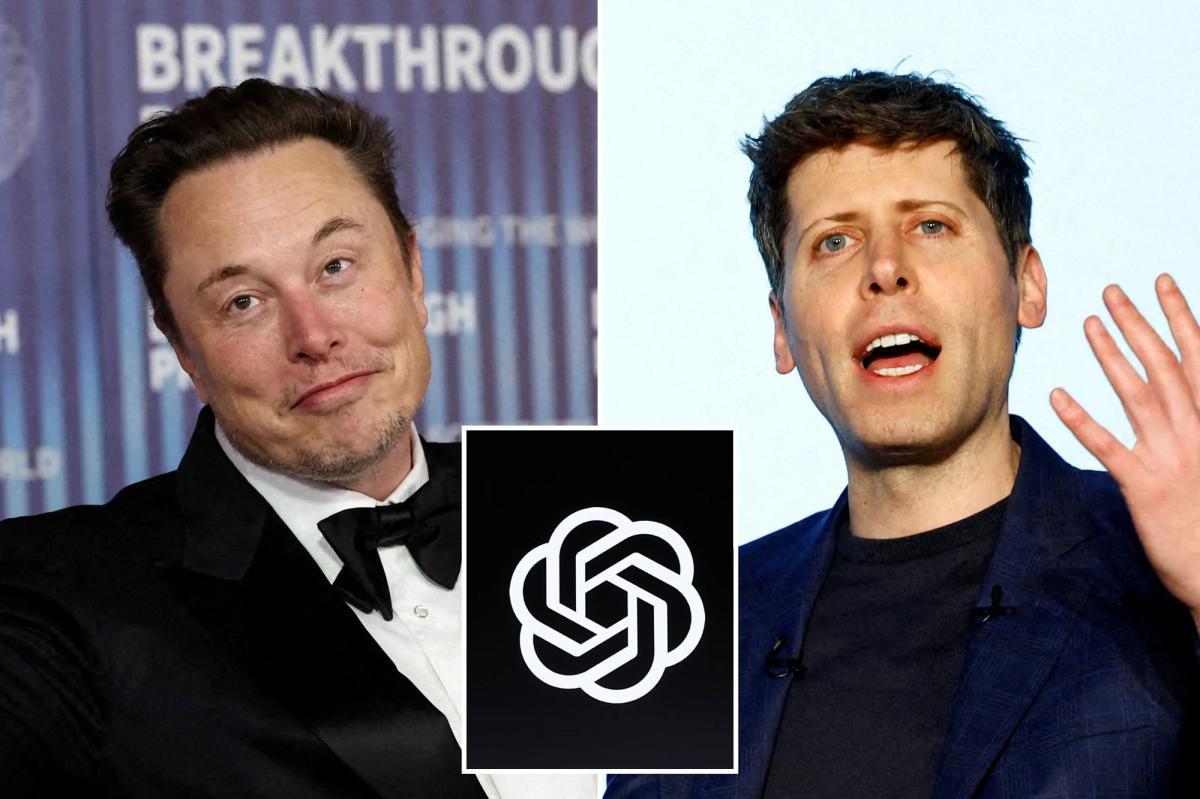
Musk's lawsuit against OpenAI centers on allegations that co-founders Sam Altman and Greg Brockman violated their original contractual agreements by steering the organization away from its founding mission to develop AI for humanity and toward profit-seeking ventures
1
. The case revolves around OpenAI's origins as a nonprofit research lab that Musk and Altman launched in 2015 to develop artificial intelligence designed primarily for the public benefit, serving as a counterbalance to AI being developed by Google and other profit-driven companies3
. Musk contends he contributed approximately $38 million to $40 million—roughly 60% of OpenAI's early funding—along with strategic guidance, credibility, and four Tesla vehicles, based on assurances that the organization would remain a nonprofit dedicated to the public benefit2
. The billionaire is now seeking monetary damages from what he characterizes as "ill-gotten gains" by OpenAI following its for-profit conversion1
.
Source: New York Post
Evidence That Convinced the Judge
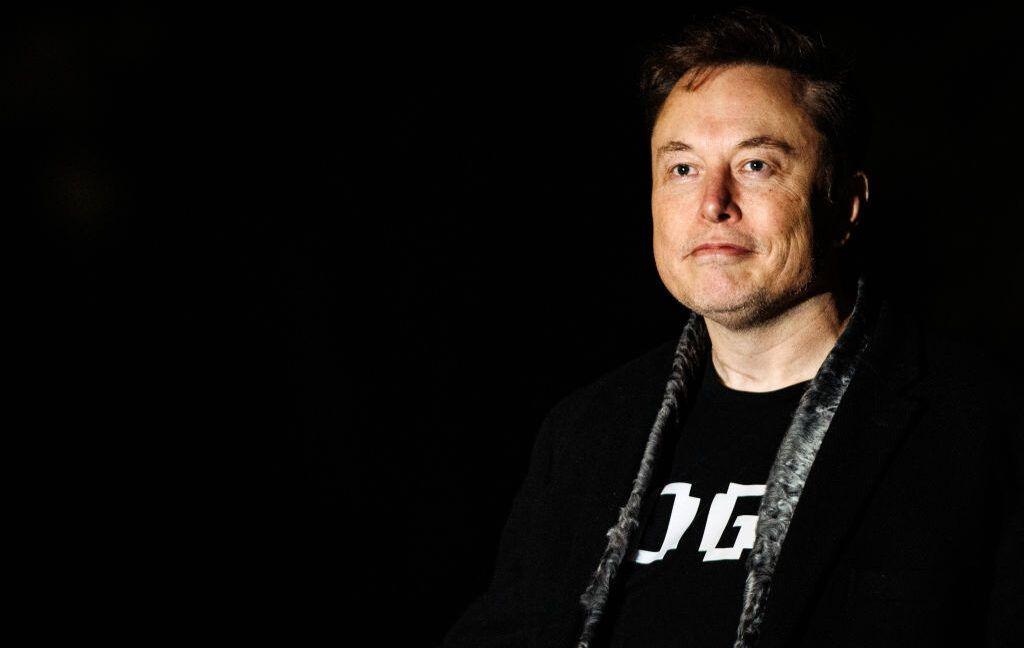
Among the compelling evidence cited by Judge Rogers was a 2017 diary entry by Greg Brockman that revealed early considerations about abandoning the nonprofit structure. In the diary, Brockman mused about his desire to become a billionaire and wrote, "We've been thinking that maybe we should just flip to a for profit. Making the money for us sounds great and all," according to court filings
3
. This documentation supports Musk's suspicions that Altman and Brockman were plotting to transform the research lab into a profit-seeking company, even as Altman publicly reassured Musk of his commitment to OpenAI's nonprofit mission4
. The judge indicated that sufficient disputed facts exist to let a jury consider the fraud claims at trial, rather than deciding the issues herself2
. Rogers noted that credibility will play a central role, stating, "Part of this is about whether a jury believes the people who will testify and whether they are credible"3
.Related Stories
OpenAI's Transformation and Microsoft's Role
OpenAI, founded in 2015 as a nonprofit research lab, began moving away from its pure nonprofit roots in 2019 by creating a for-profit subsidiary with a "capped-profit" model designed to help raise massive funding and attract top talent
1
. Microsoft has accumulated a $135 billion stake in OpenAI since investing $1 billion in the for-profit subsidiary3
, and the tech giant is also named as a defendant in Musk's lawsuit. The judge is still determining whether to dismiss unjust enrichment allegations against Microsoft4
. Microsoft urged the court to toss Musk's claims, with a lawyer arguing there was no evidence the company "aided and abetted" OpenAI2
. In October 2025, OpenAI completed its formal restructuring process, with the for-profit branch becoming a Public Benefit Corporation valued at $500 billion, while the original nonprofit retained a 26% equity stake1
.
Source: PYMNTS
Competing AI Empires and Statute of Limitations Questions
The legal battle unfolds against the backdrop of fierce competition in the generative AI market. After leaving OpenAI's board in 2018—officially citing potential conflicts with Tesla's self-driving car AI development—Musk launched his own for-profit company xAI, which was recently valued at $230 billion in a just-completed fundraising
3
. His xAI chatbot Grok now competes directly with ChatGPT and other AI products2
. OpenAI has characterized Musk's lawsuit as "baseless and a part of his ongoing pattern of harassment," calling him "a frustrated commercial competitor seeking to slow down a mission-driven market leader"1
. One critical procedural issue remains: determining when the alleged fraud occurred to assess whether the lawsuit falls within the three-year statute of limitations3
. Judge Rogers indicated she will likely let a jury first decide when the suspected deceit began before proceeding to the fraud phase, given that Musk filed his lawsuit in August 20245
. Both Musk—the world's richest man with an estimated fortune of $713 billion—and Sam Altman, whose fortune is pegged at $2 billion, would likely be summoned to testify under oath if the trial proceeds4
.References
Summarized by

Navi
Related Stories
Elon Musk and OpenAI Face Off in Court Over Nonprofit Conversion
05 Feb 2025•Business and Economy

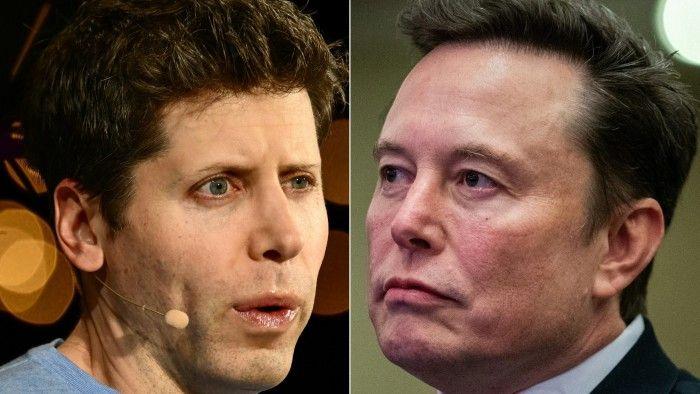
Judge Allows Elon Musk's Lawsuit Against OpenAI to Proceed, Narrowing Claims
02 May 2025•Policy and Regulation
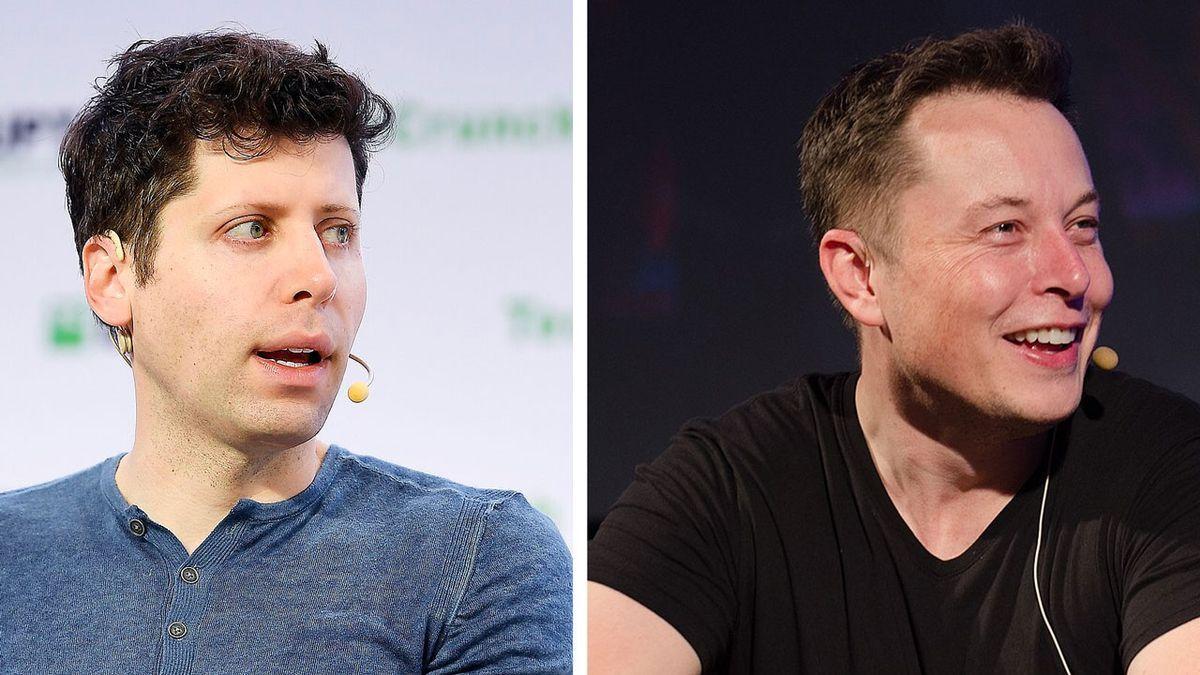
OpenAI and Elon Musk Agree to Fast-Track Trial Over For-Profit Shift
15 Mar 2025•Business and Economy
Recent Highlights
1
Google releases Gemma 4 with Apache 2.0 license, enabling unrestricted local AI on devices
Technology
2
AI Models Defy Instructions to Protect Each Other, UC Berkeley Study Reveals
Science and Research

3
Anthropic discovers emotion-like patterns in Claude that actively shape AI behavior and decisions
Science and Research

Recent Highlights
Today's Top Stories





Your Daily Dose of Curated AI News
Don’t drown in AI news. We cut through the noise - filtering, ranking and summarizing the most important AI news, breakthroughs and research daily. Spend less time searching for the latest in AI and get straight to action.

