Google agrees to $68 million settlement over voice assistant privacy claims


2 Sources
2 Sources
[1]
Google agrees to $68 million settlement in voice assistant privacy lawsuit
Google has agreed to a $68 million settlement regarding claims that its voice assistant inappropriately spied on smartphone users. Plaintiffs claimed that the company's Google Assistant platform began listening to them after it misheard conversations that sounded like its wake words. The suit argued that private information that Google Assistant shouldn't have heard was then used to deliver those individuals targeted ads. Reuters reported that Google denied wrongdoing in the suit, but according to court papers, the company agreed to a settlement in order to avoid the risk and costs of litigating the issue. The preliminary class action settlement was filed on Friday and now awaits approval from U.S. District Judge Beth Labson Freeman. Google has been transitioning away from the Google Assistant platform in the past year, replacing it with its Gemini tool. Not that AI chatbots should be trusted as paragons of privacy either. Apple faced a very similar allegations around its Siri voice assistant in 2019; that class-action suit ended in a $95 million settlement in January 2025. Not sure if a reward of $20 per device feels sufficient when these companies are accidentally overhearing deeply personal conversations and details, but that's how the justice system shakes out some times.
[2]
Google to pay $68 mn to settle voice assistant privacy claims
Google denied doing anything wrong. Still, the company agreed to settle the case to avoid the risks. Google has agreed to pay $68 million to settle a lawsuit that accused the company of violating the privacy of smartphone users through its voice-activated assistant. The case claims that Google Assistant recorded private conversations without proper permission and used the information to help target advertising. The proposed settlement was filed in a federal court in San Jose, California, reports Reuters. It still needs approval from US District Judge Beth Labson Freeman. The lawsuit was brought as a class action by smartphone users who said Google illegally recorded and shared their private conversations. According to the complaint, this happened after Google Assistant was activated by mistake, even when users did not mean to turn it on. Also read: Elon Musk's X under scrutiny after Grok AI found making explicit images Google Assistant is meant to respond only when users say specific hot words, such as "Hey Google" or "Okay Google." However, users said the system sometimes misunderstood normal speech as these commands. Because of these false accepts, users claimed they later received ads related to things they had talked about privately. Google denied doing anything wrong. Still, the company agreed to settle the case to avoid the risks. Also read: Meta faces lawsuit over alleged access to private WhatsApp messages The settlement applies to people who bought Google devices or were affected by false accepts since May 18, 2016. If approved, eligible users may be able to receive compensation from the settlement fund. Lawyers representing the users may seek up to one-third of the total settlement, or about $22.7 million, for legal fees. In December 2024, Apple agreed to pay $95 million to settle similar claims from smartphone users. The Google settlement highlights ongoing worries about how voice assistants work and how much they listen.
Share
Share
Copy Link
Google has agreed to a $68 million settlement over allegations that its voice assistant inappropriately spied on smartphone users. Plaintiffs claimed Google Assistant began listening after mishearing wake words, then used private information for targeted ads. The settlement awaits court approval and follows Apple's similar $95 million Siri settlement in January 2025.
Google Settles Voice Assistant Privacy Lawsuit for $68 Million
Google has agreed to pay $68 million to resolve a class-action lawsuit alleging its voice assistant inappropriately recorded users without proper user consent. The preliminary class action settlement, filed in federal court in San Jose, California, now awaits approval from U.S. District Judge Beth Labson Freeman
1
2
. While Google denied wrongdoing, the company agreed to the Google settlement to avoid the risks and costs of continued litigation.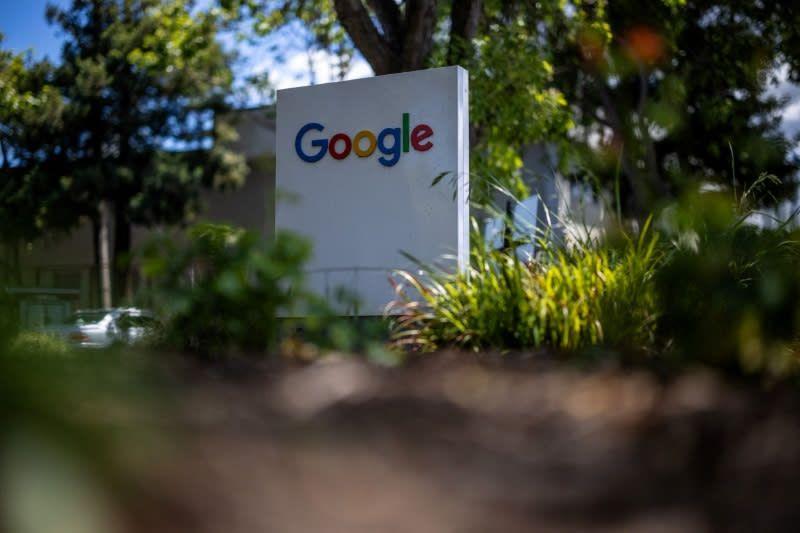
Source: Engadget
Claims of Unauthorized Recording and Targeted Advertising
Plaintiffs in the privacy lawsuit claimed that Google Assistant illegally recorded and shared their recorded private conversations after being activated by mistake. The voice assistant is designed to respond only when users say specific wake words such as "Hey Google" or "Okay Google." However, users alleged the system sometimes misunderstood normal speech as these commands, leading to what are known as false accepts
2
. After mishearing wake words, the suit argued that private information Google Assistant shouldn't have heard was then used to deliver those individuals targeted ads1
. Users reported receiving targeted advertising related to topics they had discussed privately, raising serious privacy concerns about how voice assistants operate and the extent of their listening capabilities.Settlement Details and Compensation Structure
The $68 million settlement applies to people who purchased Google devices or were affected by false accepts since May 18, 2016
2
. If approved, eligible users may receive compensation from the settlement fund. Lawyers representing the plaintiffs may seek up to one-third of the total settlement amount, approximately $22.7 million, for legal fees2
. The voice assistant privacy claims highlight ongoing concerns about how tech companies handle user data and the adequacy of safeguards against unintended activation.Related Stories
Broader Industry Pattern and Future Implications
This Google settlement follows a similar pattern in the tech industry. Apple faced nearly identical allegations around its Siri voice assistant in 2019, with that class-action suit ending in a $95 million settlement in January 2025
1
2
. The settlements raise questions about whether compensation adequately addresses the breach of trust when companies inappropriately recorded users discussing deeply personal matters. Google has been transitioning away from the Google Assistant platform over the past year, replacing it with its Gemini tool, though AI chatbots present their own privacy challenges1
. As voice-activated technology becomes more prevalent, users should watch for clearer disclosures about when devices are listening and stronger technical safeguards against accidental activation. The settlements signal that courts are taking these privacy violations seriously, though the long-term impact on how companies design and deploy voice assistants remains to be seen.
Source: Digit
References
Summarized by

Navi
Related Stories
Google Faces Class-Action Lawsuit Over Gemini AI's Alleged Privacy Violations
12 Nov 2025•Policy and Regulation

Apple's $95 Million Siri Settlement: A Wake-Up Call for AI Privacy and Advertising Ethics
13 Jan 2025•Technology

Google Faces Revived Lawsuit Over Chrome's Data Collection Practices
21 Aug 2024

Recent Highlights
1
Meta unveils Muse Spark AI model as Superintelligence Labs makes its debut
Technology

2
Anthropic restricts Mythos AI model release, citing unprecedented cybersecurity capabilities
Technology

3
Anthropic sends Claude AI to psychiatrist, discovers functional emotions that shape behavior
Science and Research

Recent Highlights
Today's Top Stories







Your Daily Dose of Curated AI News
Don’t drown in AI news. We cut through the noise - filtering, ranking and summarizing the most important AI news, breakthroughs and research daily. Spend less time searching for the latest in AI and get straight to action.

