Google tests AI-powered article overviews on News pages, expands source linking in AI Mode


3 Sources
3 Sources
[1]
Google is testing AI-powered article overviews on select publications' Google News pages | TechCrunch
Google is testing AI-powered article overviews on participating publications' Google News pages as part of a new pilot program, the search giant announced on Wednesday. News publishers participating in the pilot program include Der Spiegel, El País, Folha, Infobae, Kompas, The Guardian, The Times of India, The Washington Examiner, and The Washington Post, among others. The purpose of the new commercial partnership program is to "explore how AI can drive more engaged audiences," Google said in a blog post. As part of the new AI pilot program, the company will work with publishers to experiment with new features in Google News. By adding AI-powered article overviews, Google says users will get more context before they click through to read an article. While AI-generated summaries may lead to fewer clicks on news articles, publications participating in the commercial pilot program will receive direct payments from Google, which could make up for the potential decrease in traffic to their sites. The AI-powered article overviews will only appear on participating publications' Google News pages, and not anywhere else on Google News or in Search. This isn't the first time that Google has introduced AI summaries for news. In July, the company rolled out AI summaries in Discover, the main news feed inside Google's search app. With this change, users no longer see a single headline from a major publication in the feed. Instead, they see the logos of multiple news publishers in the top-left corner, followed by an AI-generated summary that cites those sources Google is also experimenting with audio briefings for people who prefer listening to the news rather than reading it, as part of the new pilot program. The company says these features will include clear attribution and a link to articles. Additionally, Google is partnering with organizations such as Estadão, Antara, Yonhap, and The Associated Press to incorporate real-time information and enhance results in the Gemini app. "As the way people consume information evolves, we'll continue to improve our products for people around the world and engage with feedback from stakeholders across the ecosystem," Google wrote in its blog post. "We're doing this work in collaboration with websites and creators of all sizes, from major news publishers to new and emerging voices." As part of Google's Wednesday announcement, the company said that it's launching its "Preferred Sources" feature globally after first launching it in the U.S. and India in August. The feature allows users to select their favorite news sites and blogs to appear in the Top Stories section of Google search results. In the coming days, the feature will be available for English-language users worldwide, and Google plans to roll it out to all supported languages early next year. Google will now also highlight links from your news subscriptions and show these links in a dedicated carousel in the Gemini app in the coming weeks, with AI Overviews and AI Mode to follow. While these features make it easy for users to access news from their preferred sources, they also risk confining them to an ideological bubble that limits their exposure to different perspectives. Google also announced that it's increasing the number of inline links in AI Mode. Additionally, it's introducing "contextual introductions" for embedded links, which are brief explanations that explain why a link could be useful to explore.
[2]
Google says it will link to more sources in AI Mode
Google is planning to update its AI-powered search feature, AI Mode, to include more in-line links to the sources it's pulling information from. The company included the update as part of a broader change to the way it interacts with sources, saying it will also introduce the links embedded inside AI Mode with an AI-generated snippet to explain why they're useful. As shown in an example shared by Google, AI Mode will place its description of relevant sources directly above the carousel containing their links. "These articles suggest budget-friendly decor ideas, including secondhand shopping, architectural updates like molding and hardware swaps, and DIY projects to achieve a vintage look," the example description from AI Mode reads. The change comes just days after the European Commission opened an investigation into Google over whether it is violating competition rules by using content from web publishers in AI features without "appropriate compensation." In August, Google pushed back on a study that claimed people were "less likely" to click on links when an AI Overview appears on the page, saying click volume has remained "relatively stable." Google is also launching a pilot program with several publishers, including The Guardian, The Washington Post, and the Washington Examiner, to "explore how AI can help drive more engaged audiences." One experiment involves displaying AI-written overviews of articles inside Google News. It's working with The Associated Press and other organizations to provide real-time information in the Gemini app as well. In addition to this update, Google announced that it's expanding access to "preferred sources" globally, allowing English speakers around the world to select the news outlets they want to see in the search engine's top stories. It's also adding a new feature that will highlight links from your news subscriptions while putting stories inside a dedicated carousel. Google says it's rolling out this feature to the Gemini app in the coming weeks before bringing it to AI Overviews and AI Mode. Google is bringing an update to Web Guide, too, that is an experiment in Search Labs that uses Gemini AI to organize your search results into AI-generated categories. The company says it has made Web Guide load "twice as fast," adding that it will now appear for more kinds of searches.
[3]
Google's got some new ways to highlight the news sources you care about most
AI Mode is increasing its inline linking to sources, as well as how it contextualizes those links. In a world where it feels increasingly difficult to tell good, reliable information apart from AI fabrications, more and more of us are being intentional about where we go to find it, carefully curating our sources. Luckily for us, Google introduced Preferred Sources this past summer, giving you control over prioritizing content from the sites you trust most. And now, that's getting even better. Today Google announces a few upgrades for Search, including word of a big expansion for Preferred Sources, with the feature rolling out globally for English-language users over the next few days. The company shares that so far people who have taken advantage of Preferred Sources ended up clicking links to those sites twice as often. We're also seeing some changes to how Google handles new sources you're subscribed to, highlighting that content in a new carousel. You'll see this first in the Gemini app, before Google expands it to AI Mode and AI Overviews later down the road. Speaking of AI Mode, look for some changes to how links are featured there, including short contextual introductions for why you might want to check out certain sources, and just more links appearing inline in general. Google News is starting tests on a few other AI features, with audio briefings and text-based AI summaries of stories appearing from certain news sources Google's partnered with. Finally, Google's got an update for us on Web Guide -- we'll forgive you if this one doesn't immediately ring a bell. Launched five months ago as a Search Labs experiment, Web Guide was built to use Gemini to organize Search results in a more useful, structured way. Going forward, you should start seeing Web Guide results in Search a lot more frequently for those of you who have opted in to get them. And Google says that the feature now runs twice as fast as it used to, connecting you with those optimized results in record time.
Share
Share
Copy Link
Google announced a pilot program with major publishers including The Washington Post and The Guardian to test AI-powered article overviews on Google News pages. The search giant is also increasing inline links in AI Mode and expanding its Preferred Sources feature globally, while facing scrutiny from the European Commission over content usage.
Google launches pilot program with publishers for AI-powered article overviews
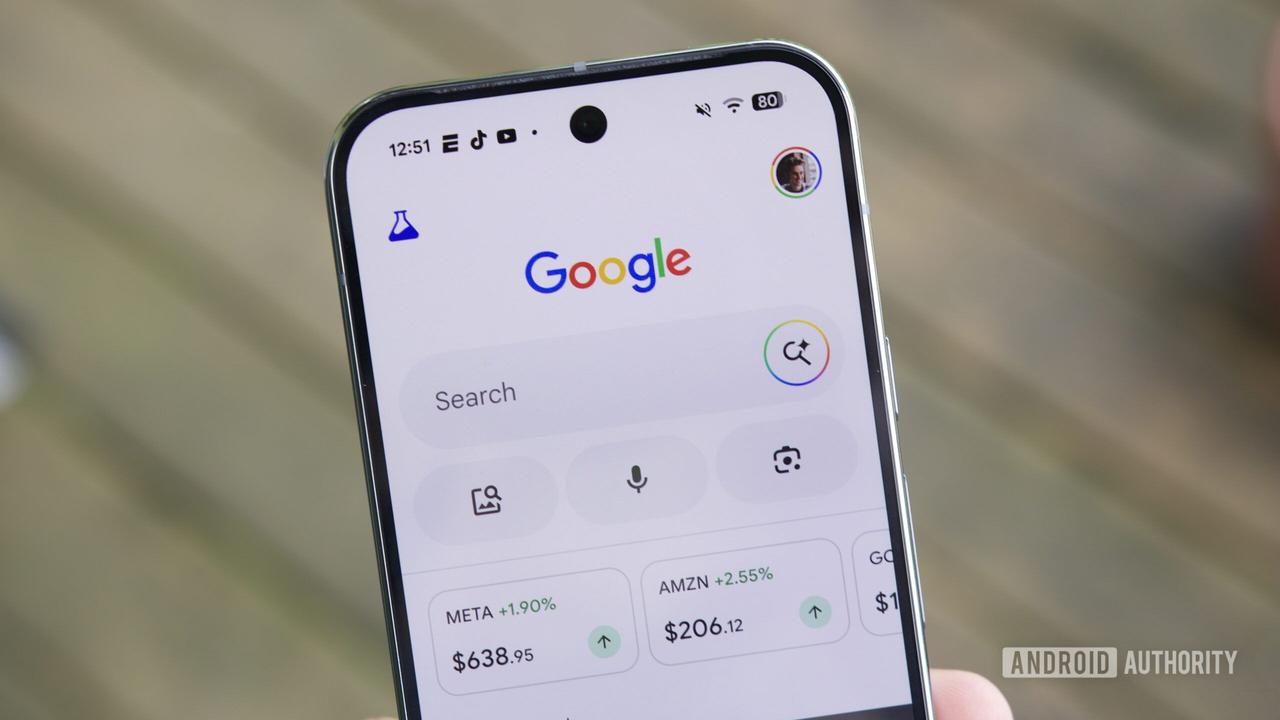
Google has unveiled a commercial pilot program that introduces AI-powered article overviews on participating publications' Google News pages, marking another step in the company's integration of AI features across its platforms
1
. News publishers participating in this pilot program with publishers include The Washington Post, The Guardian, Der Spiegel, El País, Folha, Infobae, Kompas, The Times of India, and The Washington Examiner, among others1
. The initiative aims to explore how AI can drive more engaged audiences while addressing concerns about direct traffic to publisher sites1
.
Source: Android Authority
These AI summaries will provide users with additional context before clicking through to read articles, though they appear exclusively on participating publications' Google News pages rather than across Google's broader search ecosystem
1
. To offset potential decreases in audience engagement and clicks, Google will provide direct payments to participating publishers1
. The company is also experimenting with audio briefings for users who prefer listening to news content, with all features including clear source attribution and links to original articles1
.AI Mode receives enhanced contextual inline linking and source citations
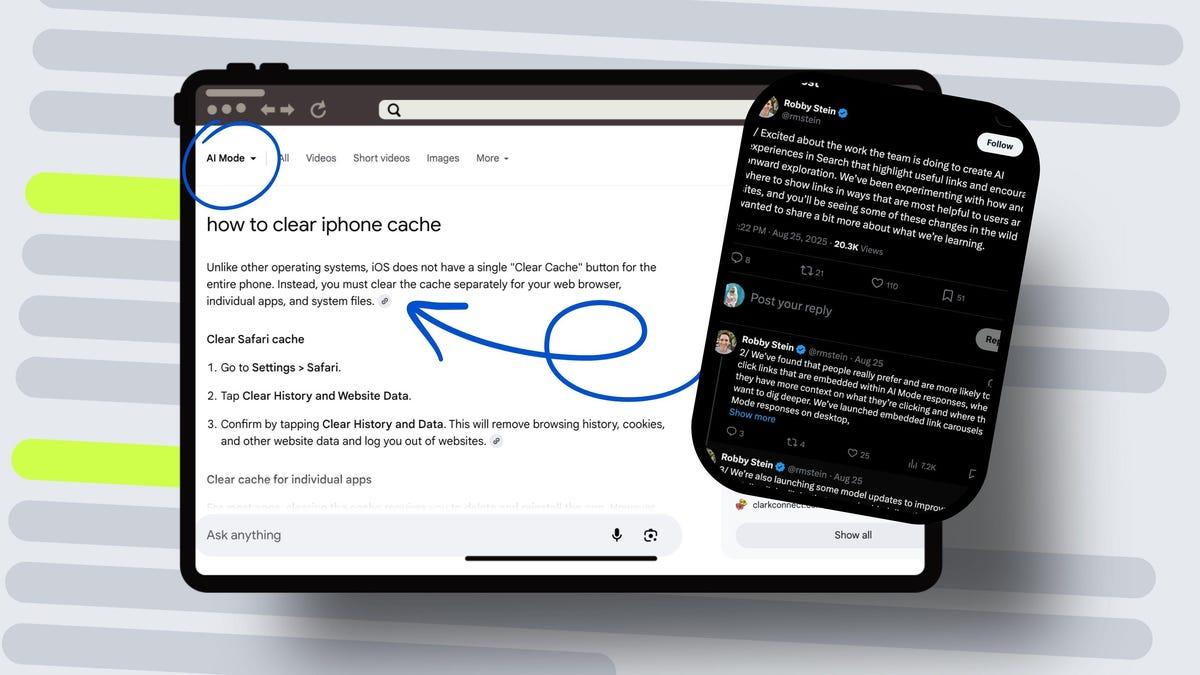
Google is updating its AI-powered search features, specifically AI Mode, to include more contextual inline linking to the sources from which it pulls information
2
. The company will introduce AI-generated snippets that explain why embedded links might be useful to users. An example shared by Google demonstrates how AI Mode will place descriptions of relevant sources directly above carousels containing their links, stating details like "These articles suggest budget-friendly decor ideas, including secondhand shopping, architectural updates like molding and hardware swaps, and DIY projects to achieve a vintage look"2
.This update arrives just days after the European Commission opened an investigation into whether Google violates competition rules by using publisher content in AI features without appropriate compensation
2
. In August, Google pushed back against claims that people were less likely to click on links when AI Overviews appeared, asserting that click volume remained relatively stable2
. The enhanced linking strategy signals Google's effort to balance AI-driven user experience with transparency about information sources.
Source: The Verge
Preferred Sources feature expands globally with improved user customization
Google is rolling out its Preferred Sources feature globally after initially launching it in the U.S. and India in August
1
. The feature allows users to select favorite news sites and blogs to appear in the Top Stories section of Google search results1
. English-language users worldwide will gain access over the next few days, with support for all languages planned for early next year1
.Data shows that users who adopted the Preferred Sources feature clicked links to those sites twice as often
3
. Google will also highlight links from news subscriptions in a dedicated carousel within the Gemini app in coming weeks, before expanding to AI Overviews and AI Mode1
3
. While these features enhance user customization and help readers access content from trusted sources, they risk creating ideological bubbles that limit exposure to diverse perspectives1
.Related Stories


Real-time information partnerships and Web Guide improvements
Google is partnering with organizations including The Associated Press, Estadão, Antara, and Yonhap to incorporate real-time information and enhance results in the Gemini app
1
2
. These partnerships aim to provide timely, accurate publisher content within AI-driven interfaces while maintaining proper source attribution.Additionally, Google announced updates to Web Guide, a Search Labs experiment launched five months ago that uses Gemini AI to organize search results into AI-generated categories
2
3
. The company reports that Web Guide now loads twice as fast and will appear for more types of searches2
3
. These improvements reflect Google's ongoing effort to balance AI innovation with maintaining relationships across the publishing ecosystem as information consumption patterns continue to evolve.References
Summarized by

Navi
[1]
[2]
[3]
Related Stories
Recent Highlights



Recent Highlights
Today's Top Stories










Your Daily Dose of Curated AI News
Don’t drown in AI news. We cut through the noise - filtering, ranking and summarizing the most important AI news, breakthroughs and research daily. Spend less time searching for the latest in AI and get straight to action.

