Google strips Pixel Studio of AI features, pushes users to Nano Banana instead


2 Sources
2 Sources
[1]
Google's latest Pixel Studio update is a major downgrade
Instead, the company is pushing users interested in that over to Nano Banana. Google introduced its Pixel Studio app with the Pixel 9 series as a fun way to show off some of the AI capabilities of the hardware, generating scenes and creating stickers based on your ideas. While that's been nice for what it is, availability's been a bit limited, with the app only supporting Pixel 9 and 10 handsets, and these days we have much more broadly accessible image generation tools like Nano Banana. What does that mean for the Pixel Studio's future? Well, it's not good news.
[2]
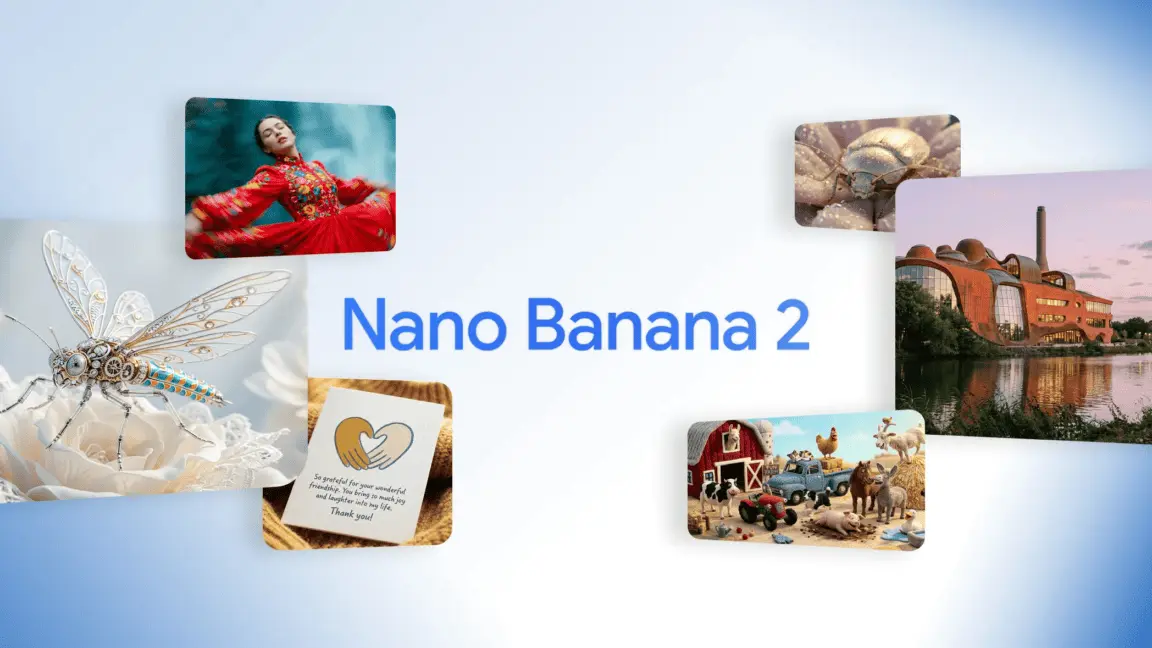
Nano Banana is here to eat the Pixel Studio's lunch
Karandeep Singh Oberoi is a Durham College Journalism and Mass Media graduate who joined the Android Police team in April 2024, after serving as a full-time News Writer at Canadian publication MobileSyrup. Prior to joining Android Police, Oberoi worked on feature stories, reviews, evergreen articles, and focused on 'how-to' resources. Additionally, he informed readers about the latest deals and discounts with quick hit pieces and buyer's guides for all occasions. Oberoi lives in Toronto, Canada. When not working on a new story, he likes to hit the gym, play soccer (although he keeps calling it football for some reason🤔) and try out new restaurants in the Greater Toronto Area. Google's ambitions have come a long way. What started out as a simple Pixel Studio app has branched out into several new image generation workflows, models, and tools, leaving the app just a little redundant. For reference, the Pixel Studio app came out with the Pixel 9 series back in August 2024, and it was an instant hit thanks to its novel prompt-first image generation approach. That approach, however, has now expanded so far out that it has outgrown Pixel Studio. Related Pixel Studio: Everything you need to know about the AI image-generation platform Getting started with Pixel Studio is simple Posts By Benjamin Zeman What was once a pioneer is now being overshadowed by the very ecosystem it helped build. Just yesterday, the Mountain View, California-based tech giant released Nano Banana 2, its latest image generation model. Around the same time, Google also seems to have started winding down the Pixel Studio app. The development was highlighted by the folks over at 9to5Google after looking at the latest version 2.2.001.864530193.00 of the Pixel Studio app. Related 5 ways Pixel Studio is surprisingly useful Not just for drawing cats Posts 1 By Stephen Radochia With the update, the app has seemingly lost its generative AI tools, including its Magic Eraser-like object deletion, custom sticker creation, and prompt-based editing. What remains are general image editing tools based on the Material 3 Expressive interface, including tools for cropping, drawing, highlighting, and adding text. Nano Banana's sunrise is Pixel Studio's sunset Google has seemingly confirmed the wind-down too, telling 9to5Google that it will soon start re-directing "Pixel Studio users to Nano Banana in Gemini while offering an easy export tool for all your creations." The transition will happen over time, with "all Pixel Studio powered integrations will continue to work as expected" until then. Whether or not the app will be completely shuttered remains to be seen, but considering the vast number of AI tools that already have overlapping functionality, it is highly likely that Pixel Studio might soon find itself stepping into the Google Graveyard.
Share
Share
Copy Link
Google has removed core generative AI features from Pixel Studio in its latest update, leaving only basic image editing tools. The company confirmed it will redirect Pixel Studio users to Nano Banana in Gemini, marking a significant shift in strategy less than a year after the app's August 2024 launch with the Pixel 9 series.
Pixel Studio Stripped of Core AI Capabilities
Google has delivered what users are calling a major downgrade to Pixel Studio, removing the app's signature generative AI features in version 2.2.001.864530193.00
2
. The Pixel Studio update eliminates prompt-based image generation, custom sticker creation, and Magic Eraser-like object deletion capabilities that made the app distinctive when it launched with the Pixel 9 series in August 20241
. What remains are basic image editing tools built on the Material 3 Expressive interface, including cropping, drawing, highlighting, and text addition functions2
.
Source: Android Police
Google Confirms Shift in Strategy to Nano Banana
The Mountain View tech giant confirmed the transition to 9to5Google, stating it will redirect Pixel Studio users to Nano Banana in Gemini while providing an export tool for existing creations
2
. This move comes shortly after Google released Nano Banana 2, its latest image generation model, signaling where the company now focuses its AI development efforts. Google assured that "all Pixel Studio powered integrations will continue to work as expected" during the transition period, though the timeline remains unclear2
.From Pioneer to Redundant in Months
Pixel Studio initially showcased the AI capabilities of Google's Pixel hardware through its novel prompt-first approach to generating scenes and stickers
1
. The app was an instant hit at launch, demonstrating how on-device AI could create images based on user ideas2
. However, the ecosystem it helped pioneer has now outgrown the app itself. The availability of more broadly accessible image generation tools like Nano Banana, which work across devices rather than being limited to Pixel 9 and Pixel 10 handsets, has made the standalone app redundant1
.
Source: Android Authority
Related Stories
Uncertain Future and Google Graveyard Concerns
While Google hasn't explicitly announced a complete shutdown, the removal of all generative AI features raises questions about Pixel Studio's long-term viability. With the vast number of AI tools that already offer overlapping functionality, industry observers suggest the app might soon join the Google Graveyard of discontinued products
2
. Users should watch for further announcements about migration timelines and whether any Pixel-exclusive features will survive the transition to Gemini's Nano Banana platform. The shift reflects Google's broader consolidation of AI features into centralized platforms rather than maintaining device-specific applications.References
Summarized by

Navi
[1]
[2]
Related Stories
Google's Nano Banana AI Image Tool: Expanding Reach and Capabilities
03 Oct 2025•Technology

Google's Nano Banana 2 and Gemini 3 Pro Set to Revolutionize AI Image Generation and Coding
07 Nov 2025•Technology

Google Expands Nano Banana AI Image Editor to Search, NotebookLM, and Photos
12 Oct 2025•Technology
Recent Highlights



Recent Highlights
Today's Top Stories









Your Daily Dose of Curated AI News
Don’t drown in AI news. We cut through the noise - filtering, ranking and summarizing the most important AI news, breakthroughs and research daily. Spend less time searching for the latest in AI and get straight to action.

